 English
 русский
 Español
 عربى
عربى
 中文
中文

Traditional Chinese Medicine Sterilizer
Cat:Products
The sterilizer performs moist heat sterilization operations on items with saturated steam as the st...
See Details
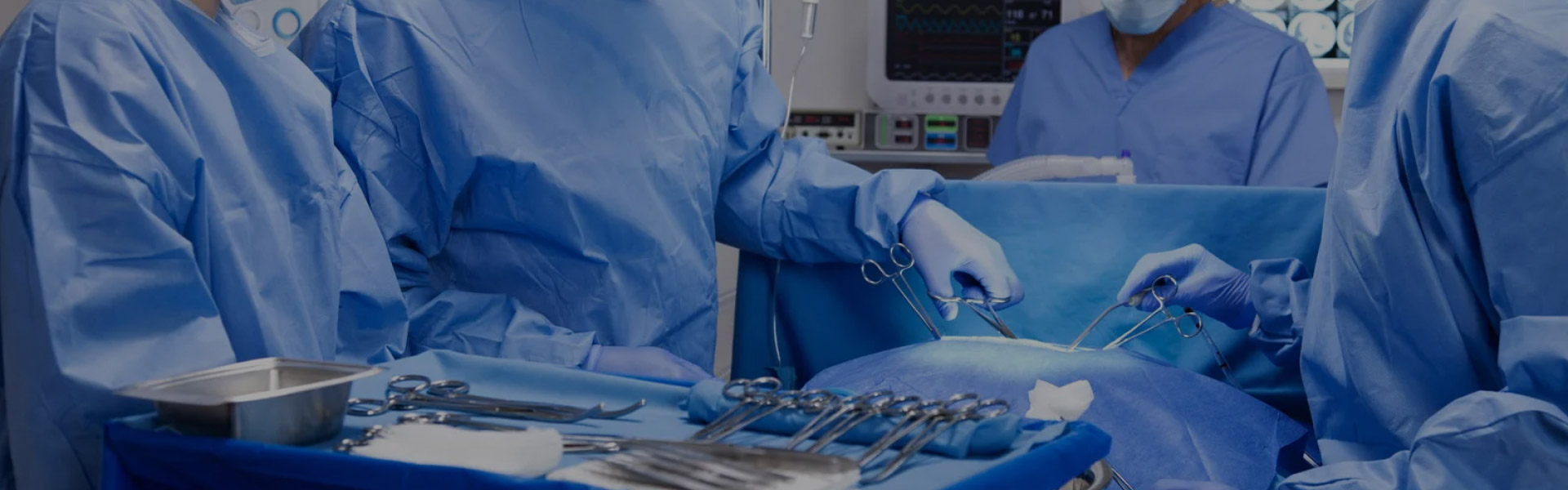
On the stage of modern medicine, medical devices and equipment act as the competent assistants of doctors, playing an irreplaceable role in the process of diagnosis, treatment and care.
During surgeries and medical treatments, medical devices come into contact with patients' body fluids, blood, tissues, etc. These substances may contain a large number of bacteria, viruses and other pathogenic microorganisms. If the medical devices are not cleaned in time, these pathogenic microorganisms will grow and multiply on the surface of the devices, forming biofilms, which are difficult to be completely eradicated by subsequent disinfection and sterilization methods. Therefore, the cleaning process of medical devices is of vital importance. It can effectively remove the dirt and pathogenic microorganisms on the surface of the devices, providing a good foundation for subsequent disinfection and sterilization.
The significance of medical device disinfection: To eliminate pathogenic microorganisms and ensure a sterile state.
Medical device sterilization refers to the process of using physical or chemical methods to kill pathogenic microorganisms on the surface of medical devices, in order to prevent infections during surgeries and medical treatments. The sterilization process can be divided into two types: physical sterilization and chemical sterilization. Physical sterilization methods include high-temperature steam, ultraviolet irradiation, etc., which can damage the cell structure of pathogenic microorganisms and render them inactive; chemical sterilization methods utilize the chemical components in disinfectants to react with the proteins of pathogenic microorganisms, causing them to lose their physiological functions. Whether it is physical sterilization or chemical sterilization, the aim is to ensure the sterile state of medical devices and reduce the risk of infection for patients.
The significance of sterilization of medical devices: Completely eliminating microorganisms to ensure absolute safety
Medical device sterilization refers to the process of using physical or chemical methods to kill all microorganisms on the surface of medical devices, including heat-resistant bacteria, spores, etc. The sterilization process is more rigorous than disinfection, as it requires achieving a higher level of microorganism elimination. Common methods of medical device sterilization include high-temperature steam sterilization and ethylene oxide sterilization. These methods can completely kill all microorganisms on the surface of medical devices, ensuring their absolute safety. In surgical and diagnostic procedures that require aseptic operations, using sterilized medical devices can significantly reduce the risk of patient infection.
The combined effect of cleaning, disinfection and sterilization: Building a protective barrier for patient safety
The cleaning, disinfection and sterilization of medical devices are closely interrelated processes. The cleaning process can remove dirt and pathogenic microorganisms from the surface of the devices, providing a good foundation for the subsequent disinfection and sterilization; the disinfection process can kill most pathogenic microorganisms, ensuring the aseptic state of the devices; and the sterilization process can completely kill all microorganisms, ensuring the absolute safety of the devices. These three processes cooperate and complement each other, jointly forming a protective barrier for patient safety.
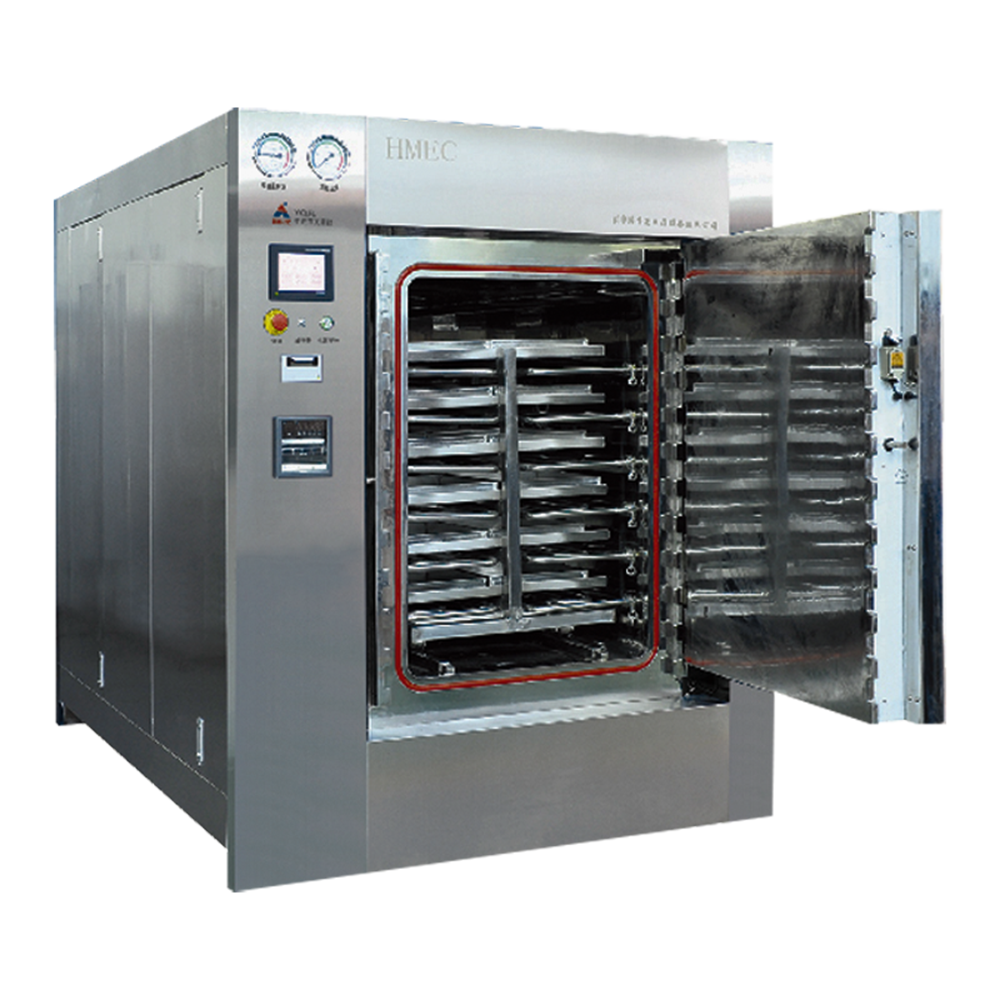
The sterilizer performs moist heat sterilization operations on items with saturated steam as the st...
See Details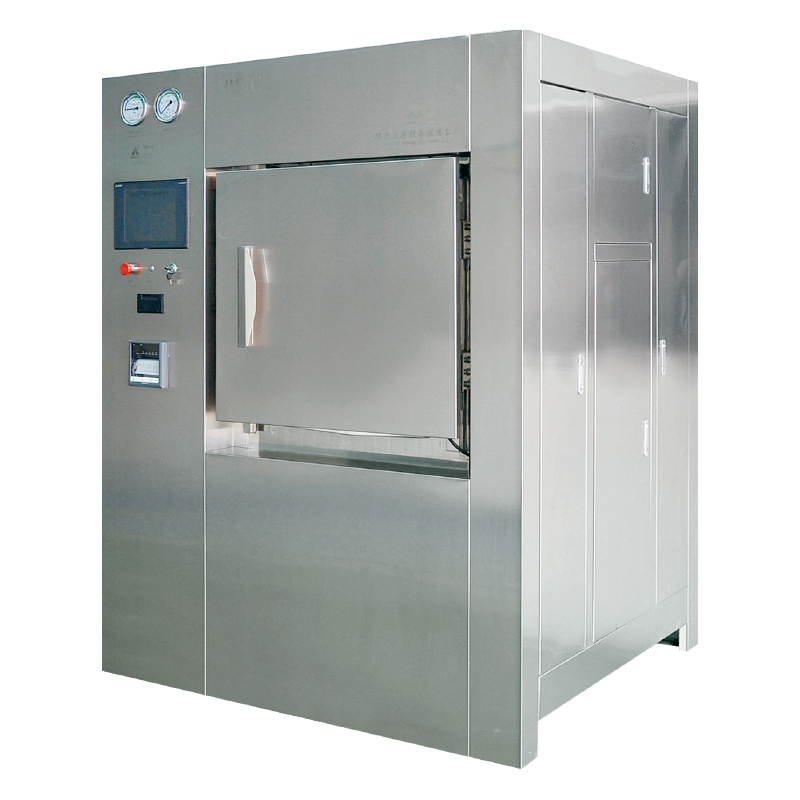
The sterilizer is to remove the impact of cold air on temperature using pulsation vacuum pumping wit...
See Details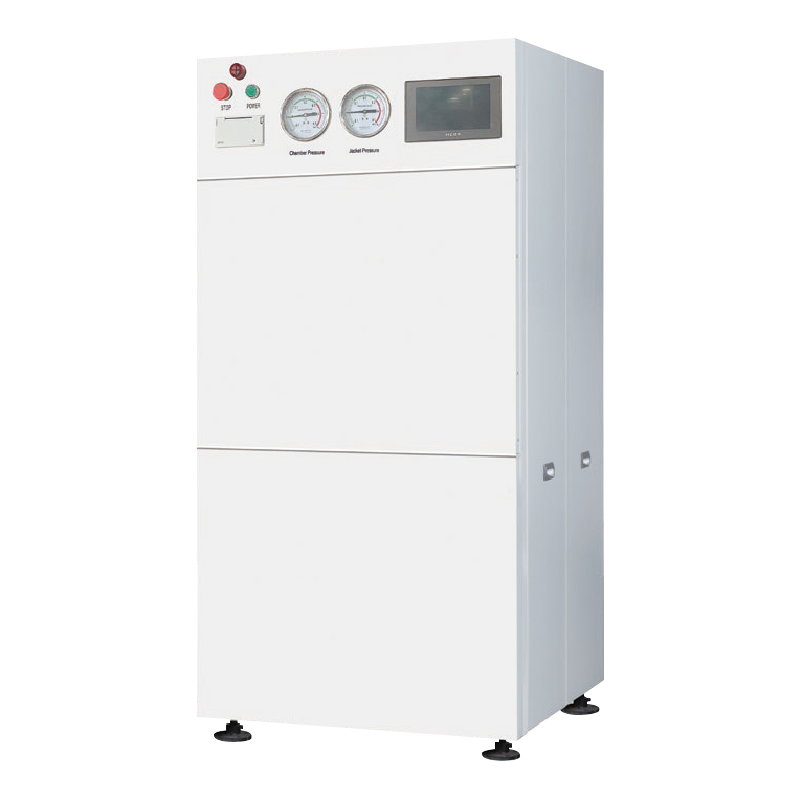
The Horizontal Steam Sterilizer utilizes saturated steam as the sterilizing medium, capitalizing on ...
See Details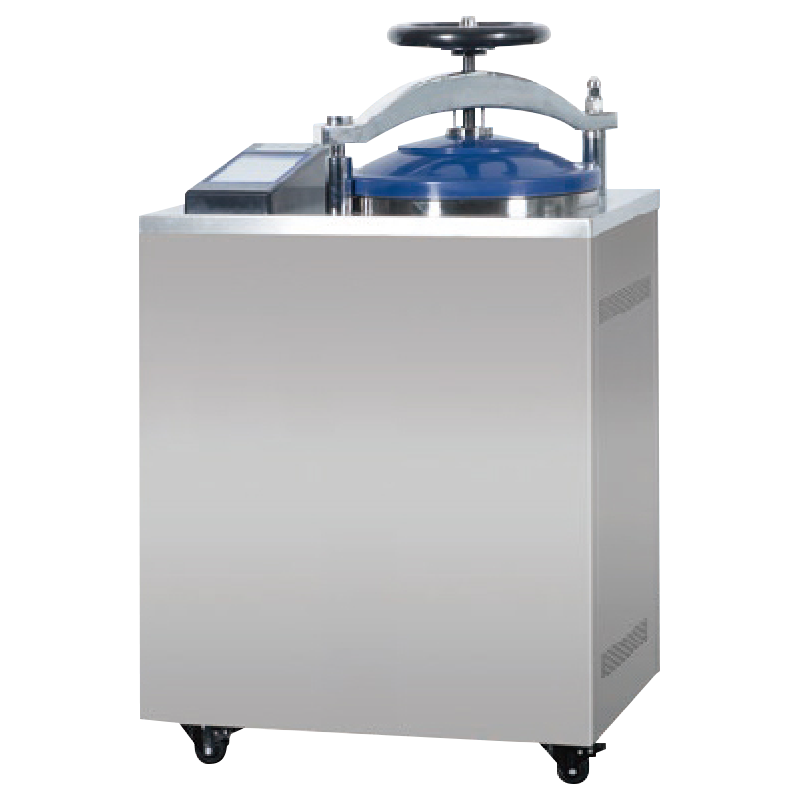
The Vertical Steam Sterilizer M Series (Pulsating Vacuum) is a safe and reliable sterilization solut...
See Details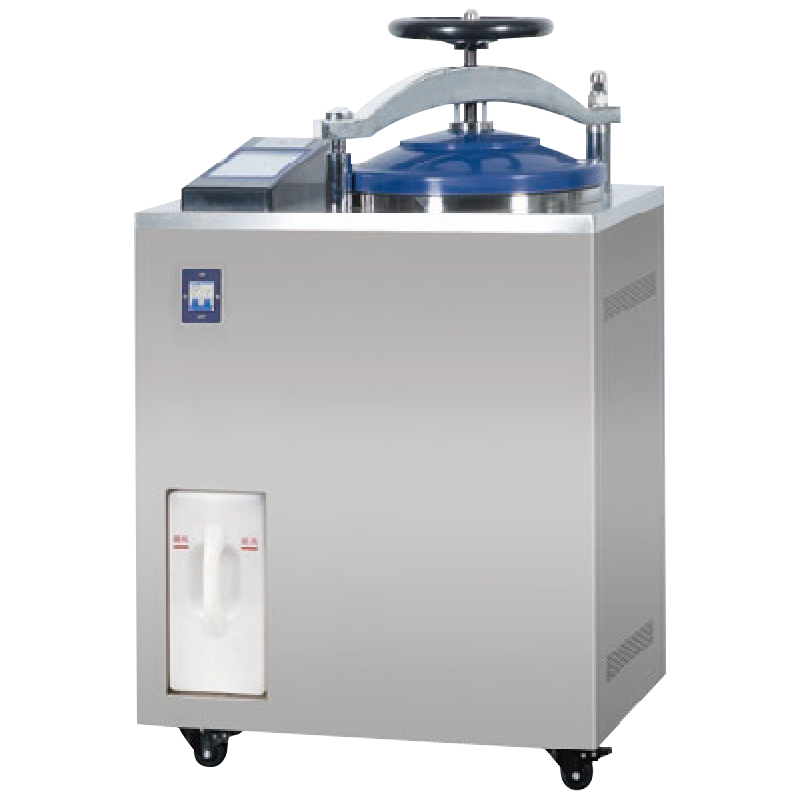
The Vertical Steam Sterilizer X Series (Multi-functional Laboratory Customized Model) offers a highl...
See Details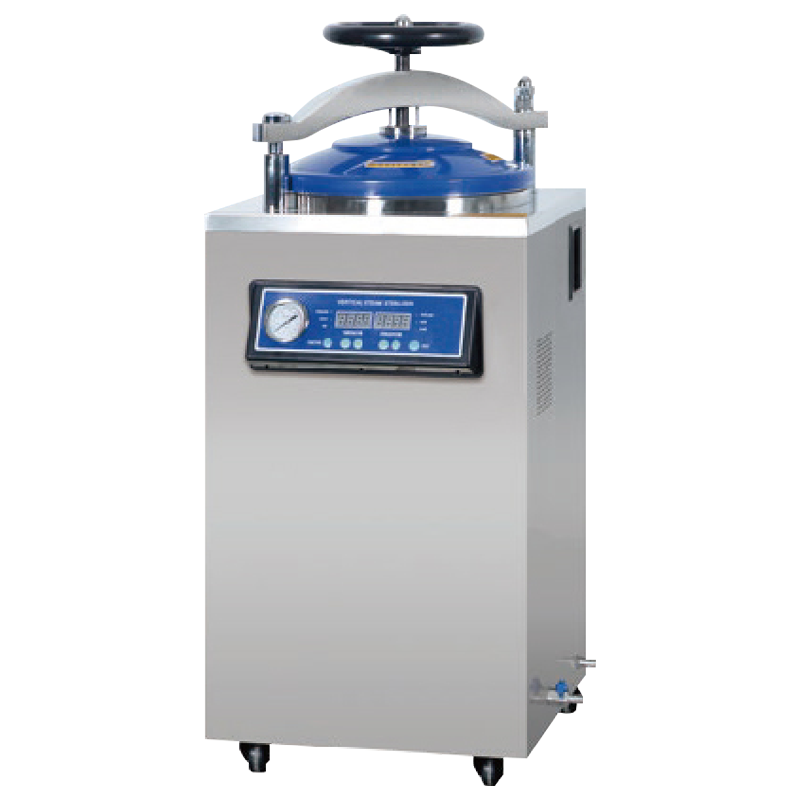
The Vertical Steam Sterilizer B Series offers a robust, automated solution for sterilizing a wide ra...
See Details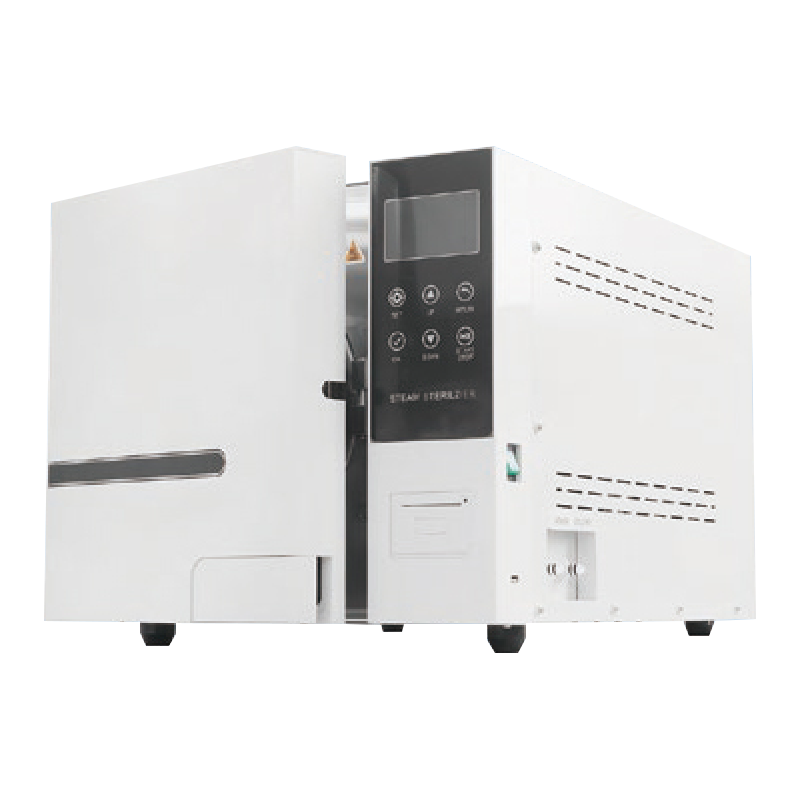
The Tabletop Steam Sterilizer YXQ.DX-X Series is a highly efficient and compact solution designed fo...
See Details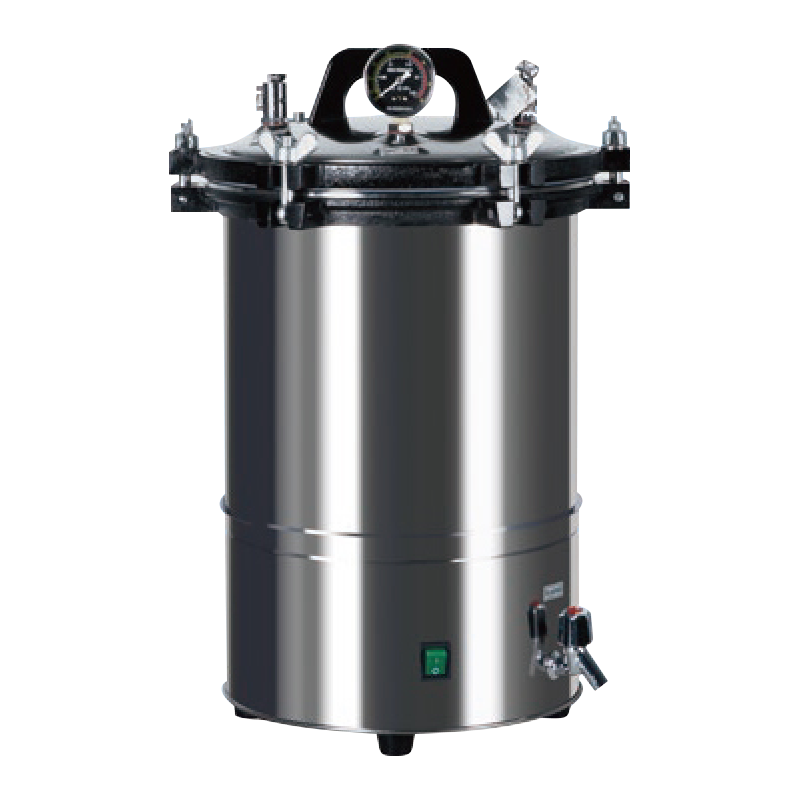
The Portable Pressure Steam Sterilizer Model YXQ.PPS-280A and A+ offers a compact and reliable solut...
See Details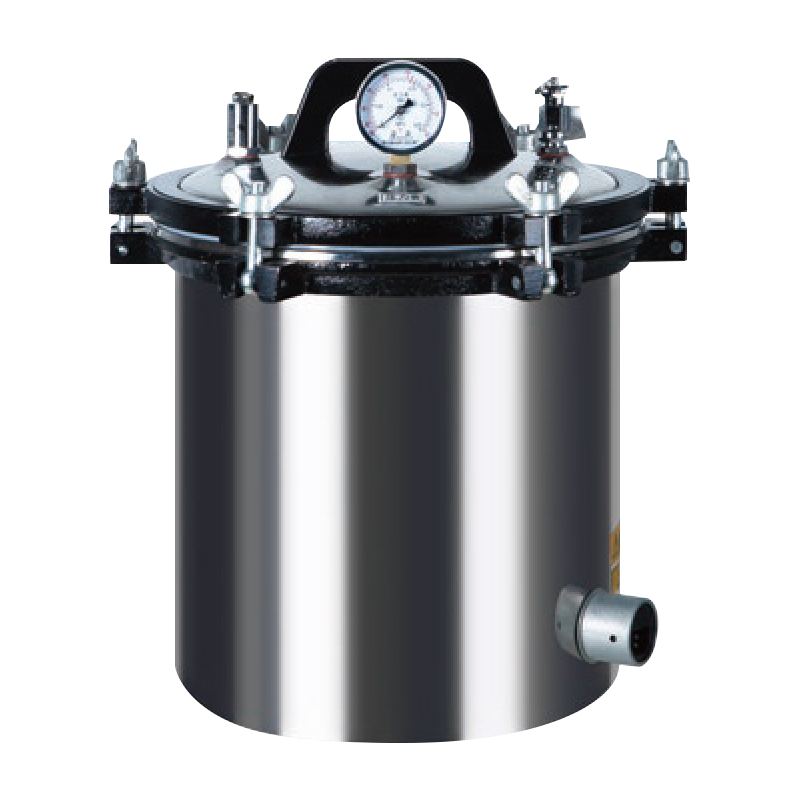
The YXQ.PPS-280C and C+ Portable Pressure Steam Sterilizer is a versatile dual-purpose sterilizer, o...
See Details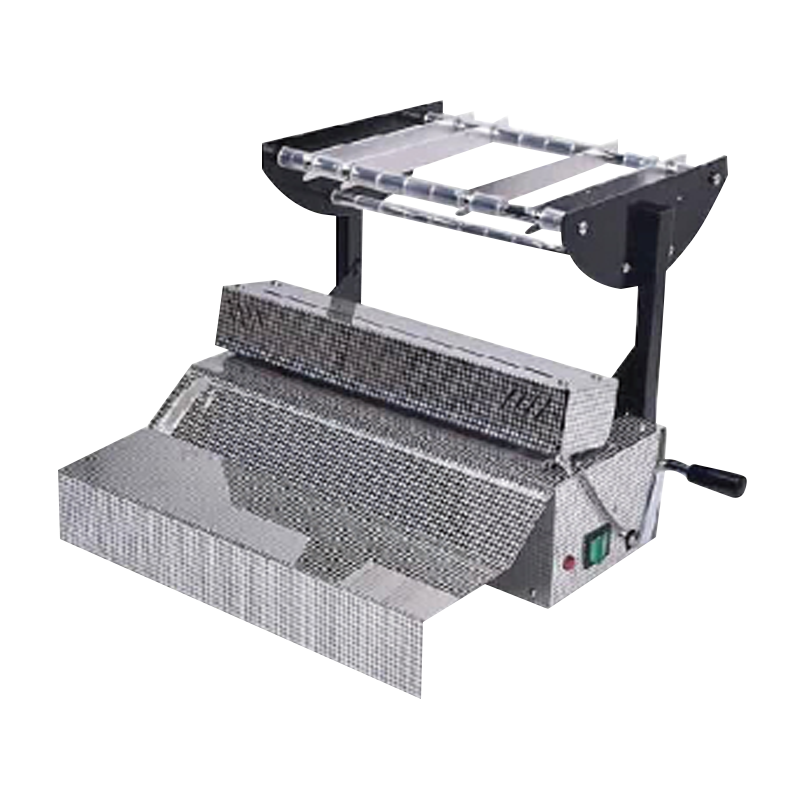
Product Usage:This type of sealing machine is used forsealing sterilizing bag, suitable for medicali...
See DetailsIntroduction to Sanitary Grade Sterilizer: Definition and Importance in Modern Sterilization Definit......
READ MOREIntroduction In today’s fast-paced world, ensuring the safety and sterility of products and material......
READ MOREIntroduction to Sterile Preparation Sterilizers What is Sterile Preparation? Sterile preparation ref......
READ MOREWhy Does Every Drug Require a Sterile Preparation Sterilizer? In modern medicine and pharmaceuticals......
READ MORE +(86) 18018151178
[email protected]
365 Nansha Sanjiali Road, Jingang Town, Zhangjiagang City, China
+(86) 18018151178
[email protected]
365 Nansha Sanjiali Road, Jingang Town, Zhangjiagang City, China
