 English
 русский
 Español
 عربى
عربى
 中文
中文

Traditional Chinese Medicine Sterilizer
Cat:Products
The sterilizer performs moist heat sterilization operations on items with saturated steam as the st...
See Details

Sterile preparation refers to the process of compounding or manufacturing a sterile product, which is a product that is free from viable microorganisms. This is a critical process in industries where products are intended for administration into the human body, such as injections, intravenous fluids, and ophthalmic solutions. It is also essential for preparing sterile medical devices and instruments used in surgery and other procedures.
Importance of Sterilization in Pharmaceutical, Healthcare, and Laboratory Settings
Sterilization is the process of eliminating or deactivating all forms of microbial life, including bacteria, viruses, fungi, and spores. In pharmaceutical, healthcare, and laboratory settings, it's non-negotiable. Without proper sterilization, products and equipment could harbor harmful microorganisms, leading to patient infections, product contamination, and inaccurate test results. This not only puts patient safety at risk but can also lead to significant financial and reputational damage for a company.
To ensure the safety and efficacy of sterile products, strict regulations and standards are in place. The FDA's Good Manufacturing Practices (GMP) guidelines provide the framework for manufacturing sterile drugs. The United States Pharmacopeia (USP) outlines specific chapters, such as USP <797> for compounded sterile preparations, that detail requirements for sterility assurance. Additionally, ISO standards, like ISO 11135 for ethylene oxide sterilization and ISO 11137 for radiation sterilization, provide internationally recognized guidelines for sterilization processes. These regulations and standards dictate everything from the equipment used to the validation and documentation of the sterilization process.
Different sterilization methods are chosen based on the nature of the materials to be processed, their heat and moisture sensitivity, and the required sterility assurance level.
Autoclaves are the most common and reliable form of sterilization, using moist heat in the form of pressurized saturated steam.
How Steam Sterilization Works
The process works by exposing items to high-temperature steam under pressure. The heat from the steam, which has a higher heat transfer coefficient than dry air, causes the irreversible coagulation and denaturation of proteins within microorganisms, effectively killing them. The pressure allows the steam to reach temperatures above its normal boiling point, significantly shortening the sterilization time. A typical cycle includes a conditioning phase to remove air from the chamber, an exposure phase where the items are held at the target temperature and pressure for a specified duration, and a final exhaust phase to release the pressure and dry the load.
Applications and Use Cases
Steam sterilization is the method of choice for heat- and moisture-stable items, such as:
Surgical instruments
Glassware
Culture media
Textiles and linens
Aqueous solutions and liquids
Dry heat sterilization uses hot air to kill microorganisms through the process of oxidation.
Mechanism of Dry Heat Sterilization
Unlike moist heat, which relies on coagulation, dry heat sterilization destroys microorganisms by causing cellular component oxidation and protein denaturation. This method is less efficient at transferring heat than steam, requiring higher temperatures and longer exposure times to achieve the same level of sterility.
Applications and Use Cases (e.g., Depyrogenation)
This method is suitable for moisture-sensitive and heat-stable materials that cannot withstand steam, as well as for removing pyrogens (fever-inducing substances, often bacterial endotoxins). The high temperatures required for dry heat sterilization are particularly effective for this process, known as depyrogenation.
Common applications include:
Glassware (vials, ampoules)
Oils, fats, and powders
Certain metal instruments that would corrode in the presence of moisture
Vapor phase sterilization is a low-temperature method that uses a gaseous chemical agent to inactivate microorganisms.
Overview of Vapor Phase Sterilization
This process involves converting a liquid sterilant, such as hydrogen peroxide, into a vapor that fills the chamber. The vapor permeates the load and destroys microorganisms through the oxidation of essential cell components. It's often combined with a plasma phase to break down the vapor into non-toxic by-products like water and oxygen, eliminating the need for aeration.
Applications and Use Cases
Vapor phase sterilization is used for heat- and moisture-sensitive medical devices that would be damaged by autoclaving. Its low-temperature cycle is ideal for:
Medical devices with complex lumens
Electronics and other sensitive equipment
Single-use medical instruments
Filtration is a non-thermal sterilization method used for liquids and gases.
Use of Filters in Aseptic Processing
This method physically removes microorganisms from a fluid by passing it through a filter with a pore size small enough to retain bacteria and other microbes. It is a critical step in aseptic processing, where sterile products are manufactured from sterile components in a controlled environment. Filtration doesn't kill microorganisms; it simply removes them.
Filter Types and Selection
Sterilizing-grade filters typically have a pore size of 0.22 microns or less to ensure the retention of bacteria. The selection of a filter depends on the fluid properties and process requirements.
Membrane filters are the most common type used for sterilization, made from polymers like polyethersulfone (PES) or polyvinylidene fluoride (PVDF).
Depth filters are sometimes used as a pre-filter to remove larger particles before the final sterilizing-grade membrane filter.
|
Sterilization Method |
Mechanism of Action |
Typical Temperature Range |
Typical Cycle Time |
Key Applications |
|
Steam Sterilization |
Protein denaturation via moist heat |
121°C - 134°C (250°F - 273°F) |
15 - 30 minutes (at 121°C) or 3 - 10 minutes (at 134°C) |
Heat- and moisture-stable items, porous materials, aqueous solutions |
|
Dry Heat Sterilization |
Oxidation of cellular components via hot air |
160°C - 250°C (320°F - 482°F) |
1 - 2 hours or more (at 170°C) |
Heat-stable, moisture-sensitive items, depyrogenation of glassware |
|
Vapor Phase Sterilization |
Oxidation via chemical vapor |
37°C - 60°C (98°F - 140°F) |
30 - 90 minutes (varies by cycle) |
Heat- and moisture-sensitive medical devices, electronics |
|
Filtration |
Physical removal of microorganisms |
Ambient to operating temperature of the fluid |
Varies based on flow rate and volume |
Heat-sensitive liquids and gases (e.g., pharmaceuticals, sterile air) |
Choosing the right sterilizer is a critical decision that impacts safety, compliance, and operational efficiency. It's not a one-size-fits-all choice and depends on a variety of factors.
The material compatibility of the items is the single most important factor.
Heat- and moisture-stable items like metal instruments, glassware, and aqueous solutions are ideal for steam sterilization.
Heat-stable but moisture-sensitive items like oils, powders, and certain glassware require dry heat sterilization.
Heat- and moisture-sensitive materials, such as many modern medical devices with complex electronics or plastics, are best suited for low-temperature methods like vapor phase sterilization.
Using the wrong method can damage the product, render it non-sterile, or both.
Each sterilization method has a specific set of parameters that must be met to achieve a required sterility assurance level (SAL).
For steam sterilization, the key parameters are temperature, pressure, and time. These are interdependent; higher temperatures require shorter exposure times.
Dry heat sterilization requires much higher temperatures and longer times due to the lower heat transfer efficiency of hot air.
Vapor phase sterilization relies on a precise balance of temperature, concentration of the sterilant (e.g., hydrogen peroxide), and time.
These parameters are meticulously validated and must be followed exactly for every cycle.
The volume of items needing sterilization and the required processing speed will determine the necessary sterilizer size and type.
For large-scale pharmaceutical manufacturing, a high-capacity, automated system is essential.
A small laboratory or clinic might only need a compact benchtop autoclave.
Cycle time is a key factor in throughput. For example, steam sterilization is generally faster than dry heat sterilization, but vapor phase sterilization can offer a very rapid turnaround for specific items.
All sterilization processes in regulated industries must be validated to prove they consistently achieve the required SAL.
This involves a series of tests and documentation to meet GMP, USP, and ISO standards.
The sterilizer's design, controls, and monitoring capabilities must support these validation activities.
The complexity and cost of validation can vary significantly between different sterilization methods.
The total cost of ownership goes beyond the initial purchase price of the equipment.
Initial cost: Dry heat sterilizers and some small autoclaves can be less expensive, while large-scale vapor phase systems or specialized autoclaves represent a significant investment.
Operational costs: This includes utilities (electricity, water, steam), consumables (sterilant, packaging, biological indicators), and maintenance. Steam sterilization typically has lower consumable costs than vapor phase methods.
Labor costs and the cost of any failed cycles must also be considered.
Cost and Parameter Comparison
|
Consideration |
Steam Sterilization (Autoclave) |
Dry Heat Sterilization |
Vapor Phase Sterilization |
|
Initial Cost |
Moderate to High |
Low to Moderate |
High |
|
Operational Cost |
Low (Water, electricity) |
Low (Electricity) |
Moderate to High (Consumables, specialized sterilant) |
|
Typical Temperature |
121°C - 134°C |
160°C - 250°C |
37°C - 60°C |
|
Typical Cycle Time |
15-60 minutes |
1-4 hours |
30-90 minutes |
|
Material Compatibility |
Heat & moisture stable |
Heat stable, moisture sensitive |
Heat & moisture sensitive |
A successful sterilization process goes far beyond simply placing items in a sterilizer. It involves meticulous preparation, proper loading, continuous monitoring, and careful cycle management to ensure a consistently sterile outcome.
Effective sterilization starts with thorough preparation. Items must be cleaned and decontaminated before being sterilized. Any residual organic material, like blood or tissue, can act as a barrier and shield microorganisms from the sterilizing agent, leading to a failed cycle.
Cleaning: This is the first and most critical step. It involves the physical removal of visible debris using detergents, water, and mechanical action. Ultrasonic cleaners are often used for instruments with intricate parts.
Drying: After cleaning, items must be thoroughly dried. Moisture can interfere with sterilization processes like dry heat, and for steam sterilization, excess water can lead to a wet pack that is considered unsterile.
Packaging: Items are packaged in materials that allow the sterilizing agent (e.g., steam, vapor) to penetrate while maintaining sterility after the cycle. Common packaging includes sterilization pouches, wraps, and rigid containers. The packaging must be sealed and labeled correctly.
Loading and Unloading Sterilizers
Proper loading is essential for ensuring the sterilizing agent can reach all surfaces of every item. Incorrect loading can lead to "cold spots" where sterilization is not achieved.
Loading: Items should be placed loosely in the chamber, allowing for adequate space for air removal and steam or vapor circulation. Do not overload the sterilizer. Heavy items should be placed on lower shelves. For steam sterilizers, items that can trap water (like bowls) should be tilted to allow for drainage.
Unloading: After the cycle is complete, wait for the sterilizer to cool down and for the pressure to equalize before opening the door. When unloading, handle packs with care and inspect them for any signs of wetness or damage. Wet packs must be re-processed.
Monitoring and control systems provide real-time assurance that the sterilization process is proceeding correctly.
Physical Monitoring: This involves checking the sterilizer's internal gauges and readouts to confirm that the programmed temperature, pressure, and time parameters were met.
Chemical Indicators: These are materials that change color or form when exposed to specific sterilization parameters. They provide a quick, visual confirmation that the items have been exposed to the sterilizing agent. There are different types of chemical indicators, from simple tapes that show exposure to integrating indicators that verify multiple critical parameters.
Biological Indicators (BIs): The most definitive method of monitoring. BIs contain highly resistant bacterial spores. If the sterilization process is successful, the spores are killed. The BI is then incubated, and a lack of microbial growth confirms a successful sterilization cycle.
Cycle development is the process of defining the specific parameters for a new sterilization process, such as for a novel product or a new sterilizer. It's a key part of the validation process.
The goal is to establish a robust and repeatable cycle that consistently delivers the required sterility assurance level (SAL).
Optimization aims to improve the efficiency of a validated cycle, for instance, by reducing the cycle time while maintaining sterility. This often involves fine-tuning parameters based on extensive testing with biological and chemical indicators.
Validation is the documented process of confirming that a sterilization process will consistently produce a product that meets its predetermined specifications and quality attributes. It's a fundamental requirement in regulated industries to ensure patient safety and product efficacy.
Sterilization is a "special process," meaning its results cannot be fully verified by inspecting the final product. A product that appears sterile cannot be proven so without destructive testing. Therefore, confidence in sterility is gained through a validated and controlled process. Validation provides scientific evidence that a sterilizer and its associated process parameters are capable of consistently delivering a Sterility Assurance Level (SAL) of 10−6 or better, which means the probability of a single non-sterile unit is less than one in a million.
Sterilization validation is typically a three-part process:
Installation Qualification (IQ): This verifies that the sterilizer has been installed correctly and according to the manufacturer's specifications. It includes checks of documentation, utilities (power, water, steam), and the physical installation to ensure the equipment is properly set up and safe to operate.
Operational Qualification (OQ): This step tests the sterilizer's operational limits and its ability to function within the specified parameters. OQ challenges the equipment at its "worst-case" scenarios—such as the highest and lowest temperatures or longest and shortest cycle times—to confirm that it can still achieve the desired results. It establishes the a safe and effective operating range for the sterilizer.
Performance Qualification (PQ): The final and most critical step. PQ demonstrates that the entire sterilization process, including the specific products and their packaging, consistently produces sterile output. It is performed under normal operating conditions with full loads using trained personnel. This phase proves that the process is robust and repeatable in a real-world production environment.
Validation and routine monitoring rely on these key tools to provide evidence of a successful cycle.
Biological Indicators (BIs): These are the gold standard for proving sterilization. A BI contains a known population of highly resistant bacterial spores on a carrier material (e.g., paper strip). The species of spore used is specific to the sterilization method; for example, Geobacillus stearothermophilus is used for steam and vaporized hydrogen peroxide, while Bacillus atrophaeus is used for dry heat and ethylene oxide. If the spores are killed after the cycle, it provides a high degree of confidence that the process was lethal to all microorganisms.
Chemical Indicators (CIs): These provide immediate visual feedback that a specific parameter has been met.
Class 1 (Process Indicators): Autoclave tape that simply shows the item has been exposed to the sterilization process.
Class 4 (Multi-parameter Indicators): Strips that react to two or more critical variables, such as temperature and time.
Class 5 (Integrating Indicators): These are designed to correlate with the performance of biological indicators and react to all critical parameters of a cycle.
Every step of the validation process, from IQ to PQ, must be thoroughly documented. This includes protocols, test results, deviations, and a final validation report. Meticulous record-keeping is a regulatory requirement (GMP, ISO) and is essential for demonstrating compliance during audits. Records provide a complete history of the sterilizer and its performance, ensuring traceability and accountability.
Regular maintenance is essential for the long-term reliability and safety of any sterilizer. Proactive care not only ensures consistent performance but also helps prevent costly breakdowns and extends the equipment's lifespan.
Routine Maintenance Tasks
A well-defined maintenance schedule is critical. Tasks can be broken down into daily, weekly, and monthly routines.
Daily: Clean the chamber, door gasket, and exterior surfaces to prevent residue buildup. Check for any visible damage or leaks.
Weekly: Inspect and clean the door seal and drain filter. Clean the chamber thoroughly to remove any scale or debris that could impede steam penetration.
Monthly: Conduct a more in-depth cleaning, including cleaning the reservoir and checking for proper functioning of safety features and controls.
Calibration is the process of adjusting the sterilizer's instruments (e.g., temperature and pressure sensors) to ensure they are providing accurate readings. This must be done on a regular, scheduled basis, often annually, by a qualified technician using calibrated, traceable instruments.
Servicing involves a professional, comprehensive inspection of the sterilizer's mechanical and electrical systems. This includes checking the door mechanism, pumps, valves, and heating elements. Regular professional servicing, typically once or twice a year, can identify and fix minor issues before they lead to major failures.
|
Problem |
Potential Cause |
Solution |
|
Wet Packs |
Overloading the chamber; improper packaging; clogged drain filter; failed drying cycle. |
Do not overstuff the chamber; use appropriate sterilization packaging; clean the drain filter; check the drying cycle parameters. |
|
Sterilization Failure |
Incorrect cycle parameters; sterilizer malfunction (e.g., faulty temperature sensor); air pockets in the chamber. |
Verify cycle settings and loading procedures; perform a Bowie-Dick test (for prevacuum steam sterilizers); have the unit professionally serviced. |
|
Door Gasket Leaks |
Damaged or dirty gasket; gasket not properly seated; excessive wear. |
Clean the gasket and the sealing surface; replace the gasket if damaged or worn. |
|
Scale or Residue Buildup |
Using non-distilled or hard water. |
Use only distilled or deionized water; perform routine chamber cleaning using a descaling agent as recommended by the manufacturer. |
Proper care and maintenance can significantly extend the life of a sterilizer, protecting your investment and ensuring long-term reliability.
Use the correct water quality: For steam sterilizers, only use distilled or deionized water to prevent mineral deposits that can clog pipes and damage heating elements.
Adhere to manufacturer guidelines: Follow all instructions for cleaning, maintenance, and operation as specified in the sterilizer's manual.
Perform preventive maintenance: Don't wait for a problem to occur. A proactive maintenance schedule is more effective and less costly than reactive repairs.
Train personnel thoroughly: Ensure all operators are properly trained on correct loading procedures, daily care, and what to do in case of an error or malfunction.
While a validated sterilization process provides a high degree of confidence, a robust quality control program is essential for ongoing assurance. This includes testing the final product and monitoring the environment in which it is made.
Sterility testing is a crucial final quality check to detect the presence of viable microorganisms in a batch of sterilized product. As per regulations like USP <71>, there are two primary methods:
Membrane Filtration: This is the preferred method for filterable products. The liquid product is passed through a sterile membrane filter with a pore size of 0.45 microns or less. This captures any microorganisms on the filter's surface. The membrane is then rinsed to remove any product residue that could inhibit microbial growth, cut into two halves, and placed in two different types of culture media (e.g., Soybean-Casein Digest Medium and Fluid Thioglycollate Medium) to detect a broad range of aerobic, anaerobic, and fungal microorganisms.
Direct Inoculation: This method is used for products that are not filterable, such as oils, suspensions, or medical devices. A portion of the product is directly added to two different types of culture media.
Both methods require a 14-day incubation period, during which the media are visually inspected for microbial growth (turbidity). The absence of growth indicates a sterile result.
Environmental monitoring (EM) is a proactive quality control measure that assesses the microbial and particle cleanliness of the manufacturing environment. It's a key part of GMP compliance for sterile preparation.
Air Monitoring: This is done using active air samplers that draw a known volume of air over an agar plate, or by using settle plates exposed to the air for a set period. These are then incubated to determine the number of viable microorganisms per unit of air.
Surface Monitoring: Swabs or contact plates (agar plates pressed onto a surface) are used to sample surfaces in the cleanroom, including work surfaces, equipment, and walls.
Personnel Monitoring: Gloves, gowns, and other personnel surfaces are sampled to ensure that staff are not a source of contamination.
The data from environmental monitoring provides a trend analysis, helping to identify potential risks and trigger investigations before a product is affected.
Even the most advanced sterilizers and cleanrooms are useless without trained personnel. Aseptic technique is a set of practices performed in a controlled environment to prevent the introduction of microorganisms. It is a critical component of sterile preparation, particularly for products that are aseptically processed rather than terminally sterilized.
Proper training for all personnel involved in sterile preparation is non-negotiable. This training should be comprehensive and include:
Proper hand hygiene and gowning procedures.
Correct handling of sterile materials and equipment.
Maintaining a sterile field and preventing cross-contamination.
Understanding the purpose of the cleanroom and airflow dynamics.
Regular re-certification and media fill tests to ensure competency.
This training is not a one-time event; ongoing education and a culture of quality are the best defenses against contamination.
Comparison of Sterility Testing Methods
|
Method |
Applicable for |
Advantages |
Limitations |
|
Membrane Filtration |
Filterable liquids, large volumes |
High sensitivity; tests the entire sample; removes product inhibitors. |
More complex and labor-intensive; requires specialized equipment; risk of membrane clogging. |
|
Direct Inoculation |
Small volumes, non-filterable products |
Simple and direct; requires basic lab equipment; less time-consuming to set up. |
Lower sensitivity due to limited sample volume; product can inhibit microbial growth. |
Adhering to strict regulatory requirements is non-negotiable for any organization involved in sterile preparation. These standards ensure the safety of the end product and are the foundation of a robust sterility assurance program.
Good Manufacturing Practices (GMP) are a set of regulations and guidelines that ensure products are consistently produced and controlled according to quality standards. For sterilization, GMP regulations, such as those found in 21 CFR Part 211 in the U.S., dictate that all processes must be validated and properly controlled. Key GMP requirements for sterilization include:
Process validation: The sterilization process must be proven to consistently achieve the required sterility assurance level (SAL). This includes a written plan and report for Installation Qualification (IQ), Operational Qualification (OQ), and Performance Qualification (PQ).
Equipment and facility: Sterilization equipment must be properly designed, maintained, and calibrated. The facility and cleanroom environments must be controlled to minimize bioburden before sterilization.
Documentation: Detailed records of each sterilization cycle, including date, time, cycle parameters, and operator name, must be maintained and reviewed for every batch.
Terminal sterilization preference: GMP guidance strongly advocates for terminal sterilization (sterilization in the final container) whenever possible, as it provides a higher level of sterility assurance than aseptic processing.
The United States Pharmacopeia (USP) provides a series of chapters that offer detailed guidance on sterile preparations and sterility assurance, which are often cited by regulatory bodies like the FDA.
USP <71> Sterility Tests: This chapter outlines the compendial methods for testing the sterility of drugs, biologics, and medical devices. It details the procedures for both membrane filtration and direct inoculation methods.
USP <797> Pharmaceutical Compounding—Sterile Preparations: This chapter provides specific guidelines for the compounding of sterile drugs in pharmacies. It covers everything from facility design and personnel training to quality assurance and beyond-use dating.
USP <1211> Sterilization and Sterility Assurance of Compendial Articles: This informational chapter provides a comprehensive overview of the principles of sterilization, including methods, validation, and the concept of sterility assurance. It reinforces that sterility is not an absolute but a probability, expressed as the SAL .
The International Organization for Standardization (ISO) publishes internationally recognized standards for the sterilization of healthcare products. Compliance with these standards often streamlines regulatory approval in different countries.
ISO 11135: This standard specifies requirements for the development, validation, and routine control of an ethylene oxide sterilization process for medical devices.
ISO 11137: This series of standards (parts 1-3) covers radiation sterilization of healthcare products, detailing requirements for process development, validation, and routine control using methods like gamma, electron beam, and X-ray irradiation.
ISO 17665: This standard provides a framework for the development, validation, and routine control of moist heat sterilization processes for healthcare products. It's often used as a basis for validating autoclaves.
ISO 13408: This series of standards focuses on aseptic processing and is crucial for products that cannot be terminally sterilized. It provides guidance on the design of the process, facilities, and equipment to maintain sterility throughout manufacturing.
Comparison of Sterilization Standards
|
Standard/Regulation |
Focus Area |
Key Requirements |
Primary Application |
|
GMP (21 CFR Part 211) |
Overall manufacturing control |
Validation of all processes (IQ/OQ/PQ), proper documentation, terminal sterilization preference. |
Pharmaceutical and medical device manufacturing. |
|
USP <71> |
Finished product testing |
Specific methods for sterility testing (membrane filtration, direct inoculation), requires 14-day incubation. |
Quality control of sterile products. |
|
ISO 11135 |
Ethylene oxide sterilization |
Detailed process validation, control of gas concentration, temperature, humidity, and exposure time. |
Medical devices that are heat/moisture sensitive. |
|
ISO 17665 |
Moist heat sterilization |
Guidelines for developing and validating steam sterilization cycles, including physical and biological parameters. |
General-purpose autoclaving, heat-stable products. |
The field of sterile preparation is constantly evolving, driven by the need for increased efficiency, improved safety, and reduced environmental impact. Technological advancements are leading to more sophisticated and sustainable solutions.
Beyond traditional methods, newer technologies are gaining traction, particularly for sensitive materials.
Vaporized Hydrogen Peroxide (VHP): VHP sterilization is becoming increasingly popular for its low-temperature operation, short cycle times, and compatibility with a wide range of materials, including plastics and electronics. It's often used for sterilizing isolators, cleanrooms, and medical devices.
Radiation Sterilization: This method, which includes gamma rays and electron beams (E-beam), is a highly effective "cold" sterilization process. It's ideal for high-volume sterilization of single-use medical devices and pharmaceuticals. It offers a clear advantage by sterilizing products after they are packaged, minimizing the risk of post-sterilization contamination.
Ozone Sterilization: Ozone is a powerful oxidizing agent that can be used as a sterilant. It is generated on-site, eliminating the need to store and handle toxic chemicals, and it decomposes back into oxygen, making it an environmentally friendly option.
Automation is transforming the sterilization workflow, from pre-cleaning to final packaging.
Robotic Handling Systems: Robots are being implemented to handle and transport instruments and materials, reducing the risk of human error and contamination. This is especially valuable in sterile processing departments, where they can automate the loading and unloading of sterilizers and the sorting of instruments.
Automated Reprocessing: Integrated systems combine washing, disinfecting, and sterilizing functions into a single, automated workflow. This streamlines the process, increases throughput, and ensures a consistent, validated process for every cycle.
Data Analytics and IoT: Modern sterilizers are equipped with sensors and software that can monitor cycle parameters in real-time. This data can be used to track performance, predict maintenance needs, and provide a digital record for full traceability and compliance.
With a global focus on sustainability, the sterilization industry is seeking ways to reduce its environmental footprint.
Reduced Energy and Water Consumption: Manufacturers are designing sterilizers with more efficient heating and water systems. Innovations like water recirculation systems for autoclaves can significantly reduce water usage per cycle.
Alternative Sterilants: The industry is moving away from sterilants with known environmental or health risks, such as Ethylene Oxide (EtO). Newer, more sustainable alternatives like VHP leave no toxic residue and break down into harmless by-products.
Sustainable Packaging: The use of biodegradable and recyclable packaging materials for sterile products is increasing. This helps reduce waste associated with single-use devices and packaging.
These trends highlight a shift towards smarter, safer, and more environmentally conscious sterilization methods that will shape the future of sterile preparation.
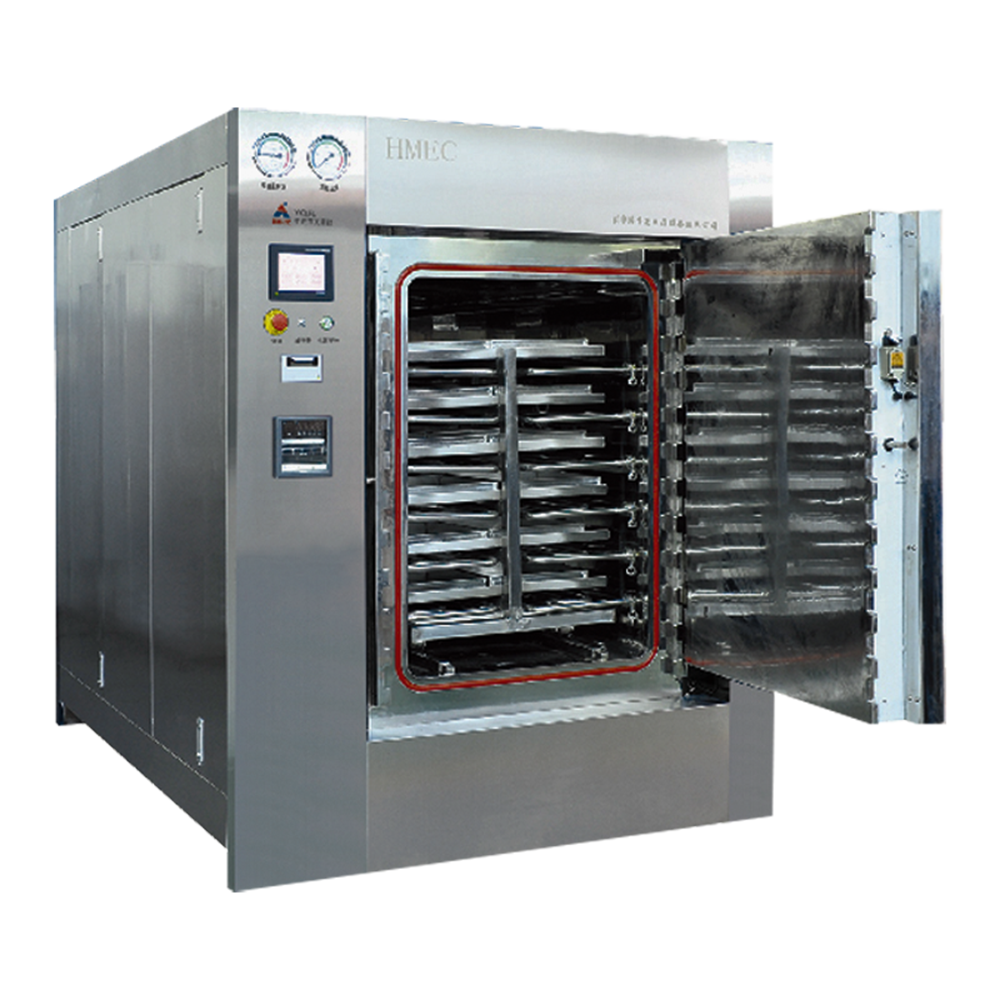
The sterilizer performs moist heat sterilization operations on items with saturated steam as the st...
See Details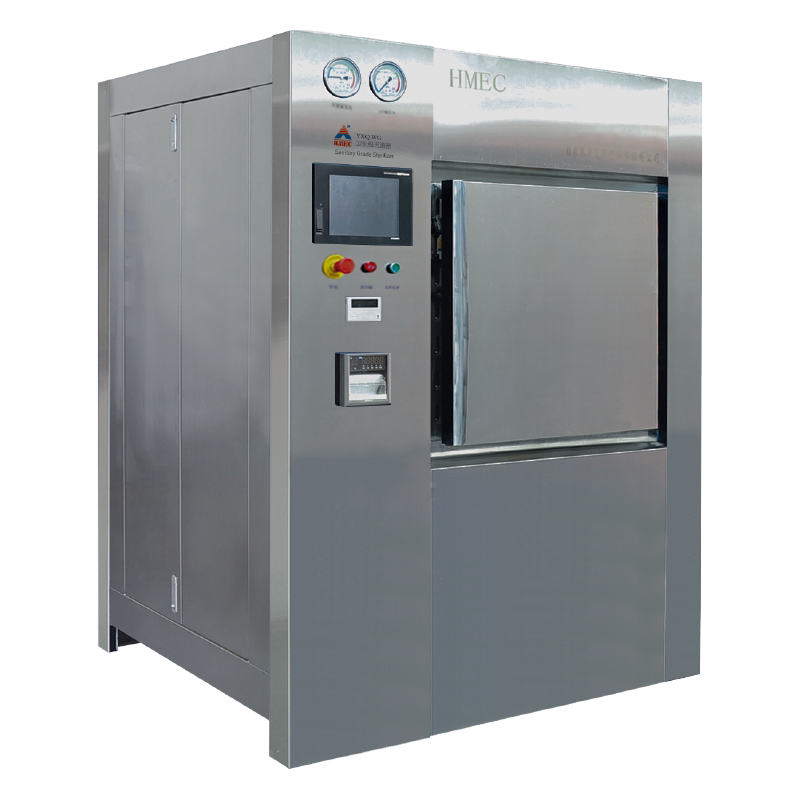
The sterilizer performs moist heat sterilization operations on items with saturated pure steam as th...
See Details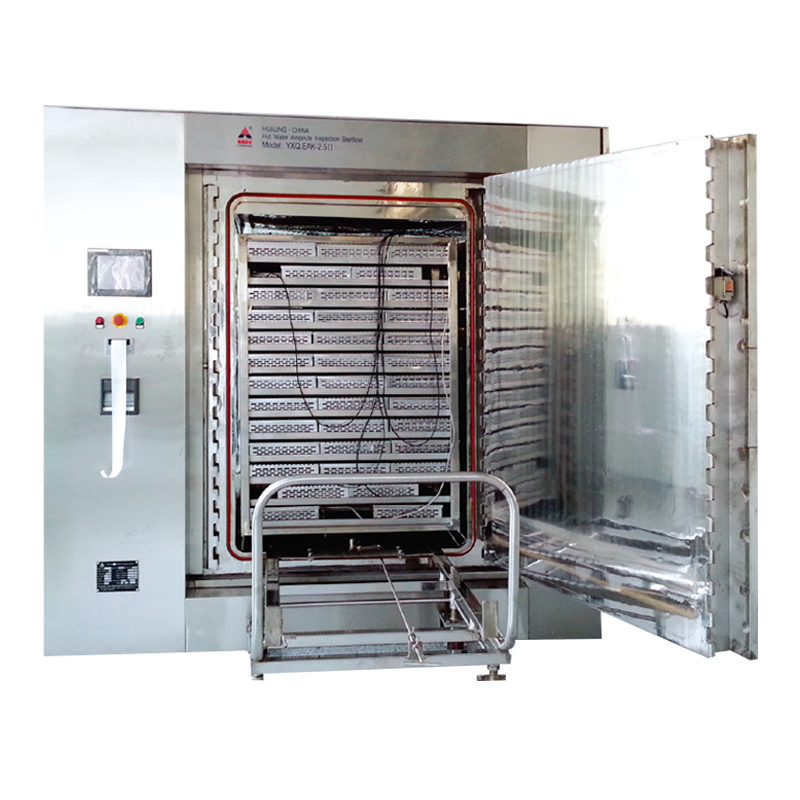
This sterilizer uses steam to sterilize, leak-detect, and clean for vials and ampoules.
See Details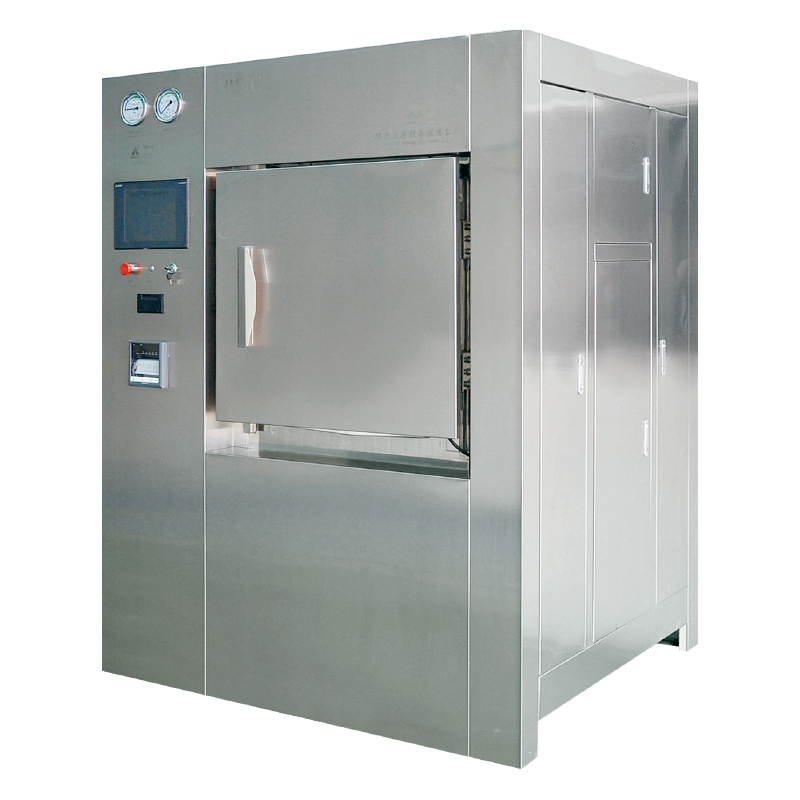
The sterilizer is to remove the impact of cold air on temperature using pulsation vacuum pumping wit...
See Details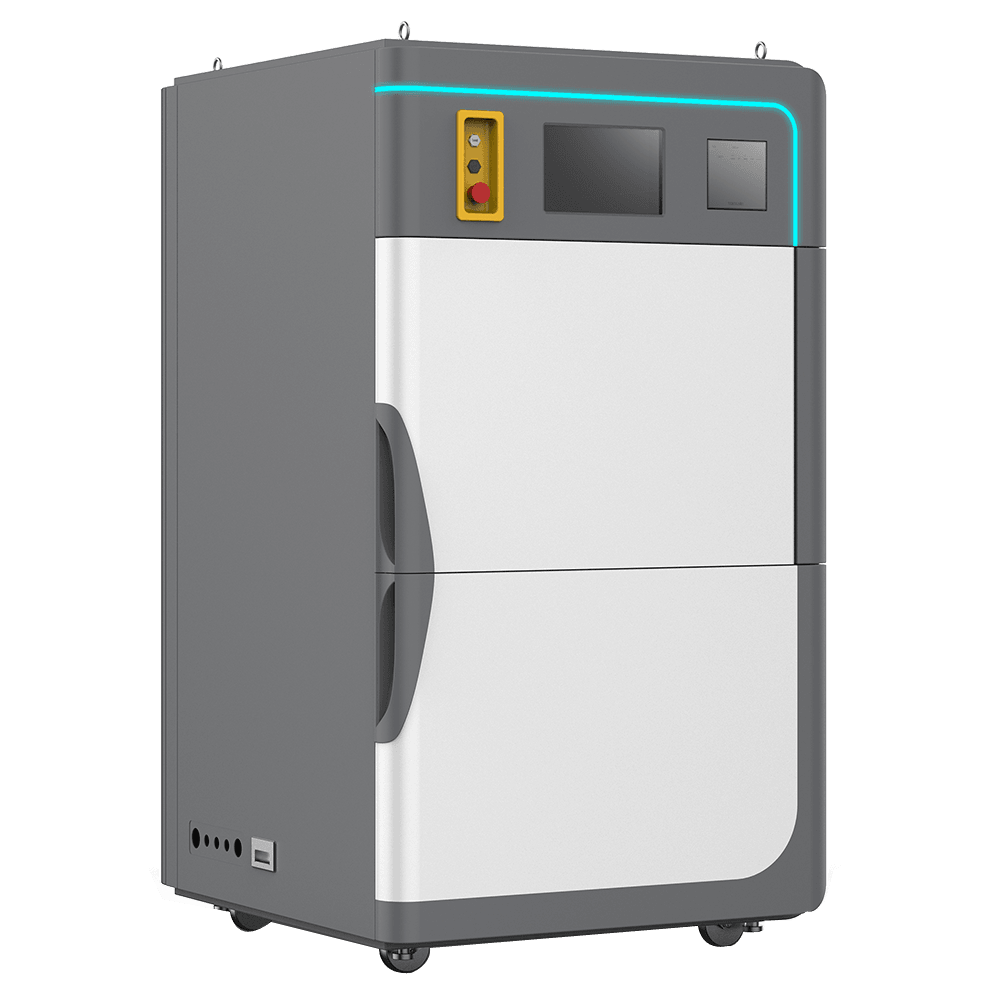
By the rapid penetration under vacuum conditions of a mixed gas of low-temperature (60℃ or 78℃) stea...
See Details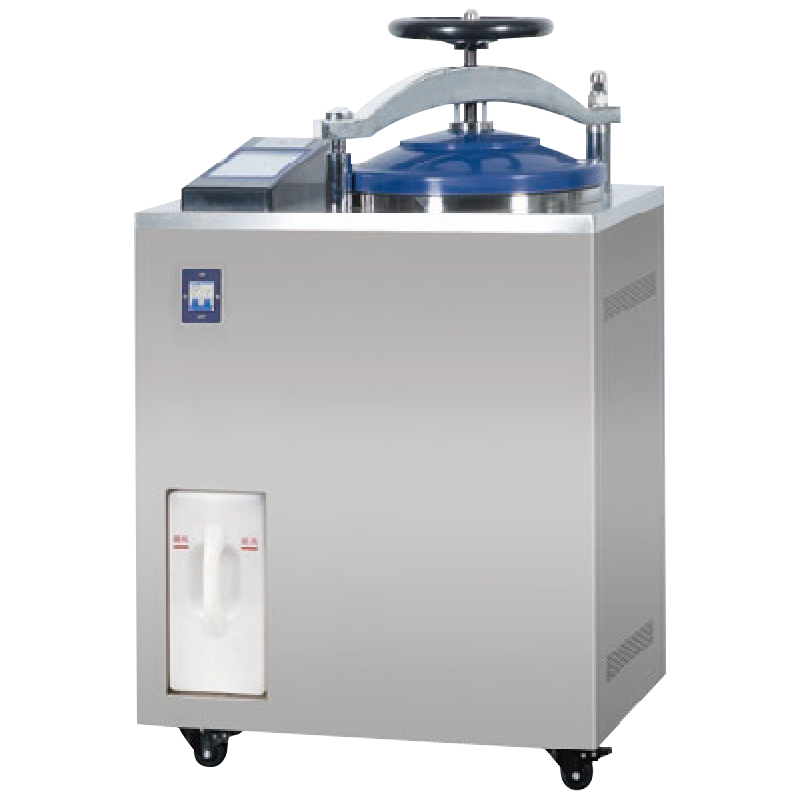
The Vertical Steam Sterilizer X Series (Multi-functional Laboratory Customized Model) offers a highl...
See Details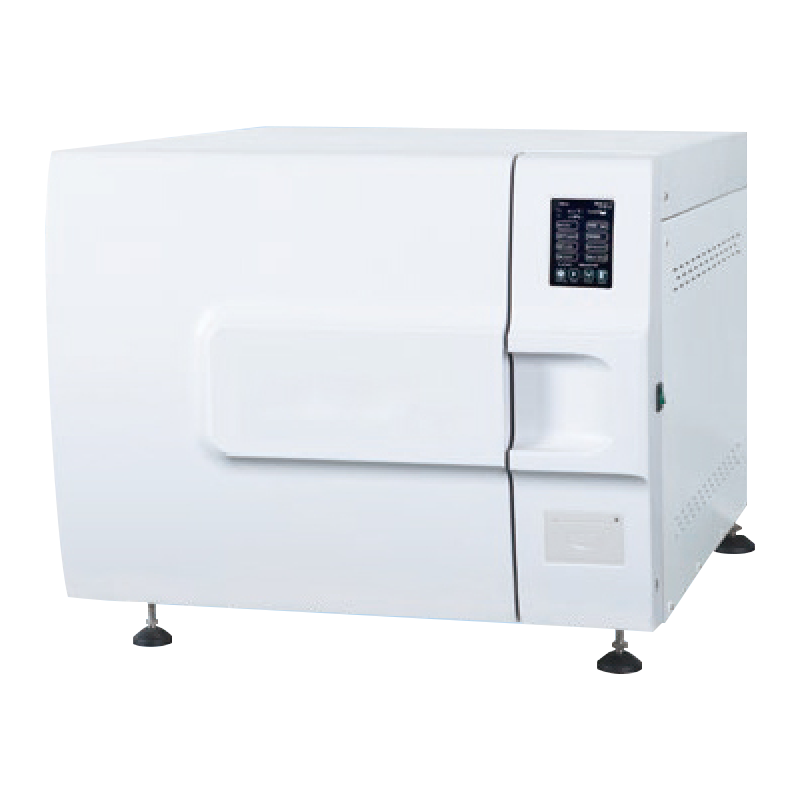
The Tabletop Steam Sterilizer Z Series is an efficient, user-friendly sterilization solution designe...
See Details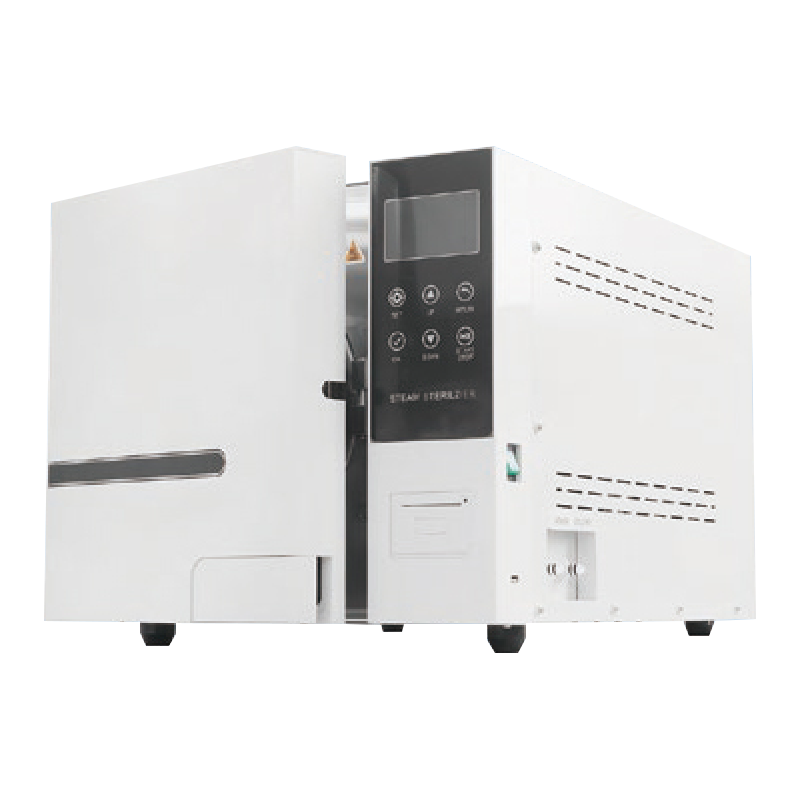
The Tabletop Steam Sterilizer YXQ.DX-X Series is a highly efficient and compact solution designed fo...
See Details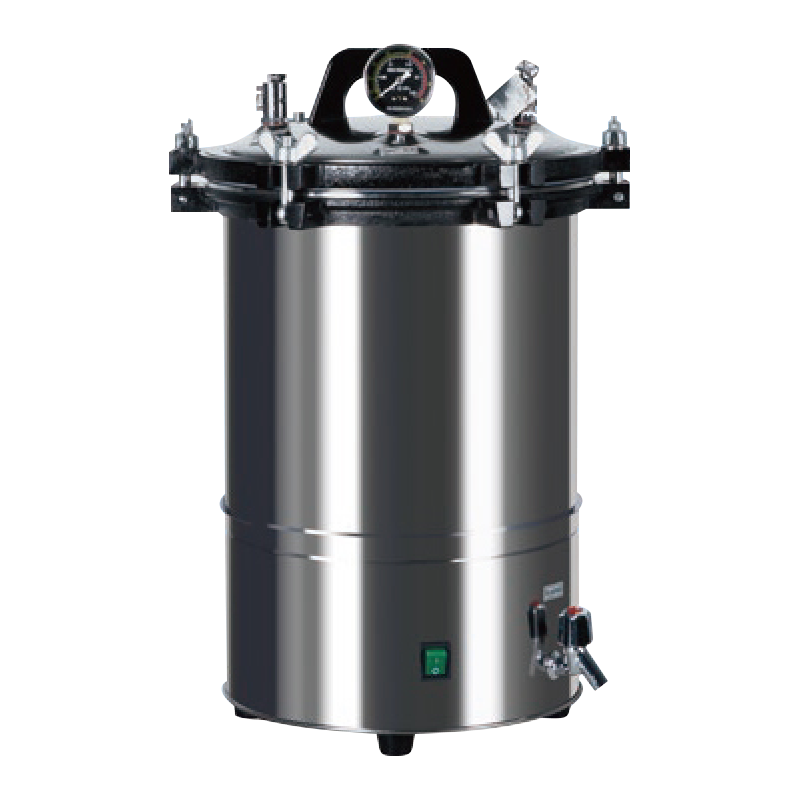
The Portable Pressure Steam Sterilizer Model YXQ.PPS-280A and A+ offers a compact and reliable solut...
See Details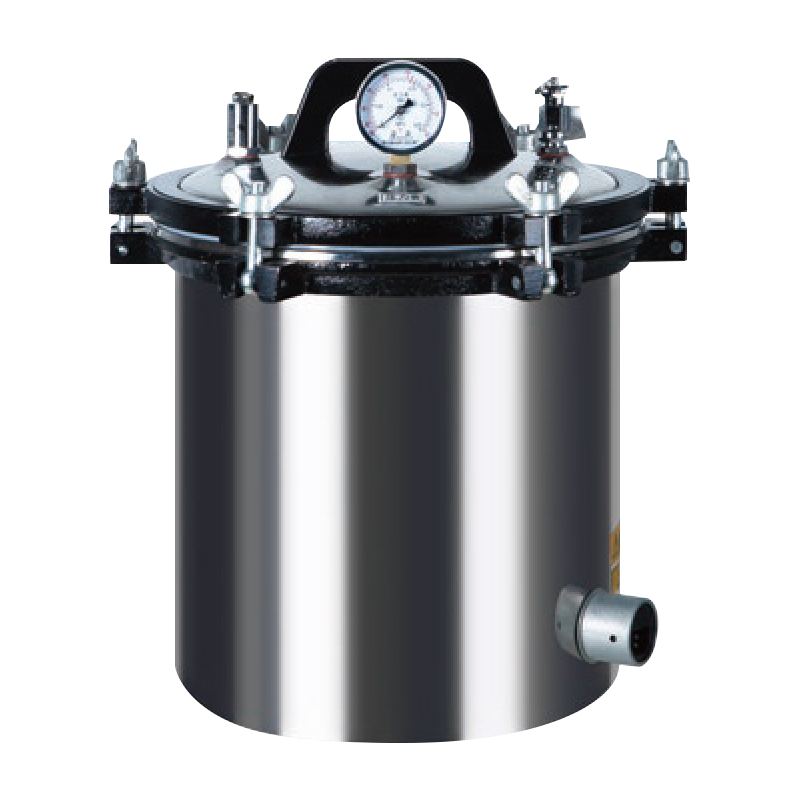
The YXQ.PPS-280C and C+ Portable Pressure Steam Sterilizer is a versatile dual-purpose sterilizer, o...
See DetailsIntroduction to Sanitary Grade Sterilizer: Definition and Importance in Modern Sterilization Definit......
READ MOREIntroduction In today’s fast-paced world, ensuring the safety and sterility of products and material......
READ MOREIntroduction to Sterile Preparation Sterilizers What is Sterile Preparation? Sterile preparation ref......
READ MOREWhy Does Every Drug Require a Sterile Preparation Sterilizer? In modern medicine and pharmaceuticals......
READ MORE +(86) 18018151178
[email protected]
365 Nansha Sanjiali Road, Jingang Town, Zhangjiagang City, China
+(86) 18018151178
[email protected]
365 Nansha Sanjiali Road, Jingang Town, Zhangjiagang City, China
