What is the difference between a ventilated sterilizer and a traditional autoclave?
Basic Principles and Sterilization Methods
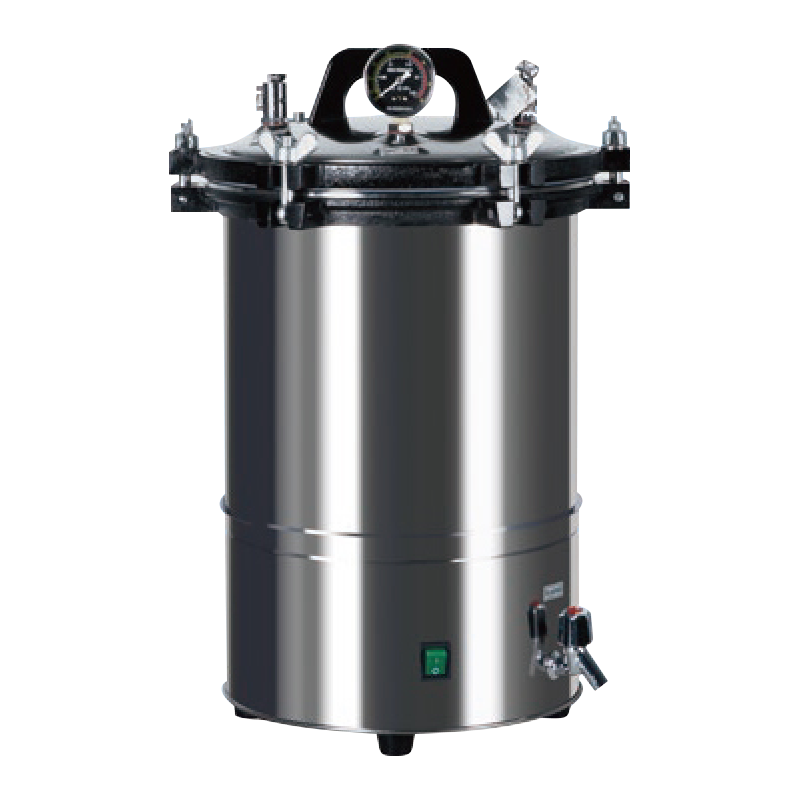
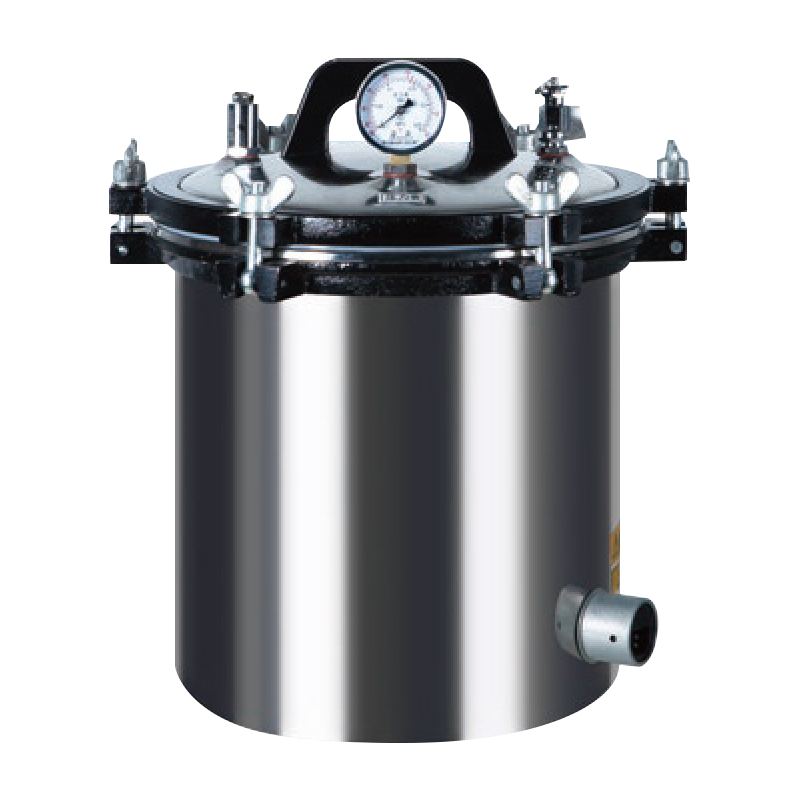
Traditional autoclaves primarily rely on high-temperature, high-pressure steam sterilization (typically 121°C or 134°C, at a pressure of approximately 1.1 to 2.0 bar), using saturated steam in a closed environment to kill bacteria, fungi, and viruses. The sterilization process typically involves a closed cycle, relying on the permeability and thermal effects of high-pressure steam to destroy the protein structure of microorganisms and achieve sterilization.
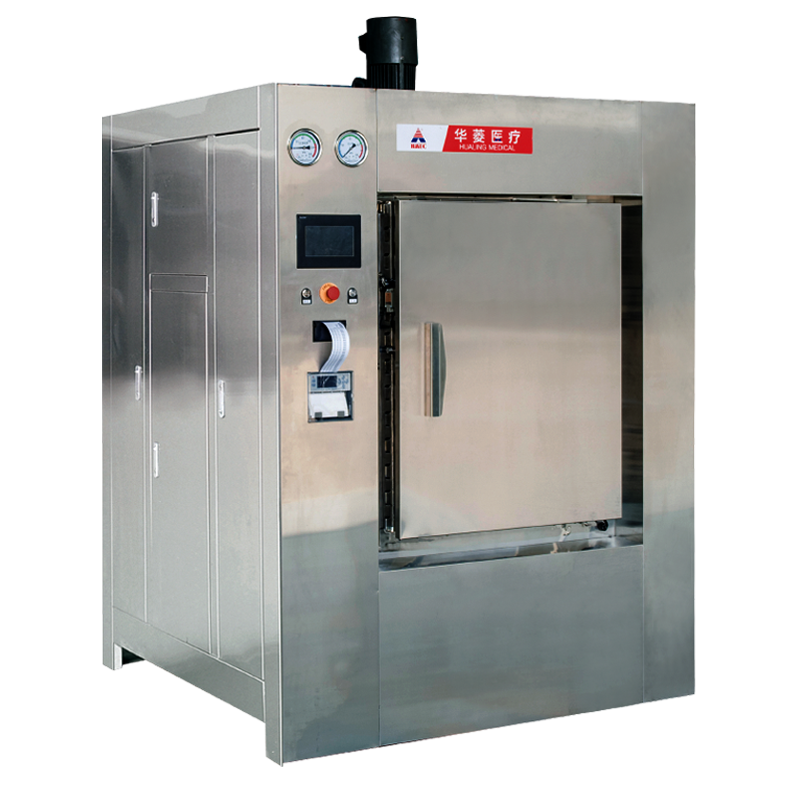
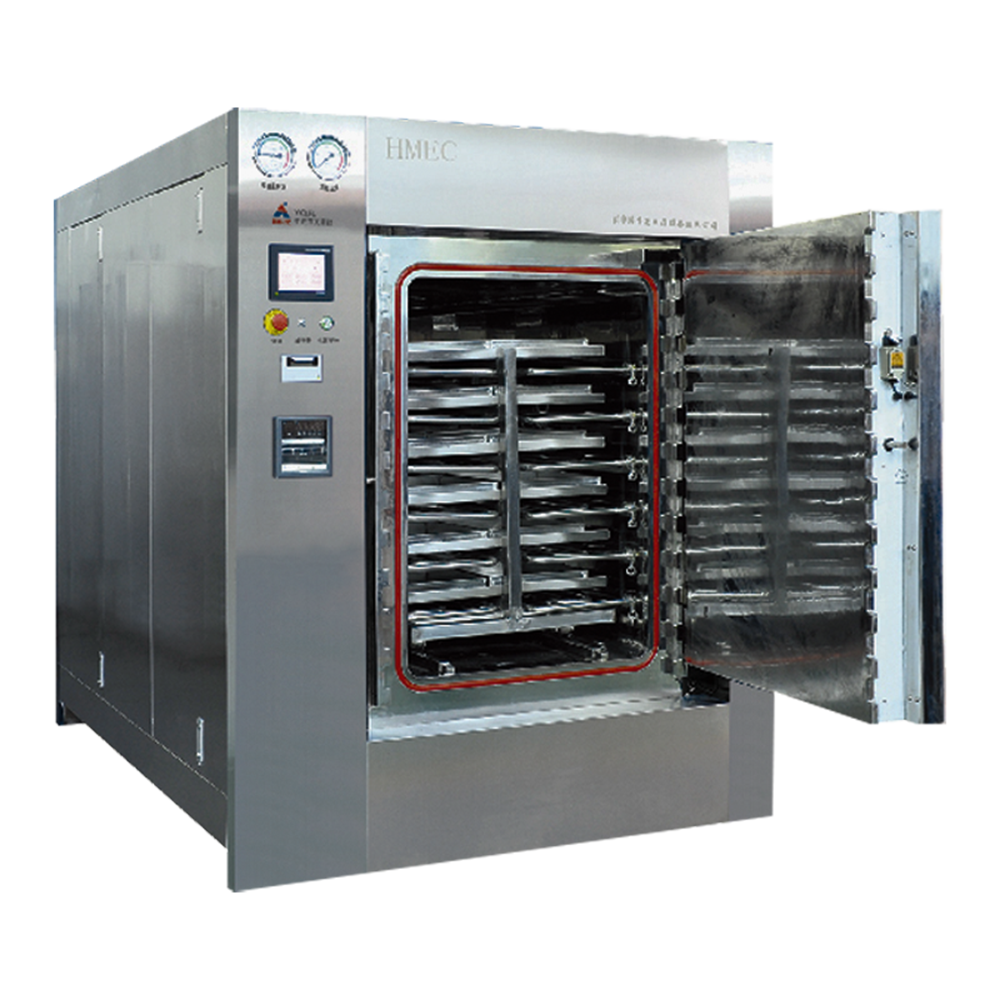
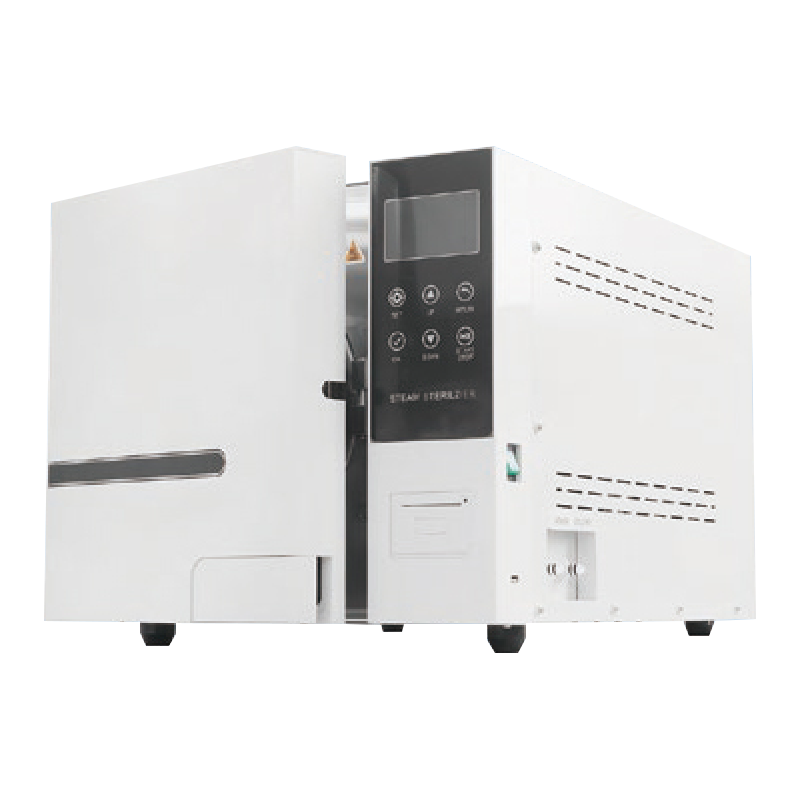
A ventilated sterilizer, on the other hand, combines high-pressure steam sterilization with a forced ventilation system. This accelerates the exchange of steam and air, improving temperature and humidity uniformity within the sterilization chamber. A ventilated sterilizer typically features a circulating fan to promote the flow of hot air or steam, distributing heat quickly and evenly across and within the sterilized items. This makes it particularly suitable for sterilizing instruments with high gas permeability requirements and complex shapes.
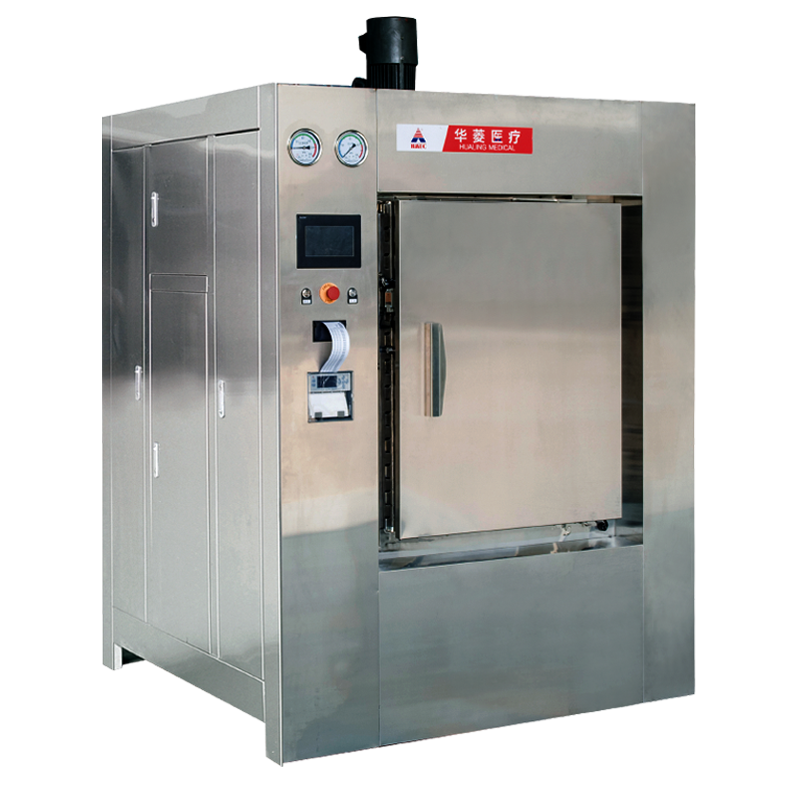
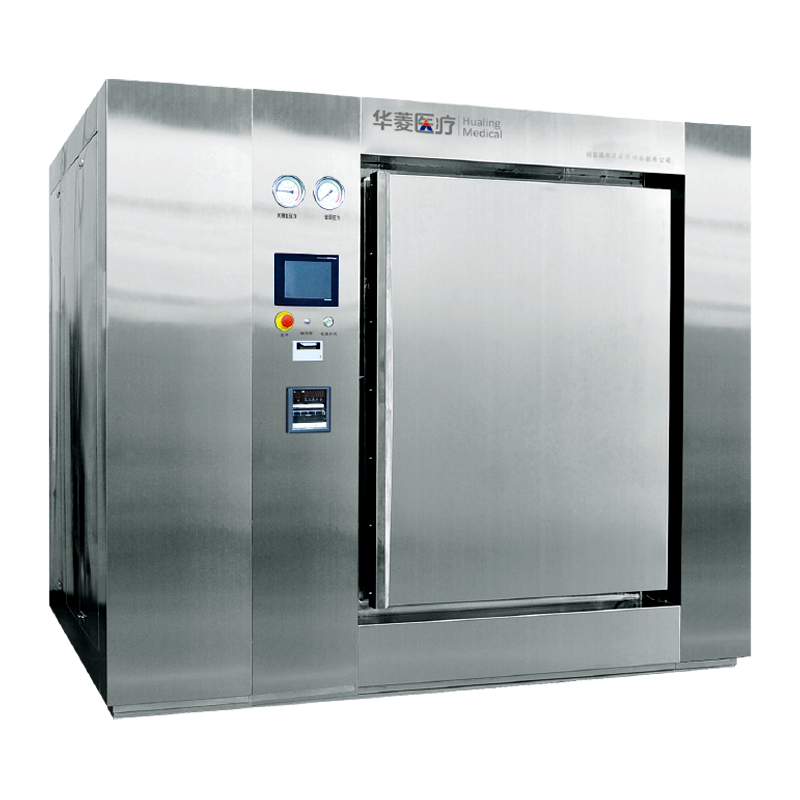
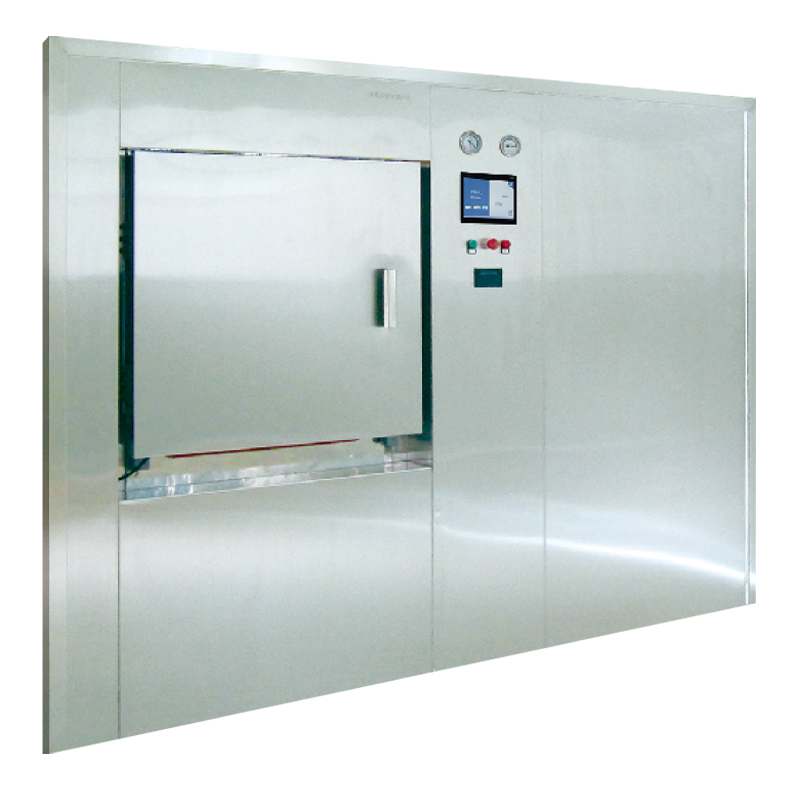
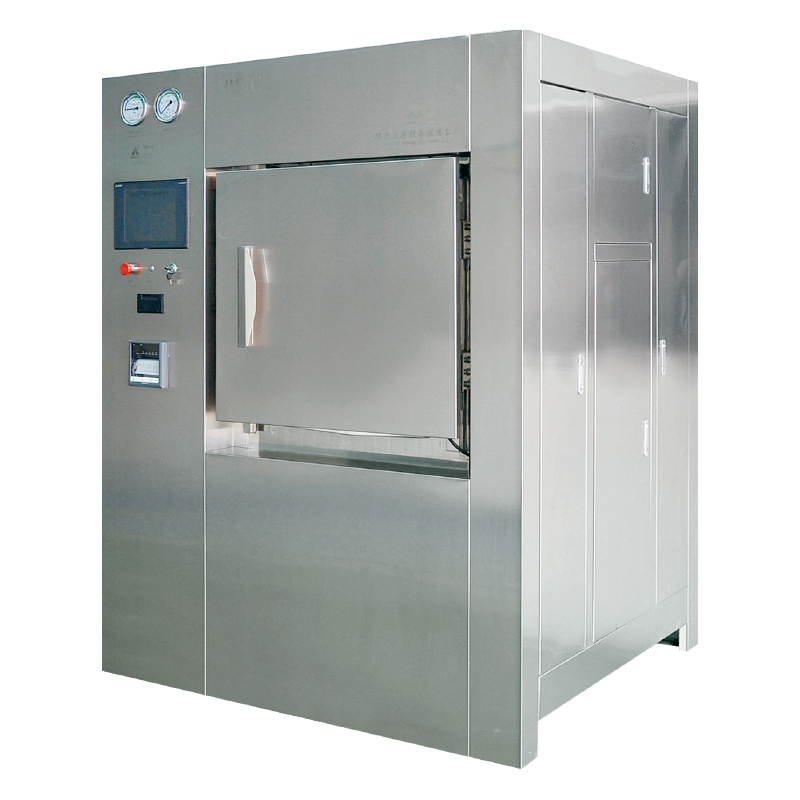
The ventilated sterilizer developed by Zhangjiagang Hualing Medical Equipment Co., Ltd. integrates multiple patented technologies, optimized airflow design, and automatic control systems, effectively improving sterilization uniformity and reliability, ensuring sterilization results meet international and national standards. Differences in Sterilization Efficiency and Applicability
Traditional autoclaves are generally suitable for instruments and items that withstand high temperatures and high humidity, such as metal instruments, heat-resistant plastics, and culture media. However, during sterilization, the closed environment circulates steam slowly, leading to uneven temperature distribution within certain complex or tightly sealed items, creating sterilization blind spots.
Ventilated sterilizers utilize a built-in fan and ventilation duct system to significantly increase airflow speed and circulation efficiency, ensuring uniform temperature and humidity distribution within the sterilization chamber. This allows them to effectively sterilize complex and porous medical devices and laboratory equipment. Furthermore, ventilated sterilizers are suitable for items sensitive to steam stagnation, avoiding material deformation or performance degradation associated with traditional autoclave sterilization.
Based on years of industry experience, Hualing has launched a variety of ventilated sterilizers specifically designed to meet the sterilization needs of complex medical devices. These products are widely used in medical institutions and pharmaceutical factories to ensure product quality and sterilization safety.
Differences in Equipment Design and Control Systems
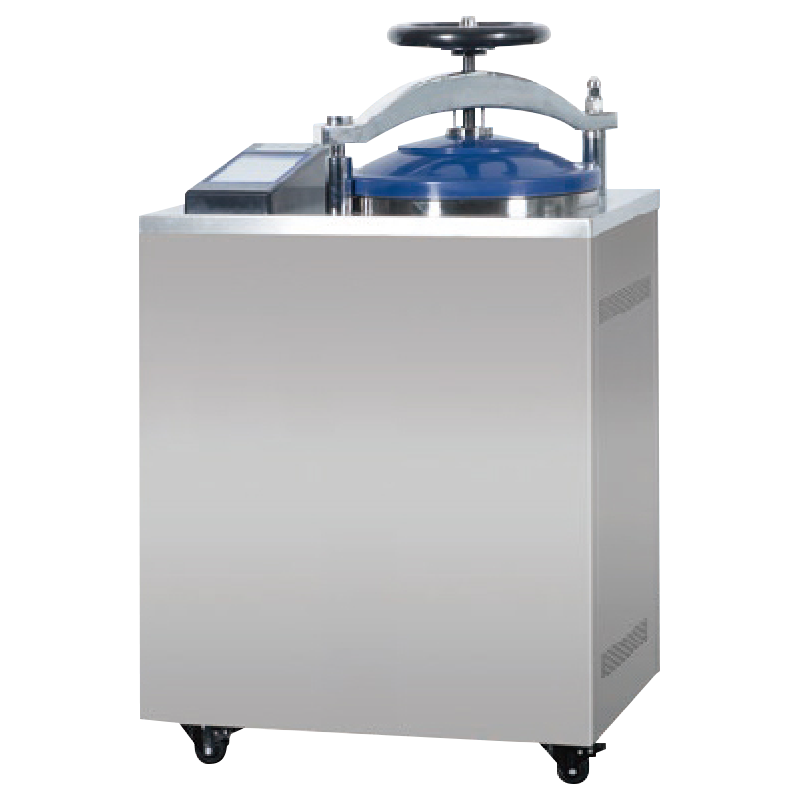
Traditional autoclaves have a relatively simple design, primarily consisting of a heating system, a pressure vessel, and basic controls, making operation relatively intuitive. However, temperature and pressure monitoring often relies on manual or semi-automatic systems, resulting in limited flexibility in parameter adjustment during the sterilization process.
Ventilation sterilizers, on the other hand, are equipped with advanced automated control systems, incorporating multi-point temperature and humidity sensors and intelligent airflow control devices, enabling real-time monitoring and dynamic adjustment of the entire sterilization process. Hualing's ventilation sterilizers utilize a proprietary intelligent control platform that supports remote monitoring, data storage, and analysis, meeting the stringent requirements of international standards such as GMP and FDA, enhancing production safety and quality traceability.
Safety and Maintenance Cost Comparison
Traditional autoclaves are relatively easy to maintain due to their simple structure. However, prolonged operation at high temperatures and high pressures can cause significant wear and tear on the equipment's materials and seals, posing potential safety risks.
Ventilation sterilizers utilize optimized airflow design and intelligent control to reduce internal temperature gradients and pressure fluctuations, extending their service life. Furthermore, multiple safety mechanisms, such as overpressure protection, overtemperature alarms, and automatic exhaust, ensure operational safety. Hualing prioritizes ease of maintenance in its design, employing modular components to reduce maintenance effort and costs, while enhancing the user experience.
|
Comparison Aspect
|
Ventilated Sterilizer
|
Traditional Autoclave
|
|
Working Principle
|
Forced ventilation circulation evenly distributes steam or hot air, improving sterilization uniformity.
|
Relying on natural steam pressure and temperature for sterilization, this method offers poor ventilation.
|
|
Temperature & Humidity Distribution
|
Uniformity makes it suitable for sterilizing complex shapes and porous items.
|
Uneven flow, prone to cold spots and dead zones, impacting sterilization effectiveness.
|
|
Sterilization Efficiency
|
High efficiency shortens sterilization cycles and saves energy.
|
Relatively slow, resulting in a long sterilization time.
|
|
Application Scope
|
Suitable for medical devices and sensitive items requiring high sterilization uniformity.
|
Suitable for high-temperature-resistant, simple-structured instruments and general items.
|
|
Equipment Structure
|
Equipped with a fan, air ducts, and a complex airflow control system.
|
Simple structure, primarily relying on steam pressure.
|
|
Maintenance & Care
|
Regular inspection of the fan and airflow system is required.
|
Relatively simple maintenance, but requires regular drainage and seal inspection.
|
|
Protection of Items
|
Controllable air speed reduces the risk of item damage.
|
Uneven airflow may damage items.
|
|
Energy Consumption
|
Relatively energy-efficient, reducing energy waste through optimized airflow.
|
High energy consumption, prolonged steam generation and maintenance.
|
|
Automation & Intelligence
|
Highly intelligent, with intelligent control systems and real-time monitoring.
|
Relatively traditional control, with a low degree of automation.
|
|
Cost
|
Initial investment is higher, but long-term energy savings and efficiency advantages are significant.
|
Relatively low equipment cost, but high operating efficiency and maintenance costs.
|
How does ventilation speed affect sterilization effectiveness in a ventilated sterilizer?
Q1: What is "ventilation speed" in a ventilated sterilizer? Why is it so important?
Ventilation speed refers to the speed of air or steam flowing within the sterilizer chamber, typically measured in meters per second (m/s). Ventilation speed is a key parameter in the design and operation of ventilated sterilizers, directly impacting the uniformity of temperature and humidity distribution during the sterilization process.
Zhangjiagang Hualing Medical Equipment Co., Ltd., as a sterilization equipment manufacturer, consistently prioritizes optimizing ventilation speed. Our R&D team utilizes multiple nationally patented technologies to precisely control airflow within the sterilizer, achieving efficient sterilization and ensuring uniform temperature and humidity distribution in every corner, eliminating blind spots and sterilization blind spots.
Q2: What specific impact does ventilation speed have on sterilization effectiveness?
Temperature and humidity uniformity
The core of the sterilization process is to ensure that the surface and interior of the sterilized items reach the desired temperature and humidity, thereby killing all microorganisms. Excessively low ventilation speeds can lead to insufficient air circulation, resulting in temperature and humidity gradients within the chamber, creating "hot spots" and "cold spots," and inadequate sterilization in certain areas. Conversely, an appropriate ventilation speed promotes rapid and even distribution of steam or hot air, enhancing overall sterilization effectiveness.
Optimizing Sterilization Time
Uniform temperature and humidity distribution allows sterilized items to reach sterilization conditions more quickly, thereby shortening the sterilization cycle. Hualing's ventilation sterilizers utilize optimized ventilation speed design to significantly improve sterilization efficiency, helping customers reduce production time and operating costs.
Equipment Safety and Product Protection
Although excessive ventilation speeds can accelerate airflow exchange, they can also cause air shock, shifting or even damaging lightweight or fragile items. Furthermore, excessive airflow can cause localized steam condensation, lowering the sterilization temperature. Hualing uses advanced airflow simulation technology to ensure ventilation speeds are within a reasonable range, achieving the optimal balance between sterilization effectiveness and product safety.
Q3: How does Zhangjiagang Hualing Medical Equipment Co., Ltd. control and optimize ventilation speeds?
Hualing boasts multiple patented airflow design technologies and intelligent control systems, ensuring scientifically controlled ventilation speed through the following methods:
High-precision fan and duct design
The company's independently developed fan, combined with a rationally designed duct system, ensures smooth and even airflow distribution, avoiding turbulence and dead spots.
Multi-point sensor monitoring
Multiple temperature and humidity sensors are placed within the sterilization chamber to monitor the sterilization environment in real time. The intelligent control system dynamically adjusts fan speed and ventilation speed to ensure optimal sterilization parameters are consistently maintained.
Simulation and experimental verification
The Hualing R&D team utilizes CFD (computational fluid dynamics) simulation technology to optimize airflow paths and speed parameters. Combined with multiple rounds of physical testing, they validate the impact of ventilation speed on sterilization effectiveness, continuously improving product performance.
Q4: Are ventilation speed requirements different for different application scenarios?
Yes. Different item materials, shapes, and sterilization requirements have different requirements for ventilation speed:
Complex instruments: Instruments with complex shapes and multiple pores require higher and more uniform ventilation speeds to ensure adequate penetration of steam or hot air. Fragile Items: For items susceptible to airflow, such as plastics and electronic devices, ventilation speeds should be appropriately controlled to avoid physical damage.
Large-Volume Sterilization: Sterilization tasks involving large batches and volumes require a strategically configured ventilation speed to balance efficiency and uniformity.
Leveraging years of industry experience, Hualing Medical offers customized ventilation speed solutions to meet customers' diverse sterilization needs and ensure equipment performance and lifespan.
Q5: Please summarize the importance of ventilation speed to sterilization effectiveness and Hualing's strengths.
Ventilation speed is a key determinant of sterilization quality in ventilation sterilizers. A reasonable ventilation speed ensures uniform temperature and humidity, improves sterilization efficiency, protects sterilized items, and reduces operating costs. Improper ventilation speed control can result in incomplete sterilization, damage to items, and even equipment failure.
Leveraging over 30 years of experience in sterilization equipment research and development, multiple national patents, and advanced intelligent control technology, Zhangjiagang Hualing Medical Equipment Co., Ltd. continuously optimizes ventilation speed design to ensure each ventilation sterilizer meets the highest domestic and international standards. As a national high-tech enterprise and a key member of multiple industry associations, Hualing provides safe, efficient, and intelligent sterilization equipment and comprehensive services to customers worldwide, helping to improve sterilization quality in the medical, pharmaceutical, and scientific research sectors.
What does maintenance and servicing of ventilated sterilizers typically include?
Q1: Why do ventilated sterilizers require regular maintenance and servicing?
As critical sterilization equipment in the medical and pharmaceutical sectors, the stable and efficient operation of ventilated sterilizers is directly related to product quality and safety. Long-term high-temperature, high-humidity environments and continuous operation of mechanical components can cause wear and tear on equipment components, degrade performance, and even compromise sterilization effectiveness and equipment safety.
Since its establishment in 1987, Zhangjiagang Hualing Medical Equipment Co., Ltd. has been dedicated to the design, development, and service of sterilization equipment and understands the importance of equipment maintenance. Scientific and effective maintenance not only extends equipment life but also ensures stable sterilization results, reducing operational risks and maintenance costs.
Q2: What specific aspects of maintenance and servicing of ventilated sterilizers are typically included?
Daily Cleaning and Inspection
Clean the sterilization chamber and door seal to prevent the accumulation of dirt and residue and ensure proper sealing. Inspect the sensors and probes within the chamber for damage or contamination to ensure accurate data collection.
Clean dust from the fan and air ducts to prevent airflow blockages that could affect ventilation speed and sterilization uniformity.
Mechanical Component Maintenance
Regularly lubricate moving parts, such as door hinges and fan bearings, to reduce mechanical wear.
Inspect and adjust the door lock system to ensure it is secure and reliable, preventing accidents during operation.
Electrical and Control System Inspection
Regularly test the functionality of the control system and sensors, and calibrate the temperature and humidity sensors to ensure accurate sterilization parameters.
Inspect electrical wiring and connectors to prevent equipment failures caused by poor contact or aging.
Backup and update the control software to maintain the stability and security of the equipment's intelligent control system.
Air System Maintenance
Inspect the steam piping and exhaust system for leaks or blockages to ensure normal pressure and airflow during sterilization.
Clean or replace the air filter to prevent impurities from entering the sterilization chamber and affecting sterilization quality.
Safety Device Inspection
Regularly test safety valves, pressure sensors, over-temperature protection devices, etc. to ensure the equipment automatically protects itself in abnormal situations. Regular inspections of sterilization equipment's pressure vessels are conducted to ensure compliance with relevant regulations and standards.
Q3: What technical advantages and service guarantees does Hualing provide for ventilation sterilizer maintenance?
As a high-tech enterprise in Zhangjiagang, Suzhou, and Jiangsu Province, Hualing Medical leverages its strong R&D capabilities and numerous national patents to create sterilization equipment with a rational structure and easy maintenance. Our advantages include:
Modular Design
The equipment's modular design allows for easy removal and replacement of key components, significantly reducing maintenance time and costs.
Intelligent Monitoring System
Equipped with Hualing's independently developed intelligent control platform, it monitors equipment operating status and key parameters in real time, automatically alerting customers of maintenance intervals and improving maintenance management efficiency.
Professional After-Sales Team
Hualing has a professional technical support and after-sales service team, providing equipment maintenance guidance, troubleshooting, and on-site repair services to ensure the long-term and stable operation of our customers' equipment.
Standardized Maintenance Plans
We offer customized maintenance plans and training based on individual customer needs, helping customers establish a comprehensive equipment maintenance system that complies with GMP and relevant industry standards.
Q4: What are the risks of not maintaining ventilation sterilizers in a timely manner?
Unstable sterilization results
Sensor failure, airway blockage, or poor sealing can lead to deviations in sterilization temperature and humidity parameters, resulting in incomplete sterilization and compromising product safety.
Frequent equipment failures
Mechanical component wear and insufficient lubrication can increase equipment failure rates and impact production continuity.
Increased safety hazards
Failure of safety valves or door locks can cause abnormal equipment pressure or operational accidents, endangering personnel and equipment safety.
Rising operating costs
Frequent equipment maintenance and downtime lead to reduced production efficiency and increased repair and replacement part costs.
How to adjust the sterilization cycle of a ventilated sterilizer based on different item materials?
Q1: Why is the sterilization cycle adjusted based on item material?
The sterilization cycle refers to the time required for the sterilization equipment to complete a complete sterilization process, including heating, holding, exhaust, and cooling stages. Items of different materials have significant differences in their tolerance to high-temperature, high-humidity sterilization, which directly affects the sterilization process settings.
Zhangjiagang Hualing Medical Equipment Co., Ltd. has been specializing in the research and development and manufacturing of sterilization equipment since 1987 and understands the importance of scientifically and rationally adjusting the sterilization cycle. A correct sterilization cycle not only ensures complete microbial destruction and product safety, but also prevents damage to items or incomplete sterilization caused by excessively long or short sterilization times.
Q2: How do different item materials specifically affect the sterilization cycle?
High-temperature-resistant materials (such as metal and heat-resistant glass)
These materials have stable structures and can withstand high-temperature, high-pressure steam sterilization at 121°C or 134°C. Sterilization cycles are primarily determined by microbial kill time standards. Typically, a longer hold period is used to ensure thorough sterilization. Hualing's ventilation sterilizers precisely control temperature and humidity, optimizing these cycle settings and improving sterilization efficiency.
Plastic and rubber materials
Plastic and rubber products are sensitive to high temperatures. Prolonged exposure to high temperatures can cause deformation, aging, or performance degradation. Therefore, the sterilization cycle requires a shorter hold period and an appropriate reduction in the sterilization temperature (for example, using a low-temperature steam sterilization program). Hualing equipment supports multiple sterilization program switching to meet the needs of different materials and prevent item damage.
Electronic and composite devices
These devices have complex structures and contain sensitive components, requiring uniform temperature distribution and a low-temperature setting. The sterilization cycle requires precise control, combining ventilation speed and heating method. Hualing's patented ventilation design and intelligent control system enable personalized sterilization cycle settings, ensuring the safety of equipment and items.
Fabrics and Textiles
Textiles are highly hygroscopic and release moisture slowly during sterilization. This requires a longer drying time during the sterilization cycle to prevent moisture and secondary contamination. Hualing's ventilation sterilizers optimize fan speed and exhaust system to precisely adjust the drying phase, ensuring sterilized items are dry and hygienic.
Q3: How does Zhangjiagang Hualing Medical Equipment Co., Ltd. help customers optimize their sterilization cycles?
Multi-Program Design
Hualing sterilizers are equipped with a variety of pre-set sterilization programs, covering various sterilization options, including high temperature, high humidity, and low temperature, to accommodate different materials and item characteristics. Users can also customize programs based on their needs, flexibly adjusting the sterilization cycle.
Intelligent Monitoring and Feedback System
The company's developed intelligent control platform monitors chamber temperature, humidity, and airflow in real time, dynamically adjusting sterilization process parameters to ensure precise and efficient sterilization cycles. Professional Technical Support
Hualing boasts an industry-leading technical team, providing customers with material analysis, sterilization plan design, and cycle optimization recommendations to ensure a scientifically optimized sterilization cycle, improving sterilization quality and equipment efficiency.
Q4: What are the common challenges in adjusting the sterilization cycle?
Item materials are complex and diverse.
A single sterilization cycle cannot meet the needs of mixed sterilization of different materials, requiring flexible program adjustments.
Balancing sterilization effectiveness and item protection.
Extending the sterilization time increases the sterilization rate, but this may compromise item performance. Finding this balance presents a technical challenge.
High equipment operational stability is essential.
Frequent adjustments to the sterilization cycle require highly intelligent and stable equipment. Hualing ensures reliable equipment operation through high-standard manufacturing processes.

 English
 русский
 Español
 عربى
عربى
 中文
中文