 English
 русский
 Español
 عربى
عربى
 中文
中文

Sanitary Grade Sterilizer
Cat:Products
The sterilizer performs moist heat sterilization operations on items with saturated pure steam as th...
See Details

A Pulse Vacuum Sterilizer, also called a pulse vacuum autoclave, uses repeated cycles of deep vacuum followed by steam injection to physically pull air out of the chamber and out of hollow and porous instruments before sterilization begins, which is the single feature that makes it capable of reliably sterilizing wrapped packs, dental handpieces, and other narrow lumen devices that a basic gravity displacement autoclave cannot process with the same confidence. Because trapped air blocks steam from reaching every surface of a load, and steam contact at the correct temperature for the correct time is what actually kills microorganisms, removing that trapped air before the sterilization phase is not a minor refinement, it is the mechanism that determines whether a complex instrument load is genuinely sterile or only appears sterile from the outside.
In practical terms, this means a pulse vacuum autoclave is the correct equipment choice for any facility processing hollow instruments, porous textile packs, or wrapped surgical sets, while a simpler gravity displacement unit remains adequate only for solid, unwrapped items with no internal channels. The remainder of this guide walks through exactly how the pulsing cycle works, how pulse vacuum sterilizers compare to gravity models and sterilizer classification standards, what parameters and validation testing matter, typical applications across healthcare settings, installation requirements, and how to select and maintain the right unit for a given facility.
A pulse vacuum autoclave is a steam sterilization chamber engineered around dynamic air removal, meaning it actively extracts air from the chamber using a vacuum pump rather than relying on steam alone to displace air by gravity, as older sterilizer designs do. The defining characteristic is the fractionated, or pulsed, vacuum sequence that runs before the actual sterilization hold phase begins.
Air is a poor conductor of heat compared to saturated steam, and any pocket of trapped air inside a chamber, a wrapped pack, or a hollow instrument channel acts as an insulating barrier that prevents steam from contacting that surface at the required sterilization temperature. Even a small residual air pocket can leave a localized area of an instrument well below the temperature needed to destroy resistant microorganisms, which is why air removal is treated as a critical process step rather than a housekeeping detail in modern sterilization standards.
Rather than pulling a single vacuum and hoping it removes enough air, a pulse vacuum autoclave repeats the vacuum and steam injection sequence several times, typically three to five pulses depending on the specific model and load type. Each pulse dilutes the remaining air fraction inside the chamber and load, so that by the final pulse, the residual air concentration has dropped to a level low enough that steam can fully saturate every surface, including the interior of narrow lumen instruments, once the sterilization phase begins.
Each vacuum and steam pulse reduces the remaining air fraction by a consistent proportion, meaning residual air decreases geometrically rather than linearly with each additional pulse. This is precisely why a small number of well controlled deep vacuum pulses achieves dramatically better air removal than a single vacuum pulled to the same depth, since a single pulse simply cannot dilute trapped air pockets inside complex geometries the way repeated fractional dilution can.
This pulsing approach is specifically what allows a pulse vacuum sterilizer to process items that gravity displacement units cannot reliably handle, including dental handpieces with narrow internal channels, wrapped surgical instrument trays, and textile packs where air can become trapped between fabric layers. Without fractionated vacuum pulsing, steam entering these complex geometries by gravity alone would leave air pockets in the deepest or most convoluted sections of the load.
The load is arranged in the chamber to allow steam circulation around and through every item, the door is closed, and the chamber seal engages to allow controlled pressure changes during the cycle.
The vacuum pump draws the chamber down to a deep vacuum, commonly in the range of 90 percent vacuum or deeper, then steam is injected to raise pressure again. This vacuum and steam sequence repeats several times, progressively diluting residual air.
Once air has been sufficiently removed, steam is admitted continuously, raising chamber temperature and pressure to the target sterilization setpoint, commonly 134 degrees Celsius or 121 degrees Celsius depending on the selected program.
Temperature and pressure are held steady for a defined exposure time, commonly three to four minutes at 134 degrees Celsius or fifteen to twenty minutes at 121 degrees Celsius, allowing lethal heat exposure to reach every surface of the load.
After sterilization, additional vacuum pulses actively remove residual moisture from wrapped packs and porous materials, since a wet wrapped pack is considered compromised and no longer maintains its sterile barrier once removed from the chamber.
Filtered air is admitted to return the chamber to atmospheric pressure, the door unlocks, and cycle data including temperature, pressure, and time curves are recorded for documentation and traceability.
Understanding how a pulse vacuum autoclave differs mechanically from an older gravity displacement design clarifies why the added complexity and cost of pulse vacuum equipment is justified for many types of medical and dental loads.
| Factor | Pulse Vacuum Sterilizer | Gravity Displacement Autoclave |
|---|---|---|
| Air removal method | Active vacuum pump with fractionated pulses | Passive, relies on steam density displacing air by gravity |
| Hollow instrument compatibility | Reliable for narrow lumen and hollow instruments | Not recommended for hollow or complex geometry items |
| Wrapped and porous load handling | Well suited, including textile packs | Limited reliability with dense wrapped loads |
| Drying performance | Active vacuum drying leaves packs dry | Passive drying, often leaves residual moisture |
| Typical cycle time | 30 to 60 minutes including drying | Often shorter, but limited to simple loads |
| Relative equipment cost | Higher due to vacuum pump and controls | Lower, simpler mechanical design |
The clearest dividing line between the two designs is load complexity, not overall sterilization temperature. Both machine types can reach the same sterilization temperatures, but only a pulse vacuum autoclave can guarantee steam actually reaches every surface of a hollow or tightly wrapped load, which is why regulatory and professional guidance in dental and surgical settings increasingly specifies pulse vacuum equipment for anything beyond simple solid instruments.
Small steam sterilizers used in dental and outpatient medical settings are commonly categorized under the European standard EN 13060 into three classes, and understanding this classification helps clarify what a given machine is actually validated to process.
Basic gravity displacement units intended only for solid, unwrapped instruments with no internal lumens. Class N machines are not validated for wrapped, porous, or hollow instrument loads.
An intermediate category defined by the manufacturer for specific load types beyond solid unwrapped items, such as certain single wrapped or simple hollow instruments, but not validated across the full range that Class B covers.
The most comprehensive category, using fractionated vacuum pulsing to validate solid, hollow, porous, and wrapped loads. A pulse vacuum autoclave is generally the equipment used to meet Class B requirements, making it the standard choice for facilities processing varied and complex instrument types.
For most dental practices and outpatient surgical settings handling a mix of solid instruments, handpieces, and wrapped packs, a Class B pulse vacuum sterilizer is the practical minimum standard, since relying on a Class N or Class S machine outside its validated load range creates a genuine risk of incomplete sterilization that would not be visible without specific testing.
The mechanical component responsible for actively drawing air out of the chamber during each fractionated pulse, typically a water ring or dry vacuum pump capable of reaching deep vacuum levels repeatedly within a single cycle.
Produces the saturated steam admitted during each pulse and during the main sterilization phase, either through an integrated boiler or a connection to a central steam supply depending on the facility setup.
A pressure rated chamber, typically stainless steel, with a door sealing mechanism capable of withstanding repeated vacuum and pressure cycling without leakage, since even minor seal degradation compromises the vacuum pulse effectiveness.
Multiple sensors monitor chamber conditions throughout the cycle, feeding data to the control system that governs pulse timing, sterilization hold duration, and cycle documentation.
A programmable logic controller manages the entire cycle sequence and records temperature, pressure, and time data for every run, generating the documentation increasingly required for regulatory compliance and traceability in medical and dental settings.
A bacterial retentive filter conditions air admitted at the end of the cycle, preventing recontamination of the sterilized load as the chamber returns to atmospheric pressure.
Selecting the correct temperature, time, and pressure combination depends on the load type and applicable standard, and the table below summarizes commonly used parameter sets.
| Temperature | Typical Hold Time | Common Use Case |
|---|---|---|
| 134 degrees Celsius | 3 to 4 minutes | Standard fast cycle for routine dental and surgical instruments |
| 121 degrees Celsius | 15 to 20 minutes | Heat sensitive instruments requiring a lower temperature cycle |
| 134 degrees Celsius, extended | 18 minutes or more | Prion inactivation protocols requiring extended exposure |
The specific hold time at a given temperature is calculated to achieve a defined lethality value, often expressed as an F0 value, rather than chosen arbitrarily. Facilities should always follow the sterilizer manufacturer's validated cycle parameters and the instrument manufacturer's reprocessing instructions rather than assuming a single universal setting applies across all equipment and load combinations.
Dental handpieces, endoscopic instruments, and other devices with narrow internal channels present a specific air removal challenge, since air trapped deep inside a narrow lumen is the hardest pocket for steam to reach without active vacuum assistance. A pulse vacuum autoclave's repeated pulsing sequence is specifically engineered to draw air out of these channels before the sterilization phase begins.
Wrapped surgical packs containing fabric drapes, gauze, or other porous materials trap air between fibers and layers in ways that gravity displacement alone struggles to overcome. Fractionated vacuum pulsing dilutes this trapped air progressively across multiple pulses, allowing steam to fully saturate the pack before the timed sterilization hold begins.
Surgical instrument trays wrapped in multiple layers of sterilization wrap or contained within rigid sterilization containers present a similarly complex air removal challenge, since air can become trapped between wrap layers or within the container itself. Pulse vacuum technology addresses this the same way it addresses textile packs, through repeated dilution of trapped air before the main sterilization phase.
The Bowie Dick test is a daily verification test specifically designed to confirm that a Class B pulse vacuum sterilizer's air removal system is functioning correctly. A test pack containing an indicator sheet is run through a dedicated test cycle, and a uniform color change across the indicator confirms adequate air removal and steam penetration, while an uneven pattern indicates a fault requiring investigation before the machine is used for patient care loads.
Biological indicators containing highly resistant bacterial spores, commonly Geobacillus stearothermophilus, provide the most direct evidence of sterilization effectiveness, since a negative growth result after incubation confirms the cycle achieved lethal conditions capable of destroying even highly resistant organisms.
Chemical indicator strips placed inside packs change color or pattern when exposed to specific combinations of temperature, time, and steam presence, offering a fast, visible confirmation that a pack was actually exposed to sterilization conditions, though chemical indicators supplement rather than replace biological indicator testing.
Beyond daily and per load testing, periodic maintenance validation, including calibration checks on temperature and pressure sensors and physical inspection of door seals and vacuum pump performance, confirms the machine continues operating within its originally validated parameters over its service life.
Daily maintenance typically includes running a Bowie Dick test, checking water reservoir levels, and inspecting the door seal and chamber for visible debris or damage. Weekly maintenance often adds a thorough chamber cleaning and filter inspection, since residual mineral deposits or debris buildup can gradually affect steam quality and seal integrity.
| Symptom | Likely Cause |
|---|---|
| Failed Bowie Dick test | Air leak in door seal or vacuum pump underperformance |
| Wet packs at cycle end | Insufficient vacuum drying phase or overloaded chamber |
| Cycle abort during vacuum phase | Vacuum pump fault or chamber seal leak |
| Temperature not reaching setpoint | Steam generator issue or scale buildup on heating elements |
Any failed biological indicator result, repeated Bowie Dick test failures, or unexplained cycle aborts should prompt an immediate service call rather than repeated attempts to rerun the cycle, since continuing to use a sterilizer with an unresolved fault risks processing instruments that are not actually sterile.
Dental clinics represent one of the largest user groups for compact pulse vacuum sterilizers, since routine dental work involves handpieces with narrow internal air and water channels that require reliable air removal for confidence in sterility. Regulatory and professional dental association guidance in many regions has moved toward recommending or requiring Class B pulse vacuum equipment specifically because of this handpiece sterilization challenge.
Ambulatory surgical centers processing wrapped instrument trays between procedures rely on pulse vacuum sterilization to maintain rapid instrument turnaround without compromising the reliability of steam penetration into wrapped sets, which is particularly important in facilities running multiple procedures per day with a limited instrument inventory.
Larger hospital sterile processing departments typically operate larger capacity pulse vacuum sterilizers capable of processing high volumes of wrapped surgical trays, rigid sterilization containers, and mixed instrument loads daily, often integrated with automated tracking systems that log each instrument set through the sterilization and distribution process.
Veterinary practices increasingly use the same pulse vacuum technology found in human healthcare settings, since surgical and dental instruments used in veterinary medicine face the same air removal and steam penetration challenges as their human medicine counterparts.
Beyond direct patient care applications, laboratories sterilizing glassware, media, and certain research equipment sometimes use pulse vacuum sterilizers when the load includes porous or hollow items that benefit from the same reliable air removal process used in clinical settings.
Pulse vacuum sterilizers require a reliable water supply for steam generation and vacuum pump operation, and water quality directly affects both sterilization performance and equipment longevity. Facilities using untreated tap water with high mineral content often experience faster scale buildup on heating elements and chamber surfaces, which is why many installations include a water softening or purification system feeding the sterilizer.
Depending on the model, a pulse vacuum sterilizer may include an integrated electric steam generator or connect to a facility's central steam supply. Integrated generator units require adequate electrical capacity at the installation site, while central steam connections require coordination with facility engineering to confirm adequate steam pressure and volume are available.
Vacuum pump operation and steam condensate discharge require appropriate drainage connections, and facilities should confirm floor drainage capacity and any local requirements regarding condensate temperature before installation. Adequate room ventilation also helps manage ambient heat generated during continuous sterilizer operation throughout a working day.
Beyond the footprint of the sterilizer itself, service access space around the unit is necessary for routine maintenance and any future repair work, and facilities planning a new installation should consult the manufacturer's clearance requirements early in the space planning process rather than after equipment has already been ordered.
A pulse vacuum sterilizer actively removes air using repeated vacuum pulses before sterilization, allowing reliable processing of hollow and wrapped loads, while a gravity autoclave relies on steam displacing air by density difference alone and is limited to solid unwrapped instruments.
Each pulse dilutes the remaining air fraction inside the chamber and load, so repeating the vacuum and steam sequence several times progressively reduces residual air to a level low enough for complete steam penetration, which a single pulse cannot reliably achieve.
Common combinations include 134 degrees Celsius for 3 to 4 minutes for standard fast cycles, and 121 degrees Celsius for 15 to 20 minutes for heat sensitive instruments, though exact parameters depend on the specific validated cycle and instrument manufacturer guidance.
A Class B sterilizer, defined under EN 13060, uses fractionated vacuum pulsing and is validated to process solid, hollow, porous, and wrapped instrument loads, making it the standard classification for pulse vacuum autoclaves handling varied instrument types.
The Bowie Dick test is a daily verification test that confirms a Class B pulse vacuum sterilizer's air removal system is functioning correctly, using an indicator sheet that shows a uniform color change when air removal and steam penetration are adequate.
Yes, the fractionated vacuum pulsing specifically addresses the narrow internal channels found in dental handpieces, making a pulse vacuum autoclave the appropriate equipment choice for this instrument category rather than a gravity displacement unit.
Wet packs typically indicate an insufficient vacuum drying phase or an overloaded chamber preventing adequate moisture removal, both of which should be investigated since a wet wrapped pack is considered compromised and no longer sterile once removed from the chamber.
Frequency requirements vary by regulatory jurisdiction and facility policy, though many settings run biological indicator tests at least weekly and for every load containing implantable devices, in addition to daily Bowie Dick testing for air removal verification.
A complete cycle, including fractionated vacuum pulses, heating, the sterilization hold phase, and vacuum drying, typically takes between 30 and 60 minutes depending on load type, temperature setting, and drying requirements.
The sterilizer should be taken out of service for patient care loads immediately, and a qualified service technician should inspect the door seal and vacuum pump, since a failed test indicates the air removal system is not functioning within validated parameters.
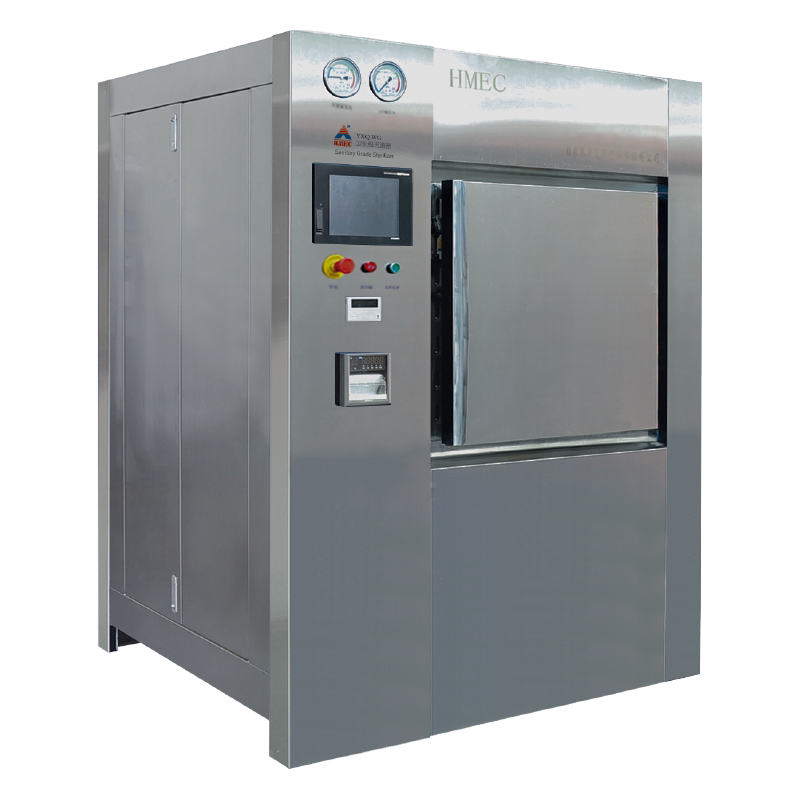
The sterilizer performs moist heat sterilization operations on items with saturated pure steam as th...
See Details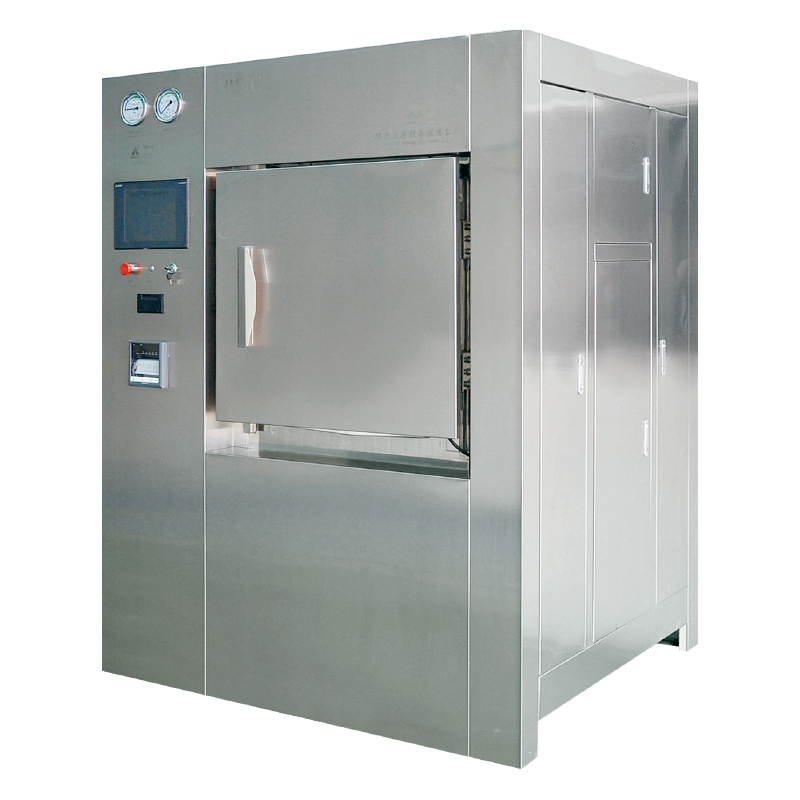
The sterilizer is to remove the impact of cold air on temperature using pulsation vacuum pumping wit...
See Details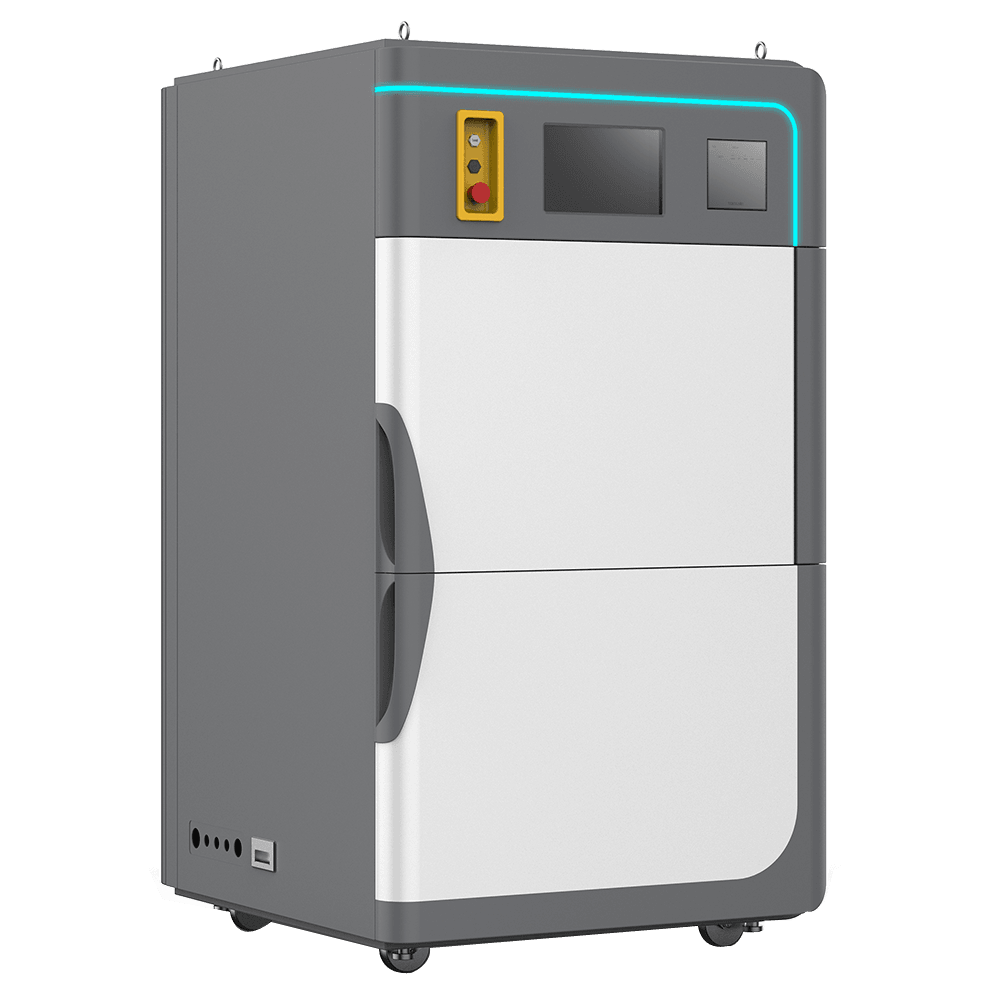
By the rapid penetration under vacuum conditions of a mixed gas of low-temperature (60℃ or 78℃) stea...
See Details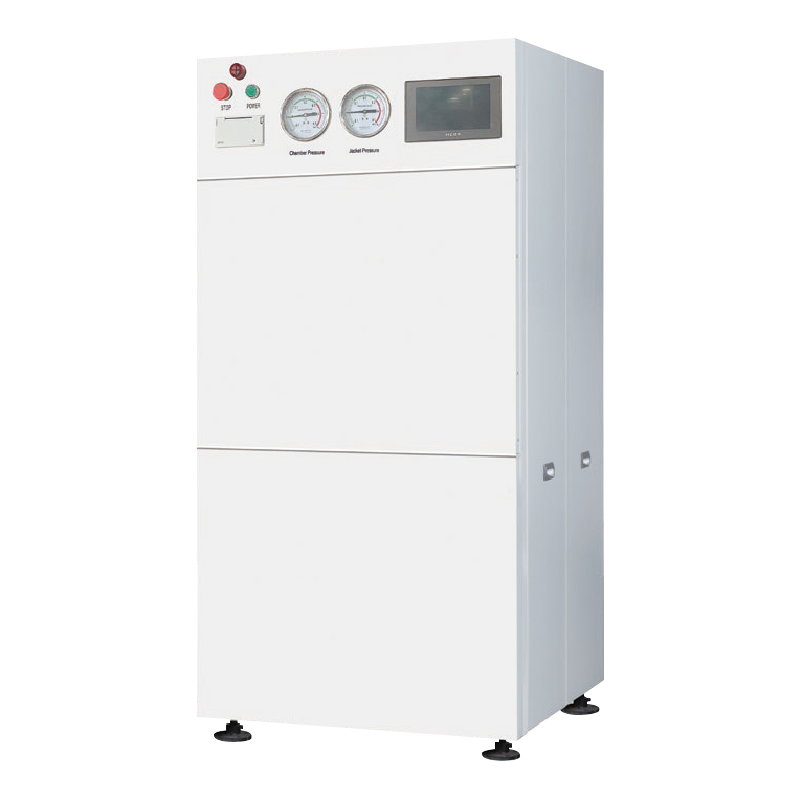
The Horizontal Steam Sterilizer utilizes saturated steam as the sterilizing medium, capitalizing on ...
See Details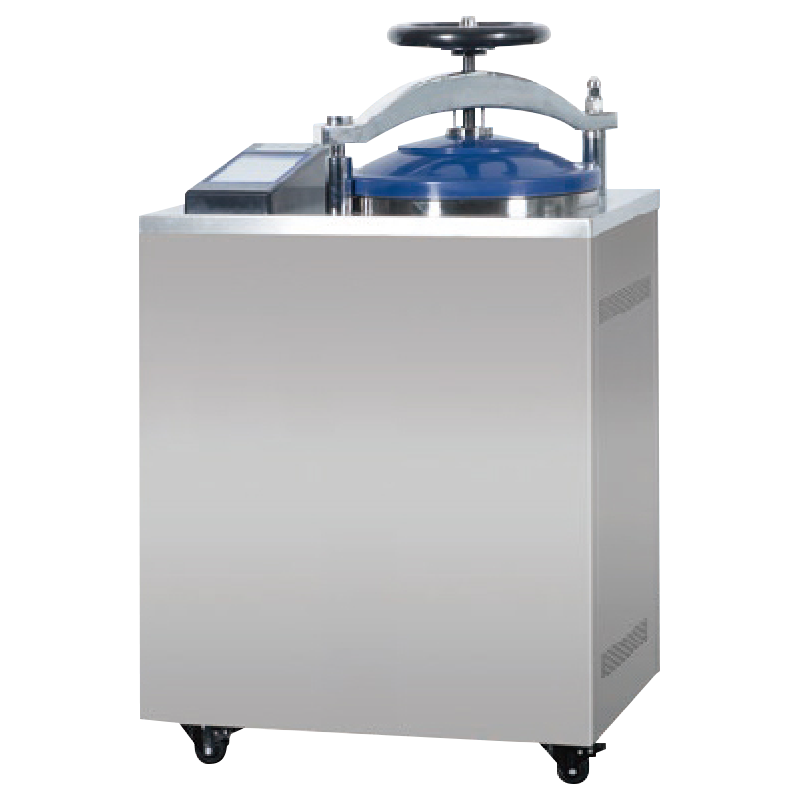
The Vertical Steam Sterilizer M Series (Pulsating Vacuum) is a safe and reliable sterilization solut...
See Details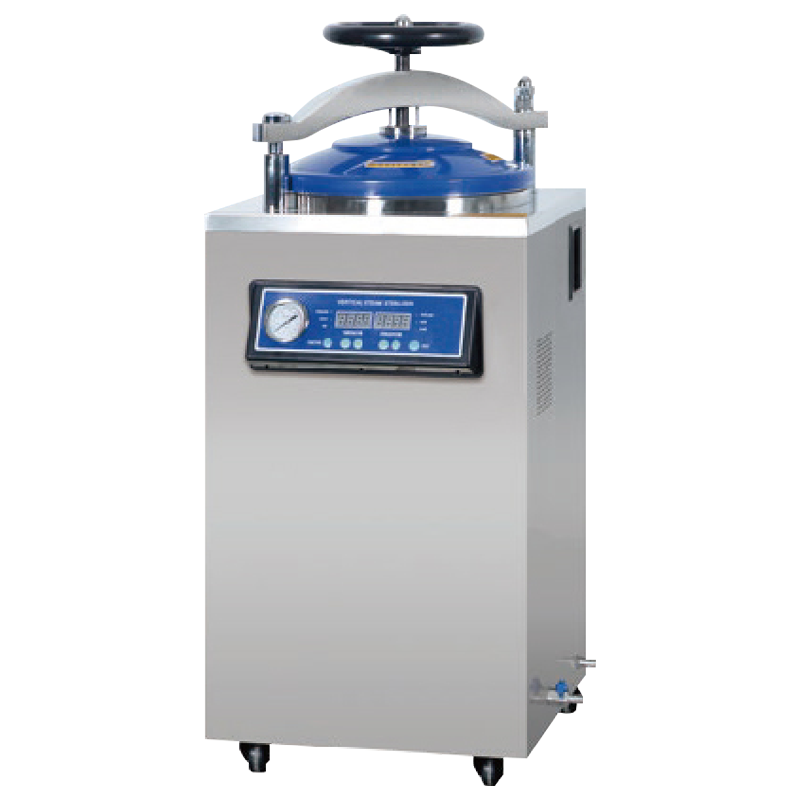
The Vertical Steam Sterilizer B Series offers a robust, automated solution for sterilizing a wide ra...
See Details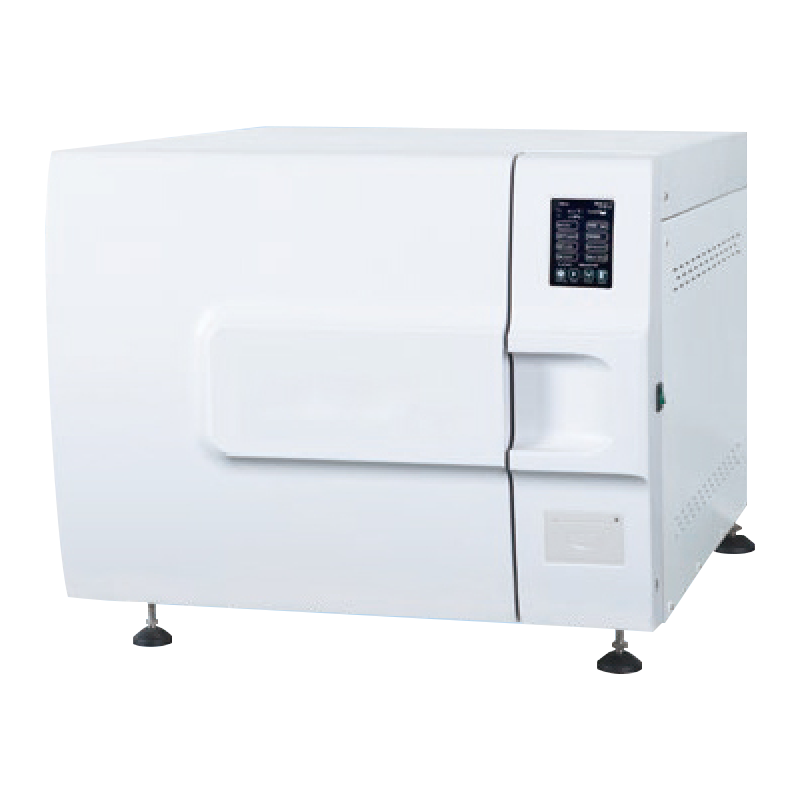
The Tabletop Steam Sterilizer Z Series is an efficient, user-friendly sterilization solution designe...
See Details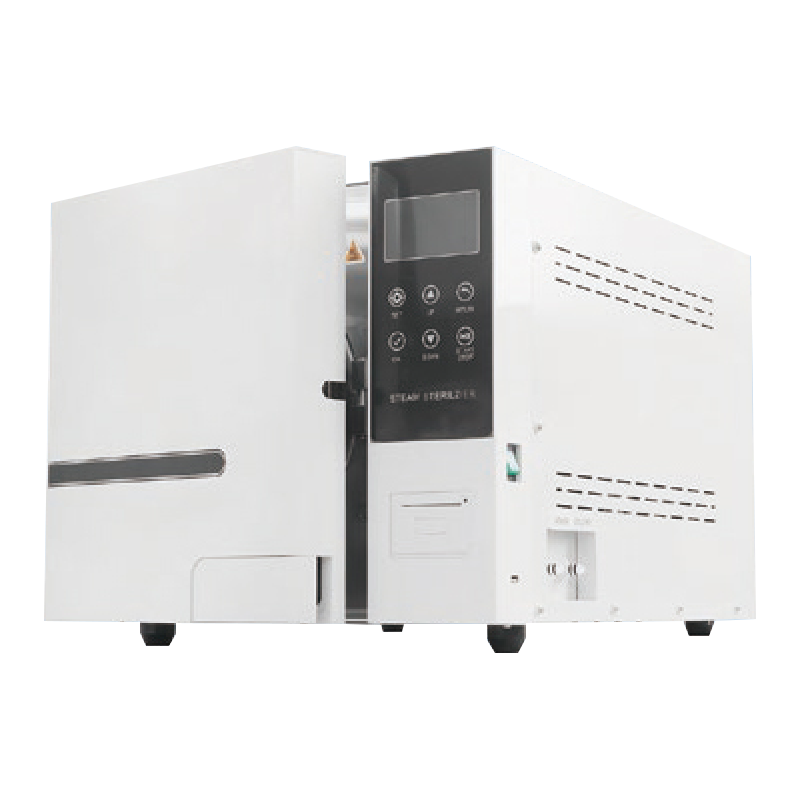
The Tabletop Steam Sterilizer YXQ.DX-X Series is a highly efficient and compact solution designed fo...
See Details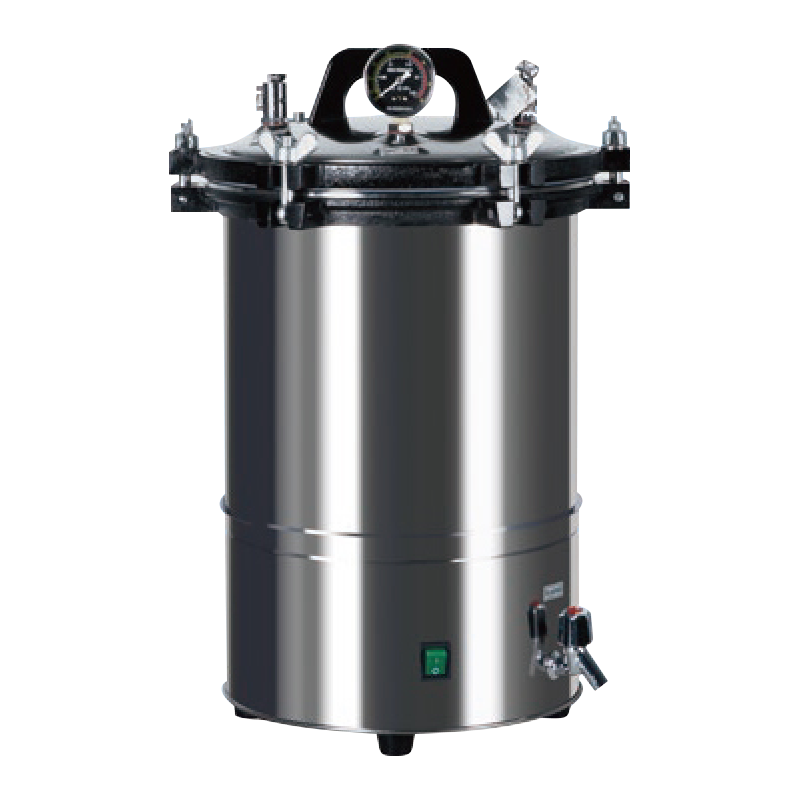
The Portable Pressure Steam Sterilizer Model YXQ.PPS-280A and A+ offers a compact and reliable solut...
See Details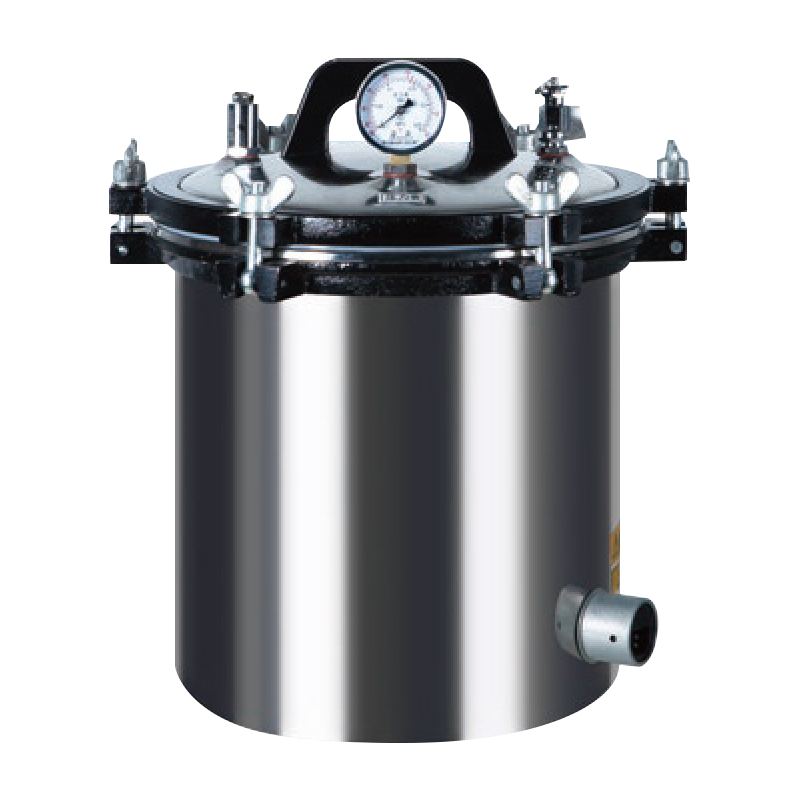
The YXQ.PPS-280C and C+ Portable Pressure Steam Sterilizer is a versatile dual-purpose sterilizer, o...
See DetailsIntroduction to Sanitary Grade Sterilizer: Definition and Importance in Modern Sterilization Definit......
READ MOREIntroduction In today’s fast-paced world, ensuring the safety and sterility of products and material......
READ MOREIntroduction to Sterile Preparation Sterilizers What is Sterile Preparation? Sterile preparation ref......
READ MOREWhy Does Every Drug Require a Sterile Preparation Sterilizer? In modern medicine and pharmaceuticals......
READ MORE +(86) 18018151178
[email protected]
365 Nansha Sanjiali Road, Jingang Town, Zhangjiagang City, China
+(86) 18018151178
[email protected]
365 Nansha Sanjiali Road, Jingang Town, Zhangjiagang City, China
