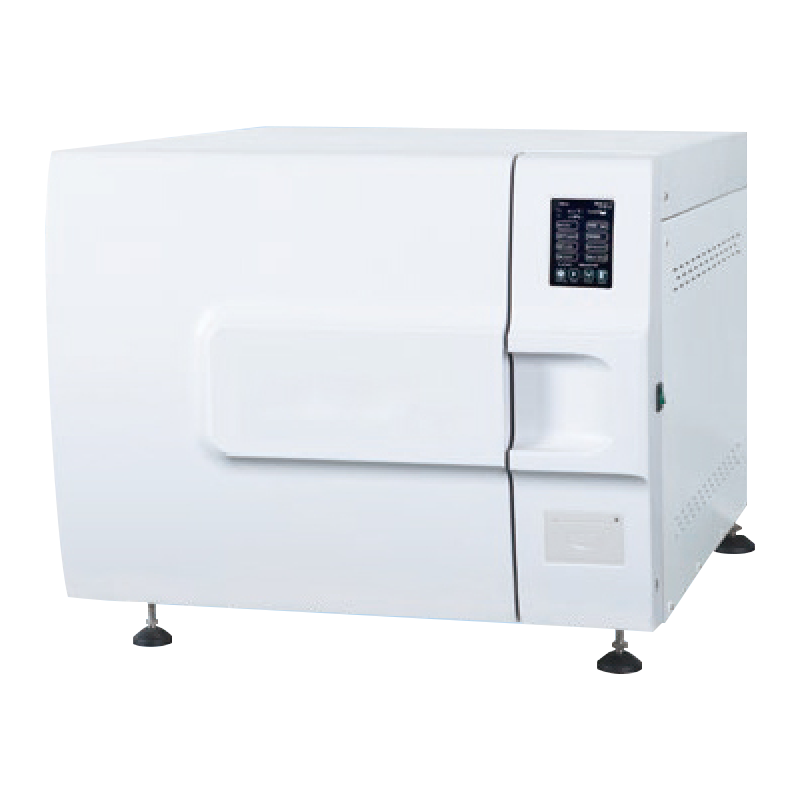
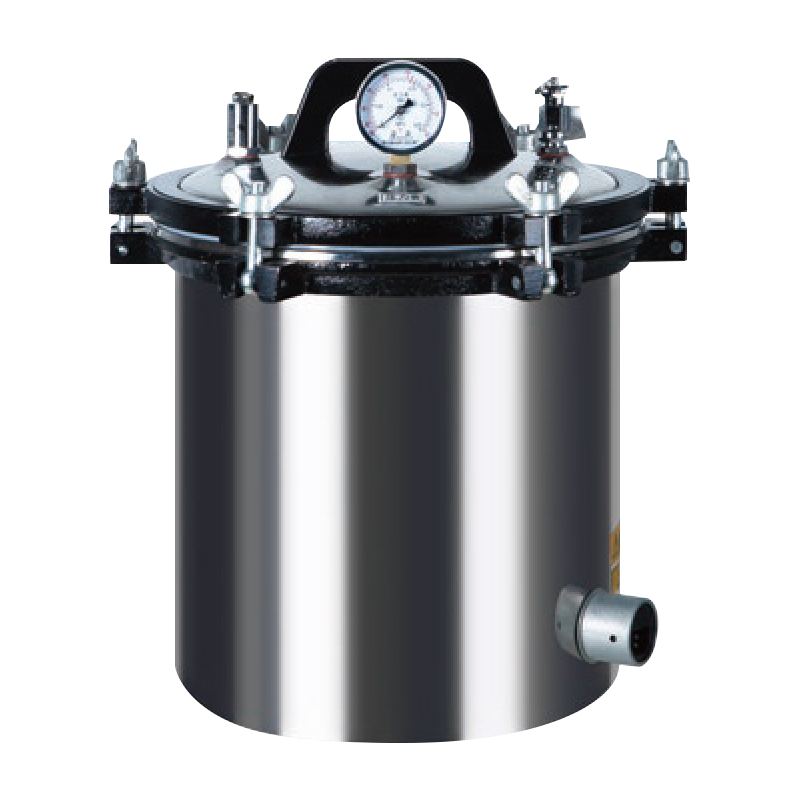
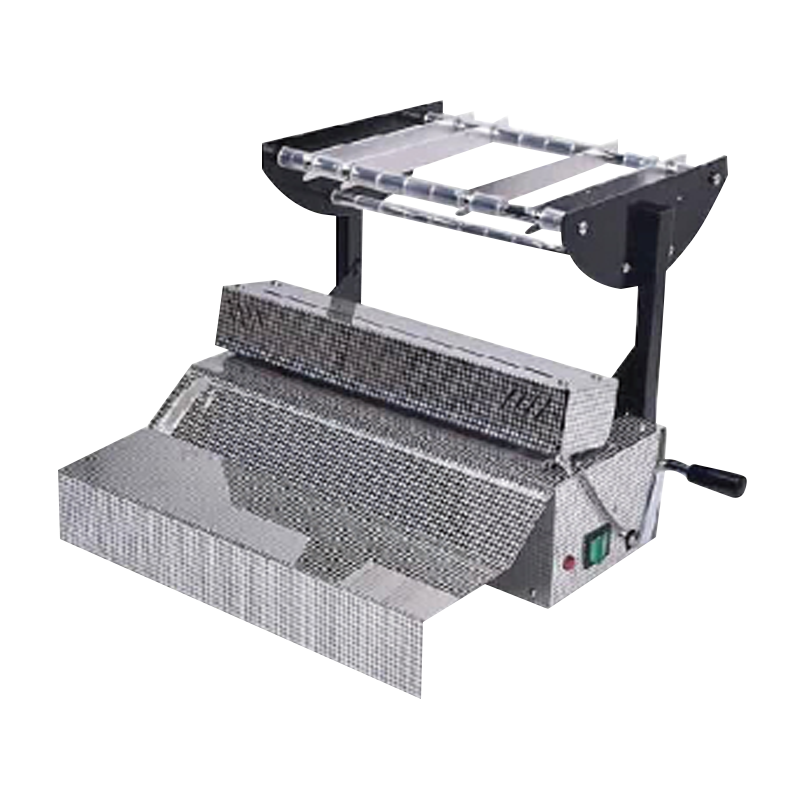
Comparison Between Sanitary Grade Sterilizers and Ordinary Sterilization Equipment
Basic Concept of Sanitary Grade Sterilizers
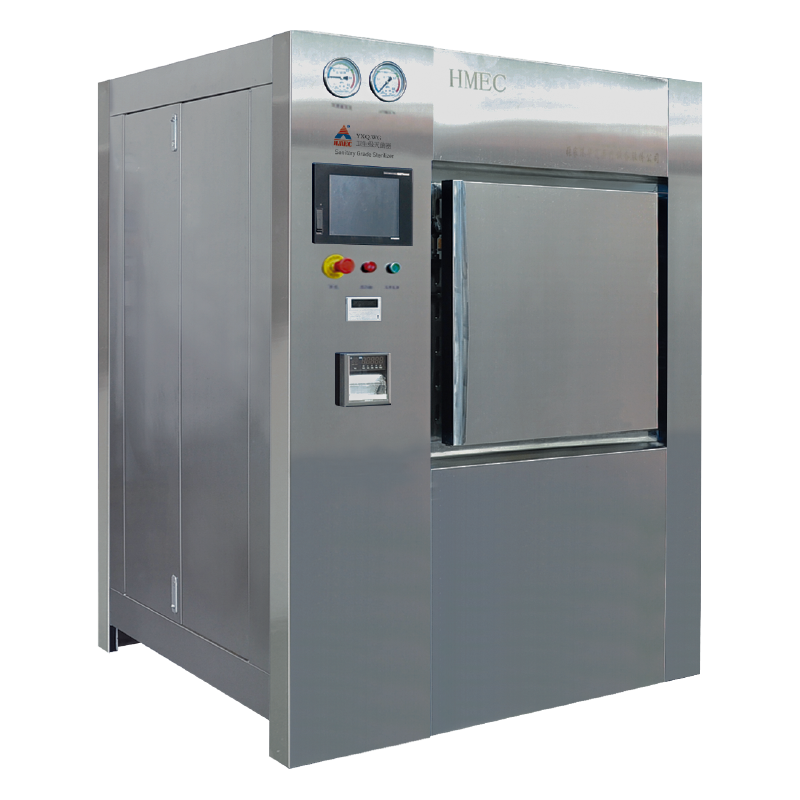
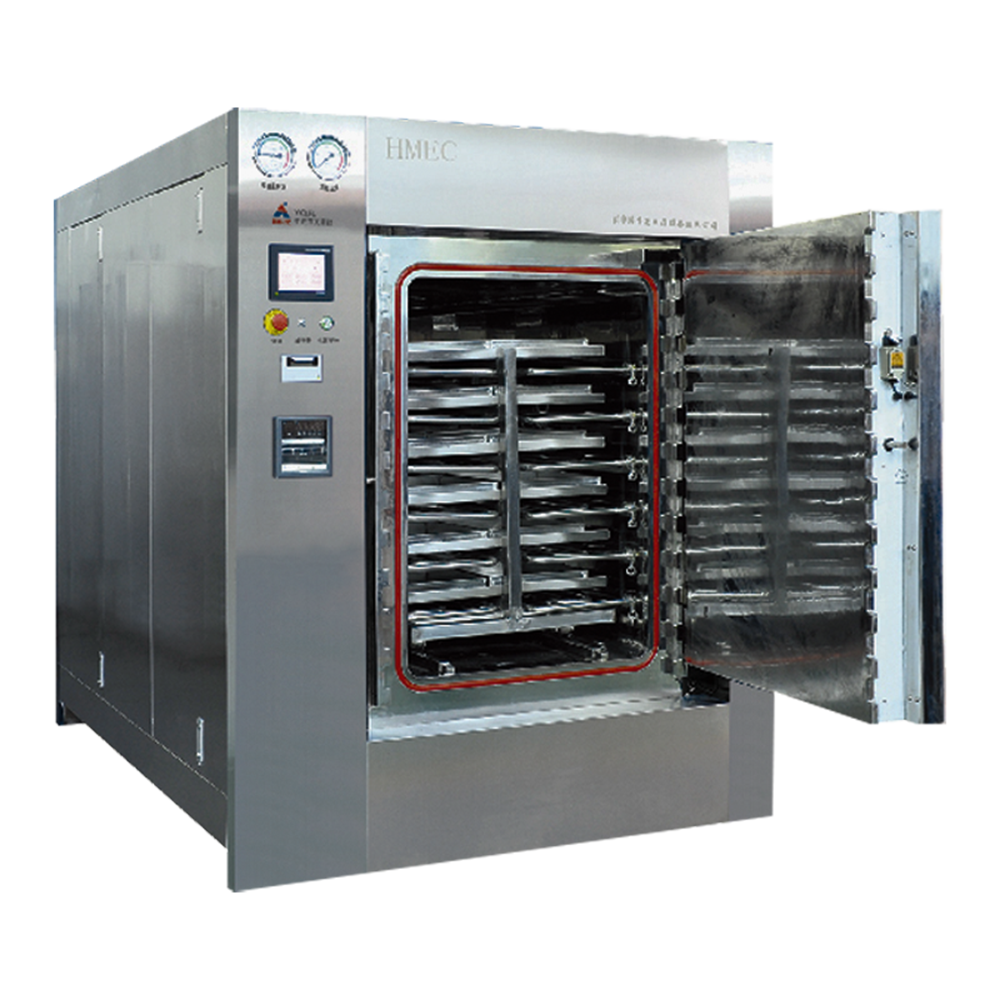
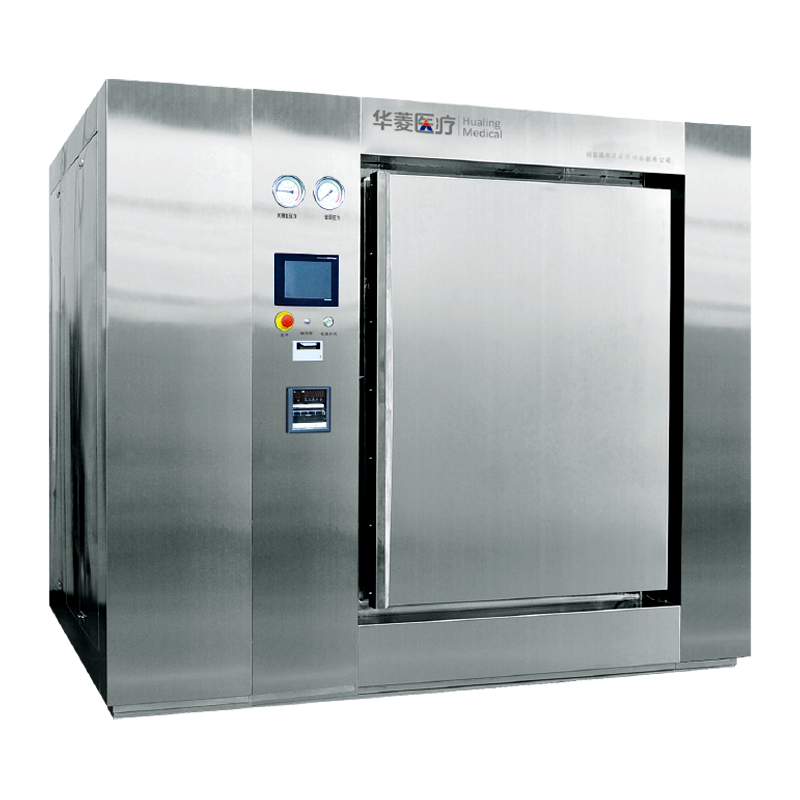
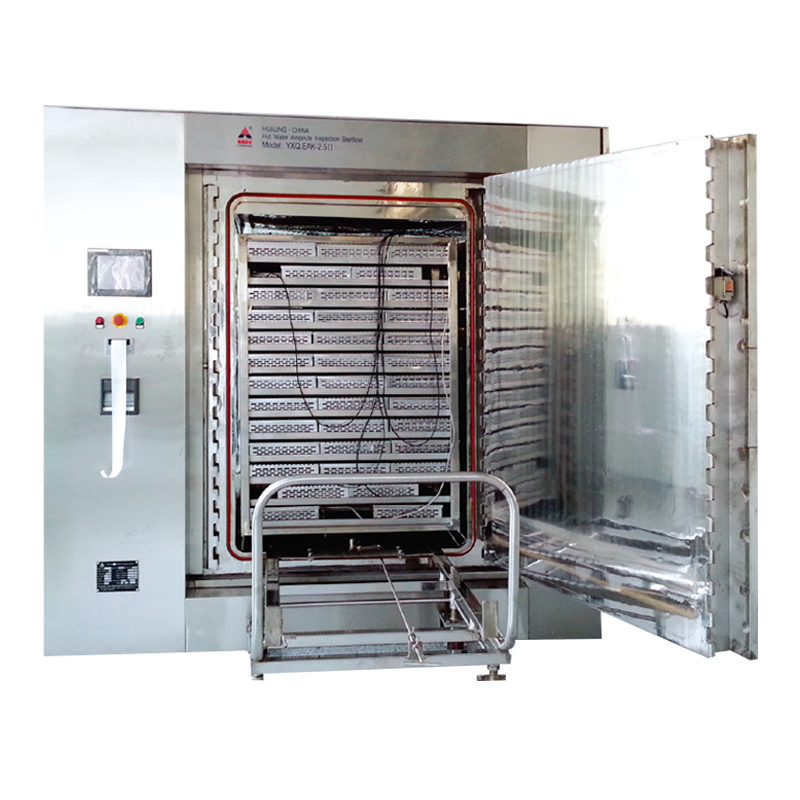
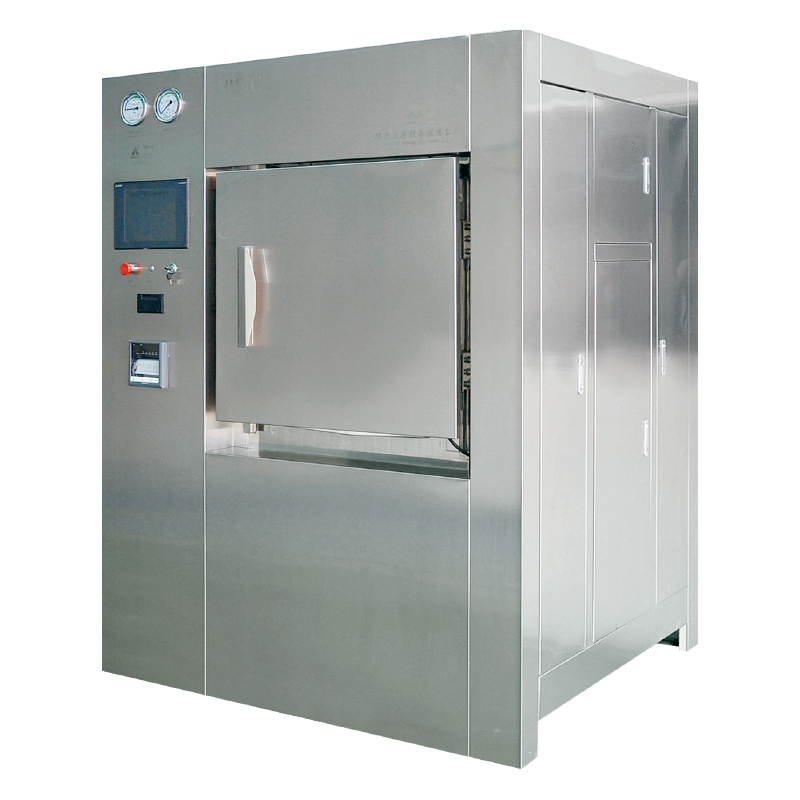
Sanitary grade sterilizers are a type of sterilization equipment specifically designed for industries such as food, pharmaceuticals, and medical devices where high cleanliness requirements must be met. These sterilizers not only ensure that microorganisms are effectively eliminated during the sterilization process but also meet standards for cleanliness, residue-free operation, and verifiability. Compared with ordinary sterilizers, sanitary grade sterilizers emphasize hygienic performance in pipelines, interfaces, and chambers, avoiding dead corners and residue. Since its establishment in 1987, Zhangjiagang Hualing Medical Equipment Co., Ltd. has been committed to innovation and standardization in sanitary sterilization technology, accumulating rich experience and obtaining multiple national patents that drive equipment upgrades.
Basic Characteristics of Ordinary Sterilization Equipment
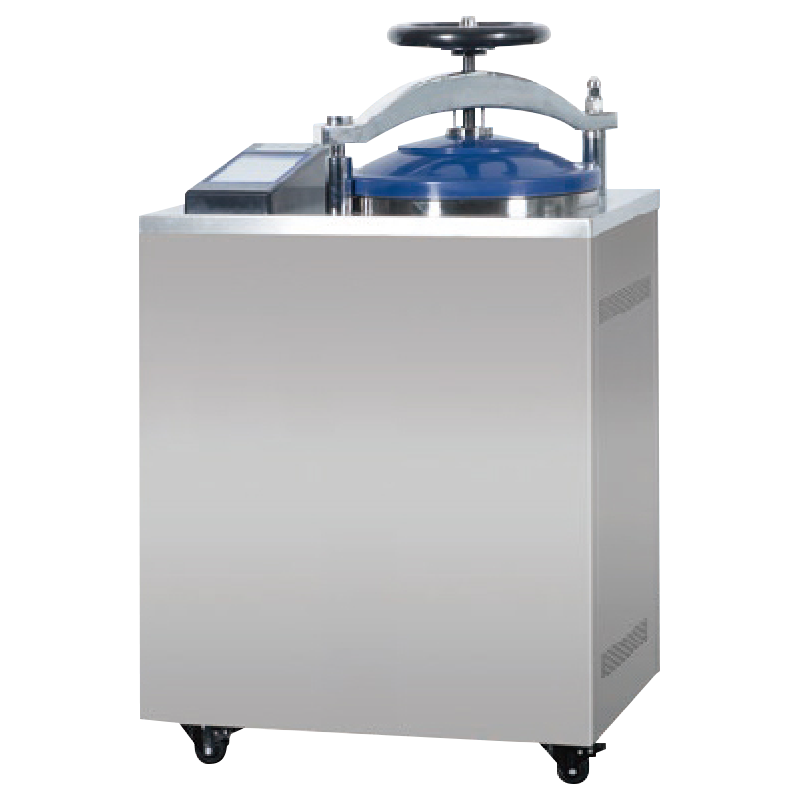
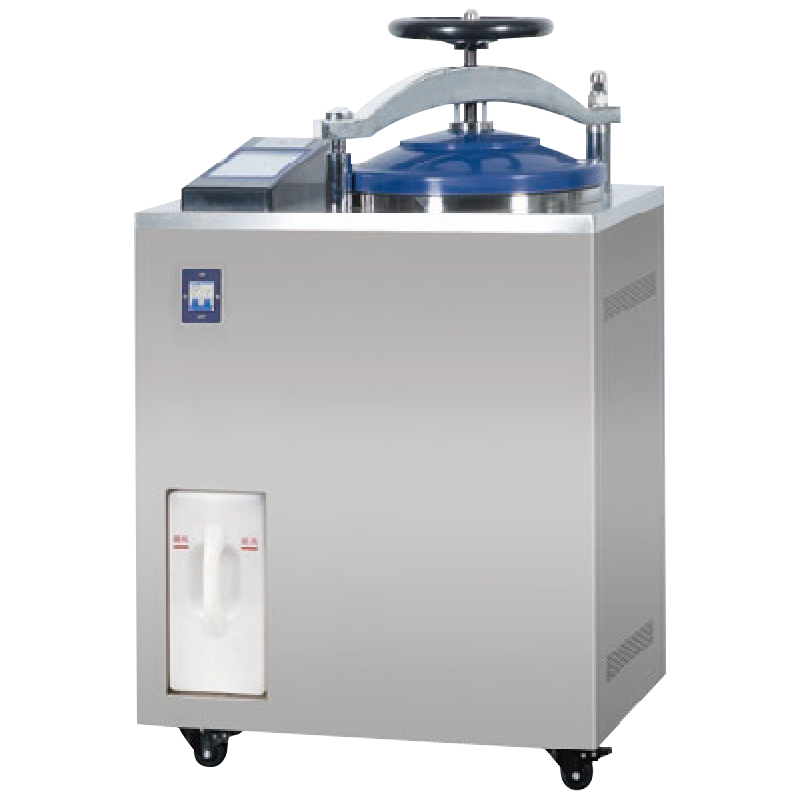
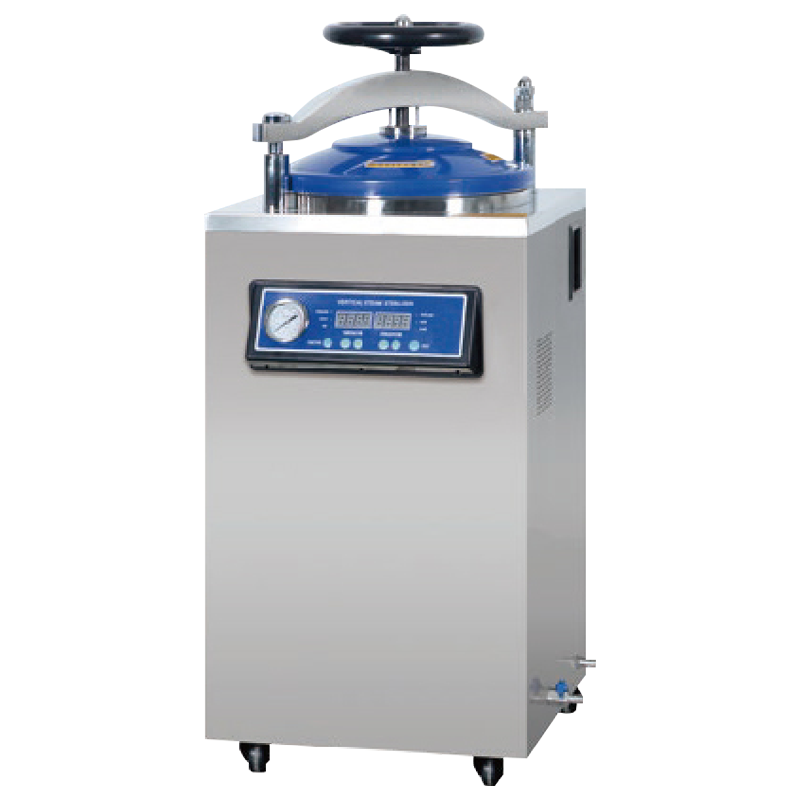
Ordinary sterilizers are usually applied in less demanding environments, such as routine laboratory work, low-requirement industrial disinfection, or simple auxiliary medical applications. The main features of these devices include relatively simple structures and the use of thermal or chemical methods to kill microorganisms, meeting general application needs. However, they often lack strict control over cleanliness and may not fully address microbial or chemical residues. As a result, in some high-risk industries, ordinary sterilization equipment may not fully meet production standards.
Structural Differences Between the Two Types of Equipment
Sanitary grade sterilizers focus on dead-corner-free structures that are easy to clean, typically featuring polished stainless-steel interiors, sanitary-grade valves and interfaces, and automated cleaning systems. Ordinary sterilizers, by contrast, are simplified in design and may have areas that are difficult to clean, increasing the risk of microbial growth. Hualing Medical widely applies 304 and 316L stainless steel in manufacturing, ensuring sanitary performance while minimizing residues after contact with sterilizing agents or steam.
Structural Comparison of Sanitary Grade Sterilizers and Ordinary Sterilizers
| Item |
Sanitary Grade Sterilizer |
Ordinary Sterilizer |
| Material |
316L stainless steel, sanitary polish |
Standard stainless steel or carbon steel |
| Interface Design |
Sanitary-grade, easy to disassemble |
Conventional, partly hard to clean |
| Internal Structure |
Dead-corner-free, supports CIP/SIP |
May have dead corners, incomplete cleaning |
| Cleaning Validation |
Fully verifiable |
Validation more difficult |
Differences in Sterilization Effectiveness and Validation
Sanitary grade sterilizers must undergo strict validation, often using biological and chemical indicators to confirm sterilization completeness. Such validation processes are crucial in pharmaceutical and food industries. Ordinary sterilizers may achieve sterilization but usually lack comprehensive validation systems, making it difficult to guarantee consistent results across batches. As a member of the National Technical Committee for Standardization of Sterilization Technology and Equipment, Hualing Medical continuously promotes standardization and regulation of sterilization validation, enhancing the reliability of sanitary grade sterilizers.
Differences in Application Fields
Sanitary grade sterilizers are mainly used in pharmaceutical production, food processing, and medical device manufacturing—industries that require sterilized products to meet strict health and safety standards. Ordinary sterilizers, however, are better suited for low-risk or less demanding scenarios, such as routine laboratory work or certain industrial disinfection tasks. Hualing Medical has accumulated numerous application cases in the pharmaceutical and food industries, demonstrating the irreplaceable role of sanitary grade sterilizers in high-standard industries.
Differences in Microbial Residue Control
Sanitary grade sterilizers often integrate advanced temperature, pressure, and time control systems to ensure thorough inactivation of various microorganisms, including bacterial spores and molds. The corrosion-resistant and easy-to-clean materials also help prevent secondary contamination. Ordinary sterilizers, by contrast, are limited in this regard, particularly when handling heat-resistant spores or complex contamination, which may result in less stable sterilization outcomes. Thus, the difference between the two is significant in terms of microbial residue control.
Differences in Compliance with Standards and Certifications
Sanitary grade sterilizers must comply with GMP, FDA, and ISO standards, with strict requirements on design, production, and usage. Ordinary sterilizers, on the other hand, are mostly applied in areas with non-mandatory standards, with fewer certification and testing requirements. As a standing member of the China Disinfection and Sterilization Association and a member of the China Pharmaceutical Equipment Industry Association, Hualing Medical ensures its equipment complies with both domestic and international standards, serving pharmaceutical and healthcare customers more effectively.
Applicable Standards for Sanitary Grade Sterilizers vs. Ordinary Sterilizers
| Item |
Sanitary Grade Sterilizer |
Ordinary Sterilizer |
| Industry Standards |
GMP, FDA, ISO |
Basic industry norms |
| Validation Requirements |
Biological/chemical dual validation |
General physical parameter validation |
| Industries of Use |
Pharmaceuticals, food, medical devices |
Laboratories, general industry |
Differences in Service Life and Maintenance
Sanitary grade sterilizers, made from corrosion-resistant materials and built with sanitary processes, generally have longer service lives and follow industry norms in maintenance. Ordinary sterilizers, although lower in cost, often have shorter lifespans in demanding environments due to material and design limitations. Hualing Medical emphasizes durability and ease of maintenance in its product development, helping clients minimize downtime risks.
Comparison of Energy Consumption and Operational Efficiency
Sanitary grade sterilizers are often designed with optimized energy control, reducing consumption through precise heating and insulation technologies. Some are even equipped with energy-saving modules to enhance efficiency. Ordinary sterilizers usually lack such designs, leading to higher energy use. With growing emphasis on environmental sustainability, the energy efficiency of sanitary grade sterilizers has become an important factor for enterprises.

 English
 русский
 Español
 عربى
عربى
 中文
中文