 English
 русский
 Español
 عربى
عربى
 中文
中文

Traditional Chinese Medicine Sterilizer
Cat:Products
The sterilizer performs moist heat sterilization operations on items with saturated steam as the st...
See Details

A pulse vacuum sterilizer is a type of steam sterilizer that uses mechanical vacuum pumps to remove air from the chamber before the sterilization phase begins. Unlike gravity displacement sterilizers, which rely on the natural buoyancy of steam to push air out through a vent, pulse vacuum sterilizers actively evacuate air using vacuum pumps. This allows for much more complete air removal, resulting in faster heating, better steam penetration, and more reliable sterilization.
The term "pulse vacuum" refers to the method of air removal. In a pulse vacuum sterilizer, air is removed from the chamber by a series of vacuum pulses or "pulses" that alternate between vacuum and steam admission. This pulsing action helps to dislodge trapped air pockets and ensures that even complex, hollow, or porous loads are fully penetrated by steam. This method—steam pulsing under vacuum—is essential for sterilization of dry goods.
Pulse vacuum sterilizers are often referred to as "pre-vacuum" sterilizers because they create a vacuum before the sterilization phase. They are the preferred choice for sterilising wrapped instruments, porous loads, and items with lumens (hollow spaces) because the active air removal ensures that steam reaches all surfaces.
The operation of a pulse vacuum sterilizer involves a series of precisely controlled phases. Understanding these phases helps users appreciate the effectiveness of this technology and the critical parameters that must be managed for successful sterilization.
The process begins with the pre-vacuum phase. The sterilizer's mechanical vacuum pump pulls air from the chamber, reducing the pressure and creating a vacuum. This step is essential for removing cold air from the chamber and from the load itself. In some modern autoclaves, this initial phase may include multiple vacuum pulses to ensure thorough air removal. A minimum of three vacuum pulses is required to achieve a vacuum level below the saturated steam temperature for the selected sterilization temperature.
Once the air has been sufficiently removed, the sterilization phase begins. Steam is introduced into the chamber, and the temperature is raised to the set point—typically 121°C (250°F) or 134°C (273°F), depending on the load and the sterilization cycle selected. The steam penetrates the load, and the high temperature denatures proteins and destroys microorganisms. At 121°C, sterilization typically requires at least 15 minutes; at 134°C, the required time is at least 4 minutes.
During the sterilization phase, the sterilizer maintains the temperature and pressure within tight tolerances to ensure consistent and effective sterilization. The combination of steam, time, and temperature—now known to be the critical variables—must be carefully controlled. Temperature and time are the primary variables that must be controlled when sterilizing materials in a sterilizer.
After the sterilization phase is complete, the post-vacuum drying phase begins. The vacuum pump is activated again to remove moisture from the chamber and the load. This step is critical for ensuring that wrapped instruments, linen, and porous items are dry when they are removed from the sterilizer. Wet packs can compromise the sterility of the contents by allowing contaminants to wick through the packaging material. Most standard pre-vacuum cycles also incorporate a vacuum drying phase that creates a deep vacuum to draw moisture out of the load, reducing drying time compared to gravity cycles.
Pulse vacuum sterilizers are available in various configurations, each suited to different applications, load types, and throughput requirements. The most common classification is based on the number of vacuum pulses, the chamber size, and the intended use.
These sterilizers are the workhorses of hospital sterile processing departments (SPDs) and large-scale healthcare facilities. They offer an air removal technique that is designed to purge air from the chamber and load by using a vacuum pump to create a deep vacuum. They typically feature multiple pre-vacuum pulses—often three or more—to ensure thorough air removal before steam is admitted. This design is intended for sterilizing wrapped items, porous loads, and some hollow or lumen-containing devices.
Standard pre-vacuum pulse vacuum sterilizers are available with chamber capacities ranging from 100 litres to over 3,000 litres, making them suitable for everything from small surgical suites to large central sterilisation departments. They generally require a steam supply at a pressure of between 2 and 6 bar (29 to 87 psi) and can operate at either 121°C or 134°C.
Some pulse vacuum sterilizers place special emphasis on the drying phase. These models are designed to achieve exceptionally low moisture content in wrapped loads, making them ideal for processing linen, textiles, and other absorbent materials. The post-vacuum drying phase is more pronounced in these sterilizers—they draw a deep vacuum after the sterilization phase to speed up the drying of the load.
These sterilizers are intended for quick and safe drying, reducing the risk of wet packs. They are particularly important in healthcare settings where wrapped instruments must be stored for long periods, as moisture can compromise the sterility of the packaging.
For smaller healthcare facilities, dental clinics, and laboratory settings, tabletop pulse vacuum sterilizers offer a compact and cost-effective solution. These benchtop models can be installed wherever there is a suitable mains water supply and electrical connection. They are often referred to as "B-type" sterilizers because they use a vacuum system to remove air from the chamber and load.
Tabletop pulse vacuum sterilizers typically feature chamber volumes of 12 to 36 litres and are designed for lower throughput. They offer the same basic functionality as larger models, including air removal by vacuum pump and steam pulsing, but in a more compact and affordable package. Some small tabletop sterilizers can also operate as pulse vacuum sterilizers, depending on the model, and they run on a standard single-phase electrical supply.
To fully appreciate the capabilities of the pulse vacuum sterilizer, it is helpful to compare it with the gravity displacement sterilizer—the other common type of steam sterilizer.
Gravity displacement sterilizers, also known as "downward displacement" sterilizers, rely on the principle that steam is lighter than air. Steam enters the top of the chamber and forces air out through a vent at the bottom. This method is effective for solid, un-wrapped instruments and simple loads. However, it has significant limitations. The steam-air mixture that emerges from the sterilizer chamber at the beginning of the process is enriched with air, which can leave residual air trapped in the chamber and load. Gravity displacement sterilizers are not recommended for sterilising porous loads, hollow items, or wrapped instruments because trapped air pockets can prevent steam from reaching all surfaces.
Pulse vacuum sterilizers overcome these limitations by actively removing air using a vacuum pump. The air-removing phase is more aggressive and more complete than gravity displacement. Temperature and time are the primary variables controlled when sterilizing materials in a sterilizer, but air removal is the critical factor that distinguishes pre-vacuum from gravity cycles. Pulse vacuum sterilizers can achieve a much higher level of air removal, which is essential for steam to contact all surfaces of the load. The pulse vacuum sterilizer ensures a more consistent and reliable sterilization outcome, particularly for complex loads.
In summary, gravity displacement sterilizers are adequate for simple loads but are not suitable for porous or wrapped items. Pulse vacuum sterilizers are essential for any load that requires steam penetration into lumens, wrapped packages, or porous materials.
Another important distinction in pulse vacuum sterilizers is the classification of B-type and S-type devices according to European standard EN 13060. This classification helps users understand the capabilities and limitations of different sterilizers.
B-type (Bowl-type) sterilizers are true pulse vacuum sterilizers. They feature a mechanical vacuum pump that can evacuate air from the chamber and load to a very high degree. The vacuum pump is capable of drawing the chamber down to approximately 0.1 bar, which is a much deeper vacuum than S-type units can achieve. B-type sterilizers can sterilize all types of loads, including porous materials, hollow items, and wrapped instruments. They are the preferred choice for medical and surgical applications where a wide variety of instruments must be processed.
S-type (Sealed) sterilizers also use a vacuum pump but are less powerful than those in B-type units. S-type sterilizers typically draw a vacuum to about 0.4 bar and are designed for specific types of loads. They may be suitable for single-wrapped items but are not recommended for porous or heavily wrapped loads. S-type sterilizers are often used in dental clinics or specialist areas where the load is well-defined.
The distinction is important because using an S-type sterilizer for a load that requires B-type performance can result in incomplete air removal and failed sterilization cycles. Healthcare providers must match the sterilizer type to the loads they process.
Pulse vacuum sterilizers are used across a wide range of industries where sterility is paramount. Their ability to penetrate wrapped, porous, and hollow loads makes them indispensable in many critical applications.
Hospitals and surgical centers are the largest users of pulse vacuum sterilizers. These sterilizers process thousands of instruments daily, including surgical instruments, endoscopes, laparoscopes, and other complex devices. The ability to sterilize wrapped instruments is essential because it allows sterile items to be stored until they are needed, maintaining sterility over extended periods. Pulse vacuum sterilizers are also used for sterilising textiles, dressings, and other porous loads.
In pharmaceutical production, the sterility of equipment and containers is critical. Pulse vacuum sterilizers are used to sterilize processing vessels, piping systems, filling lines, and packaging materials. The pharmaceutical industry demands the highest level of process validation and control, and pre-vacuum sterilizers offer the reliability needed to meet strict regulatory requirements.
Research laboratories use pulse vacuum sterilizers to decontaminate waste, sterilize growth media, and process glassware. The ability to efficiently dry loads after sterilization is particularly important in laboratory settings, where moisture can interfere with sensitive experiments and analysis. Pre-vacuum sterilizers reduce drying time compared to gravity cycles, improving laboratory efficiency.
Dental practices rely on pulse vacuum sterilizers—often in the form of tabletop B-type sterilizers—to process handpieces, burs, and other instruments. The compact size and rapid cycles of modern tabletop sterilizers make them suitable for the busy dental environment. They ensure that all dental instruments are sterile before each patient, preventing cross-contamination and infection.
Veterinary clinics and animal hospitals use pulse vacuum sterilizers to sterilize surgical instruments, dental equipment, and other reusable items. The principles of sterilization are the same as in human healthcare, and pulse vacuum sterilizers provide the reliability and performance needed to protect animal patients from infection.
Choosing the right pulse vacuum sterilizer involves evaluating several critical factors, from the types of loads you need to process to the available utilities and space constraints.
Load Types and Volume: Consider the variety of instruments and materials you will be sterilizing. If you process complex hollow items, wrapped instruments, or porous loads, a pulse vacuum sterilizer is essential. If you process a wide range of items, a B-type sterilizer is generally recommended.
Throughput and Capacity: Estimate the number of cycles you will run per day and choose a chamber size that can handle your workload. Large hospitals may require multi-chamber sterilizers capable of processing hundreds of instrument sets daily, while small clinics may be well-served by a tabletop unit.
Utility Requirements: Pulse vacuum sterilizers require a stable steam supply, water for cooling and conditioning, and electrical power. Check the specifications of each model to ensure your facility can meet these requirements. Some sterilizers offer internal steam generation, eliminating the need for an external steam boiler.
User Interface and Control: Modern pulse vacuum sterilizers feature advanced touchscreen controls with cycle selection, real-time monitoring, and data recording capabilities. Consider the level of sophistication you need and the ease of use for your staff.
Validation and Compliance: For regulated industries such as healthcare and pharmaceutical manufacturing, ensure the sterilizer meets relevant standards, such as EN 285, EN 13060, or ISO 17665. The sterilizer should be capable of being validated according to your quality system requirements.
Total Cost of Ownership: Consider not only the purchase price but also installation costs, ongoing maintenance, consumables, and energy consumption. Some brands offer lower operating costs through efficient designs and long-lasting components.
Despite their advanced design, pulse vacuum sterilizers can experience operational issues. Understanding common problems helps prevent downtime and ensures consistent performance.
Failure to Achieve Required Vacuum: This can be caused by leaks in the chamber or door seals, a faulty vacuum pump, or issues with the vacuum system. Regular leak testing and maintenance are essential. The Bowie-Dick test is a valuable diagnostic tool for ensuring that air is being completely removed from the chamber and that steam penetration is effective. A failure in this test indicates that air is trapped in the chamber.
Wet Packs: Wrapped instruments that remain damp after a cycle can compromise sterility. This problem is often due to inadequate drying time, overloaded chamber, or issues with steam quality. Adjusting the drying phase or reducing the load size can help.
Slow Cycle Times: Long cycle times may be caused by a slow vacuum pump, poor steam quality, or improper cycle selection. Checking the steam supply pressure and the condition of the vacuum pump can resolve many issues.
Data Recording Failures: Modern sterilizers rely on electronic data logging. If the recording system fails, contact a qualified service provider for repairs. Many facilities use separate data loggers as a backup.
Regular maintenance, including monthly cleaning of strainers, weekly door seal inspection, and annual performance verification, can prevent many of these issues from occurring.
Proper maintenance and validation are essential for ensuring that pulse vacuum sterilizers continue to perform reliably and effectively. Sterilization is a core component of safe healthcare and industrial processes, and the consequences of failure can be severe.
Daily and Weekly Checks: Conduct daily checks of cycle parameters, including temperature, pressure, and cycle time. Check door seals for damage and replace if necessary. Clean chamber drains and strainers weekly to prevent blockages.
Monthly Maintenance: Inspect and clean the vacuum pump, air filters, and steam filters. Check for leaks in the vacuum system. Lubricate moving parts as recommended by the manufacturer.
Annual Validation: Annual validation by a qualified service provider is essential to confirm that the sterilizer is functioning correctly. This includes temperature mapping, pressure calibration, and biological testing using biological indicators (BIs). Biological indicators contain spores of Geobacillus stearothermophilus that are used to monitor the effectiveness of the sterilization process. A positive BI result indicates a cycle failure that requires immediate investigation. It is recommended to test at least monthly using these biological indicators, and to run them daily if any implantable devices are being sterilized.
Many facilities also use an independent data logger to record cycle parameters as a backup to the sterilizer's internal logging system.
The technology behind pulse vacuum sterilizers continues to evolve, driven by demands for greater efficiency, sustainability, and connectivity. Modern sterilizers are incorporating advanced features that improve performance and user experience.
Smart Controls and IoT Integration: New sterilizers feature touchscreen controls with intuitive interfaces and remote monitoring capabilities. Internet of Things (IoT) connectivity allows facilities to monitor cycle data in real time and receive alerts for maintenance or cycle failures.
Energy Efficiency: Manufacturers are developing sterilizers with better insulation, more efficient vacuum pumps, and heat recovery systems to reduce energy consumption. These improvements lower operating costs and reduce environmental impact.
Faster Cycles: Advances in vacuum technology and cycle design have reduced cycle times, improving throughput without compromising sterilization efficacy. Some modern sterilizers can complete a pre-vacuum cycle in under 30 minutes.
Eco-Friendly Designs: Some sterilizers now use less water and consume fewer consumables, appealing to facilities with sustainability goals. The trend toward green healthcare is driving innovation in sterilization technology.
A pulse vacuum sterilizer is a type of steam sterilizer that uses a mechanical vacuum pump to remove air from the chamber through a series of vacuum pulses before steam is introduced. This ensures thorough air removal, allowing steam to penetrate wrapped, porous, and hollow loads for reliable sterilization. It is often called a pre-vacuum sterilizer.
A gravity displacement sterilizer relies on steam forcing air out through a vent, which is effective for simple, unwrapped loads but leaves air trapped in porous or wrapped items. A pulse vacuum sterilizer actively removes air using a vacuum pump, ensuring complete steam penetration for all types of loads, including wrapped and hollow instruments.
Typical sterilization temperatures are 121°C (250°F) for at least 15 minutes or 134°C (273°F) for at least 4 minutes, depending on the load and cycle. These parameters are defined by international standards such as EN 285 and ISO 17665.
B-type sterilizers have a powerful vacuum pump that can achieve a deep vacuum (approximately 0.1 bar) and can sterilize all types of loads, including porous, hollow, and wrapped items. S-type sterilizers have a less powerful vacuum pump (approximately 0.4 bar) and are designed for specific, well-defined loads. B-type sterilizers are recommended for medical and surgical applications where a wide variety of instruments are processed.
Steam sterilizers, including pulse vacuum sterilizers, are generally not suitable for sterilizing liquids unless they are specifically designed with liquid cycles. The vacuum phase can cause liquids to boil over or lose volume. For liquids, use a sterilizer with a special liquid cycle that controls pressure to prevent boiling.
The Bowie-Dick test is a performance test used to verify that a pre-vacuum sterilizer is removing air from the chamber effectively. It uses a special test pack that is sensitive to air entrapment. A failed Bowie-Dick test indicates that air is trapped in the chamber and the sterilizer is not ready for use. It should be performed daily before the first cycle.
Biological indicators (BIs) should be used at least monthly to monitor the effectiveness of the sterilization process, as recommended by AAMI and other standards. If implantable devices are being sterilized, BIs should be run daily, preferably in the same load as the implantable device.
The post-vacuum drying phase removes moisture from the chamber and load after the sterilization phase. This is critical for wrapped items because wet packs can compromise sterility by allowing contaminants to wick through the packaging material. The vacuum drying phase reduces drying time and ensures that wrapped instruments are dry and safe for storage.
Regular maintenance includes daily checks of cycle parameters, weekly door seal inspections, monthly cleaning of strainers and air filters, and annual performance verification by a qualified service provider. Regular leak testing and vacuum system inspections are also essential to ensure consistent performance.
Yes, pulse vacuum sterilizers are commonly used to decontaminate laboratory waste before disposal. The ability to process porous and wrapped loads makes them suitable for sterilizing pipettes, culture media, and other lab materials. However, waste loads should be processed according to specific protocols to ensure complete inactivation of hazardous agents.
Wet packs are often caused by insufficient drying time, overloaded chamber, poor steam quality, or issues with the vacuum system. Adjusting the drying cycle, reducing load size, or checking the steam supply pressure can help resolve this problem. Some units also incorporate drying stages that draw a deep vacuum to help with drying.
Most pulse vacuum sterilizers draw a vacuum to approximately 0.1 to 0.4 bar absolute. B-type sterilizers typically achieve the lower end of this range (0.1 bar) while S-type units operate around 0.4 bar. The specific vacuum level depends on the design and the cycle selected.
Yes, pulse vacuum sterilizers are generally more expensive due to their more complex design, including a mechanical vacuum pump and advanced control systems. However, their ability to sterilize a wider range of loads and their faster cycles often justify the higher cost, particularly in healthcare settings.
Pulse vacuum sterilizers are subject to various international standards, including EN 285 (large steam sterilizers), EN 13060 (small steam sterilizers), and ISO 17665 (general requirements for steam sterilization). These standards define performance requirements, testing methods, and validation protocols.
Steam sterilization requires high temperatures and is not suitable for heat‑sensitive materials such as plastics, rubbers, or some electronic components. Pulse vacuum sterilizers, like all steam sterilizers, are only suitable for heat‑ and moisture‑stable items. For heat‑sensitive materials, alternative methods such as ethylene oxide (EtO), hydrogen peroxide plasma, or low‑temperature steam sterilization should be used.
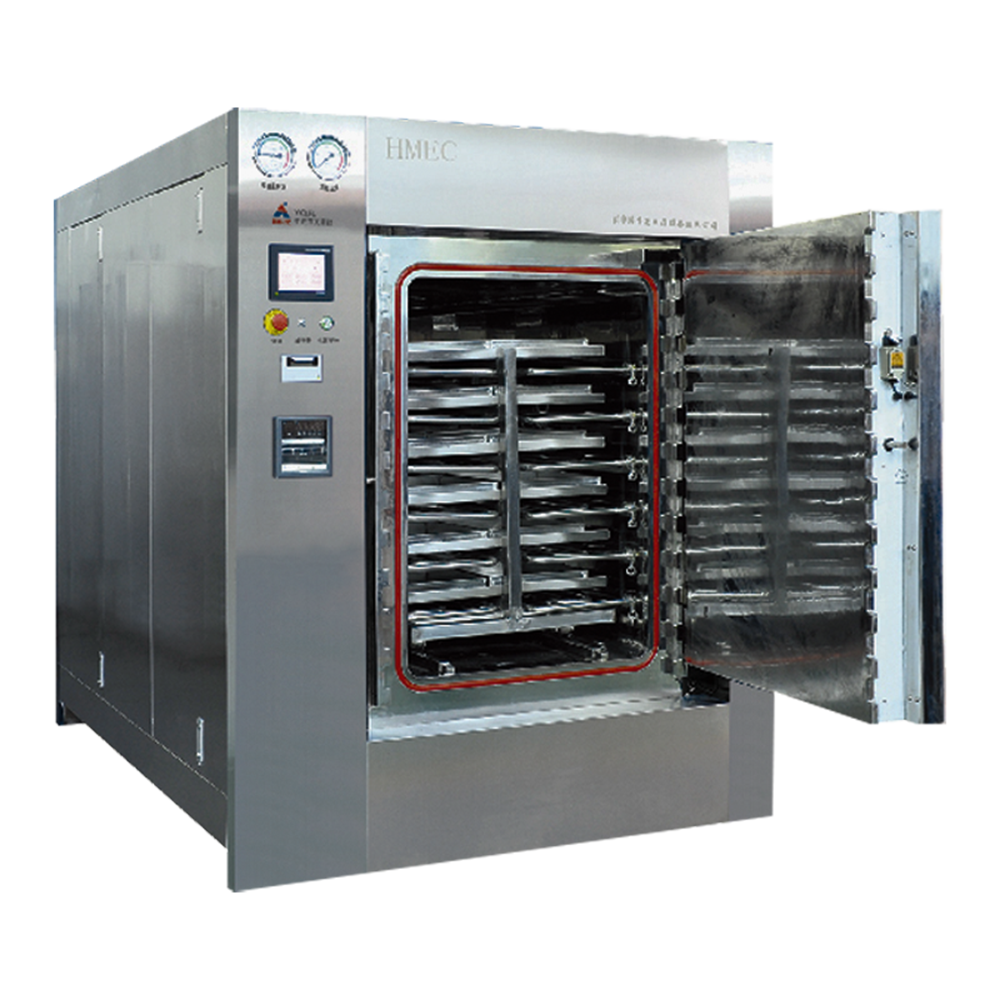
The sterilizer performs moist heat sterilization operations on items with saturated steam as the st...
See Details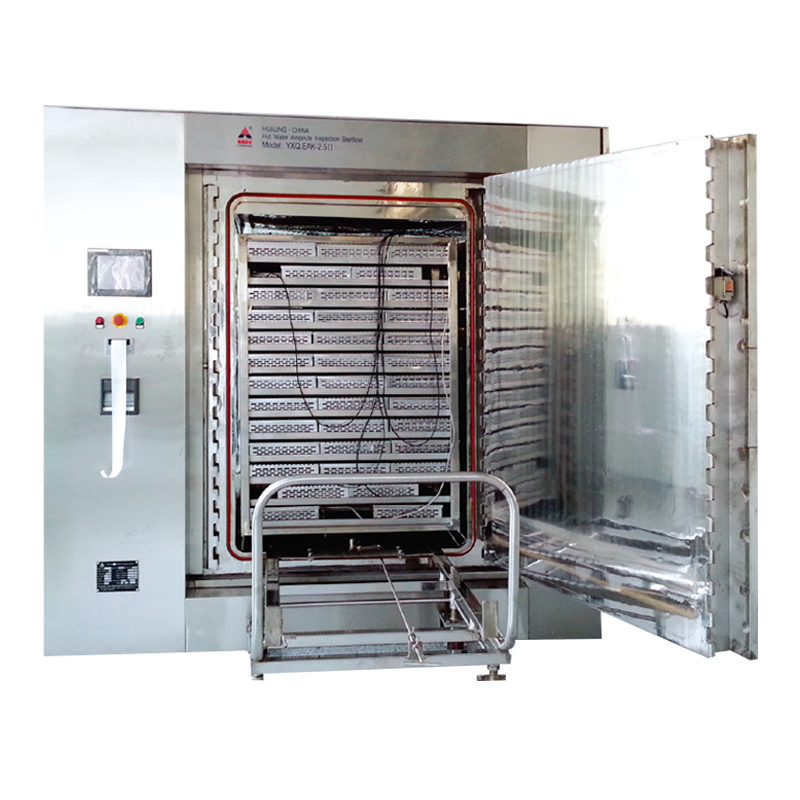
This sterilizer uses steam to sterilize, leak-detect, and clean for vials and ampoules.
See Details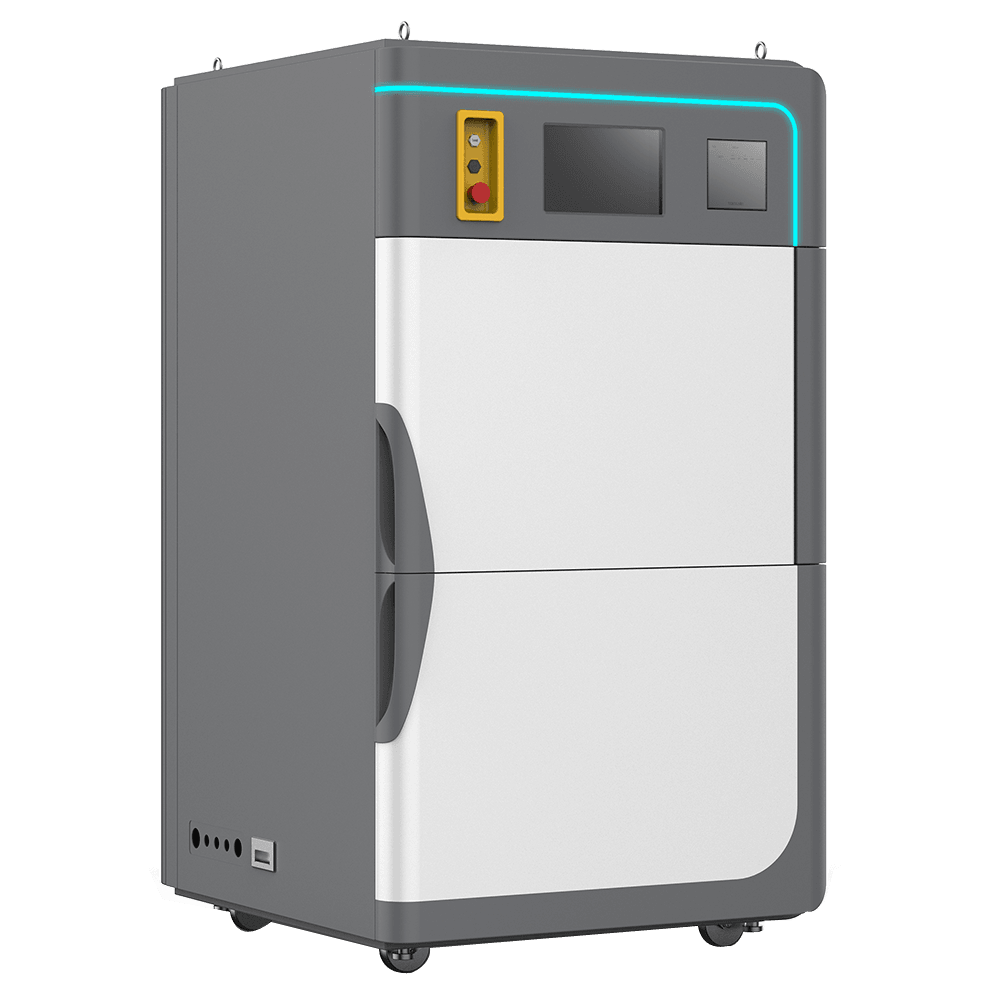
By the rapid penetration under vacuum conditions of a mixed gas of low-temperature (60℃ or 78℃) stea...
See Details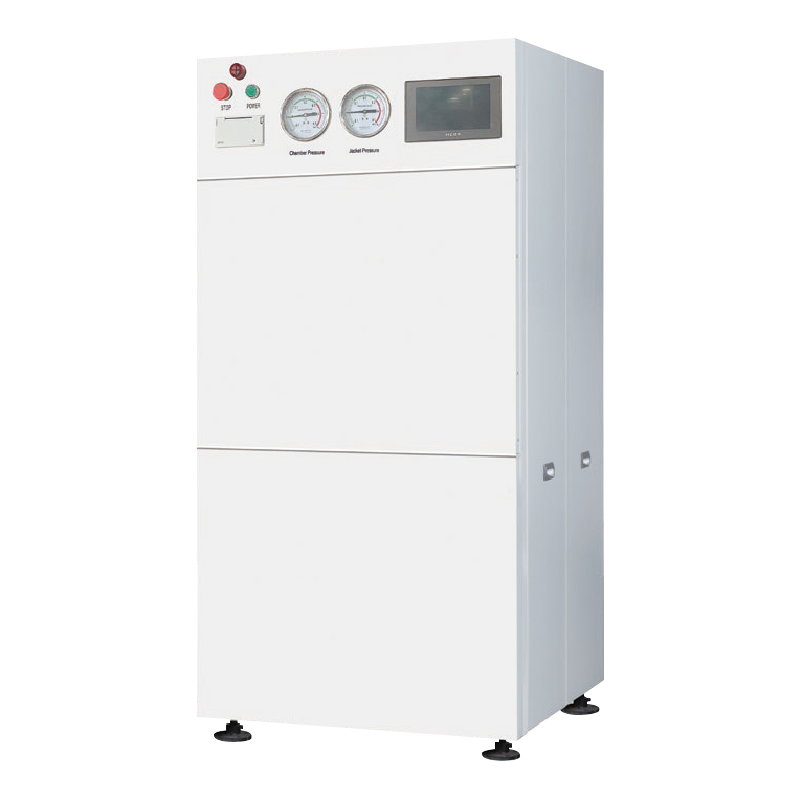
The Horizontal Steam Sterilizer utilizes saturated steam as the sterilizing medium, capitalizing on ...
See Details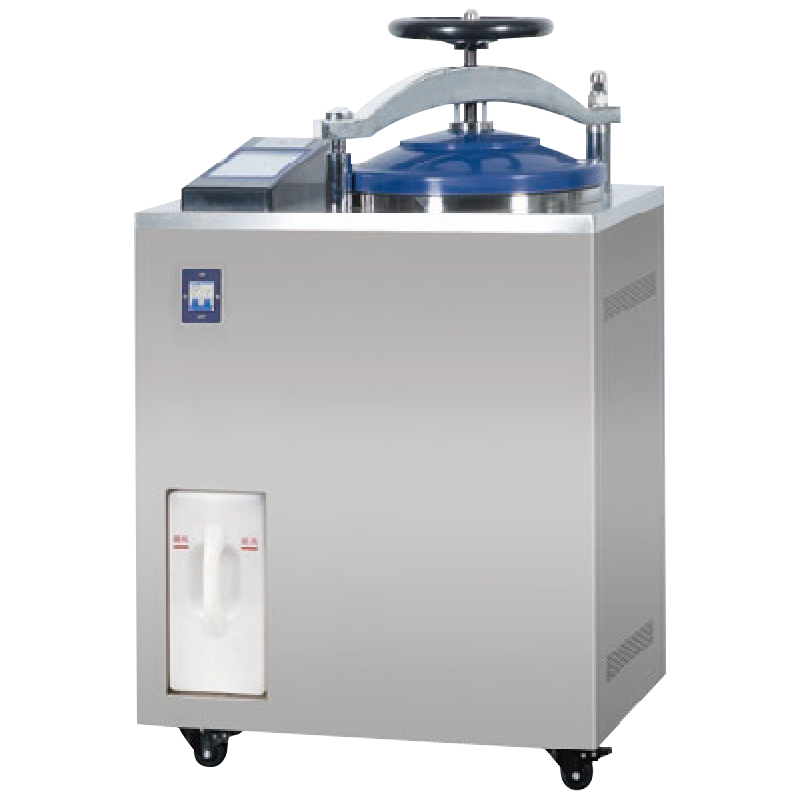
The Vertical Steam Sterilizer X Series (Multi-functional Laboratory Customized Model) offers a highl...
See Details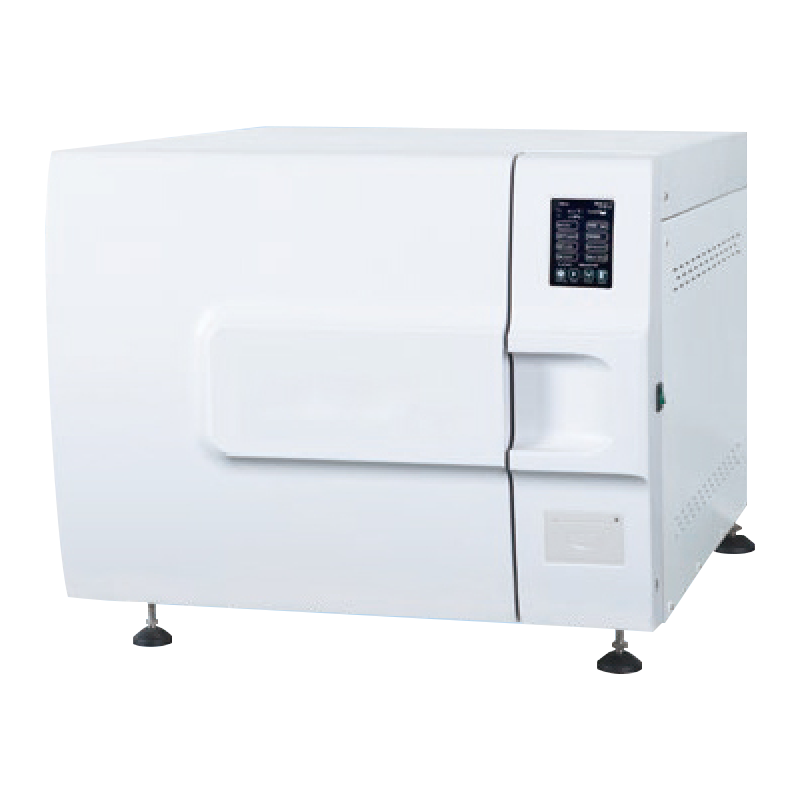
The Tabletop Steam Sterilizer Z Series is an efficient, user-friendly sterilization solution designe...
See Details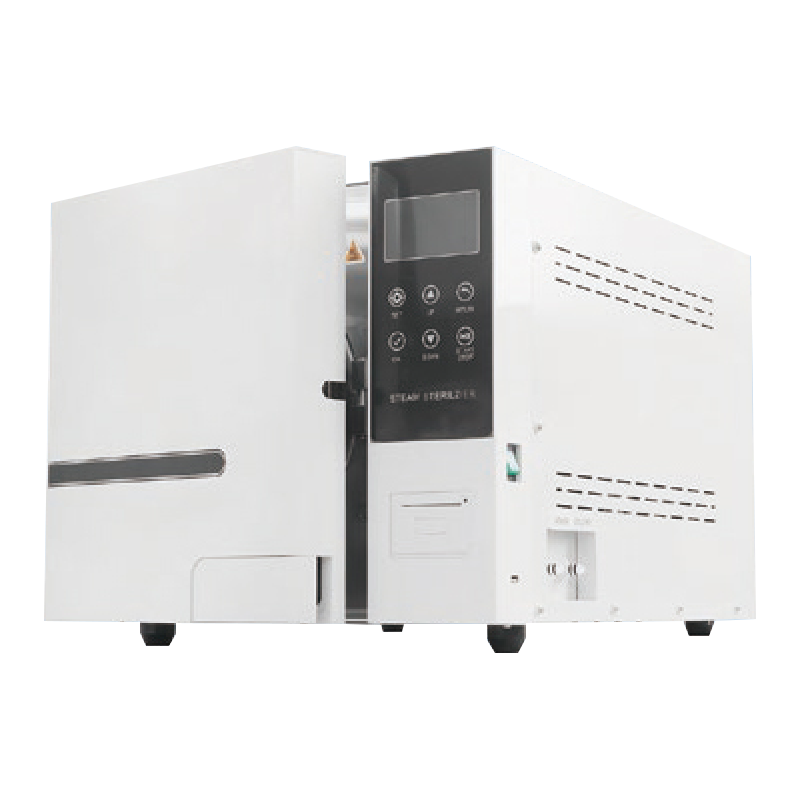
The Tabletop Steam Sterilizer YXQ.DX-X Series is a highly efficient and compact solution designed fo...
See Details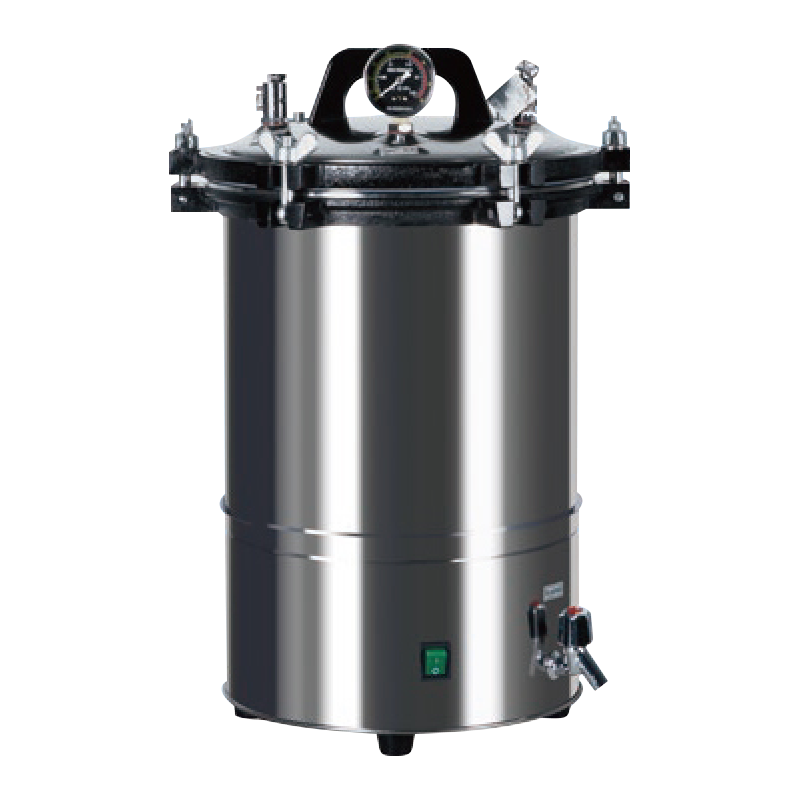
The Portable Pressure Steam Sterilizer Model YXQ.PPS-280A and A+ offers a compact and reliable solut...
See Details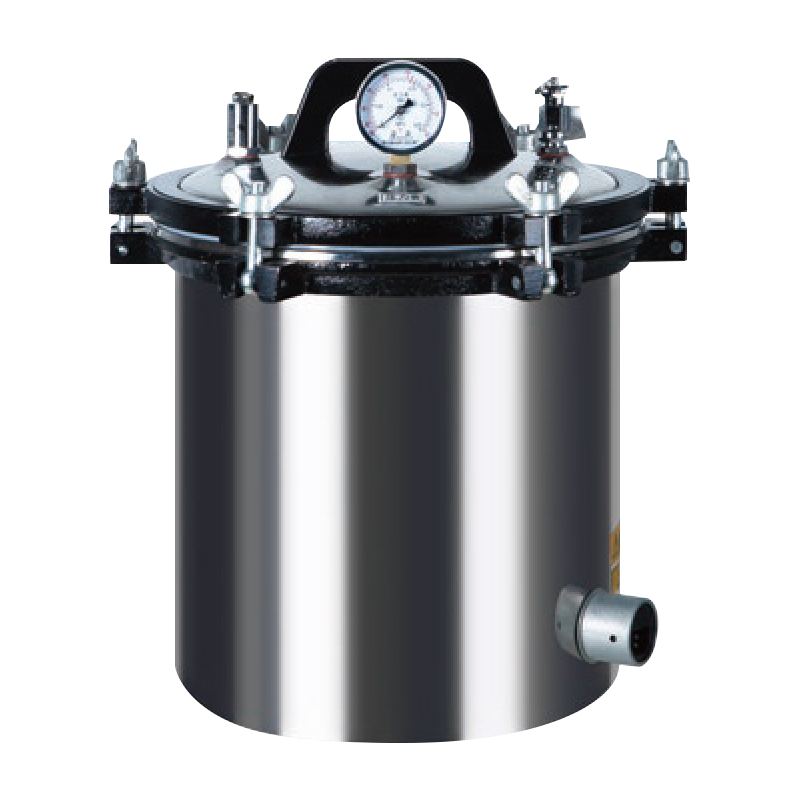
The YXQ.PPS-280C and C+ Portable Pressure Steam Sterilizer is a versatile dual-purpose sterilizer, o...
See Details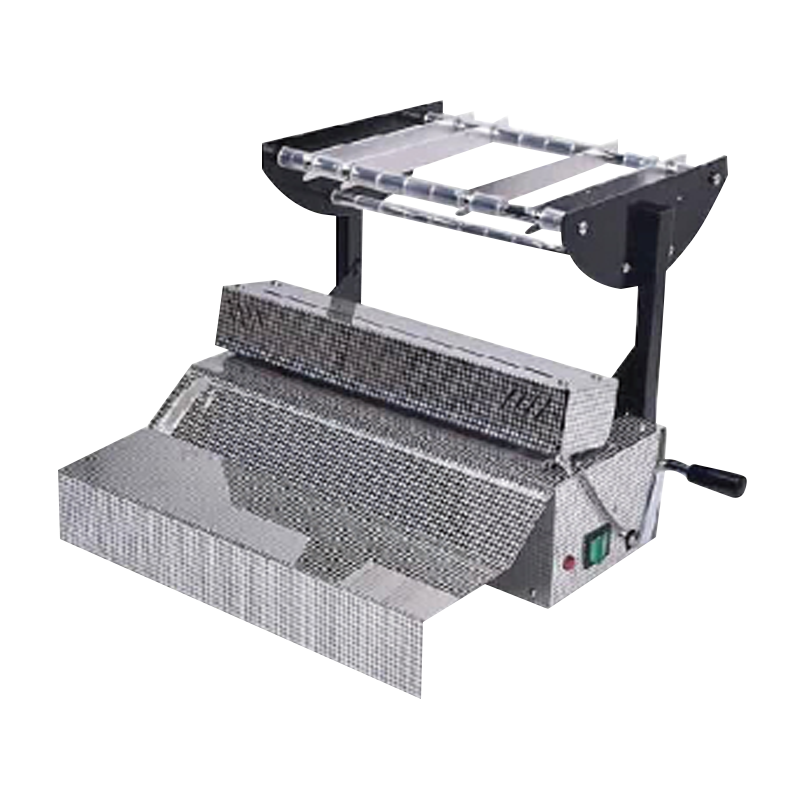
Product Usage:This type of sealing machine is used forsealing sterilizing bag, suitable for medicali...
See DetailsIntroduction to Sanitary Grade Sterilizer: Definition and Importance in Modern Sterilization Definit......
READ MOREIntroduction In today’s fast-paced world, ensuring the safety and sterility of products and material......
READ MOREIntroduction to Sterile Preparation Sterilizers What is Sterile Preparation? Sterile preparation ref......
READ MOREWhy Does Every Drug Require a Sterile Preparation Sterilizer? In modern medicine and pharmaceuticals......
READ MORE +(86) 18018151178
[email protected]
365 Nansha Sanjiali Road, Jingang Town, Zhangjiagang City, China
+(86) 18018151178
[email protected]
365 Nansha Sanjiali Road, Jingang Town, Zhangjiagang City, China
