 English
 русский
 Español
 عربى
عربى
 中文
中文

Traditional Chinese Medicine Sterilizer
Cat:Products
The sterilizer performs moist heat sterilization operations on items with saturated steam as the st...
See Details

Definition and Core Concept of Sanitary Grade Sterilizer: The sanitary grade sterilizer is a highly specialized sterilization apparatus designed to achieve and maintain the highest levels of microbial control required in critical industrial environments. Unlike general sterilizers, sanitary grade sterilizers are engineered not only to kill or inactivate microorganisms but also to adhere to rigorous sanitary design standards that prevent contamination before, during, and after the sterilization process. These sterilizers incorporate advanced construction materials and precision control systems to ensure repeatable and verifiable sterilization outcomes. The “sanitary grade” designation implies compliance with industry-accepted hygienic standards, meaning that the sterilizer’s internal surfaces, components, and fluid pathways are specifically designed to minimize microbial harborage points, avoid dead legs, and resist corrosion or degradation under sterilization conditions. This definition extends beyond merely the sterilization function to encompass a holistic approach combining design, materials, and process control aimed at guaranteeing sterility assurance in demanding applications.
Fundamental Importance in Sterilization Practice: In modern sterilization practices, maintaining sterility is a paramount requirement that directly impacts product safety, consumer health, and regulatory compliance. Sanitary grade sterilizers serve as the backbone of microbial control strategies across numerous industries. Their importance arises from the necessity to reliably eliminate all pathogenic and spoilage microorganisms, including bacteria, bacterial spores, viruses, fungi, and other resistant forms, which can compromise product quality and pose significant health risks. Without the use of properly designed and validated sanitary grade sterilizers, industries face increased risks of contamination that can lead to product recalls, outbreaks of infection, and failure to meet strict regulatory mandates. Therefore, these sterilizers are integral to establishing and sustaining aseptic conditions in manufacturing, processing, and research environments.
Industries Benefiting from Sanitary Grade Sterilizers: Sanitary grade sterilizers are indispensable in a broad spectrum of industries where sterility is non-negotiable. The pharmaceutical industry relies heavily on these sterilizers to ensure that injectable drugs, vaccines, and sterile packaging materials are free from microbial contamination. Failure in sterilization here could lead to serious patient safety issues and regulatory sanctions. In the food and beverage sector, sanitary grade sterilizers are critical in processing operations to inactivate pathogens and spoilage organisms while maintaining the organoleptic qualities of food products. The medical device industry uses these sterilizers to render surgical instruments, implants, and diagnostic tools sterile, preventing healthcare-associated infections. Biotechnology and laboratory research also depend on sanitary grade sterilizers to maintain contamination-free environments essential for accurate scientific experimentation and production of biologics.
Key Hygienic Design Principles in Sanitary Grade Sterilizers: The distinguishing hallmark of sanitary grade sterilizers lies in their hygienic design, which is engineered to facilitate effective sterilization and prevent microbial contamination throughout the sterilization cycle. The design criteria include the use of corrosion-resistant materials such as high-grade stainless steel that withstand repeated sterilization cycles without degradation or release of contaminants. Surface finishes are carefully polished to smoothness levels that inhibit microbial adhesion and biofilm formation. All joints, seals, and fittings are designed to be sanitary tri-clamp or similar hygienic connections, which allow for easy assembly, disassembly, and thorough cleaning without dead ends or crevices. The internal fluid flow paths are optimized to ensure complete exposure of all surfaces to sterilizing agents, avoiding “dead legs” where microbes could survive. Additionally, the sterilizer is designed for ease of cleaning and maintenance, minimizing downtime and maintaining consistent sterility assurance over its service life.
Sterilization Technologies Integrated within Sanitary Grade Sterilizers: Sanitary grade sterilizers may employ a variety of sterilization technologies depending on application requirements, including moist heat (steam sterilization), dry heat, chemical sterilants (e.g., ethylene oxide, hydrogen peroxide vapor), and non-thermal methods such as ultraviolet light or plasma sterilization. Each technology has its strengths and limitations in terms of microbial kill spectrum, material compatibility, cycle duration, and environmental considerations. However, regardless of the sterilization method, the sanitary grade design ensures that the sterilizing agent uniformly contacts all surfaces and that sterilization parameters such as temperature, pressure, exposure time, and concentration are precisely controlled and monitored. This precise control enables validation of sterilization cycles and adherence to strict sterility assurance levels mandated by regulatory agencies.
Validation and Regulatory Compliance Imperatives: To be classified as a sanitary grade sterilizer, the equipment must undergo rigorous validation processes to demonstrate its ability to reliably achieve sterility. This includes installation qualification (IQ), operational qualification (OQ), and performance qualification (PQ), ensuring that the sterilizer operates consistently within defined parameters. Sterilization cycles are challenged using biological indicators (e.g., bacterial spores known for high resistance) and chemical indicators that verify the presence of sterilizing conditions throughout the process. Regulatory bodies across the globe, including agencies responsible for food safety, pharmaceuticals, and medical devices, enforce strict compliance requirements that demand documented evidence of sterilization efficacy and process control. Sanitary grade sterilizers are designed with the features necessary to meet these regulations, thereby supporting manufacturers in achieving certification and market authorization for their products.
Impact on Product Quality and Consumer Safety: The deployment of sanitary grade sterilizers directly influences the quality of products and safety of end-users. By ensuring complete microbial eradication, these sterilizers prevent contamination that could lead to product spoilage, compromised efficacy, or even hazardous infections. In pharmaceutical manufacturing, for instance, improper sterilization can lead to contamination with pyrogens or viable pathogens that cause severe adverse reactions. In food processing, failure to properly sterilize can result in outbreaks of foodborne illness or reduced shelf life. Thus, sanitary grade sterilizers play a critical role in risk mitigation, protecting both manufacturers and consumers from the consequences of contamination.
Operational Efficiency and Long-Term Reliability: Another vital aspect of sanitary grade sterilizers is their contribution to operational efficiency and reliability in production environments. These sterilizers are engineered for durability under repeated sterilization cycles, minimizing downtime caused by equipment failure or maintenance. Their sanitary design facilitates rapid and thorough cleaning, which reduces turnaround time between batches and enhances overall productivity. Automated control systems incorporated into modern sanitary grade sterilizers allow for precise process monitoring and data logging, supporting quality assurance and traceability requirements. This reliability reduces production costs associated with contamination events, product rework, or regulatory non-compliance.
Safety Considerations for Operators and the Environment: Sanitary grade sterilizers are also designed with operator safety and environmental considerations in mind. Automated controls, interlocks, and fail-safe mechanisms protect operators from exposure to high temperatures, pressure, or hazardous chemical sterilants. Many sanitary grade sterilizers integrate environmentally friendly sterilization agents or energy-efficient technologies to minimize ecological impact. This balance of effective sterilization with safety and sustainability reflects the evolving priorities in industrial sterilization and aligns with global trends towards greener manufacturing practices.
Future Outlook and Evolving Standards: As technology and industry standards evolve, the definition and expectations for sanitary grade sterilizers continue to advance. Innovations in sterilization methods, materials science, and process control promise further improvements in sterilization efficacy, cycle speed, and environmental sustainability. Meanwhile, regulatory frameworks are becoming increasingly stringent, emphasizing documentation, validation, and continuous monitoring. Consequently, sanitary grade sterilizers are expected to incorporate more sophisticated sensors, IoT connectivity, and adaptive control algorithms to meet these challenges and ensure the highest levels of microbial control in future applications.
Thermal Sterilization as a Primary Mechanism: One of the most widely employed and effective bacterial elimination mechanisms in sanitary grade sterilizers is thermal sterilization, which involves the application of moist heat (steam sterilization) or dry heat. Moist heat sterilization operates by exposing microbial cells to saturated steam under pressure, commonly at temperatures of 121°C to 134°C, for predetermined exposure times. The steam penetrates microbial cells, causing irreversible coagulation and denaturation of vital proteins and enzymes, leading to cell death. The heat also disrupts lipid membranes and nucleic acids, effectively killing bacteria, bacterial spores, viruses, and fungi. Dry heat sterilization, by contrast, uses hot air at higher temperatures (160°C to 180°C) for longer periods, oxidizing cellular components and causing lethal damage. The efficacy of thermal sterilization depends on precise control of temperature, pressure, and exposure time to ensure complete microbial kill. Sanitary grade sterilizers employ sensors and control systems to maintain these parameters within validated ranges, ensuring consistent sterilization performance.
Chemical Sterilization Mechanisms: Chemical sterilization is another key mechanism utilized by sanitary grade sterilizers, particularly for heat-sensitive materials that cannot tolerate thermal methods. Common chemical sterilants include ethylene oxide gas, hydrogen peroxide vapor, peracetic acid, and ozone. These chemicals act by disrupting microbial cellular structures and biochemical pathways. Ethylene oxide alkylates nucleic acids and proteins, preventing replication and enzymatic function. Hydrogen peroxide and peracetic acid generate reactive oxygen species that damage cell membranes, proteins, and DNA. Ozone, a powerful oxidant, similarly oxidizes microbial components leading to cell lysis. Sanitary grade sterilizers that use chemical methods carefully regulate sterilant concentration, humidity, temperature, and exposure time to maximize efficacy while minimizing residue and material degradation. The mechanism of chemical sterilization involves diffusion of the sterilant throughout the chamber and contact with all surfaces, facilitated by the hygienic design to eliminate shadowing and ensure uniform exposure.
Physical Sterilization Techniques Including Ultraviolet and Plasma: Advanced physical sterilization mechanisms are integrated into some sanitary grade sterilizers to enhance bacterial elimination capabilities. Ultraviolet (UV) sterilization employs short-wavelength UV-C light (254 nm) to induce DNA and RNA damage through the formation of thymine dimers, which inhibit microbial replication and transcription. This method is effective for surface sterilization and air or water treatment but has limited penetration depth. Plasma sterilization uses ionized gases that generate reactive species such as radicals, ions, and electrons that chemically interact with microbial cells, disrupting membranes, proteins, and genetic material. Plasma sterilizers operate at low temperatures, making them suitable for delicate instruments. The integration of such physical sterilization mechanisms within sanitary grade sterilizers broadens their application scope and enhances their bacterial elimination power, especially for complex geometries and temperature-sensitive materials.
Mechanisms of Microbial Inactivation at the Cellular Level: The bacterial elimination power of sanitary grade sterilizers is fundamentally based on the disruption of vital cellular components and metabolic processes. Thermal methods induce protein denaturation by breaking hydrogen bonds and causing irreversible unfolding of enzymes essential for cell survival. Heat also compromises the integrity of the cytoplasmic membrane, causing leakage of intracellular contents. Chemical sterilants interact with cellular nucleic acids and proteins through alkylation, oxidation, or hydrolysis, leading to permanent inactivation. Physical sterilization methods cause DNA damage or oxidative stress that the cell cannot repair. Spores, which are highly resistant due to their thick protective coats and metabolic dormancy, are inactivated through destruction of the spore coat and core components, often requiring higher sterilization intensities or longer exposure. The combined effects ensure that all viable microorganisms, including the most resistant forms, are destroyed.
Role of Sterilization Cycle Parameters in Maximizing Bacterial Kill: The effectiveness of a sanitary grade sterilizer in eliminating bacteria hinges on careful optimization and control of sterilization cycle parameters. Temperature must reach a critical threshold and be maintained uniformly for a validated duration to ensure that heat-sensitive microorganisms are inactivated. Pressure control in steam sterilization ensures the presence of saturated steam rather than dry steam or superheated steam, which reduces efficacy. Humidity is another important factor, particularly in chemical and steam sterilization, as moisture facilitates the penetration of sterilants and enhances microbial kill. Exposure time must be sufficient to allow sterilants to interact with all microbial cells, including those shielded within biofilms or difficult-to-reach areas. Sanitary grade sterilizers are equipped with sophisticated sensors and programmable logic controllers (PLCs) that monitor and adjust these parameters in real time, guaranteeing reproducible sterilization cycles and high bacterial elimination rates.
Importance of Hygienic Design in Facilitating Effective Sterilization Mechanisms: The physical design and construction of sanitary grade sterilizers play a critical role in enabling sterilization mechanisms to function at their maximum potential. Smooth, corrosion-resistant internal surfaces prevent microbial adhesion and biofilm formation, allowing sterilants to contact all areas effectively. The absence of dead legs and crevices ensures uniform distribution of heat, steam, or chemical agents throughout the sterilization chamber. Sanitary fittings and seals prevent leakage or contamination ingress during cycles. Fluid flow paths are engineered to promote turbulent flow and avoid stagnation zones. This design approach eliminates obstacles to sterilant penetration, ensuring that sterilization mechanisms are not hindered and that all microbes on or within the sterilized items are exposed to lethal conditions.
Microbial Resistance and Strategies to Overcome It in Sanitary Grade Sterilization: Some bacteria and spores exhibit intrinsic resistance to sterilization methods due to protective structures or metabolic states. For example, bacterial endospores have multilayered coats that limit sterilant penetration, and biofilms protect microbial communities through extracellular matrices. Sanitary grade sterilizers overcome these challenges by applying sterilization conditions that exceed minimal lethal thresholds, utilizing synergistic effects of temperature, pressure, chemical concentration, and exposure time. Pre-cleaning protocols remove organic matter and biofilms that can shield microbes, and cycle parameters are validated to achieve sterility assurance levels (SAL) of 10^-6 or better, meaning a one in a million chance of survival. This multi-faceted approach ensures that even the most resistant microorganisms are effectively eliminated.
Monitoring and Verification of Sterilization Effectiveness: The bacterial elimination power of sanitary grade sterilizers is continuously verified through the use of biological indicators (BIs), chemical indicators (CIs), and physical monitoring. BIs contain highly resistant spores and serve as the gold standard to demonstrate sterilization efficacy; a negative growth result post-cycle confirms successful kill. CIs provide real-time visual confirmation of sterilant exposure through color change, indicating that critical parameters were met. Physical monitoring records parameters like temperature, pressure, and sterilant concentration throughout the cycle, allowing operators to detect deviations and ensure compliance with validated conditions. This comprehensive monitoring supports confidence in the sterilization mechanisms and the integrity of the process.
Integration of Automation and Control Systems to Enhance Mechanism Performance: Modern sanitary grade sterilizers incorporate sophisticated automation and control technologies that optimize sterilization mechanisms. Programmable logic controllers regulate cycle parameters with high precision, and sensors provide real-time feedback to adjust temperature, pressure, humidity, and sterilant levels. Automated data logging enables traceability and supports quality assurance. Advanced diagnostics alert operators to potential failures or deviations before sterilization efficacy is compromised. This integration ensures that bacterial elimination mechanisms function at peak performance consistently, reducing human error and enhancing process reliability.
Environmental and Safety Considerations in Mechanism Selection and Operation: The choice and operation of sterilization mechanisms within sanitary grade sterilizers also consider environmental impact and operator safety. Thermal sterilization is often favored for its effectiveness and minimal chemical residues. Chemical sterilants are selected based on their potency, residue profile, and environmental footprint. Sanitary grade sterilizers are designed to contain and safely exhaust sterilants, preventing operator exposure and environmental release. Emerging sterilization mechanisms prioritize energy efficiency and reduced toxic byproducts. These considerations ensure that the bacterial elimination power of sanitary grade sterilizers is balanced with sustainable and safe operation practices.
Steam Sterilizers (Autoclaves): Steam sterilizers, commonly referred to as autoclaves, are among the most prevalent types of sanitary grade sterilizers used across various industries due to their high efficacy and broad applicability. They operate on the principle of moist heat sterilization, exposing materials to saturated steam at elevated temperatures ranging between 121°C and 134°C under pressurized conditions. The steam penetrates microbial cells, causing denaturation of proteins and destruction of essential cellular structures, leading to rapid and effective microbial kill. Steam sterilizers are particularly effective in inactivating bacterial spores, which are among the most resistant forms of microorganisms. The effectiveness of steam sterilization depends on achieving precise temperature, pressure, and exposure time, which are carefully monitored and controlled in sanitary grade autoclaves. Due to their relatively fast cycle times and environmentally friendly operation (no chemical residues), steam sterilizers are widely used in medical device sterilization, pharmaceutical processing, and food packaging applications. However, they require materials that can withstand high temperatures and moisture, which limits their use for heat-sensitive items.
Dry Heat Sterilizers: Dry heat sterilizers use hot air at temperatures generally between 160°C and 180°C for longer durations, ranging from one to two hours or more, to achieve sterilization. Unlike steam sterilizers, dry heat operates by oxidizing microbial cellular components, leading to irreversible damage and death. The mechanism of action includes the destruction of bacterial proteins and nucleic acids through prolonged exposure to high temperatures. Dry heat sterilizers are especially suitable for sterilizing materials that are sensitive to moisture, such as powders, oils, and certain metal instruments that might corrode under steam conditions. While dry heat sterilization cycles tend to be longer and require higher temperatures than moist heat, they provide a reliable method for microbial elimination when moisture must be avoided. Sanitary grade dry heat sterilizers incorporate smooth, corrosion-resistant interiors and precise temperature control to ensure uniform heat distribution and effective bacterial kill. Their efficacy is validated through biological indicators and chemical monitors designed for dry heat processes.
Ethylene Oxide (EO) Sterilizers: Ethylene oxide sterilizers represent a chemical sterilization method widely used for heat-and moisture-sensitive medical devices and instruments. EO sterilization involves exposing items to ethylene oxide gas at controlled temperatures, humidity, and gas concentration levels for extended periods, several hours. EO is a potent alkylating agent that disrupts the DNA and protein structure of microorganisms, rendering them incapable of reproduction and survival. Due to EO’s penetrative ability, this sterilization method is effective even for complex devices with lumens, hinges, or multilayer packaging. Sanitary grade EO sterilizers maintain stringent control of process parameters, including gas concentration, temperature (37°C to 63°C), relative humidity, and exposure time, to maximize microbial kill while minimizing residual toxicity. Post-sterilization aeration phases are necessary to remove residual EO gas and ensure safe handling of sterilized products. EO sterilization is highly effective against a wide range of microorganisms, including bacterial spores, but requires careful environmental controls due to EO’s flammability and toxicity.
Hydrogen Peroxide Vapor Sterilizers: Hydrogen peroxide vapor sterilization has gained prominence as a rapid, low-temperature sterilization technique suited for heat-sensitive instruments and electronics. The process involves vaporizing hydrogen peroxide and delivering it into a sealed chamber, where it decomposes into reactive oxygen species that attack microbial cell membranes, proteins, and nucleic acids. These reactive species cause oxidative damage, leading to rapid microbial death. Hydrogen peroxide vapor sterilizers operate at temperatures typically below 50°C, making them compatible with delicate materials. They offer advantages such as short cycle times, absence of toxic residues, and environmental friendliness since hydrogen peroxide breaks down into water and oxygen. Sanitary grade hydrogen peroxide vapor sterilizers feature hygienic design elements to prevent contamination ingress and ensure uniform sterilant distribution. Their efficacy against a broad spectrum of bacteria, viruses, and spores has been extensively validated, with the process widely used in pharmaceutical manufacturing, medical device sterilization, and laboratory environments.
Ozone Sterilizers: Ozone sterilization is an emerging technology that utilizes ozone gas, a powerful oxidant, to achieve microbial inactivation. Ozone’s high oxidative potential disrupts cell membranes, denatures proteins, and fragments nucleic acids. Sanitary grade ozone sterilizers generate ozone on-site from oxygen and introduce it into the sterilization chamber under controlled conditions of temperature and humidity to maximize efficacy. This method is effective against bacteria, spores, fungi, and viruses, offering a chemical-free and residue-free sterilization solution. The technology is suitable for sterilizing packaging materials, water treatment, and medical instruments that cannot tolerate high temperatures. However, ozone sterilizers require specialized materials resistant to oxidative damage and precise control systems to maintain ozone concentration and cycle parameters. The safety considerations related to ozone’s toxicity necessitate robust containment and ventilation systems in sanitary grade designs.
Ultraviolet (UV) Sterilizers: UV sterilization, specifically using UV-C light at wavelengths around 254 nm, serves as a non-thermal sterilization method primarily used for surface, air, and water disinfection. The UV-C photons induce thymine dimer formation in microbial DNA and RNA, preventing replication and transcription and leading to cell death. Sanitary grade UV sterilizers incorporate reflective interiors and controlled exposure times to ensure maximal irradiation of target surfaces. While highly effective for exposed surfaces and thin liquid films, UV sterilization has limited penetration power and is generally used as a complementary sterilization step or for continuous disinfection in controlled environments. Its efficacy depends on dose, exposure duration, and distance from the UV source, with shading or surface irregularities reducing effectiveness.
Plasma Sterilizers: Plasma sterilization utilizes ionized gases generated from hydrogen peroxide or other sterilants under vacuum conditions to create reactive species capable of destroying microbial cells. The plasma state contains free radicals, electrons, and ions that interact with cell membranes and intracellular components, causing oxidative damage and microbial death. Operating at low temperatures, plasma sterilizers are suitable for temperature-sensitive medical devices and electronics. Sanitary grade plasma sterilizers ensure uniform plasma distribution and precise process control to achieve validated sterilization cycles. Their short cycle times and absence of toxic residues make them increasingly popular in healthcare and biotechnology sectors.
Combination and Hybrid Sterilizers: Some sanitary grade sterilizers combine multiple sterilization mechanisms to optimize efficacy and broaden applicability. For example, a sterilizer may use steam combined with hydrogen peroxide vapor or UV light to achieve synergistic microbial kill effects. These hybrid systems leverage the advantages of each technology while compensating for individual limitations. Sanitary grade designs integrate these mechanisms with advanced control systems to maintain validated parameters for each mode, ensuring consistent sterilization outcomes for a wide range of materials and products.
Efficacy Considerations and Validation of Each Sterilizer Type: The efficacy of each sanitary grade sterilizer type depends on its ability to achieve a validated sterility assurance level (SAL), commonly set at 10^-6, indicating a one in a million chance that a viable microorganism survives the sterilization process. Validation involves biological indicators containing resistant spores, chemical indicators, and physical monitoring of sterilization parameters. Differences in microbial kill kinetics, material compatibility, cycle duration, and environmental impact are critical factors influencing the selection of sterilizer types. Steam sterilizers generally provide rapid and highly reliable sterilization for heat-stable products, whereas chemical and plasma sterilizers offer alternatives for heat- and moisture-sensitive items. Each sterilizer type requires adherence to sanitary design principles to ensure that sterilants uniformly contact all surfaces and that no contamination ingress occurs during cycles.
Application-Specific Selection of Sanitary Grade Sterilizers: The choice of sanitary grade sterilizer type is dictated by the nature of the items to be sterilized, regulatory requirements, throughput demands, and operational considerations. For example, pharmaceutical companies sterilizing injectable drugs might prefer steam or hydrogen peroxide vapor sterilizers due to their validated efficacy and absence of harmful residues. Medical device manufacturers might select EO or plasma sterilizers for complex, heat-sensitive instruments. Food processing industries often rely on steam sterilization for packaging and equipment sterilization. Understanding the strengths and limitations of each sterilizer type, along with the requirements of the application, is essential to optimize sterilization efficacy, product safety, and operational efficiency.
Material Selection and Its Impact on Sterilizer Durability and Hygiene: The choice of materials used in constructing sanitary grade sterilizers is fundamental to ensuring both their long-term durability and hygienic performance. Materials must withstand repeated exposure to extreme sterilization conditions such as high temperatures, moisture, chemical sterilants, and pressure without degradation or corrosion. Stainless steel, particularly grades like 316L or 304, is the most commonly used material due to its excellent corrosion resistance, mechanical strength, and ability to maintain a smooth surface finish. The inherent resistance to rust and biofilm formation makes stainless steel ideal for sanitary environments. The material must be non-reactive with sterilants to prevent contamination of the sterilized product. The selection of polymers or elastomers for gaskets, seals, and fittings is also critical; these materials must be chemically resistant, maintain elasticity over time, and avoid leaching substances that could compromise sterility or product safety.
Surface Finish and Its Role in Preventing Microbial Adhesion: The surface finish of internal components plays a pivotal role in the sterilizer’s ability to prevent microbial adherence and biofilm development. Rough or pitted surfaces create niches where microorganisms can hide and resist sterilization efforts. Therefore, sanitary grade sterilizers feature highly polished or electropolished surfaces with a smoothness below 0.8 micrometers Ra. This level of finish minimizes surface irregularities and facilitates effective cleaning and sterilant contact. Electropolishing also passivates stainless steel surfaces, enhancing corrosion resistance and further reducing the risk of microbial colonization. Consistent surface finish throughout the sterilization chamber, including corners, welds, and joints, ensures there are no dead zones where microbes could persist and contaminate subsequent sterilization cycles.
Hygienic Design Principles for Fluid Flow and Sterilant Distribution: The design of fluid pathways and sterilant delivery systems within sanitary grade sterilizers is critical for achieving uniform sterilant distribution and effective microbial kill. Internal chambers, piping, and valves are engineered to avoid dead legs—sections where fluid flow stagnates—and ensure turbulent flow that promotes complete exposure of all surfaces to sterilants. Smooth, seamless welds and sanitary fittings such as tri-clamps or sanitary flanges facilitate easy cleaning and prevent microbial harborage. The layout ensures minimal cross-contamination risk by maintaining separation of clean and potentially contaminated zones. Properly designed steam or gas injection points ensure rapid and even sterilant dispersion throughout the chamber, avoiding cold spots or sterilant depletion zones that reduce efficacy. This attention to fluid dynamics directly enhances the overall performance and reliability of the sterilization process.
Seal and Gasket Material Selection to Maintain Sterility: Seals and gaskets are vital components that maintain the integrity of the sterilization chamber by preventing leaks and contamination ingress during cycles. The materials selected for these components must exhibit excellent chemical resistance, thermal stability, and durability to withstand harsh sterilization conditions. Common materials include silicone, fluorocarbon (Viton), and EPDM, chosen based on compatibility with sterilants and operational temperatures. These materials provide airtight seals that preserve chamber pressure and prevent escape of sterilants, ensuring that sterilization parameters are consistently met. The design also incorporates features for easy replacement and inspection of seals, maintaining long-term reliability and sterility assurance.
Modular and Sanitary Construction for Ease of Maintenance and Cleaning: Sanitary grade sterilizers are designed with modular components that facilitate quick disassembly, cleaning, and maintenance without compromising the sterile barrier. This modularity allows operators to access critical parts such as valves, sensors, and sterilant delivery systems, reducing downtime and ensuring consistent performance. The design emphasizes tool-free or minimal-tool connections using sanitary clamps and quick-release mechanisms, supporting routine cleaning and sterilization of the sterilizer itself. Components are designed to be autoclavable or compatible with chemical cleaning agents, further enhancing hygiene standards and reducing the risk of contamination accumulation.
Material Compatibility with Various Sterilization Methods: Different sterilization technologies require materials that are compatible with their specific conditions. For example, steam sterilization demands materials that resist high temperature and moisture, whereas chemical sterilants like ethylene oxide or hydrogen peroxide require materials resistant to oxidation and chemical degradation. UV or plasma sterilizers require materials that tolerate exposure to radiation or reactive species without degradation. Sanitary grade sterilizer design integrates this understanding by selecting materials that ensure longevity and performance across sterilization methods, reducing risk of equipment failure and ensuring consistent sterilization efficacy. This compatibility also prevents off-gassing or leaching of potentially harmful substances into the sterilized product, safeguarding product integrity.
Design Features to Prevent Cross-Contamination and Facilitate Aseptic Operation: A critical design consideration in sanitary grade sterilizers is the prevention of cross-contamination between sterilized and non-sterilized items or between successive sterilization cycles. This is achieved through features such as segregated loading and unloading areas, airlocks, and validated sterilization cycles that include adequate aeration and drying phases. The chamber design minimizes particle shedding and incorporates smooth airflow patterns to prevent contamination ingress. Sanitary grade sterilizers often include sensors and automated interlocks that prevent door opening until sterilization parameters are safely achieved and residual sterilants have been removed. These design elements collectively support aseptic operation and maintain sterile conditions throughout processing.
Integration of Monitoring and Control Systems with Hygienic Design: The performance of sanitary grade sterilizers is enhanced by integrating advanced sensors and control systems within the hygienic design framework. Temperature, pressure, humidity, and sterilant concentration sensors are embedded in key locations to provide real-time data, ensuring that the entire chamber environment meets sterilization requirements. The physical placement of sensors is carefully designed to avoid contamination risks and allow easy cleaning. Automated control systems adjust process parameters dynamically based on sensor feedback, optimizing sterilization cycles and reducing operator errors. Data logging and alarm systems further support quality assurance and compliance with regulatory standards, ensuring that the sterilizer operates consistently at peak performance.
Ergonomic and Safety Considerations in Design: While hygiene and sterilization efficacy are paramount, sanitary grade sterilizer design also incorporates ergonomic and safety features that protect operators and facilitate ease of use. Controls are designed for intuitive operation, often with touchscreen interfaces and clear feedback displays. Safety interlocks prevent accidental opening during sterilization, and emergency stop functions are integrated to quickly halt operations if needed. The use of materials that do not emit hazardous substances during operation and design choices that minimize noise and vibration contribute to a safer working environment. These considerations improve user compliance and reduce risks associated with sterilizer operation.
Impact of Material and Design on Overall Sterilization Efficiency and Lifecycle Cost: The selection of appropriate materials and implementation of sanitary design principles directly affect the sterilizer’s operational efficiency, reliability, and total cost of ownership. Durable, corrosion-resistant materials reduce maintenance frequency and extend equipment lifespan. Hygienic design minimizes cleaning time and the potential for contamination-related shutdowns, improving throughput. Efficient sterilant distribution reduces cycle times and energy consumption. Well-designed sterilizers simplify validation and regulatory compliance, lowering administrative burdens and costs. Investing in high-quality materials and design ultimately enhances sterilization performance, operational uptime, and return on investment.
The Critical Importance of Validation in Sanitary Grade Sterilization: Validation and testing procedures are essential components in ensuring that sanitary grade sterilizers consistently achieve their intended microbial elimination goals. Sterilization is a process designed to reduce the probability of viable microorganisms to an extremely low level, typically quantified as a sterility assurance level (SAL) of 10^-6. Achieving and demonstrating this level of control is vital not only for regulatory compliance but also for ensuring product safety and consumer protection. Validation confirms that the sterilizer operates as intended under actual or simulated operating conditions, providing documented evidence that sterilization cycles reliably achieve complete microbial inactivation. Without comprehensive validation and testing, sterilizers cannot guarantee efficacy, potentially leading to contamination risks, product recalls, or harm to end users. The process involves a series of methodical steps and tests designed to qualify equipment, verify operational parameters, and monitor ongoing performance.
Installation Qualification (IQ): Installation qualification is the foundational step of validation that verifies the sanitary grade sterilizer has been installed correctly according to manufacturer specifications and design requirements. IQ involves documenting that the equipment, utilities, and supporting systems (such as steam supply, electrical connections, and exhaust systems) are correctly installed, calibrated, and functioning as intended. It also includes verification of sanitary construction elements, such as material certifications, surface finishes, and proper installation of seals and fittings. This phase ensures the sterilizer is physically ready for operation and establishes baseline conditions for subsequent validation activities. Proper IQ prevents installation-related deviations that could compromise sterilization efficacy or contaminate products.
Operational Qualification (OQ): Operational qualification focuses on demonstrating that the sterilizer operates within defined process parameters consistently and reliably. This phase tests the control systems, sensors, and safety interlocks under simulated sterilization conditions. Parameters such as temperature, pressure, sterilant concentration, humidity, and exposure time are challenged across their operational ranges to verify accuracy, reproducibility, and alarm functionality. OQ also includes testing of the sterilant delivery system to confirm even distribution and penetration within the chamber. The goal is to prove that the sterilizer can maintain critical sterilization conditions required for microbial kill without deviation. Sanitary grade sterilizers often utilize automated control and monitoring systems to support this precision, which are thoroughly assessed during OQ.
Performance Qualification (PQ): Performance qualification is the most critical phase of validation, wherein the sterilizer is challenged under actual or simulated production loads to confirm it achieves the required sterility assurance level. PQ involves running full sterilization cycles with representative loads, including packaging, instruments, or materials, to mimic real-world conditions. Biological indicators (BIs) containing highly resistant bacterial spores, such as Geobacillus stearothermophilus for steam sterilization or Bacillus atrophaeus for ethylene oxide sterilization, are strategically placed throughout the load and chamber to assess microbial kill. Chemical indicators (CIs) provide additional confirmation of sterilant exposure by exhibiting visual changes in response to process conditions. PQ validates that the sterilizer consistently achieves complete microbial inactivation across all load positions and that cycle parameters are maintained within validated limits. This phase also establishes routine monitoring protocols to maintain ongoing process control.
Biological Indicator Testing and Its Role in Validation: Biological indicators are considered the gold standard in sterilizer validation due to their use of highly resistant microorganisms that represent worst-case sterilization challenges. These spores are chosen for their exceptional resistance to sterilization processes, ensuring that successful inactivation provides strong evidence of sterilizer effectiveness. BIs are contained in self-contained units that allow incubation and viability assessment post-sterilization. The strategic placement of BIs throughout the sterilizer chamber—especially in areas with expected lowest sterilant penetration or cold spots—ensures that the entire load receives effective sterilization. BI results are analyzed after incubation periods, with the absence of growth indicating successful sterilization. Regular BI testing during routine sterilization cycles also supports ongoing verification of sterilizer performance.
Chemical Indicators and Physical Monitoring for Process Control: Chemical indicators complement biological testing by providing immediate visual confirmation that critical sterilization parameters such as temperature, pressure, or sterilant concentration have been achieved during the cycle. These indicators come in various forms, including process indicators, integrators, and emulating indicators, each with specific sensitivities and applications. While they do not prove sterility, they offer practical and rapid process monitoring that can detect deviations or equipment failures. Physical monitoring involves the use of sensors and data loggers to continuously record process parameters. This data is analyzed to verify cycle compliance, identify trends, and support corrective actions. The integration of chemical indicators and physical monitoring enhances the robustness of sterilizer validation and routine operation.
Load Configuration and Its Influence on Validation Outcomes: The configuration and composition of sterilizer loads significantly impact the effectiveness of sterilization and validation results. Load items differ in size, density, packaging material, and complexity, all of which affect sterilant penetration and heat transfer. Validation protocols must simulate worst-case load conditions, including maximum chamber capacity and challenging geometries, to ensure the sterilizer can reliably sterilize all products under typical use scenarios. Improper load configuration can create cold spots or shield microorganisms from sterilants, leading to sterilization failures. Sanitary grade sterilizers are designed with considerations for load arrangement, including racks and trays that facilitate uniform sterilant access. Load validation helps define standard operating procedures that optimize sterilizer efficacy in routine production.
Routine Monitoring and Revalidation Practices: Validation is not a one-time event but an ongoing process requiring routine monitoring to ensure continuous sterilizer effectiveness. Routine biological and chemical indicator testing during production cycles provides immediate feedback on sterilization performance. Process parameters are regularly reviewed to detect deviations or equipment drift. Periodic revalidation is conducted to address changes in sterilizer configuration, process parameters, or regulatory requirements. Revalidation may also be triggered by equipment maintenance, repairs, or incidents that could impact sterilizer function. This systematic approach ensures that sanitary grade sterilizers maintain validated performance throughout their operational lifespan, safeguarding product sterility and regulatory compliance.
Regulatory Frameworks and Industry Standards Guiding Validation: The validation and testing of sanitary grade sterilizers are governed by stringent regulatory frameworks and industry standards that define the requirements for sterilization processes. Key guidelines include ISO 17665 for moist heat sterilization, ISO 11135 for ethylene oxide sterilization, and ISO 14937 for general sterilization processes. Regulatory agencies such as the FDA, EMA, and others mandate adherence to these standards to ensure product safety. Compliance includes comprehensive documentation of validation protocols, test results, and quality management systems. Sanitary grade sterilizers are designed to facilitate compliance through built-in features supporting monitoring, data logging, and traceability. Understanding and implementing these standards is essential for manufacturers to achieve market authorization and maintain consumer trust.
Challenges and Best Practices in Sterilizer Validation: Validating sanitary grade sterilizers presents technical and operational challenges including variability in load types, complexity of sterilization cycles, and potential environmental factors affecting performance. Best practices involve thorough risk assessment, multidisciplinary collaboration between engineers, microbiologists, and quality professionals, and rigorous documentation. Use of standardized protocols, validated biological indicators, and robust data analysis strengthens validation outcomes. Training and qualification of personnel ensure consistent execution of validation and routine monitoring. Employing simulation tools and continuous improvement methodologies further optimize sterilizer performance and validation reliability.
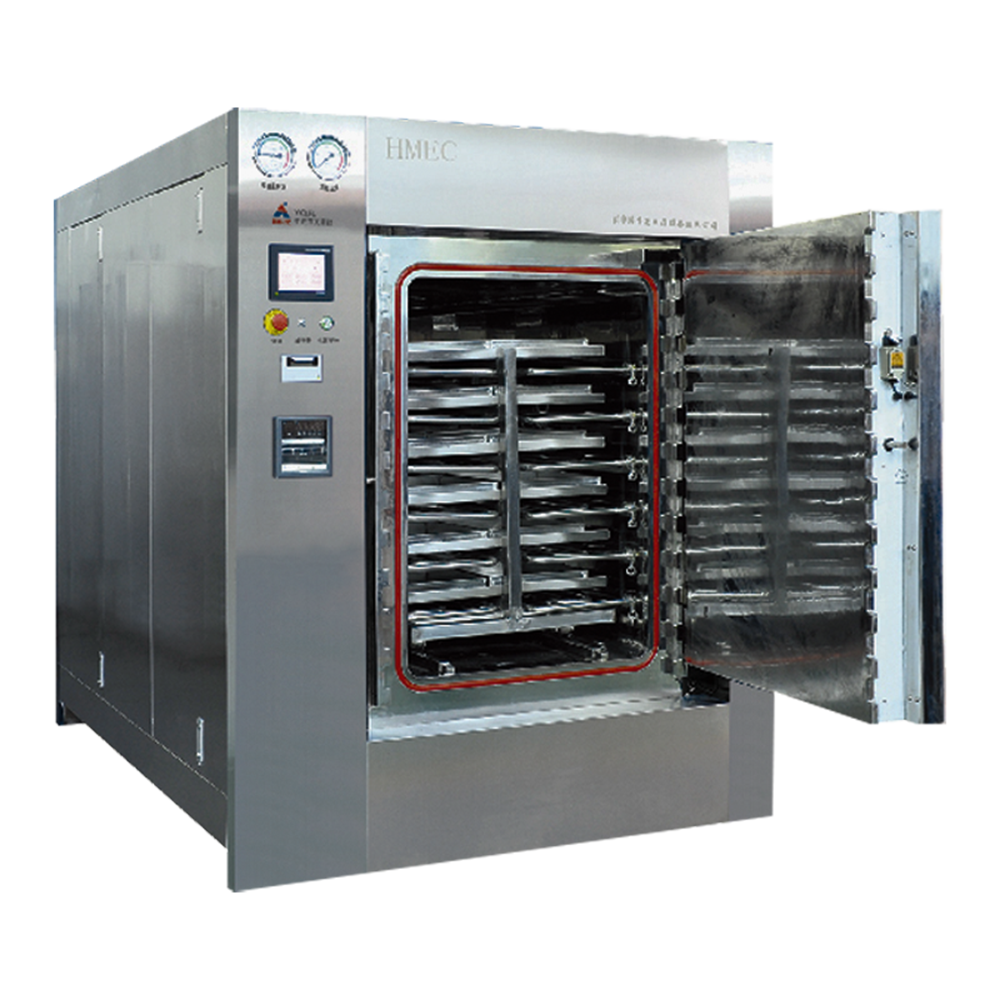
The sterilizer performs moist heat sterilization operations on items with saturated steam as the st...
See Details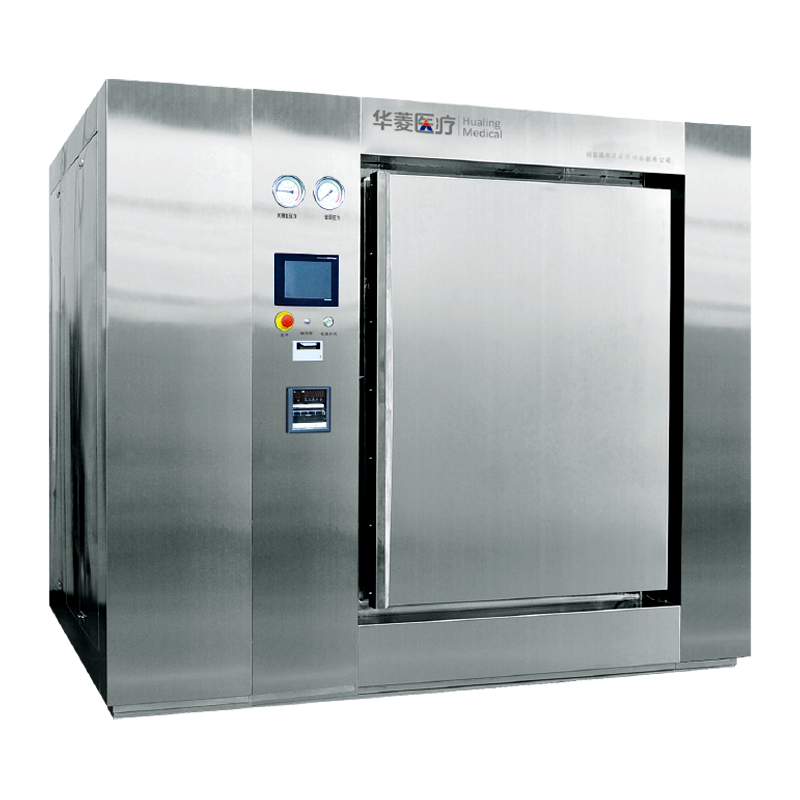
Water-bath type: The sterilized drugs are heated using water spraying using superheated water as the...
See Details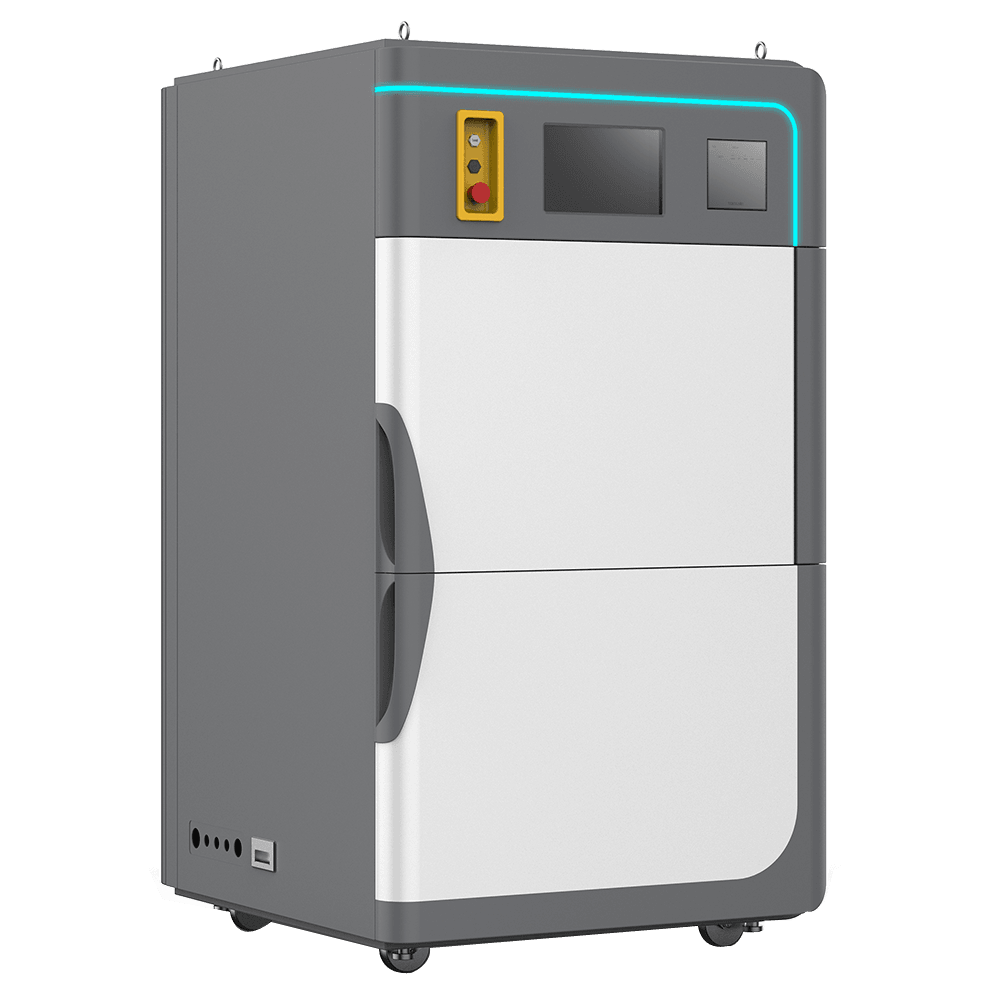
By the rapid penetration under vacuum conditions of a mixed gas of low-temperature (60℃ or 78℃) stea...
See Details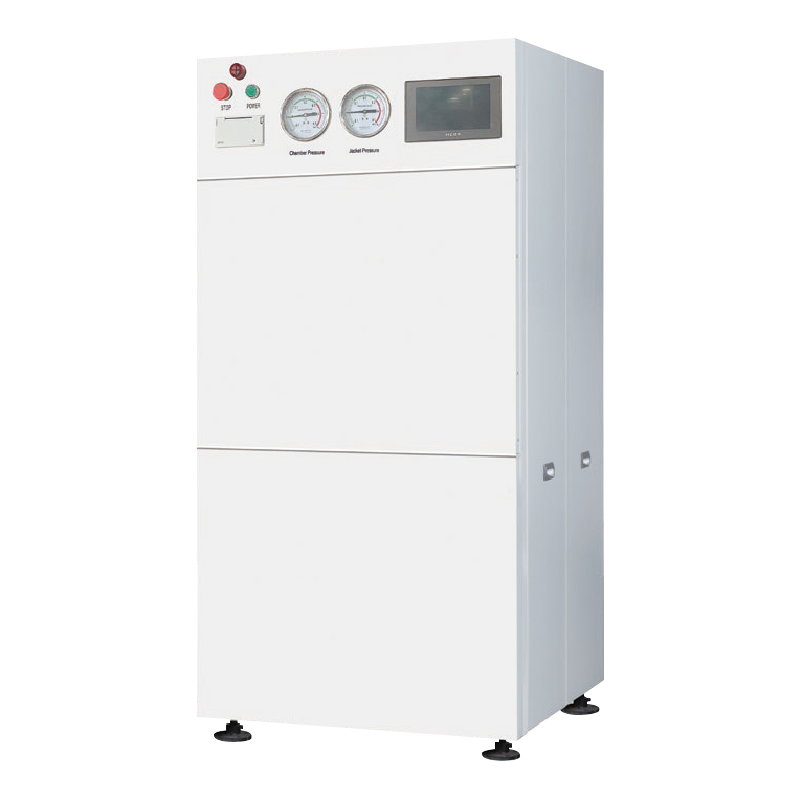
The Horizontal Steam Sterilizer utilizes saturated steam as the sterilizing medium, capitalizing on ...
See Details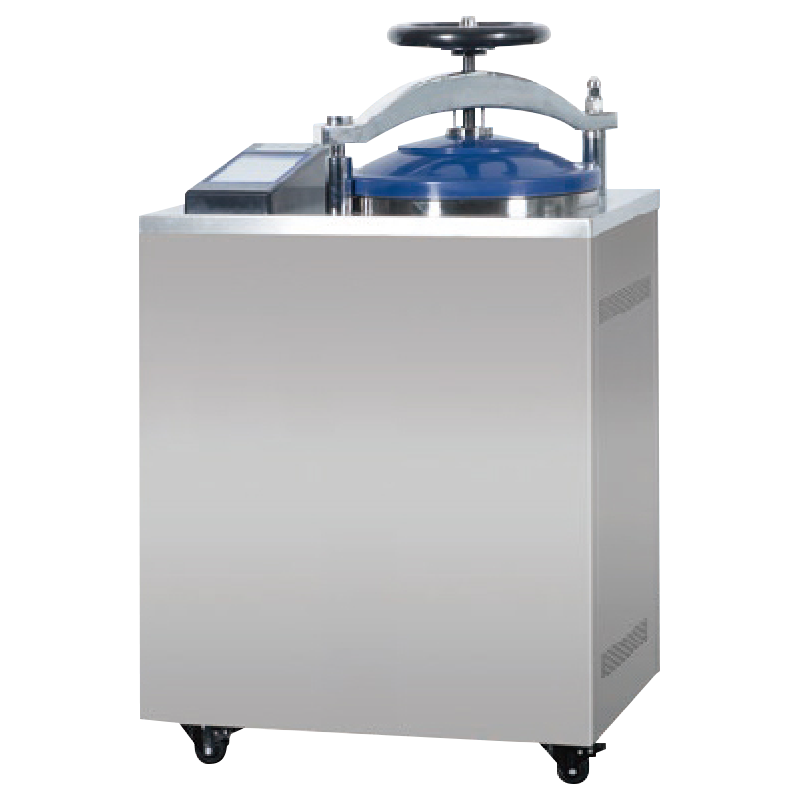
The Vertical Steam Sterilizer M Series (Pulsating Vacuum) is a safe and reliable sterilization solut...
See Details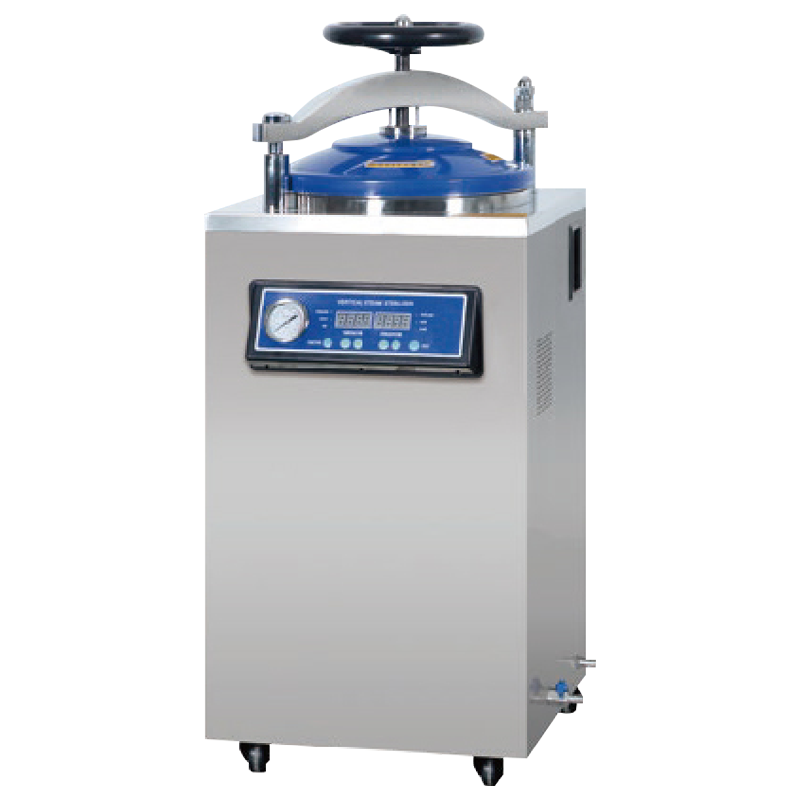
The Vertical Steam Sterilizer B Series offers a robust, automated solution for sterilizing a wide ra...
See Details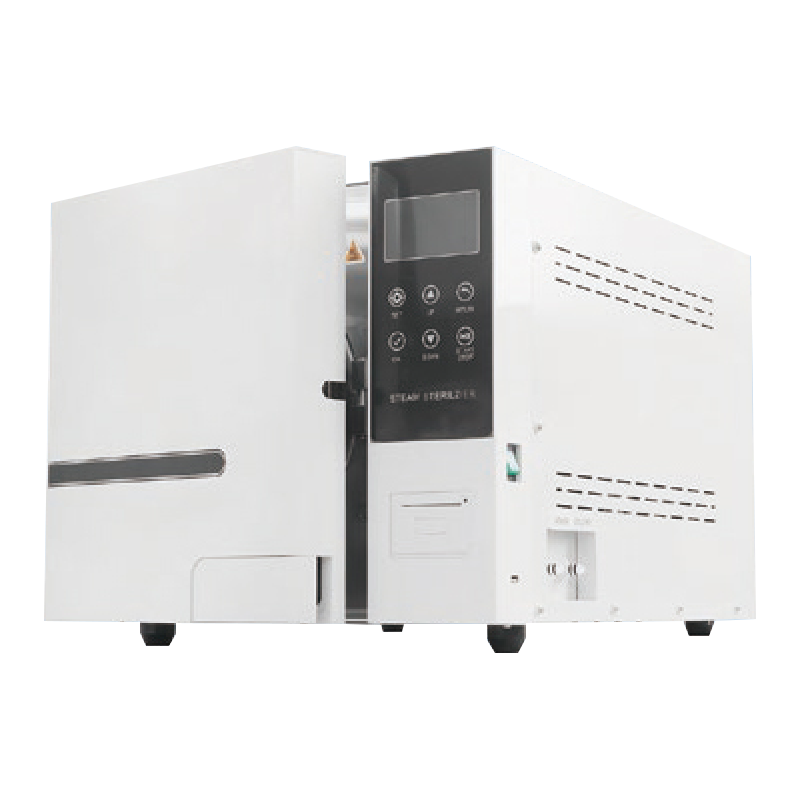
The Tabletop Steam Sterilizer YXQ.DX-X Series is a highly efficient and compact solution designed fo...
See Details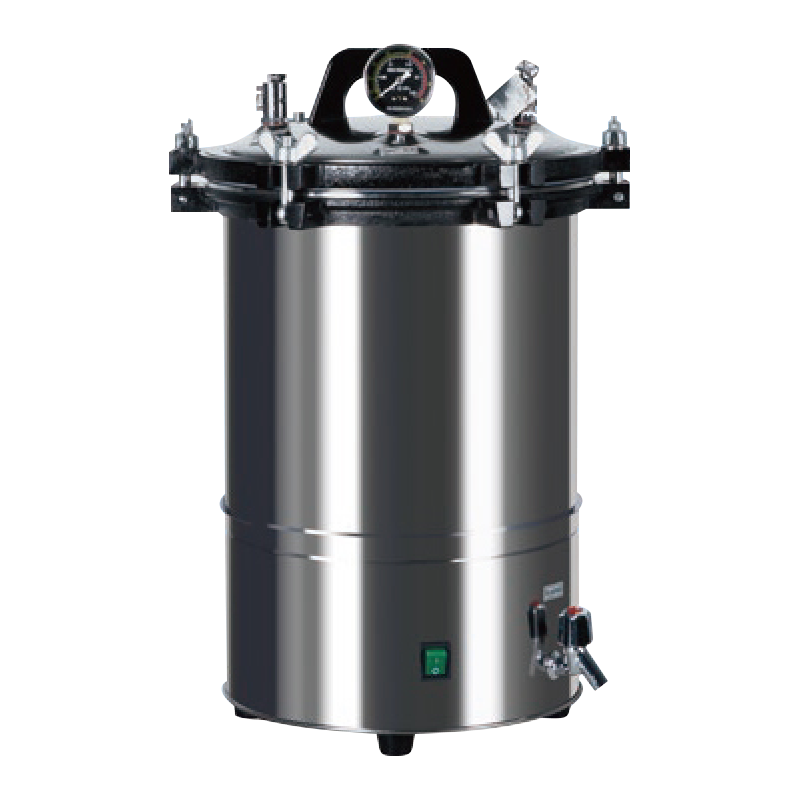
The Portable Pressure Steam Sterilizer Model YXQ.PPS-280A and A+ offers a compact and reliable solut...
See Details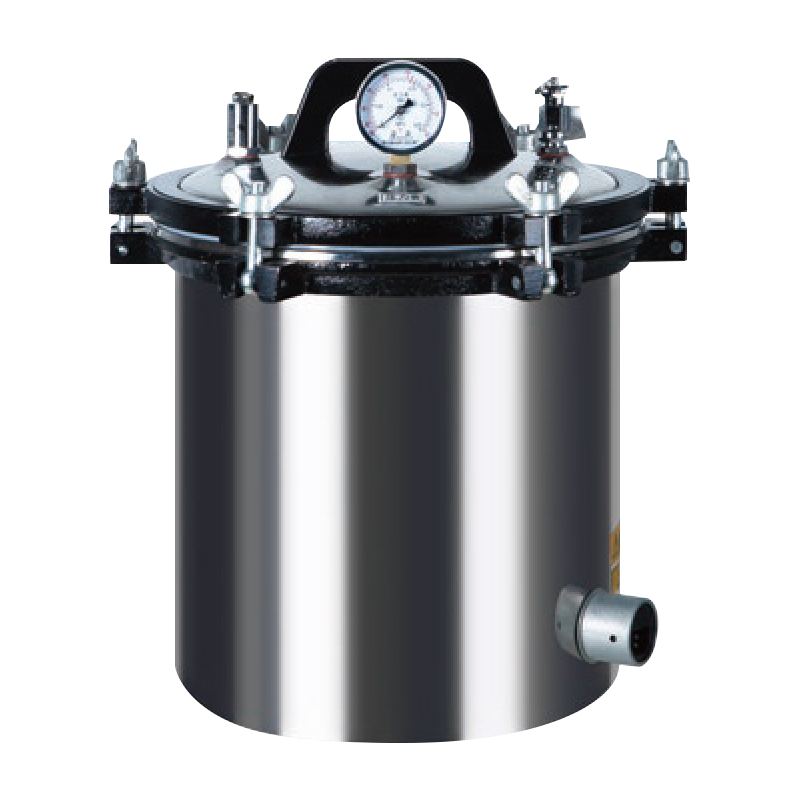
The YXQ.PPS-280C and C+ Portable Pressure Steam Sterilizer is a versatile dual-purpose sterilizer, o...
See Details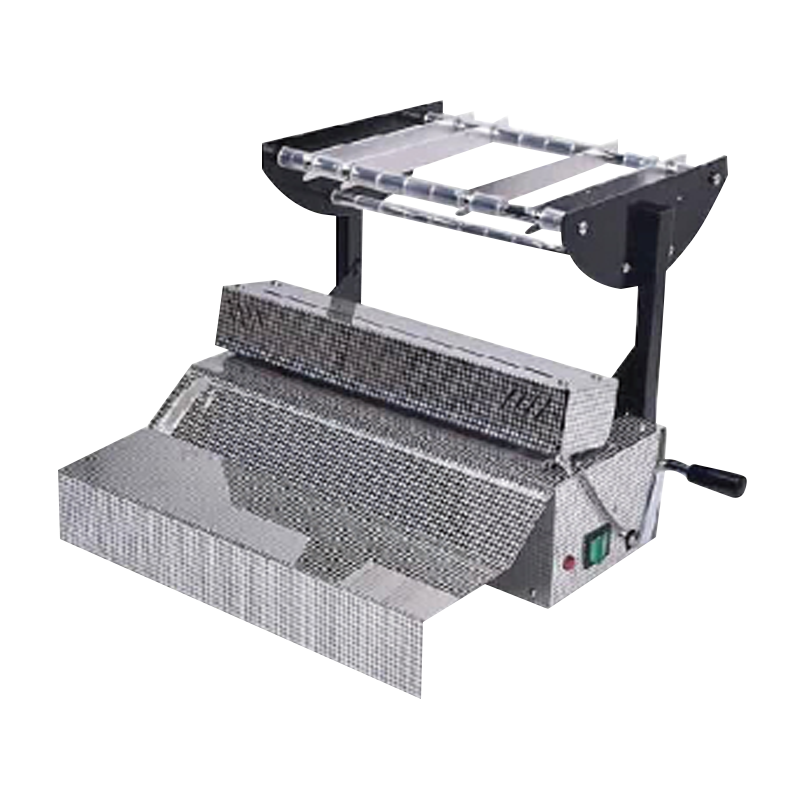
Product Usage:This type of sealing machine is used forsealing sterilizing bag, suitable for medicali...
See DetailsIntroduction to Sanitary Grade Sterilizer: Definition and Importance in Modern Sterilization Definit......
READ MOREIntroduction In today’s fast-paced world, ensuring the safety and sterility of products and material......
READ MOREIntroduction to Sterile Preparation Sterilizers What is Sterile Preparation? Sterile preparation ref......
READ MOREWhy Does Every Drug Require a Sterile Preparation Sterilizer? In modern medicine and pharmaceuticals......
READ MORE +(86) 18018151178
[email protected]
365 Nansha Sanjiali Road, Jingang Town, Zhangjiagang City, China
+(86) 18018151178
[email protected]
365 Nansha Sanjiali Road, Jingang Town, Zhangjiagang City, China
