 English
 русский
 Español
 عربى
عربى
 中文
中文

OEM/ODM Pharmaceutical Sterilization Equipment
Home / Products


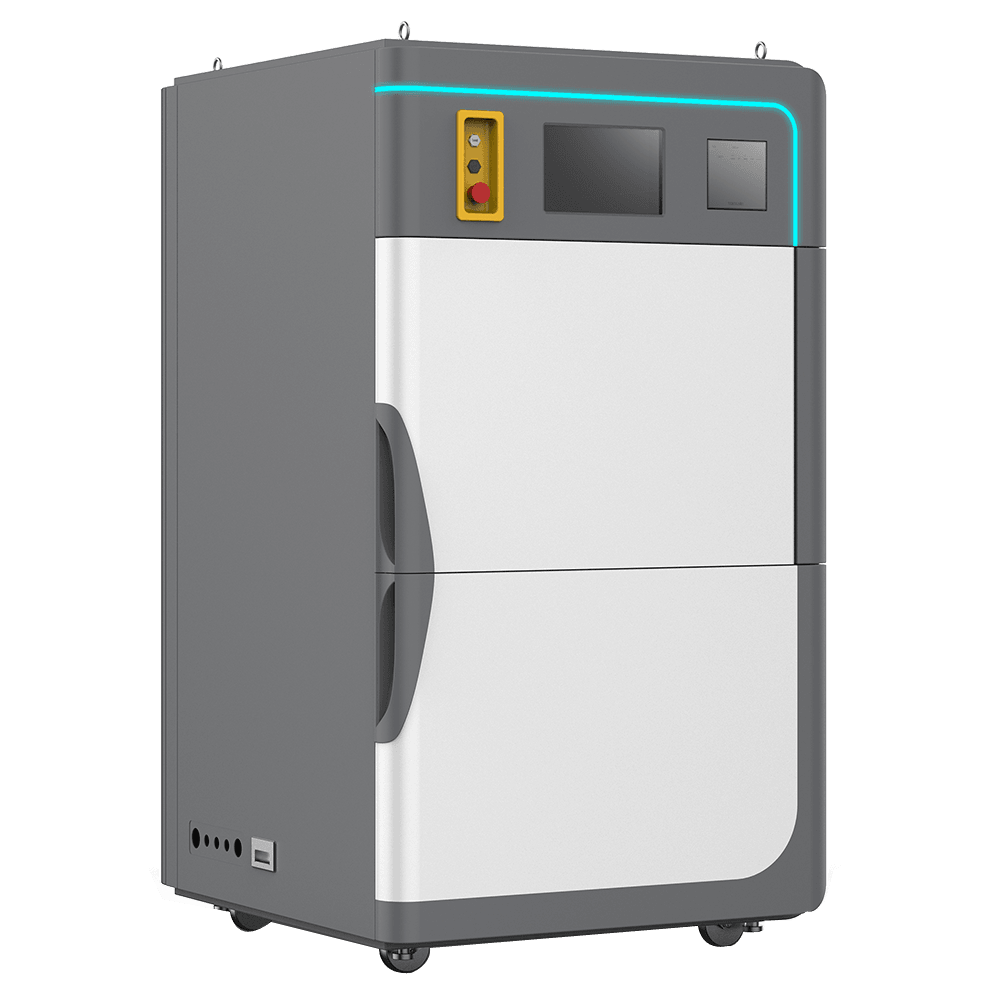
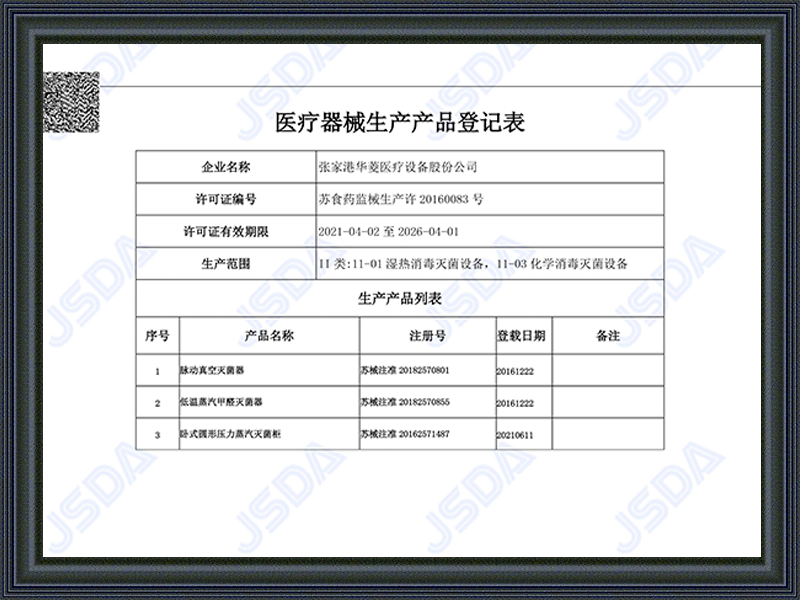
By the rapid penetration under vacuum conditions of a mixed gas of low-temperature (60℃ or 78℃) steam and formaldehyde, breathable sterilizing packaging equipment (including complex structures such as lumens and gaps) can be sterilized quickly and efficiently.
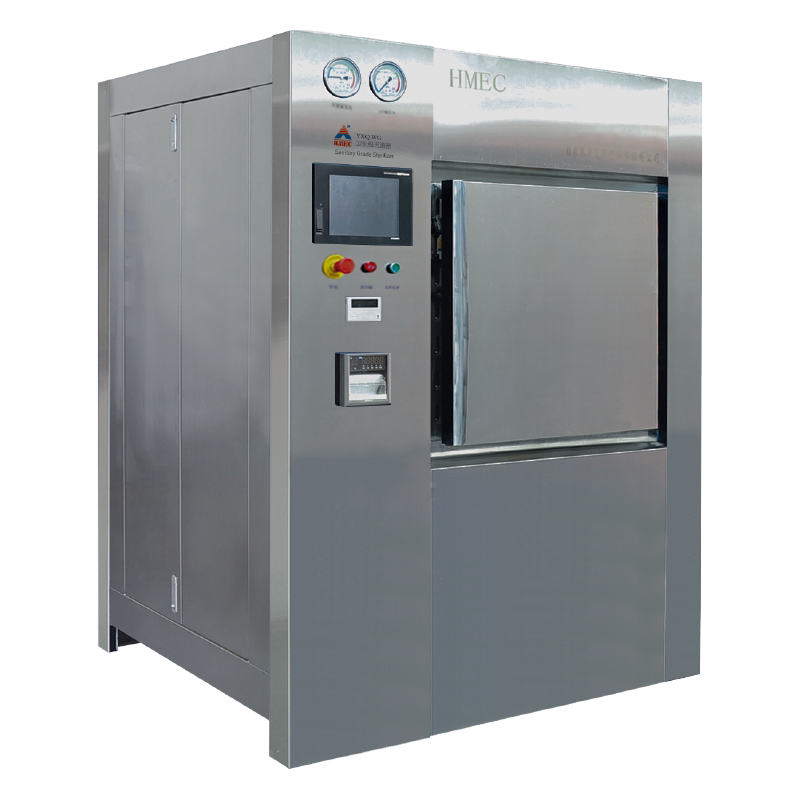
The sterilizer performs moist heat sterilization operations on items with saturated pure steam as the sterilization medium, which is provided with the functions of pulsation vacuum, removing cold air interference and vacuum drying. It has wide applicability to the sterilization of sterile garments,...
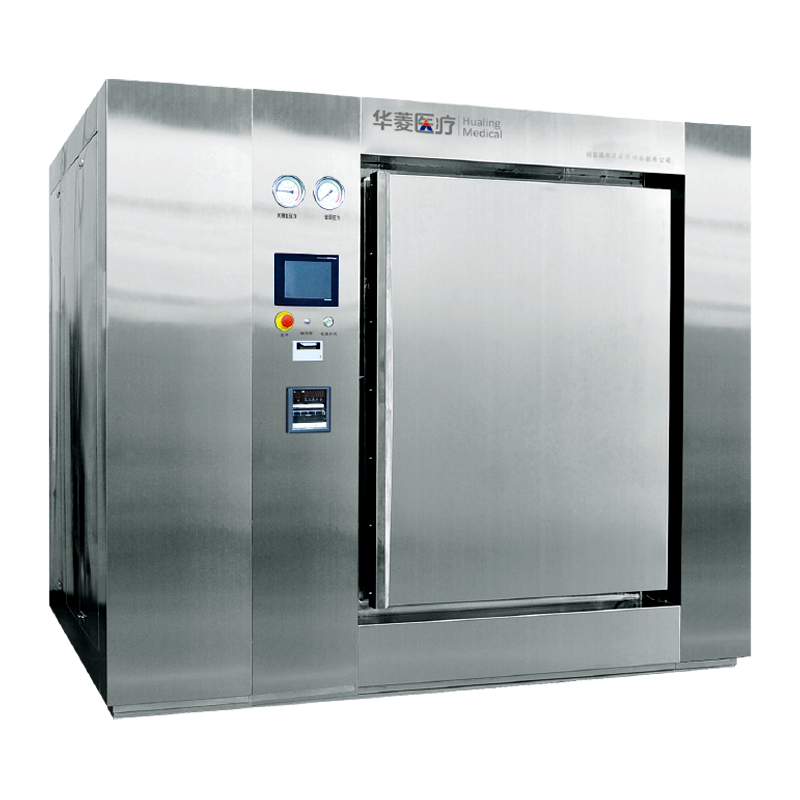
Water-bath type: The sterilized drugs are heated using water spraying using superheated water as the sterilizing medium. Specifically, microbial proteins and other parts of them are denatured by heating, eventually leading to the death of microorganisms and achieving sterilization. Steam type: High...
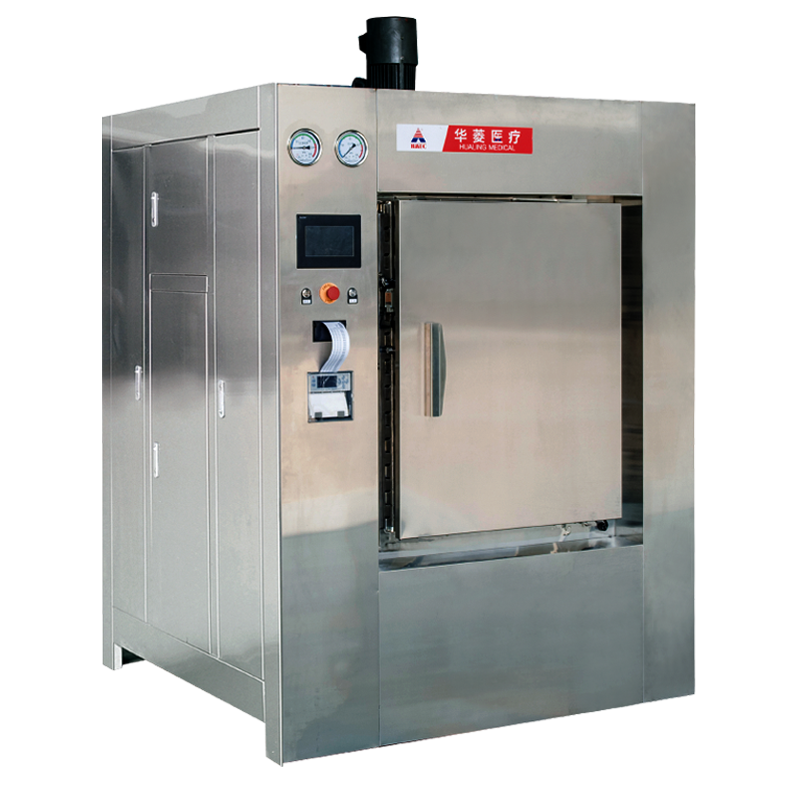
The sterilizer performs sterilization by means of mixing pressure of air and steam. Furthermore, mixed gas can be forced to circulate in the sterilization chamber through a fan and a diversion device. In this way, it can ensure temperature uniformity in the sterilization chamber in addition to pro...
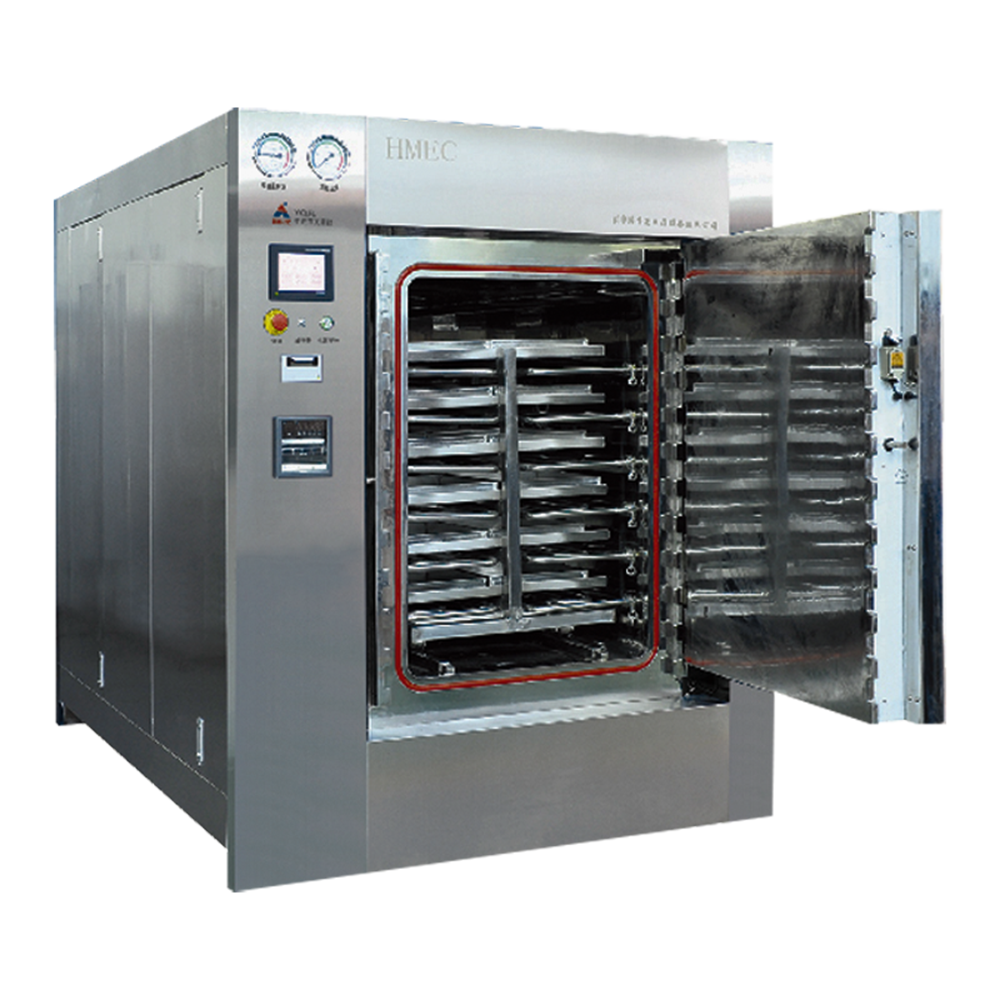
The sterilizer performs moist heat sterilization operations on items with saturated steam as the sterilization medium, which is provided with the functions of pulsation vacuum, removing cold air interference and vacuum drying. It is extensively applied in the sterilization and drying treatment of i...
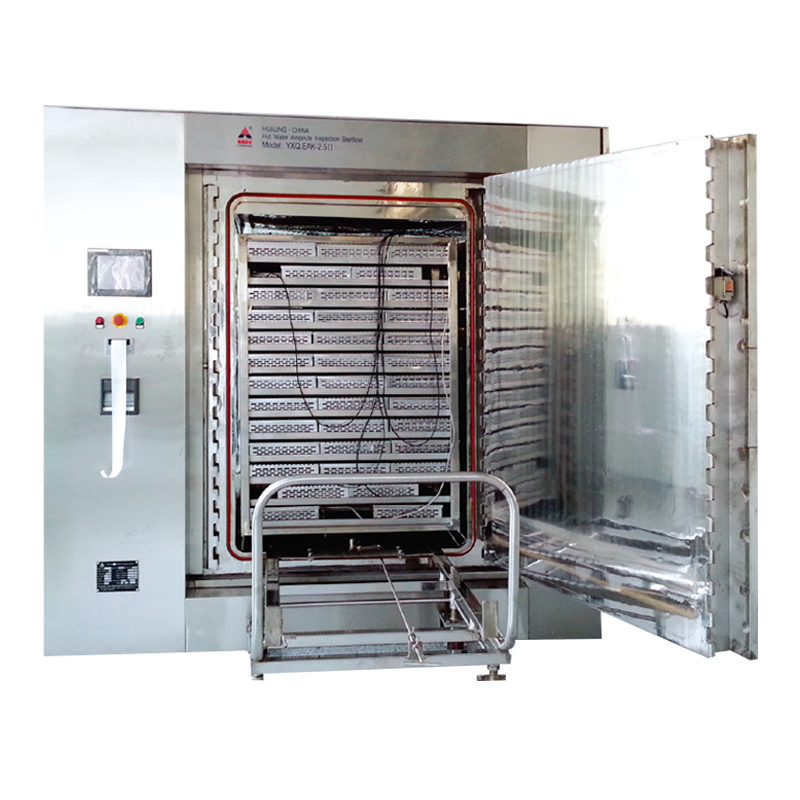
This sterilizer uses steam to sterilize, leak-detect, and clean for vials and ampoules.
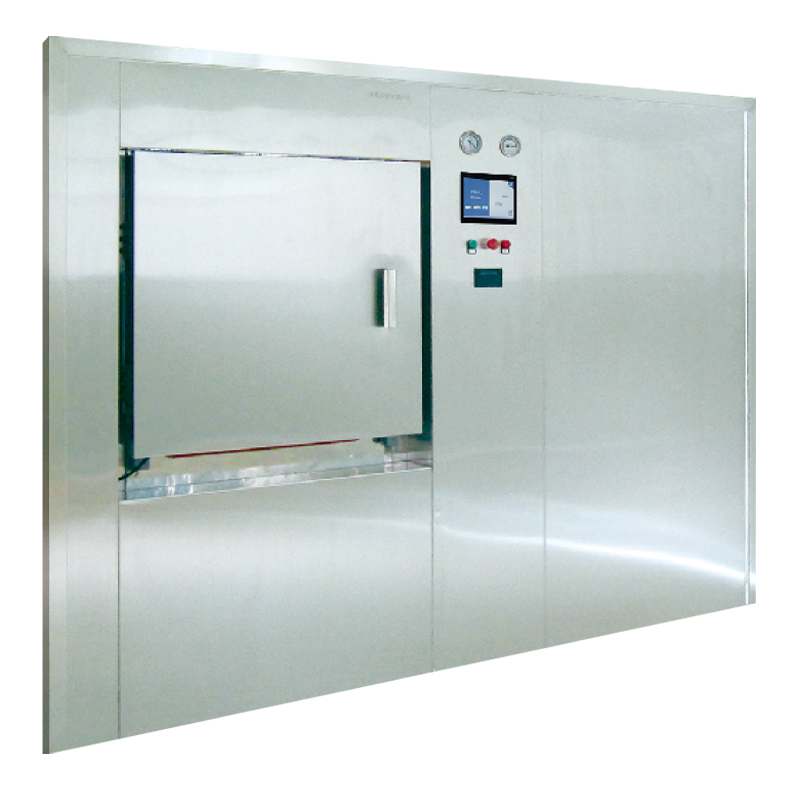
The sterilizer performs moist heat sterilization operations on items with saturated pure steam as the sterilization medium, which is provided with the functions of pulsation vacuum, removing cold air interference and vacuum drying. A special sealed isolation structure is added to achieve strict bio...
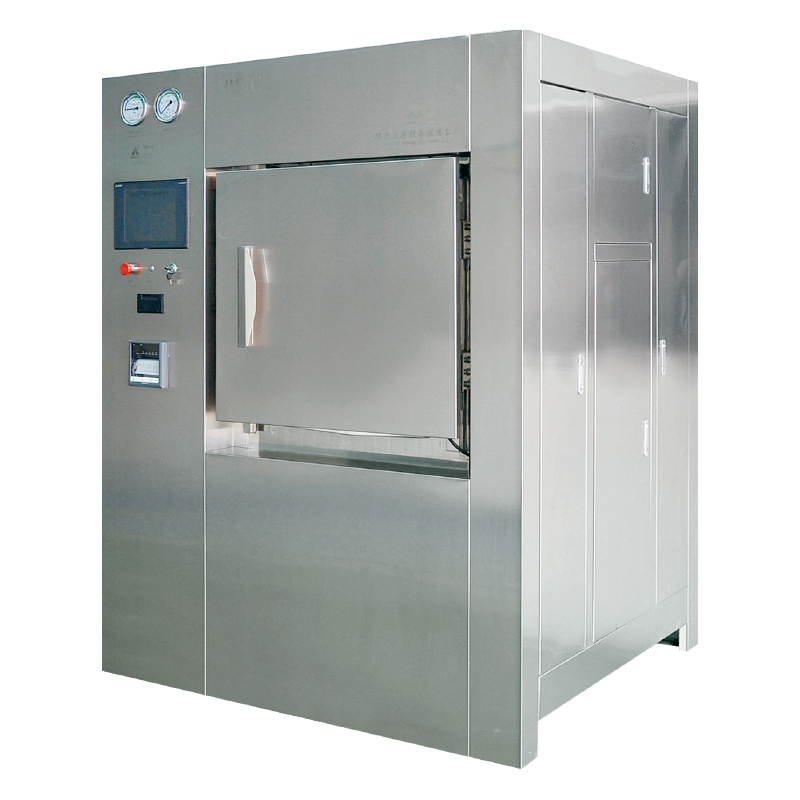
The sterilizer is to remove the impact of cold air on temperature using pulsation vacuum pumping with saturated steam as the sterilization medium, and finally dry the item through vacuum dehumidification together with the jacket layer. It is extensively applied for medicinal units, scientific resear...
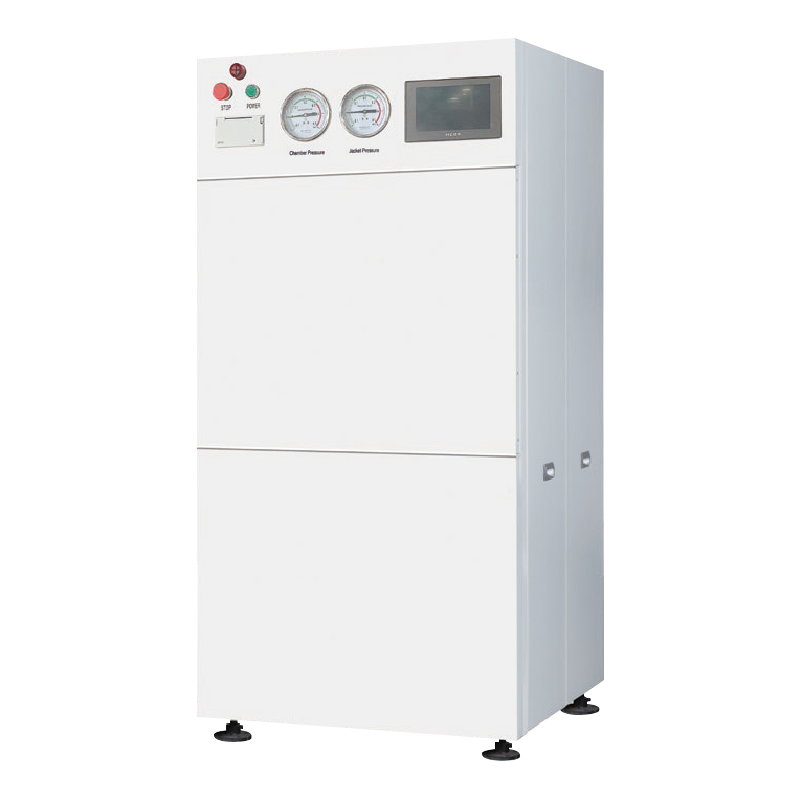
The Horizontal Steam Sterilizer utilizes saturated steam as the sterilizing medium, capitalizing on the high latent heat released during steam condensation and the strong penetration power of steam. This enables efficient sterilization through a precise heat preservation cycle. It is ideal for steri...
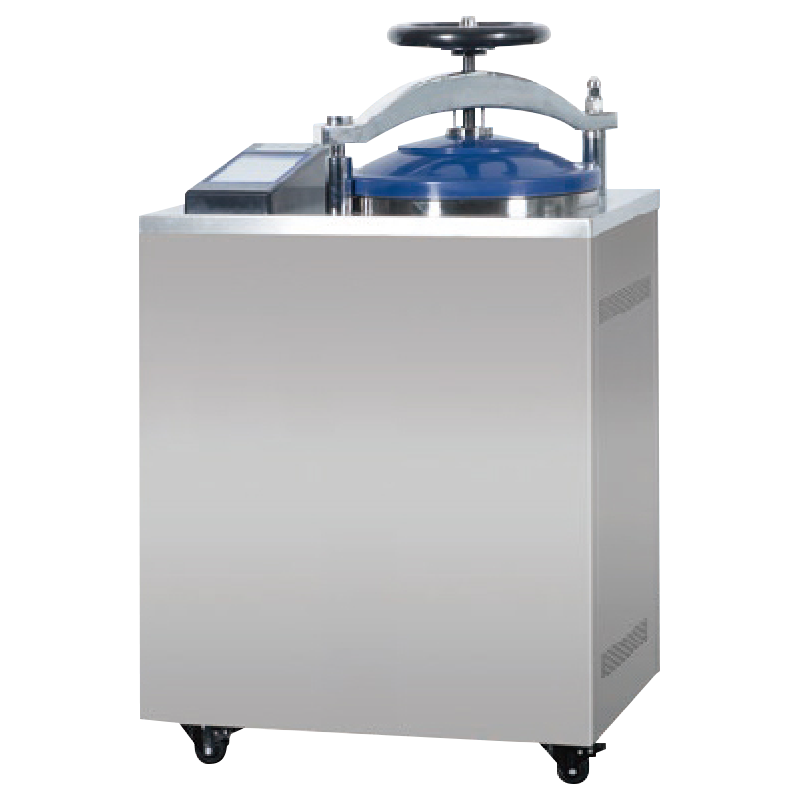
The Vertical Steam Sterilizer M Series (Pulsating Vacuum) is a safe and reliable sterilization solution, equipped with an advanced microcomputer control system, evaporator, and multiple safety mechanisms. This fully automated equipment is ideal for sterilizing a wide range of items such as surgical ...
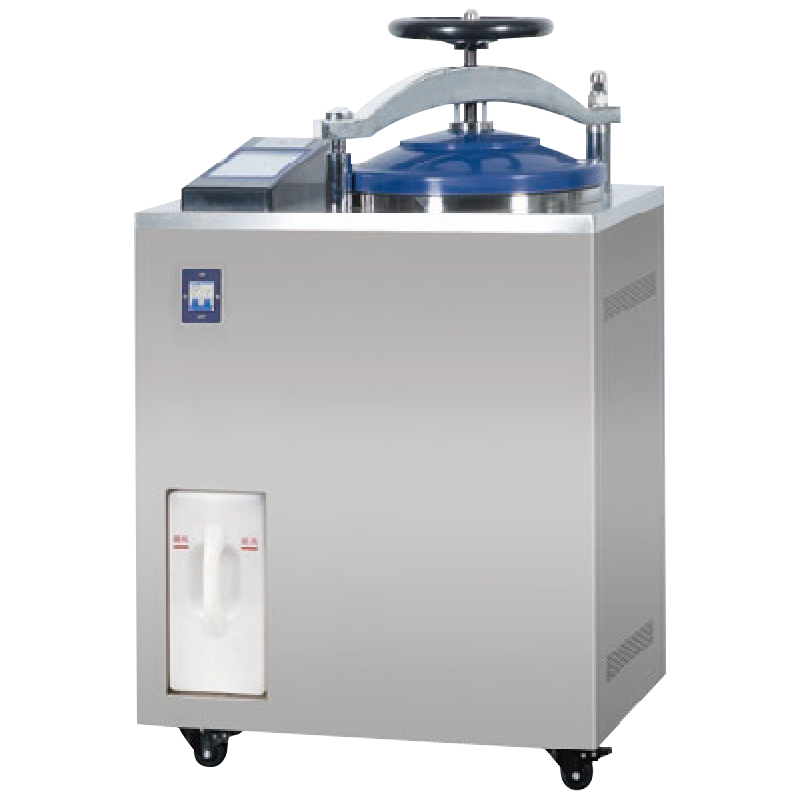
The Vertical Steam Sterilizer X Series (Multi-functional Laboratory Customized Model) offers a highly efficient and fully automated sterilization solution. With advanced microcomputer control, multiple safety features, and a versatile design, it is ideal for sterilizing a variety of materials, such ...
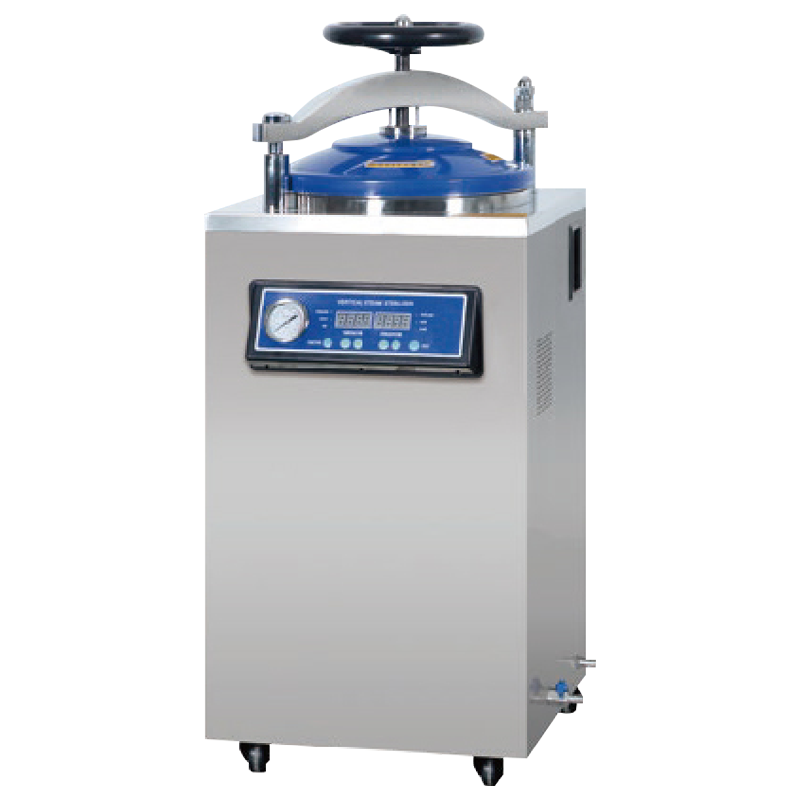
The Vertical Steam Sterilizer B Series offers a robust, automated solution for sterilizing a wide range of materials, including surgical instruments, medical dressings, utensils, and culture media. With a reliable microcomputer control system and advanced safety mechanisms, this sterilizer ensures c...
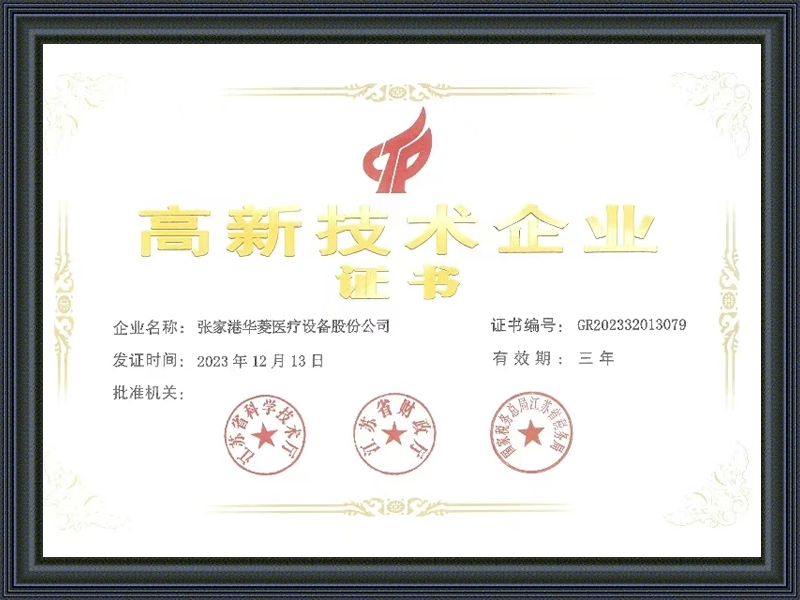
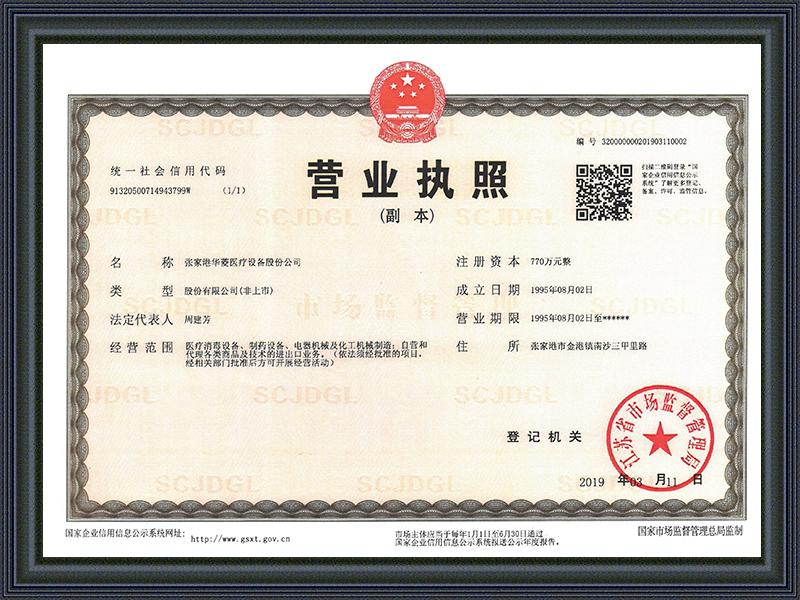
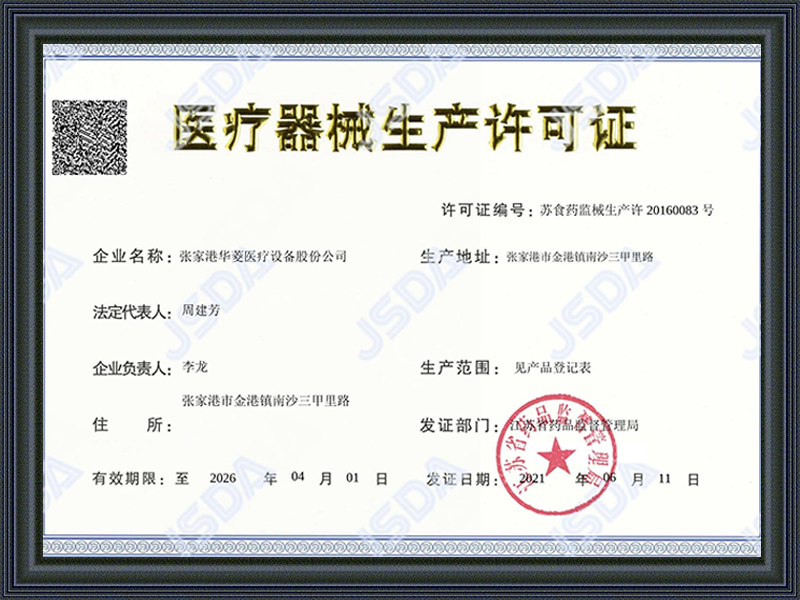
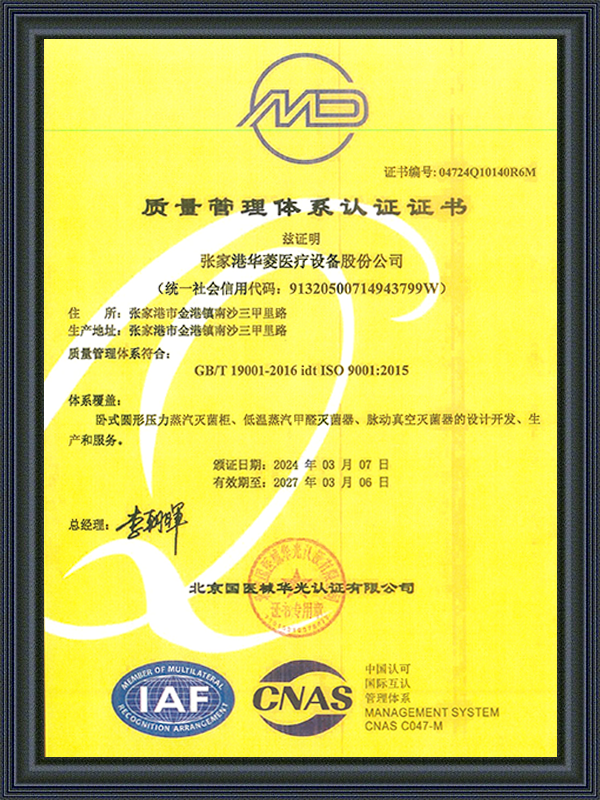
As China Pharmaceutical Sterilization Equipment Manufacturers and Pharmaceutical Sterilization Equipment Suppliers, Founded in 1987, Zhangjiagang Hualing Medical Equipment Co., Ltd. has always engaged in the design, research, development, production, sales and service of sterilization and disinfection equipment, which possesses multiple national patent technologies. Being recognized as a Zhangjiagang High-tech Enterprise, Suzhou High-tech Enterprise and Jiangsu High-tech Enterprise, it is also a member of the National Technical Committee on Sterilization Technique and Equipment of the Standardization Administration of China, a standing member of the China Disinfection and Sterilization Association, a member of the China Pharmaceutical Equipment Association, and a member of the China Medical Device Industry Association.
A Pulse Vacuum Sterilizer, also called a pulse vacuum autoclave, uses repeated cycles of deep vacu......
READ MOREAutoclave Types, Horizontal vs Vertical, and the Role of Pulse Vacuum The 4 types of autoclaves mos......
READ MOREWhat Is a Pulse Vacuum Sterilizer? A pulse vacuum sterilizer is a type of steam sterilizer that uses......
READ MOREWhat Is a Sterile Preparation Sterilizer? A sterile preparation sterilizer is a specialized piece of......
READ MORESterilization remains a foundational pillar of modern healthcare, pharmaceutical production, and sci......
READ MORESterile Preparation Sterilizer vs Traditional Chinese Medicine Sterilizer A Sterile Preparation Ste......
READ MOREIntroduction to Pharmaceutical Sterilization Equipment
Pharmaceutical sterilization equipment refers to a category of specialized devices designed to eliminate or inactivate microorganisms such as bacteria, fungi, spores, and viruses from pharmaceutical products, laboratory instruments, and packaging materials. These machines are essential in maintaining the sterility of medical and pharmaceutical products, ensuring that patients receive safe and effective medications. The principle of operation varies depending on the type of sterilization method used, but the goal remains the same: to provide a controlled process that ensures sterility without compromising the quality of the materials.
Importance of Sterilization in the Pharmaceutical Industry
Sterilization plays a crucial role in pharmaceutical production because contamination can directly affect patient safety and product efficacy. Sterilization equipment is not only applied to final products but also to packaging materials, tools, and even production environments. Without effective sterilization, there is a risk of product recalls, regulatory non-compliance, and potential harm to patients. Therefore, pharmaceutical sterilization equipment is considered a key component of quality assurance and compliance with international standards such as GMP (Good Manufacturing Practice) and ISO.
Common Types of Pharmaceutical Sterilization Equipment
There are several types of sterilization equipment used in pharmaceutical manufacturing, each applying different principles. These include steam-based, dry heat, chemical, and radiation sterilization equipment. The choice of equipment depends on the sensitivity of the material being sterilized and the nature of microorganisms that need to be removed.
| Type of Sterilizer | Method of Action | Suitable Applications |
|---|---|---|
| Steam Sterilizer (Autoclave) | High-pressure steam | Glassware, surgical instruments, solutions |
| Dry Heat Sterilizer | Hot air circulation | Metal tools, oils, powders |
| Gas Sterilizer (e.g., Ethylene Oxide) | Chemical reaction with cell components | Heat-sensitive plastics, medical devices |
| Radiation Sterilizer | Ionizing radiation (gamma, e-beam) | Pre-packaged products, disposables |
| Low Temperature Steam Formaldehyde Sterilizer | Steam and formaldehyde | Equipment sensitive to heat but requiring deep sterilization |
Steam Sterilization and Its Working Principle
Steam sterilization, commonly performed using an autoclave, is one of the most widely used methods in pharmaceutical facilities. It works by exposing materials to saturated steam under pressure, typically at temperatures between 121°C and 134°C. The heat and moisture penetrate materials, coagulating proteins within microorganisms, and ultimately destroying them. The cycle includes heating, sterilization holding time, and cooling. Pressure is maintained to allow steam to remain in a liquid state at high temperature, maximizing microbial destruction.
Dry Heat Sterilization and Its Applications
Dry heat sterilizers rely on hot air circulation to sterilize materials that cannot tolerate moisture. These machines typically operate at 160°C to 180°C for extended periods, which ensures microbial destruction by oxidative processes and protein denaturation. While dry heat requires longer cycles compared to steam, it is particularly suitable for sterilizing oils, powders, and instruments that may rust or corrode in a moist environment.
Low Temperature Sterilization Technologies
Certain pharmaceutical products, medical devices, and diagnostic tools are sensitive to heat and cannot withstand steam or dry heat sterilization. For such items, low temperature sterilization methods like ethylene oxide (EtO) gas, hydrogen peroxide plasma, or low temperature steam formaldehyde are employed. These methods maintain the integrity of the product while achieving sterilization by disrupting microbial DNA and proteins. They are especially important in sterilizing heat-sensitive plastics, catheters, and other medical disposables.
Radiation Sterilization for Pre-Packaged Products
Radiation sterilization employs ionizing radiation such as gamma rays or electron beams. This process does not require high temperatures or chemicals, making it suitable for products already sealed in packaging. The radiation penetrates the packaging and eliminates microorganisms by damaging their DNA. It is frequently applied in mass sterilization of disposable syringes, gloves, and pharmaceutical packaging materials.
Biosafety and Specialized Sterilizers
Certain sterilizers are designed for specialized pharmaceutical and laboratory needs. For instance, biosafety sterilizers ensure safe handling of infectious waste, while pulse vacuum sterilizers enhance steam penetration in complex loads. Sterile preparation sterilizers are tailored for drug compounding and aseptic processing, ensuring that active pharmaceutical ingredients are free from contamination during production. These specialized machines highlight the diversity of sterilization technologies available in the pharmaceutical sector.
Working Mechanisms of Pharmaceutical Sterilization Equipment
Although the operational details differ among equipment types, pharmaceutical sterilization equipment generally involves three main phases: loading, sterilization, and unloading. In the loading phase, items are arranged to allow effective circulation of heat, steam, or sterilant. During sterilization, the chosen method—be it steam, heat, gas, or radiation—is applied under controlled conditions. Finally, the unloading phase requires careful handling to prevent recontamination. Control systems, sensors, and validation procedures are integrated into these machines to ensure consistency and safety.
Safety and Validation in Sterilization Processes
Safety in pharmaceutical sterilization is crucial not only for operators but also for the integrity of the products. Each sterilization cycle must be validated to demonstrate that sterilization parameters consistently achieve sterility assurance. This involves testing with biological indicators, chemical indicators, and monitoring instruments. For example, spore strips are often used as biological indicators to confirm microbial destruction. Regular calibration and maintenance of sterilization equipment also contribute to safe and effective operations.
| Validation Method | Purpose | Example Tools |
|---|---|---|
| Biological Indicators | Confirm microbial destruction | Spore strips, inoculated carriers |
| Chemical Indicators | Show exposure to sterilization parameters | Color-change tapes, chemical strips |
| Mechanical Monitoring | Record equipment performance | Pressure gauges, temperature sensors |
Regulatory Considerations for Sterilization Equipment
Pharmaceutical sterilization equipment must comply with international regulations and standards to ensure product safety and patient protection. Regulatory bodies such as the U.S. Food and Drug Administration (FDA), European Medicines Agency (EMA), and World Health Organization (WHO) provide guidelines on sterilization practices. Standards like ISO 13485 and GMP define requirements for validation, documentation, and equipment qualification. Compliance with these standards assures regulators and customers that the sterilization processes are reliable and traceable.
Maintenance and Longevity of Sterilization Equipment
To ensure continuous and efficient performance, pharmaceutical sterilization equipment requires routine maintenance. This includes regular cleaning of chambers, calibration of control systems, replacement of worn-out gaskets, and inspection of safety valves. Preventive maintenance schedules minimize downtime and extend the life of equipment. Proper training of personnel also plays a role in keeping the machines functional and avoiding misuse that could compromise sterilization effectiveness.
Future Developments in Pharmaceutical Sterilization Technology
Advancements in pharmaceutical sterilization focus on improving energy efficiency, reducing cycle times, and enhancing environmental sustainability. New methods are being explored, such as vaporized hydrogen peroxide, ozone-based sterilization, and low-energy radiation techniques. Integration of digital monitoring systems and automated control processes further improves precision and traceability. The future of sterilization equipment may also include modular systems that can be tailored for specific pharmaceutical processes and smaller-scale production facilities.
Introduction to Pharmaceutical Sterilization Equipment Failures
Pharmaceutical sterilization equipment is an essential component in the production and quality assurance of medical products, ensuring that harmful microorganisms are eliminated effectively. However, like all mechanical and technical systems, these machines may encounter failures during operation. Such failures not only impact productivity but also pose potential risks to product sterility and compliance with regulatory standards. Understanding the common failures and identifying appropriate solutions is crucial for maintaining reliable operations in pharmaceutical facilities.
Importance of Addressing Equipment Failures
Failures in sterilization equipment can compromise patient safety, delay production schedules, and lead to regulatory issues. The pharmaceutical industry must follow strict guidelines to ensure sterility, and any equipment malfunction can interrupt the validation process. Addressing failures systematically helps companies maintain efficiency, reduce costs, and ensure that all sterilization cycles meet required sterility assurance levels.
Failure of Temperature Control Systems
One of the most frequent failures in sterilization equipment involves inaccurate temperature control. When the chamber fails to reach or maintain the required temperature, sterilization may be incomplete. This problem often results from faulty sensors, calibration errors, or heating element malfunctions. The solution involves regular calibration of sensors, replacement of damaged heating components, and verification of control system accuracy.
Steam Quality Issues in Autoclaves
Steam sterilization relies on the quality of the steam supplied to the chamber. Inadequate steam quality, such as excessive moisture or presence of non-condensable gases, can reduce the effectiveness of sterilization. Common causes include poor boiler maintenance, inadequate water treatment, or pipeline leaks. The solution is to monitor steam quality through routine testing, ensure boilers receive regular servicing, and maintain proper water treatment protocols.
| Failure Type | Possible Cause | Solution |
|---|---|---|
| Wet Steam | Inadequate boiler operation | Improve boiler maintenance |
| Dry Steam | Excessive desiccation | Adjust water supply conditions |
| Non-condensable Gases | Pipeline leaks or poor water quality | Conduct leak tests, improve water treatment |
Pressure Fluctuations in Sterilization Chambers
Pressure stability is critical for maintaining proper sterilization cycles. Fluctuations in chamber pressure can result in incomplete sterilization or damage to sensitive materials. Causes include malfunctioning pressure valves, leaks in the chamber, or software control errors. To resolve these issues, operators should inspect and replace defective valves, test chambers for leaks, and update control software regularly.
Door Seal Failures and Leakage
The door seal of sterilization chambers plays a vital role in maintaining the required pressure and temperature. Over time, seals may deteriorate, leading to leaks and unsafe conditions. Door seal failures are often caused by material fatigue, improper cleaning, or mechanical wear. Solutions include replacing seals periodically, using approved cleaning methods, and inspecting seals before each cycle.
Uneven Heat Distribution in Chambers
Uniform heat distribution ensures that all areas of the load are exposed to sterilization conditions. Uneven heating may occur due to improper load arrangement, blocked circulation fans, or malfunctioning air filters. This can result in partial sterilization of products. Solutions involve training staff on proper load configurations, maintaining circulation systems, and routinely replacing filters.
Inaccurate Sensor Readings
Sensors are responsible for monitoring temperature, pressure, and humidity during sterilization cycles. If sensors provide inaccurate readings, the sterilizer may complete cycles without achieving sterility. Causes include sensor drift, calibration loss, or electrical faults. To address this, sensors must undergo routine calibration, replacement when necessary, and verification with reference instruments.
Failures in Chemical Sterilizers
For chemical sterilizers such as those using ethylene oxide or hydrogen peroxide, common failures include insufficient chemical concentration, leakage of sterilant, or incomplete aeration after the cycle. These failures can leave toxic residues or cause ineffective sterilization. Solutions involve strict monitoring of sterilant levels, using leak detection systems, and validating aeration cycles.
| Equipment Type | Common Failure | Recommended Solution |
|---|---|---|
| Ethylene Oxide Sterilizer | Residual gas after cycle | Extend aeration time, improve ventilation |
| Hydrogen Peroxide Sterilizer | Inadequate plasma generation | Inspect plasma generator, check gas flow |
| Formaldehyde Sterilizer | Condensation inside chamber | Improve chamber heating and drying process |
Failures in Radiation Sterilization Systems
Radiation sterilizers that use gamma rays or electron beams may encounter equipment failures such as uneven radiation dose, shielding deterioration, or conveyor system malfunctions. Inadequate dosage can result in ineffective sterilization, while damaged shielding poses safety risks. Solutions include frequent dose mapping, preventive maintenance of conveyor systems, and thorough inspection of protective barriers.
Software and Control System Failures
Modern sterilization equipment relies on advanced software systems to regulate parameters. Failures in control systems, such as programming errors, corrupted data, or power supply interruptions, can halt sterilization processes. To address these problems, companies should implement redundant power supplies, ensure regular software updates, and establish backup systems to recover operational data quickly.
Human Error and Operational Failures
Not all failures originate from technical defects; human error remains a significant factor. Improper loading of sterilizers, incorrect cycle selection, or neglecting validation checks can result in ineffective sterilization. Solutions include comprehensive operator training, implementing checklists, and automating as many processes as possible to minimize reliance on manual inputs.
Maintenance Neglect as a Source of Failures
Failure to conduct routine maintenance can lead to cumulative issues such as corrosion, buildup of residues, and mechanical wear. Neglected equipment is more likely to experience breakdowns and reduced sterilization efficiency. Implementing preventive maintenance schedules, maintaining detailed records, and performing periodic inspections are effective solutions to reduce unexpected failures.
Validation and Monitoring as Preventive Measures
Validation of sterilization processes ensures that the equipment functions as intended. Failures often occur when validation protocols are skipped or inadequately performed. Solutions include conducting regular biological and chemical indicator tests, monitoring mechanical parameters, and maintaining proper documentation. Effective monitoring can detect early signs of failure before they escalate into major problems.
| Validation Tool | Purpose | Frequency |
|---|---|---|
| Biological Indicators | Confirm microbial kill | Every sterilization cycle for critical loads |
| Chemical Indicators | Verify exposure to sterilant | Each cycle |
| Mechanical Records | Track system parameters | Continuous |
Strategies for Long-Term Reliability
Ensuring the long-term reliability of sterilization equipment requires a combination of technical measures, organizational discipline, and continuous improvement. Companies should invest in staff training, establish preventive maintenance systems, upgrade equipment when necessary, and adopt new monitoring technologies. Collaboration with equipment manufacturers for technical support and upgrades also contributes to enhanced operational stability.
 +(86) 18018151178
[email protected]
365 Nansha Sanjiali Road, Jingang Town, Zhangjiagang City, China
+(86) 18018151178
[email protected]
365 Nansha Sanjiali Road, Jingang Town, Zhangjiagang City, China
