 English
 русский
 Español
 عربى
عربى
 中文
中文

Traditional Chinese Medicine Sterilizer
Cat:Products
The sterilizer performs moist heat sterilization operations on items with saturated steam as the st...
See Details

A Sterile Preparation Sterilizer and a Traditional Chinese Medicine Sterilizer both rely on pressurized steam under controlled temperature and time, but they are built for entirely different jobs and should never be substituted for one another. A Sterile Preparation Sterilizer is engineered for pharmaceutical and hospital aseptic environments, sterilizing glassware, stoppers, garments, and equipment to a sterility assurance level of roughly one nonsterile unit in a million, while a Traditional Chinese Medicine Sterilizer is engineered for bulk raw herbs and granules, killing insect eggs and reducing microbial counts while preserving heat sensitive active compounds such as volatile oils. Choosing the wrong type of equipment either wastes money on sterility assurance a herb processor does not need, or risks ruining the active ingredients in a batch of medicinal herbs with a cycle that was really designed for glass vials.
| Aspect | Sterile Preparation Sterilizer | Traditional Chinese Medicine Sterilizer |
|---|---|---|
| Primary Purpose | Sterilize items entering an aseptic cleanroom or filling line | Reduce insect and microbial load in bulk herbs without destroying actives |
| Typical Temperature | 121 to 134 degrees Celsius | 100 to 121 degrees Celsius, lower for delicate herbs |
| Typical Cycle Time | 15 to 30 minutes | 20 to 60 minutes depending on load density |
| Typical Industry | Pharmaceutical manufacturing, hospital sterile pharmacy | TCM pharmacies, herbal medicine manufacturers, hospital TCM dispensaries |
| Key Concern | Documented sterility assurance for aseptic compliance | Preserving volatile oils and other heat sensitive actives |
The rest of this guide breaks down what each machine actually does, how their cycle parameters are chosen, and what to look for when specifying either type of equipment for a pharmaceutical, hospital, or traditional medicine operation.
A Sterile Preparation Sterilizer is used wherever materials must reach a documented, validated level of sterility before they can enter an aseptic processing area. This includes pharmaceutical manufacturing facilities sterilizing components ahead of injectable filling lines, and hospital pharmacy sterile compounding rooms preparing intravenous medications, chemotherapy doses, and other injectable products under a laminar flow hood or isolator.
A typical cycle for a Sterile Preparation Sterilizer runs at 121 degrees Celsius for 15 to 20 minutes, or 134 degrees Celsius for 3 to 5 minutes for items that tolerate higher heat, with the shorter high temperature cycle often preferred where turnaround speed matters most. Most pharmaceutical grade units run pulsating vacuum cycles, pulling air out of the chamber in repeated stages before steam is admitted, since trapped air pockets inside wrapped items or porous loads can block steam contact and leave a small area unsterilized even when the chamber as a whole reaches the correct temperature and pressure.
Door configuration depends on the cleanroom layout it serves. A standalone single door unit works for a single room application, while a double door pass through unit is built into the cleanroom wall itself, allowing items to be loaded from the gowning corridor and unloaded directly into the aseptic core without ever crossing a contaminated path. Chamber sizes for this category typically range from about 60 liters for a compact hospital pharmacy unit up to 1000 liters or more for a high volume pharmaceutical production line.
Quality teams typically pair every sterilization cycle with some form of batch release testing before the sterilized items are approved for use. This often includes a physical check of chemical indicator strips placed inside the load, which change color when the correct temperature and exposure time were reached, alongside periodic biological indicator testing that confirms actual microbial kill rather than just inferring it from temperature and pressure readings alone. Facilities operating under strict GMP oversight generally will not release a sterilized batch for use until both the chemical indicator and the recorded cycle data, including chamber temperature and pressure traces for the full cycle, have been reviewed and signed off by a qualified person.
A Traditional Chinese Medicine Sterilizer is built around a very different problem. Raw herbs, decoction pieces, and herbal granules commonly arrive with insect eggs or larvae from field storage, along with bacterial and mold counts that need to be brought within pharmacopeia limits before the material can be dispensed or packaged. At the same time, many of these herbs contain volatile oils and other heat sensitive active compounds that a standard pharmaceutical sterilization cycle would significantly degrade, so the equipment and cycle design have to balance microbial reduction against ingredient preservation rather than simply maximizing sterility assurance.
Most Traditional Chinese Medicine Sterilizer units use pulsating vacuum steam cycles run at a lower temperature or shorter exposure time than a pharmaceutical cycle, often closer to 100 degrees Celsius for delicate, volatile oil bearing herbs such as mint or ginger, with higher pressure cycles up to about 121 degrees Celsius reserved for tougher root or mineral materials that tolerate more heat without losing potency. Some equipment adds a microwave or infrared assist stage specifically to shorten the total thermal exposure time while still achieving the required reduction in insects and microorganisms.
Because herbs are processed in bulk rather than as individual items, chambers in this category are typically loaded with perforated baskets or trolleys holding 200 to 1000 kilograms of material per cycle depending on chamber size. A drying or cooling stage at the end of the cycle is just as important as the sterilization step itself, since herbs sterilized but left damp will simply regrow mold within days. Most operators target a final moisture content under 12 to 14 percent before the herbs go back into storage or packaging.
Seasonal timing also affects how a Traditional Chinese Medicine Sterilizer gets used in practice. Insect infestation in stored herbs tends to spike during warm, humid months, so many TCM pharmacies and warehouses increase sterilization frequency during summer even when the herbs being processed have not changed. Different herb categories also call for noticeably different handling, a delicate flower or leaf material such as chrysanthemum or mint needs a much gentler cycle than a dense root material such as astragalus or licorice root, and equipment that allows operators to save several distinct cycle programs makes it far easier to apply the right treatment to each incoming batch without manually reentering settings every time the material changes.
Laid side by side, the core differences between the two categories explain why one machine cannot simply replace the other on a production floor.
| Aspect | Sterile Preparation Sterilizer | Traditional Chinese Medicine Sterilizer |
|---|---|---|
| Target Material | Glassware, stoppers, garments, small equipment | Bulk raw herbs, decoction pieces, granules |
| Main Goal | Achieve documented sterility assurance for aseptic use | Reduce insects and microorganisms while preserving actives |
| Chamber Construction | 316L stainless steel, frequently double door pass through | Heavy duty stainless steel sized for bulk baskets or trolleys |
| Special Features | Validation ports, biological indicator testing, batch records | Microwave or infrared assist, drying and cooling stage |
| Regulatory Reference | Pharmacopeia sterility standards and GMP requirements | Chinese Pharmacopoeia microbial limits for TCM materials |
Running pharmaceutical grade cycles on herbal material wastes the strong volatile oils that give many TCM products their therapeutic value, while running a typical herb cycle on glassware or stoppers destined for an injectable line will not meet the documented sterility assurance that pharmaceutical regulators require. Choosing equipment built specifically for the intended material avoids both problems from the start.
Sterilization effectiveness comes down to the relationship between temperature, time, and the resulting microbial kill, often expressed using the concept of an F0 value, a way of converting any combination of temperature and exposure time into an equivalent number of minutes at a 121 degree Celsius reference point. Many pharmaceutical applications specify a minimum F0 of 8 minutes, meaning the cycle must deliver lethality equal to at least 8 minutes of direct exposure at that reference temperature, with some sensitive products requiring a higher value for additional safety margin.
Pulsating vacuum cycles exist specifically to solve the air removal problem. Before steam is admitted, the chamber goes through several vacuum pulses that pull trapped air out of wrapped items, porous textiles, or dense bulk loads, since any pocket of air left behind blocks steam contact in that spot and can leave the material unsterilized there even though the rest of the load reaches full temperature. Validation of a Sterile Preparation Sterilizer typically includes placing biological indicator spore strips, often using a resistant organism such as Geobacillus stearothermophilus, throughout a representative test load and confirming the required log reduction is achieved at every position, including the coldest point in the chamber.
For a Traditional Chinese Medicine Sterilizer, the calculation works in the opposite direction. Many essential oil bearing herbs lose a meaningful share of their aromatic and therapeutic compounds when held above a certain temperature for too long, so operators often choose flowing steam cycles near 100 degrees Celsius with extended vacuum pulses for delicate herbs, switching to higher pressure cycles only for roots, barks, and mineral materials that tolerate more heat without significant ingredient loss. The cycle design becomes a deliberate trade between killing enough insects and microorganisms to meet pharmacopeia limits and keeping the temperature low enough to protect the compounds that make the herb medicinally useful in the first place.
Both a Sterile Preparation Sterilizer and a Traditional Chinese Medicine Sterilizer can be built around more than one underlying steam delivery method, and the method chosen affects cycle reliability as much as the temperature and time settings do.
Gravity displacement is the simplest method, relying on the fact that steam is lighter than air and naturally rises to push air out through a drain at the bottom of the chamber. It works well for simple loads such as liquids in open containers, but it struggles with wrapped items, dense textiles, or bulk herb loads, since trapped pockets of air do not always get displaced on their own and can leave part of the load under treated even though the chamber gauge shows the correct temperature.
Pulsating vacuum sterilization solves that reliability problem by actively pulling air out of the chamber through several vacuum and steam pulses before the final sterilization phase begins. This active air removal is why pulsating vacuum cycles are now the standard choice for both pharmaceutical glassware loads and bulk herb loads, since neither type of load can be trusted to vent its trapped air through gravity alone. Dry heat sterilization, which uses hot air rather than steam and typically runs at 160 to 180 degrees Celsius for 1 to 2 hours, appears occasionally for glass items that cannot tolerate moisture, but it is far less common across both equipment categories covered in this guide because of the long cycle time and the risk of heat damage to most herb and pharmaceutical materials.
| Method | Typical Temperature | Typical Time | Best Suited For |
|---|---|---|---|
| Gravity Displacement | 121 to 134 degrees Celsius | 15 to 30 minutes | Liquids and simple, unwrapped loads |
| Pulsating Vacuum | 100 to 134 degrees Celsius | 20 to 60 minutes | Wrapped items, textiles, and bulk herb loads |
| Dry Heat | 160 to 180 degrees Celsius | 1 to 2 hours | Moisture sensitive glassware only |
When comparing equipment from different suppliers, it is worth confirming exactly which method each unit uses by default, since two machines advertised with the same chamber size and maximum temperature can deliver very different real world reliability depending on whether they include true pulsating vacuum capability or only a basic gravity displacement cycle. Asking a supplier for an actual cycle printout from a comparable unit, rather than relying on the marketing brochure alone, is a quick way to confirm which method is really being offered.
Both categories share a common set of core components, though the priority placed on each one differs depending on whether the equipment will process glassware or bulk herbs.
A Sterile Preparation Sterilizer destined for a GMP facility should also include validation ports that allow independent temperature probes to be placed inside the chamber during qualification testing, separate from the unit's own built in sensors, so an outside auditor can confirm the cycle performs as documented. A Traditional Chinese Medicine Sterilizer benefits more from practical loading features such as baskets or trolleys sized for bulk herb handling, and some higher end units include an integrated cooling stage or a microwave assist module to shorten the overall processing time per batch.
Installing either type of sterilizer requires planning around utility supply, including steam or an integrated electric steam generator, compressed air for valve actuation, a water supply and drain, and an electrical connection sized to the chamber. A double door pass through unit also needs to be built into the cleanroom wall during construction or renovation, since retrofitting one into an existing wall after the fact is far more disruptive than planning for it from the start.
A Sterile Preparation Sterilizer used in a GMP pharmaceutical or hospital environment requires formal validation before it can be used in production, generally broken into installation qualification confirming the equipment was installed correctly, operation qualification confirming it runs as specified across its full operating range, and performance qualification confirming it reliably sterilizes a representative production load. This three part validation process is typically repeated on an annual basis and again after any major repair to keep the equipment in compliance.
A Traditional Chinese Medicine Sterilizer is usually held to a lighter validation standard, but operators still benefit from periodically verifying temperature uniformity across a full bulk load and testing finished herb batches against Chinese Pharmacopoeia microbial limits to confirm the cycle is still performing as intended over time.
| Interval | Typical Task |
|---|---|
| Daily | Inspect door gasket for damage and clean the chamber drain filter |
| Weekly | Check steam trap operation and verify vacuum pump performance |
| Monthly | Change vacuum pump oil and inspect safety valve function |
| Annually | Calibrate temperature and pressure sensors and complete formal revalidation |
A Sterile Preparation Sterilizer used in pharmaceutical manufacturing or hospital sterile compounding falls under Good Manufacturing Practice requirements, commonly referred to as GMP, along with pharmacopeia sterility testing methods that define how sterility assurance must be demonstrated and documented. Equipment supporting this kind of production needs to generate complete batch records for every cycle, including an audit trail of any setting changes, since regulators and internal quality teams both rely on this documentation to confirm a given batch was sterilized correctly before it reaches a patient or a filling line.
A Traditional Chinese Medicine Sterilizer operates under a different but equally important set of standards. The Chinese Pharmacopoeia sets specific microbial limits for decoction pieces and herbal granules, covering total aerobic microbial count, total combined yeast and mold count, and the required absence of certain pathogens such as Escherichia coli or Salmonella species in particular herb categories. Meeting these published microbial limits, confirmed through periodic laboratory testing of finished batches, is the practical compliance benchmark for most TCM processors, rather than the more formal validation protocol expected in pharmaceutical manufacturing.
Whichever category of equipment is being purchased, it is reasonable to request a documentation package from the supplier before the unit ships, including a factory acceptance test report confirming the unit met its specifications before leaving the factory, material certificates verifying the grade of stainless steel used in the chamber, and calibration certificates for the temperature and pressure sensors fitted at the time of manufacture. These documents form the starting point for a facility's own qualification work once the equipment arrives and are far easier to obtain before purchase than to chase down afterward.
Chamber size should be based on actual daily or weekly volume rather than the largest unit a budget allows, since an oversized chamber run at partial load wastes steam and energy on every cycle, while an undersized chamber forces extra cycles that slow down the entire workflow.
| Chamber Volume | Typical Batch Load | Typical Facility |
|---|---|---|
| 100 liters | Small glassware and component batches | Hospital sterile pharmacy |
| 250 liters | Medium component batches or small herb loads | Mid sized pharmaceutical line or TCM dispensary |
| 500 liters | Large component runs or 200 to 400 kilograms of herbs | Pharmaceutical manufacturer or regional TCM processor |
| 1000 liters or more | High volume production runs or 500 to 1000 kilograms of herbs | Large pharmaceutical plant or major TCM manufacturer |
A practical way to estimate throughput needs is to divide expected daily volume, whether that is units of glassware or kilograms of raw herb, by the chamber's batch capacity to find the number of cycles required per day, then add margin for validation runs, maintenance downtime, and any seasonal spikes in demand. Pharmaceutical operations tend to favor smaller, more frequent batches tied to defined production runs, while TCM processors often prefer a larger chamber that can clear a full day's intake of raw herb in fewer cycles.
Every decision in this guide comes back to a short sequence that takes a buyer from an unclear requirement to a correctly specified sterilizer.
The direct answer from the first section still holds after every detail in between: a Sterile Preparation Sterilizer belongs wherever documented aseptic sterility assurance is required for pharmaceutical or hospital use, and a Traditional Chinese Medicine Sterilizer belongs wherever bulk herbs need their insect and microbial load reduced without destroying the active compounds that make them medicinally useful.
Technically a Sterile Preparation Sterilizer can run a cycle on herbs, but the high temperature and extended exposure typical of pharmaceutical cycles will degrade volatile oils and other heat sensitive active compounds, reducing the medicinal value of the finished herb. A dedicated Traditional Chinese Medicine Sterilizer with lower temperature, herb specific cycles is the better choice for this material.
Most pharmaceutical applications target a sterility assurance level of about one nonsterile unit in a million, achieved through a validated cycle with a minimum F0 value, commonly 8 minutes, confirmed using biological indicator spore strips placed throughout a representative test load during qualification testing.
Many herbs contain volatile oils and other active compounds that break down when exposed to high heat for extended periods. Running a lower temperature cycle, often near 100 degrees Celsius with extended vacuum pulses, still achieves the required microbial and insect reduction while protecting the compounds that give the herb its therapeutic value.
Batch capacity depends on chamber size, but most units in active use process somewhere between 200 and 1000 kilograms of herb material per cycle, loaded into perforated baskets or trolleys that allow steam to circulate fully through the bulk material.
A double door pass through sterilizer is built into a cleanroom wall, with one door opening into a gowning or preparation corridor and the other opening directly into the aseptic core. It is used whenever items need to move from a less controlled area into a higher classification cleanroom without crossing a contaminated path.
Steam sterilization leaves herbs damp, and damp herbs left in storage will regrow mold within days even after a successful sterilization cycle. A drying or cooling stage that brings moisture content down to roughly 12 to 14 percent or lower protects the sterilization work that was just completed.
Pharmaceutical and hospital sterile pharmacy applications generally require installation qualification, operation qualification, and performance qualification, often called IQ, OQ, and PQ, before the equipment is approved for production use, with this validation typically repeated annually and after any major repair.
316L stainless steel is the common choice for a Sterile Preparation Sterilizer because of its corrosion resistance and compatibility with pharmaceutical grade cleaning agents, while 304 stainless steel is generally adequate and more cost effective for a Traditional Chinese Medicine Sterilizer processing bulk herb material.
Door gaskets should be inspected daily for visible damage and replaced as soon as wear is noticed, since a failing gasket prevents the chamber from reaching full vacuum or pressure. Vacuum pump oil is typically changed on a monthly schedule, with overall pump performance checked weekly to catch a gradual decline before it affects cycle results.
Yes, and many integrated pharmaceutical and TCM manufacturers operate both, keeping them as physically separate pieces of equipment with their own validation and maintenance schedules rather than attempting to run both material types through a single shared machine. Sharing a chamber between the two material types risks cross contamination between herb residue and pharmaceutical grade items, and it also makes it far harder to maintain clean, separate documentation for each equipment category during an audit.
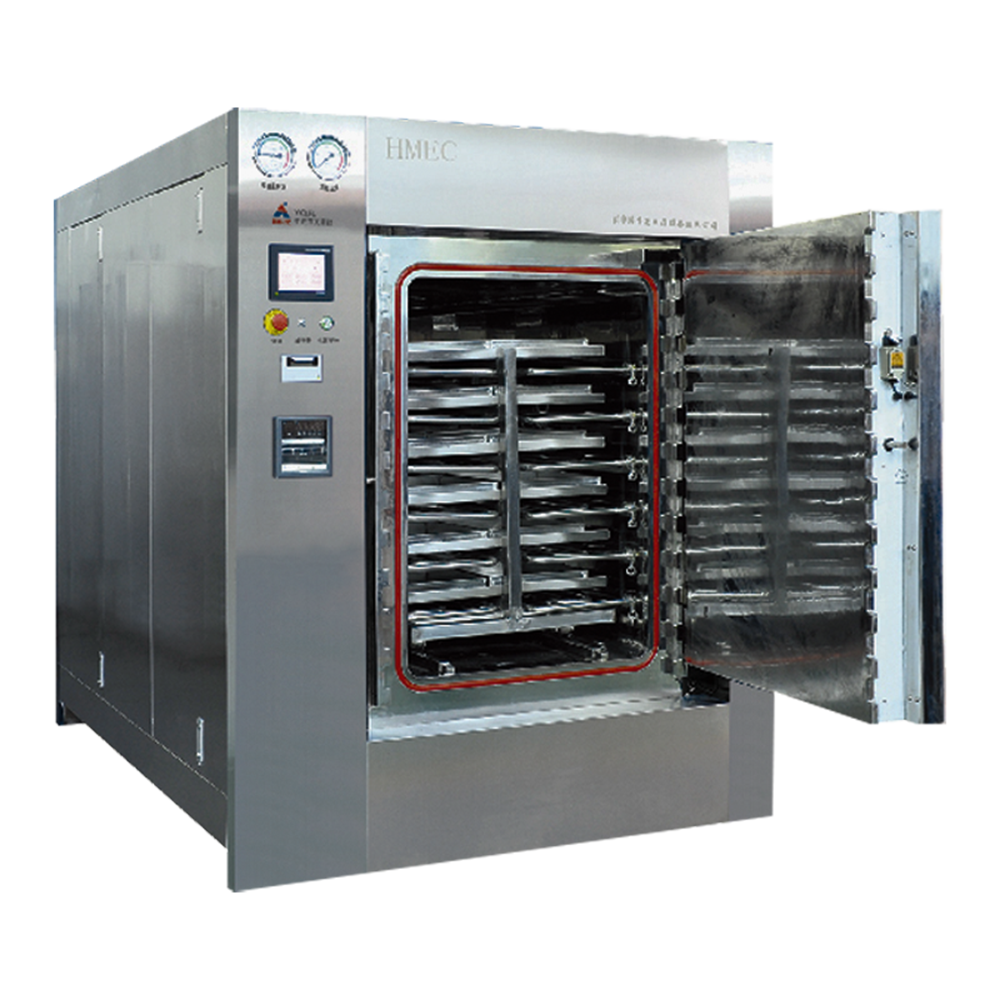
The sterilizer performs moist heat sterilization operations on items with saturated steam as the st...
See Details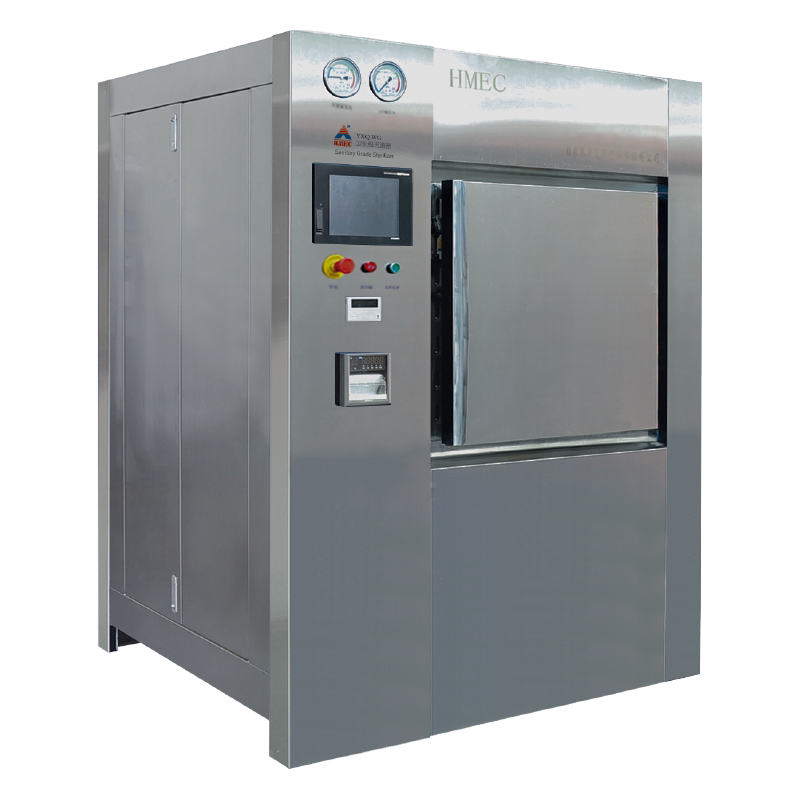
The sterilizer performs moist heat sterilization operations on items with saturated pure steam as th...
See Details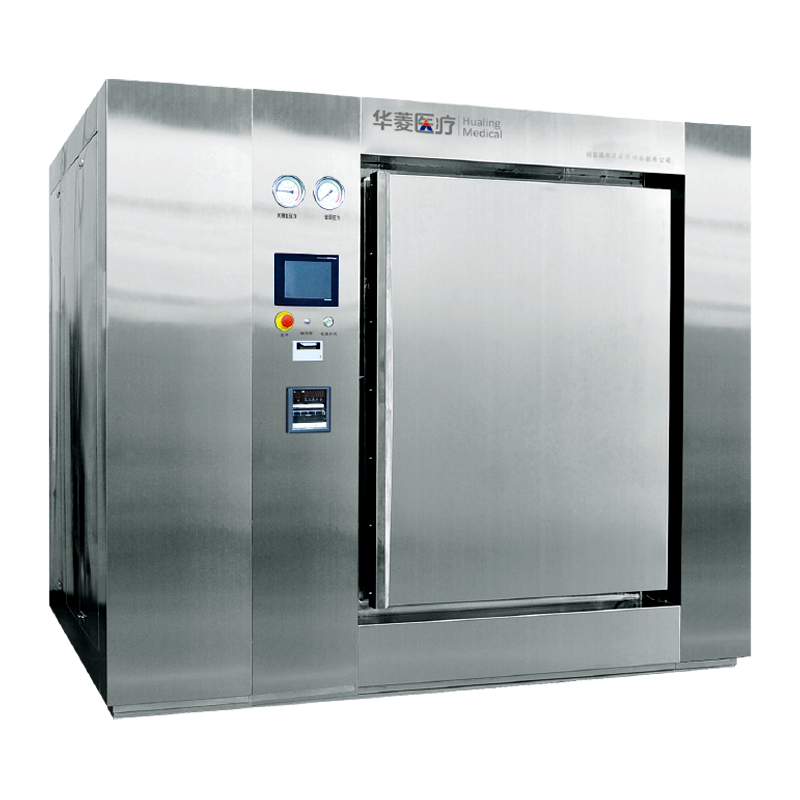
Water-bath type: The sterilized drugs are heated using water spraying using superheated water as the...
See Details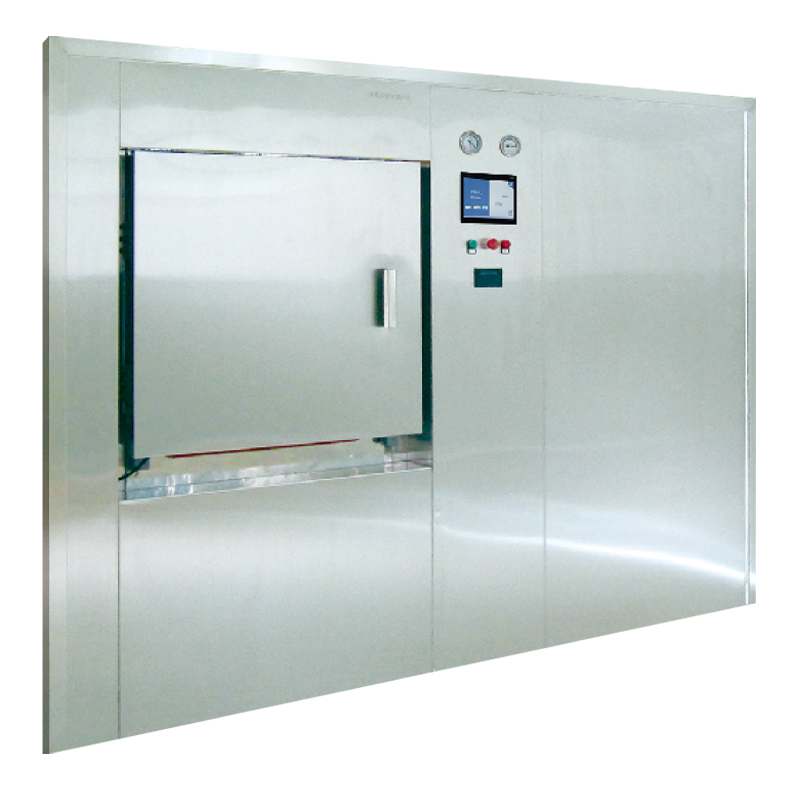
The sterilizer performs moist heat sterilization operations on items with saturated pure steam as th...
See Details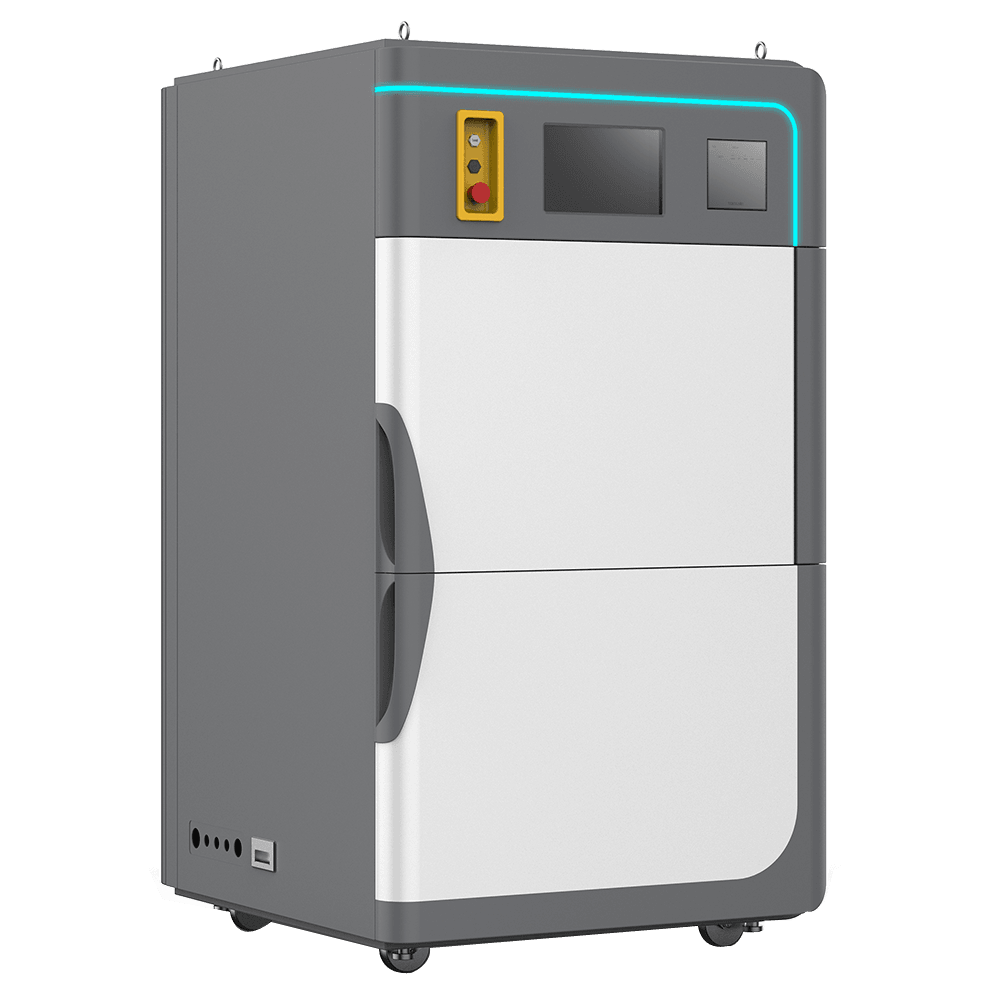
By the rapid penetration under vacuum conditions of a mixed gas of low-temperature (60℃ or 78℃) stea...
See Details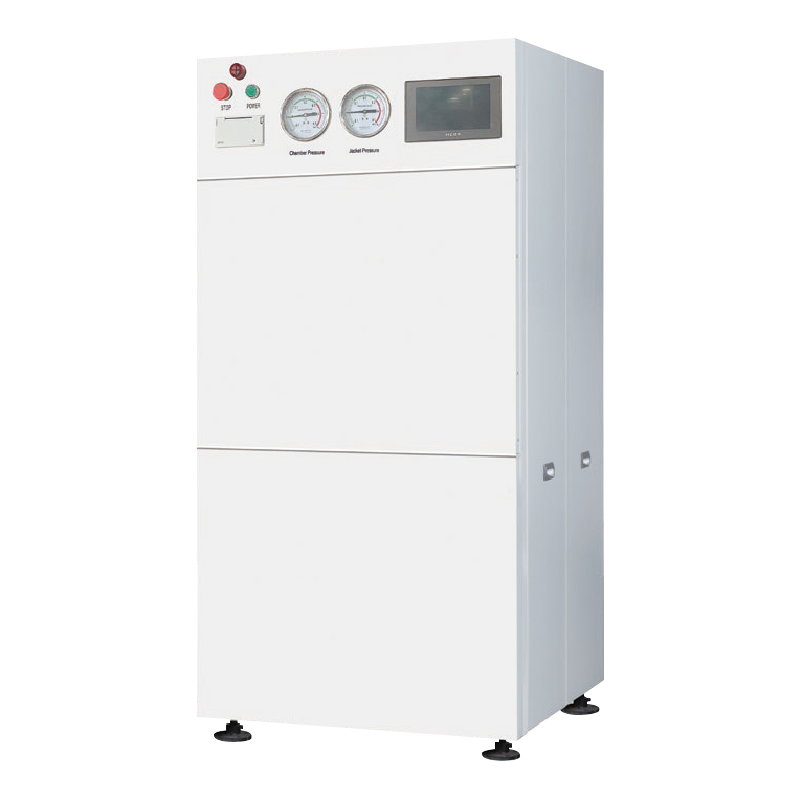
The Horizontal Steam Sterilizer utilizes saturated steam as the sterilizing medium, capitalizing on ...
See Details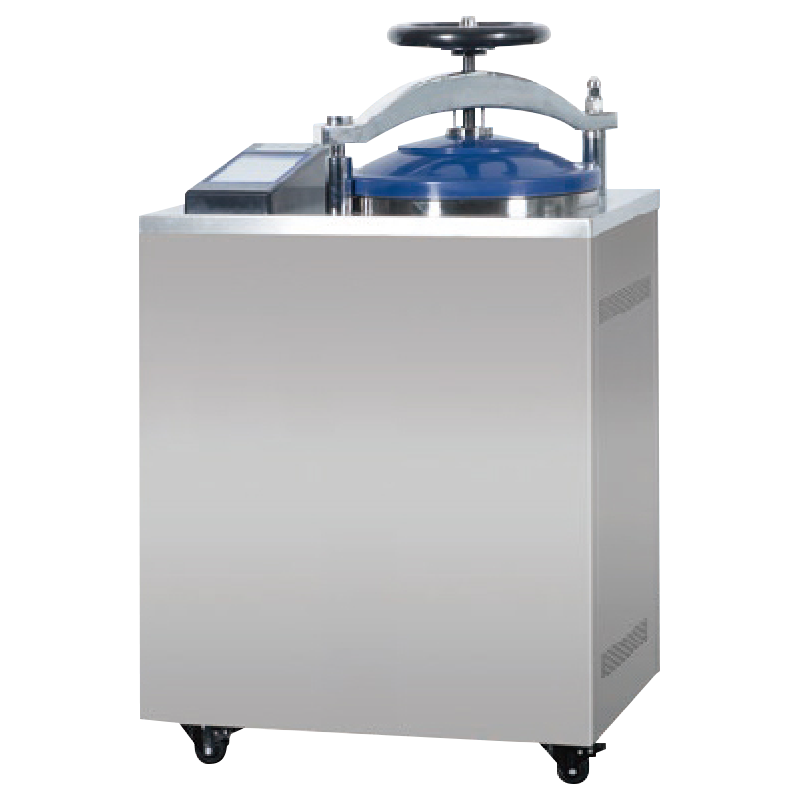
The Vertical Steam Sterilizer M Series (Pulsating Vacuum) is a safe and reliable sterilization solut...
See Details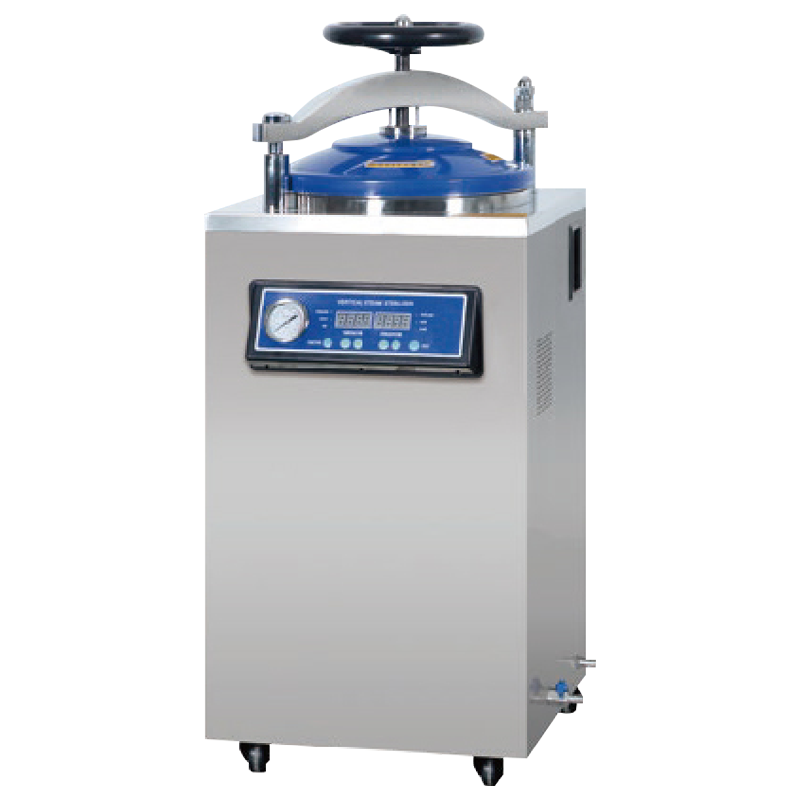
The Vertical Steam Sterilizer B Series offers a robust, automated solution for sterilizing a wide ra...
See Details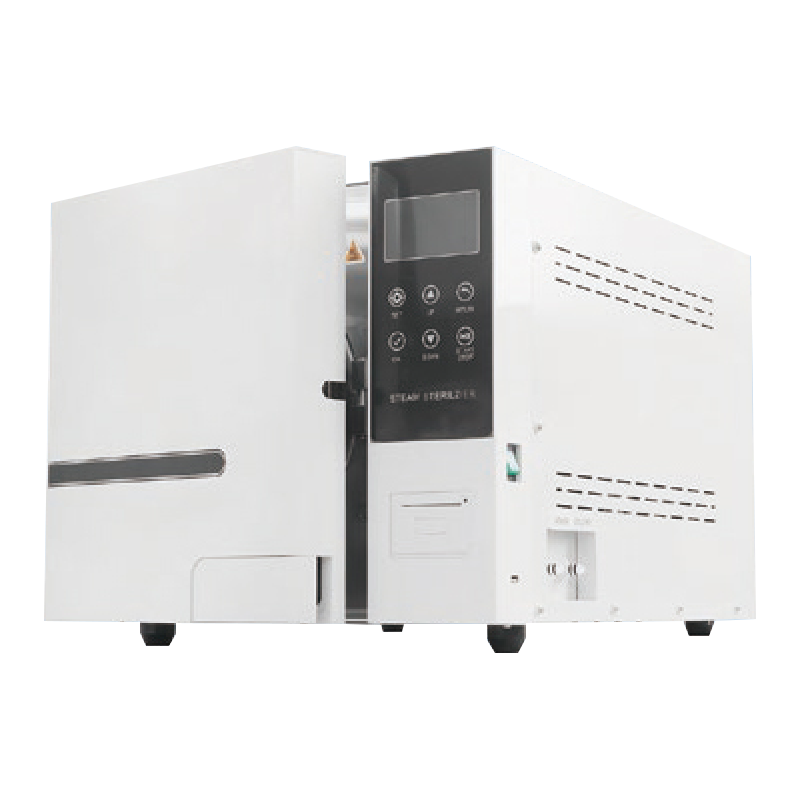
The Tabletop Steam Sterilizer YXQ.DX-X Series is a highly efficient and compact solution designed fo...
See Details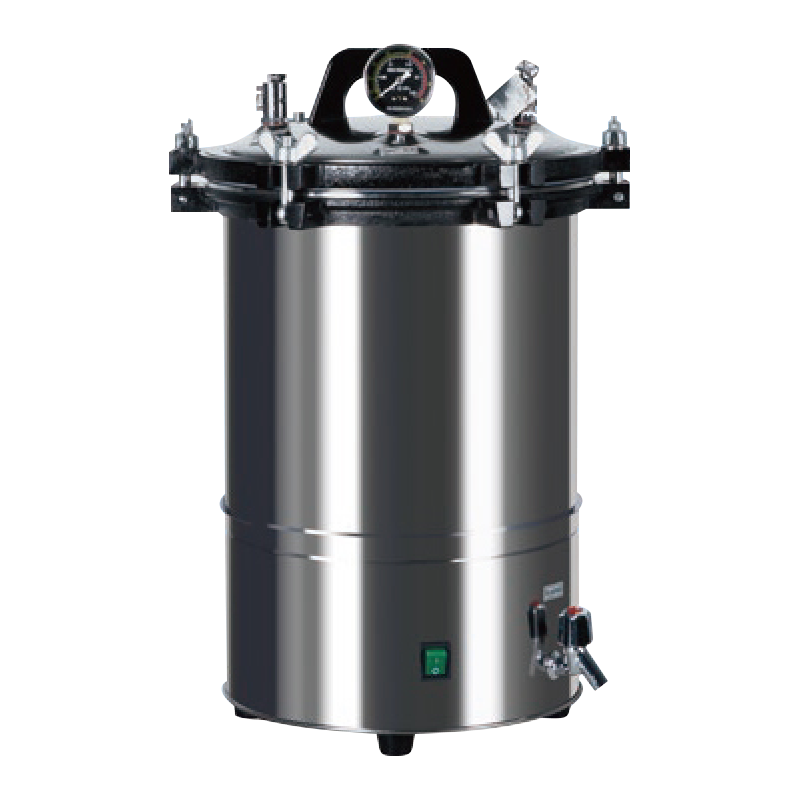
The Portable Pressure Steam Sterilizer Model YXQ.PPS-280A and A+ offers a compact and reliable solut...
See DetailsIntroduction to Sanitary Grade Sterilizer: Definition and Importance in Modern Sterilization Definit......
READ MOREIntroduction In today’s fast-paced world, ensuring the safety and sterility of products and material......
READ MOREIntroduction to Sterile Preparation Sterilizers What is Sterile Preparation? Sterile preparation ref......
READ MOREWhy Does Every Drug Require a Sterile Preparation Sterilizer? In modern medicine and pharmaceuticals......
READ MORE +(86) 18018151178
[email protected]
365 Nansha Sanjiali Road, Jingang Town, Zhangjiagang City, China
+(86) 18018151178
[email protected]
365 Nansha Sanjiali Road, Jingang Town, Zhangjiagang City, China
