 English
 русский
 Español
 عربى
عربى
 中文
中文

Traditional Chinese Medicine Sterilizer
Cat:Products
The sterilizer performs moist heat sterilization operations on items with saturated steam as the st...
See Details

A tabletop steam sterilizer is a compact, electrically powered pressure vessel designed to sterilize medical, dental, and laboratory instruments using pressurized saturated steam. The Z series designation typically refers to a family of Class B (pre-vacuum) autoclaves manufactured by various reputable brands, including BIOBASE (BKM-Z series), NEWMEEN (DGT-Z series), and Labio Scientific (BKM-ZB series). These units combine the space-saving convenience of benchtop design with the advanced air-removal capabilities of hospital-grade sterilizers.
The Z series operates on a simple yet powerful principle. A built-in vacuum pump actively removes air from the sterilization chamber before steam is introduced. This pre-vacuum phase is repeated in multiple pulses (typically 1 to 6 cycles, adjustable) to ensure that even the most challenging loads – hollow instruments, porous materials, and wrapped packs – are completely penetrated by saturated steam. Once the air is evacuated, steam is injected at high temperature (typically 121°C or 134°C) and pressure (up to 0.22 MPa), achieving sterilization by denaturing microbial proteins and destroying all viable microorganisms, including bacterial spores. After the sterilization phase, a vacuum drying cycle removes residual moisture, leaving instruments dry and ready for immediate use or storage.
Unlike basic gravity displacement autoclaves (Class N) that rely on passive steam displacement, Z series models use active vacuum technology. This makes them suitable for sterilizing wrapped instruments, hollow items like dental handpieces and endoscopes, porous textiles, and even liquids in sealed containers. The Z series represents the pinnacle of tabletop sterilization technology, offering performance that rivals much larger floor-standing units while fitting conveniently on a countertop.
To appreciate the Z series, you need to understand the three main autoclave classes defined by the international standard EN 13060. The differences lie in how each class removes air from the chamber before sterilization, which directly determines what types of items they can safely process.
Class N (Gravity Displacement): These are the most basic autoclaves. They operate on the principle that steam is lighter than air. As steam enters the chamber, it pushes air downward and out through a drain valve. This passive process is simple and inexpensive, but it leaves air pockets in hollow or porous items, creating cold spots where sterilization fails. Class N units are only suitable for sterilizing unwrapped, solid instruments – not for wrapped packs, hollow instruments, or textiles. Using a Class N autoclave for complex loads risks serious infection control failures.
Class S (Specific): These are intermediate autoclaves designed for specific load types as defined by the manufacturer. Some Class S units use a single vacuum pulse or steam flush to assist air removal. They offer more capability than Class N but are not as versatile as Class B. The suitability of a Class S autoclave depends entirely on the manufacturer's validation – you must strictly match your loads to the unit's approved uses. This limitation can be frustrating in busy clinics that process a variety of instrument types.
Class B (Pre-Vacuum / Large): This is the most advanced class, and the Z series belongs here. Class B autoclaves use a powerful vacuum pump to actively and forcibly remove over 99% of air from the chamber before steam is introduced. Multiple vacuum and pressure pulses ensure complete air removal even from the most challenging loads: long, narrow lumens; porous dressings; multiple wrapped packs; and even some liquids. Class B units are the standard for dental clinics, medical offices, and research laboratories worldwide because they offer universal sterilization capability. The Z series takes this technology further with features like automatic door opening, large full-color touchscreens, extensive data logging, and adjustable pulse vacuum cycles.
For any facility that sterilizes wrapped instruments, hollow items, or porous materials, a tabletop steam sterilizer Z series (Class B) is not a luxury – it is a necessity for regulatory compliance and patient safety. Using a Class N or inadequately validated Class S unit for these loads creates unacceptable risk.
The Z series encompasses a wide range of capacities to suit different practice sizes and throughput requirements. Understanding the available models helps you select the right size for your daily workload.
Compact models (8–12 liters): Units like the BKM-Z8BII and BKM-Z12BII are designed for small clinics, specialty practices, or facilities with limited space. With chamber dimensions of approximately φ170×310mm to φ200×360mm, these can handle small instrument sets, a few handpieces, or minor procedure packs. They are ideal for dermatology clinics, acupuncture practices, or small dental operatories with low instrument turnover. Power consumption is around 1.8kW, and gross weight is approximately 46kg.
Standard models (18–23 liters): This is the most popular size range for general dental and medical practices. The BKM-Z18B, BKM-Z24B, and DGT-18Z and DGT-23Z models offer chamber dimensions of approximately φ247×360mm to φ250×450mm. These can accommodate multiple instrument trays, several handpieces, or a full day's set of surgical packs. Power consumption ranges from 1.95kW to 2.2kW, with gross weights between 63kg and 70kg. Most standard Z series sterilizers include three stainless steel trays, a built-in water tank (3.5–4.0 liters), and a USB port for data export.
Large models (45–50 liters): For high-volume clinics, hospitals, or central sterilization departments, the DGT-45Z, DGT-50Z, LX278SS, and similar models provide chamber dimensions up to φ320×665mm. These units can process large instrument sets, multiple wrapped packs, or batch loads of up to 50 liters. Power consumption is higher at 3.5kW to 4.5kW, and gross weight ranges from 127kg to 150kg. These larger models often feature automatic door opening, advanced touchscreen interfaces, and more sophisticated drying cycles.
When selecting capacity, a practical rule is to estimate your daily instrument volume and add 20% margin. Buying a unit that is too small leads to multiple cycles and wasted time; buying one that is too large wastes bench space and energy. For most single-operator dental practices, an 18-liter model is sufficient. For group practices or surgical centers, 23 liters or larger is advisable.
Modern Z series sterilizers are equipped with features that go far beyond basic sterilization. These enhancements improve usability, safety, documentation, and process reliability.
Multiple sterilization programs: Z series units typically include a variety of pre-programmed cycles for different load types: packed instruments, unpacked instruments, rapid cycles, custom programs, HIV/HBV long-sterilization programs, and more. This versatility allows you to select the optimal cycle for each load without guesswork.
Large LCD display or touchscreen: Models like the DGT Z series feature a 4.7-inch full-color LED touchscreen, while others offer large LCD displays that show real-time temperature, pressure, time, operating status, and failure warnings. This interface makes cycle selection intuitive and provides immediate feedback on sterilization progress.
Built-in printer and USB data logging: Most Z series sterilizers include either a standard USB port (for exporting cycle data to a flash drive) or an optional mini printer. Some advanced models offer both. This documentation capability is essential for regulatory compliance, as it provides a permanent record of each cycle's parameters – critical for audits, quality assurance, and liability protection.
Automatic door opening (selected models): The DGT Z series features a motorized automatic door structure that opens and closes with the push of a button. This reduces the risk of contamination during manual handling and adds convenience in high-throughput settings.
Adjustable pulse vacuum cycles: Advanced Z series models allow you to adjust the number of pre-vacuum pulses from 1 to 6. This customization lets you optimize air removal for particularly difficult loads, such as long, narrow lumens or densely packed textiles.
High-efficiency air filtration: Many Z series units include a 0.22μm HEPA filter that sterilizes air drawn into the chamber during the vacuum break phase. This prevents recontamination of sterile instruments and ensures that the air entering the chamber is free of microorganisms.
Safety systems: Z series sterilizers are equipped with multiple safety features: hand-lock doors with pressure interlock (prevents opening while chamber is pressurized), relief valves for overpressure protection, over-temperature protection, water level warning, and automatic shut-off at cycle completion. These systems protect both the operator and the equipment.
The versatility of Z series sterilizers makes them suitable for a wide range of professional settings. Understanding the applications helps you justify the investment to stakeholders.
Dental clinics: This is the most common application. Dental practices need to sterilize handpieces, contra-angles, forceps, elevators, mirrors, and other reusable instruments. The Z series is ideal because its vacuum system can penetrate the narrow lumens of dental handpieces – something that Class N sterilizers cannot do reliably. Many dental regulatory bodies explicitly require Class B sterilizers for this reason.
Medical clinics and offices: General practitioners, dermatologists, podiatrists, and minor surgery centers use Z series sterilizers for forceps, scalpels, scissors, biopsy punches, and other reusable surgical instruments. The ability to process wrapped packs is particularly valuable, as instruments can be sterilized and stored until needed.
Ophthalmology: Ophthalmic practices require sterilization of delicate microsurgical instruments. The gentle vacuum and drying cycles of Z series units protect these instruments while ensuring sterility.
Veterinary clinics: Veterinarians perform surgeries and dental procedures on animals, requiring sterilization of surgical packs, dental instruments, and grooming tools. The Z series provides the same Class B performance as human medical sterilizers.
Laboratories and research facilities: Research labs use Z series sterilizers for glassware, culture media (with appropriate liquid cycles), biohazardous waste, and laboratory instruments. The data logging feature is particularly valuable for GLP/GMP compliance.
Tattoo and piercing studios: Professional body art studios must sterilize needles, tubes, and other equipment between clients. A Z series sterilizer provides documented, verifiable sterilization that meets health department requirements.
When purchasing a tabletop steam sterilizer Z series, certification and regulatory compliance are non-negotiable. Using an uncertified or non-compliant sterilizer exposes your practice to legal liability and patient safety risks.
Look for the following certifications and standards compliance:
Medical device certification: In most countries, steam sterilizers for medical use must be registered as medical devices. In China, look for a Class II Medical Device Registration Certificate. In the European Union, CE marking under the Medical Device Regulation (MDR) is required. In the United States, FDA 510(k) clearance or registration is necessary.
Quality management systems: Reputable manufacturers operate under ISO 13485 (quality management for medical devices) and ISO 9001 (general quality management). These certifications indicate that the manufacturer follows consistent quality and safety processes.
Performance standards: The sterilizer should comply with EN 13060 (small steam sterilizers) or an equivalent standard. This standard defines the performance requirements for Class B, S, and N sterilizers. Compliance ensures that the unit has been validated for its intended uses.
Pressure vessel certification: In many jurisdictions, the chamber must be certified as a pressure vessel. Look for compliance with local pressure equipment directives (such as the European PED or Chinese pressure vessel regulations).
Before finalizing a purchase, ask the supplier for copies of relevant certificates. If the supplier cannot provide them or is evasive, consider that a major red flag. Cheap, uncertified sterilizers from unknown manufacturers may save money upfront but pose serious risks of inadequate sterilization and regulatory non-compliance.
Proper installation is critical for safe and reliable operation. Follow these guidelines to ensure your Z series sterilizer is set up correctly.
Location and clearances: Place the sterilizer on a level, sturdy, heat-resistant countertop or dedicated stand. Leave adequate clearance around the unit for ventilation and maintenance: typically at least 10–15 cm (4–6 inches) behind the unit, 10 cm on each side, and sufficient space in front to open the door fully (usually 40 cm or more). Do not place the sterilizer near heat sources, direct sunlight, or water splashes. Ensure the location has adequate ventilation to dissipate heat generated during cycles.
Electrical requirements: Z series sterilizers typically operate on 110V or 220V AC, 50/60 Hz. Confirm your local voltage matches the unit's specification. Most units draw between 1.8 kW and 4.5 kW. For larger models, a dedicated circuit may be required to avoid tripping breakers. Never use extension cords – plug the sterilizer directly into a grounded wall outlet.
Water supply: As discussed below, Z series sterilizers require distilled or demineralized water. The built-in water tank (typically 3.5 to 4.0 liters) must be filled before operation. Some models have a top-access tank; others have a front-accessible tank. Always use freshly distilled water. Do not use tap water, spring water, or bottled drinking water – the mineral content will damage the sterilizer over time.
Initial setup and calibration: After unpacking, allow the sterilizer to acclimate to room temperature for several hours before first use. Perform an initial cleaning of the chamber and trays with a soft cloth. Then run a test cycle (often a vacuum test or a BD test) to verify that the unit is functioning correctly. Some models have an automatic calibration routine. Record the results of the initial test for your records.
One of the most common causes of sterilizer failure is using the wrong type of water. Every Z series sterilizer requires distilled or demineralized water – and for good reason.
Tap water contains dissolved minerals such as calcium, magnesium, and silica. When tap water is heated to generate steam, these minerals precipitate out and form scale (limescale) on heating elements, chamber walls, and steam lines. Scale buildup reduces heating efficiency, clogs narrow passages, and can ultimately cause the heating element to burn out. Scale particles can also contaminate instruments, leaving white residues on sterile items.
In contrast, distilled water has had nearly all minerals removed (total dissolved solids typically under 10 ppm). Using distilled water prevents scale formation, prolongs the life of the sterilizer, and ensures that the steam generated is pure and free of contaminants. Most Z series sterilizers consume about 0.16–0.18 liters of distilled water per cycle. A full 3.5–4.0 liter tank typically provides 20–25 cycles before refilling.
For facilities without a convenient source of distilled water, consider investing in a small benchtop water distiller. This pays for itself quickly by preventing costly sterilizer repairs. Never use tap water, even for a single cycle – the damage accumulates over time and may void the manufacturer's warranty.
Even the best tabletop steam sterilizer Z series requires regular validation to ensure it is actually achieving sterility. Regulatory standards such as ISO 17665 and EN 285 require ongoing performance monitoring. Three types of tests are essential.
Bowie-Dick test (air removal test): This test is run daily (before the first cycle) on pre-vacuum sterilizers. It uses a special test pack containing chemical indicator sheets. A uniform color change across the indicator indicates that air has been effectively removed and steam has penetrated the pack completely. If the indicator shows uneven color change (often with a central spot), it indicates residual air or a vacuum system problem. The Bowie-Dick test is sensitive and rapid, detecting air leaks, inadequate air removal, and non-condensable gases.
Vacuum test: Most Z series sterilizers have a built-in vacuum test program. This test measures how well the chamber holds vacuum over time. A significant pressure rise indicates a leak in the chamber door seal or vacuum system. The vacuum test is typically run weekly or after any maintenance that could affect chamber integrity.
Biological indicators (spore tests): This is the gold standard for sterilization validation. A biological indicator contains highly resistant bacterial spores (usually Geobacillus stearothermophilus). The indicator is processed through a normal sterilization cycle, then incubated. If the spores are killed, the indicator shows no growth (a "pass"). If spores survive, growth occurs (a "fail"). Biological indicators should be run weekly or monthly, depending on regulatory requirements, and whenever a new sterilizer is installed or repaired. Some modern Z series sterilizers offer rapid biological indicators that provide results in 20–30 minutes.
Chemical indicators: These are used on each pack to verify that the pack has been exposed to sterilization conditions. Chemical indicators change color when exposed to certain combinations of temperature, time, and steam. While not as definitive as biological indicators, they provide immediate visual confirmation for each cycle.
Keep a logbook of all test results, including the date, type of test, result, and operator initials. This documentation is essential for regulatory audits and quality assurance programs.
Regular maintenance prolongs the life of your tabletop steam sterilizer Z series and ensures consistent performance. Follow this maintenance schedule:
Daily (after each day's use): Wipe the chamber interior and trays with a soft, damp cloth to remove any residues. Leave the door slightly ajar to allow the chamber to dry completely. Clean the door gasket (seal) with a cloth – debris on the gasket can cause vacuum leaks. Empty the water tank and rinse it with distilled water. Check the water level sensor for any mineral buildup.
Weekly: Perform a vacuum test (if available) to check for leaks. Clean the air filter (if equipped) according to manufacturer instructions. Some models have a washable foam filter; others require replacement.
Monthly: Run a Bowie-Dick test to verify air removal performance. Inspect the door gasket for cracks or wear – replace if damaged. Check all electrical connections and power cord for damage. Descale the chamber if necessary (using a descaling solution approved by the manufacturer – never use abrasive cleaners).
Annually (or after every 500–1000 cycles): Schedule a professional service inspection. The technician should calibrate temperature and pressure sensors, check the vacuum pump performance, test safety valves, and replace worn seals. Many manufacturers recommend annual service regardless of cycle count.
As needed: Replace the door gasket every 2–3 years or when it becomes hard, cracked, or flattened. Replace the water tank filter (if equipped) according to manufacturer recommendations. Some Z series units have a 0.22μm air filter that should be replaced annually.
Using distilled water exclusively dramatically reduces maintenance requirements. Facilities that use tap water may need monthly descaling – a clear sign of why distilled water is essential.
Poorly maintained sterilizers are a major public health hazard. If you ever doubt the performance of your unit, run biological indicators immediately and discontinue use until the issue is resolved.
With proper maintenance and the exclusive use of distilled water, a quality tabletop steam sterilizer Z series can last 8 to 10 years or more. The stainless steel 304 chamber is highly durable and resistant to corrosion. The main wear components are the door gasket, the vacuum pump, and the heating elements.
Low-quality, "economical" tabletop autoclaves may last only 24 months under heavy use, particularly if they are not designed for serviceability. This is one reason why investing in a reputable Z series sterilizer from a known manufacturer is cost-effective in the long run. Cheaper units may require replacement twice as often, resulting in higher total cost of ownership.
Some premium European and Chinese Class B autoclaves are engineered for 50,000 cycles or more, with third-party validation of chamber integrity. When evaluating lifespan, consider the manufacturer's warranty: a longer warranty (3 years on parts, 5 years on the chamber) is a good indicator of expected longevity.
Several manufacturers produce high-quality Z series sterilizers. Here are the most recognized names in the market:
BIOBASE (BKM-Z series): A leading Chinese manufacturer with strong international distribution. The BKM-Z18B and BKM-Z24B are popular for their reliability, large LCD display, USB data logging, and competitive pricing. BIOBASE offers 3-year warranties and extensive technical support. Their sterilizers are CE marked and comply with ISO 13485.
NEWMEEN (DGT-Z series): Known for innovative features like motorized automatic door opening and adjustable 1-6 pulse vacuum cycles. The DGT-18Z through DGT-50Z models feature full-color LED touchscreens and a built-in printer. These are excellent choices for high-volume facilities that value automation.
Labio Scientific (BKM-ZB series): Offers a comprehensive range from 8L to 24L, with user-friendly interfaces, open-type water tanks for easy cleaning, and optional printers. Their units are widely used in dental and medical clinics across Asia and Europe.
Tuttnauer (EZ and T-Edge series): A premium international brand with a long history in sterilization. While their tabletop units are not always labeled "Z series," their Class B models offer comparable performance. Tuttnauer units are known for robust construction and excellent after-sales support, but they come at a higher price point.
W&H (Lisa VA-11 series): An Austrian brand specializing in dental equipment. Their Class B tabletop sterilizers feature full-color displays, high-quality vacuum systems, and compact footprints. W&H units are popular in European dental practices.
When comparing brands, look beyond the initial purchase price. Consider warranty length, availability of spare parts, technical support responsiveness, and the cost of consumables (gaskets, filters, printer paper). A slightly more expensive unit from an established brand may prove more economical over its lifespan.
Understanding total cost of ownership (TCO) helps you make a financially sound decision. The TCO includes purchase price, installation, consumables, energy, maintenance, and eventual replacement.
Purchase price: A standard 18L Z series sterilizer typically ranges from $1,500 to $3,500, depending on brand and features. Premium European brands may cost $5,000 to $8,000. Larger 45–50L models can exceed $10,000. While the initial outlay seems high, remember that sterilization is a critical safety function – cutting corners here is false economy.
Consumables: Annual costs include distilled water (approximately $50–$100 per year), printer paper and ribbon (if using a built-in printer), biological indicators (approximately $10–$20 per test), and chemical indicators. Budget $200–$500 annually for consumables.
Maintenance: Annual professional service costs $200–$500 per visit, depending on your location and the service provider. Gasket replacement every 2–3 years costs $50–$150. Vacuum pump service may be needed after 5–7 years of heavy use.
Energy: A Z series sterilizer uses 1.8–4.5 kW per cycle. At average electricity rates ($0.12/kWh), each cycle costs $0.22–$0.54. For a clinic running 10 cycles per day, energy costs are $50–$120 per month.
Return on investment: Consider what a sterilization failure would cost your practice: lost instruments, patient infections, regulatory fines, legal liability, and reputational damage. A single serious incident could cost far more than the sterilizer itself. From this perspective, investing in a high-quality Z series sterilizer is one of the best risk-management decisions you can make.
Even the best equipment occasionally encounters issues. Here are common problems and solutions.
Problem: The sterilizer fails to reach the required temperature or pressure. Possible causes: insufficient water in the tank, a faulty heating element, or a clogged steam line. Check the water level first. If water is adequate, run a test cycle while monitoring the temperature display – if the temperature does not rise, the heating element may need replacement.
Problem: The vacuum pump runs continuously or makes unusual noise. This indicates a vacuum leak or pump wear. Check the door gasket for debris or damage. Run a vacuum test – if the chamber cannot hold vacuum, the gasket or door seal is likely leaking. For persistent noise, the pump may require professional service.
Problem: Wet packs after drying cycle. Inadequate drying is often caused by overloading the chamber, insufficient drying time, or a clogged air filter. Reduce the load size. Increase drying time in the program settings. Check and clean or replace the air filter.
Problem: Error code on display (e.g., water level warning, door interlock failure). Consult your user manual for the specific error code. Common solutions: refill the water tank, ensure the door is fully closed, or restart the unit. If the error persists, contact technical support.
Problem: The door will not open after cycle completion. This is a safety feature – the door remains locked while the chamber is pressurized. Wait for the pressure to return to atmospheric (the display should show 0 pressure). If pressure does not release, use the manual pressure release valve (if equipped) following manufacturer instructions. Never force the door open.
What does the Z in Z series stand for? The "Z" designation is used by several manufacturers (such as BIOBASE BKM-Z series and NEWMEEN DGT-Z series) to denote their advanced Class B tabletop sterilizers. While it does not have a universal technical meaning, it generally indicates a unit with pre-vacuum technology, multiple program options, and data logging capabilities, distinguishing it from basic N or S class models.
Is a tabletop steam sterilizer Z series suitable for sterilizing liquids? Yes, but with caution. Many Z series sterilizers have dedicated liquid cycles that use slower exhaust rates to prevent boiling over. However, for large volumes of liquid (media, solutions), a floor-standing autoclave with specialized liquid cycles may be more appropriate. Always use containers designed for autoclaving and never seal them completely.
How long does a typical sterilization cycle take on a Z series sterilizer? A complete cycle (including heating, sterilization, and drying) typically takes 25–45 minutes. The exact time depends on the selected program, load size, and unit model. Rapid cycles for unwrapped instruments may be as short as 15–20 minutes. Wrapped instruments and porous loads require longer cycles, often including extended drying phases of up to 30 minutes.
Can I use my Z series sterilizer for both medical instruments and laboratory glassware? Yes, but avoid cross-contamination. In medical settings, sterilize clinical instruments separately from laboratory glassware. Run the appropriate program for each load type. Clean glassware thoroughly before sterilization to remove chemical residues that could damage the chamber or instruments.
How do I know when to replace my Z series sterilizer? Consider replacement when: (1) repair costs exceed 50% of a new unit's price, (2) the unit fails to pass biological indicator tests despite servicing, (3) the chamber shows visible corrosion or pitting, (4) replacement parts are no longer available, or (5) the unit no longer meets current regulatory standards. Most facilities replace sterilizers every 8–12 years.
What is the difference between a tabletop sterilizer and a portable sterilizer? Tabletop sterilizers are designed to be placed on a countertop and connected to a power outlet; they are not intended for frequent relocation. Portable sterilizers are smaller, lighter, and may be designed for mobile use (e.g., in field clinics). Z series units are tabletop models – not portable, but small enough for benchtop installation.
Does a Z series sterilizer require a special electrical outlet? Most 18–23L Z series units operate on standard 110V or 220V outlets (depending on your region). Larger 45–50L models may require a dedicated circuit due to higher power draw (3.5–4.5 kW). Check the specifications and consult an electrician if uncertain.
How much bench space does a Z series sterilizer need? Typical external dimensions for an 18L model are approximately 495mm (W) × 600mm (D) × 410mm (H). Allow additional space for ventilation (100mm behind, 100mm on sides) and door clearance (400mm in front). Plan your workspace accordingly before purchase.
Can I get remote monitoring or IoT features on a Z series sterilizer? Some premium Z series models and European Class B sterilizers offer connectivity options including USB, Ethernet, Wi-Fi, and even cloud integration for remote monitoring and data logging. This is particularly valuable for facilities that need centralized sterilization records. Check with your supplier about available connectivity options.
What is the warranty on a typical Z series sterilizer? Warranties vary by brand. BIOBASE offers 3 years on parts and labor. NEWMEEN provides similar coverage. Premium European brands may offer 2-year warranties with optional extended service plans. Always verify warranty terms, including what is excluded (e.g., consumables like gaskets, damage from tap water use).
How do I validate a new Z series sterilizer after installation? After installation, run a full validation protocol including: (1) three consecutive biological indicator tests with Geobacillus stearothermophilus spores, (2) a Bowie-Dick test to verify air removal, (3) a vacuum test to check chamber integrity, and (4) temperature mapping (if required by your regulatory body). Document all results and keep them in your validation file. Thereafter, follow the daily, weekly, and monthly testing schedule described above.
Can I sterilize N95 masks or other PPE in a Z series sterilizer? No. Steam sterilization will damage most types of PPE, including N95 masks, degrading their filtration efficiency and fit. Follow manufacturer guidelines for PPE reprocessing – many are single-use only. Some facilities use hydrogen peroxide vapor or UV light for mask reprocessing, but this is not a standard use for steam sterilizers.
What should I do if the biological indicator test fails? Stop using the sterilizer immediately. Quarantine any instruments processed since the last successful test. Run a vacuum test and Bowie-Dick test to identify the problem. Check the door gasket, water quality, and cycle parameters. After correcting the issue, run three consecutive successful biological indicator tests before returning the sterilizer to service. Document the failure and corrective actions thoroughly.
Do I need a separate water distiller for my Z series sterilizer? While not strictly required (you can purchase distilled water commercially), a benchtop water distiller is highly recommended. It ensures a continuous supply of mineral-free water, reduces plastic waste from store-bought water jugs, and typically pays for itself within one to two years compared to purchased distilled water.
What is the difference between a Class B sterilizer and a Z series sterilizer? Class B is the performance class defined by EN 13060 (pre-vacuum, universal load capability). Z series is a product line designation used by specific manufacturers (BIOBASE BKM-Z, NEWMEEN DGT-Z) that happen to be Class B units. In practice, when someone says "Z series sterilizer," they are referring to a Class B tabletop autoclave from one of these manufacturers. All Z series units are Class B, but not all Class B units are called Z series.
Can I get a tabletop steam sterilizer Z series with a built-in printer? Yes, many models include either a built-in printer or a standard USB port for data export. Some offer both. If documentation is important for your regulatory compliance (e.g., for audits), choose a model with a built-in printer or ensure that the USB export function is compatible with your record-keeping system. Some advanced models also offer wireless printing or cloud storage.
What is the noise level of a Z series sterilizer during operation? Most Z series sterilizers operate at noise levels below 65 dB – comparable to a normal conversation or a running refrigerator. The vacuum pump and water fill valve are the primary noise sources. If noise is a concern, place the sterilizer away from patient consultation areas. Some high-end models are specifically designed for quiet operation (below 50 dB).
How do I move or relocate a Z series sterilizer? Tabletop sterilizers are heavy – an 18L model may weigh over 60 kg (130 lbs). Always follow the manufacturer's moving instructions. Drain the water tank completely. Secure the door to prevent it from opening during transit. Lift using proper technique or equipment; do not attempt to move the unit alone. After relocation, allow the sterilizer to acclimate for several hours before use, then run a validation test sequence.
Is training required to operate a Z series sterilizer? Yes. Every person who operates the sterilizer should receive formal training on: (1) proper loading and unloading techniques, (2) cycle selection for different load types, (3) water quality requirements, (4) daily and weekly maintenance tasks, and (5) how to respond to alarms or error messages. Document all training. Many manufacturers provide training materials and on-site instruction. Untrained operators are a major source of sterilization failures.
Final recommendation: For any dental, medical, veterinary, or laboratory facility that sterilizes wrapped instruments, hollow items, or porous materials, a tabletop steam sterilizer Z series (Class B) is not an optional upgrade – it is the minimum standard for safe, compliant practice. Invest in a reputable brand, use only distilled water, follow the maintenance schedule rigorously, and validate performance regularly. Your patients, your staff, and your professional reputation depend on it.
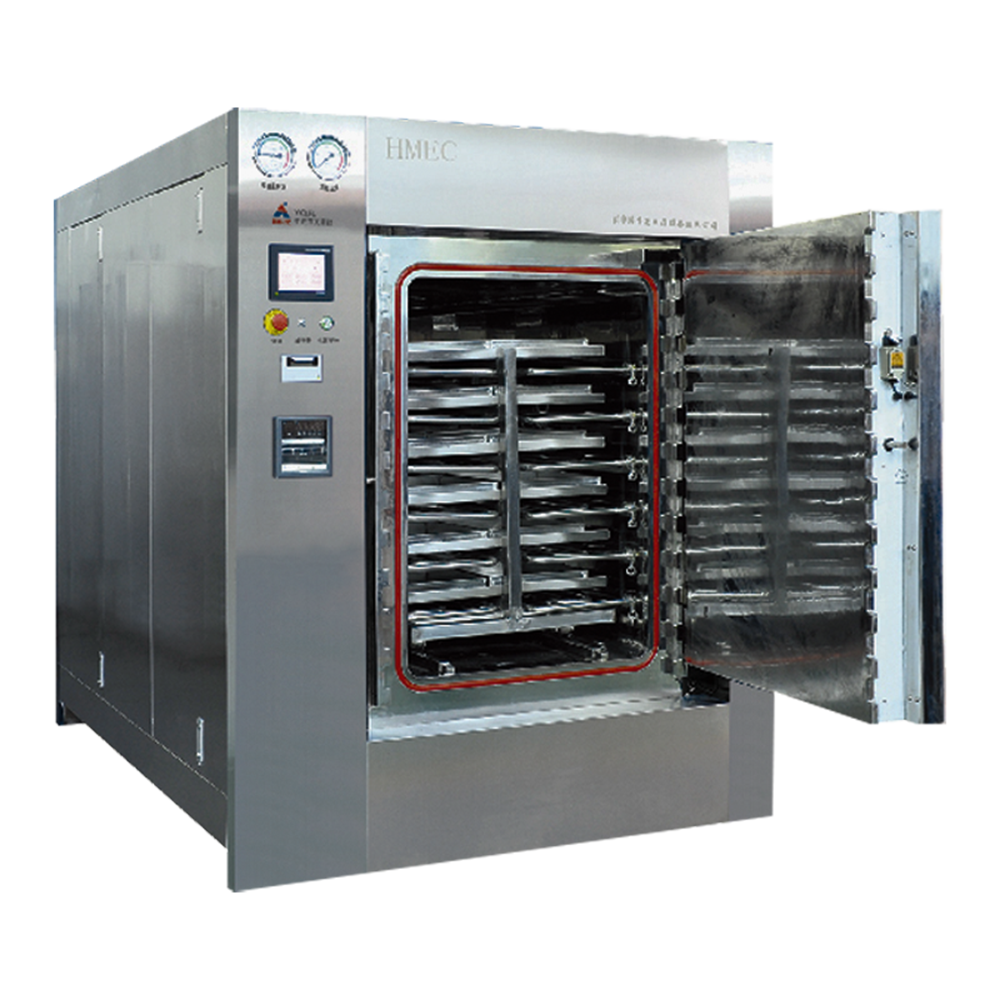
The sterilizer performs moist heat sterilization operations on items with saturated steam as the st...
See Details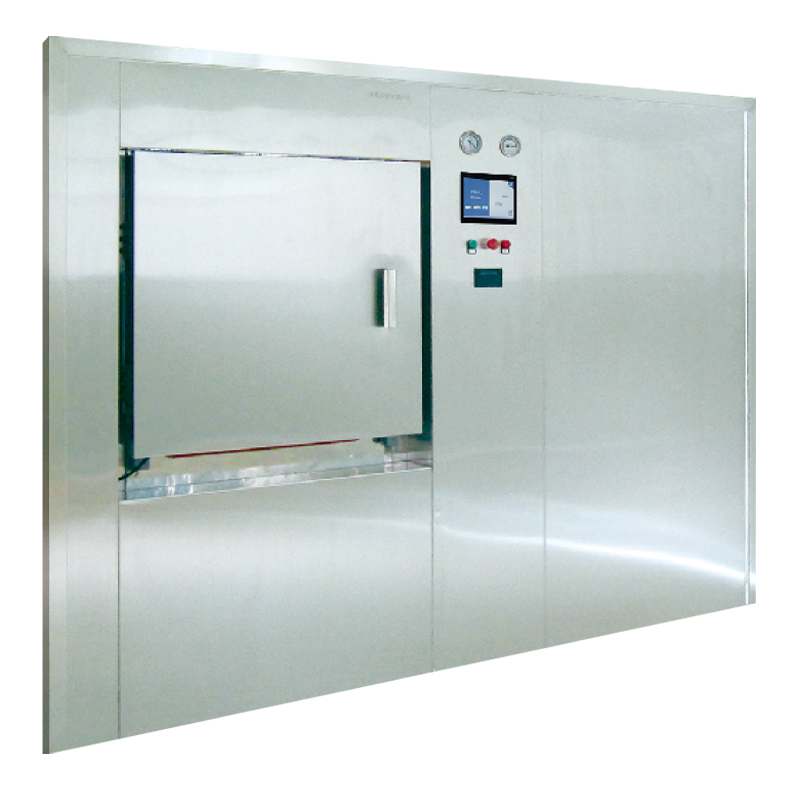
The sterilizer performs moist heat sterilization operations on items with saturated pure steam as th...
See Details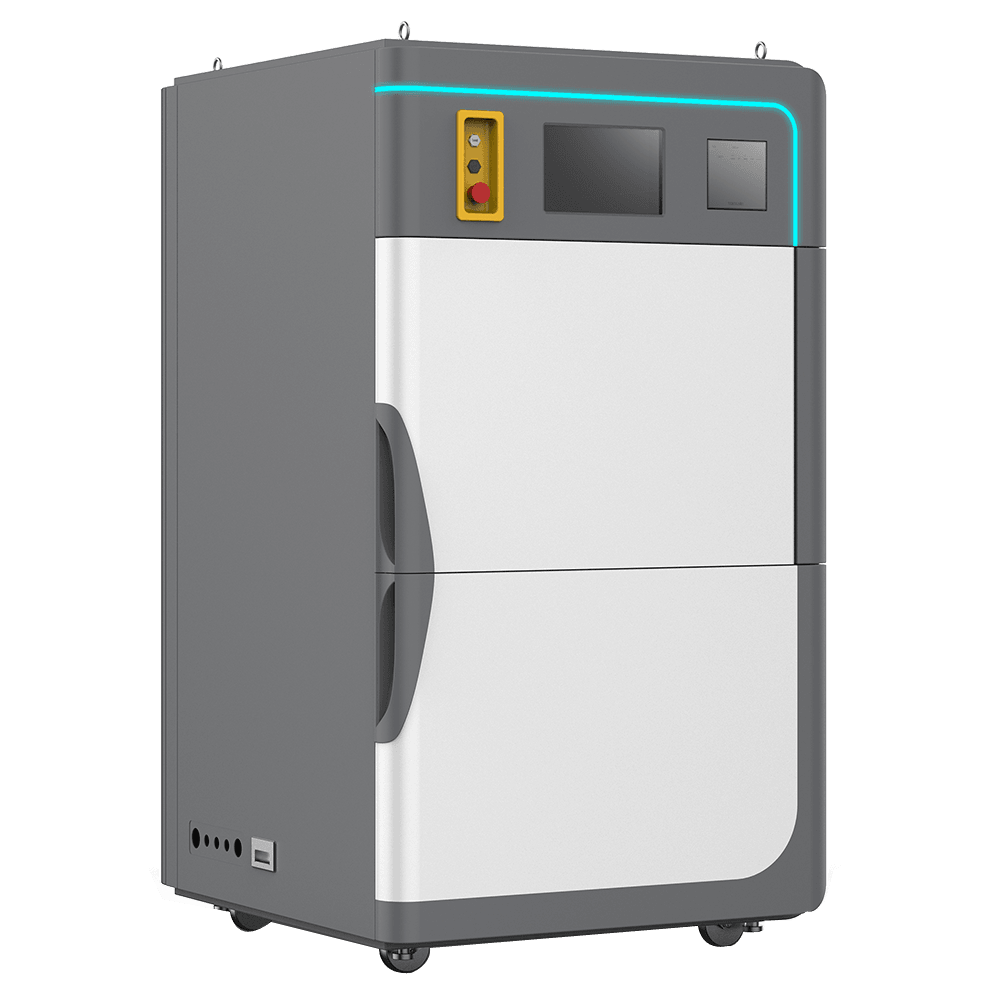
By the rapid penetration under vacuum conditions of a mixed gas of low-temperature (60℃ or 78℃) stea...
See Details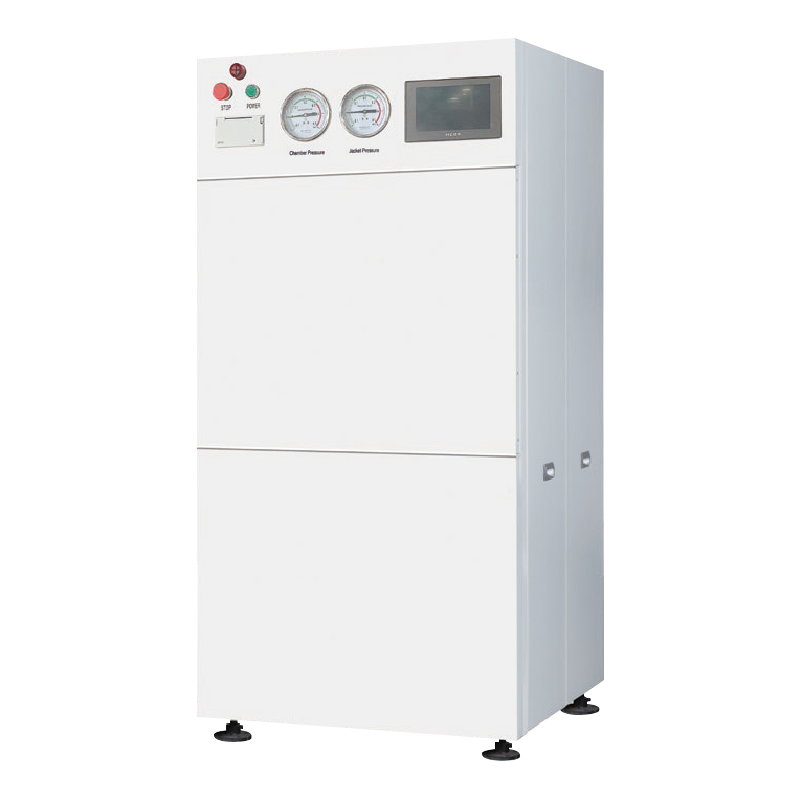
The Horizontal Steam Sterilizer utilizes saturated steam as the sterilizing medium, capitalizing on ...
See Details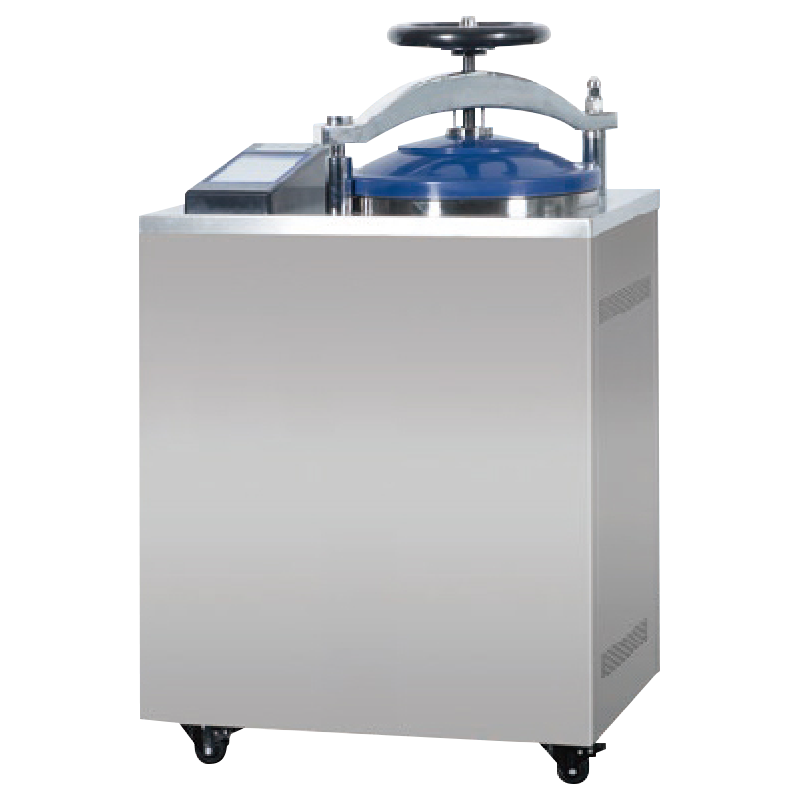
The Vertical Steam Sterilizer M Series (Pulsating Vacuum) is a safe and reliable sterilization solut...
See Details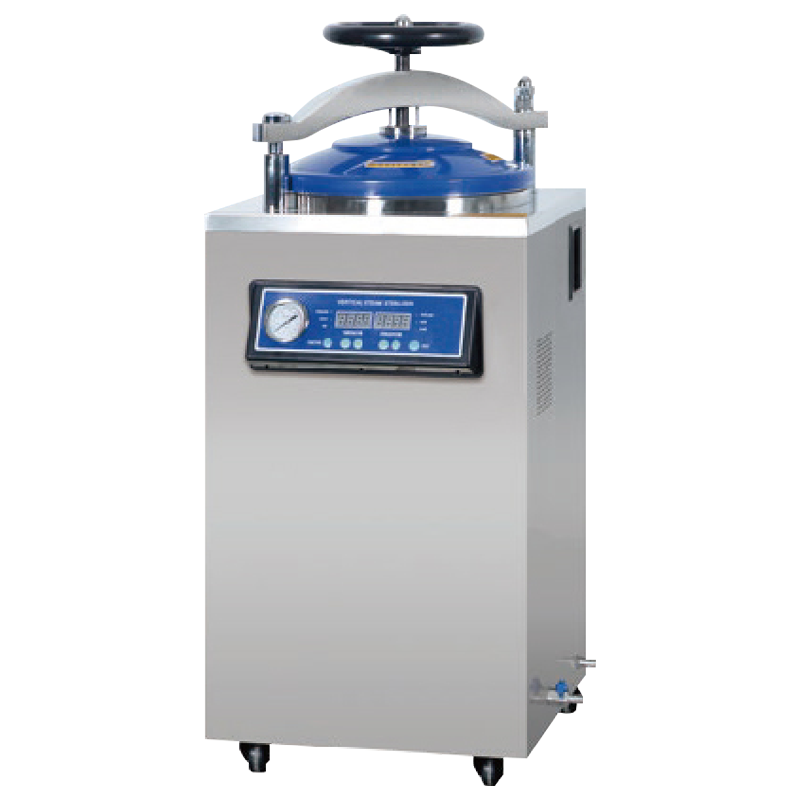
The Vertical Steam Sterilizer B Series offers a robust, automated solution for sterilizing a wide ra...
See Details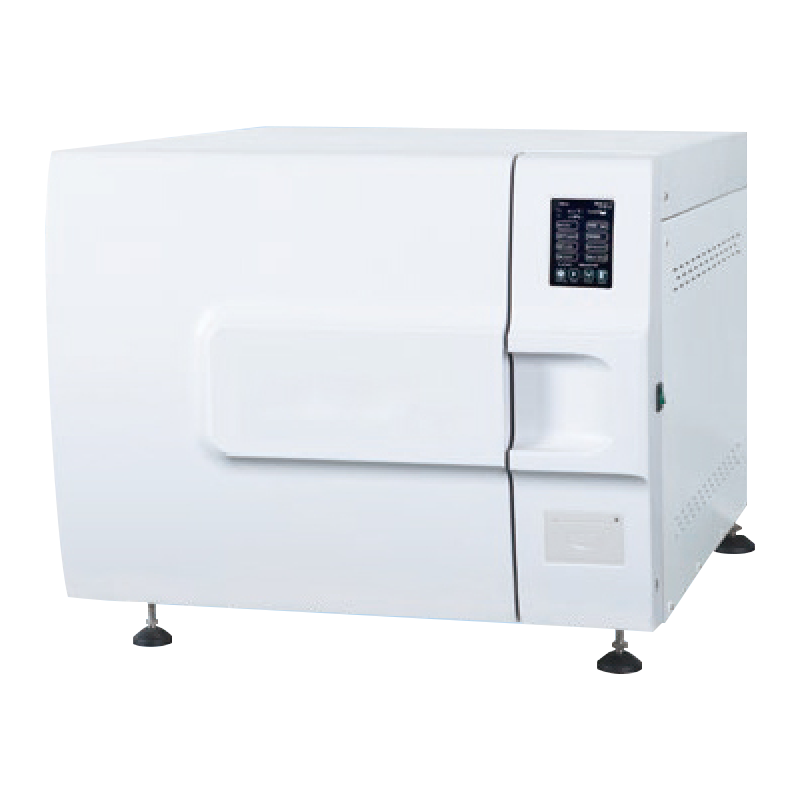
The Tabletop Steam Sterilizer Z Series is an efficient, user-friendly sterilization solution designe...
See Details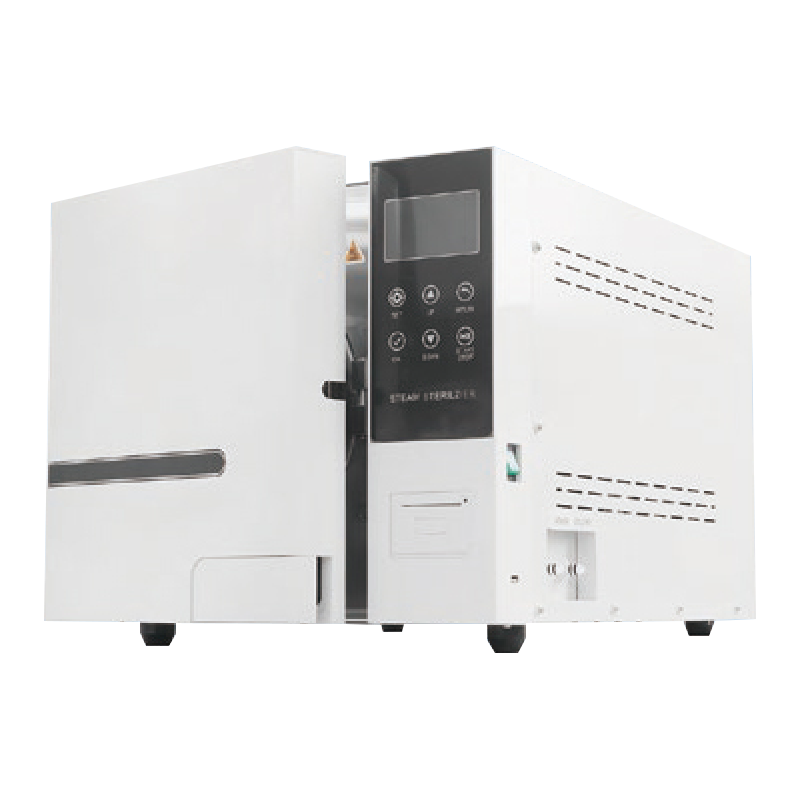
The Tabletop Steam Sterilizer YXQ.DX-X Series is a highly efficient and compact solution designed fo...
See Details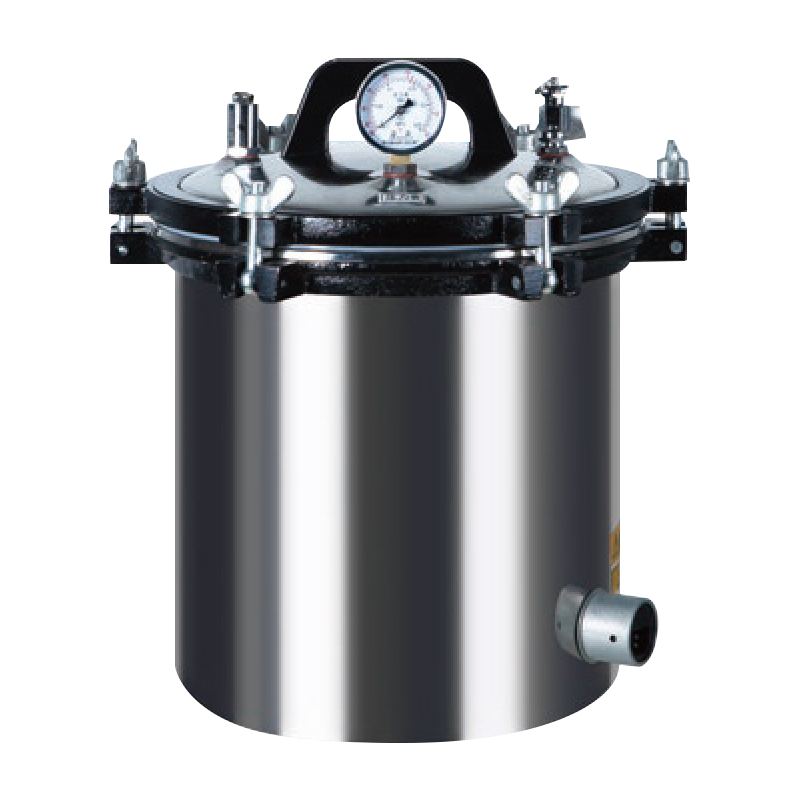
The YXQ.PPS-280C and C+ Portable Pressure Steam Sterilizer is a versatile dual-purpose sterilizer, o...
See Details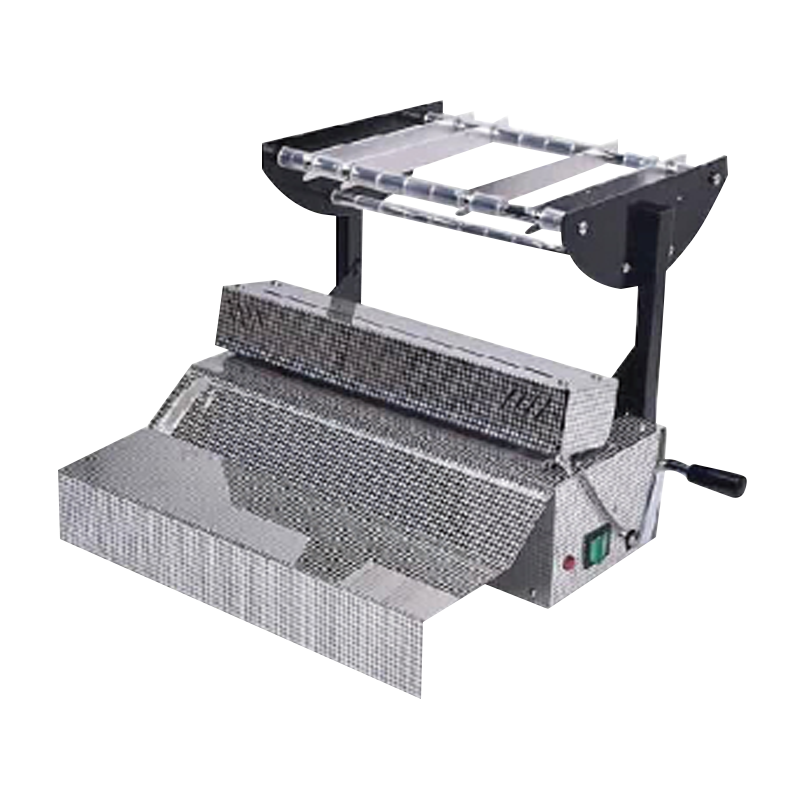
Product Usage:This type of sealing machine is used forsealing sterilizing bag, suitable for medicali...
See DetailsIntroduction to Sanitary Grade Sterilizer: Definition and Importance in Modern Sterilization Definit......
READ MOREIntroduction In today’s fast-paced world, ensuring the safety and sterility of products and material......
READ MOREIntroduction to Sterile Preparation Sterilizers What is Sterile Preparation? Sterile preparation ref......
READ MOREWhy Does Every Drug Require a Sterile Preparation Sterilizer? In modern medicine and pharmaceuticals......
READ MORE +(86) 18018151178
[email protected]
365 Nansha Sanjiali Road, Jingang Town, Zhangjiagang City, China
+(86) 18018151178
[email protected]
365 Nansha Sanjiali Road, Jingang Town, Zhangjiagang City, China
