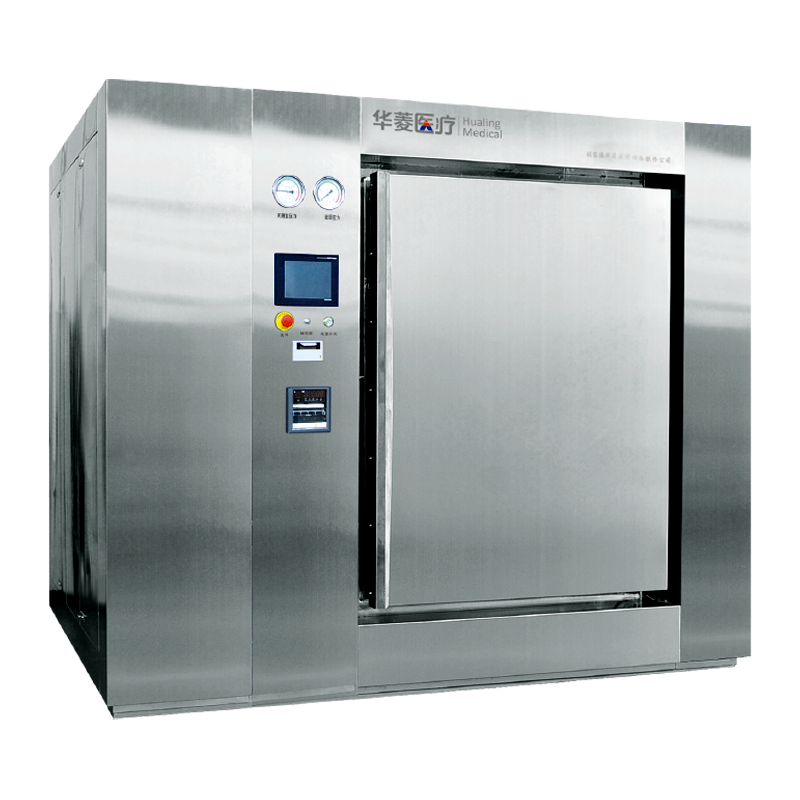
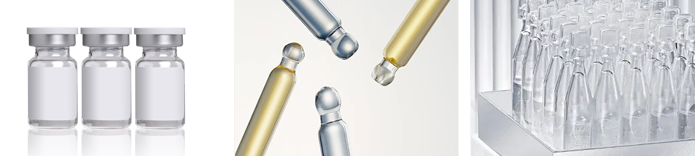
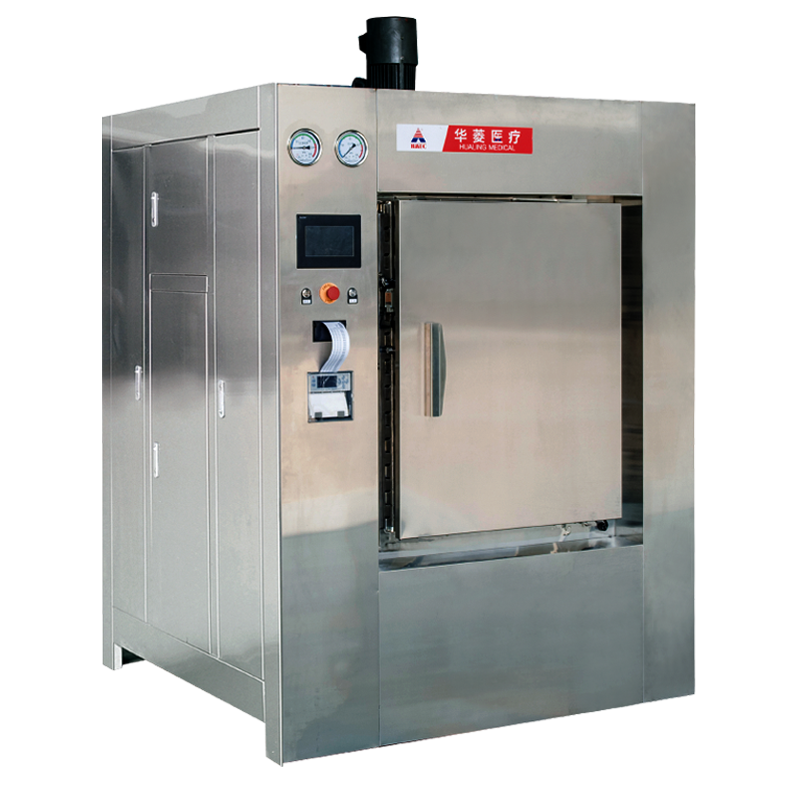
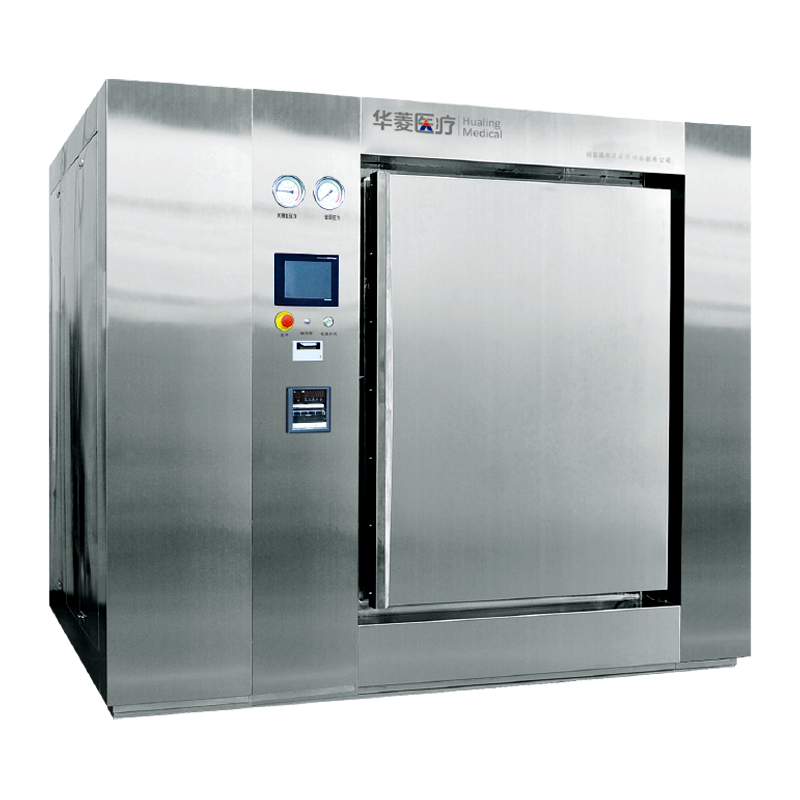
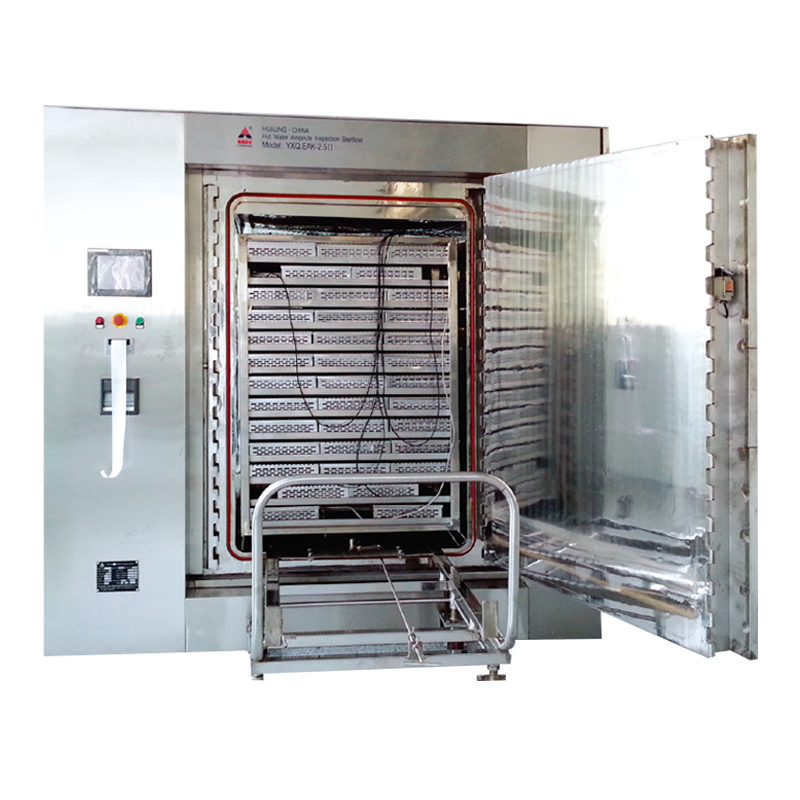
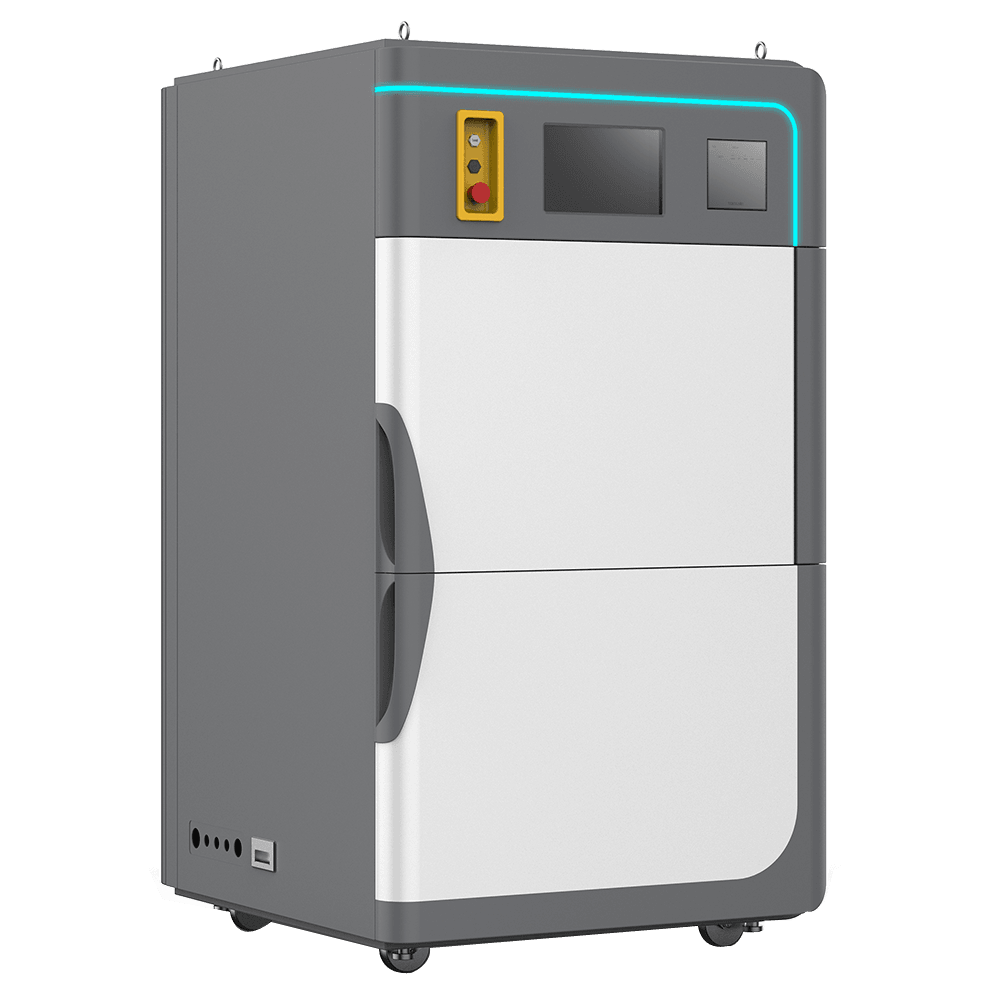
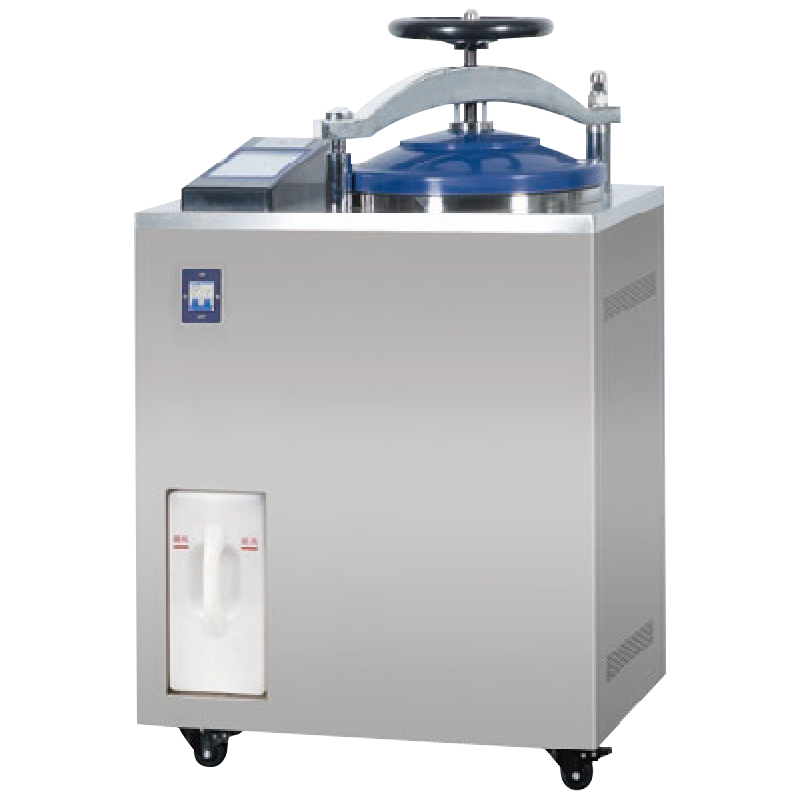
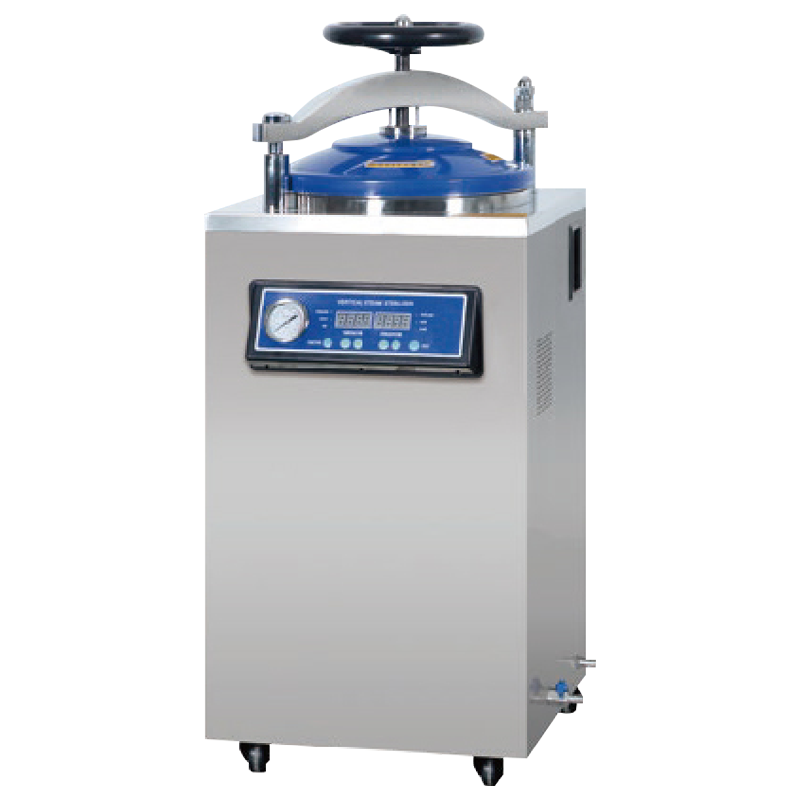
What sterilization methods are used in sterile preparation sterilizers?
In the pharmaceutical, medical device, biotechnology, and food industries, sterile preparation sterilizers are crucial core equipment for ensuring product sterility, safety, and regulatory compliance. Different process scenarios require distinct sterilization methods, so choosing the appropriate sterilization method directly impacts product quality, production efficiency, and regulatory compliance.
Founded in 1987, Zhangjiagang Hualing Medical Equipment Co., Ltd. has consistently focused on the design, R&D, production, and service of sterilization and disinfection equipment. We hold numerous national patents and play a key role in industry organizations such as the National Standardization Committee, the Disinfection and Sterilization Association, and the Pharmaceutical Equipment Association. This industry background and accumulated technical expertise enable us to provide customized sterilization solutions for clients in diverse fields and has accrued extensive experience in sterile preparation.
Steam Sterilization (Autoclaving)
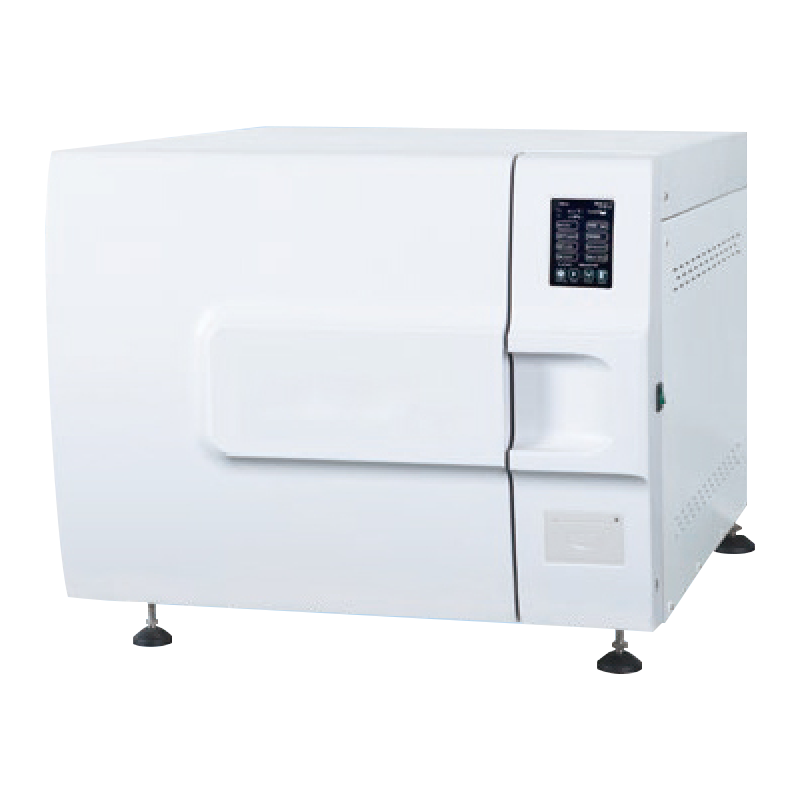
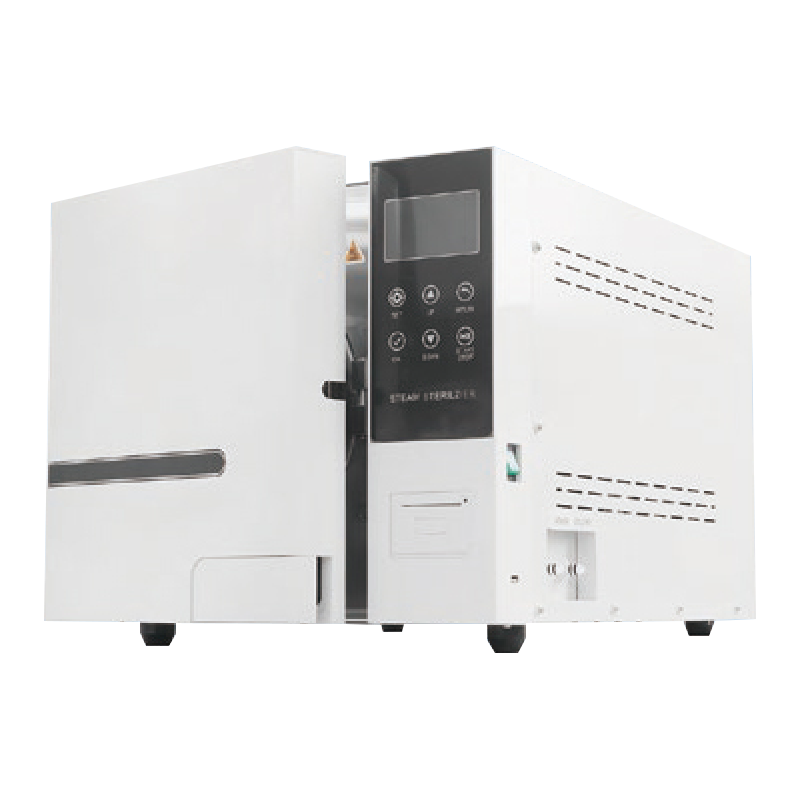
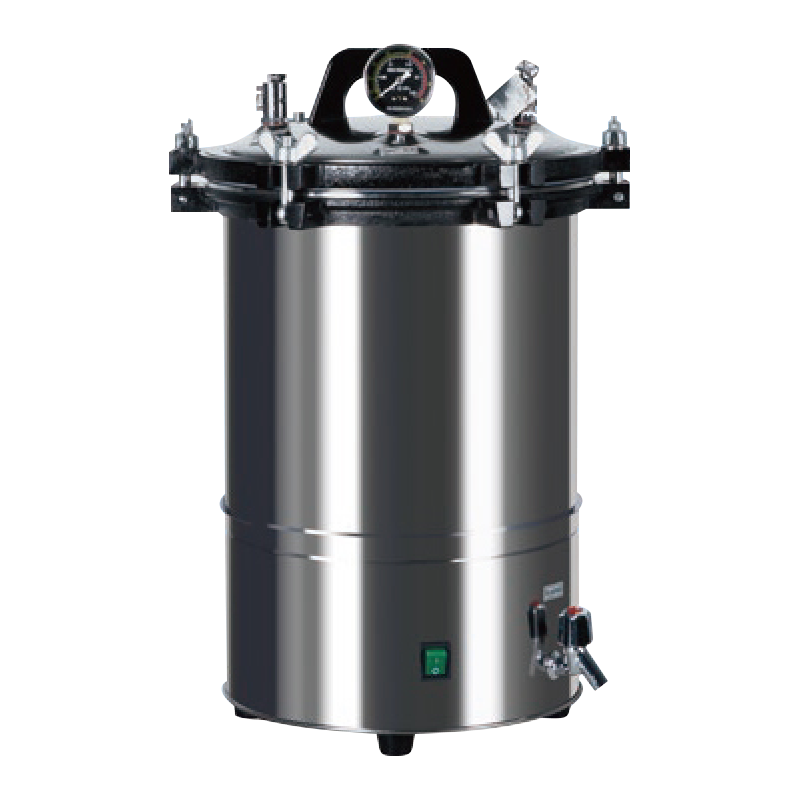
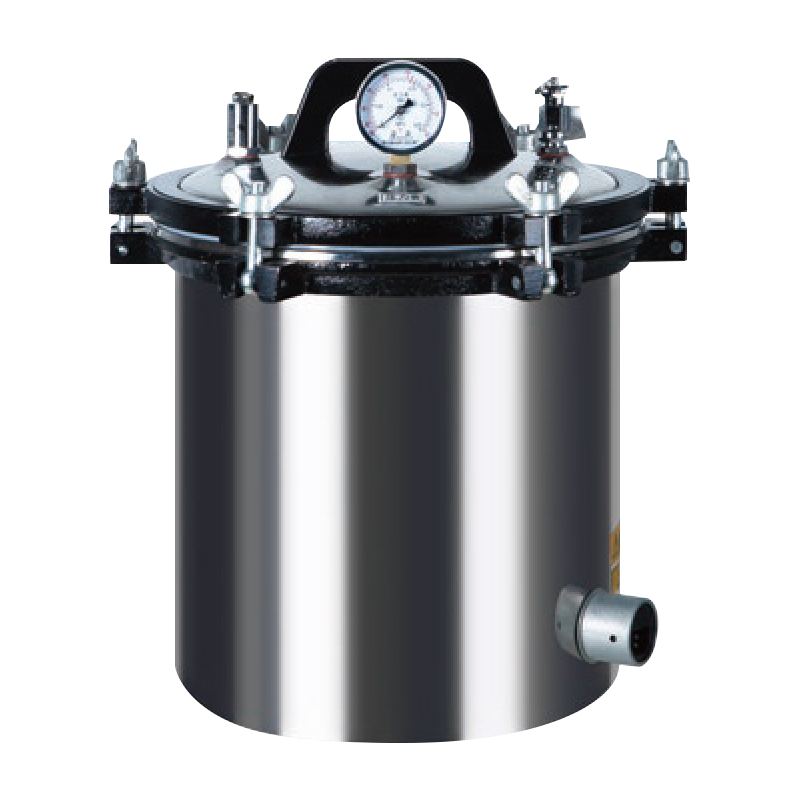
High-pressure steam sterilization is the most common and widely used sterilization method. This sterilization method uses saturated steam at high temperatures (typically 121°C or 134°C) in a sealed pressure vessel to sterilize materials. The high temperature and humidity effectively destroy microbial cell structures and proteins, achieving complete sterilization.
Advantages:
Short sterilization time and strong sterilization efficiency
Safe and effective for most heat-resistant materials
Mature process and comprehensive validation standards
Applications: Pharmaceutical raw materials, instruments, culture media, glass containers, etc.
Hualing Medical Equipment utilizes multi-point temperature monitoring and automatic pressure control technology in this type of sterilizer design to ensure uniform sterilization temperature and pressure distribution, improving batch consistency.
Dry Heat Sterilization
Dry heat sterilization uses high-temperature, dry air (160°C to 180°C) for a long period of time to destroy microbial proteins and dehydrate metabolic structures, thereby achieving sterilization. Advantages:
Effectively removes heat sources (endotoxins).
Suitable for items that cannot be exposed to moisture.
Excellent compatibility with metal and glassware.
Applications: Ampoules, vials, metal instruments, and laboratory instruments that are resistant to high temperatures and drying.
Hualing Medical Equipment's dry heat sterilization equipment is equipped with a high-efficiency air filtration system (HEPA) and circulating air temperature equalization technology, ensuring that the temperature difference throughout the chamber is controlled within ±2°C, meeting the GMP certification requirements of pharmaceutical companies.
Ethylene Oxide Sterilization (EO)
Ethylene oxide sterilization is a low-temperature sterilization method suitable for heat-sensitive materials. EO gas reacts with microbial proteins and DNA, achieving a sterilizing effect.
Advantages:
Low-temperature operation makes it suitable for heat-sensitive materials such as plastics and electronic components.
Can penetrate packaging materials, making it suitable for sterilizing finished product packaging.
Applications: Disposable medical consumables, catheters, surgical kits, and instruments with electronic components. Hualing Medical Equipment's EO sterilization equipment utilizes precise gas concentration control and a residual degradation system to effectively reduce ethylene oxide residues, complying with ISO 11135 standards.
Radiation Sterilization
Uses gamma rays (Co-60) or electron beams (E-beams) to irradiate materials, destroying microbial DNA chains and achieving sterilization.
Advantages:
Room-temperature sterilization, no heating required
Short sterilization time, enabling rapid batch processing
Strong penetrating power
Applications: Disposable medical dressings, plastic instruments, and pharmaceutical packaging materials.
Although radiation sterilization equipment requires a high investment, Hualing Medical Equipment can provide partners with radiation sterilization front-end supporting equipment and process integration services, enabling integrated sterilization solutions.
Filtration Sterilization
During the aseptic preparation process, some liquid pharmaceuticals or heat-sensitive solutions cannot withstand high temperatures. A 0.22-micron pore size filter membrane can be used to remove bacteria and achieve sterilization. Advantages:
Suitable for heat-sensitive and bioactive substances
Minimal impact on ingredients
Applications: Injectable pharmaceutical solutions, biological products, culture media
Hualing Medical Equipment can integrate filtration and sterilization modules with steam sterilization systems to achieve seamless sterility assurance throughout the entire liquid preparation process.
How does a sterile preparation sterilizer ensure the effectiveness of the sterilization process?
Precise temperature and pressure control
In high-pressure steam, dry heat, or gas sterilization, temperature and pressure are key parameters determining sterilization effectiveness. To ensure that every batch of products achieves the desired sterilization level, Hualing Medical Equipment utilizes multiple temperature and pressure sensors within the sterilizer to monitor and record temperature and pressure data in real time across the chamber.
Multi-point data collection: Avoids uneven sterilization caused by local temperature differences.
Automatic feedback control system: When temperature or pressure deviates from the set value, it automatically adjusts steam, heating, or air intake to ensure a stable sterilization process.
Uniform distribution of sterilization media
Uniform distribution of sterilization media (such as steam, hot air, or ethylene oxide gas) is crucial during the aseptic preparation process. Hualing Medical Equipment's sterilizers utilize an optimized air circulation system and chamber design to ensure smooth and comprehensive sterilization medium flow within the chamber, eliminating dead spots and inefficient areas.
A high-efficiency particulate air (HEPA) filtration system prevents external particle contamination.
A circulating fan and deflector ensure uniform temperature and humidity.
Strict Validation and Monitoring Methods
To ensure a repeatable and verifiable sterilization process, Hualing Medical Equipment supports a triple-indicator system:
Physical Monitoring: Temperature and pressure recorders collect key parameters in real time.
Chemical Indicators: Color changes verify that sterilization conditions are met.
Biological Indicators: Highly resistant microbial spores are used to verify the actual sterilization effectiveness.
Before the equipment ships, we conduct a Factory Acceptance Test (FAT) and can assist customers with on-site Installation Qualification (IQ), Operational Qualification (OQ), and Performance Qualification (PQ) to ensure the equipment achieves the intended sterilization results in actual production.
Automated Control and Data Traceability
Sterilization effectiveness depends not only on the physical process but also on the traceability of process control. Hualing Medical Equipment's sterilizers are equipped with a PLC automated control system and a touchscreen human-machine interface (HMI), enabling the following features:
Fully automated sterilization cycle programming reduces human error
Batch data recording and export, supporting PDF/CSV formats, meeting GMP documentation requirements
Abnormal alarms and safety interlocks immediately terminate operations in the event of insufficient temperature, abnormal pressure, or a leaking door
Process Optimization and Energy-Saving Design
Balancing sterilization effectiveness and energy consumption is a key concern in modern factories. Hualing Medical Equipment's designs utilize:
Rapid heating and cooling systems shorten cycle times
Heat recovery technology reduces steam and electrical energy consumption
Modular design facilitates maintenance and upgrades
These technologies not only ensure efficient and reliable sterilization processes but also help customers reduce operating costs in large-scale production.
Compliance with Industry Standards and Regulations
Hualing Medical Equipment's sterile preparation sterilizers strictly adhere to the following standards during design and manufacturing:
GMP (Good Manufacturing Practice)
ISO 17665 (Moist Heat Sterilization Validation Standard)
ISO 11135 (Ethylene Oxide Sterilization Standard)
ISO 11137 (Radiation Sterilization Standard)
How Sterile Preparation Sterilizers Handle Temperature and Pressure Fluctuations During the Sterilization Process
Precise Control of Temperature Fluctuations
In high-pressure steam, dry heat, or gas sterilization, temperature is the most important factor in sterilizing and killing microorganisms. Improper temperature control can result in inadequate sterilization or product damage.
Hualing Medical Equipment utilizes the following core technologies for temperature control:
Multi-Point Temperature Probe Layout
Multiple high-precision PT100 temperature sensors are positioned within the sterilization chamber to enable real-time temperature monitoring throughout the chamber, preventing uneven sterilization caused by local temperature differences.
PID Intelligent Control System
Using the proportional-integral-derivative (PID) algorithm, heating power and steam flow are precisely adjusted to ensure that the temperature profile is highly consistent with process settings. Preheating and Temperature Uniformity Design
The chamber is preheated before the sterilization cycle begins. Combined with optimized air circulation or steam distribution structures, this ensures uniform distribution of the sterilization medium temperature within a ±1-2°C range.
Stable Management of Pressure Fluctuations
During moist heat sterilization (steam sterilization), pressure and temperature are closely related, significantly impacting chamber sealing, product packaging safety, and operational safety.
Hualing Medical Equipment's technical highlights in pressure control include:
Real-time Pressure Acquisition and Feedback
A pressure sensor continuously collects chamber pressure data and correlates it with temperature data for synchronized regulation.
Step-by-Step Pressure Increase and Decrease Strategies
The sterilizer uses a gradual pressure increase during the heating process to prevent sudden pressure increases that could cause glassware breakage or packaging deformation. At the end of sterilization, pressure is released in stages to prevent sudden pressure drops that could cause boiling over or container damage.
Automatic Pressure Compensation
When external cooling conditions or medium fluctuations affect chamber pressure, the system automatically adjusts the steam inlet and exhaust valves to maintain the set pressure range.
Temperature-Pressure Coupling and Sterilization Curve Optimization
In moist heat sterilization, temperature and pressure are interrelated physical quantities. To ensure sterilization effectiveness, Hualing Medical Equipment's Sterile Preparation Sterilizer is equipped with a temperature-pressure coupling control algorithm. It automatically adjusts steam input, heating power, and exhaust rate during the heating, sterilization hold, and cooling phases, ensuring that the temperature and pressure profiles match the preset process curves.
For example:
During the heating phase, the system simultaneously controls steam flow and exhaust throttling to ensure that saturated steam fills the chamber and maintains humidity.
During the sterilization hold phase, fine-tuning steam input and exhaust rate minimizes temperature and pressure fluctuations, ensuring sterilization effectiveness.
During the cooling phase, vacuum assistance or air displacement technology is combined to steadily return the pressure to normal, preventing product deformation due to pressure differentials.
Data Recording and Traceability
Under the requirements of international standards such as GMP and ISO, temperature and pressure fluctuations must not only be controlled but also fully recorded for traceability. Hualing Medical Equipment integrates the following into its sterilizers:
Fully automatic batch data recording system
Real-time recording of key parameters such as temperature, pressure, and time, generating an unalterable digital archive.
Curve comparison function
Acting on-site temperature and pressure curves can be overlaid and analyzed with process standard curves to quickly identify anomalies.
Remote monitoring and data export
Customers can export and archive operational data via Ethernet or USB interfaces to meet audit and verification requirements.
Prioritizing Safety and Energy Saving
Temperature and pressure control are not only crucial for sterilization effectiveness but also directly impact equipment operational safety and energy efficiency.
Safety interlock system: Automatically shuts off the heating source and activates the pressure relief device when temperature or pressure exceeds safety thresholds.
Energy-saving design: Heat recovery and insulation systems reduce energy loss during the heating process.
Common Failures of Sterile Preparation Sterilizers and Their Troubleshooting Methods
In high-standard industries such as pharmaceuticals, medical devices, and biotechnology, sterile preparation sterilizers are essential, critical equipment in production lines. Their operational stability is directly related to product sterilization effectiveness and production efficiency. Although modern sterilizers are designed with a high degree of automation and reliability, they may still malfunction during long-term operation due to equipment wear, improper operation, or changes in the external environment. Promptly identifying and troubleshooting these malfunctions is crucial to ensuring production continuity and regulatory compliance.
Uneven heating or failure to reach the set temperature
Possible causes:
Insufficient steam pressure or interrupted steam supply
Aging or damaged heating element
Failed or misaligned temperature sensor
Poor chamber seal, resulting in heat loss
Troubleshooting:
Check whether the steam source or heating system is functioning properly
Test the resistance of the heating element to determine if it is damaged
Calibrate or replace the temperature sensor
Check for seal wear and replace it promptly
Hualing Medical Equipment's product design utilizes multi-point temperature monitoring and an intelligent PID control system, providing early warning of temperature anomalies and automatically adjusting heating power to minimize potential malfunctions.
Failure to build pressure or excessive pressure fluctuations
Possible causes:
Steam leak (bad valve, piping, or seal)
Pressure sensor failure
Abnormal exhaust valve operation, resulting in failure to maintain pressure
Troubleshooting:
Use soapy water to detect leaks in the piping and fittings
Check for normal pressure sensor output signals
Inspect the exhaust valve drive mechanism and seals, and replace if necessary
Hualing Medical Equipment's sterilizers are equipped with a dual pressure detection system, which automatically switches to a backup sensor if the primary sensor fails, ensuring uninterrupted production.
Incomplete Sterilization or Validation Failure
Possible Causes:
Uneven distribution of sterilization medium, resulting in localized areas not meeting the specified conditions; Overcrowded loading, hindering medium circulation; Improper sterilization cycle settings; Steam quality not meeting requirements (moisture content too high or too low);
Troubleshooting Methods:
Use biological indicators and chemical indicator cards to verify sterilization effectiveness at various locations within the chamber; Arrange materials appropriately according to GMP requirements to avoid dead spots; Check and optimize cycle parameters; Check and adjust steam dryness; Hualing Medical Equipment utilizes optimized airflow and steam distribution in chamber design and provides process validation support to ensure every batch achieves the desired sterilization results.
The door fails to open or close properly.
Possible causes:
Safety interlock system not released; Door drive mechanism stuck or pneumatic component failure; Seal ring expansion or adhesion to the cavity.
Troubleshooting:
Confirm the sterilization cycle has completed completely and the pressure has dropped to a safe level.
Check the lubrication of the door rails and cylinder.
Clean the seal ring and regularly replace any worn parts.
Hualing Medical Equipment utilizes multiple safety interlocks to prevent accidental door opening under high temperature and pressure, ensuring operator safety.
Control system malfunction or frequent alarms.
Possible causes:
PLC or HMI malfunction; Power supply voltage fluctuation or poor grounding; Sensor signal interference.
Troubleshooting:
Check the power and grounding systems; Test the PLC and HMI operating status; Check the shielding of sensor and signal cables.
Hualing Medical Equipment's control system supports remote diagnostics and software upgrades, providing rapid technical support to customers worldwide and minimizing downtime. 6. Excessive cooling time or insufficient material drying.
Possible causes:
Insufficient cooling water system pressure; Scaling in the heat exchanger affecting efficiency; Degraded vacuum pump performance.
Troubleshooting methods:
Check cooling water pressure and flow; Clean or replace the heat exchanger; Check the vacuum pump's ultimate vacuum level and repair or replace if necessary.
Hualing Medical Equipment utilizes efficient heat exchange and vacuum drying technologies in its equipment, effectively shortening cooling and drying times and improving production cycle times.

 English
 русский
 Español
 عربى
عربى
 中文
中文