 English
 русский
 Español
 عربى
عربى
 中文
中文

Traditional Chinese Medicine Sterilizer
Cat:Products
The sterilizer performs moist heat sterilization operations on items with saturated steam as the st...
See Details

A sterile preparation sterilizer is a specialized piece of equipment designed to eliminate all forms of microbial life—including bacteria, viruses, fungi, and highly resistant spores—from pharmaceutical products, containers, closures, and processing equipment. While the term "sterilizer" is a general one, in pharmaceutical manufacturing, it most commonly refers to a steam sterilizer (autoclave) that uses pressurized saturated steam to achieve sterilization.
Sterile preparation sterilizers are essential for producing sterile pharmaceuticals, including injectable drugs (vials, ampoules, prefilled syringes), ophthalmic solutions, sterile suspensions, and irrigation fluids. They are also critical for sterilizing the equipment used in aseptic processing—such as filling needles, tubing, stoppers, and glassware—as well as for decontaminating biohazardous waste and media solutions.
In a regulated environment, a sterilizer is not simply a piece of hardware; it is a validated system. Every sterile preparation sterilizer must be capable of delivering a Sterility Assurance Level (SAL) of 10⁻⁶, meaning that there is no more than one chance in a million that a surviving microorganism remains on a sterilized item. Achieving this level of assurance requires rigorous process validation, precise control of time, temperature, and pressure, and comprehensive documentation to satisfy regulatory bodies such as the FDA and EMA.
The fundamental principle behind a sterile preparation sterilizer is moist heat sterilization. Saturated steam, under pressure, transfers thermal energy to the load, causing irreversible coagulation of microbial proteins and effectively killing all microorganisms. The process is highly efficient because steam at elevated temperatures (typically 121°C to 134°C) has a much higher heat transfer coefficient than dry air at the same temperature.
A standard sterilization cycle consists of three main phases:
Air Removal Phase: Air is a poor conductor of heat and can create cold spots that prevent sterilization. Before steam can be introduced, air must be evacuated from the chamber. This is particularly critical for porous loads, hollow instruments, and complex equipment, where trapped air can shield microorganisms from lethal temperatures. Depending on the sterilizer type, air removal is achieved through gravity displacement, vacuum pulses, or a combination of both.
Sterilization (Exposure) Phase: Once air is removed, high-pressure saturated steam is introduced into the chamber. The temperature is maintained at 121°C (250°F) for a minimum of 15 minutes, or at 134°C (273°F) for 3 to 5 minutes, depending on the load and the desired sterility assurance level. The pressure is typically maintained between 15 and 30 psi to keep the steam in a saturated state. During this exposure phase, all microorganisms are inactivated.
Exhaust Phase: After the sterilization hold time is completed, the steam is vented from the chamber. The pressure is gradually reduced, and the load is allowed to cool and dry. For liquids, a controlled cooling phase is essential to prevent boiling and container breakage. Some advanced sterilizers use pressurized air during post-conditioning to maintain container integrity and speed up the drying process.
Modern sterile preparation sterilizers are equipped with sophisticated control systems that monitor and record temperature, pressure, and time throughout the entire cycle, ensuring that each cycle meets the validated parameters.
Selecting the right sterile preparation sterilizer depends on the nature of the load—whether it is solid equipment, porous materials, or liquids in sealed containers. The main types of sterilizers used in pharmaceutical manufacturing are:
These are the most basic type of steam sterilizer. Steam enters the chamber and, being lighter than air, displaces the air downward and out through a drain valve. Gravity displacement sterilizers are suitable for unwrapped solid instruments and simple items that do not have complex internal cavities. However, they are not effective for porous loads, wrapped items, or hollow instruments, as trapped air can prevent steam penetration. In pharmaceutical sterile preparation, they are rarely used for terminal sterilization of products but may be employed for certain laboratory applications.
Pre-vacuum sterilizers use a vacuum pump to actively remove air from the chamber before steam is introduced. This ensures that even the most challenging loads—such as porous materials, wrapped instruments, and hollow items—are fully penetrated by steam. The vacuum cycle is often repeated in pulses to achieve near-complete air removal, guaranteeing uniform temperature distribution throughout the chamber. Class B sterilizers are the gold standard for pharmaceutical manufacturing, as they offer the greatest flexibility and reliability for sterilizing a wide range of equipment and containers.
For terminal sterilization of liquids in flexible or sealed containers, such as plastic bags or large-volume parenterals, a steam-air mixture sterilizer is often used. These units control the pressure within the chamber by introducing sterile air along with steam, balancing the internal pressure of the container with the chamber pressure. This prevents containers from bursting due to pressure differentials during heating and cooling. SAM sterilizers are also used for processing liquids in vented glass containers.
In a superheated water sterilizer, the load is immersed in or sprayed with hot water that has been heated above its boiling point under pressure. This method provides excellent heat transfer and is particularly suitable for sterilizing large volumes of liquids or products in sealed containers where direct steam contact is not desirable.
The sterile preparation sterilizer is a versatile workhorse in pharmaceutical manufacturing, with applications spanning every stage of sterile product production.
For heat-stable parenteral products, terminal sterilization is the preferred method to achieve sterility. Sterilizers are used to process filled vials, ampoules, prefilled syringes, and IV bags. The entire product—container and drug solution—is subjected to a validated steam sterilization cycle, ensuring that both the product and its packaging are sterile.
Empty vials, ampoules, rubber stoppers, and plungers must be sterile before aseptic filling. Sterilizers are used to process these components, either in bulk or in trays, eliminating microbial contamination and, in some cases, depyrogenating the items to remove endotoxins.
All equipment that comes into contact with sterile products—including filling needles, tubing, filters, mixing vessels, and stainless steel utensils—must be sterilized. Sterilizers with large chambers can accommodate these items, ensuring that they are free of bioburden before use.
Culture media, buffer solutions, and process water used in sterile manufacturing must be sterilized to prevent contamination of the product. Steam sterilizers are the method of choice for sterilizing these heat-stable liquids, maintaining their chemical stability while ensuring complete microbial inactivation.
Biohazardous waste generated in pharmaceutical manufacturing, including contaminated materials and spent cultures, must be sterilized before disposal. Steam sterilizers are used to decontaminate this waste, rendering it safe for handling and disposal.
When evaluating a sterile preparation sterilizer for pharmaceutical use, several critical features must be considered.
Sterilization effectiveness depends on maintaining a precise and uniform temperature throughout the chamber. High-quality sterilizers guarantee temperature distribution within ±0.5°C of the setpoint, ensuring that all items in the load receive the same lethal exposure. This repeatability is essential for successful validation and for achieving a consistent sterility assurance level.
Validation is a regulatory requirement for any sterile preparation sterilizer. Leading manufacturers provide pre-validated systems with comprehensive documentation, including Installation Qualification (IQ), Operational Qualification (OQ), and Performance Qualification (PQ) protocols. Some units are fully tested and prevalidated during factory qualification, significantly reducing the time and effort required for on-site validation.
Sterile preparation sterilizers must be designed, manufactured, and tested in accordance with the latest global practices and standards. Look for equipment that complies with ASME Section VIII Division 1, PED, EN285, and GAMP guidelines. Compliance with these standards facilitates adherence to current Good Manufacturing Practices (cGMP) and simplifies regulatory submissions.
Pharmaceutical manufacturers often need to sterilize a wide variety of loads with different characteristics. A modern sterile preparation sterilizer should have a flexible recipe editor that allows users to customize cycles for specific load types, including liquids, porous materials, and solid equipment. This flexibility ensures that each load is processed under optimal conditions, maximizing both sterility assurance and product integrity.
In a regulated environment, data integrity is paramount. Sterilizers must be equipped with control systems that ensure the security, traceability, and integrity of cycle data. Compliance with 21 CFR Part 11—the FDA regulation governing electronic records and signatures—is essential for pharmaceutical manufacturers.
Validation is the cornerstone of sterile preparation. Regulatory authorities, including the FDA, consider sterilization a "special" validation process with unique requirements. FDA inspectors are instructed to review sterilizer validations at each company that employs sterilization processes. Therefore, a robust validation program is not optional—it is a regulatory necessity.
ISO 17665 is the international standard that specifies the requirements for the development, validation, and routine control of moist heat (steam) sterilization processes for medical devices. It supersedes ISO 11134 and is the benchmark for steam sterilizer validation. The standard defines the requirements for validating a steam sterilization process using both the "overkill" method and the "bioburden" method.
The "overkill" method, which is widely used in pharmaceutical manufacturing, employs a sterilization cycle that is designed to be more than sufficient to kill a highly resistant biological indicator, such as Geobacillus stearothermophilus spores. This approach provides a large safety margin and is the preferred method for most terminal sterilization processes.
The FDA has published specific guidance for industry on the submission of sterilization process validation data in drug applications. This guidance outlines the information and data that sponsors must provide to support the efficacy of sterilization processes for human and veterinary drug products. It covers topics such as cycle development, validation study design, routine monitoring, and requalification.
Under this guidance, the validation protocol must include details on equipment, materials, monitoring devices, and the activities performed during the study. The final validation report must document the results and demonstrate that the sterilization process consistently achieves the required sterility assurance level.
To ensure consistent performance and minimize downtime, a sterile preparation sterilizer requires regular maintenance and occasional troubleshooting.
Maintenance activities typically include daily checks of chamber cleanliness and door seals, weekly inspection of steam traps and filters, and quarterly calibration of temperature and pressure sensors. The sterilizer's control system should be regularly backed up, and any software updates should be performed in accordance with the manufacturer's recommendations.
Temperature Deviations: If the sterilizer fails to reach the setpoint temperature or exhibits temperature fluctuations, the cause may be inadequate steam supply, faulty temperature sensors, or air leaks in the chamber. Investigate the steam supply pressure, check for obstructions in the steam lines, and verify the calibration of sensors.
Vacuum Problems: In pre-vacuum sterilizers, a failure to achieve the required vacuum level can indicate a leak in the chamber, worn door seals, or a malfunctioning vacuum pump. Perform a leak test to identify the source of the problem.
Wet Loads: If the load remains wet after the cycle, the drying phase may be inadequate. Check the operation of the vacuum pump and the effectiveness of the heating system. Ensure that the load is not overpacked, which can impede steam penetration and drying.
Selecting the appropriate sterile preparation sterilizer requires careful consideration of several factors.
Load Type: Identify the types of items that will be sterilized—liquids, porous materials, solid equipment, or a combination. This determines whether a gravity displacement, pre-vacuum, or steam-air mixture sterilizer is required.
Chamber Size and Capacity: Consider the volume and throughput of the sterilizer. Choose a chamber size that accommodates your largest loads and can handle your production volume without excessive cycle times.
Integration with Facility: Determine whether the sterilizer will be installed in a cleanroom, whether it requires pass-through capability (dual doors) for material flow, and whether it needs to be floor-mounted or pit-mounted.
Regulatory Requirements: Ensure that the sterilizer complies with relevant standards (ASME, PED, EN285) and can support validation per ISO 17665.
Automation and Data Integrity: Evaluate the control system for compliance with 21 CFR Part 11 and its ability to provide comprehensive cycle documentation.
What is the difference between a sterilizer and an autoclave? "A sterilizer" is a general term for any device that eliminates all forms of microbial life. An "autoclave" is a specific type of sterilizer that uses high-pressure saturated steam. All autoclaves are sterilizers, but not all sterilizers are autoclaves. In pharmaceutical manufacturing, the terms are often used interchangeably when referring to steam-based systems.
What is the typical sterilization temperature and time for a sterile preparation sterilizer? For steam sterilization, the most common parameters are 121°C for 15 minutes or 134°C for 3 to 5 minutes. The exact cycle parameters depend on the load type and the validation study.
How is a sterile preparation sterilizer validated? Validation is performed according to ISO 17665 using the "overkill" method or the "bioburden" method. The process involves demonstrating that the sterilizer consistently delivers a sterility assurance level of 10⁻⁶. It includes cycle development, physical performance qualification, and microbiological performance qualification.
What is the difference between terminal sterilization and aseptic processing? In terminal sterilization, the final product in its sealed container is sterilized, typically using steam. In aseptic processing, the product and its components are sterilized separately and then assembled in a sterile environment. Terminal sterilization is preferred when the product can withstand the sterilization process because it provides a higher sterility assurance level.
Can sterile preparation sterilizers process liquids? Yes, but special cycles are required for liquids. Sterilizers with steam-air mixture capability or superheated water systems are designed to process liquids in sealed or vented containers. These cycles prevent boiling and container breakage.
What are the most common causes of sterilization failure? Common causes include inadequate air removal (for pre-vacuum cycles), insufficient temperature uniformity, overloading the chamber, and using incorrect cycle parameters. Regular maintenance and validation monitoring help prevent these issues.
What is the lifespan of a sterile preparation sterilizer? With proper maintenance, a high-quality steam sterilizer can last 15 to 20 years or more. The lifespan depends on usage intensity, the quality of the utility steam, and the maintenance program.
Do sterile preparation sterilizers require special utilities? Yes, they require a supply of clean steam (pure steam) at the appropriate pressure and quality. They also require electrical power, cooling water, and, in some cases, compressed air for pneumatic controls.
Can I use a laboratory autoclave for pharmaceutical sterile preparation? Laboratory autoclaves are generally not suitable for pharmaceutical manufacturing because they lack the validation documentation, data integrity features, and compliance with cGMP standards required for regulated production. Pharmaceutical-grade sterilizers are specifically designed and validated for this purpose.
What is the role of biological indicators in sterilizer validation? Biological indicators (BIs) are standardized preparations of highly resistant bacterial spores (e.g., Geobacillus stearothermophilus) that are used to verify the lethality of a sterilization cycle. A negative growth result after incubation indicates that the sterilization process was effective.
Final recommendation: Selecting the right sterile preparation sterilizer is a critical decision that impacts product quality, patient safety, and regulatory compliance. By understanding the principles of steam sterilization, the different types of sterilizers available, and the validation requirements, you can choose a system that meets your specific production needs. Partner with a reputable manufacturer that provides comprehensive validation support and complies with global standards. With the right sterilizer and a robust maintenance and validation program, you can ensure that your sterile preparations consistently meet the highest standards of safety and efficacy.
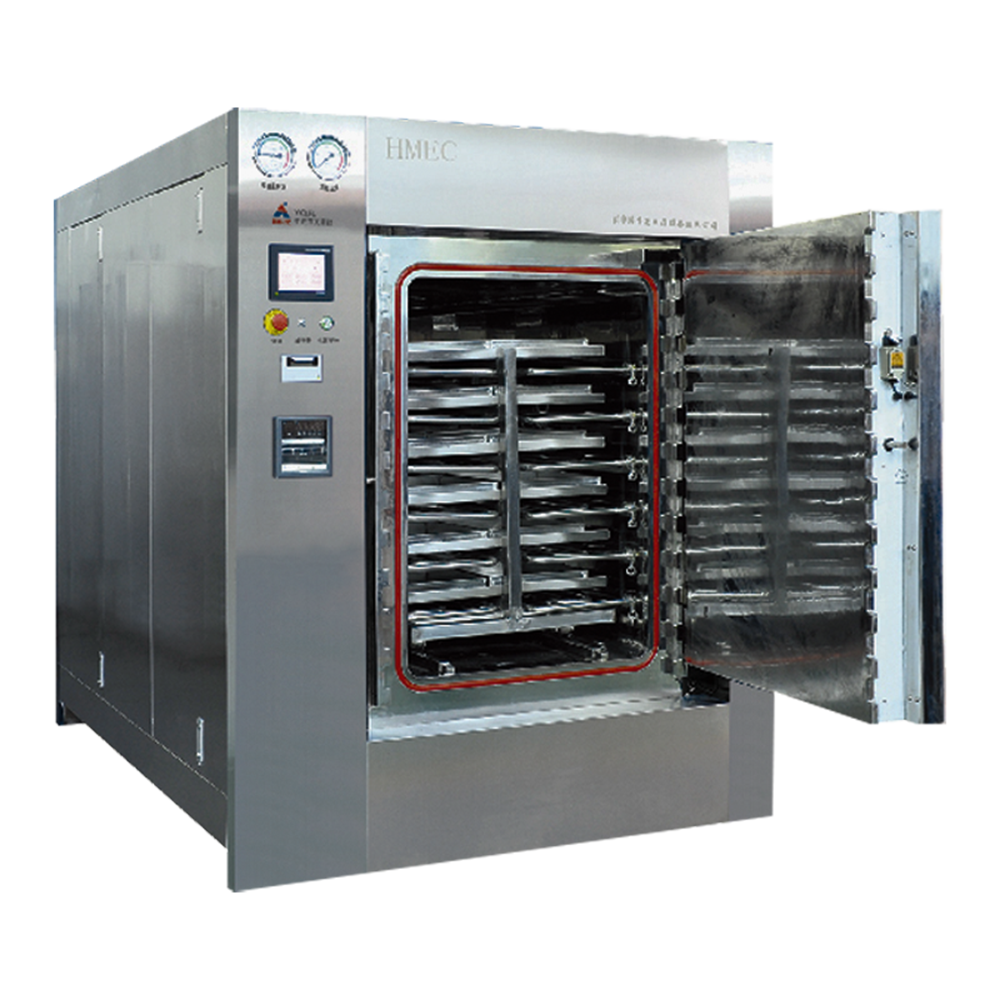
The sterilizer performs moist heat sterilization operations on items with saturated steam as the st...
See Details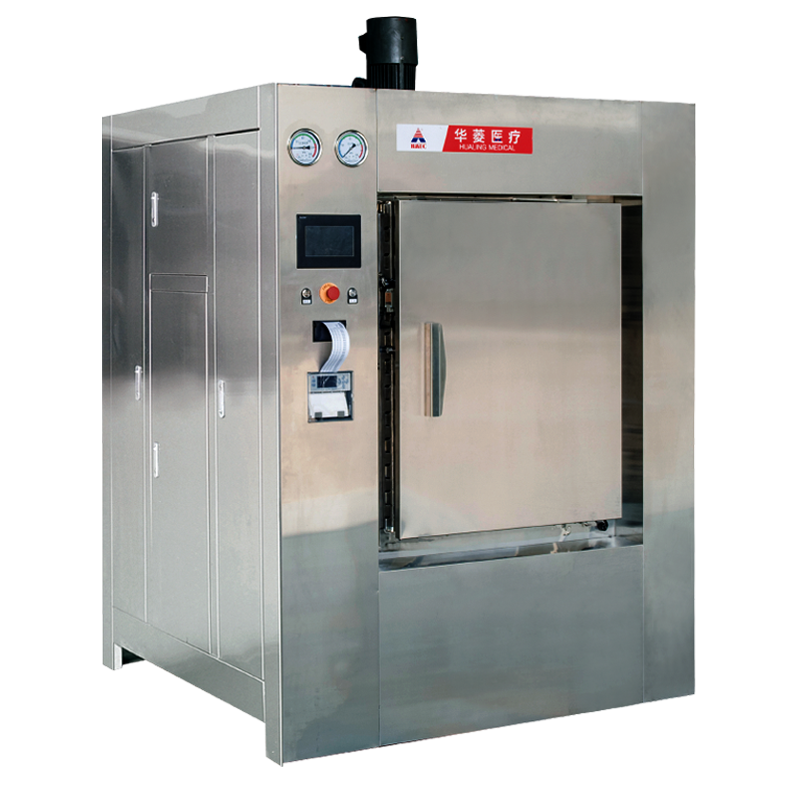
The sterilizer performs sterilization by means of mixing pressure of air and steam. Furthermore, mi...
See Details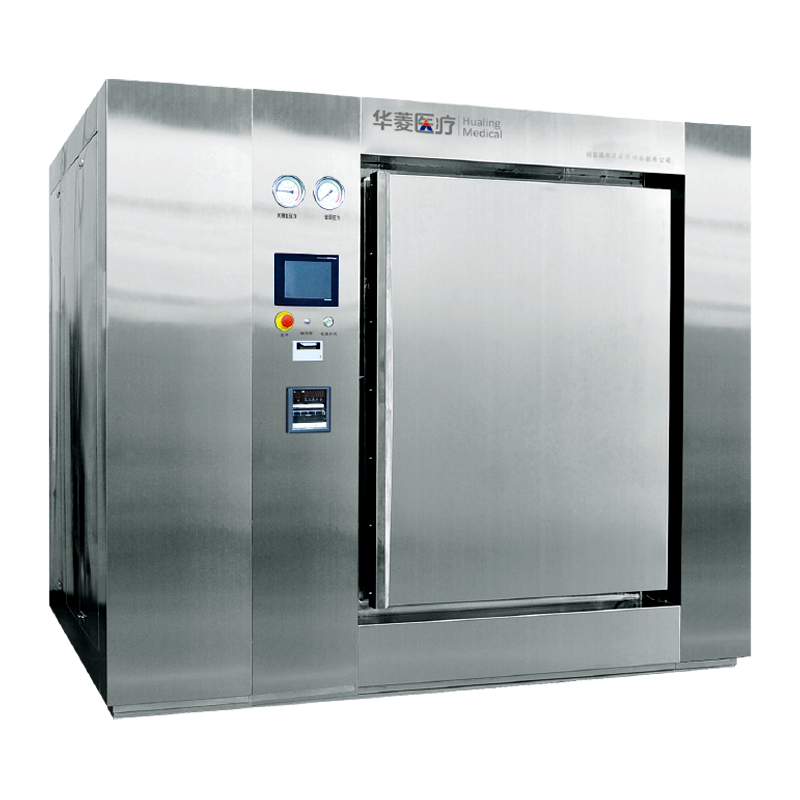
Water-bath type: The sterilized drugs are heated using water spraying using superheated water as the...
See Details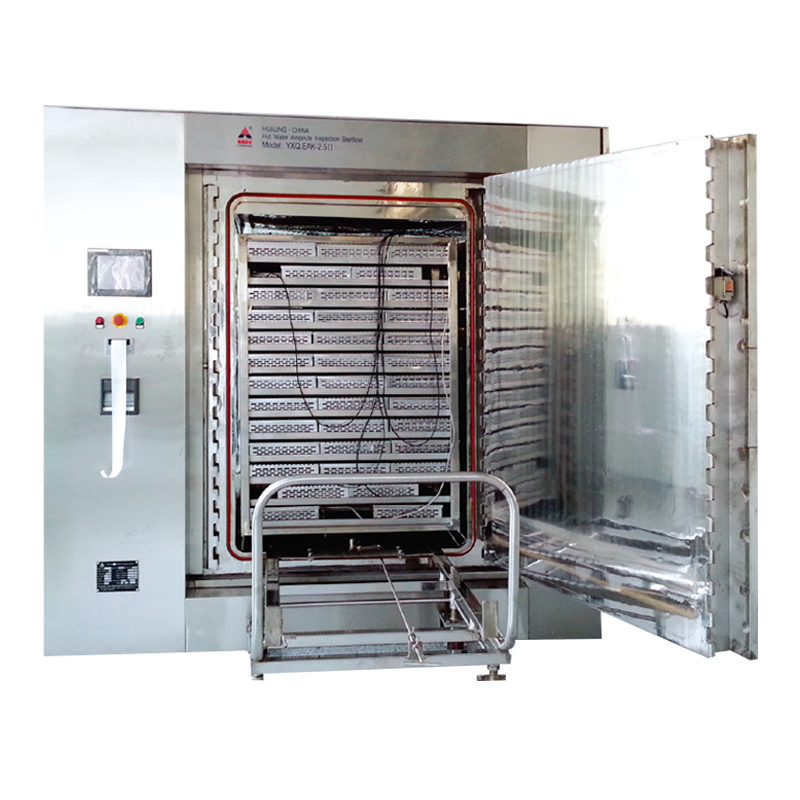
This sterilizer uses steam to sterilize, leak-detect, and clean for vials and ampoules.
See Details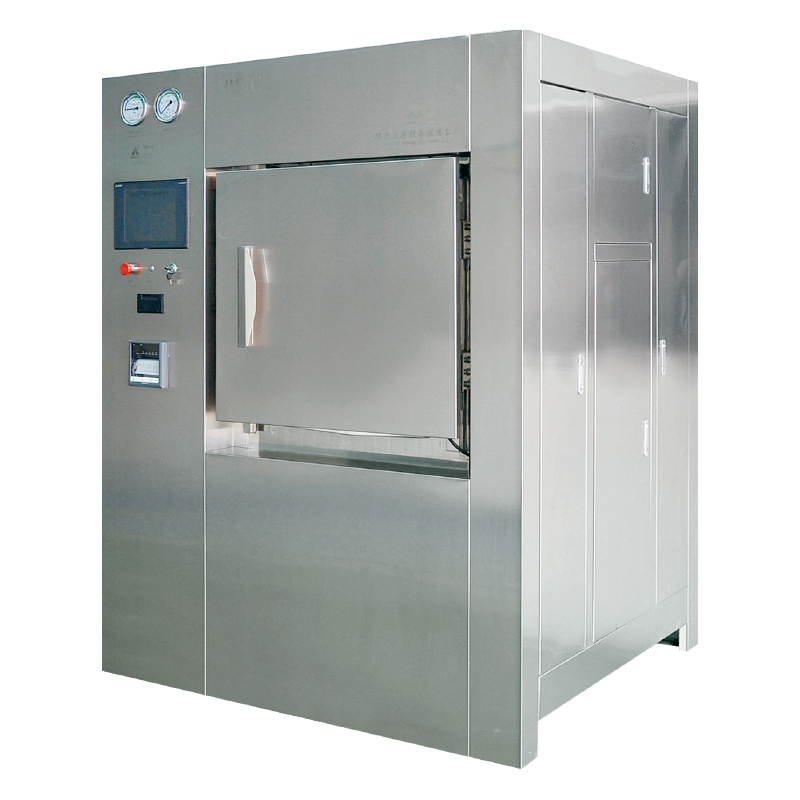
The sterilizer is to remove the impact of cold air on temperature using pulsation vacuum pumping wit...
See Details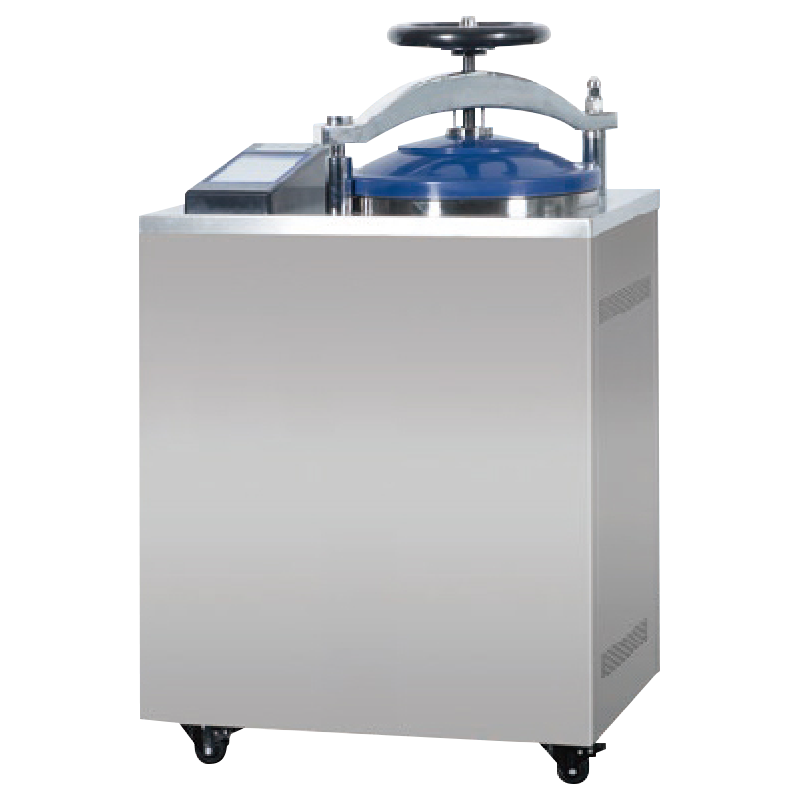
The Vertical Steam Sterilizer M Series (Pulsating Vacuum) is a safe and reliable sterilization solut...
See Details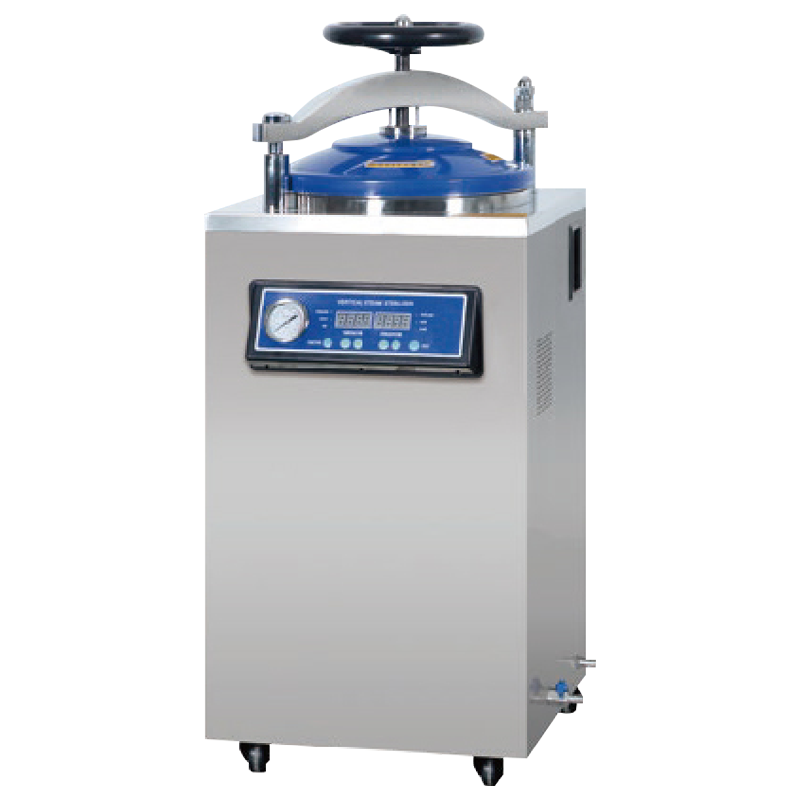
The Vertical Steam Sterilizer B Series offers a robust, automated solution for sterilizing a wide ra...
See Details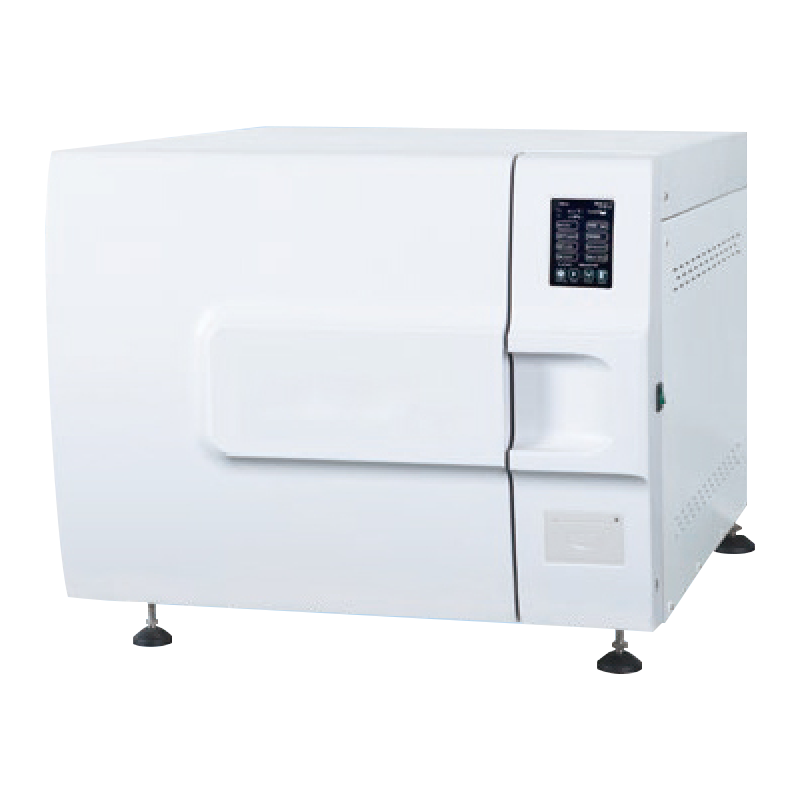
The Tabletop Steam Sterilizer Z Series is an efficient, user-friendly sterilization solution designe...
See Details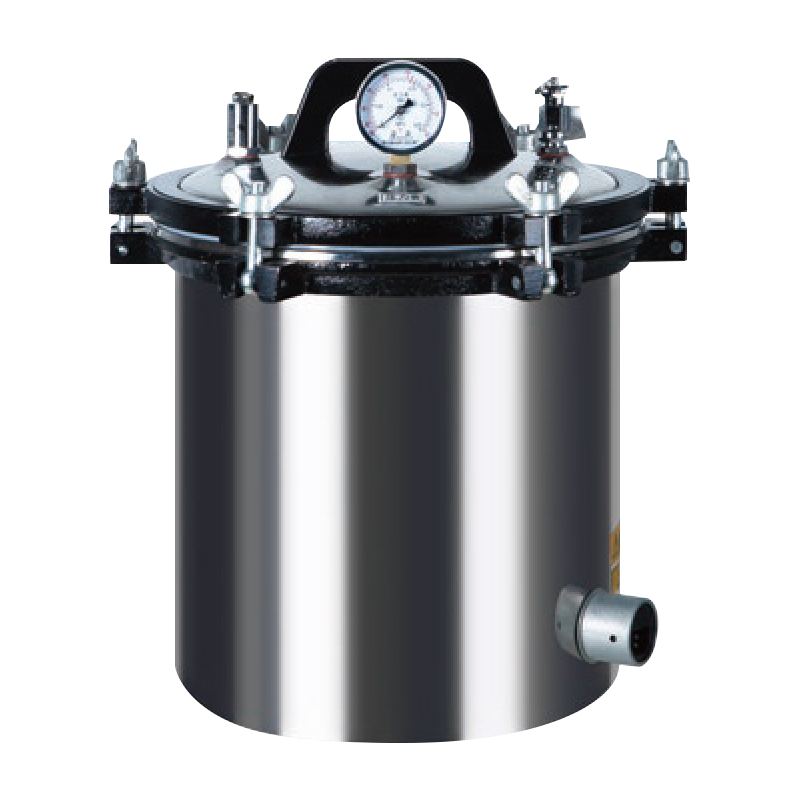
The YXQ.PPS-280C and C+ Portable Pressure Steam Sterilizer is a versatile dual-purpose sterilizer, o...
See Details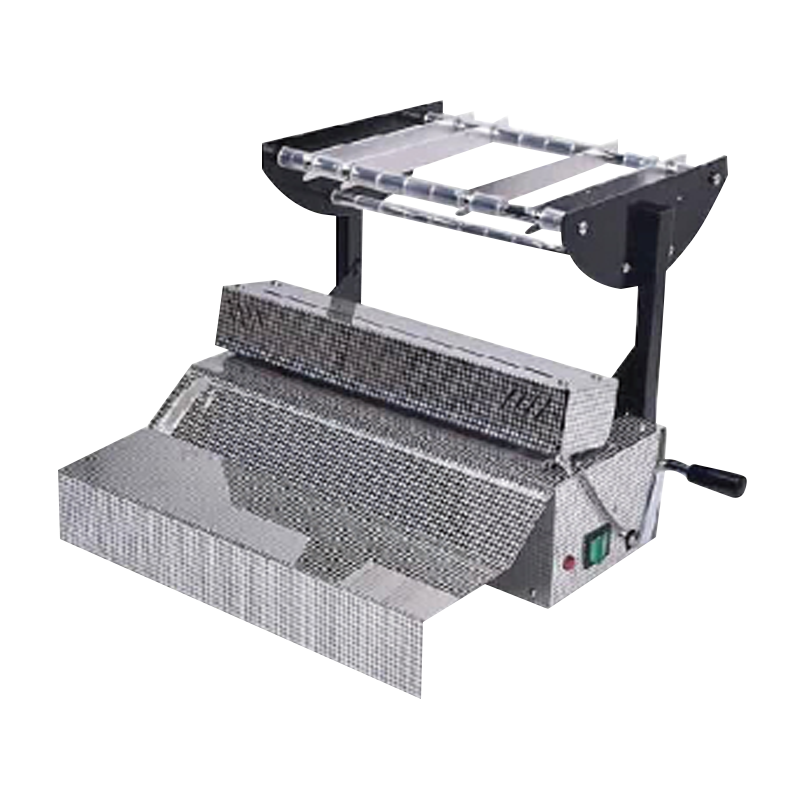
Product Usage:This type of sealing machine is used forsealing sterilizing bag, suitable for medicali...
See DetailsIntroduction to Sanitary Grade Sterilizer: Definition and Importance in Modern Sterilization Definit......
READ MOREIntroduction In today’s fast-paced world, ensuring the safety and sterility of products and material......
READ MOREIntroduction to Sterile Preparation Sterilizers What is Sterile Preparation? Sterile preparation ref......
READ MOREWhy Does Every Drug Require a Sterile Preparation Sterilizer? In modern medicine and pharmaceuticals......
READ MORE +(86) 18018151178
[email protected]
365 Nansha Sanjiali Road, Jingang Town, Zhangjiagang City, China
+(86) 18018151178
[email protected]
365 Nansha Sanjiali Road, Jingang Town, Zhangjiagang City, China
