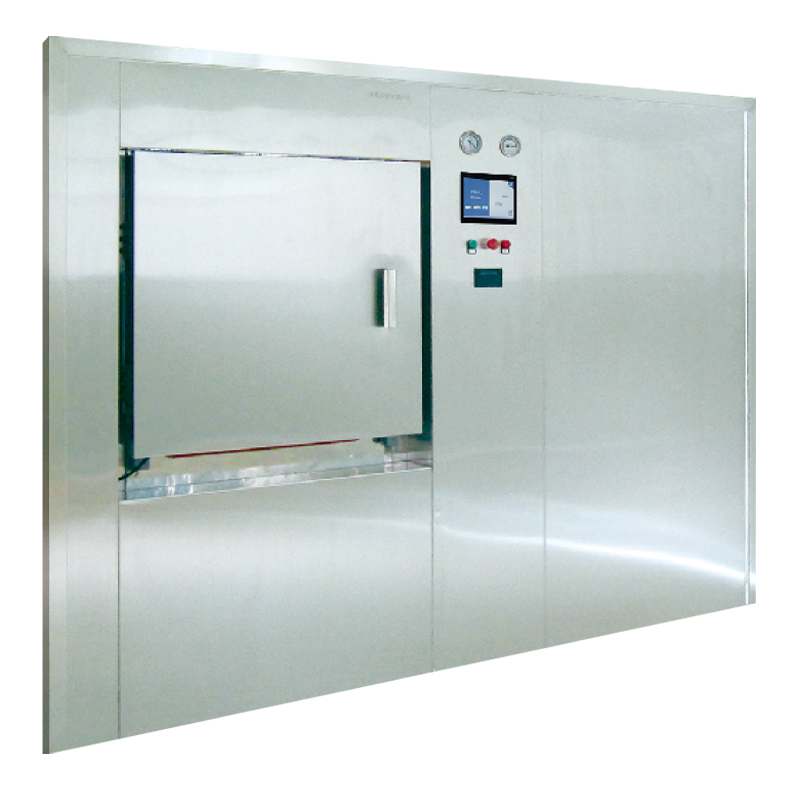
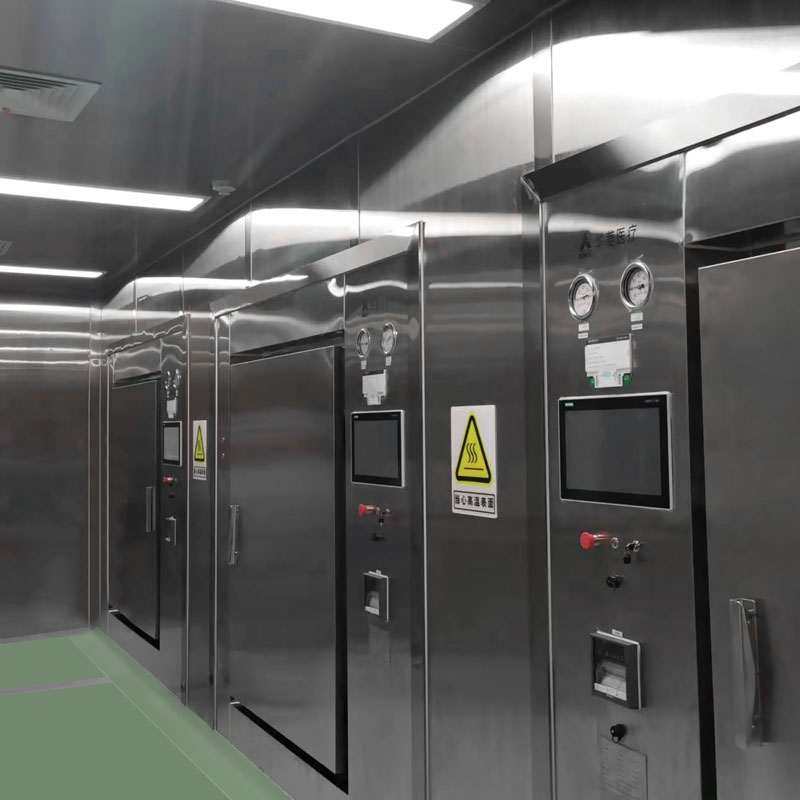
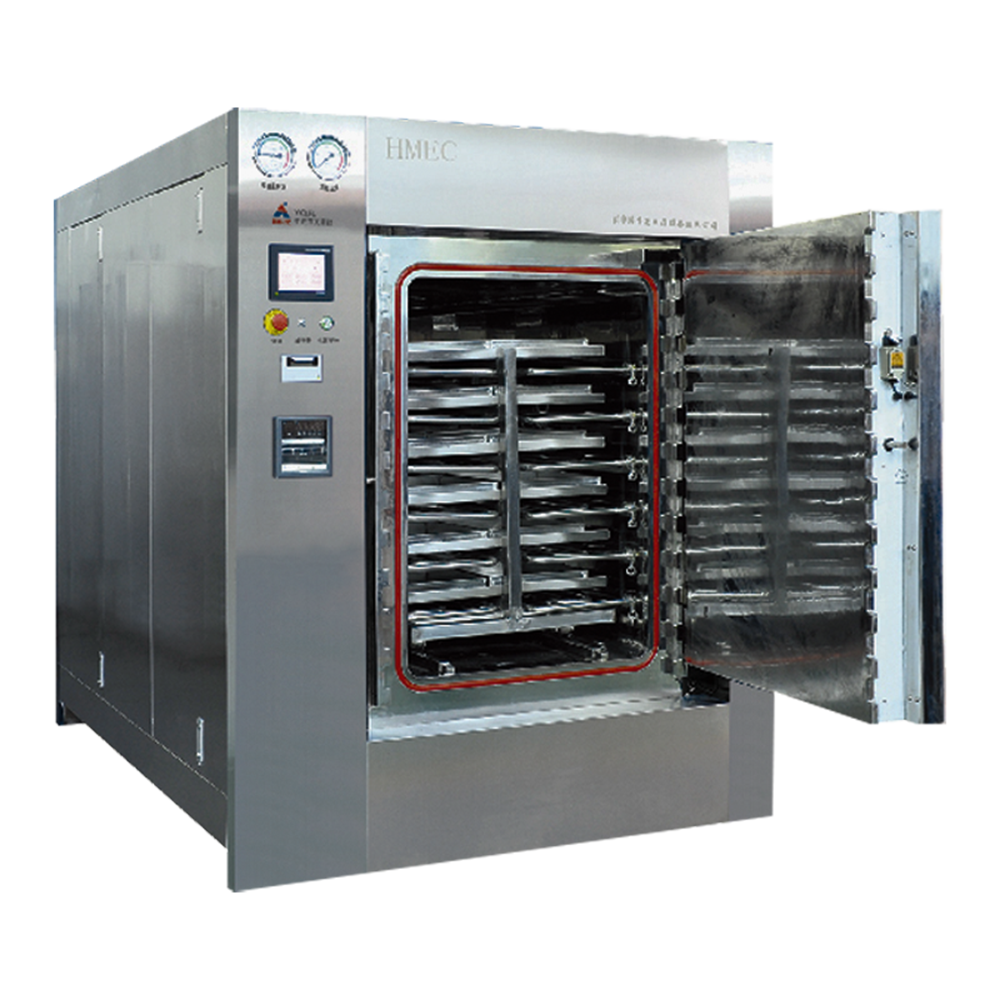
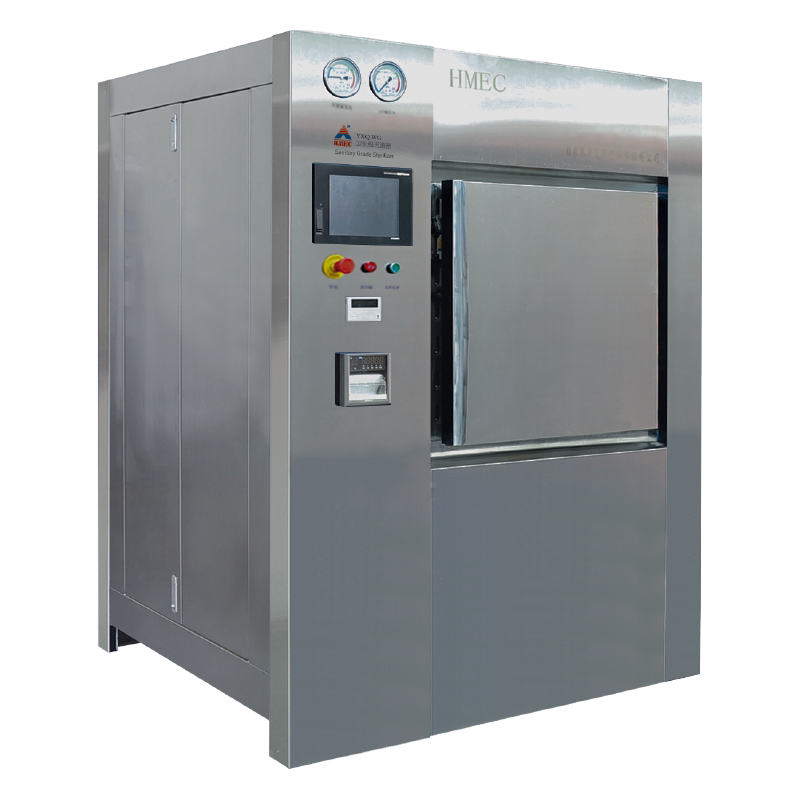
What is a biosafety sterilizer? How does it differ from conventional sterilization equipment?
With the continuous improvement of product safety and hygiene standards in modern medical, pharmaceutical, and related high-end manufacturing industries, sterilization technology, as a key component in ensuring product sterility and user safety, has gained increasing attention. Biosafety sterilizers, specifically designed to completely eliminate microorganisms (including stubborn pathogens such as bacteria, fungi, viruses, and spores), have become indispensable equipment in medical device manufacturing, pharmaceutical factories, laboratories, and even in biosafety-related fields.
Definition and Core Functions of a Biosafety Sterilizer
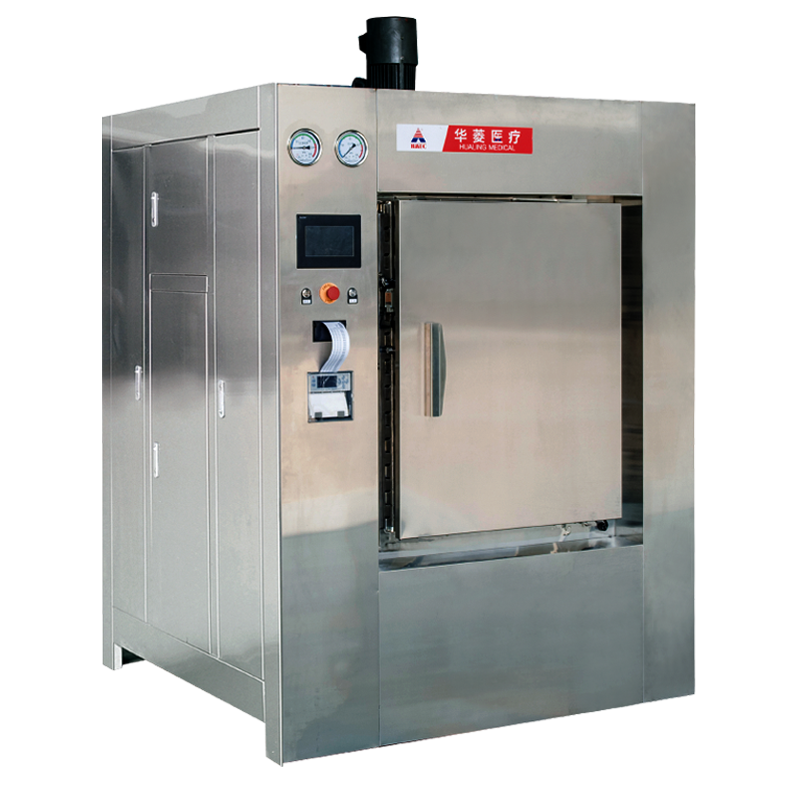
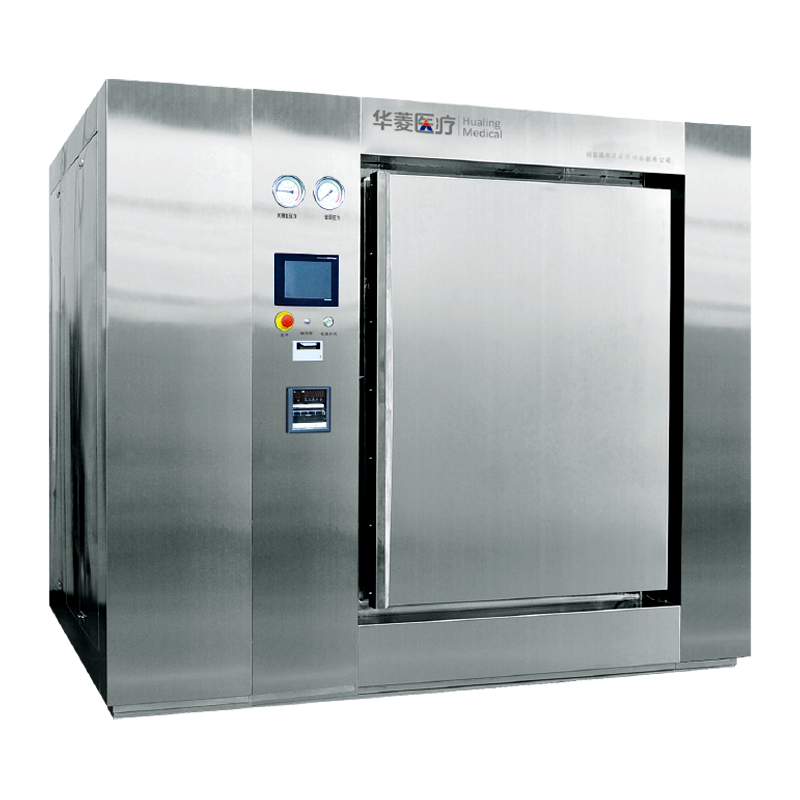
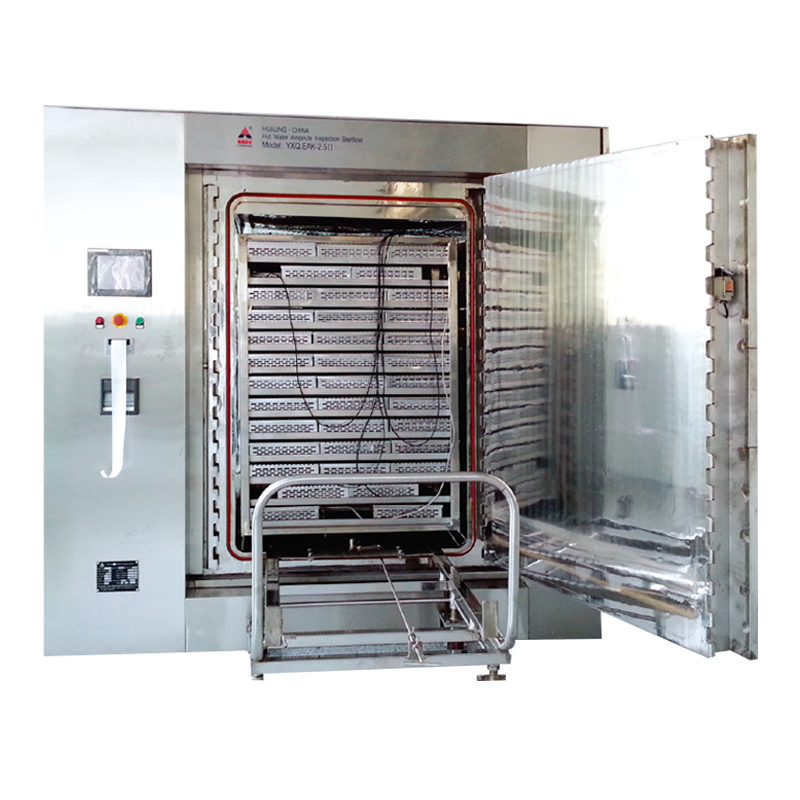
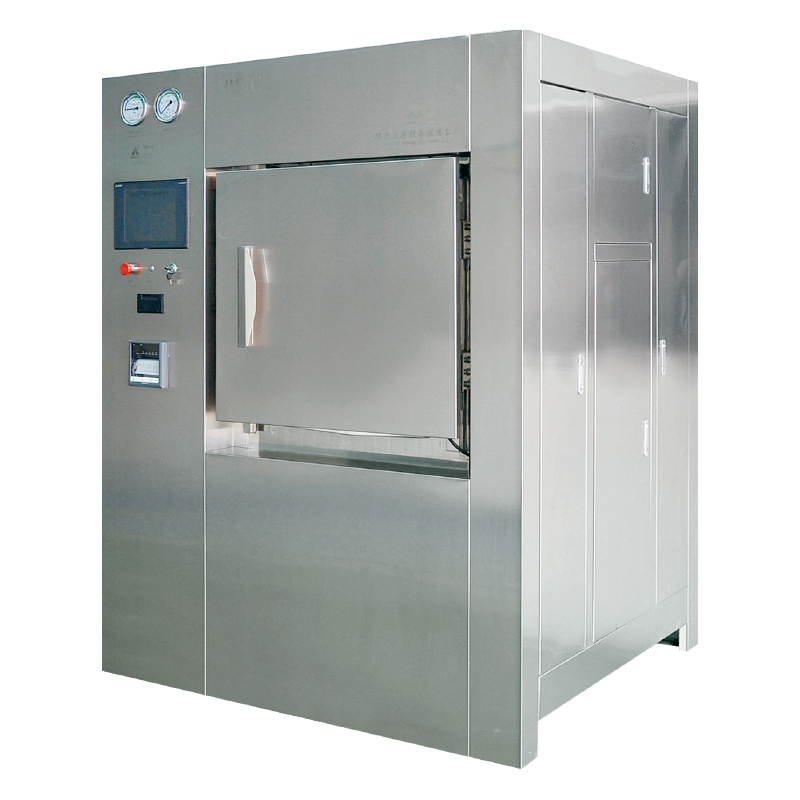
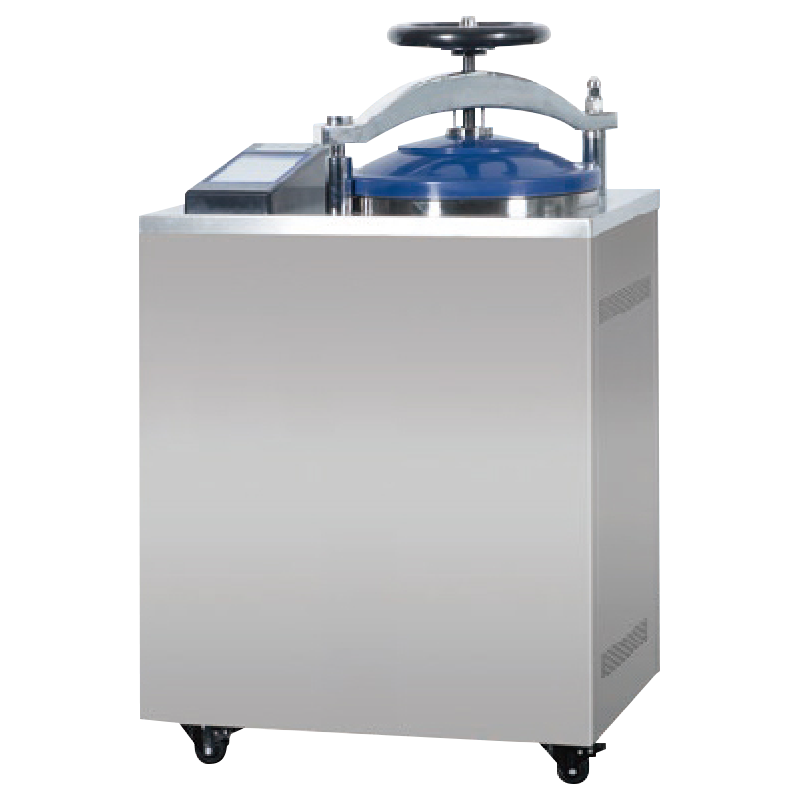
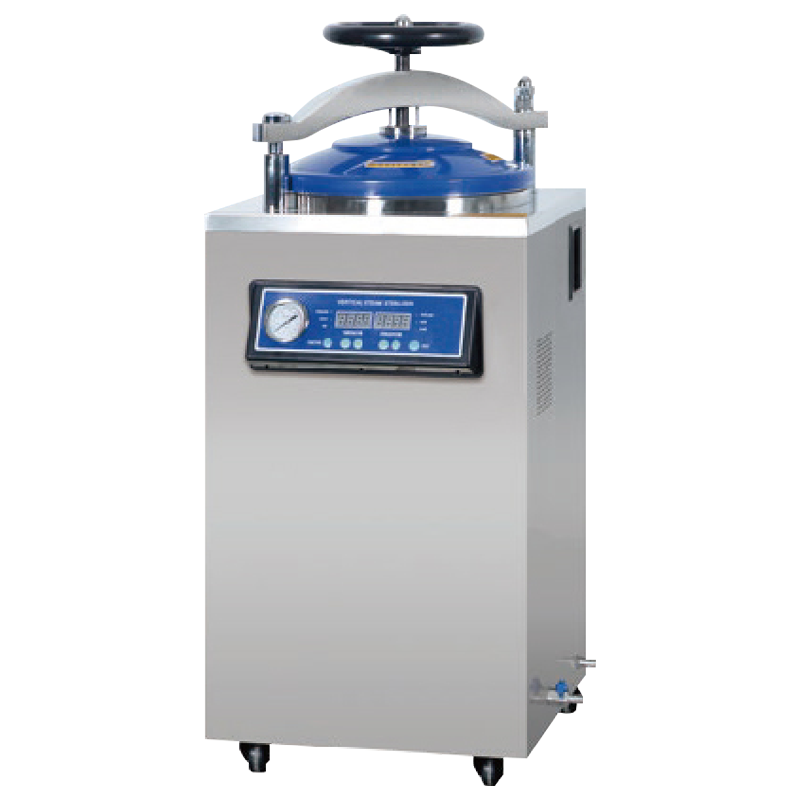
A biosafety sterilizer is a specialized device that uses sterilization media such as high-temperature steam, ethylene oxide gas, and hydrogen peroxide to completely sterilize items such as medical devices, laboratory instruments, and pharmaceutical packaging materials through physical or chemical means. Its core goal is to achieve the Sterility Assurance Level (SAL) required by the government and the industry, ensuring the complete elimination of all microorganisms and preventing cross-infection and product contamination. Compared to conventional sterilization equipment, biosafety sterilizers not only focus on killing surface microorganisms, but also prioritize their ability to penetrate and kill microorganisms within complex structures. This is particularly important for medical device cavities, porous materials, and complex packaging.
Key Differences from Conventional Sterilization Equipment
The Essential Difference Between Sterilization and Disinfection
Sterilization refers to the destruction of all forms of microorganisms, including bacterial spores, to achieve a sterile state.
Disinfection involves reducing pathogenic microorganisms to a safe level, but does not necessarily kill all microorganisms.
Biosafety sterilizers fall under the "sterilization" category, while conventional sterilization equipment mostly falls under the "disinfection" or "sterilization" category. The technical requirements and validation standards for the two differ fundamentally.
Process Conditions and Equipment Design
Biosafety sterilizers typically utilize advanced sterilization processes such as strictly controlled high-temperature, high-pressure steam (such as 121°C or 134°C steam sterilization), ethylene oxide low-temperature gas sterilization, and hydrogen peroxide. They are equipped with multiple temperature, humidity, and pressure sensors for precise process control and data recording. Conventional sterilization equipment typically uses chemical liquid spraying, ultraviolet irradiation, or low-temperature sterilization methods, resulting in relatively mild process conditions and a simple structure.
Application Areas and Certification Standards
Biosafety sterilizers comply with strict national and international standards (such as ISO 17665 and AAMI ST79) and are widely used in medical device, pharmaceutical, laboratory, and biological product production processes.
Conventional sterilization equipment is primarily used for rapid disinfection of environmental surfaces, medical devices, and public facilities, and has relatively relaxed standards and regulatory requirements.
Validation and Quality Control System
Biosafety sterilizers are equipped with comprehensive validation processes (IQ/OQ/PQ) and use biological indicators and other methods to confirm sterilization effectiveness, ensuring the scientific nature and traceability of the sterilization process.
Conventional sterilization equipment typically focuses on operational specifications and lacks a rigorous sterilization effectiveness verification system.
Founded in 1987, Zhangjiagang Hualing Medical Equipment Co., Ltd. has dedicated itself to the design, development, production, and service of sterilization and disinfection equipment, holding numerous national patents. The company is a member of the National Technical Committee on Sterilization Technology and Equipment of the Standardization Administration of China, an executive director of the China Disinfection and Sterilization Association, and a member of the China Pharmaceutical Equipment Association and the China Medical Device Industry Association. We closely monitor industry standards and policies and participate in the development of domestic sterilization equipment technical specifications to ensure our products consistently meet industry requirements.
What are the common failure modes in the sterilization process of biosafety sterilizers?
Key steps in the sterilization process of biosafety sterilizers
The sterilization process generally includes load loading, steam/gas preconditioning, pressurized and heated sterilization, exhaust drying, and cooling. Effective coordination and monitoring of each step are essential for achieving thorough sterilization. Failure modes typically arise from equipment design flaws, improper operation, or environmental factors.
Common Failure Modes and Causes
Air Pockets
Air is a major "dead zone" in the steam sterilization process. If unexhausted air pockets exist within the sterilization chamber or load, steam cannot penetrate evenly, resulting in localized inadequate sterilization.
Causes: Inadequate pre-vacuum extraction, clogged load vents, and improper loading methods. Prevention and Control: Use an efficient pre-vacuum system, arrange loads appropriately, and regularly maintain exhaust ducts.
Abnormal Temperature/Pressure Fluctuations
The sterilization process requires that temperature and pressure be maintained strictly within preset ranges. Fluctuations can affect sterilization effectiveness.
Causes: Sensor failure, control system malfunction, or heating element malfunction.
Prevention and Control: Use a multi-point sensor redundancy design, regularly calibrate the instrument, and monitor system status in real time.
Poor Humidity Control (Insufficient Drying or Excessive Humidity)
Excessive humidity after steam sterilization can easily cause instruments to become moist, compromising packaging integrity and subsequent storage; excessive dryness can damage certain items.
Causes: Insufficient drying time and poor exhaust flow.
Prevention and Control: Optimize drying process parameters to ensure smooth steam discharge and dry air circulation.
Equipment Leaks and Seal Failure
Poor seals can make it difficult to maintain pressure and temperature in the sterilization chamber, affecting the stability of the sterilization process.
Causes: Deterioration of door seals, damage to sealing surfaces, and loose connections.
Prevention and Control: Regularly inspect the condition of the seals, promptly replace any deteriorating parts, and ensure proper equipment maintenance.
Overloading and Improper Loading
Overly dense loads or improper loading methods prevent uniform distribution of steam or gas, resulting in localized dead zones.
Causes: Lack of standard loading instructions or operator errors.
Prevention and Control: Establish and strictly enforce loading specifications and train operators.
Biological Indicator (BI) Failure or Detection Errors
As the ultimate verification of sterilization effectiveness, improper use or inaccurate testing of biological indicators can easily result in false negatives or false positives.
Causes: Improper storage of indicators or contaminated testing environments.
Prevention and Control: Standardize indicator management processes and utilize standardized testing methods.
Control System Software or Hardware Failure
Intelligent sterilization equipment relies on automated control systems, and system failures can lead to abnormal process parameters.
Causes: Software bugs or aging electrical components.
Prevention and Control: Perform regular software upgrades and hardware inspections, and establish an emergency response mechanism.
Hualing Medical Equipment's Technical Support
Leveraging over 30 years of research and development experience, Hualing Medical Equipment has established a comprehensive sterilization equipment design and quality assurance system. Our equipment utilizes multiple safety features, including pre-vacuum testing, online pressure/temperature sensing, and a multi-level fault alarm system, significantly reducing the risk of failure. We also provide comprehensive after-sales service and technical support, helping customers establish scientific operating procedures and maintenance procedures.
Hualing Medical Equipment adheres to high standards and rigorous requirements in the manufacturing of sterilization equipment, and our products are widely used in medical device production lines and pharmaceutical factories both domestically and internationally. By continuously optimizing equipment structure and control systems, we significantly improve the stability and reliability of the sterilization process, providing customers with greater production safety.
What are the most critical parameters in the sterilization process of a biosafety sterilizer?
The basic principles of the biosafety sterilizer sterilization process
The sterilization process typically involves treating items with high-temperature, high-pressure steam or low-temperature gases (such as ethylene oxide or hydrogen peroxide) to kill microorganisms and stubborn spores, achieving sterility standards. To ensure effective sterilization, the sterilization process requires precise control of several key parameters. Deviations in any of these parameters can lead to sterilization failure or equipment damage.
Detailed Explanation of Key Parameters in the Sterilization Process
Temperature
Temperature is one of the most critical parameters in the sterilization process. Steam sterilization typically uses high-temperature sterilization at 121°C or 134°C. The temperature must reach and be maintained at the set value to ensure complete sterilization of microorganisms and spores. Insufficient temperatures result in incomplete sterilization, while excessive temperatures may damage the sterilized items. Valin Medical's sterilization equipment is equipped with high-precision temperature sensors to ensure temperature fluctuations remain within acceptable limits, enabling precise temperature control.
Pressure
Pressure plays a major role in the steam sterilization process, ensuring that steam can penetrate all parts of the load. Pressure stability directly impacts steam saturation and penetration depth. Valin Medical utilizes a highly sensitive pressure monitoring system to monitor and adjust the sterilization chamber pressure in real time to prevent pressure fluctuations that could compromise sterilization effectiveness.
Humidity
For steam sterilization, the humidity of saturated steam affects sterilization efficiency. Moist heat sterilization requires sufficient moisture in the steam, as water vapor kills microorganisms through the physical mechanism of condensation and heat release. Insufficient humidity reduces sterilization effectiveness, while excessive humidity can cause moisture to build up in the product. Valin Medical's technical team specializes in precise humidity control, utilizing multiple sensors and advanced algorithms to ensure optimal sterilization environment humidity.
Exposure Time
Time is a critical parameter in the sterilization process, referring to the duration of exposure after the sterilizer reaches the specified temperature and pressure. Different materials and microorganisms have varying sensitivity to exposure time. Valin Medical provides customers with customized exposure parameters tailored to their product characteristics, ensuring optimal sterilization results in the shortest possible time while improving production efficiency.
Pre-vacuum Cycle
For pre-vacuum steam sterilizers, the pre-vacuum stage is used to remove air from the sterilization chamber and the load, preventing air from obstructing steam penetration. The effectiveness of the pre-vacuum directly impacts sterilization uniformity. Valin Medical utilizes high-performance vacuum pumps and intelligent control systems to ensure a thorough and efficient pre-vacuum stage.
Exhaust and Drying Stages
The post-sterilization exhaust stage removes steam from the chamber, while the drying stage ensures that the items are dry to prevent moisture and deterioration. The settings for the exhaust and drying parameters directly impact the shelf life and service life of the load. Valin Medical sterilizers utilize multiple exhaust systems and intelligent drying control to achieve rapid and thorough drying.
Load Type and Loading Method
The nature, material, and loading method of the load influence the penetration of the sterilization medium. Different loads require different sterilization parameters. Valin Medical provides professional loading guidance and process optimization recommendations to help customers optimize load arrangement and ensure uniform sterilization.

 English
 русский
 Español
 عربى
عربى
 中文
中文