 English
 русский
 Español
 عربى
عربى
 中文
中文

Traditional Chinese Medicine Sterilizer
Cat:Products
The sterilizer performs moist heat sterilization operations on items with saturated steam as the st...
See Details

The 4 types of autoclaves most widely referenced in sterilization standards and clinical practice are: gravity displacement autoclaves, pre-vacuum (pulsed vacuum or pulse vacuum sterilizer) autoclaves, flash sterilizers (immediate-use steam sterilization units), and ethylene oxide (EO) combination units. In the context of steam sterilization specifically, the more practically useful classification separates autoclaves by chamber orientation and air removal method: horizontal steam sterilizer vs vertical pressure steam sterilizer on the orientation axis, and gravity displacement vs pulse vacuum sterilizer on the air removal axis.
A horizontal autoclave (also called a horizontal steam sterilizer or horizontal cylindrical pressure steam sterilizer) has its cylindrical chamber oriented with its long axis horizontal. This orientation allows loading from the front on sliding trays or trolleys, which is ergonomically practical for large loads and enables double-door designs for sterile-to-clean unloading separation. A vertical autoclave machine has its chamber with the long axis vertical, loaded from the top, making it the preferred format for smaller laboratory, dental, and clinical settings where the reduced floor footprint is commercially important.
The Pulse Vacuum Sterilizer (pre-vacuum autoclave) is the most critical advancement in steam sterilization technology because it actively removes air from the chamber and from the interior of wrapped instruments through repeated vacuum and steam pulses before the main sterilization phase, ensuring steam penetrates dense textile packs, hollow-bore instruments, and complex surgical instrument sets that gravity displacement cannot reliably sterilize. For hospital Central Sterile Supply Departments (CSSD) and any facility processing hollow, lumened, or wrapped instruments, the Pulse Vacuum Sterilizer is the mandatory specification.
What are the 4 types of autoclaves is a question with both a simple regulatory answer and a more nuanced technical answer that depends on the classification framework being applied. The most widely cited classification in infection control and sterile processing education identifies four autoclave types based on the air removal mechanism and the intended load category:
The gravity displacement autoclave (also called downward displacement autoclave or Class N in the European EN 13060 standard) relies on the physical density difference between steam and air for air removal from the sterilization chamber. Steam is introduced at the top of the chamber (or into the back/sides in horizontal configurations) and, being less dense than air, displaces the air downward through a drain port at the bottom of the chamber. This process is relatively slow and dependent on unrestricted steam flow paths throughout the load configuration.
The fundamental limitation of gravity displacement sterilization is that it cannot reliably remove air trapped inside closed containers, hollow instruments, dense textile packs, or porous loads where gravity-driven air displacement is physically blocked. Air pockets in these locations prevent steam from contacting the load surfaces, which means no sterilization occurs at those protected sites regardless of the chamber temperature and time parameters. Gravity displacement autoclaves are appropriate for sterilizing solid, non-porous, non-hollow instruments placed in open configurations (not wrapped), simple media and culture bottles in laboratory settings, and unwrapped non-lumened instruments.
The pre-vacuum autoclave, commercially identified as the Pulse Vacuum Sterilizer in many Asian and global markets, uses a mechanical vacuum pump to actively evacuate air from the chamber before steam injection. In the standard pulse vacuum cycle, this evacuation occurs in multiple sequential stages (pulses): the chamber is evacuated to a defined negative pressure, then steam is injected to a positive pressure, then the chamber is evacuated again, and this sequence repeats 3 to 5 times before the final full-pressure steam injection that begins the actual sterilization phase. This pulsed air removal process achieves air removal efficiency of 99.9% or above, ensuring steam penetration into every accessible void in the load regardless of load complexity or configuration. The Pulse Vacuum Sterilizer is the standard specification for hospital CSSD sterilization of wrapped surgical instrument sets, implantable devices, textile packs, and hollow or lumened instruments.
Flash sterilizers (termed Immediate-Use Steam Sterilization or IUSS units in current terminology) are compact gravity or pre-vacuum autoclaves specifically designed for rapid cycle sterilization of critical instruments needed urgently during a surgical procedure when the normally processed sterile instrument set is insufficient. Flash cycles typically run at 134 degrees Celsius for 3 to 4 minutes (gravity) or 132 to 134 degrees Celsius for 3 minutes (pre-vacuum), achieving sterilization of unwrapped or minimally packaged instruments in the shortest possible cycle time. Flash sterilization is explicitly intended as an emergency alternative, not as a routine sterilization method, because the absence of protective packaging means instruments cannot be stored in sterile condition after the cycle and must be used immediately after sterilization is complete.
The fourth category in the 4 types of autoclaves classification encompasses low-temperature sterilization systems used for medical devices and instruments that cannot tolerate the temperatures of steam sterilization (121 to 134 degrees Celsius). Ethylene oxide (EO) gas sterilization, hydrogen peroxide plasma sterilization (Sterrad and similar systems), and peracetic acid immersion sterilization (Steris System 1 and similar) are the primary low-temperature alternatives. These systems sterilize heat-sensitive devices including flexible endoscopes, electronic components, optical instruments, and polymer-based medical devices that steam would damage or destroy. While these systems are technically not autoclaves in the strict steam pressure vessel sense, they are regularly included in the "4 types of autoclaves" categorization in clinical sterilization education because they address the complete spectrum of instrument sterilization needs alongside the steam-based systems.
The European standard EN 13060 for small steam sterilizers defines three performance classes that provide a practical alternative classification framework particularly relevant for dental, clinic, and laboratory settings:
The horizontal steam sterilizer (horizontal autoclave, or sterilizer horizontal) is the dominant format for hospital central sterile supply departments, industrial sterilization facilities, pharmaceutical manufacturing, and large-volume laboratory sterilization globally. Understanding the design principles that make the horizontal autoclave the preferred choice for high-volume, high-complexity sterilization applications clarifies both the engineering rationale behind the configuration and the practical operational advantages it delivers.
The horizontal cylindrical pressure steam sterilizer has a cylindrical chamber with its primary axis oriented horizontally, closed at the front by one or two heavy-duty pressure doors. The cylindrical geometry is selected for pressure vessel design rather than for any intrinsic cleaning or loading advantage: a cylinder is the most efficient geometric form for containing internal positive pressure, because the stresses in the cylinder wall from internal pressure are distributed uniformly as circumferential hoop stress and axial stress, without the stress concentration at corners that would occur in a rectangular pressure vessel.
The chamber of a horizontal cylindrical pressure steam sterilizer is constructed from stainless steel (typically Grade 316L for pharmaceutical and hospital-grade units) and is surrounded by a steam-heated jacket that maintains the chamber walls at or above the sterilization temperature throughout the cycle, preventing condensation on the chamber walls that would otherwise chill the load and impede heating. The jacket steam supply is typically drawn from the same steam generation system as the chamber steam supply, and jacket temperature is maintained throughout all phases of the cycle including loading and unloading.
The horizontal autoclave is uniquely suited to double-door (pass-through) configuration because its horizontal orientation allows one door at the loading (dirty) side and one door at the unloading (clean) side of the chamber, creating a physical barrier between the unsterile and sterile areas of the sterile processing facility:
The horizontal orientation of a sterilizer horizontal enables multiple loading configurations that are either impractical or impossible with vertical autoclave machines:
The fully automatic horizontal autoclave represents the current state-of-the-art in hospital and pharmaceutical sterilization technology, integrating programmable logic controller (PLC) or PC-based cycle management, automated door locking and safety systems, continuous process monitoring and recording, and validation-compliant data management that would be impossible to achieve with manual or semi-automatic sterilizer controls.
A fully automatic horizontal autoclave's control system integrates multiple subsystems that operate in precisely coordinated sequences under PLC management:
A fully automatic horizontal autoclave for hospital CSSD use typically includes 5 to 12 pre-validated cycle programs covering the range of load types processed:
A fully automatic horizontal autoclave used in hospital, pharmaceutical, or food processing sterilization must be validated to demonstrate that the sterilization process consistently delivers the specified sterility assurance level (SAL) for the intended load types. For medical device sterilization, the required SAL is 10-6, meaning the theoretical probability of a single viable microorganism surviving the sterilization process on any processed item must be less than 1 in 1,000,000. Validation of the fully automatic horizontal autoclave involves three sequential qualification studies:
The Pulse Vacuum Sterilizer (pre-vacuum autoclave, pre-vac sterilizer) is the single most important advancement in steam sterilization technology for clinical and pharmaceutical applications. Its superiority over gravity displacement autoclaves for complex loads is not marginal but fundamental: in loads where gravity displacement fails to remove air pockets, no sterilization occurs in those regions regardless of cycle time, while the Pulse Vacuum Sterilizer achieves near-complete air removal in the same load configurations, enabling reliable steam penetration and sterilization.
Steam sterilization kills microorganisms through moist heat: the combination of heat energy and water molecules that disrupts the protein structure of microbial cells. Dry heat (without moisture) is far less effective at killing microorganisms at equivalent temperatures because protein denaturation without moisture requires much higher temperatures and longer exposures. Air, when it remains mixed with steam or trapped in pockets within the load, produces two critical problems:
A standard Pulse Vacuum Sterilizer cycle operates through six distinct phases:
The Bowie-Dick test (also called the air removal test or BD test) is a daily challenge test performed on every Pulse Vacuum Sterilizer at the start of each day before any production loads are processed, to verify that the air removal system is functioning correctly. A standardized test pack (containing a chemical indicator sheet surrounded by a specified mass of steam-permeable textile material) is placed in the middle of an otherwise empty chamber and subjected to a standard test cycle at 134 degrees Celsius for 3.5 minutes. If the air removal system is functioning correctly, the chemical indicator sheet should show a uniform color change across its full surface, indicating that steam has penetrated uniformly throughout the test pack without air pockets. Any non-uniform indicator result including a lighter center area (indicating an air pocket at the test pack center) means the Pulse Vacuum Sterilizer must not be used for production loads until the air removal fault has been identified and corrected.
The vertical pressure steam sterilizer (vertical autoclave machine) is the format of choice for smaller-volume sterilization applications where the compact floor footprint, lower capital cost, and simpler installation requirements outweigh the loading convenience and double-door capability of horizontal configurations. Understanding the specific design characteristics of the vertical autoclave machine and the contexts in which it is the optimum choice prevents over-specification of large horizontal systems for applications where vertical designs are technically adequate and commercially superior.
The vertical high pressure steam sterilizer autoclave has its cylindrical chamber oriented with the long axis vertical, with a hinged or removable lid at the top for loading and access. The vertical configuration produces a smaller footprint per liter of chamber volume than an equivalent horizontal system because the chamber height rather than the floor width carries the load depth, which is particularly valuable in constrained laboratory, clinic, and dental surgery environments.
The vertical autoclave machine typically uses a direct steam input (steam generated by an internal electric heating element immersed in a water reservoir within the autoclave body, rather than supplied from an external steam generation system) in smaller tabletop and underbench models. This self-contained steam generation eliminates the need for an external steam supply infrastructure, making the vertical pressure steam sterilizer suitable for any location with an electrical supply, without requiring the steam piping, pressure reduction stations, and steam quality management that a horizontal autoclave connected to a central steam system requires.
Vertical autoclave machines are available in both gravity displacement and pulse vacuum sterilizer configurations, making the EN 13060 Class B, S, and N classification equally applicable to vertical formats as to horizontal ones:
The vertical pressure steam sterilizer has specific operational characteristics that differ from horizontal configurations in ways that affect workflow, cycle time, and maintenance requirements:
| Characteristic | Horizontal Steam Sterilizer | Vertical Pressure Steam Sterilizer |
|---|---|---|
| Chamber orientation | Horizontal (front-loading) | Vertical (top-loading) |
| Double-door design capability | Yes (standard for CSSD) | Not typically available |
| Typical chamber volume range | 80 to 2,000 liters | 2 to 200 liters |
| Steam generation | External steam supply (typically) | Internal electric boiler (typical for smaller units) |
| Floor footprint per liter capacity | Larger | Smaller |
| Loading ergonomics for large loads | Better (trolley carriage systems) | More physically demanding |
| Typical primary application | Hospital CSSD, pharma, industrial | Dental, clinic, laboratory, research |
| Capital cost for equivalent capacity | Higher | Lower |
| Pulse vacuum sterilizer option | Standard on hospital units | Available (Class B specification) |
Selecting the correct autoclave type for a specific facility and application requires systematic analysis of the load types to be processed, the required throughput volume, the available physical space, the utility infrastructure, and the regulatory standards applicable to the facility's operating environment. The following guidance covers the most common selection scenarios:
Hospital CSSD sterilization of surgical instruments and implants represents the most demanding autoclave application in terms of both performance requirements and regulatory compliance obligations. The correct specification for a hospital CSSD is a fully automatic horizontal autoclave with Pulse Vacuum Sterilizer cycle capability, double-door pass-through configuration, and compliance with EN 285 (European standard for large steam sterilizers), ISO 17665, and the relevant national sterile supply standards (AAMI ST79 in the USA, HTM 2010/01-01 in the UK).
The double-door horizontal autoclave with pulse vacuum sterilizer capability is the only configuration that simultaneously satisfies the infection control requirement for physical separation of contaminated and sterile zones, the performance requirement for reliable sterilization of wrapped and hollow instruments, and the operational requirement for efficient high-volume processing of diverse load types. No other autoclave configuration meets all three requirements simultaneously for a full-service hospital CSSD.
Dental practices in most European countries and increasingly in other markets are required by infection control standards (HTM 01-05 in England, DGHM guidelines in Germany) to sterilize wrapped dental instruments using an EN 13060 Class B (pulse vacuum) sterilizer. A Class B vertical autoclave machine with chamber volume of 12 to 22 liters is the typical specification for a dental practice, providing sufficient capacity for a working day's instrument volume in multiple cycles while maintaining an acceptable footprint within the limited space of a dental surgery decontamination room.
Pharmaceutical sterilization of production equipment, components, and bulk solutions requires autoclaves compliant with cGMP (current Good Manufacturing Practice) regulations, including the FDA 21 CFR Part 211 (USA) and EU GMP Annex 1 (Europe and global reference standard for sterile medicinal products). Pharmaceutical autoclaves must be validated to a documented SAL of 10-6, must have GAMP 5-compliant computer control systems with electronic records and audit trail, and must be maintained under a qualification and periodic revalidation program. Large-capacity horizontal autoclaves (100 to 2,000 liter chamber volumes) with both gravity and pulse vacuum cycles are the typical specification for pharmaceutical manufacturing CSSD and sterilization suites.
Research and microbiology laboratory sterilization of growth media, glassware, contaminated waste (biological safety decontamination), and reagents uses vertical autoclave machines (20 to 100 liters) for bench-top or floor-standing installation in laboratory spaces. The primary cycle for media sterilization is 121 degrees Celsius gravity displacement for 15 to 20 minutes, which allows the temperature to be high enough for effective sterilization while avoiding the superheating that the faster pre-vacuum cycle could induce in liquid loads. Biological waste decontamination cycles may use 121 or 134 degrees Celsius with extended holding times specified by the biosafety authority responsible for the laboratory's biosafety level designation.
The performance of any autoclave, whether a horizontal steam sterilizer, vertical pressure steam sterilizer, or Pulse Vacuum Sterilizer, is directly dependent on the quality of the steam supplied to or generated within the sterilization chamber. Steam that is either too wet (containing entrained water droplets) or too dry (superheated, containing steam at temperatures above saturation) produces suboptimal sterilization conditions and can damage the load or packaging.
EN 285 and equivalent standards define three key steam quality parameters that must be verified during autoclave commissioning and periodic requalification:
Steam used for sterilization must be generated from water of appropriate purity to ensure that chemical contaminants in the water are not deposited on sterilized instruments as residues that could cause patient harm. EN 285 specifies that the water used to generate steam for contact with loads in a steam sterilizer must meet defined limits for a range of chemical parameters including silica, iron, calcium, magnesium, conductivity, and pH. The use of untreated tap water for steam generation in autoclaves intended for sterilization of surgical instruments and implantable devices is not compliant with EN 285 or equivalent standards and risks instrument corrosion, residue deposition, and steam quality failures that could compromise sterilization efficacy. Reverse osmosis water, deionized water, or equivalent-quality purified water is the required feedwater for hospital and pharmaceutical-grade steam sterilizer installations.
The sterilization performance of every horizontal autoclave, vertical pressure steam sterilizer, and Pulse Vacuum Sterilizer used in clinical and pharmaceutical applications must be monitored at defined frequencies using biological indicators (BIs) and chemical indicators (CIs) to verify that each processed load has been exposed to the required sterilization conditions. Process monitoring alone (confirming that the correct temperature, pressure, and time parameters were achieved in the chamber) is necessary but not sufficient to assure sterilization because chamber conditions do not directly verify conditions within the load itself.
Biological indicators for steam sterilization contain a defined population of Geobacillus stearothermophilus spores, a heat-resistant bacterial spore species that requires conditions well above normal sterilization parameters to kill. The spore population on the BI (typically 10^5 to 10^6 spores per unit for ISO 11138-3 compliant indicators) represents a deliberate challenge to the sterilization process: if the process is sufficient to kill this population, it is more than adequate to achieve the required SAL of 10^-6 for clinical sterilization. After exposure in the autoclave load, BI units are incubated at 56 to 60 degrees Celsius for 24 to 48 hours; failure of the culture medium to show growth (color change from purple to yellow in most commercially available self-contained BIs) confirms process adequacy. Growth indicates a process failure requiring investigation before further loads are released.
Chemical indicators (CIs) provide immediate visual evidence that specific sterilization parameters have been achieved, without the 24 to 48-hour incubation delay required for biological indicators. Several classes of CI are used in autoclave monitoring:
What are the 4 types of autoclaves in standard sterilization classification are: gravity displacement autoclaves (which rely on steam displacing air downward through a drain port and are suitable for solid non-porous unwrapped instruments only); pre-vacuum or Pulse Vacuum Sterilizers (which use a mechanical vacuum pump to actively remove air through multiple vacuum and steam pulses before the sterilization phase, suitable for all load types including wrapped, hollow, and porous items); flash sterilizers for immediate-use steam sterilization (IUSS) of unwrapped critical instruments needed urgently during a surgical procedure; and low-temperature sterilization systems including ethylene oxide, hydrogen peroxide plasma, and peracetic acid systems for heat-sensitive devices that cannot tolerate steam temperatures. In the European EN 13060 standard for small sterilizers, these translate to Class N (gravity only), Class B (pre-vacuum equivalent to Pulse Vacuum Sterilizer), and Class S (specific loads as validated by the manufacturer) categories.
A horizontal steam sterilizer is an autoclave where the cylindrical sterilization chamber is oriented with its long axis horizontal, loaded from the front through one or two hinged or sliding pressure doors. The horizontal steam sterilizer is preferred over a vertical autoclave machine when: large load volumes require ergonomically practical front-loading with trolley carriage systems rather than top-loading; the facility requires a double-door pass-through design that separates contaminated and sterile zones for infection control compliance; the sterilization capacity required exceeds the practical volume range of vertical designs (typically above 80 to 100 liters chamber volume); or the facility operates under hospital CSSD or pharmaceutical manufacturing standards that specifically require horizontal autoclave configurations for high-volume complex load processing.
The Pulse Vacuum Sterilizer is superior to a gravity displacement autoclave for wrapped instruments because it actively removes air from the chamber, from within packaging pouches and wraps, and from hollow instruments through repeated vacuum evacuation pulses before steam injection. Air remaining in or around wrapped instruments prevents steam from contacting the instrument surfaces (because steam cannot penetrate air-filled enclosed spaces through gravity displacement alone), meaning no sterilization occurs in those air-protected areas regardless of cycle temperature and time. The Pulse Vacuum Sterilizer achieves air removal efficiency of 99.9% or above through its pulsed conditioning phase, ensuring steam penetrates all accessible surfaces within the load. Gravity displacement autoclaves cannot achieve this air removal efficiency in wrapped loads and are therefore not suitable for sterilizing wrapped instruments under any recognized sterile processing standard.
A fully automatic horizontal autoclave is a horizontal steam sterilizer where all phases of the sterilization cycle, including door locking, air removal pulsing, steam injection, temperature and pressure monitoring, drying, and door release, are controlled automatically by a programmable logic controller (PLC) or computer-based control system without manual intervention during the cycle. "Fully automatic" in practice means: the operator selects the appropriate cycle program and loads the autoclave; the PLC then manages all subsequent process steps and monitors all parameters within validated tolerances; any deviation from the validated cycle parameters triggers an automatic alarm and may cause automatic cycle abort; and all process data is continuously recorded and archived for regulatory compliance and quality assurance purposes. This is distinguished from semi-automatic or manual autoclaves where the operator must manually initiate phase changes, monitor parameters, and manage cycle progression.
The horizontal cylindrical pressure steam sterilizer achieves steam penetration in dense textile loads through the combination of the Pulse Vacuum Sterilizer air removal cycle and the physical geometry of the horizontal chamber. The pre-vacuum cycle removes air from within the textile pack fibers through repeated vacuum and steam pulsing before the sterilization phase, creating a negative pressure differential that draws air out from the interior of even dense packs. The horizontal chamber orientation allows steam to approach the load from all directions (top, sides, and via jacket heating from the chamber walls) rather than only from above as in a vertical configuration. The jacket-maintained chamber wall temperature prevents condensation on the chamber walls that would otherwise chill the outer surfaces of the textile packs and impede even heating throughout the load. Together, these factors allow the horizontal cylindrical pressure steam sterilizer to achieve uniform temperature distribution within dense textile packs that meets EN 285 load temperature uniformity requirements (no more than 2 degrees Celsius temperature difference between any two chamber reference points during the holding phase).
The Bowie-Dick test (air removal test or BD test) is a daily challenge test for the air removal system of every Pulse Vacuum Sterilizer, performed before any production loads are processed each working day. A standardized test pack containing a chemical indicator sheet surrounded by specified textile material is placed in the center of an otherwise empty chamber and subjected to a 134 degrees Celsius test cycle for 3.5 minutes. The chemical indicator must show a uniform color change across its entire surface area; any lighter or non-reacted area in the indicator reveals a localized air pocket in the test pack center, indicating that the vacuum pump or steam penetration system is not functioning adequately to remove air from the pack. The daily Bowie-Dick test is mandatory because the air removal capability of the Pulse Vacuum Sterilizer is the critical process parameter that determines whether steam penetration occurs in all loads: a Pulse Vacuum Sterilizer with a failing vacuum pump may still produce correct temperature and pressure readings in the chamber (because the chamber thermometers sense the steam-air mixture conditions) while actually failing to sterilize the interior of wrapped loads. No other daily test reliably detects this specific failure mode.
A Class B vertical autoclave (EN 13060 classification) incorporates a vacuum pump to perform fraction pre-vacuum air removal cycles equivalent to a Pulse Vacuum Sterilizer, making it capable of sterilizing all load types including wrapped instruments, hollow and lumened instruments, and porous materials. It must pass type testing on test packs, hollow loads, and porous loads as defined in EN 13060. A Class N vertical autoclave uses only gravity displacement air removal and is validated only for solid, non-porous, unwrapped (naked) instruments. The Class N autoclave is simpler, less expensive, and smaller than a Class B unit but cannot be used for wrapped instruments in any quantity or for hollow instruments regardless of how the cycle is set up, because the gravity displacement mechanism cannot reliably remove air from inside pouches, woven wraps, or hollow bores. For most dental and clinical applications, the Class B vertical autoclave is the required specification because critical instruments must be sterilized in protective packaging that maintains sterility between sterilization and use.
A horizontal autoclave in clinical or pharmaceutical use must be serviced and revalidated at defined intervals specified by the applicable standards. Annual preventive maintenance (checking valve seals, door gaskets, filter elements, sensor calibrations, and vacuum pump performance) is the minimum service requirement for all steam sterilizers in clinical use. Performance qualification revalidation (confirming temperature distribution and sterilization efficacy under loaded conditions) is required annually or whenever a change is made to the autoclave hardware, control software, or the load types and configurations being processed. Bowie-Dick testing (for Pulse Vacuum Sterilizer equipped units) must be performed daily. Biological indicator monitoring is typically required weekly or each cycle day, with specific frequency requirements set by the facility's quality management system and the applicable national standards. Steam quality testing (dryness, non-condensable gas content, superheat, and condensate chemistry) is typically performed at installation, after major maintenance, and annually thereafter.
A vertical pressure steam sterilizer can be used to sterilize implantable medical devices only if it is qualified as a pre-vacuum (Class B) unit and has been formally validated for the specific implant load type to the same standards as a horizontal autoclave (SAL 10-6, temperature distribution studies, biological indicator testing). The EN 13060 standard and most national sterile processing standards impose no fundamental restriction on vertical autoclaves for implant sterilization, provided the performance requirements are met through proper validation. In practice, however, most hospital sterile supply departments that process implants use horizontal autoclaves with double-door pass-through design because the volume of implants processed, the infection control requirements for clean-zone unloading, and the integration with trolley-based tracking and transport systems make the horizontal format operationally superior for large-volume implant sterile processing workflows. For dental implant sterilization in a dental surgery, a properly validated Class B vertical autoclave is the standard and appropriate choice.
The sterilization temperatures of 121 degrees Celsius and 134 degrees Celsius are both standard for moist heat steam sterilization but are used with different exposure times and for different load categories. At 121 degrees Celsius (corresponding to a steam pressure of approximately 1 bar gauge or 2 bar absolute), the holding time for sterilization is 15 minutes minimum for the standard gravity displacement or pre-vacuum cycle. At 134 degrees Celsius (corresponding to approximately 3 bar gauge or 4 bar absolute), the holding time is 3 to 5 minutes minimum for pre-vacuum cycles. The shorter holding time at 134 degrees Celsius is made possible by the higher temperature providing greater microbial lethality per unit time: the relationship between temperature and killing rate follows the F0 equivalent concept where each degree of temperature elevation roughly doubles the sterilization efficiency. The 121 degrees Celsius cycle is preferred for liquid loads (media, solutions) because the lower temperature and slower heating-cooling rate reduces boilover risk during cooling; for biological waste decontamination; and for heat-sensitive devices that tolerate 121 but not 134 degrees Celsius. The 134 degrees Celsius pre-vacuum cycle is preferred for wrapped instruments, implants, hollow instruments, and textile packs where the shorter cycle time improves throughput without compromising sterilization efficacy, and where the Pulse Vacuum Sterilizer air removal system ensures uniform steam penetration regardless of load complexity.
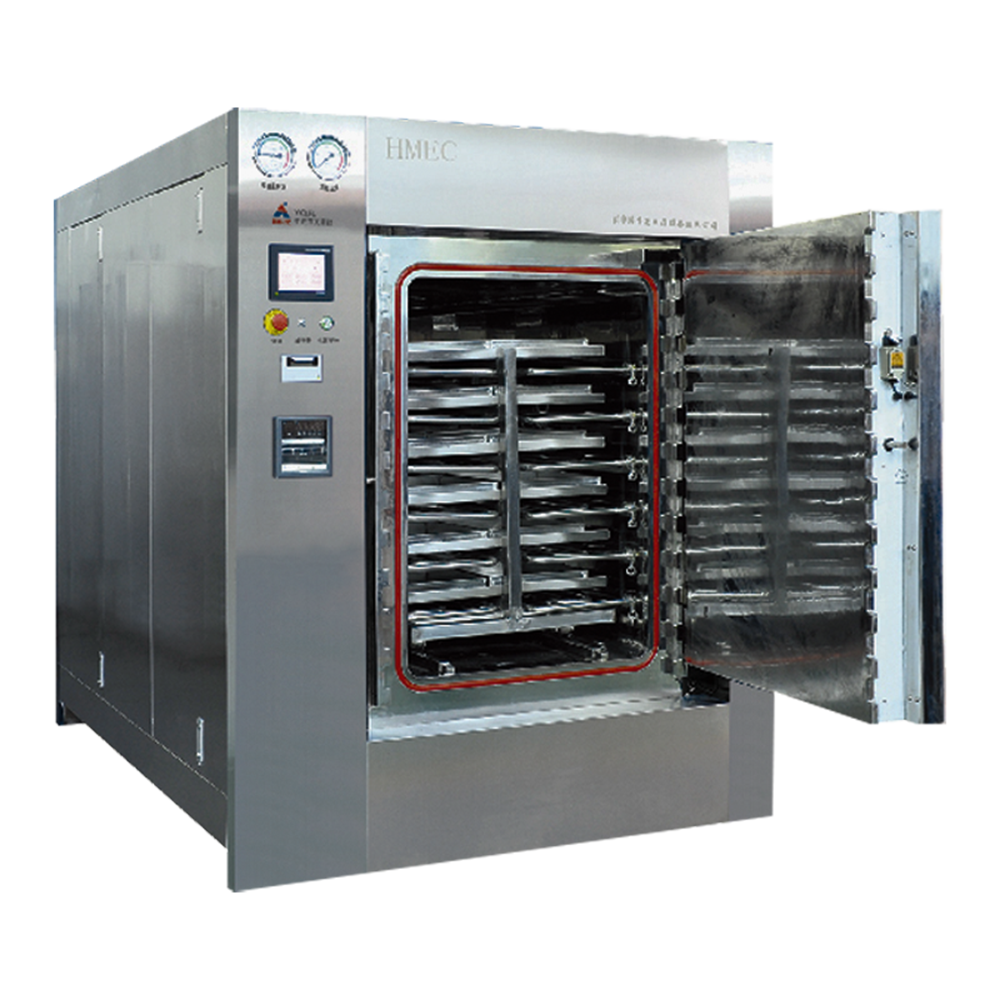
The sterilizer performs moist heat sterilization operations on items with saturated steam as the st...
See Details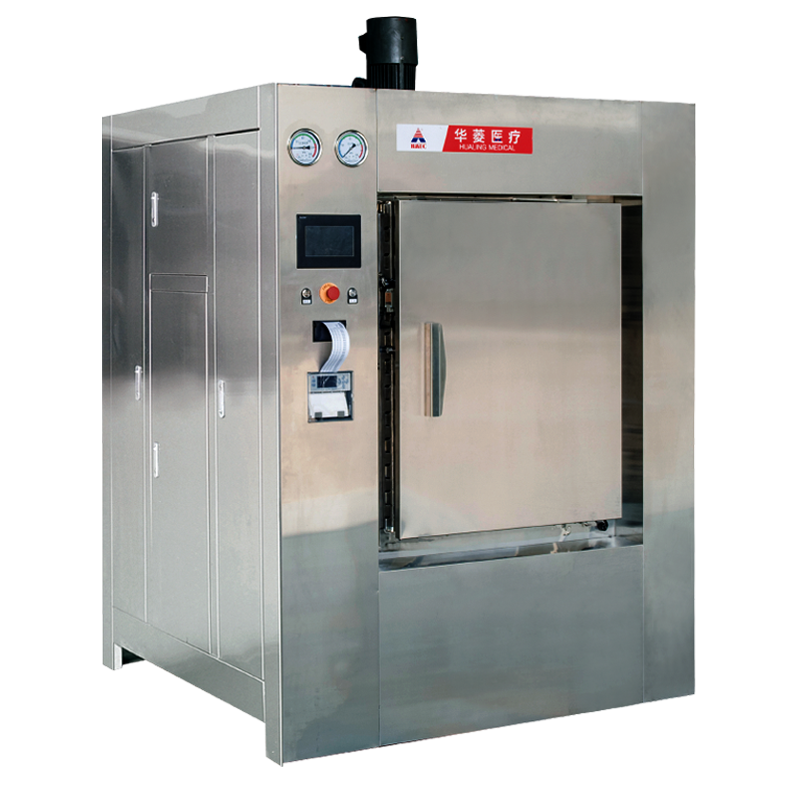
The sterilizer performs sterilization by means of mixing pressure of air and steam. Furthermore, mi...
See Details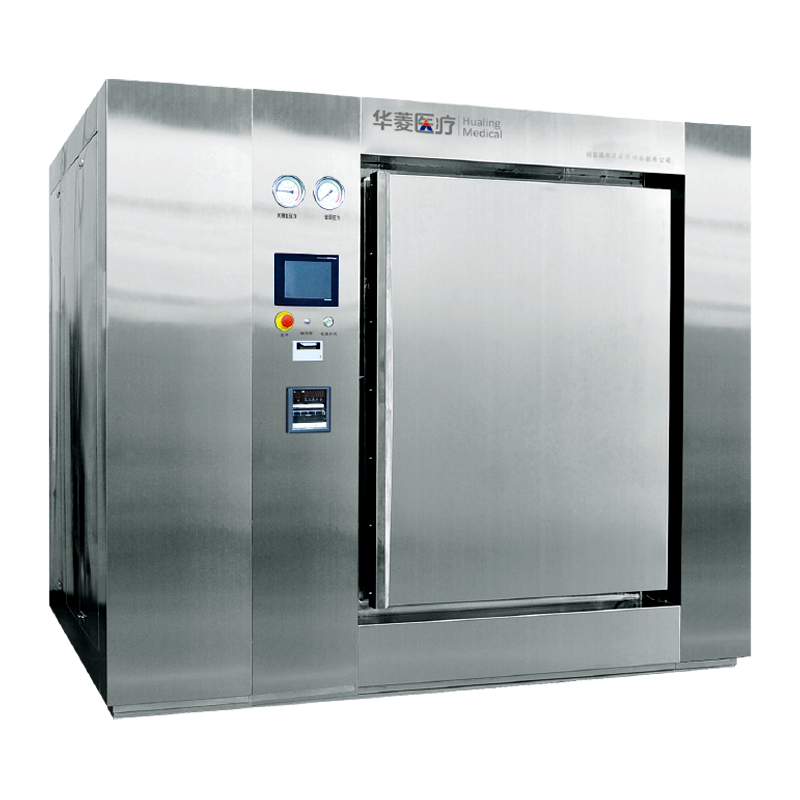
Water-bath type: The sterilized drugs are heated using water spraying using superheated water as the...
See Details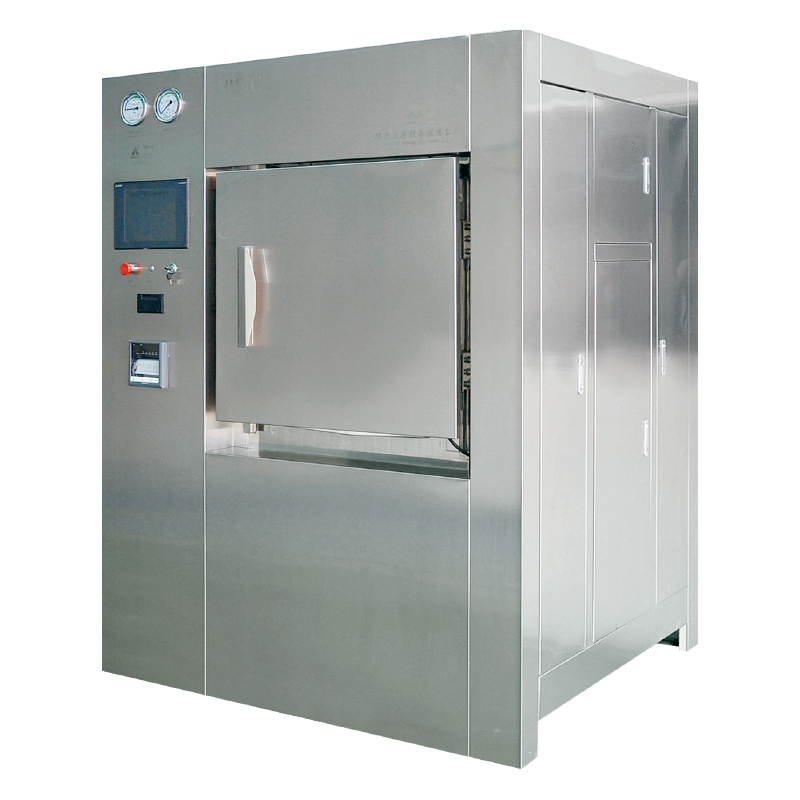
The sterilizer is to remove the impact of cold air on temperature using pulsation vacuum pumping wit...
See Details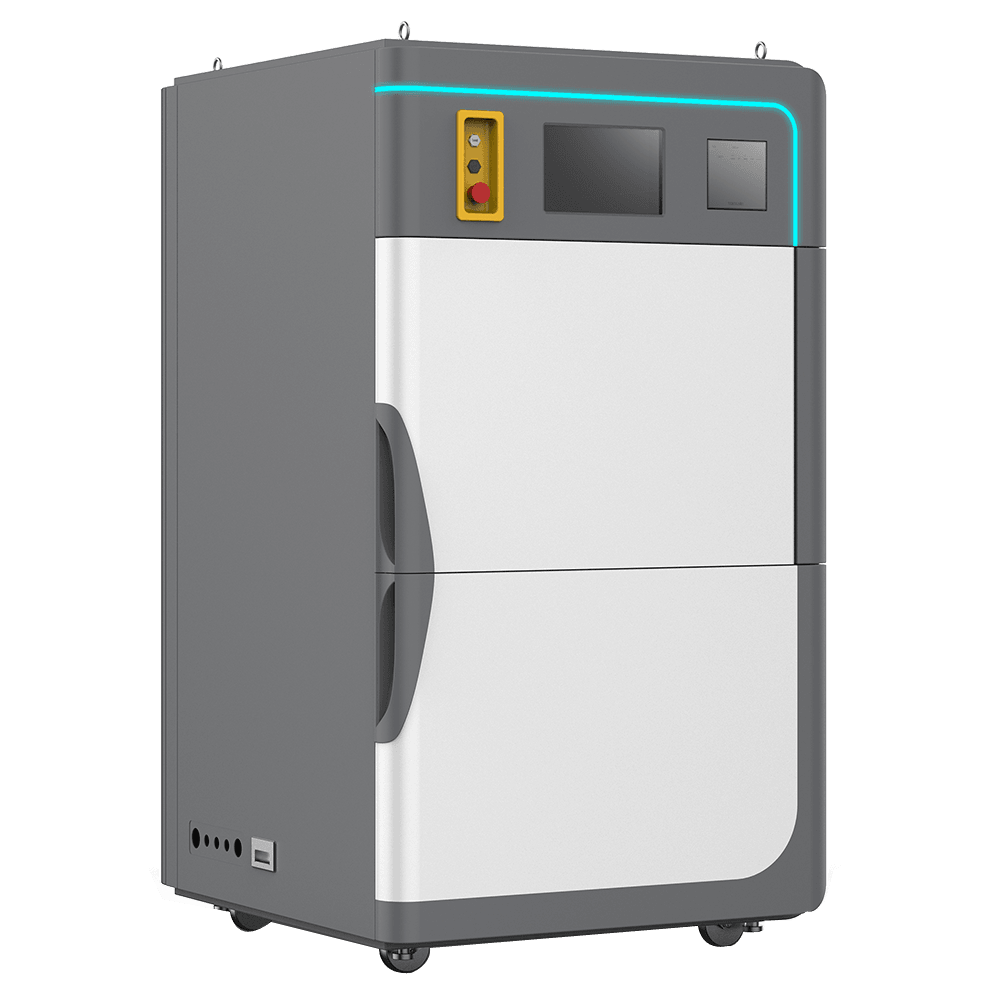
By the rapid penetration under vacuum conditions of a mixed gas of low-temperature (60℃ or 78℃) stea...
See Details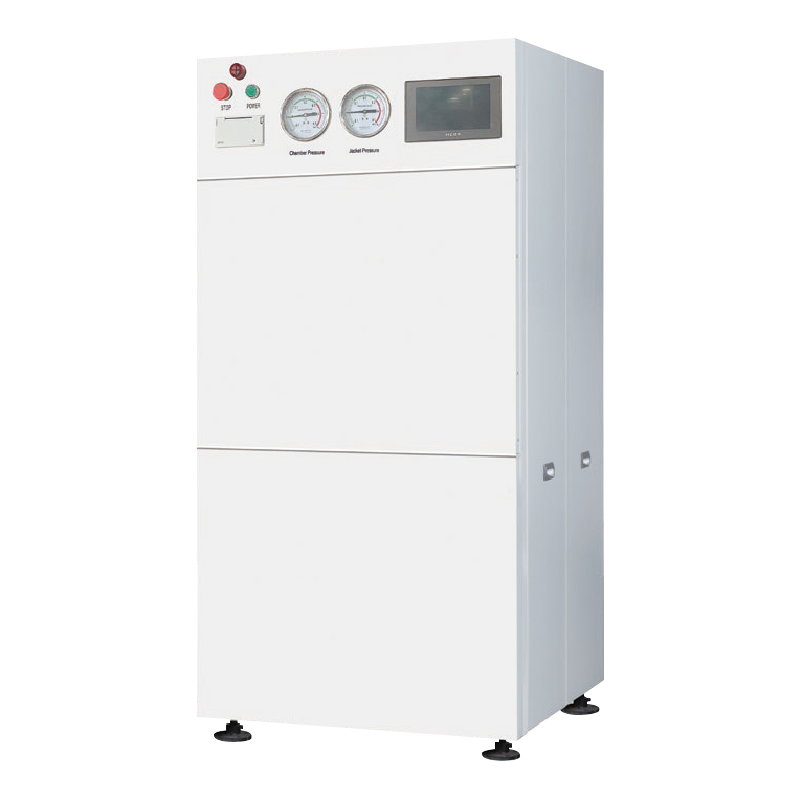
The Horizontal Steam Sterilizer utilizes saturated steam as the sterilizing medium, capitalizing on ...
See Details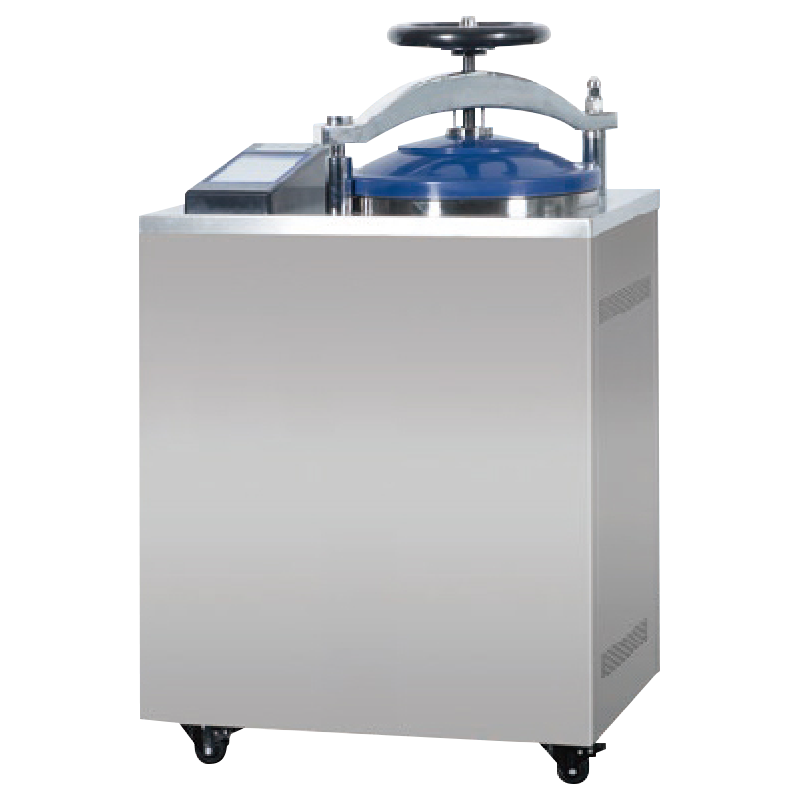
The Vertical Steam Sterilizer M Series (Pulsating Vacuum) is a safe and reliable sterilization solut...
See Details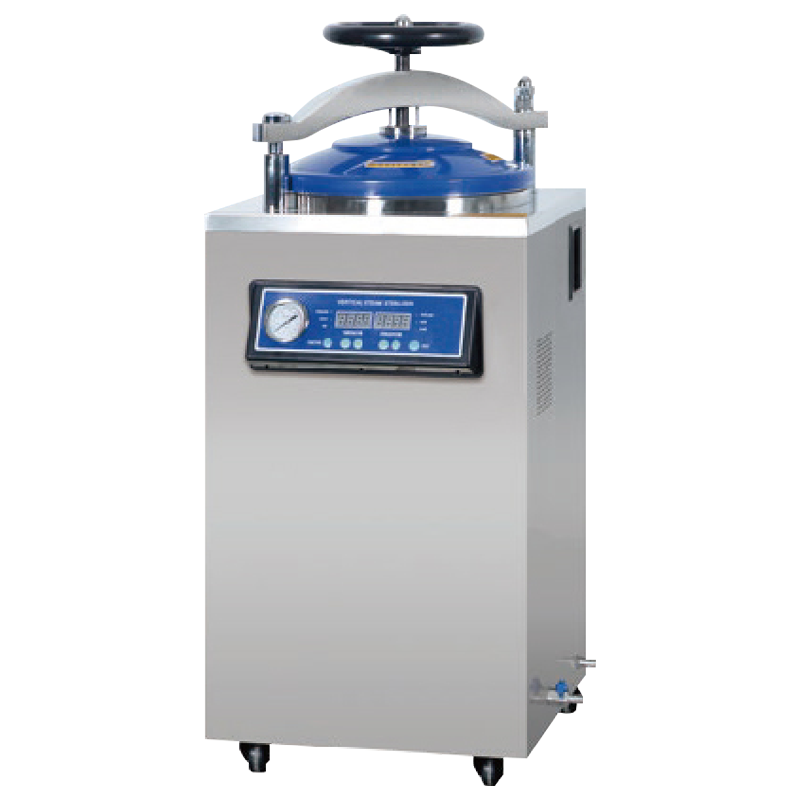
The Vertical Steam Sterilizer B Series offers a robust, automated solution for sterilizing a wide ra...
See Details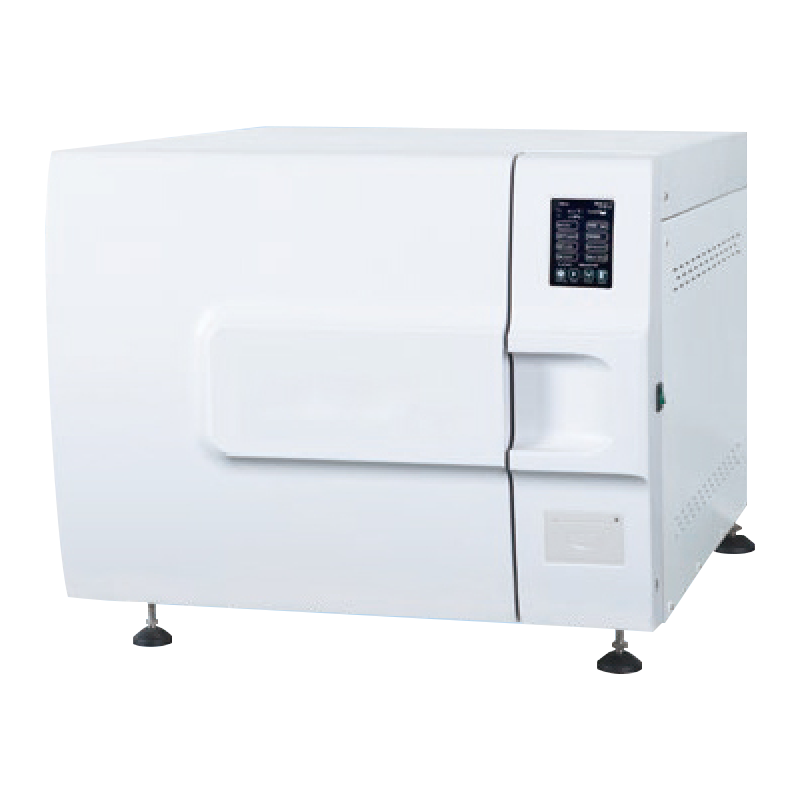
The Tabletop Steam Sterilizer Z Series is an efficient, user-friendly sterilization solution designe...
See Details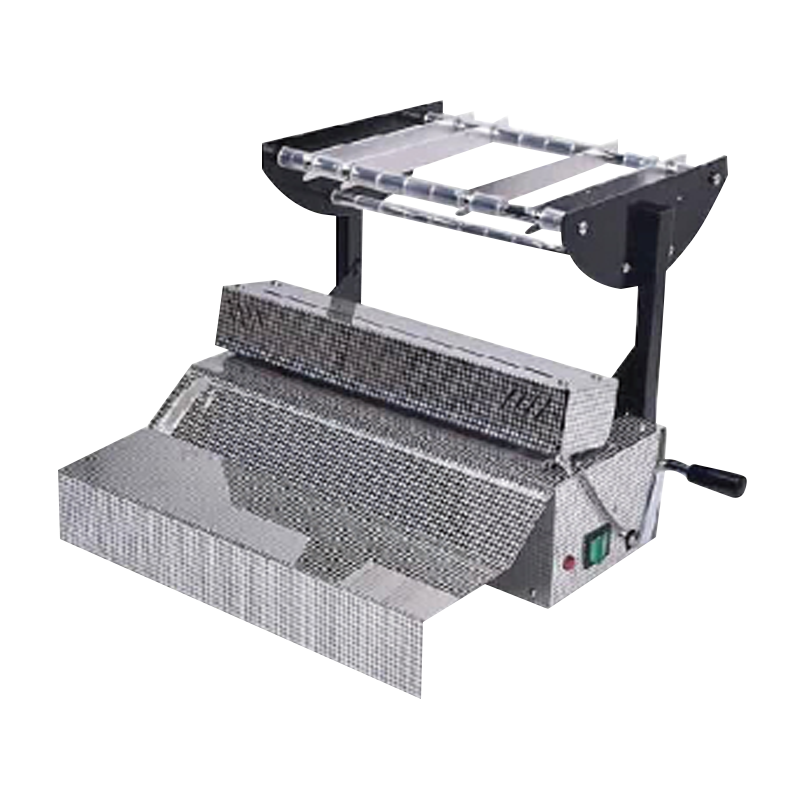
Product Usage:This type of sealing machine is used forsealing sterilizing bag, suitable for medicali...
See DetailsIntroduction to Sanitary Grade Sterilizer: Definition and Importance in Modern Sterilization Definit......
READ MOREIntroduction In today’s fast-paced world, ensuring the safety and sterility of products and material......
READ MOREIntroduction to Sterile Preparation Sterilizers What is Sterile Preparation? Sterile preparation ref......
READ MOREWhy Does Every Drug Require a Sterile Preparation Sterilizer? In modern medicine and pharmaceuticals......
READ MORE +(86) 18018151178
[email protected]
365 Nansha Sanjiali Road, Jingang Town, Zhangjiagang City, China
+(86) 18018151178
[email protected]
365 Nansha Sanjiali Road, Jingang Town, Zhangjiagang City, China
