Comparative Analysis of Traditional Chinese Medicine Sterilizer and Traditional Disinfection Methods
Introduction to Traditional Chinese Medicine Sterilizer
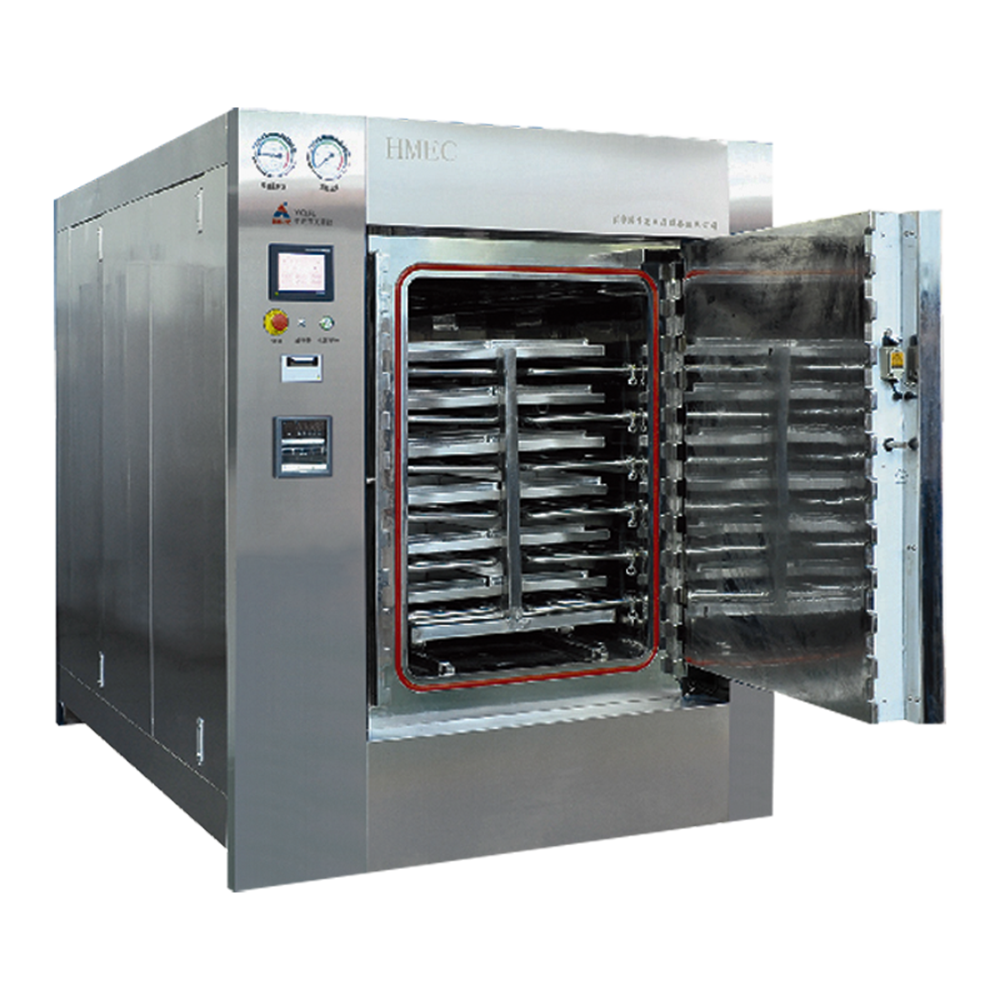
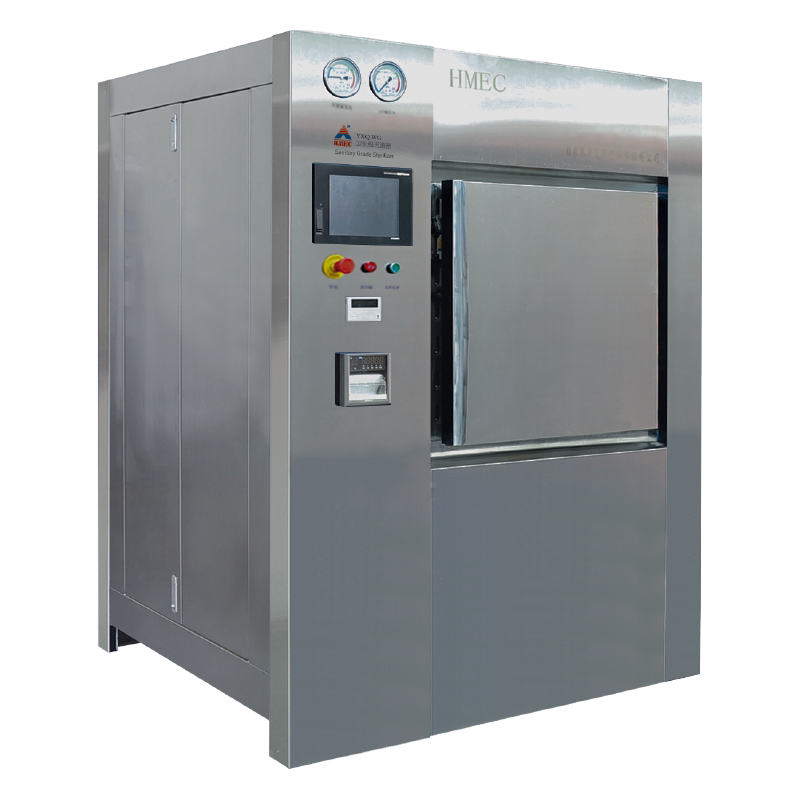
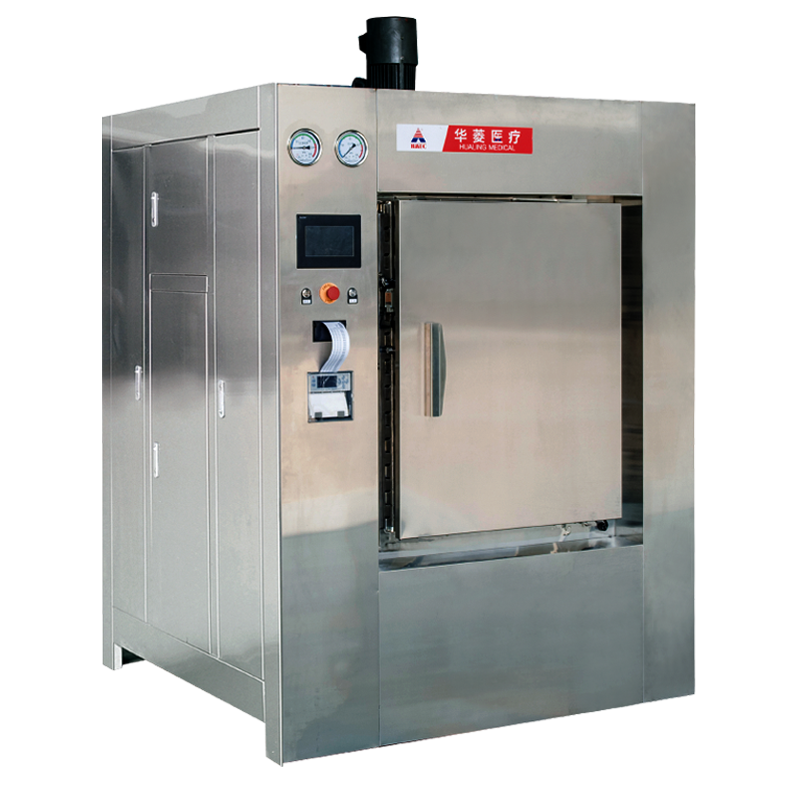
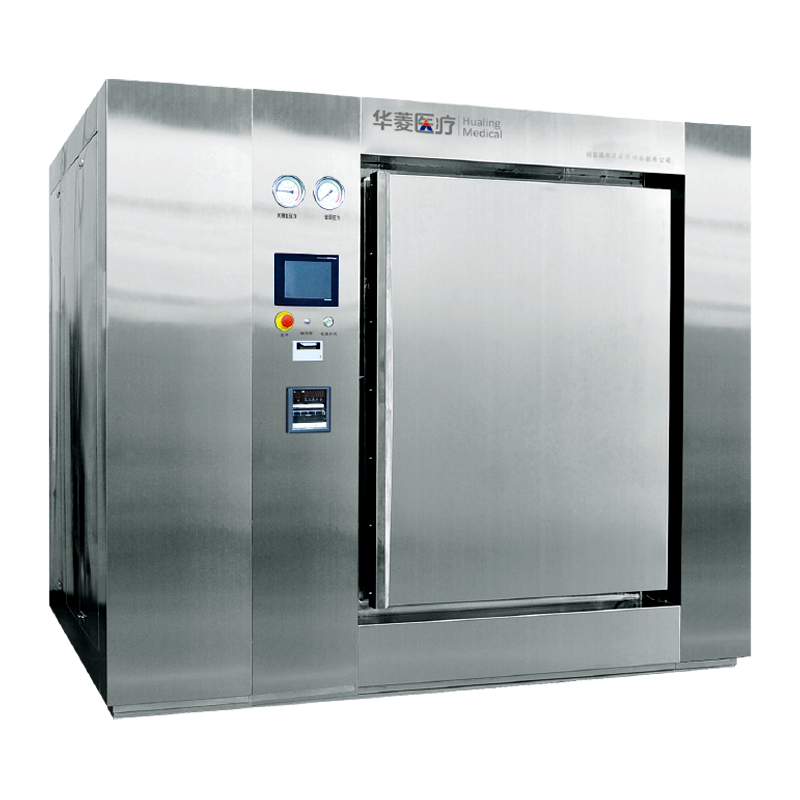
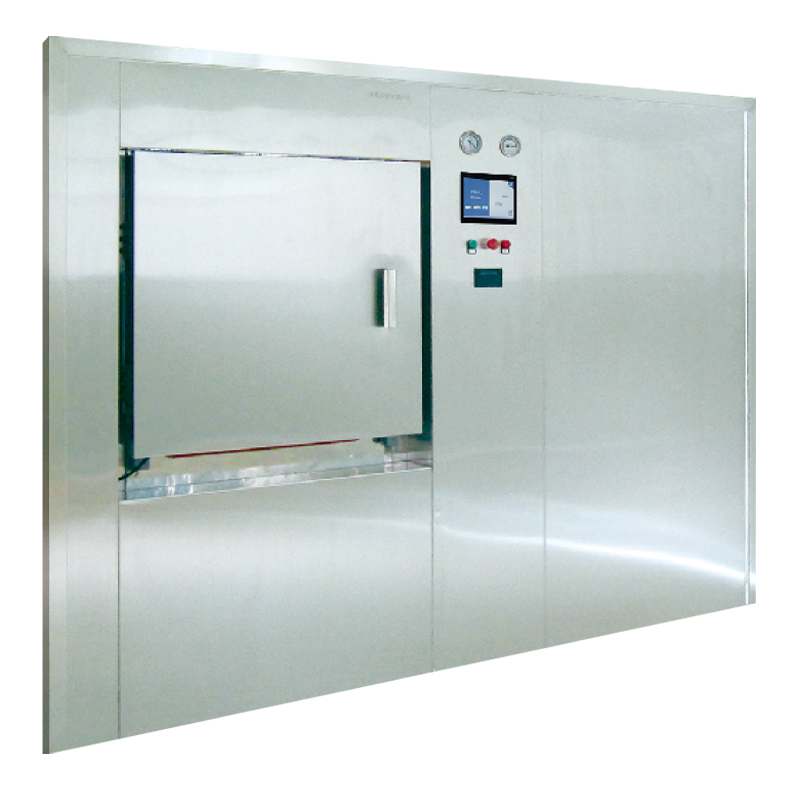
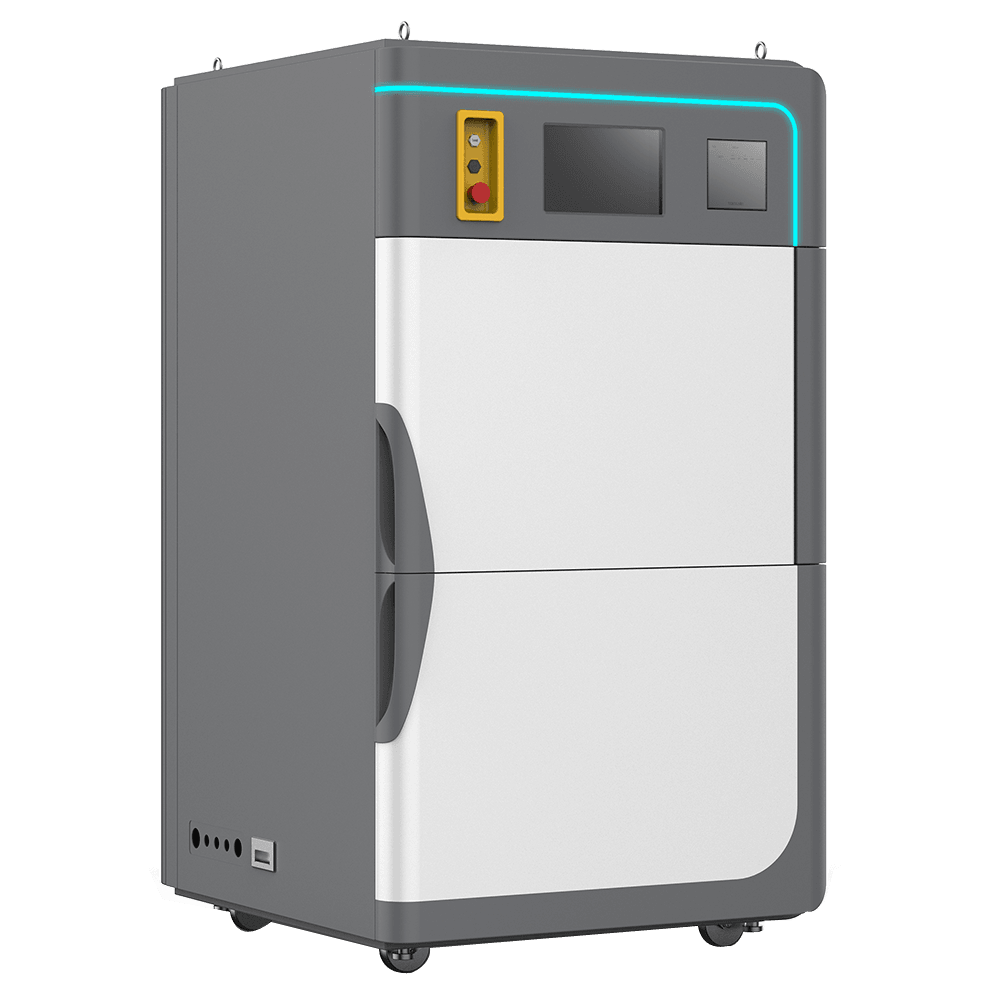
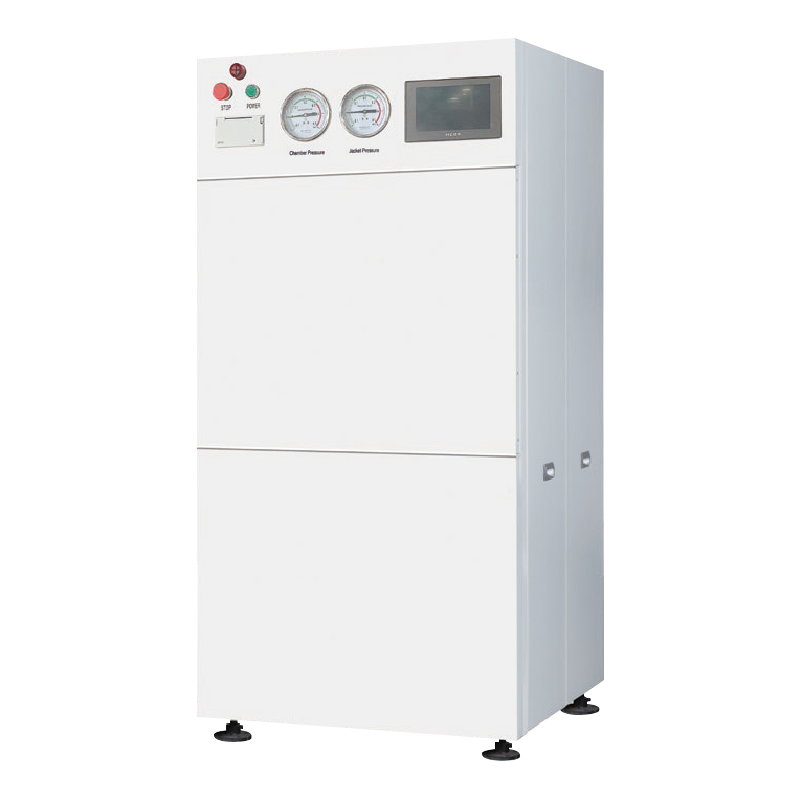
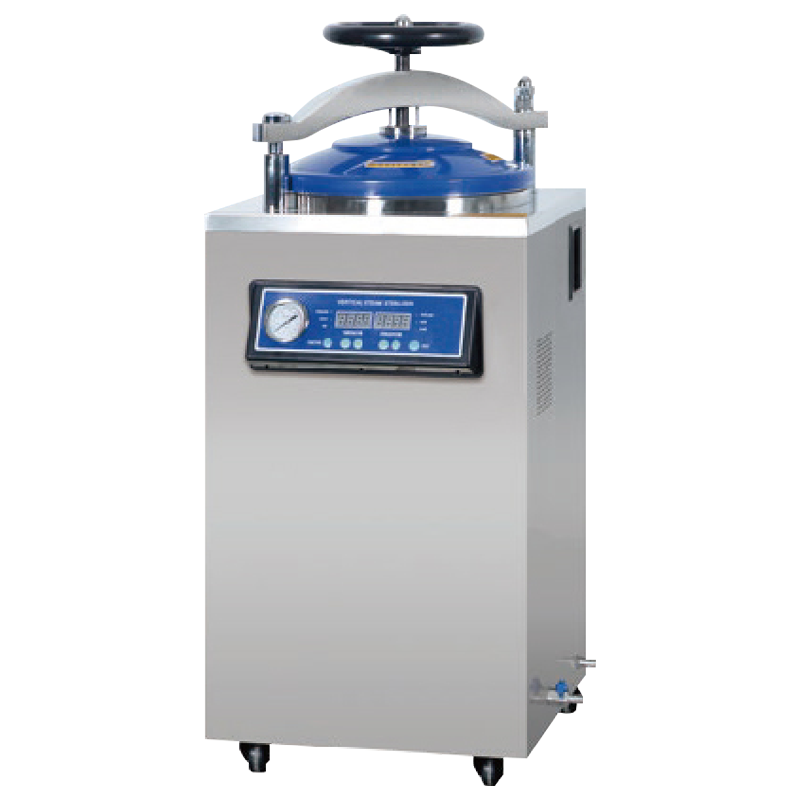
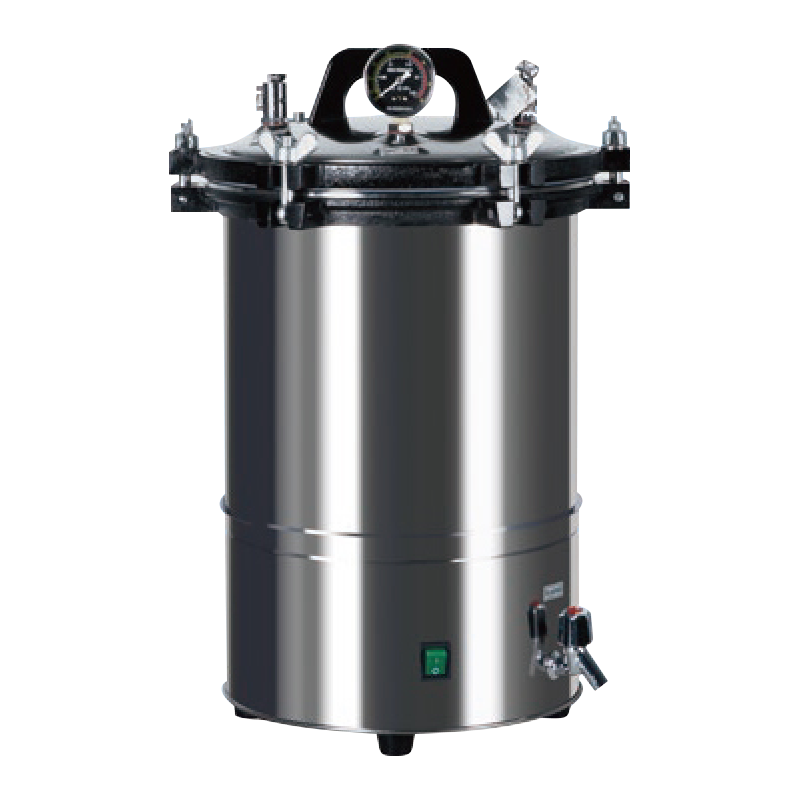
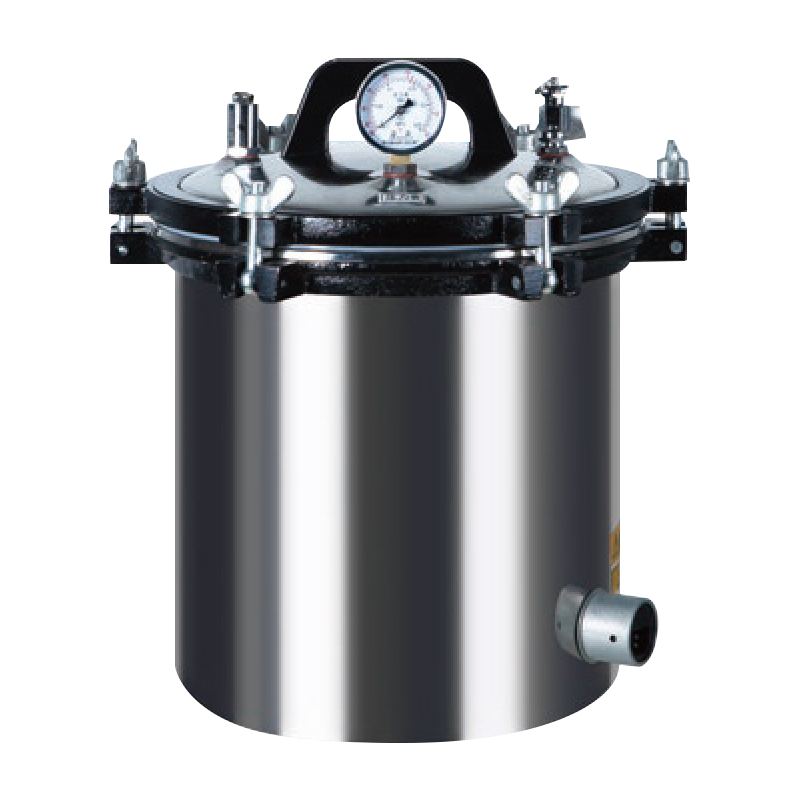
Traditional Chinese medicine sterilizer is a specialized equipment designed for disinfecting and sterilizing herbal medicines. Its design takes into account the preservation of the effective ingredients in herbs while ensuring the elimination of microorganisms such as bacteria, molds, and pests. Compared with conventional disinfection methods, this equipment emphasizes efficiency and control, making it more suitable for the unique storage and processing requirements of traditional Chinese medicine. Zhangjiagang Hualing Medical Equipment Co., Ltd., established in 1987, has long been dedicated to the research, development, and production of sterilization equipment. With multiple national patents and extensive industry experience, the company provides reliable solutions for the disinfection of herbal medicines, contributing to the modernization of traditional medicine.
Working Principle of Traditional Chinese Medicine Sterilizer
The working principle of the sterilizer is to use physical or chemical sterilization factors under controlled temperature, humidity, and time conditions to achieve microbial inactivation. For example, some traditional Chinese medicine sterilizers use ozone, ultraviolet light, or controlled heating to achieve sterilization, while advanced models adopt a multi-factor combined design. The precise adjustment of parameters makes sterilization more targeted, reducing damage to active substances in herbs. This approach differentiates the sterilizer from many traditional disinfection methods, as it provides more stable outcomes.
Characteristics of Conventional Disinfection Methods
Conventional disinfection methods for herbal medicines include sun drying, fumigation, boiling, and chemical soaking. Sun drying is economical but easily affected by climate. Fumigation with sulfur has been widely used in the past, but it may cause harmful residues. Boiling is effective against microorganisms but can destroy certain volatile components. Chemical soaking, while efficient in sterilization, may compromise safety due to chemical residues. These methods were historically necessary, but with the growing emphasis on quality and safety, their limitations are increasingly evident.
Comparative Analysis: Sterilization Effectiveness
The sterilization effectiveness of traditional Chinese medicine sterilizer is generally more controllable compared with conventional methods. For example, ultraviolet sterilization achieves rapid microbial inactivation without leaving residues, and ozone sterilization ensures comprehensive sterilization of irregularly shaped herbs. Conventional sun drying or fumigation cannot guarantee uniform sterilization, leading to possible survival of microorganisms. Through scientific testing, sterilizers have been proven to achieve a higher level of microbial control, which is beneficial for the safety of herbal products.
| Method |
Sterilization Effectiveness |
Residue Risk |
Control Precision |
| Sun drying |
Low, easily affected by climate |
None |
Poor |
| Sulfur fumigation |
Medium, covers many microbes |
Possible residue |
General |
| Boiling |
High for bacteria and molds |
None |
Limited |
| Chemical soaking |
High but with chemical residue |
High risk |
General |
| Sterilizer |
High, stable, controllable |
None |
Strong |
Comparative Analysis: Preservation of Herbal Ingredients
The preservation of active ingredients is critical for herbal medicine quality. Conventional methods like boiling or sulfur fumigation may destroy volatile oils or change the chemical structure of active compounds. In contrast, sterilizers adopt optimized processes that minimize damage to ingredients. For example, low-temperature sterilization avoids overheating herbs, while ozone and ultraviolet sterilization have little impact on chemical composition. This helps ensure that the therapeutic effect of herbs is not compromised during sterilization.
Application Scope Differences
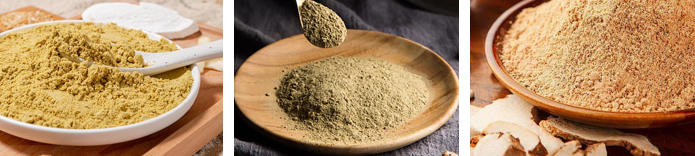
Traditional Chinese medicine sterilizers can be widely applied in hospitals, pharmaceutical factories, and traditional Chinese medicine clinics. They are suitable for different forms of herbs, including decoction pieces, powders, and packaged medicinal products. Conventional methods, however, are mostly limited to household or small-scale use, with relatively low adaptability. As industry requirements for standardized production increase, sterilizers play a more important role in industrialized operations.
Operational Convenience Comparison
The sterilizer emphasizes automation and intelligent control, enabling users to set sterilization parameters according to needs and ensuring relatively simple operation. Some sterilizers even integrate monitoring systems to provide real-time feedback. In contrast, conventional methods such as sun drying or fumigation often require manual operation and continuous monitoring, which not only increases workload but also results in inconsistent outcomes.
Safety Considerations
Conventional disinfection methods, especially sulfur fumigation and chemical soaking, present safety risks. Sulfur dioxide residues may affect human health, and chemical disinfectants can lead to toxicological risks. Sterilizers avoid these risks, as they rely mainly on physical sterilization or safe gases such as ozone, which degrade naturally into oxygen after use. For manufacturers and consumers, this significantly enhances product safety.
| Method |
Safety Level |
Potential Risks |
| Sun drying |
Medium |
Contamination by dust or insects |
| Sulfur fumigation |
Low |
Sulfur dioxide residue |
| Boiling |
Medium |
Loss of herbal components |
| Chemical soaking |
Low |
Chemical residue risk |
| Sterilizer |
High |
Minimal, mainly operational factors |
Impact on Industrial Standardization
With the increasing standardization of Chinese herbal medicine production, sterilizers better meet modern pharmaceutical requirements. Their controllable sterilization processes align with GMP (Good Manufacturing Practice) standards, while conventional methods often fail to achieve the necessary precision. Zhangjiagang Hualing Medical Equipment Co., Ltd., as a member of the National Sterilization Technology and Equipment Standardization Committee and the China Disinfection and Sterilization Association, actively promotes the adoption of sterilizers in the industry, supporting quality improvement and modernization of traditional Chinese medicine.
Future Development Trends
The development of sterilizers is heading toward intelligence, energy efficiency, and multi-functionality. Future models may integrate functions such as automatic identification of herb types and customized sterilization programs, further improving efficiency. Conventional disinfection methods, due to their limitations, are gradually being replaced in industrial production, though they may still exist in small-scale or traditional usage. The coexistence of both methods reflects the transition of Chinese medicine sterilization technology toward modernization.

 English
 русский
 Español
 عربى
عربى
 中文
中文