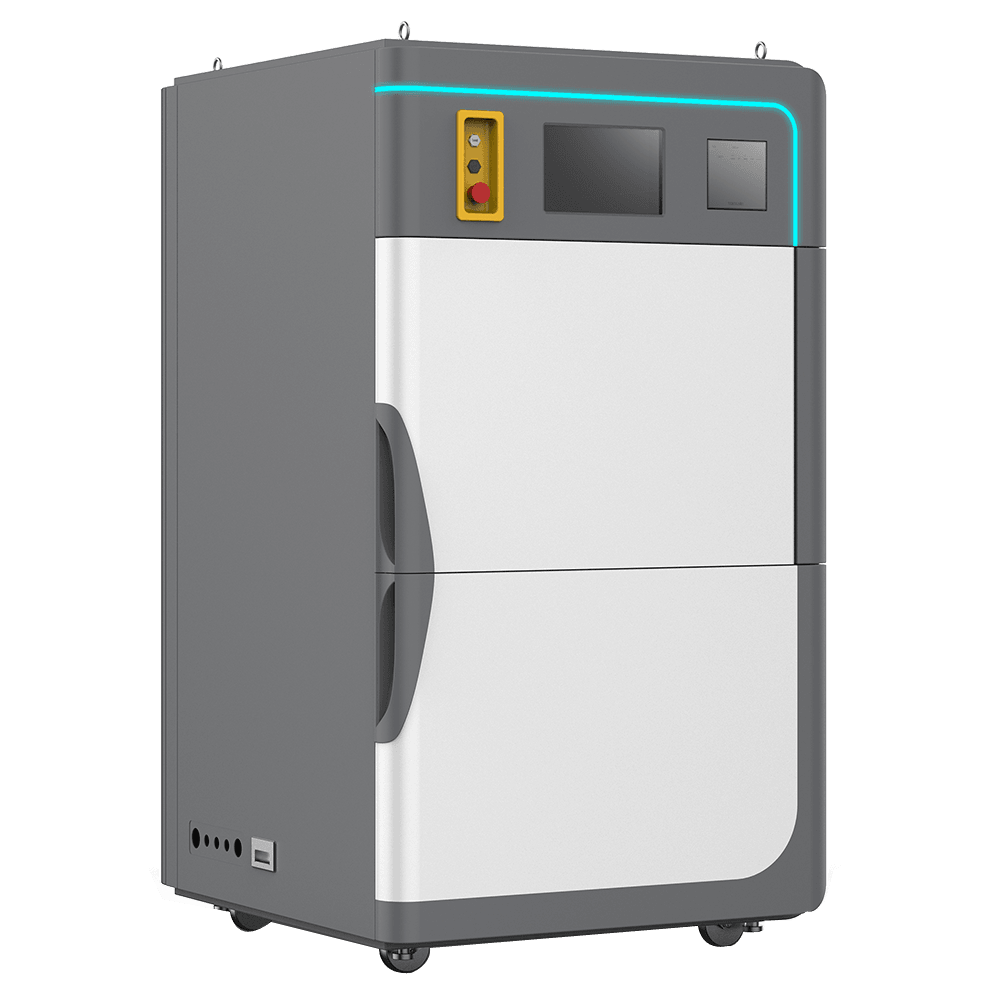
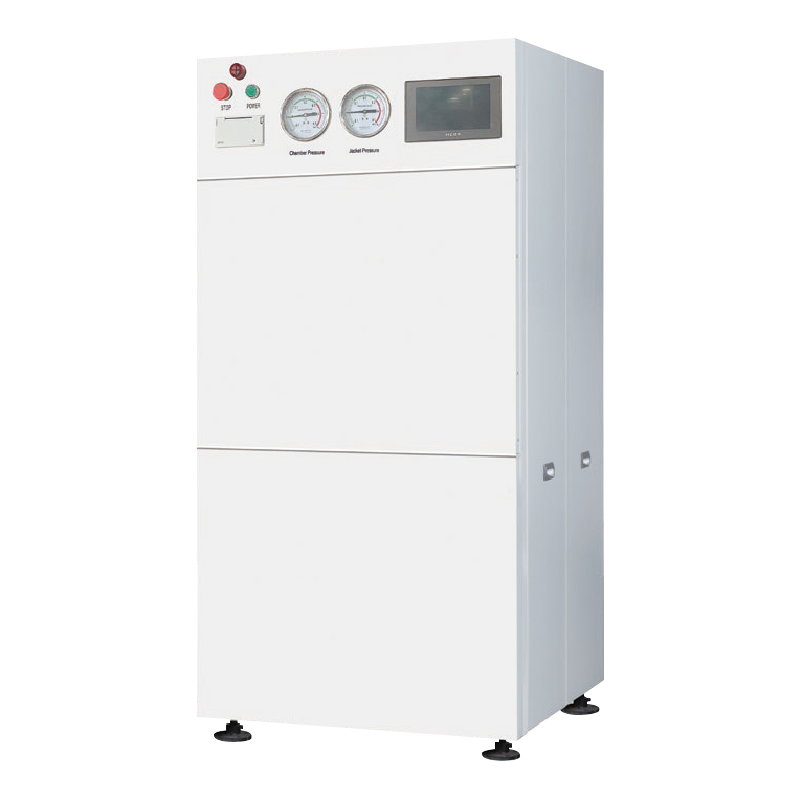
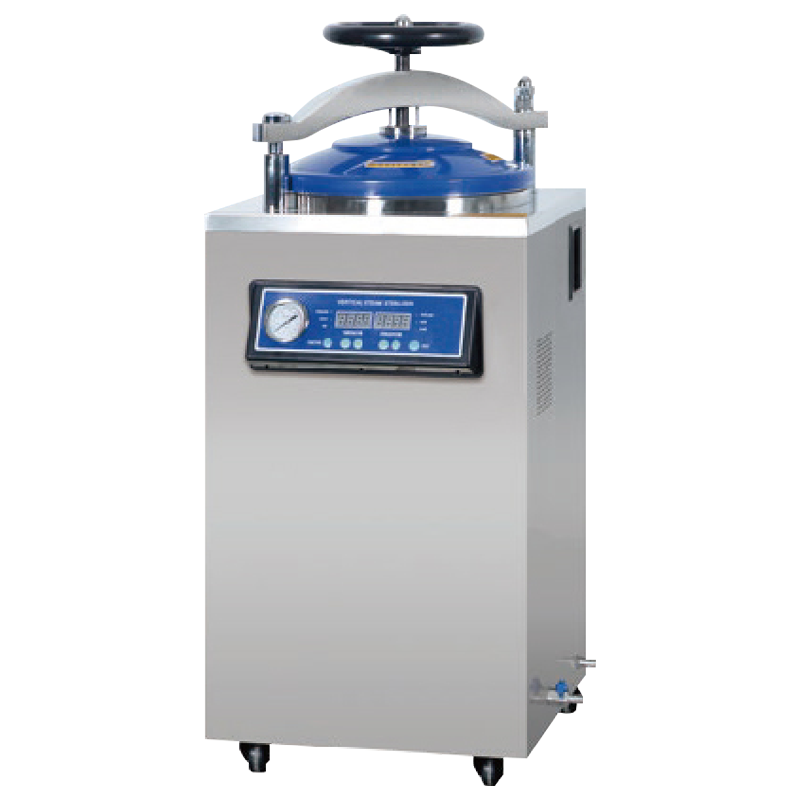
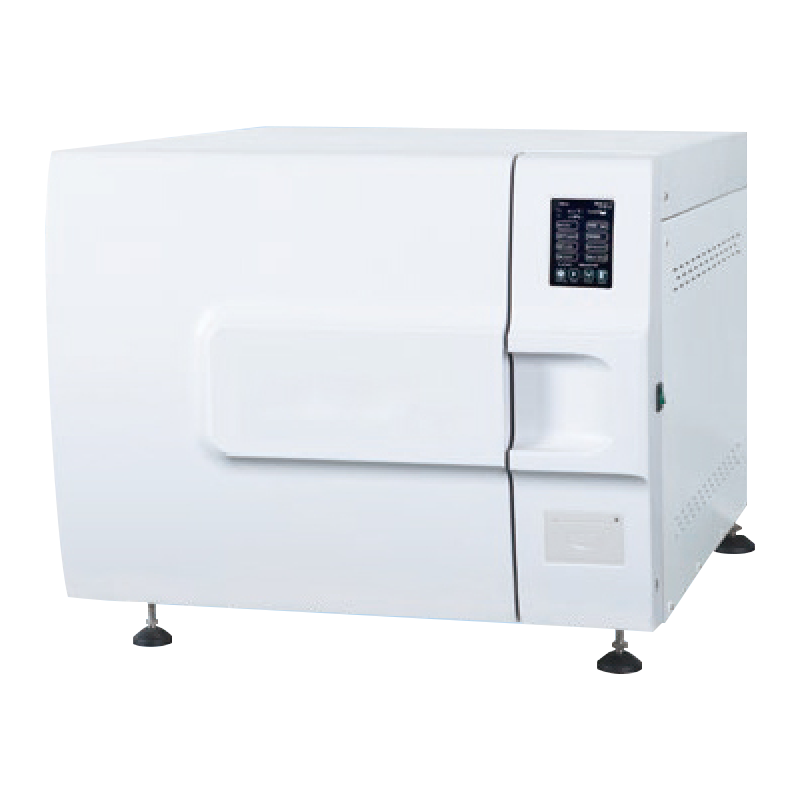
What is the difference between a pulse vacuum sterilizer and a traditional steam sterilizer?
Working Principle and Limitations of Traditional Steam Sterilizers
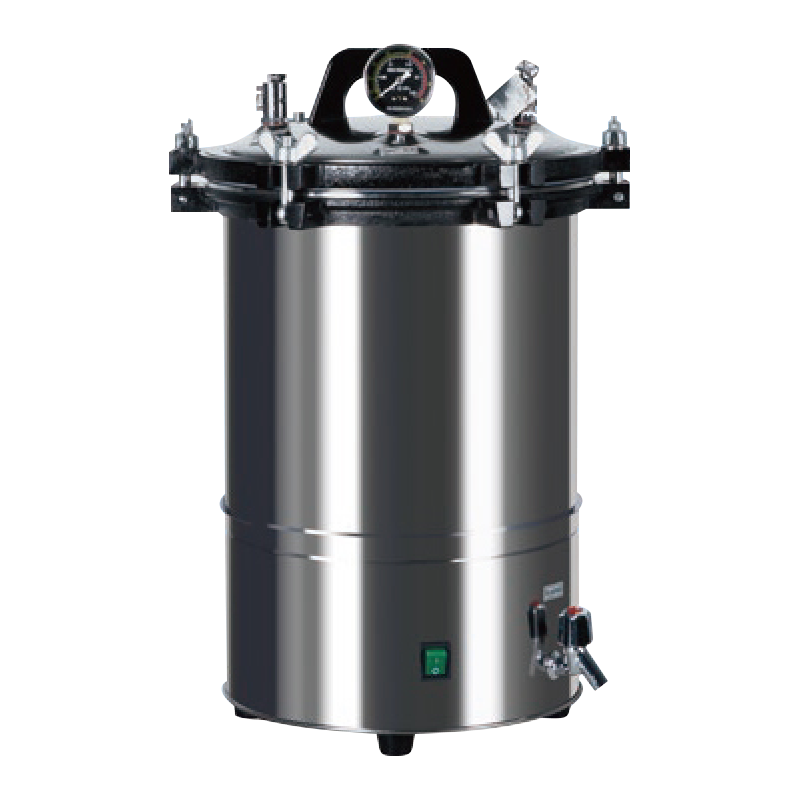
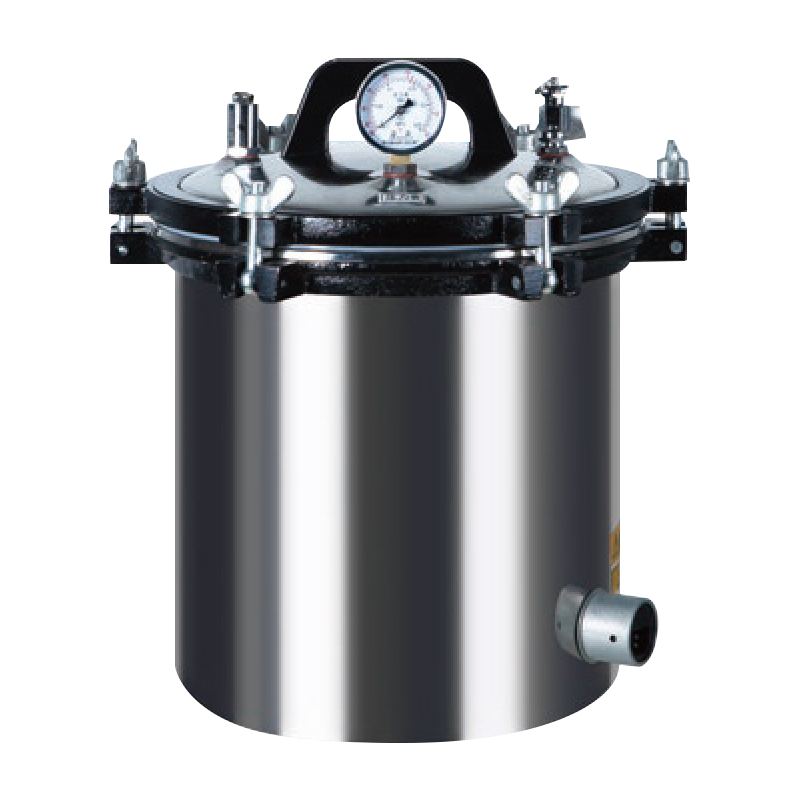
Traditional steam sterilizers typically sterilize items using saturated steam at a certain pressure and temperature (e.g., 121°C/15 psi). Steam creates a high-temperature, high-pressure environment through heating, destroying the protein structure of microorganisms and killing bacteria, viruses, and spores. The sterilization process, which includes heating, sterilization hold, exhaust, and drying, is mature and widely used in the medical device, laboratory equipment, and pharmaceutical industries.
However, traditional steam sterilizers have several technical bottlenecks:
Low air removal efficiency: Traditional steam sterilizers rely on natural exhaust or simple exhaust systems. Air entrapment affects sterilization uniformity and thoroughness, posing a particular risk for sterilizing complex instruments.
Long drying time: Traditional equipment relies on hot air or natural cooling during the drying process, which is time-consuming and impacts production efficiency.
Device material limitations: Certain heat-sensitive materials are easily damaged by excessively high sterilization temperatures or high steam humidity.
Long sterilization cycles: Traditional steam sterilization processes are relatively long, making them incapable of responding quickly to high-intensity production demands.
Technical Advantages and Innovations of Pulse Vacuum Sterilizers
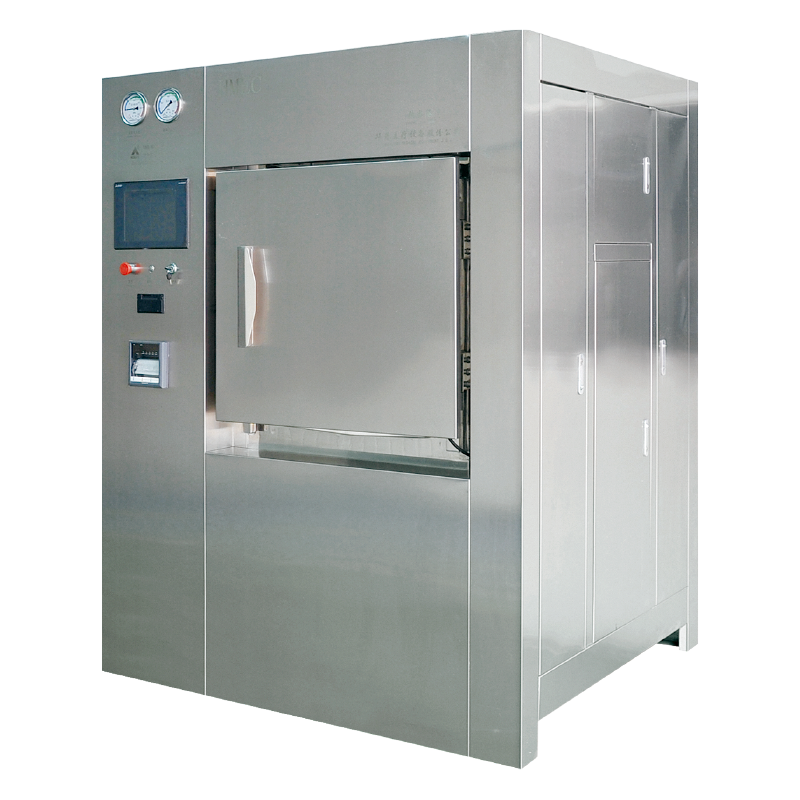
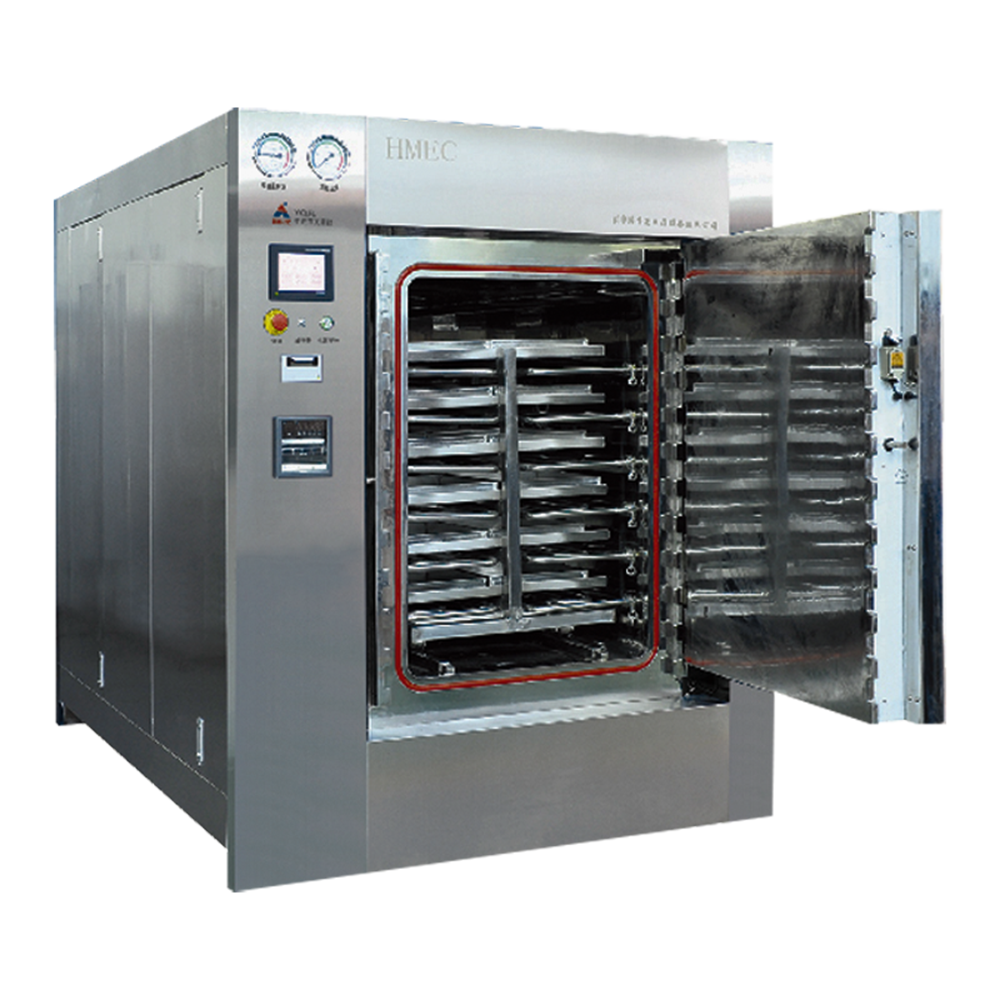
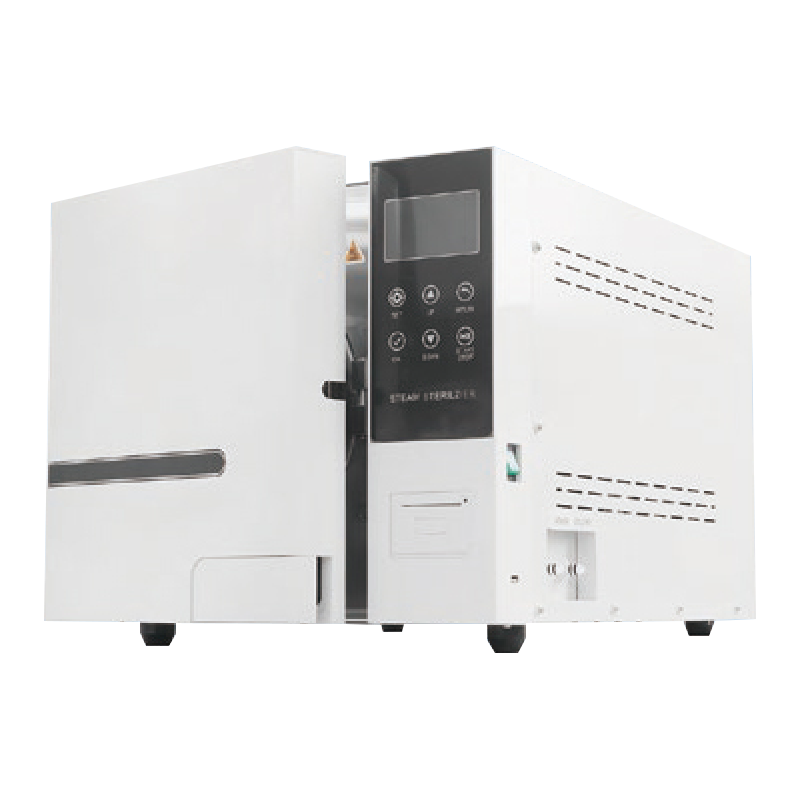
Zhangjiagang Hualing's pulse vacuum sterilization technology utilizes advanced vacuum pulse exhaust, combined with the principles of saturated steam sterilization, to significantly enhance sterilization effectiveness and equipment performance.
Efficient Air Removal and Ensured Sterilization Uniformity
The pulse vacuum sterilizer uses repeated cycles of vacuum extraction and steam refill to effectively remove air from the sterilization chamber, preventing air pockets. Once air is completely removed, steam can more evenly and fully reach the surface and complex internal structures of the items, fundamentally improving sterilization efficiency. This is particularly suitable for porous and complex medical devices and laboratory supplies.
Significantly Shortens Sterilization Cycles
Pulse vacuum technology significantly improves air removal speed and drying efficiency, significantly reducing sterilization and drying times. Zhangjiagang Hualing's pulse vacuum sterilizers, leveraging precise control systems and advanced sensing technology, optimize sterilization cycles to meet the stringent demands of high-volume manufacturing environments. More Precise Temperature and Humidity Control
Pulse vacuum sterilizers offer better control of sterilization temperature and steam humidity, avoiding the wetting issues associated with oversaturated steam in traditional steam sterilization and minimizing damage to sterilized items. Pulse vacuum sterilization provides a gentler and safer sterilization environment, especially for sensitive materials and electronic medical devices.
Improving Sterilization Safety and Operational Ease
As a high-tech enterprise, Hualing prioritizes intelligent and safety-focused equipment design. The pulse vacuum sterilizer is equipped with multiple safety protection mechanisms and an intelligent control system that enables automatic operation, monitoring, and alarms. This ensures a stable and reliable sterilization process, reduces the risk of human intervention, and improves overall efficiency.
Differences between technical parameters and application areas
|
Feature
|
Traditional Steam Sterilizer
|
Pulse Vacuum Sterilizer
|
|
Air Removal Method
|
Natural or simple exhaust
|
Multiple cycles of vacuum pulse extraction
|
|
Sterilization Cycle
|
Longer, usually 1-2 hours
|
Shortened by 30%-50%, suitable for fast batch sterilization
|
|
Applicable Items
|
Simple structured, heat-resistant items
|
Complex structured, porous and sensitive materials
|
|
Drying Efficiency
|
Heat-based drying, relatively low efficiency
|
Vacuum drying, fast and thorough
|
|
Temperature & Humidity Control
|
Limited by steam supply, relatively high humidity
|
Precise control of steam saturation and temperature, avoids excess moisture
|
|
Operation & Safety
|
Mainly mechanical control, lower intelligence
|
Intelligent control system with automation and enhanced safety
|
How effective is a pulse vacuum sterilizer at killing different types of microorganisms?
Brief Introduction to the Sterilization Principle of a Pulse Vacuum Sterilizer
Pulse vacuum sterilizers primarily utilize a repeated cycle of vacuuming and steaming to effectively remove air from the sterilization chamber, ensuring that saturated steam can completely envelop and penetrate the items being sterilized. High-temperature, high-pressure saturated steam destroys the protein structure and cell membranes of microorganisms, achieving complete sterilization. Compared to traditional sterilization, pulse vacuum technology uses multiple vacuum pulses to increase steam permeability within the sterilization chamber, ensuring uniform and thorough sterilization.
Killing Effectiveness Against Different Types of Microorganisms
Microorganisms vary greatly in their biological characteristics, and the difficulty of sterilization varies. Zhangjiagang Hualing's pulse vacuum sterilizers demonstrate excellent killing effectiveness against common microorganisms, including bacteria, viruses, fungi, and spores. The following are the details:
Bacteria
Bacteria are common sterilization targets and include Gram-positive bacteria (such as Staphylococcus aureus) and Gram-negative bacteria (such as Escherichia coli). Pulse vacuum sterilization uses high-temperature saturated steam to rapidly penetrate bacterial cell walls, denaturing proteins and inactivating enzymes, disrupting the cell structure and achieving effective sterilization. Compared to traditional sterilizers, pulse vacuum technology effectively eliminates air obstructions, ensuring uniform steam penetration, shortening sterilization times, and increasing efficiency.
Viruses
Viruses have simple structures but are resilient. Some viruses, such as hepatitis and HIV, are highly resistant to environmental influences. Pulse vacuum sterilizers use repeated vacuum pumping to enhance steam penetration, effectively destroying the viral protein coat and nucleic acid structure, rendering them incapable of infection. Hualing's equipment, under strict temperature and pressure control, ensures that the inactivation of various viruses meets national and international standards.
Fungi and Yeasts
Fungi, including molds and yeasts, have thicker cell walls and are highly heat-resistant. Pulse vacuum sterilization utilizes high-temperature steam combined with repeated vacuum pumping to penetrate the cells, disrupting their cell walls and internal structure, achieving complete sterilization. Compared to traditional equipment, Hualing's technology utilizes precise parameter control to avoid damage to items caused by prolonged sterilization times while ensuring thorough sterilization.
Bacterial Spores
Spores are the most challenging microbial form to kill, possessing extreme resistance to heat and chemicals. Killing spores requires a precise combination of temperature (typically ≥121°C) and time. Pulse vacuum sterilizers enhance steam penetration through multiple vacuum pulses, significantly improving spore kill efficiency. Zhangjiagang Hualing's equipment is equipped with advanced control systems that precisely implement sterilization parameters, ensuring a spore kill rate exceeding 99.999%, meeting international medical safety standards.
Sterilization Verification and Quality Assurance
As a high-tech enterprise in the industry, Zhangjiagang Hualing strictly adheres to national and international sterilization standards, such as GB15982-2012 and ISO 17665. Incorporating multiple monitoring systems, the equipment monitors temperature, pressure, steam saturation, and vacuum level in real time to ensure that each sterilization cycle meets specified parameters. The company also provides a variety of biological and chemical indicators to support customers in sterilization validation, ensuring traceability and controllability of equipment sterilization results.
Wide Application Range
With its superior microbial kill capability and high performance, Hualing pulse vacuum sterilizers are widely used in:
Medical device manufacturing and sterilization
Sterilization processes in pharmaceutical production lines
Maintaining sterile environments in laboratories and research institutions
Sterilization processes in the food processing industry
How does a pulse vacuum sterilizer handle air entrapment during the sterilization process to ensure sterility?
The Impact of Air Entrapment on Sterilization
Sterilization equipment primarily uses high-temperature saturated steam for sterilization. Steam effectively penetrates the surface of items and destroys microbial structures, achieving sterilization. However, air is thermally insulating and poorly conducts heat. If air entrapment remains in the sterilization chamber, it can form "air pockets," preventing sufficient contact between the steam and the sterilized items, resulting in incomplete sterilization and even microbial survival.
Traditional sterilizers rely on simple exhaust or natural venting, which is difficult to completely remove air from the sterilization chamber. This is especially true for items with complex, porous, or tightly structured structures, which are more susceptible to air entrapment, seriously impacting sterilization uniformity and safety.
The Core Advantages of Pulse Vacuum Sterilization Technology
The pulse vacuum sterilizer developed by Zhangjiagang Hualing Medical Equipment effectively addresses the problem of air entrapment through "vacuum pulse exhaust" technology. Specifically, it involves:
Repeated Vacuum Evacuation - Multiple Pulse Cycles
Before the sterilization process begins, the sterilizer performs multiple vacuum operations on the sterilization chamber. Each vacuum pulse removes some air, followed by the injection of saturated steam. Repeated pulse action disperses trapped air into smaller volumes and gradually expel it, preventing air from being trapped in complex areas of instruments.
The vacuum environment improves steam permeability.
Vacuum extraction reduces the pressure within the sterilization chamber, allowing steam to quickly fill the chamber, especially in tiny pores and corners that are difficult for traditional steam sterilization to penetrate, ensuring that saturated steam is fully encapsulated and penetrates.
Intelligent control ensures exhaust integrity.
The Hualing pulse vacuum sterilizer is equipped with high-precision pressure and temperature sensors and an intelligent control system. This real-time monitors the vacuum level and steam conditions, dynamically adjusting the pulse frequency and duration to ensure optimal air removal with each cycle.
Technical Implementation Details and Equipment Advantages
High-Efficiency Vacuum Pump and Valve Design
Hualing Medical Equipment utilizes a high-performance vacuum pump with rapid extraction capabilities, combined with a solenoid valve with excellent sealing performance, to achieve precise and rapid air extraction, preventing external air backflow.
Multi-Stage Pulse Exhaust Process
Multiple vacuum pulse stages are incorporated into the sterilization cycle. Each stage extracts air at different levels. Combined with steam filling, this creates a "steam flushing" effect, ensuring maximum air removal from both inside and outside the sterilization chamber and items. Pressure Gradient Optimization: Rationally designing the pressure gradient utilizes the pressure difference to promote gas flow and exchange, improve air removal efficiency, shorten sterilization preparation time, and enhance overall sterilization efficiency.

 English
 русский
 Español
 عربى
عربى
 中文
中文