 English
 русский
 Español
 عربى
عربى
 中文
中文

Traditional Chinese Medicine Sterilizer
Cat:Products
The sterilizer performs moist heat sterilization operations on items with saturated steam as the st...
See Details
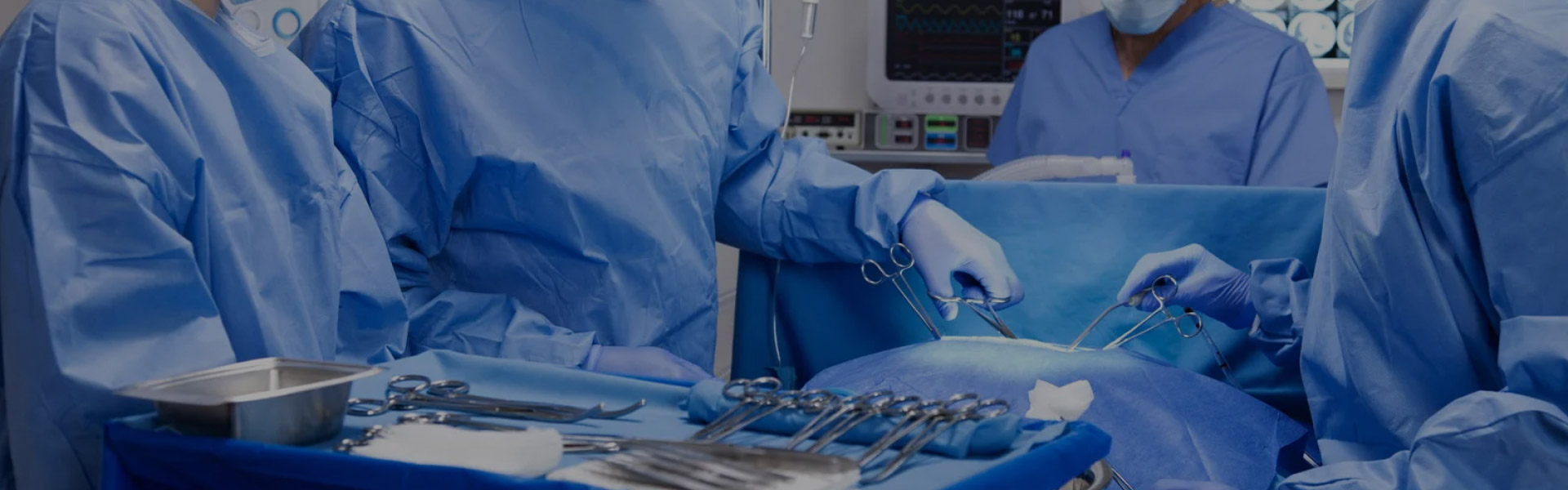
In today’s fast-paced world, ensuring the safety and sterility of products and materials used in healthcare, pharmaceuticals, and food industries is paramount. Contamination can have disastrous consequences, leading to severe health risks, costly recalls, and even life-threatening situations. As a result, sterilization processes must be robust, reliable, and consistently effective. One such advanced method that has gained wide adoption across various sectors is moist heat sterilization, particularly through the use of Sanitary Grade Sterilizers.
These sterilizers employ saturated steam as the primary sterilizing medium, offering a highly efficient and comprehensive method for ensuring that various items—ranging from medical instruments to consumables and even non-corrosive liquids—are effectively sterilized. Unlike traditional dry heat sterilization, which can take longer and may cause damage to delicate materials, moist heat sterilization uses the combined power of heat and moisture to achieve deep penetration and effective microbial eradication without compromising the integrity of the items being sterilized. The integration of cutting-edge features such as pulsating vacuum and vacuum drying further enhances the process, providing a high degree of control, precision, and efficiency.
Sterilization is the process of eliminating all forms of microbial life, including bacteria, viruses, fungi, and spores, from a given material or surface. It is crucial in industries where even trace amounts of contamination can lead to catastrophic outcomes. The Sanitary Sterilizer is designed specifically for high-efficiency sterilization of materials that come in contact with sensitive environments, such as medical equipment, pharmaceuticals, food products, and laboratory materials.
The use of saturated steam for sterilization is rooted in its unique ability to transfer heat effectively and penetrate materials more deeply than dry heat or chemical-based methods. When steam reaches the sterilizer's chamber and comes into contact with surfaces, it condenses, releasing a large amount of latent heat. This rapid transfer of energy destroys the molecular structure of microbial cells, killing harmful pathogens in a matter of minutes.
One of the major benefits of using moist heat sterilization is the reduced exposure time compared to dry heat methods. Saturated steam, which is steam that has reached its boiling point at a given pressure, can achieve temperatures high enough to kill microorganisms but at a much lower temperature than dry heat. This reduces the risk of damaging delicate items while still achieving high levels of sterilization.
At the core of the sanitary sterilizer’s function is saturated steam. Saturated steam is essentially water vapor that has been heated to the point where it can no longer hold any additional heat energy, meaning it is in thermodynamic equilibrium with liquid water. As the steam condenses on the items inside the sterilizer, it releases its latent heat, raising the temperature of the items to a sterilizing level. The steam penetrates deeply into complex structures, ensuring that even the smallest crevices and hard-to-reach areas of items are thoroughly sterilized.
The high thermal efficiency of saturated steam allows for faster and more uniform heat distribution compared to other forms of sterilization, such as dry heat or chemical disinfectants. Moreover, the combination of moisture and heat enhances the effectiveness of sterilization by softening microbial cell walls, making it easier for the steam to penetrate the pathogen's outer layers and destroy its internal structures.
One of the innovative features incorporated in modern sanitary grade sterilizers is the pulsating vacuum system. This feature is particularly useful for ensuring that steam reaches all areas of the sterilized items, especially those that are porous or have intricate designs. The basic concept of the pulsating vacuum is simple but effective: the sterilizer alternates between creating a vacuum environment and allowing it to return to normal pressure.
During the vacuum phase, air is evacuated from the sterilization chamber, which helps to remove any trapped air pockets that could interfere with the steam’s ability to make direct contact with all surfaces of the items. This is particularly critical for sterilizing objects with complex geometries, as stagnant air can act as a barrier, preventing the steam from fully saturating the material. By applying this alternating vacuum process, the pulsating vacuum ensures that the sterilization is thorough and that every part of the object is exposed to the sterilizing medium.
This technology also enhances the steam’s ability to penetrate materials that might otherwise be difficult to sterilize, such as rubber stoppers or fabric. In medical and pharmaceutical industries, where sterilization precision is critical, the pulsating vacuum provides an additional layer of control, ensuring a consistently high-quality sterilization process.
After the sterilization process, many materials, particularly medical tools and consumables, need to be completely dry before they can be used again or packaged for storage. Moisture left behind could potentially lead to microbial growth, reduce the shelf life of the items, or create issues in packaging. This is where vacuum drying comes into play.
Vacuum drying works by reducing the pressure in the sterilization chamber, allowing moisture to evaporate at lower temperatures. This process is highly effective because it removes residual moisture without subjecting the materials to high heat, which could potentially damage sensitive components. Vacuum drying also helps to prevent condensation, ensuring that the items remain completely dry and sterile.
For example, in the pharmaceutical industry, vacuum drying is essential for sterilizing rubber stoppers or aluminum caps, as any residual moisture could compromise the sealing quality of these components. Similarly, in the medical field, vacuum drying is crucial for ensuring that surgical instruments are dry and ready for immediate use, without the risk of contamination or moisture-related degradation.
Sanitary sterilizers are equipped with advanced control and monitoring systems that allow for precise adjustments to sterilization parameters, such as steam temperature, pressure, and cycle time. These systems ensure that each cycle adheres to strict industry standards, providing reliable and reproducible sterilization results.
The integration of automated control systems also allows for better traceability and compliance with regulatory requirements, especially in the pharmaceutical and healthcare industries, where documentation of sterilization processes is critical. These systems are capable of recording key parameters and generating reports that demonstrate that all items have been sterilized according to established guidelines.
The versatility of sanitary grade sterilizers makes them suitable for a wide array of industries. Below are some of the key areas where these sterilizers are widely used:
Medical Instruments: In healthcare settings, sanitary grade sterilizers are used to sterilize surgical instruments, medical devices, and diagnostic tools. These items must be sterilized to ensure they are free of harmful pathogens before they are used in patient care.
Pharmaceutical Production: In the pharmaceutical industry, the sterilization of drug packaging materials, such as rubber stoppers and aluminum caps, is essential to ensure that drugs remain uncontaminated throughout their shelf life.
Food and Beverage: Sanitary sterilizers are also used in the food and beverage industries for sterilizing packaging materials, ingredients, and processing equipment. These systems ensure that microbial contamination is eliminated from food products and their containers, prolonging shelf life and improving food safety.
Laboratories: Laboratories use sanitary grade sterilizers to sterilize equipment, tools, and culture media. This is particularly important in microbiological labs, where contamination could compromise experiments and research results.
Sterilization is the cornerstone of infection control and hygiene management across multiple industries, particularly in medical, pharmaceutical, food processing, and laboratory sectors. The process aims to eliminate harmful microorganisms—bacteria, viruses, molds, and spores—by applying extreme conditions that disrupt their cellular structures, rendering them inactive. Among various sterilization methods, saturated steam is one of the most widely utilized and effective techniques due to its unique physical properties and superior sterilizing power.
Saturated steam is a type of steam that is in thermodynamic equilibrium with liquid water at a particular temperature and pressure. This means that the steam exists at the point where it can no longer absorb any additional heat without turning into dry steam. In other words, the steam is “saturated” because it contains the maximum amount of heat energy that water can hold at a given pressure.
The key to saturated steam's effectiveness in sterilization lies in its ability to release a large amount of latent heat as it condenses on surfaces. When saturated steam contacts a cooler object or surface, it condenses and releases this latent heat, transferring large amounts of thermal energy in a very short period. This energy disrupts the cellular structures of microorganisms, causing them to die or become inactive.
The relationship between pressure, temperature, and the state of water in steam is fundamental to understanding why saturated steam is so effective in sterilization. In the steam-water equilibrium, both the temperature and pressure must match specific values for steam to be considered "saturated." This balance is critical because it ensures that the steam has the potential to deliver the optimal amount of thermal energy for sterilization purposes.
For example, at a pressure of 2 atmospheres (about 202.6 kPa), the temperature of saturated steam is approximately 121°C (250°F). This high temperature is sufficient to break down the molecular structure of microbial pathogens, ensuring that bacteria, viruses, and spores are eliminated quickly and efficiently.
In sterilization systems, the saturated steam is maintained at specific pressures and temperatures, allowing for uniform heat distribution and ensuring that the steam can reach and penetrate all surfaces of the items being sterilized.
One of the defining characteristics of saturated steam is its high heat conductivity. Heat transfer through saturated steam is much faster and more efficient compared to other forms of heat, such as dry heat. This allows the steam to transfer a large amount of thermal energy to the sterilized items in a short amount of time, making the sterilization process faster and more effective.
In addition to heat conductivity, steam permeability plays an important role. Saturated steam has the ability to penetrate deep into materials, including porous surfaces, hollow objects, and areas that are difficult to reach. This makes it especially effective in sterilizing objects with complex geometries or fine details, where dry heat or other sterilization methods might fail to achieve thorough disinfection.
The combination of heat conductivity and permeability means that saturated steam can provide an even and rapid distribution of heat throughout the sterilization chamber. Whether sterilizing surgical instruments, rubber stoppers, fabric, or liquid-filled containers, saturated steam can reach every surface and component, ensuring that no areas are missed in the sterilization process.
Dry Heat Sterilization
Dry heat sterilization is another commonly used method that involves the application of hot air to sterilize materials. While dry heat is effective in some applications, it generally requires higher temperatures and longer exposure times than saturated steam to achieve the same level of microbial inactivation. For example, dry heat sterilization typically requires temperatures of 160°C to 170°C for 2 hours, which is much higher than the temperature required for saturated steam sterilization (121°C for around 15–30 minutes).
Dry heat also has a significant disadvantage in that it lacks the penetrating ability of saturated steam. While dry heat can sterilize flat or solid surfaces effectively, it is not as efficient in reaching the interiors of porous materials or intricate structures. This limitation makes dry heat sterilization less versatile than saturated steam, especially in industries where equipment is complex and materials are porous.
Chemical sterilization involves using gaseous or liquid chemicals to kill microorganisms. While chemicals like ethylene oxide (EO) or hydrogen peroxide are effective against pathogens, they have their own set of challenges. First, chemicals can be toxic, posing a risk to both users and the environment. Additionally, they often require prolonged exposure times, special equipment, and extensive ventilation to ensure safety. Furthermore, chemical sterilization can leave behind residues that may require additional cleaning steps, making it a less straightforward and efficient solution than saturated steam sterilization.
Radiation sterilization, such as gamma or electron beam irradiation, is a powerful method used for sterilizing products that are sensitive to heat and moisture. However, it has certain drawbacks compared to saturated steam. The complexity of setting up a radiation system, the cost involved, and the potential for radiation exposure can make this method less desirable for everyday sterilization needs. Additionally, the equipment required for radiation sterilization is typically more expensive than the relatively straightforward sanitary sterilizer, which uses saturated steam.
Rapid and Efficient Heat Transfer: As mentioned earlier, the combination of high heat conductivity and permeability makes saturated steam ideal for fast, effective sterilization. The steam’s ability to transfer large amounts of heat quickly means that sterilization cycles are shorter, allowing for greater throughput in industrial applications.
Uniform Sterilization: Saturated steam reaches every part of the item being sterilized, even the most intricate or hard-to-reach areas. This uniform heat distribution ensures that all parts of the material are exposed to the sterilizing agent, making it a reliable and thorough method.
Penetrates Porous Materials: Unlike dry heat, saturated steam is effective at sterilizing porous materials, such as textiles, rubber stoppers, and certain pharmaceutical products. These materials can absorb the steam, allowing it to penetrate their internal structure and kill pathogens that may be hidden deep within.
Lower Temperature and Shorter Exposure Time: Saturated steam requires lower temperatures than dry heat sterilization, which is beneficial for sterilizing heat-sensitive materials. For example, surgical instruments, rubber seals, and plastic packaging can be sterilized without risk of damage at lower temperatures compared to dry heat or other high-temperature methods.
Safety and Environmental Friendliness: Saturated steam is non-toxic, does not produce harmful residues, and does not require special disposal procedures, unlike chemical sterilization methods. This makes it an environmentally friendly sterilization option that poses fewer risks to human health.
Cost-Effectiveness: The equipment used in steam sterilization is relatively low-cost compared to other methods such as radiation or chemical sterilization. Moreover, the time savings and efficiency of the sterilization process lead to lower operational costs in the long run.
In sanitary grade sterilizers, saturated steam is employed as the primary sterilizing medium. These devices are designed to maintain specific pressure and temperature conditions to ensure that the steam can effectively reach the items being sterilized, providing the necessary heat and moisture for sterilization.
The key to the success of sanitary grade sterilizers lies in their ability to control steam quality, ensuring that the steam is saturated and delivered at the right pressure and temperature to provide optimal sterilization. They also feature advanced pulsation vacuum systems that help eliminate air pockets and ensure complete contact between steam and the items being sterilized, further enhancing the overall sterilization process.
The vacuum drying feature of sanitary grade sterilizers ensures that moisture is effectively removed after sterilization, leaving behind dry and safe products ready for immediate use or storage.
In the world of modern sterilization, achieving thorough and effective disinfection is not just about applying high temperatures; it’s also about ensuring that every part of the object being sterilized is exposed to the sterilizing agent. In this context, pulsating vacuum technology has emerged as one of the most significant advancements in sanitary grade sterilizers. This innovative technology enhances the penetration of saturated steam, ensuring that even the most intricate surfaces and hidden crevices of items are reached and thoroughly sterilized. Pulsating vacuum plays a pivotal role in improving sterilization outcomes, making it indispensable in industries such as healthcare, pharmaceuticals, and food processing, where sterilization precision is critical.
The term pulsating vacuum refers to a process in which the vacuum inside the sterilization chamber is repeatedly created and released during the sterilization cycle. In other words, the sterilizer alternates between creating a low-pressure vacuum state and then allowing the pressure to return to normal. This dynamic process is designed to remove air from the surface of the items being sterilized, which facilitates the better penetration of steam.
The principle behind pulsating vacuum is simple but highly effective. Air, as well as other gases that may be trapped within porous materials, can significantly hinder the steam’s ability to penetrate and make contact with surfaces. Oxygen molecules and other gases can create barriers on the surface of materials, preventing steam from efficiently reaching all parts of an item. By applying a pulsating vacuum, the sterilizer works to remove these gases and ensure that the steam can fully infiltrate the materials being treated.
One of the most challenging aspects of sterilization is ensuring that all surfaces of an object, particularly those with complex geometries, wrinkles, or tight seals, are effectively exposed to the sterilizing agent (in this case, saturated steam). In conventional sterilization processes, stagnant air or pockets of gas trapped within such objects can form “dead zones,” where steam cannot fully penetrate. These air pockets create areas that remain inadequately sterilized, potentially leading to microbial survival and contamination.
Pulsating vacuum technology solves this problem by continuously reducing the pressure within the sterilization chamber, effectively forcing out the trapped air and gases that might otherwise hinder steam penetration. During the vacuum phase, the air is evacuated, and any bubbles or pockets of gas trapped inside or between the materials are removed. This allows the saturated steam to reach the surfaces and internal structures that would otherwise be missed.
The process of pulsating vacuum works in several key stages:
Initial Vacuum Phase: The sterilizer chamber is first evacuated of air, reducing the internal pressure. During this phase, any residual air that is present within the item or its internal spaces is sucked out by the vacuum pump. The reduction in pressure allows gases to escape from porous materials and other surfaces, ensuring that they are no longer a barrier to steam.
Steam Injection: Once the air has been evacuated, the chamber is filled with saturated steam at the desired pressure and temperature. With no residual air present, the steam can now rapidly and uniformly penetrate the item’s surface, moving into even the smallest crevices and cavities. The steam condenses on contact with the cooler surfaces of the materials, releasing its latent heat and effectively sterilizing them.
Pulsating Action: After the steam has had a chance to penetrate the materials, the vacuum is applied again. The chamber is evacuated once more, creating another low-pressure phase. This repeated application of vacuum helps to further expel any remaining gases and allows the steam to penetrate deeper into the materials. The pulsing action ensures that steam is forced into tight areas, seams, folds, and other areas that would otherwise be difficult to reach.
Final Pressure Equalization: Once the pulsating vacuum process has been completed, the sterilizer chamber returns to normal atmospheric pressure. At this point, any remaining steam is evacuated, and the sterilized materials are allowed to undergo vacuum drying to remove residual moisture, leaving them completely sterile and dry.
The most direct benefit of pulsating vacuum technology is its ability to significantly enhance the penetration of saturated steam into items being sterilized. By eliminating air and gases from the material’s surface, the steam can fully access all areas that need to be sterilized. This is especially critical when dealing with porous or complicated materials such as rubber stoppers, medical textiles, and syringes. Without the vacuum action, the steam might not reach the internal structures of these materials, leaving them inadequately sterilized.
By enabling steam to penetrate uniformly across the entire surface and even into hidden areas of the material, pulsating vacuum ensures that every component of the sterilized item is exposed to the sterilizing agent. This results in consistent and reliable sterilization outcomes, which is crucial in environments like hospitals, pharmaceutical manufacturing, and laboratories, where even a small amount of microbial contamination can have serious consequences.
Sterilizing items with complex shapes, such as surgical instruments with hinges, crannies, or folds, can be a challenge. Traditional sterilization methods, such as dry heat or basic steam sterilization, may not adequately address these hard-to-reach areas. Pulsating vacuum, however, helps the steam to infiltrate even the most intricate structures. This is particularly important for medical tools that need to be sterilized in their entirety, including wrinkles, tight seals, and hidden cavities.
Air pockets and gas bubbles can form in areas of items with complex geometries, creating dead zones that are not exposed to steam. These dead zones are often the result of incomplete steam penetration. Pulsating vacuum ensures that all air is expelled, and the steam can reach the entirety of the material, eliminating these potentially hazardous dead zones. This ensures that no part of the object remains unsanitized.
By improving steam penetration, pulsating vacuum technology can also help to reduce the overall sterilization cycle time. Items are exposed to effective sterilization much faster, as the steam can quickly and evenly distribute its thermal energy. This can significantly boost productivity in high-volume industries like medical device manufacturing or pharmaceutical production, where rapid sterilization is often necessary.
Another advantage of pulsating vacuum is that it can assist in preventing over-drying of sensitive items. During the vacuum phases, air and moisture are removed more gradually and controlled, which helps prevent the material from becoming overly dry, brittle, or damaged. This feature is particularly important when sterilizing materials like rubber or certain plastics, which can degrade if subjected to excessive heat or prolonged vacuum drying.
Pulsating vacuum technology is especially beneficial in various sectors where sterilization quality, speed, and precision are critical:
Healthcare and Medical Devices: Surgical instruments, implants, and other medical equipment with complex shapes or hollow parts can be effectively sterilized using pulsating vacuum. This ensures that all surfaces, even the smallest crevices, are exposed to sterilizing steam.
Pharmaceutical Manufacturing: In the production of pharmaceuticals, where contamination can have serious consequences, pulsating vacuum ensures that containers, rubber stoppers, and packaging materials are thoroughly sterilized, eliminating even the most resilient pathogens.
Food Processing: Pulsating vacuum can be used in food packaging or sterilization of food-contact materials, ensuring that microbial contamination is completely eradicated, without compromising the quality or integrity of the food.
Laboratories and Research: Laboratories that require sterile environments can rely on pulsating vacuum to sterilize instruments, glassware, and other equipment that may have intricate shapes, ensuring consistency and accuracy in their research.
Sterilization is a critical process that ensures items are free from harmful microorganisms, protecting both public health and product quality. Sterilization alone is often not enough to guarantee the complete safety and integrity of the items. After the sterilization cycle is complete, residual moisture can remain on the sterilized materials, which, if left unchecked, could lead to a host of problems, including bacterial regrowth, mold formation, and material degradation. To address this issue, vacuum drying technology is applied, which plays a pivotal role in ensuring that sterilized items are thoroughly dried and safeguarded against secondary contamination.
Vacuum drying is a process that uses low-pressure conditions to rapidly remove moisture from sterilized items. By creating a vacuum within the sterilization chamber or a separate drying unit, residual moisture is efficiently evaporated, leaving behind dry and safe items ready for immediate use or long-term storage. This process is particularly important for industries where sterilized materials must remain free from contamination, including medical devices, pharmaceuticals, food packaging, and protective clothing.
After sterilization, some amount of moisture may still cling to the surface of the sterilized items. Even a small amount of moisture left behind can create an environment where microorganisms, including bacteria and fungi, can thrive. This creates the possibility of secondary contamination, which is a major concern, especially in industries such as healthcare, pharmaceuticals, and food safety, where the integrity of sterilized items must be maintained at all costs.
Residual moisture can be particularly problematic for items that will be stored for extended periods before being used. If not properly dried, these items may become a breeding ground for microorganisms, compromising their sterility and potentially putting users at risk. Furthermore, moisture can negatively impact the physical properties of sterilized materials, leading to deterioration or molding, which could render the items unusable.
By applying vacuum drying, sterilization systems can remove moisture quickly and efficiently under controlled conditions. This drying process helps ensure that the items are not only sterile but also safe and ready for use without the risk of cross-contamination.
Vacuum drying operates under a principle known as reduced pressure drying. When pressure is lowered, the boiling point of water decreases, meaning that moisture can be removed at lower temperatures compared to conventional drying methods. This makes vacuum drying an ideal technique for items that are sensitive to heat and could be damaged by high-temperature drying methods.
Here’s a detailed breakdown of the vacuum drying process:
Vacuum Creation: The process begins by lowering the pressure within the drying chamber using a vacuum pump. The chamber is sealed, and air is evacuated, creating a low-pressure environment that lowers the boiling point of water.
Evaporation of Moisture: As the pressure drops, the residual moisture on the surface of the sterilized items begins to evaporate at much lower temperatures than would be possible under normal atmospheric conditions. This is particularly advantageous for materials that are heat-sensitive and may degrade or lose their shape if exposed to higher temperatures.
Controlled Temperature: While the moisture is evaporating, the temperature inside the vacuum chamber is carefully controlled to prevent any excessive heat. This controlled environment ensures that the drying process is both gentle and efficient, ensuring that items remain in optimal condition while achieving the desired moisture removal.
Moisture Removal: As moisture is evaporated from the sterilized items, the vapor is drawn into a condensation unit, where it is removed from the chamber. The vaporized water is condensed into liquid and pumped out, ensuring that the chamber remains dry throughout the process.
Final Drying Phase: Once most of the moisture has been removed, the vacuum pump is adjusted to allow for a gradual return to normal atmospheric pressure. This final phase helps to complete the drying process and prevents the items from absorbing moisture back into their surface. Once the process is complete, the sterilized and dried items are safe for storage or use.
One of the primary reasons for using vacuum drying in sterilization processes is to prevent microbial regrowth. Any residual moisture left on sterilized items can become a breeding ground for mold, bacteria, or fungi. These microorganisms thrive in humid environments and can grow rapidly when moisture is present. By removing moisture using vacuum drying, sterilized items are kept completely dry, significantly reducing the risk of microbial growth and ensuring the sterility of the items is maintained.
In industries such as healthcare and pharmaceuticals, the integrity of sterilized items is paramount. Even a tiny amount of mold or bacteria can have significant consequences, potentially leading to infections, contamination, or compromised products. Therefore, vacuum drying serves as a crucial step in protecting both the item’s sterility and the health of its end users.
Many sterilized items, such as medical instruments, rubber stoppers, surgical gloves, and protective clothing, need to be stored for extended periods before use. These items are often packaged in sealed environments to maintain their sterility. If they remain even slightly moist, they become vulnerable to external contamination. Residual moisture can also lead to material degradation, compromising the function of the item.
Vacuum drying ensures that any remaining moisture is removed, making it possible to store sterilized items for long periods without fear of microbial contamination or material breakdown. This is essential in industries where long-term sterilization and storage are necessary, such as pharmaceutical packaging, surgical instrument storage, and food safety.
By thoroughly drying sterilized items, vacuum drying improves both the quality and shelf life of sterilized products. Items such as rubber stoppers or medical devices can become damaged or compromised if moisture remains trapped within them. Moisture can cause swelling, rusting, or degradation of materials like metals, plastics, and rubber, making them ineffective or unsafe to use.
Vacuum drying helps preserve the physical properties of materials by ensuring that they remain free from moisture-related damage. This also contributes to the extended shelf life of sterilized items, reducing the need for frequent replacement or re-sterilization.
One of the significant advantages of vacuum drying is its ability to dry items more rapidly than conventional drying methods. Because moisture evaporates at lower temperatures under vacuum conditions, the drying process occurs much faster, allowing items to be processed more efficiently. This is especially important in high-throughput environments such as hospitals, pharmaceutical manufacturing, or food packaging, where time is a critical factor.
The quicker drying times also translate to improved productivity. Sterilized items can be rapidly dried, packaged, and stored, minimizing delays in the production or preparation process and allowing for more efficient use of resources.
The drying phase after sterilization is just as critical as the sterilization itself, particularly when items need to be handled after the process. Moisture on sterilized items can lead to contamination when they come into contact with non-sterile surfaces, equipment, or handlers. Moisture creates a surface on which contaminants can adhere, potentially compromising the sterility of the items.
By ensuring that sterilized items are thoroughly dried, vacuum drying reduces the risk of cross-contamination during handling, packaging, or storage. Items remain completely dry, ensuring that they maintain their sterile status and reducing the possibility of contamination by pathogens or other harmful microorganisms.
Vacuum drying is particularly important for a variety of industries where sterilization is a critical component:
Healthcare and Medical Devices: Items such as surgical instruments, implants, and medical tools are sterilized and then vacuum-dried to ensure they remain free from moisture. Residual moisture could potentially damage these delicate tools, lead to rusting, or promote microbial growth.
Pharmaceutical Industry: Rubber stoppers, syringes, and other packaging materials must be sterilized and vacuum-dried to prevent microbial contamination and preserve their quality until they are used.
Food Packaging: Food packaging materials that require sterilization to ensure food safety benefit from vacuum drying by ensuring that moisture is removed from the packaging, preventing mold growth or contamination before the food is sealed and stored.
Protective Clothing and Equipment: Items like surgical gowns, gloves, and face masks must be sterilized and vacuum-dried to maintain their sterility before they are used in operating rooms or other sensitive environments.
Sanitary sterilizers play a crucial role in ensuring the safety and quality of products across various industries. The versatility and reliability of these sterilization systems have made them indispensable in fields such as healthcare, pharmaceuticals, food production, cosmetics, and more. By leveraging moist heat sterilization technology using saturated steam, these sterilizers provide a high level of efficiency in eliminating harmful microorganisms, including bacteria, viruses, fungi, and other pathogens. This process is essential for maintaining hygiene standards, preventing contamination, and ensuring the safety of consumers.
The healthcare industry relies heavily on the effectiveness of sanitary grade sterilizers to prevent infections, ensure patient safety, and maintain strict hygiene protocols. In medical environments, sterilizing tools and equipment is crucial to minimize the risk of cross-contamination, especially in surgical, diagnostic, and emergency settings. The key items that require sterilization include:
Surgical Instruments: Tools such as scalpels, forceps, and scissors come into direct contact with a patient’s body, making sterilization a must to avoid the transmission of harmful pathogens. Sanitary sterilizers ensure that these instruments are free from bacteria, viruses, and other infectious agents, safeguarding patient health.
Needles and Syringes: Needles, used for injections or other medical procedures, can harbor bacteria and viruses if not properly sterilized. Sterilizers equipped with pulsating vacuum and saturated steam effectively eliminate potential contamination, making needles safe for medical use.
IV Tubing and Catheters: These medical devices, often inserted into the body to administer fluids or medicines, must be sterilized to prevent infections. The high temperature of saturated steam penetrates the material, ensuring thorough sterilization of all internal and external surfaces.
Dental Instruments: From drills to extraction tools, dental instruments require rigorous sterilization processes. Sanitary sterilizers ensure that these tools are sterile between patient uses, helping to prevent cross-contamination in dental offices.
Laboratory Glassware: Petri dishes, test tubes, pipettes, and other glass equipment used in medical and biological laboratories require thorough sterilization to eliminate any microbial threats. The moist heat sterilization process efficiently kills microorganisms without compromising the integrity of the glass or plastic materials.
By using sanitary grade sterilizers in these applications, healthcare professionals can ensure that their tools and equipment remain sterile, reducing the risk of healthcare-associated infections (HAIs) and improving patient outcomes.
The pharmaceutical industry relies on sanitary grade sterilizers to maintain product purity, prevent contamination, and ensure the safety of both raw materials and final products. Sterilization is particularly vital during various stages of pharmaceutical production, as even the slightest contamination can render a drug unsafe for consumption. Here’s a closer look at how sanitary grade sterilizers are applied in the pharmaceutical sector:
Sterilizing Pharmaceutical Containers: Vials, ampoules, and bottles used for packaging pharmaceutical products must be sterilized before they are filled with drugs. Sanitary sterilizers ensure that these containers are free of any microbial contamination, preventing any harmful pathogens from contaminating the pharmaceutical substances.
Rubber Stoppers and Seals: Rubber stoppers are used to seal vials and other containers in which pharmaceuticals are stored. If not properly sterilized, these stoppers can harbor bacteria or fungi, leading to contamination. Sanitary sterilizers treat rubber stoppers with saturated steam to ensure that they are free of pathogens before they are used in packaging.
Aluminum Caps: Pharmaceutical bottles are often sealed with aluminum caps that need to be sterilized before use to avoid contamination. The sterilization process ensures that the caps do not introduce microorganisms that could compromise the safety and efficacy of the medication.
Active Pharmaceutical Ingredients (APIs): Some raw materials or active ingredients used in drug formulations may need to be sterilized before they are processed into final products. Sterilizers help ensure that these critical substances are free from microorganisms that could interfere with their effectiveness or safety.
Production Equipment: The equipment used for mixing, filling, and packaging pharmaceutical products must also be sterilized regularly to prevent cross-contamination between batches. Sanitary sterilizers ensure that mixing tanks, transfer pipes, and other production equipment remain sterile, maintaining the integrity of the final products.
By using sanitary grade sterilizers at every stage of the pharmaceutical production process, manufacturers can maintain high levels of hygiene, prevent contamination, and ensure that their products are safe for consumption.
In both the food and cosmetics industries, maintaining strict hygiene standards is essential to protect consumers from foodborne illnesses and ensure the safety of cosmetic products. Sterilizers are used in these industries to kill harmful microorganisms, prevent spoilage, and extend the shelf life of products. Below are key applications in these sectors:
Food Industry
Food Packaging: Sterilizing packaging materials such as containers, jars, and bottles ensures that they are free from harmful bacteria or fungi before they come into contact with food products. Sanitary sterilizers using saturated steam effectively kill microorganisms on packaging materials, preventing contamination during food processing and distribution.
Raw Materials: Ingredients such as spices, grains, and dried fruits may be sterilized to eliminate pathogens, molds, or bacteria that can lead to spoilage. For example, spices that are grown in the soil or processed in large quantities may carry microbial contaminants, so sterilizing them ensures that the final product is safe for consumption.
Food Processing Equipment: Processing equipment like mixers, grinders, and slicers must be sterilized regularly to prevent the buildup of microbial contamination. Sanitary sterilizers are used to clean these tools and equipment to maintain hygiene standards and prevent contamination between batches of food.
Liquid Foods: Liquid food products such as juices, sauces, soups, and dairy products often undergo sterilization to kill microorganisms that could cause spoilage. The application of vacuum drying and steam sterilization helps ensure that these products are safe for consumption while maintaining their quality and flavor.
Cosmetics Industry
Cosmetic Containers: Bottles, tubes, and jars used to package cosmetics must be sterilized to prevent microbial contamination, which can degrade the quality of the product and pose health risks to consumers. Sanitary sterilizers ensure that these containers are free from harmful microorganisms before they are filled with lotions, creams, or serums.
Cosmetic Raw Materials: Ingredients like oils, powders, and emulsifiers are essential to the production of cosmetics. These raw materials must be sterilized to ensure they are free from bacteria, molds, or yeast, which can spoil the product or cause skin irritation.
Tools and Equipment: Mixing machines, dispensers, and packaging equipment used in cosmetic manufacturing must be sterilized regularly to maintain product integrity. This ensures that the final products are free from contaminants that could harm consumers or degrade the product's performance.
By utilizing sanitary grade sterilizers in the food and cosmetics industries, manufacturers can ensure the safety, quality, and shelf life of their products, thereby preventing contamination and protecting consumer health.
Sanitary sterilizers are also extensively used for the sterilization of non-corrosive liquids, including water, solutions, and other liquid substances that require microbial deactivation before use. This is particularly important in industries where liquid products are used as ingredients, solvents, or processing agents, and where microbial contamination could adversely affect product quality.
Sterilizing Water: Water used in pharmaceuticals, food production, or cosmetics must be sterilized to prevent the presence of pathogens that could affect the final product. Sanitary sterilizers equipped with saturated steam are used to sterilize large volumes of water, ensuring that it is safe for use in manufacturing processes.
Sterilizing Solutions: Solutions used in pharmaceutical preparations, cosmetic formulations, or even medical procedures require sterilization to ensure their safety and efficacy. For instance, saline solutions used in medical treatments or in the preparation of intravenous fluids must be free of microorganisms, and sterilizers ensure their purity.
Sterilizing Chemical Solutions: Some chemical solutions used in industrial processes, such as in laboratories or manufacturing plants, need to be sterilized to prevent contamination. Sanitary sterilizers can effectively treat these non-corrosive liquids, ensuring that they remain sterile and safe for their intended applications.
The ability to sterilize liquids through moist heat and vacuum drying helps ensure the safety and reliability of liquid-based products across various industries, from pharmaceuticals to food and beverage production.
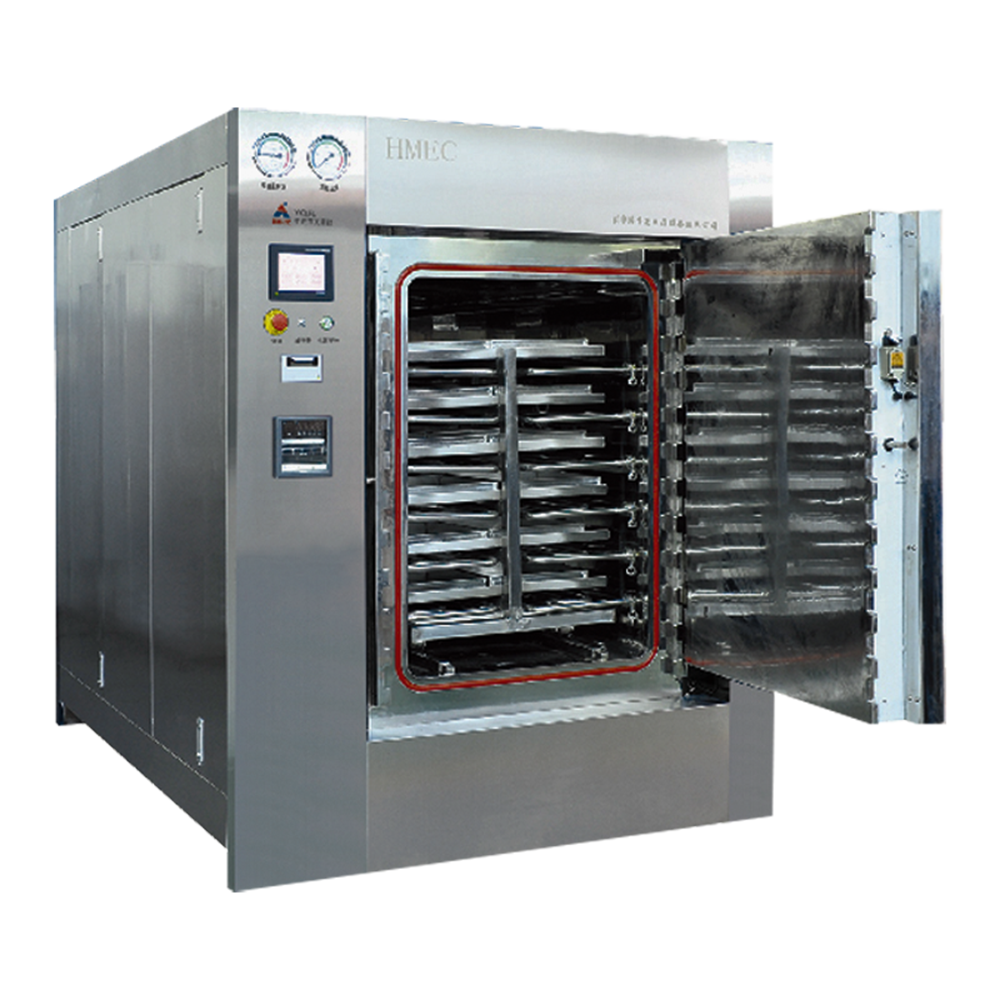
The sterilizer performs moist heat sterilization operations on items with saturated steam as the st...
See Details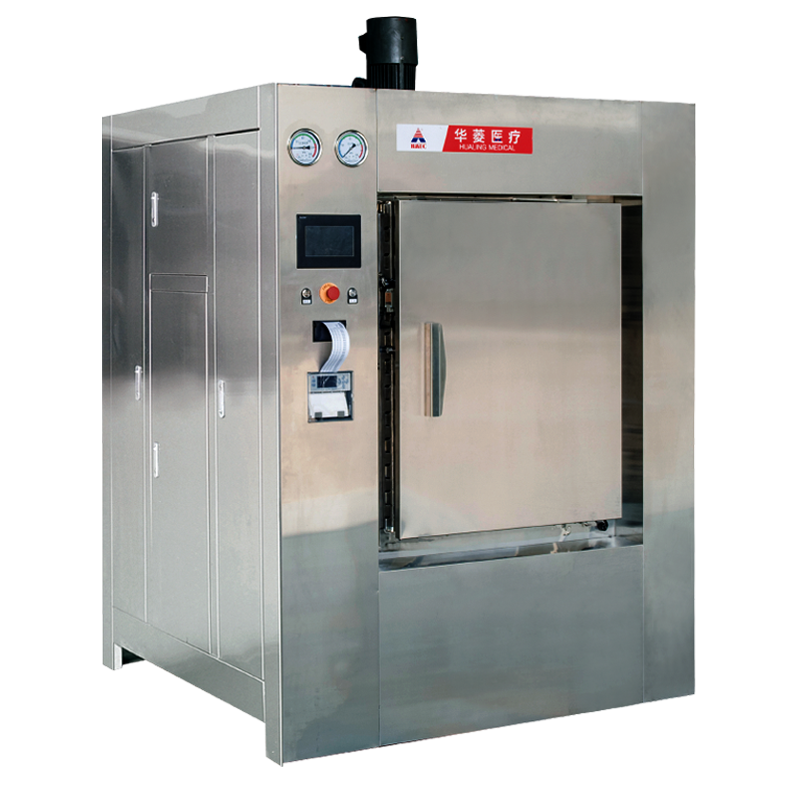
The sterilizer performs sterilization by means of mixing pressure of air and steam. Furthermore, mi...
See Details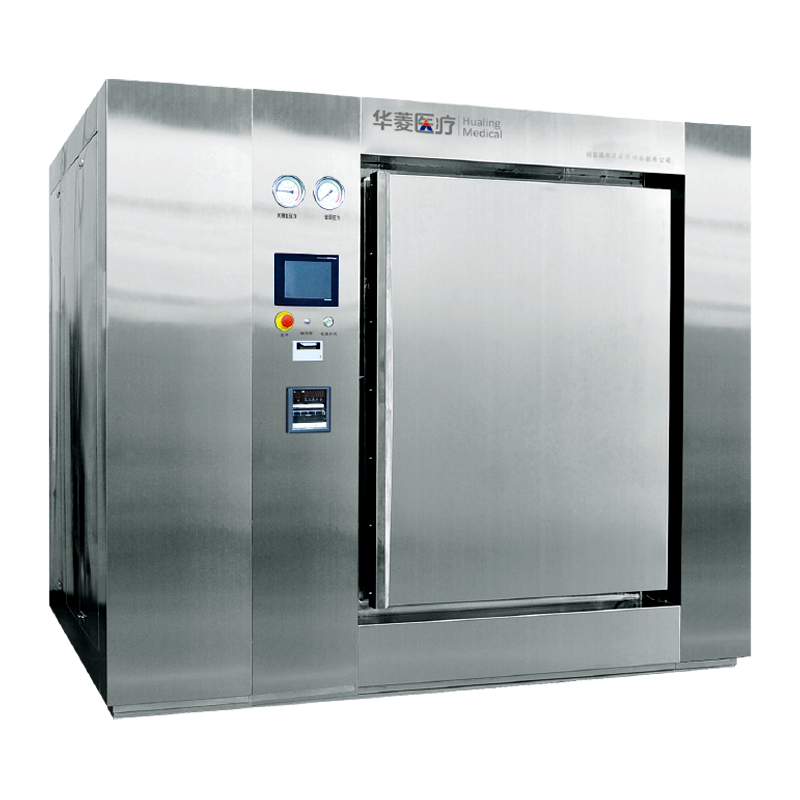
Water-bath type: The sterilized drugs are heated using water spraying using superheated water as the...
See Details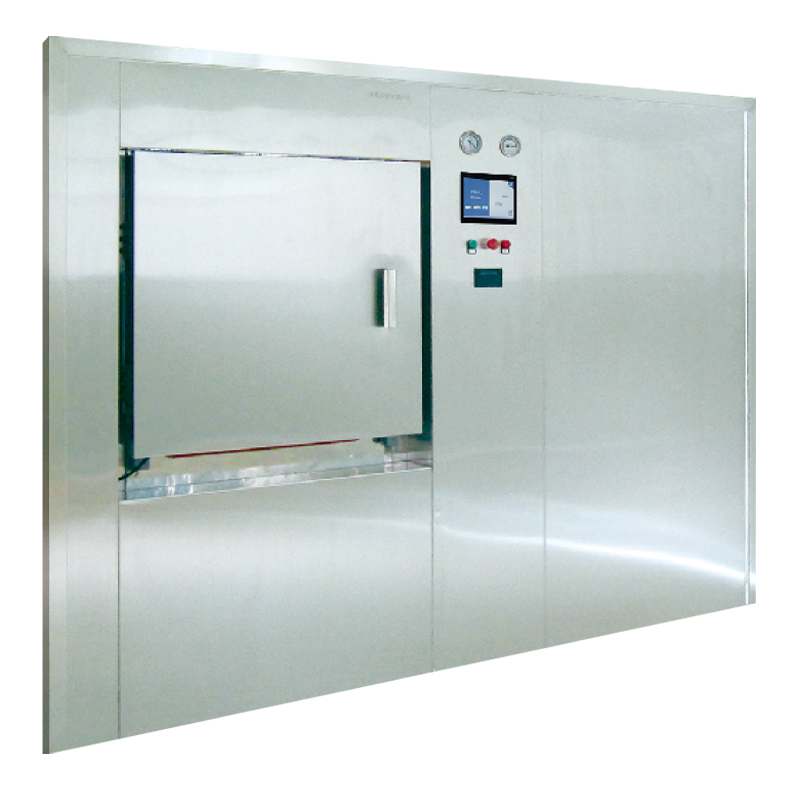
The sterilizer performs moist heat sterilization operations on items with saturated pure steam as th...
See Details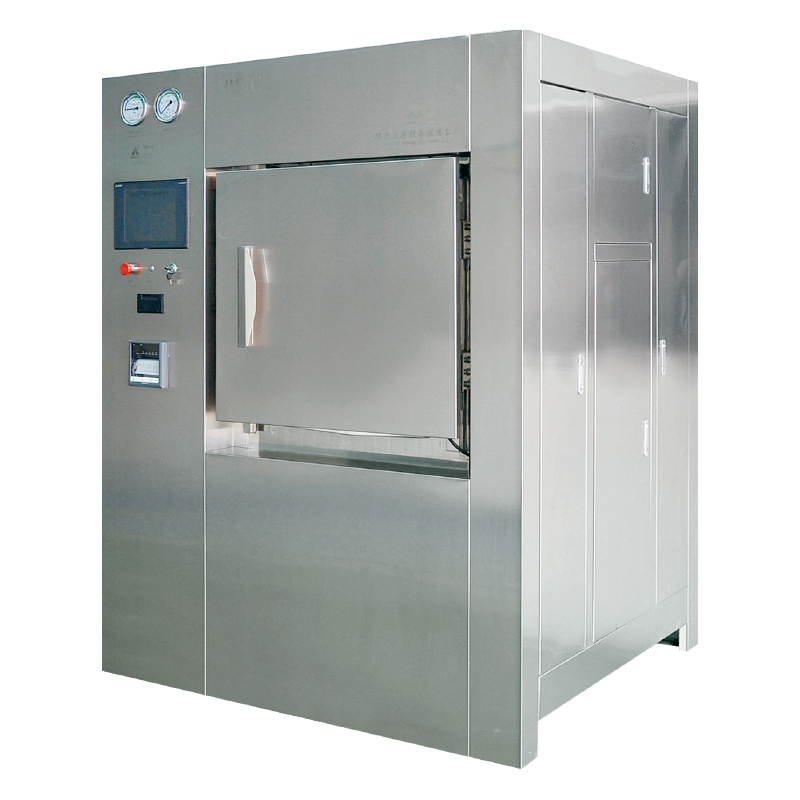
The sterilizer is to remove the impact of cold air on temperature using pulsation vacuum pumping wit...
See Details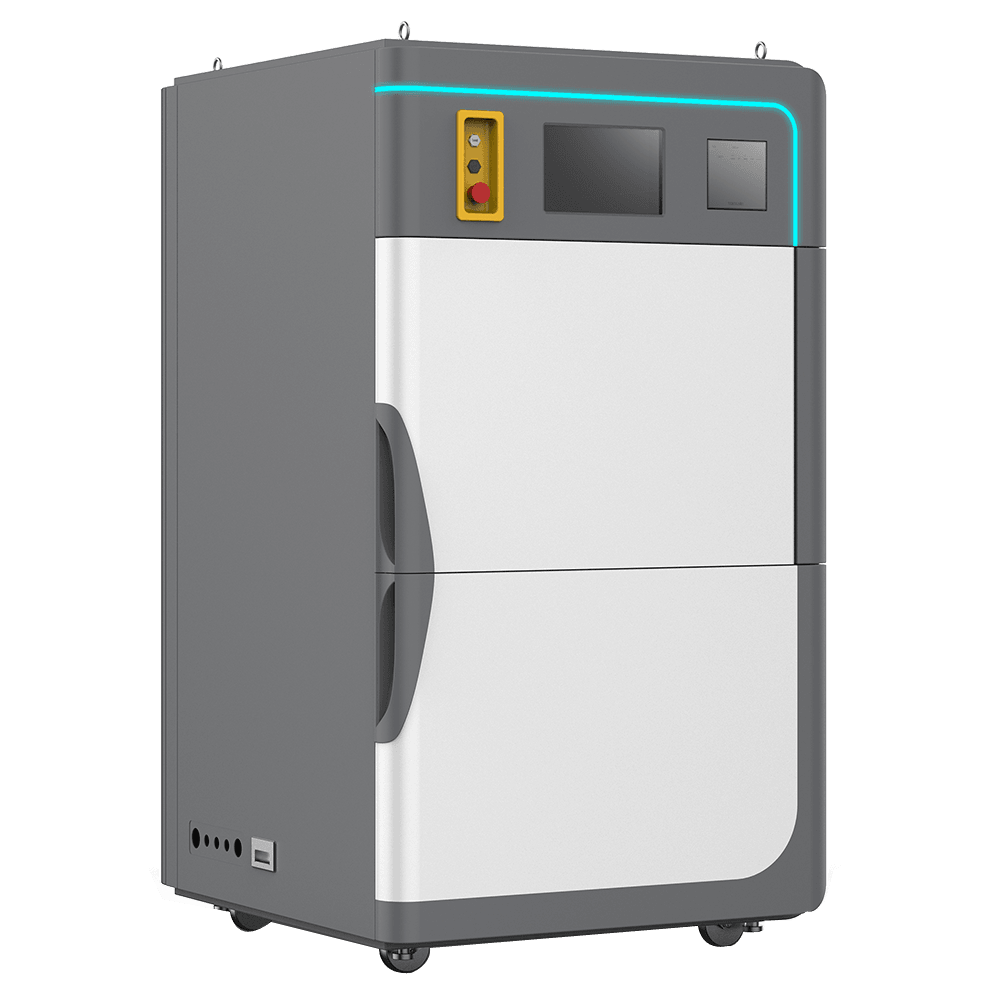
By the rapid penetration under vacuum conditions of a mixed gas of low-temperature (60℃ or 78℃) stea...
See Details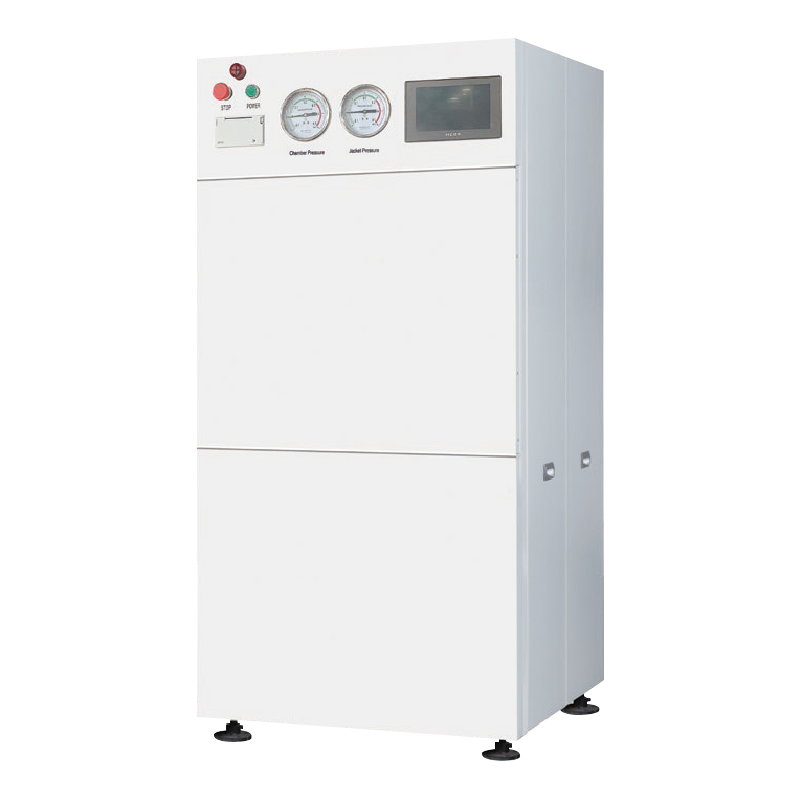
The Horizontal Steam Sterilizer utilizes saturated steam as the sterilizing medium, capitalizing on ...
See Details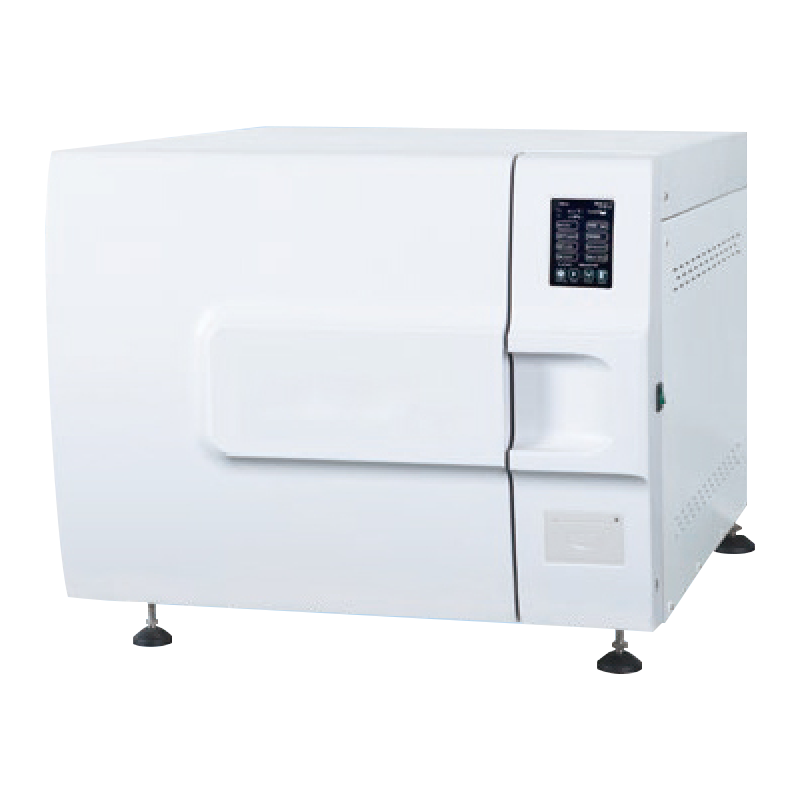
The Tabletop Steam Sterilizer Z Series is an efficient, user-friendly sterilization solution designe...
See Details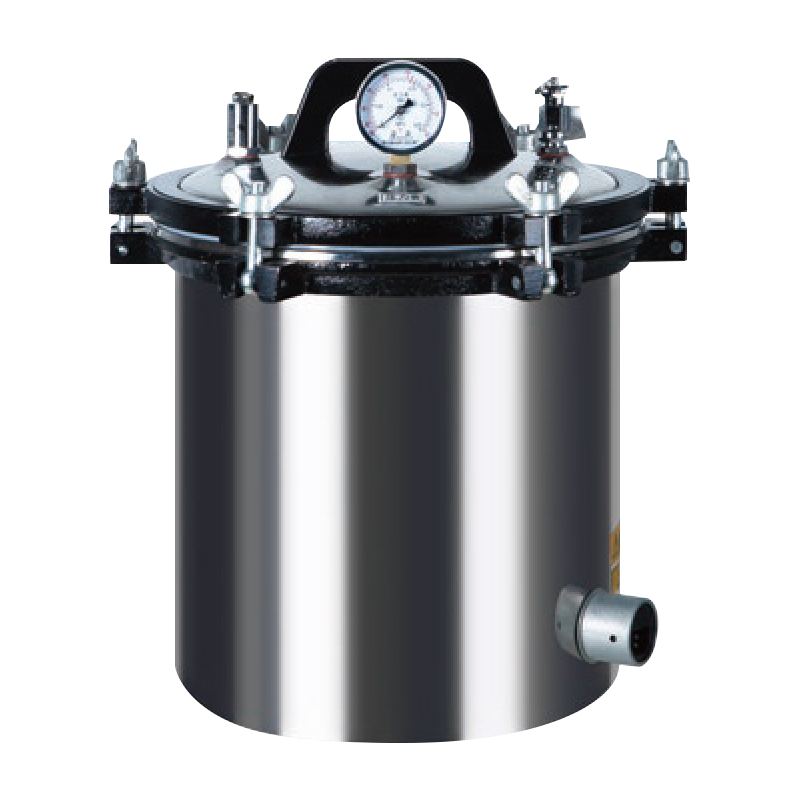
The YXQ.PPS-280C and C+ Portable Pressure Steam Sterilizer is a versatile dual-purpose sterilizer, o...
See Details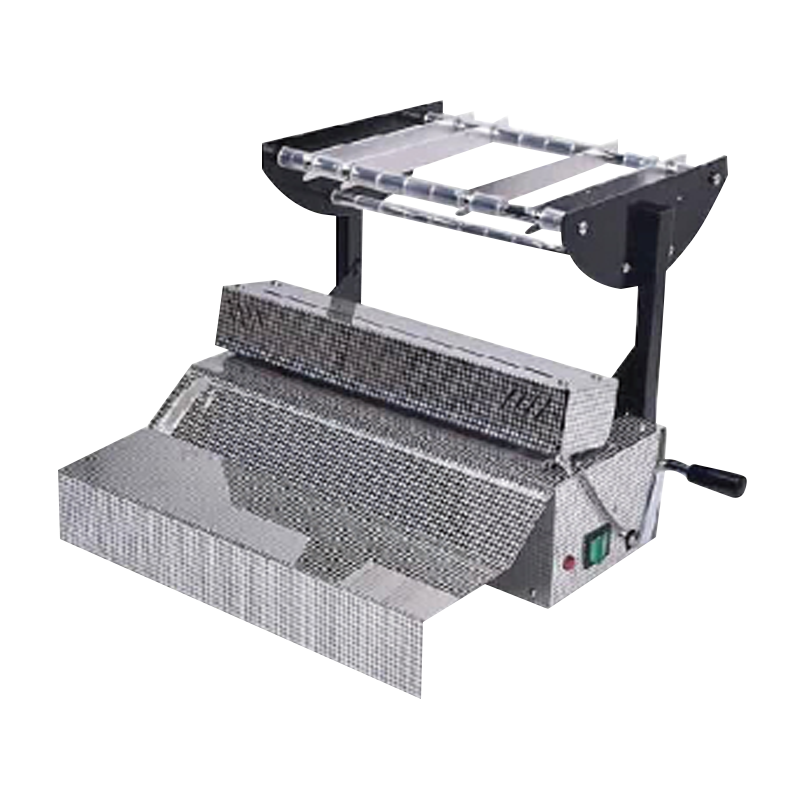
Product Usage:This type of sealing machine is used forsealing sterilizing bag, suitable for medicali...
See DetailsIntroduction to Sanitary Grade Sterilizer: Definition and Importance in Modern Sterilization Definit......
READ MOREIntroduction In today’s fast-paced world, ensuring the safety and sterility of products and material......
READ MOREIntroduction to Sterile Preparation Sterilizers What is Sterile Preparation? Sterile preparation ref......
READ MOREWhy Does Every Drug Require a Sterile Preparation Sterilizer? In modern medicine and pharmaceuticals......
READ MORE +(86) 18018151178
[email protected]
365 Nansha Sanjiali Road, Jingang Town, Zhangjiagang City, China
+(86) 18018151178
[email protected]
365 Nansha Sanjiali Road, Jingang Town, Zhangjiagang City, China
