 English
 русский
 Español
 عربى
عربى
 中文
中文

Sanitary Grade Sterilizer
Cat:Products
The sterilizer performs moist heat sterilization operations on items with saturated pure steam as th...
See Details
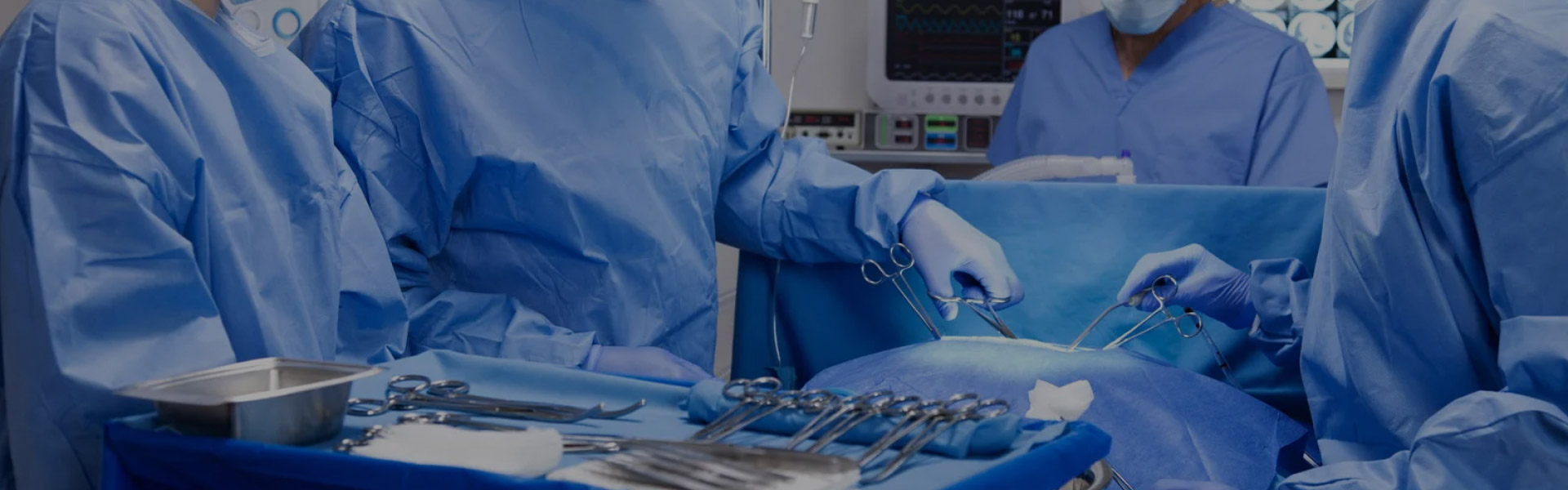
In modern medicine and pharmaceuticals, aseptic processing is crucial. Whether in laboratory research, drug production, or clinical use in hospitals, every drug and every piece of medical equipment must undergo rigorous aseptic processing to ensure its safety and effectiveness. As a key piece of equipment for sterilizing drugs and medical devices, the Sterile Preparation Sterilizer plays a crucial role in this process.
Drugs, especially injectables, infusions, and ophthalmic medications, often come into direct contact with the human body. Microbial contamination during production or transportation can lead to serious infections and even be life-threatening. Microorganisms such as bacteria, fungi, and viruses are the main culprits of infection, and since these microorganisms are nearly invisible, they must be eliminated through rigorous aseptic processes.
Aseptic preparation processes, especially sterilization using a Sterile Preparation Sterilizer, effectively kill or remove microorganisms in drugs, ensuring that the final product poses no health risks to users. This process applies not only to the production of pharmaceuticals but also to the storage, transportation, and clinical use of each individual drug, ensuring safety at every stage from source to patient delivery.
The stability and potency of drugs are directly related to patient outcomes. If drugs are contaminated or improperly handled during the aseptic production process, their potency may be reduced or ineffective, or even harmful substances may be produced. Therefore, aseptic preparation is not only about eliminating microorganisms but also about ensuring that the drug's ingredients and efficacy remain in optimal condition.
Sterile Preparation Sterilizers utilize precise temperature and pressure control to efficiently sterilize drugs while ensuring the stability of their ingredients. Whether using a water bath or steam-based Sterile Preparation Sterilizer, they can completely eliminate bacteria and other microorganisms without compromising the drug's properties, ensuring long-term stability and efficacy.
In hospitals and medical institutions, Sterile Preparation Sterilizers are used not only for sterilizing drugs but are also widely used for sterilizing surgical instruments, medical equipment, and blood transfusion products. During surgery, any unsterilized instrument can cause infection, which can lead to complex complications and even be life-threatening.
Using a Sterile Preparation Sterilizer for efficient sterilization effectively prevents the spread of bacteria and viruses and reduces the risk of infection. Ensuring the sterility of instruments and medications is crucial for successful treatment, especially during high-risk procedures such as open surgery, blood transfusions, and organ transplants.
Different types of medications and medical supplies have different sterilization requirements. For example, liquid medications, solid medications, injectables, and biologics all require different sterilization methods to ensure sterility. The Sterile Preparation Sterilizer provides flexible sterilization options tailored to the specific drug type and characteristics.
Liquid medications: Liquid medications are typically sterilized using a waterbath Sterile Preparation Sterilizer. This method uses superheated water to remove microorganisms from the liquid while maintaining the drug's potency and composition.
Solid medications: For solid medications such as tablets and capsules, a steam-based Sterile Preparation Sterilizer is the preferred choice. The high temperature and high pressure of steam effectively kill microorganisms without compromising the appearance or stability of the drug.
Biologics: Biologics, such as vaccines and cell cultures, often require specialized sterilization methods to ensure their biological activity is not compromised. In this context, the temperature and humidity control capabilities of the Sterile Preparation Sterilizer are particularly important.
The production and use of pharmaceuticals and medical devices must strictly adhere to industry regulations and standards. In many countries and regions, compliance in pharmaceutical production and sterilization processes is incorporated into regulatory systems. As core equipment for aseptic processing, the Sterile Preparation Sterilizer typically complies with relevant international standards, such as GMP (Good Manufacturing Practice) and ISO (International Organization for Standardization).
These standards require pharmaceutical manufacturers and hospitals to use certified Sterile Preparation Sterilizer equipment and ensure that its operations adhere to strict aseptic standards. Through such standardized operations, the manufacturing and medical industries can minimize quality issues and safety incidents caused by contamination.
Through automated and highly efficient Sterile Preparation Sterilizer technology, pharmaceutical production and hospital sterilization processes become more efficient. This not only reduces errors due to manual intervention but also improves sterilization accuracy. This also reduces waste and losses caused by producing substandard drugs, thereby lowering costs.
Furthermore, with continuous technological advancements, modern Sterile Preparation Sterilizer equipment boasts improved energy efficiency and resource utilization, further helping companies and medical institutions save energy.
With the advancement of technology, Sterile Preparation Sterilizer technology is also constantly evolving. For example, the latest steam sterilization technology enables precise control of temperature and pressure, making the sterilization process more efficient and safer. Furthermore, the water bath Sterile Preparation Sterilizer's innovative water spray system provides better coverage of the drug surface, ensuring that every detail is thoroughly sterilized.
The Sterile Preparation Sterilizer is more than just a laboratory device; it plays a vital role throughout the medical and pharmaceutical industries. From laboratory research to drug production to clinical applications in hospitals, Sterile Preparation Sterilizer technology has penetrated multiple fields, ensuring the sterility of drugs and medical devices and safeguarding patient health and safety.
In medical and biological research, laboratories often conduct cell culture, microbial culture, and other biological experiments. These experiments require a sterile environment to ensure the accuracy and reliability of the results. If bacteria, fungi, or other microorganisms contaminate experimental materials, the results can be compromised and may even spread the pathogens being studied, posing greater risks.
The Sterile Preparation Sterilizer's primary application in laboratories is sterilization of laboratory instruments, culture media, reagents, and other research supplies. Whether using a water bath or steam-based Sterile Preparation Sterilizer, both effectively kill microorganisms and maintain a clean laboratory environment. Conducting experiments in a sterile environment not only ensures the scientific integrity of research but also prevents potential biosafety risks.
In the pharmaceutical production process, the Sterile Preparation Sterilizer plays an even more prominent role. Whether in biopharmaceuticals, chemical pharmaceuticals, or vaccine production, drugs require strict aseptic processing. This is especially true for injectables, infusions, eye drops, and other medications that directly enter the human body. Any microbial contamination can lead to serious infections or other complications. Therefore, the pharmaceutical industry has extremely high requirements for aseptic production.
The Sterile Preparation Sterilizer effectively removes bacteria, viruses, and other microorganisms from drugs through high-temperature steam or water bath heating. In pharmaceutical production, the Sterile Preparation Sterilizer is commonly used to sterilize pharmaceutical raw materials, instruments, packaging materials, and more. It ensures that each batch of drugs undergoes rigorous sterility testing and disinfection during the production process, guaranteeing drug quality and safety.
In hospitals, the most direct application of Sterile Preparation Sterilizers is the sterilization of surgical instruments and medical equipment. Instruments that come into direct contact with the patient, such as surgical instruments, catheters, and injection needles, must undergo rigorous sterilization before use. Failure to do so can easily lead to postoperative infections and even nosocomial cross-infection.
Sterile Preparation Sterilizers are widely used in the sterilization process for surgical instruments. Heating with steam or superheated water effectively kills microorganisms, ensuring the sterility of the instruments. In many hospitals and medical institutions, Sterile Preparation Sterilizers are a key component of automated sterilization systems, enabling rapid and efficient processing of large numbers of medical instruments, significantly improving hospital efficiency.
Sterile processing in the production of biologics and vaccines is more complex. Because biologics often involve living cells, viral vectors, or other biologically active substances, traditional sterilization methods may affect the biological activity of these products. Therefore, effective sterilization without compromising biological activity is crucial in the production of biological products.
Sterile Preparation Sterilizers play a key role in this type of production. Biologics and vaccine manufacturers typically utilize specialized low-temperature steam or superheated water sterilization technologies, which eliminate microorganisms and pathogens without destroying the product's biological activity. Through precise temperature and time control, Sterile Preparation Sterilizers not only effectively ensure the sterility of vaccines and biologicals, but also maintain their efficacy and safety.
Hospitals not only require sterilization of surgical instruments but also sterilize therapeutic supplies such as pharmaceuticals and infusions. Especially for critically ill patients or those with compromised immune systems, any microbial contamination of pharmaceuticals and therapeutic supplies can pose a significant health threat.
In hospital settings, Sterile Preparation Sterilizers are commonly used to sterilize pharmaceuticals. Whether it's anesthetics, antibiotics, or intravenous fluids, these medications require efficient sterilization before use. Infusions, in particular, must be sterile to prevent infections following intravenous administration. The Sterile Preparation Sterilizer, through its highly effective sterilization technology, ensures these medications remain sterile until they reach the patient.
Sterile Preparation Sterilizers also play a vital role in the blood transfusion and blood product processing process. Blood products, such as plasma, red blood cells, and white blood cells, often require sterile handling and storage. While the sterilization of blood products differs from that of traditional pharmaceuticals, they still require proper sterilization using equipment such as the Sterile Preparation Sterilizer to ensure they do not become potential pathogens.
By effectively sterilizing blood products, the Sterile Preparation Sterilizer prevents the spread of viruses, bacteria, and fungi, ensuring patient safety during transfusion therapy.
In daily hospital operations, Sterile Preparation Sterilizers are used not only to sterilize medications and instruments, but also for various medical devices, bed linens, surgical gowns, and more. Many hospitals have established dedicated sterilization rooms or use sterilization carts equipped with efficient Sterile Preparation Sterilizer systems to ensure that all hospital supplies remain sterile at all times.
Hospital Sterile Preparation Sterilizers are often connected to automated systems that automatically adjust temperature, humidity, and sterilization time based on disinfection needs, significantly improving efficiency while reducing the risks associated with manual operation.
|
Application Scenario |
Application Scenario |
Main functions and effects |
|
Laboratory research |
Cell culture, microbial culture, reagent and equipment sterilization |
Ensure the cleanliness and sterility of the experimental environment, avoid microbial contamination of experimental materials, and ensure the accuracy of experimental results |
|
pharmaceutical industry |
Pharmaceutical production (injections, infusions, eye drops, etc.) |
Ensure the sterility of drugs, avoid microbial contamination, and ensure the efficacy and stability of drugs |
|
Medical device disinfection |
Sterilization of surgical instruments, catheters, injection needles, and medical equipment |
Ensure the sterility of medical devices, prevent postoperative infection and cross infection, and ensure patient safety |
|
Biological products and vaccines |
Production and processing of biological products such as vaccines and cell cultures |
Protect biological activity and ensure product sterility through low-temperature steam or special sterilization technology |
|
Hospital drug disinfection |
Handling of anesthetics, antibiotics, intravenous fluids, and other medications |
Ensure the sterility of medicines, ensure the safety of therapeutic drugs, and avoid the spread of infection |
|
Blood transfusion services |
Processing of blood products such as plasma, red blood cells, and white blood cells |
Ensure the sterility of blood products, avoid the spread of viruses and bacteria, and ensure blood transfusion safety |
|
Daily hospital equipment |
Disinfection of bed sheets, surgical gowns, medical equipment, and sterilization carts |
Ensure the sterility of daily hospital supplies and improve the level of hospital infection prevention and control |
In the pharmaceutical industry, especially for drugs requiring high sterility standards, ensuring sterility is one of the most critical steps in every process. Microbial contamination during the production process not only affects drug quality but can also pose a serious threat to patient health. To effectively address this issue, water bath sterilizers are widely used throughout all stages of drug production, playing a crucial role in ensuring drug sterility.
The basic principle of a water bath sterilizer is to use superheated water as a heating medium, heating the drug through spraying or immersion, thereby killing bacteria, viruses, and other microorganisms in the drug, ensuring that the drug remains sterile before final use.
The water bath sterilizer utilizes superheated water as a heat source, effectively heating the drug or its packaging to completely eliminate microorganisms. Drugs are uniformly heated in a water bath, and the temperature can be precisely controlled within a specified range, typically between 121°C and 134°C. This temperature is sufficient to effectively kill most bacteria, fungi, and viruses.
The design of the water bath Sterile Preparation Sterilizer ensures that heat is evenly distributed across the surface and interior of the drug, ensuring that every area of the drug receives adequate heat treatment. This uniform heating prevents overheating and damage to certain parts of the drug while ensuring thorough sterilization. This method not only kills existing microorganisms but also effectively prevents the introduction of any new contaminants.
Another major advantage of the water bath Sterile Preparation Sterilizer is its efficient sterilization capability. Traditional sterilization methods often require a long time, but water bath sterilization technology, thanks to its uniform heating characteristics, achieves the desired sterilization effect in a shorter time. This improves overall production line efficiency while reducing the risk of manual manipulation during the production process.
For laboratory-grade pharmaceuticals, time management is crucial. Excessively long or short sterilization times can compromise the effectiveness of the product. The waterbath Sterile Preparation Sterilizer precisely controls heating time and temperature, ensuring that each batch of pharmaceuticals undergoes a proper sterilization process, ensuring that the products meet sterility standards while maintaining their efficacy.
Liquid pharmaceuticals, especially injectables, infusions, and eye drops, play a vital role in pharmaceutical production. These medications, which directly enter the human body, require extremely high sterility standards. The waterbath Sterile Preparation Sterilizer's heating method effectively sterilizes liquid pharmaceuticals while preventing changes in their properties due to overheating.
Water bath heating ensures that microorganisms, bacteria, and even viruses in liquid pharmaceuticals are fully destroyed by controlling the temperature. Because liquid pharmaceuticals often have large surface areas and complex container structures, the waterbath Sterile Preparation Sterilizer's uniform heating ensures that every part of the pharmaceutical is thoroughly sterilized. This sterilization method not only ensures the sterility of liquid medications but also ensures the stability and efficacy of their ingredients.
Cross-contamination is a particular concern during pharmaceutical production. Even under sterile conditions, contact between drugs and the external environment can still lead to contamination, especially during handling. If a batch of drugs is contaminated with microorganisms during production, it can affect product quality across the entire production line and even pose a serious safety hazard.
The waterbath Sterile Preparation Sterilizer utilizes a closed sterilization system, effectively preventing drug contact with the external environment and reducing the risk of contamination. The entire sterilization process is carried out in a controlled environment, preventing airborne microorganisms from entering the drug container, ensuring that the drug remains sterile from sterilization to packaging. The closed system also prevents moisture evaporation after sterilization, further ensuring drug stability.
The sterility of drugs depends not only on the sterilization of the drug itself but also on the sterility of its packaging. Especially during pharmaceutical packaging and transportation, drugs are susceptible to environmental influences, necessitating sterilization of packaging containers. A waterbath Sterile Preparation Sterilizer sterilizes not only drugs but also their packaging, such as bottles, bags, and caps. By immersing the packaging in superheated water, microorganisms inside and outside the container are eliminated, ensuring the sterility of the drug before shipment.
This comprehensive aseptic treatment ensures drug safety at every stage, from the production line to the patient's hands. Whether it's a bottle for liquid medication or the outer packaging of solid medication, a waterbath Sterile Preparation Sterilizer effectively eliminates potential sources of contamination.
Different drug types have different sterilization requirements, and the waterbath Sterile Preparation Sterilizer can be flexibly configured to suit their specific characteristics. For liquid medications, the equipment can adjust the water temperature and heating time to ensure drug stability. For solid medications, precise temperature control prevents overheating, preserving the drug's appearance and structure.
The water bath Sterile Preparation Sterilizer is designed to handle containers of different sizes and shapes, which is very important for special drugs such as vaccines and biological products. Through customized processing methods, the aseptic processing requirements of various drugs are ensured to be met.
In hospitals, steam sterilizers use high-temperature, high-pressure steam treatment to not only ensure the sterility of medical devices and medications, but also safeguard patient health and safety. Unlike water bath sterilizers, steam sterilizers use steam as a sterilization medium, enabling them to more quickly and effectively eliminate microorganisms and pathogens within hospitals. In modern hospitals, steam sterilization technology is widely used in a variety of areas, including surgical instruments, hospital equipment, and pharmaceutical disinfection, becoming a core component of hospitals' efforts to maintain a sterile environment and prevent nosocomial infections.
The core principle of steam sterilizers is to use high-temperature, high-pressure steam to rapidly raise the temperature of the sterilized object to a sufficient level to completely kill bacteria, viruses, fungi, and other microorganisms. When steam enters the sterilization chamber, it heats the surface and interior of the items. The steam's moist heat disrupts the cell membranes and protein structures of microorganisms, causing them to lose function or even die.
Typically, steam sterilizers operate at temperatures between 121°C and 134°C. The continuous, high-temperature steam quickly penetrates various medical devices and containers, thoroughly sterilizing them in a short period of time. By heating water vapor to a high temperature under high pressure, steam effectively kills nearly all known pathogens, including highly antibiotic-resistant spore-forming bacteria, making it particularly important in hospital settings.
Sterilization and sterility of surgical instruments are paramount in hospitals; even the slightest negligence can lead to serious nosocomial infections. Steam preparation sterilizers are commonly used to sterilize medical devices such as surgical instruments, surgical implants, catheters, and needles. The high-temperature, high-pressure steam rapidly eliminates all microorganisms, ensuring these instruments are free of any infection sources before use.
Because surgical instruments come into direct contact with the patient's body, the presence of any microorganisms can cause infection. Therefore, preoperative disinfection is crucial. Steam sterilization systems efficiently and reliably ensure the sterility of these instruments, reducing the risk of postoperative complications and infection and improving patient safety.
Hospitals, particularly emergency departments, intensive care units, and surgical departments, require a large number of injectable medications and infusions. These medications directly enter the patient's body, requiring extremely high standards of sterility. Microbially contaminated medications not only fail to achieve therapeutic efficacy but can also cause severe, even life-threatening, infections.
Steam preparation sterilizers can effectively sterilize medication bottles, infusion bags, syringes, and other medical devices. Steam sterilization ensures that these pharmaceutical packaging materials are completely free of microorganisms before transport and use. Especially for biologics, steam sterilization, with its precise temperature control and high efficiency, ensures a sterile environment without compromising the drug's efficacy.
Hospital environmental cleaning and equipment disinfection play a critical role in preventing and controlling nosocomial infections. Medical equipment, ward equipment, nursing beds, operating tables, and other equipment that frequently come into contact with patients require regular sterilization and disinfection to reduce the risk of bacterial and viral transmission within the hospital.
The Steam Sterile Preparation Sterilizer uses a highly efficient steam heating system to quickly and evenly disinfect these large items. Hospitals often use steam sterilizers to clean daily contact items in patient rooms, such as bed linens, blankets, mattresses, and nursing carts, to prevent the spread of germs. Steam sterilization not only ensures a thorough cleanliness of equipment surfaces but also penetrates internal crevices and pipes to eliminate hidden pathogens.
Nosocomial infections (HAIs) are infections contracted by patients during hospital treatment, typically caused by unclean medical equipment, the environment, or nursing care equipment. Nosocomial infections not only increase patient hospital stays, significantly increase healthcare costs, and can even lead to death. Therefore, controlling nosocomial infections is a crucial component of hospital operations and management.
The steam preparation sterilizer, with its highly effective sterilization, plays a crucial role in controlling nosocomial infections. Steam sterilization technology provides rigorous disinfection assurance in high-risk areas, particularly in intensive care units and operating rooms. Furthermore, hospital staff's hands, clothing, and other personal protective equipment require regular sterilization, and steam sterilizers play a crucial role in preventing cross-infection in these areas.
Many devices and instruments used in hospitals, such as pacemakers, endoscopes, and artificial joints, are often made of specialized materials and cannot be treated with conventional chemical disinfectants, which could damage the equipment. The steam preparation sterilizer, with its chemical-free nature, can safely and effectively sterilize these high-value medical devices. Steam sterilization not only ensures sterilization effectiveness but also prevents chemical corrosion or damage to the device materials.
Modern hospitals face heavy workloads and a large number of medical devices requiring sterilization. The steam sterilizer significantly improves hospital efficiency through its automated control system. Operators simply set the temperature and time according to specific requirements, and the steam sterilizer automatically performs the sterilization process, significantly saving manpower and reducing human error.
Drug safety has always been a core focus of the pharmaceutical industry. This is especially true for drugs that enter the human body through injection, infusion, or other methods. Any microbial contamination can pose a serious health risk. Therefore, as a key device for ensuring drug sterility, the Sterile Preparation Sterilizer effectively sterilizes the drug, not only ensuring drug safety but also ensuring that the manufacturing process adheres to strict quality standards and regulatory requirements.
From laboratory research and development to mass production, the use of Sterile Preparation Sterilizers at every stage of the pharmaceutical process ensures drug purity, potency, and sterility, making them an indispensable component of the pharmaceutical industry.
Whether it's a liquid drug, a solid drug, or a biologic, sterility is a crucial guarantee of drug safety. Microbial contamination not only significantly reduces drug effectiveness but can also cause side effects such as infections and allergies, and in severe cases, can even be life-threatening. To avoid this risk, the Sterile Preparation Sterilizer uses high-temperature, high-pressure sterilization to completely eliminate bacteria, fungi, viruses, and other pathogenic microorganisms in pharmaceuticals.
The Sterile Preparation Sterilizer's operating principles are generally based on two common sterilization methods: steam sterilization and dry heat sterilization. Steam sterilization uses heated water vapor to a high temperature to kill microorganisms in pharmaceuticals and is particularly suitable for liquid pharmaceuticals and biological products. Dry heat sterilization uses hot air circulation to sterilize pharmaceuticals and is suitable for solid pharmaceuticals where the stability of the pharmaceutical ingredients must be maintained. Both methods effectively ensure that pharmaceuticals are free of microbial contamination during the preparation process, ensuring their purity and safety.
The sterility of pharmaceuticals depends not only on the drug itself but also on the sterility of its packaging. During the pharmaceutical production process, pharmaceutical packaging containers—such as bottles, bags, and packaging materials—are often potential sources of microbial contamination. Especially during transportation and storage, any external contamination can lead to contamination of the drug.
The Sterile Preparation Sterilizer not only sterilizes the drug itself but also effectively disinfects the packaging container. Through steam sterilization or dry heat treatment, microorganisms in the packaging material are completely eliminated, ensuring that the drug remains sterile during transportation and storage. This comprehensive sterility assurance effectively reduces the risk of drug contamination, ensuring that drugs meet safety standards at every stage from production to the end consumer.
Biologics, such as vaccines, cell cultures, and antibody drugs, typically consist of active ingredients and are highly susceptible to microbial contamination. In addition to sterility requirements, these drugs require particular attention to preserving their biological activity and stability. Therefore, sterilization of biologics is more challenging and requires more precise sterilization techniques.
The Sterile Preparation Sterilizer ensures that biologics are not damaged during the sterilization process by controlling critical parameters such as temperature, humidity, and processing time. For example, steam sterilization achieves effective sterilization at lower temperatures while protecting biomolecules from excessive damage. Through this approach, the Sterile Preparation Sterilizer not only effectively sterilizes, but also ensures the biological activity and efficacy of drugs, maximizing their stability.
With the modernization of the pharmaceutical industry, the requirements for sterilization efficiency and quality control in the production process are becoming increasingly stringent. Traditional sterilization methods often rely on manual operation and are susceptible to human error. Modern Sterile Preparation Sterilizer systems, however, utilize a high degree of automation and intelligent control to precisely control the sterilization process for each batch of drugs.
For example, many Sterile Preparation Sterilizers are equipped with automatic monitoring systems that record and monitor key parameters such as temperature, humidity, and time in real time, ensuring that each batch of drugs meets the specified sterilization standards. These systems also provide detailed sterilization reports for review by quality control personnel. Intelligent Sterile Preparation Sterilizers not only improve production efficiency but also ensure the stability and consistency of the sterilization process, significantly reducing the possibility of human error.
GMP is an international quality standard for the pharmaceutical industry, requiring pharmaceutical companies to strictly adhere to aseptic techniques and sterilization procedures during drug production. The Sterile Preparation Sterilizer is a key piece of equipment for GMP compliance. Its efficient and reliable sterilization capabilities help pharmaceutical companies ensure compliance with production processes.
According to GMP regulations, all drug production, packaging, storage, and transportation must meet strict sterility standards. The use of the Sterile Preparation Sterilizer ensures that drugs and equipment are effectively sterilized at every stage of production, preventing microbial contamination and thus meeting the high standards of GMP for pharmaceutical production environments. Through compliant sterilization procedures, pharmaceutical companies can not only improve product quality but also enhance consumer trust in their brands.
The emergence of drug resistance in bacteria and other microorganisms during the production of antibiotics and vaccines is a major challenge facing the pharmaceutical industry. If drugs are contaminated with drug-resistant bacteria during the manufacturing process, these bacteria could enter the human body after use, leading to treatment failure and even public health issues.
The Sterile Preparation Sterilizer uses highly effective sterilization technology to completely eliminate all microorganisms, including drug-resistant bacteria, preventing the spread of drug-resistant bacteria at the source. Against the backdrop of the growing global threat of drug-resistant bacteria, the use of the Sterile Preparation Sterilizer not only provides safety for individual patients but also helps protect public health and reduce the spread of antibiotic resistance.
Public health issues are crucial to the health and safety of society as a whole. In this era of rapid information technology and globalization, with the continuous expansion and sophistication of medical services, public health faces unprecedented challenges. Whether in hospital settings or in production processes in the pharmaceutical and food industries, the spread of pathogenic microorganisms and the development of drug-resistant bacteria pose a serious threat to human health. As a highly effective disinfection technology, the Sterile Preparation Sterilizer plays a vital role in improving public health. Through its precise and efficient sterilization capabilities, the Sterile Preparation Sterilizer not only ensures the safety of medical devices and medications but also helps prevent the spread of disease, playing an indispensable role in public health.
Nosocomial infections are a major challenge facing hospitals worldwide. Every year, millions of patients acquire infections while receiving medical treatment. These infections not only prolong hospital stays, increase treatment costs, and can even be life-threatening. Therefore, hospitals must implement strict infection control measures to ensure that patients do not contract secondary infections during treatment.
The Sterile Preparation Sterilizer's highly effective disinfection capabilities ensure the sterility of all medical equipment, surgical instruments, medications, and patient amenities within hospitals. Using steam sterilization or dry heat sterilization, the Sterile Preparation Sterilizer completely eliminates any microorganisms that may be present on and within instruments and equipment, preventing the spread of infection at the source. With the continuous advancement of sterilization technology, modern Sterile Preparation Sterilizers can also precisely control time and temperature to meet the sterilization requirements of different medical items, providing hospitals with even more efficient disinfection.
The Sterile Preparation Sterilizer is particularly crucial in high-risk areas such as operating rooms and intensive care units. By ensuring comprehensive sterilization of instruments, bed linens, clothing, and medications, hospitals can significantly reduce the incidence of nosocomial infections, protect patients from pathogens, and thus improve public health and ensure patient safety.
The sterility of pharmaceuticals is directly related to their therapeutic efficacy and safety, especially for drugs administered directly into the body, such as injectables, vaccines, and biologics. Microbial contamination during the production, packaging, and transportation of pharmaceuticals can pose serious health risks. Therefore, ensuring the sterility of pharmaceuticals is a top priority for the pharmaceutical industry.
Sterile Preparation Sterilizers play a vital role in the pharmaceutical industry. Through their efficient steam sterilization and dry heat sterilization technologies, Sterile Preparation Sterilizers thoroughly eliminate bacteria, viruses, fungi, and other microorganisms from pharmaceuticals, ensuring that every vial of medicine and every dose of vaccine is free of pathogens before entering the patient's system. With the escalating global public health challenges, particularly the spread of drug-resistant bacteria, ensuring the sterility of pharmaceuticals has become even more crucial.
In global pharmaceutical production, Sterile Preparation Sterilizers are not only widely used by pharmaceutical manufacturers, but also help ensure that pharmaceutical production processes comply with stringent international standards such as Good Manufacturing Practices (GMP). Through this technology, pharmaceutical manufacturers can improve product safety and quality, reduce risks in pharmaceutical production, and ultimately enhance global public health by reducing drug-related health risks.
Food safety is a critical area of global public health. In recent years, food safety issues have frequently become a focus of public attention, particularly the contamination of food with pathogenic microorganisms and disease-causing bacteria. This not only affects consumer health but can also potentially trigger large-scale public health crises. Therefore, ensuring sterility at every stage of the food production process is crucial to protecting public health.
The Sterile Preparation Sterilizer's highly effective sterilization technology is particularly important in the food industry, especially during food processing and packaging. Using steam or hot air sterilization, the Sterile Preparation Sterilizer can completely eliminate microorganisms on food packaging containers and production line equipment, preventing contamination during food production, storage, and transportation, and ensuring the safety of the final product.
For example, in the production of liquid foods (such as beverages and milk) and semi-finished foods, Sterile Preparation Sterilizer effectively disinfects containers, preventing the growth of bacteria and viruses and thus ensuring food safety for consumers. Sterile Preparation Sterilizer is also widely used in packaging, cold chain logistics, and food exports within the food industry, further enhancing sterility requirements within the global food supply chain and providing strong technical support for food safety systems.
The spread of drug-resistant bacteria is a serious public health challenge facing the world today. The spread of drug-resistant bacteria not only renders traditional antibiotics ineffective but can also render some common diseases untreatable, placing a significant strain on global health. Many hospitals, pharmaceutical companies, and research institutions are implementing various measures to address this challenge, with the role of Sterile Preparation Sterilizer playing a crucial role.
Serile Preparation Sterilizer effectively kills a wide range of microorganisms, including drug-resistant bacteria. Regular sterilization, particularly in environments like hospitals and pharmaceutical factories, can significantly reduce the risk of the spread of drug-resistant bacteria. By sterilizing medical devices, pharmaceuticals, and related equipment, the Sterile Preparation Sterilizer helps reduce the spread of drug-resistant bacteria in environments like hospitals and pharmaceutical factories, effectively controlling the spread of drug-resistant bacteria at the source.
The Sterile Preparation Sterilizer's use isn't limited to hospitals; it's also widely used in research institutions, public health laboratories, and in the production of biological products, helping to reduce cross-contamination of drug-resistant bacteria during research, thereby providing scientific evidence for public health policy.
In the era of globalization, public health emergencies are frequent, such as SARS, Ebola, H1N1 influenza, and the COVID-19 pandemic. Faced with these sudden public health crises, controlling the spread of pathogens has become crucial for epidemic prevention and control. The Sterile Preparation Sterilizer not only plays a role in routine medical and pharmaceutical processes, but also demonstrates its significant value in responding to public health emergencies.
For example, during the outbreak, Sterile Preparation Sterilizer was widely used to sterilize medical devices, medicines, and vaccines, ensuring they were sterile in the shortest possible time. Sterile Preparation Sterilizer ensured sterility during vaccine production and storage, providing strong support for global epidemic prevention and control.
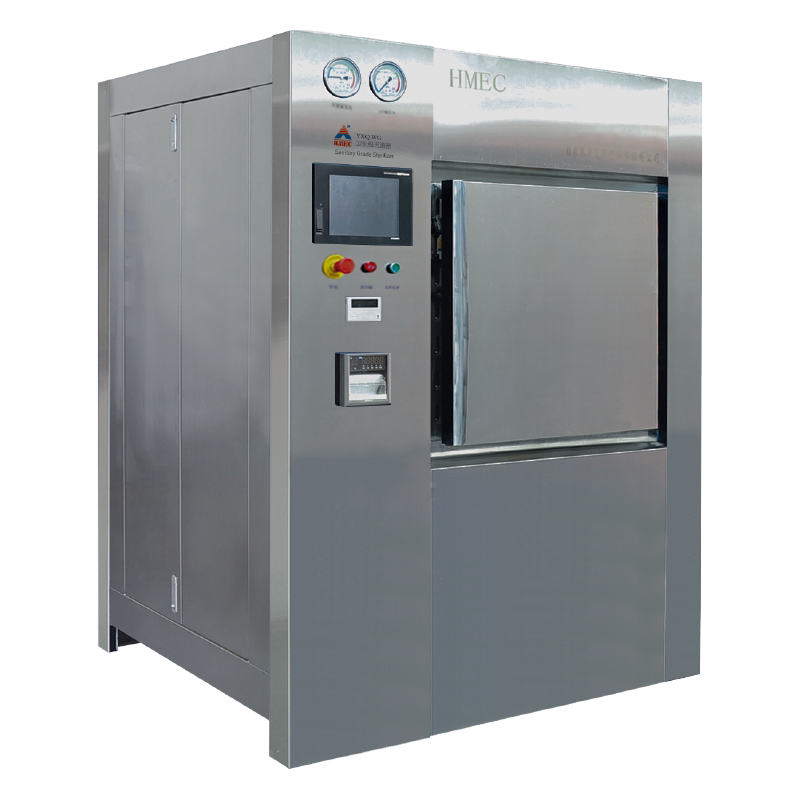
The sterilizer performs moist heat sterilization operations on items with saturated pure steam as th...
See Details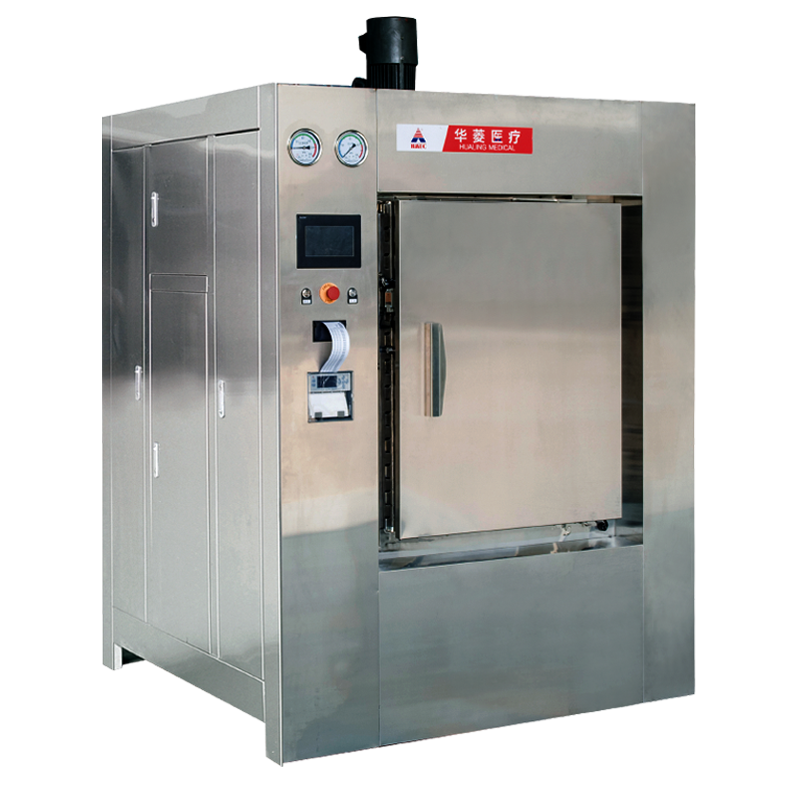
The sterilizer performs sterilization by means of mixing pressure of air and steam. Furthermore, mi...
See Details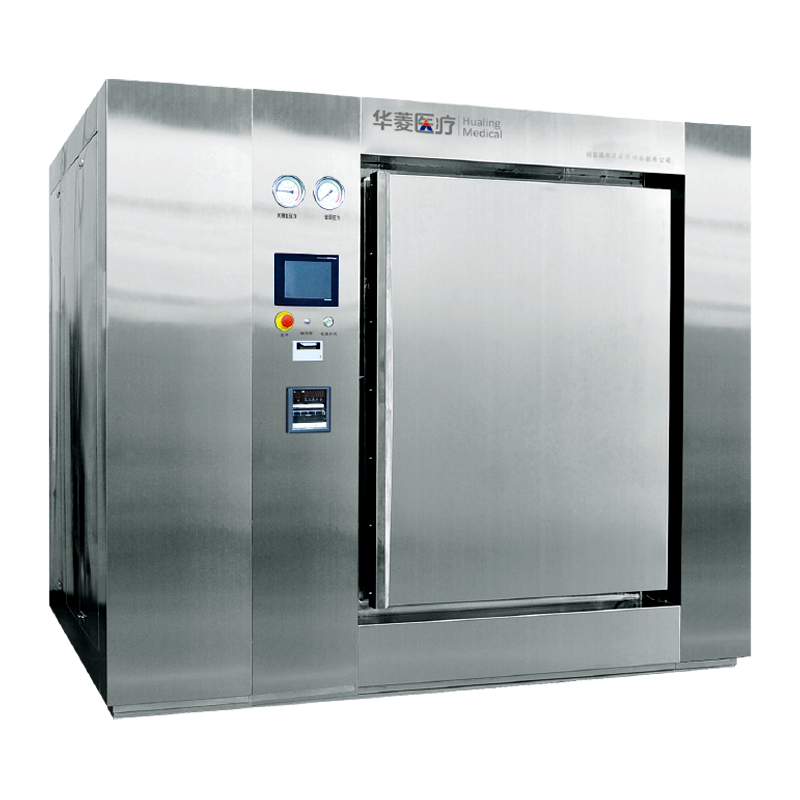
Water-bath type: The sterilized drugs are heated using water spraying using superheated water as the...
See Details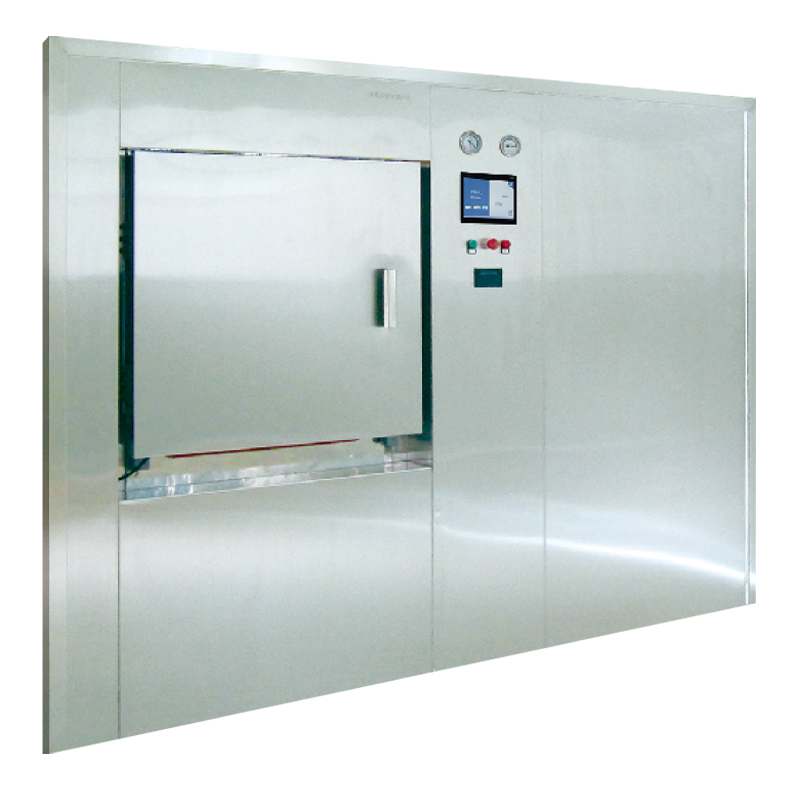
The sterilizer performs moist heat sterilization operations on items with saturated pure steam as th...
See Details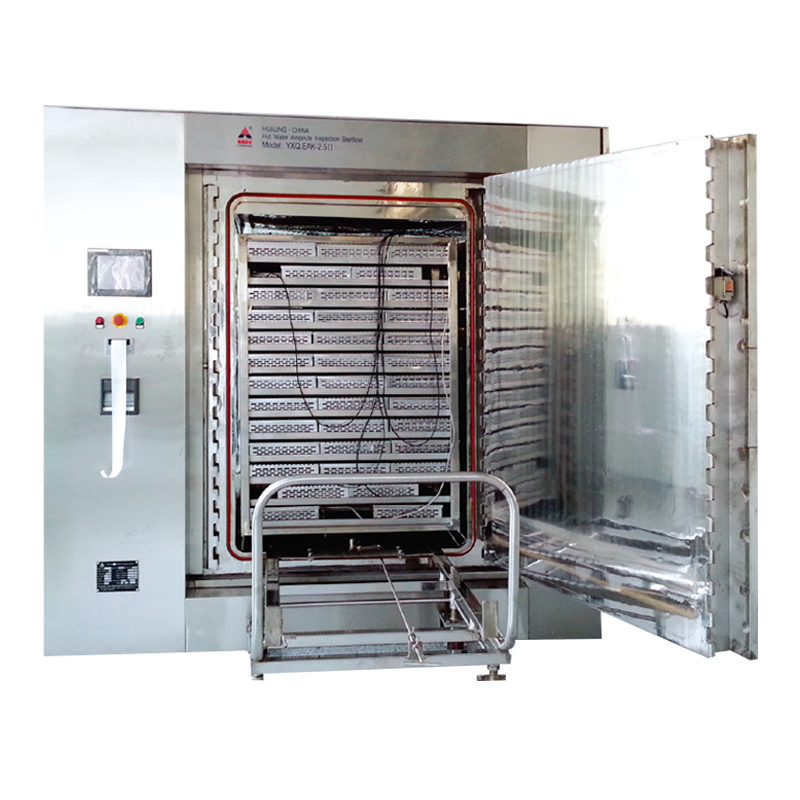
This sterilizer uses steam to sterilize, leak-detect, and clean for vials and ampoules.
See Details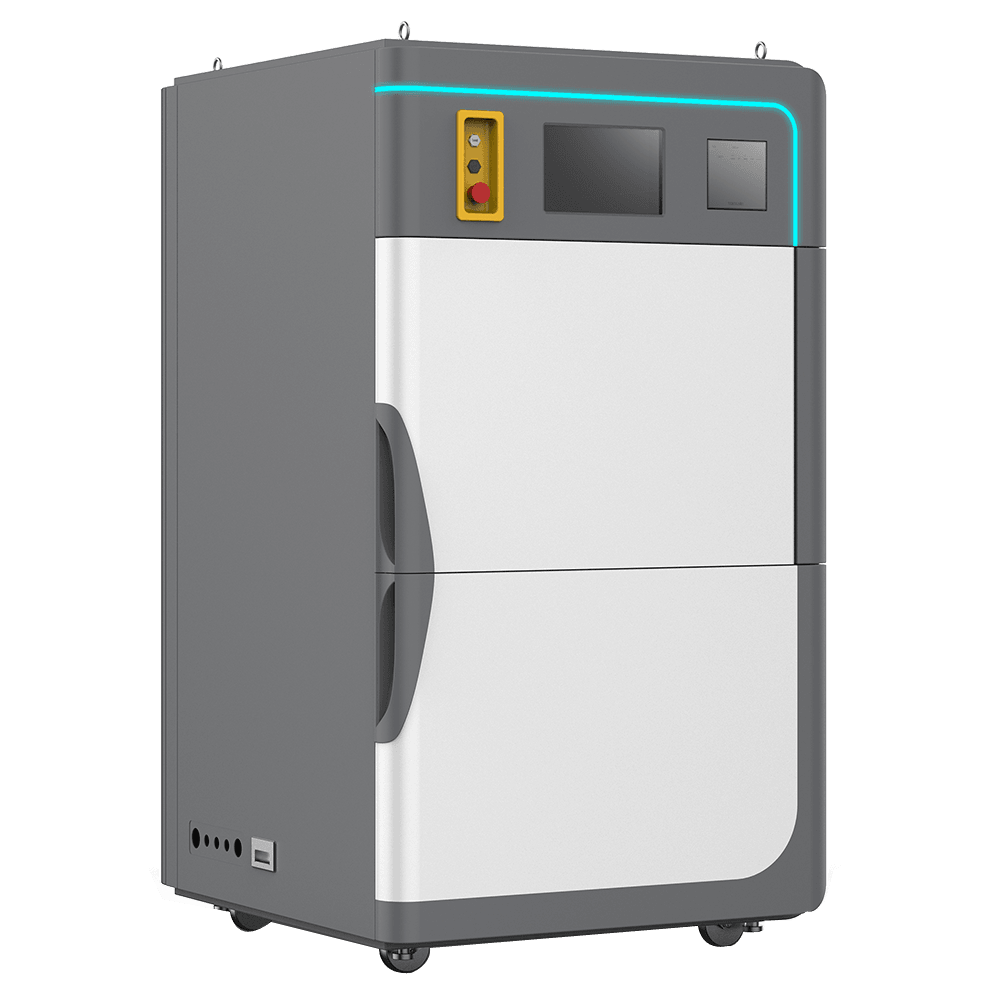
By the rapid penetration under vacuum conditions of a mixed gas of low-temperature (60℃ or 78℃) stea...
See Details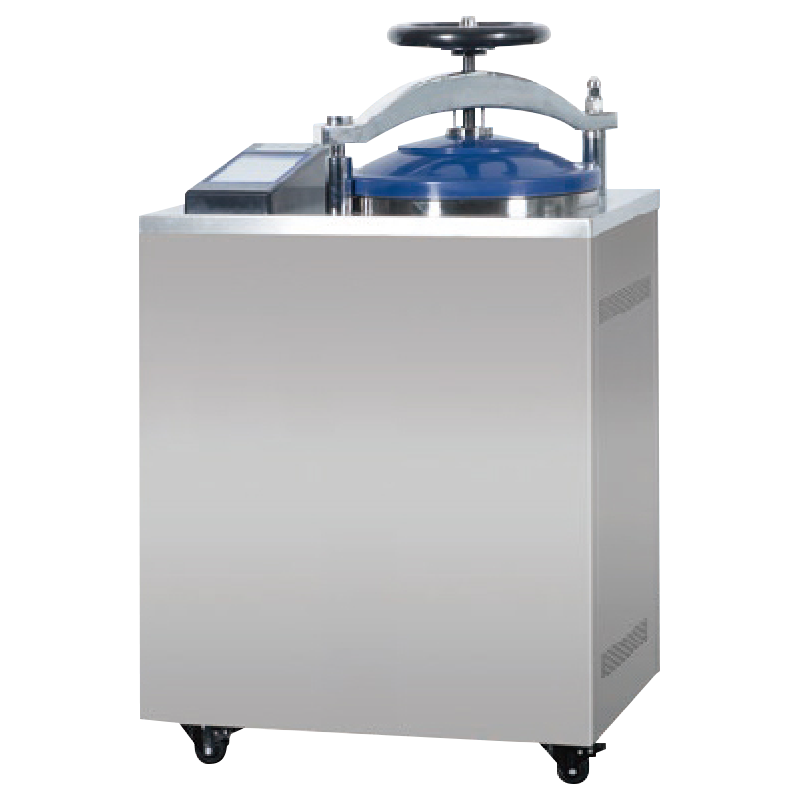
The Vertical Steam Sterilizer M Series (Pulsating Vacuum) is a safe and reliable sterilization solut...
See Details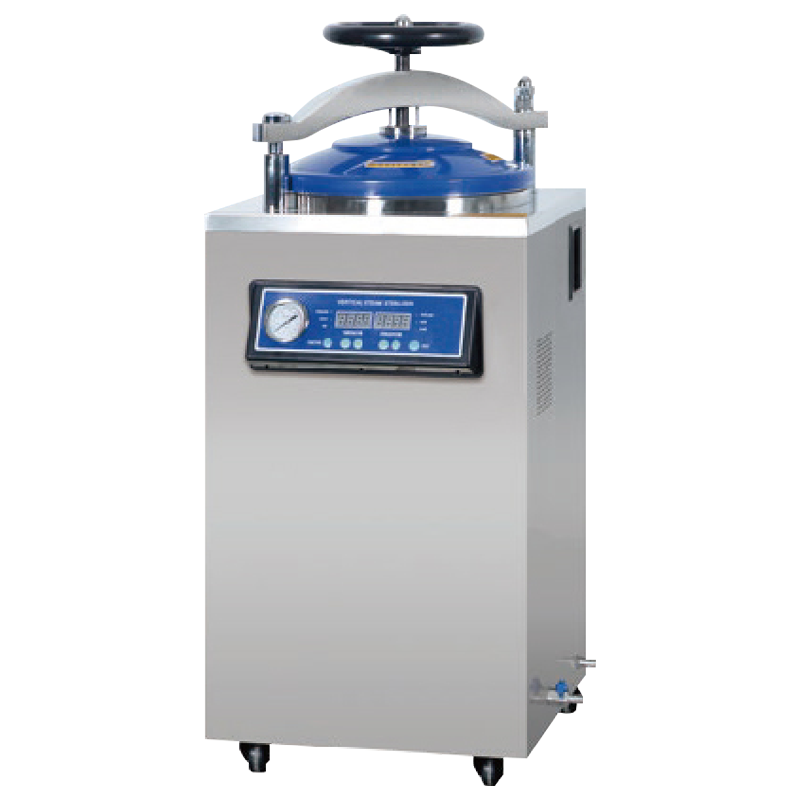
The Vertical Steam Sterilizer B Series offers a robust, automated solution for sterilizing a wide ra...
See Details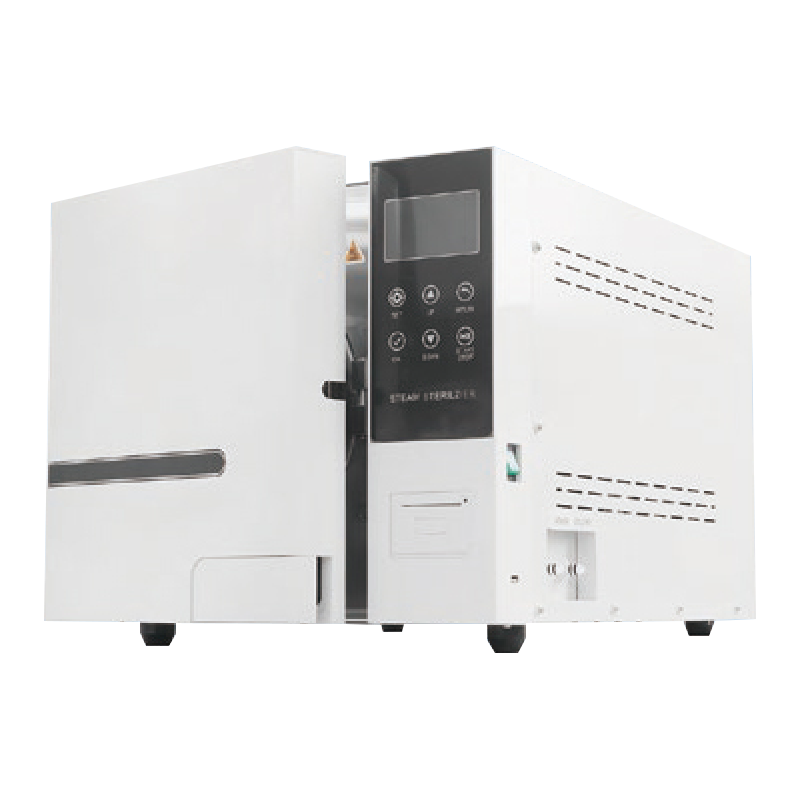
The Tabletop Steam Sterilizer YXQ.DX-X Series is a highly efficient and compact solution designed fo...
See Details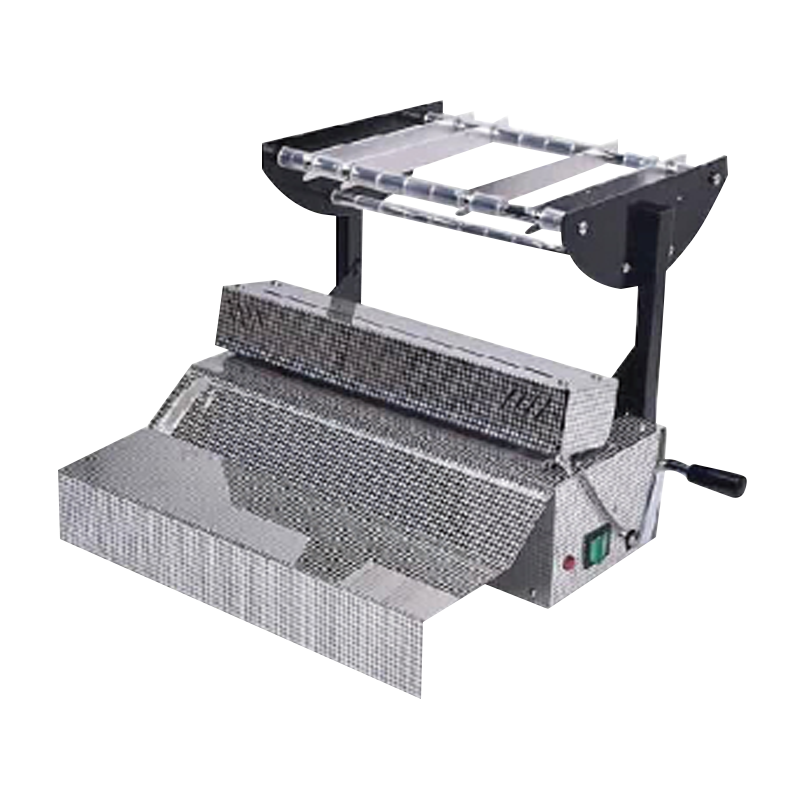
Product Usage:This type of sealing machine is used forsealing sterilizing bag, suitable for medicali...
See DetailsIntroduction to Sanitary Grade Sterilizer: Definition and Importance in Modern Sterilization Definit......
READ MOREIntroduction In today’s fast-paced world, ensuring the safety and sterility of products and material......
READ MOREIntroduction to Sterile Preparation Sterilizers What is Sterile Preparation? Sterile preparation ref......
READ MOREWhy Does Every Drug Require a Sterile Preparation Sterilizer? In modern medicine and pharmaceuticals......
READ MORE +(86) 18018151178
[email protected]
365 Nansha Sanjiali Road, Jingang Town, Zhangjiagang City, China
+(86) 18018151178
[email protected]
365 Nansha Sanjiali Road, Jingang Town, Zhangjiagang City, China
