 English
 русский
 Español
 عربى
عربى
 中文
中文

Biosafety Sterilizer
Cat:Products
The sterilizer performs moist heat sterilization operations on items with saturated pure steam as th...
See Details

A pulse vacuum sterilizer is a sophisticated sterilization equipment designed to eliminate bacteria, viruses, and other pathogens from medical, laboratory, and pharmaceutical instruments. It uses a combination of vacuum and pulsing cycles to create optimal conditions for effective sterilization. The process typically involves creating a vacuum to remove air and moisture, followed by pulsing to introduce sterilizing agents, which allows for better penetration of the sterilizing agent, ensuring a more effective sterilization process.
Traditional steam sterilizers, also known as autoclaves, rely on the use of saturated steam under pressure to kill microorganisms. In contrast, a pulse vacuum sterilizer uses vacuum cycles to remove air and moisture, followed by pulses to enhance the penetration of sterilizing agents. The key differences include:
Vacuum Functionality: Pulse vacuum sterilizers work by creating a vacuum, which makes it more suitable for sterilizing heat-sensitive materials.
Enhanced Sterilization Process: Pulsing cycles help distribute the sterilizing agent more efficiently, achieving a higher level of sterilization for complex instruments.
Faster Cycle Time: Pulse vacuum sterilizers often complete sterilization in a shorter time than traditional steam sterilizers, improving operational efficiency.
The combination of vacuum and pulsing cycles improves sterilization by ensuring that the sterilizing agent penetrates every surface of the item being sterilized. The vacuum removes air and moisture, which are typically barriers to effective sterilization. The pulsing action further enhances the distribution of the sterilizing agent, allowing it to reach even the most intricate parts of complex instruments. This results in:
Deeper Penetration: Pulsing allows the sterilizing agent to reach all surfaces, including difficult-to-reach areas of instruments.
Improved Efficacy: The vacuum cycle ensures a more efficient environment for sterilization, which is crucial for items with complex shapes or porous surfaces.
Higher Sterilization Success Rate: The enhanced distribution and penetration of the sterilizing agent increase the success rate of sterilization, even for delicate or heat-sensitive items.
One of the key advantages of a pulse vacuum sterilizer is its ability to handle complex instruments and materials with high efficiency. These sterilizers are designed to thoroughly sterilize items with intricate shapes, dense components, or porous surfaces. Whether it's surgical instruments, laboratory glassware, or pharmaceutical containers, pulse vacuum sterilizers ensure thorough sterilization by reaching all surfaces with the sterilizing agent. This results in:
Thorough Sterilization: Effective for items that require precise sterilization, such as surgical tools and laboratory instruments.
Suitable for Heat-Sensitive Materials: Unlike traditional autoclaves, pulse vacuum sterilizers can sterilize materials that cannot withstand high temperatures.
Pulse vacuum sterilizers are especially useful in medical, laboratory, and pharmaceutical settings where hygiene and sterilization are critical. The equipment is designed to sterilize items without damaging delicate instruments or materials. These sterilizers are commonly used for:
Surgical Instruments: Ensuring that all surgical tools are free from pathogens before use.
Medical Equipment: Sterilizing heat-sensitive devices such as endoscopes, which cannot be sterilized by traditional methods.
Pharmaceutical Products: Sterilizing ampoules, vials, and other containers used in drug production.
Many pulse vacuum sterilizers are designed to be energy-efficient and environmentally friendly. These systems often feature optimized cycles that consume less energy and water compared to traditional sterilizers. The use of vacuum and pulsing cycles also allows for faster processing times, reducing overall energy consumption. Key environmental benefits include:
Reduced Energy Consumption: Pulse vacuum sterilizers often have shorter cycle times, which reduces energy use.
Lower Water Usage: The advanced sterilization process requires less water than traditional steam-based systems.
Most modern pulse vacuum sterilizers come equipped with automatic control systems that make them easy to operate and maintain. These systems automate the entire sterilization process, ensuring consistency and accuracy. Benefits of automatic control systems include:
User-Friendly Interface: Simple controls allow operators to set sterilization parameters with minimal training.
Pre-Programmed Cycles: Many models offer pre-set cycles for different sterilization needs, reducing the time spent on adjustments.
Monitoring and Alerts: Automatic monitoring ensures that the sterilization process runs efficiently, with built-in alerts for maintenance or errors.
In hospitals and clinics, pulse vacuum sterilizers are used to sterilize a wide variety of items, including surgical tools, dressings, and medical instruments. These sterilizers ensure that all items are free from harmful microorganisms before use in medical procedures. The ability to handle complex shapes and delicate items makes pulse vacuum sterilizers ideal for sterilizing surgical tools that require precision.
In the pharmaceutical industry, pulse vacuum sterilizers are essential for sterilizing production equipment and materials such as ampoules, vials, culture media, and other containers. These sterilizers ensure the sterility of substances used in drug production, minimizing contamination risks in the manufacturing process.
In laboratory settings, pulse vacuum sterilizers are widely used to sterilize glassware, research tools, and equipment that need to be free of microorganisms for accurate experiments. The high precision of the sterilization process ensures that scientific research remains unaffected by contamination.
Pulse vacuum sterilizers are also used in various industrial sectors where hygiene is critical, such as food production and cleanroom manufacturing. These sterilizers ensure that equipment and tools are sterile before use in sensitive manufacturing environments, reducing the risk of contamination.
When selecting a pulse vacuum sterilizer, one of the most crucial factors to consider is the chamber size and capacity. The sterilizer should have enough room to accommodate the types and quantities of items you need to sterilize. For larger operations, a sterilizer with a bigger chamber capacity is recommended to ensure higher throughput. Choosing the right size will help improve efficiency and avoid unnecessary cycles. Here are some points to consider when assessing chamber size and capacity:
Operational Requirements: Consider the typical volume of items that need to be sterilized daily. Larger chambers are ideal for high-volume operations like hospitals and pharmaceutical companies.
Space Constraints: Ensure that the sterilizer fits in the available space in your facility while offering enough room for future expansion.
Batch Size: For smaller, specialized operations, a sterilizer with a smaller chamber may be sufficient, allowing for more flexible, on-demand sterilization.
Advanced temperature and pressure control systems are critical for ensuring effective and consistent sterilization. These systems ensure that the sterilizing cycle is conducted under optimal conditions, with precise adjustments for temperature and pressure, which can vary based on the materials being sterilized. The ability to control these parameters is essential for:
Customizing Sterilization Cycles: Some materials may require lower temperatures or specific pressure settings to prevent damage. Temperature and pressure control systems allow operators to customize the cycles according to the sensitivity of the materials.
Consistency and Accuracy: These systems help maintain consistency in every cycle, ensuring all items are equally sterilized and no contamination is missed.
Energy Efficiency: By maintaining the optimal temperature and pressure conditions, these systems reduce energy consumption and avoid overuse of resources.
Another critical consideration when choosing a pulse vacuum sterilizer is ensuring that the model complies with the relevant safety and medical standards. Sterilizers used in medical and pharmaceutical fields must meet strict regulations to ensure the safety and effectiveness of sterilization. Key standards include:
ISO 13485 Certification: This is the international standard for medical devices, ensuring that the sterilizer meets all quality and safety requirements for medical and laboratory environments.
FDA Compliance: In the U.S., medical sterilization equipment must comply with FDA standards to ensure patient safety and regulatory compliance.
CE Marking: For European markets, the sterilizer must have CE marking, which indicates conformity with health, safety, and environmental protection standards.
Maintenance and durability are key factors to consider when purchasing a pulse vacuum sterilizer. A durable sterilizer with minimal maintenance needs ensures that your equipment remains operational with minimal downtime. Cost should also be a significant consideration. While high-end sterilizers may come with a higher upfront cost, they can save money in the long run through reduced maintenance costs and improved efficiency. Here are some factors to consider:
Ease of Maintenance: Choose a sterilizer with an easy-to-access design that allows for regular cleaning, servicing, and part replacements.
Longevity: Look for sterilizers made from high-quality materials that are resistant to wear and tear, as this will extend the life of the equipment and reduce replacement costs.
Operational Costs: Consider energy-efficient models that help reduce operational costs over time. Some advanced models come with energy-saving features like faster cycles and optimized resource usage.
Return on Investment (ROI): A high-quality, durable sterilizer will provide a better return on investment by enhancing operational efficiency, reducing downtime, and ensuring compliance with safety regulations.
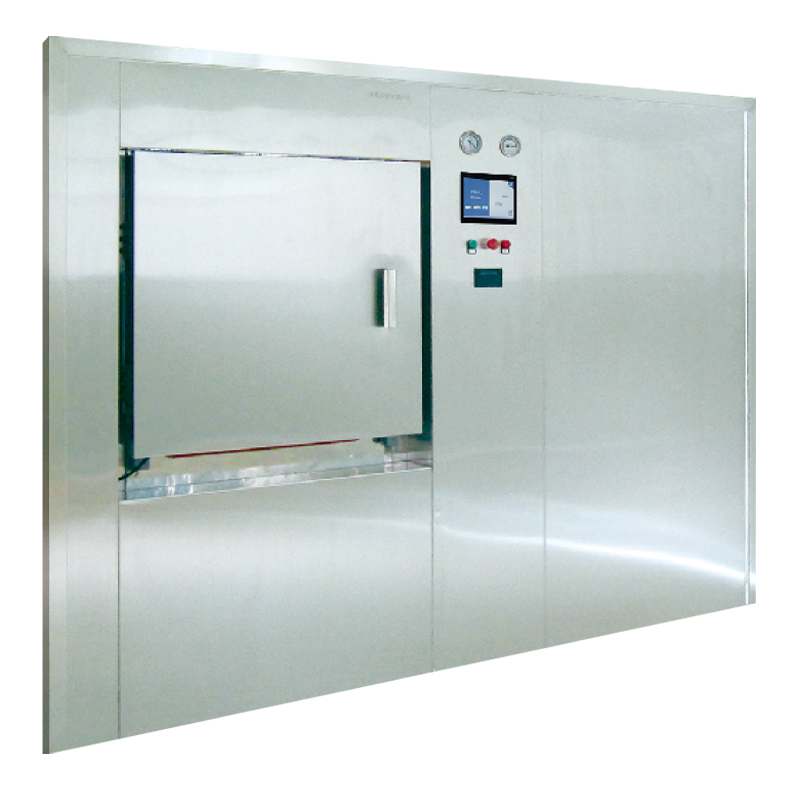
The sterilizer performs moist heat sterilization operations on items with saturated pure steam as th...
See Details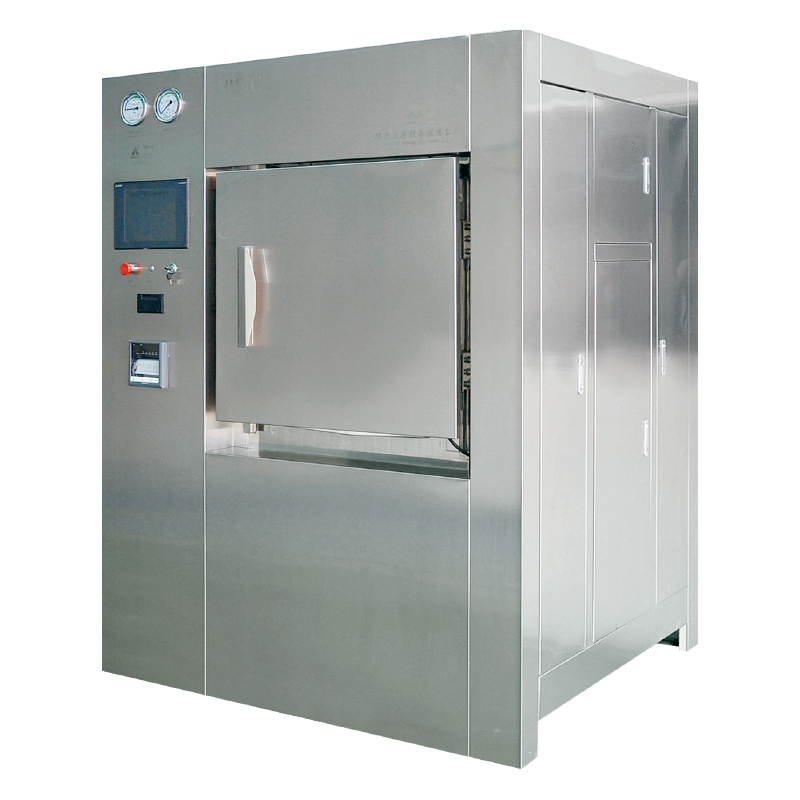
The sterilizer is to remove the impact of cold air on temperature using pulsation vacuum pumping wit...
See Details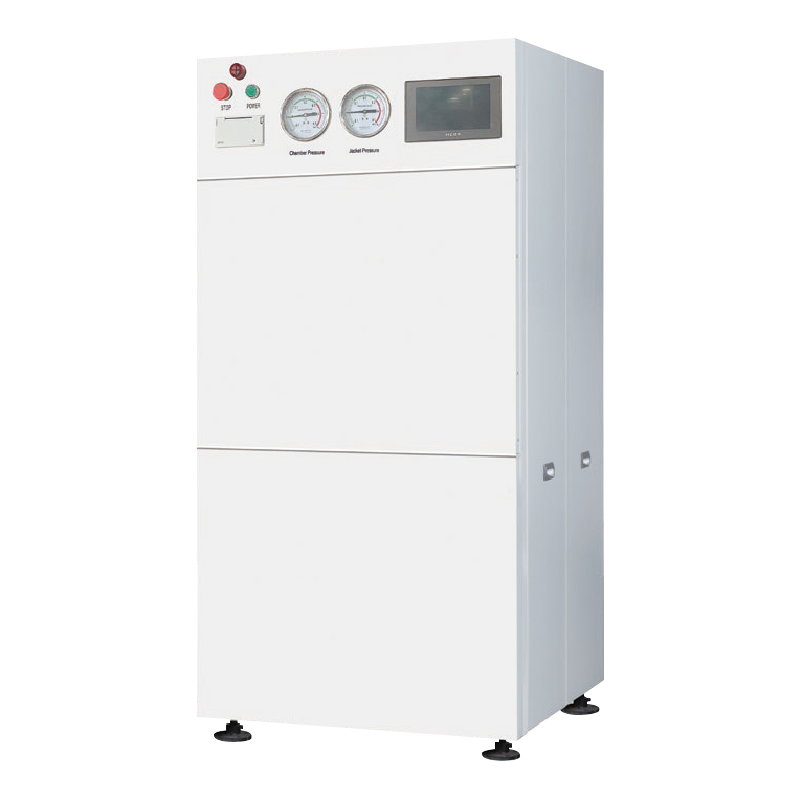
The Horizontal Steam Sterilizer utilizes saturated steam as the sterilizing medium, capitalizing on ...
See Details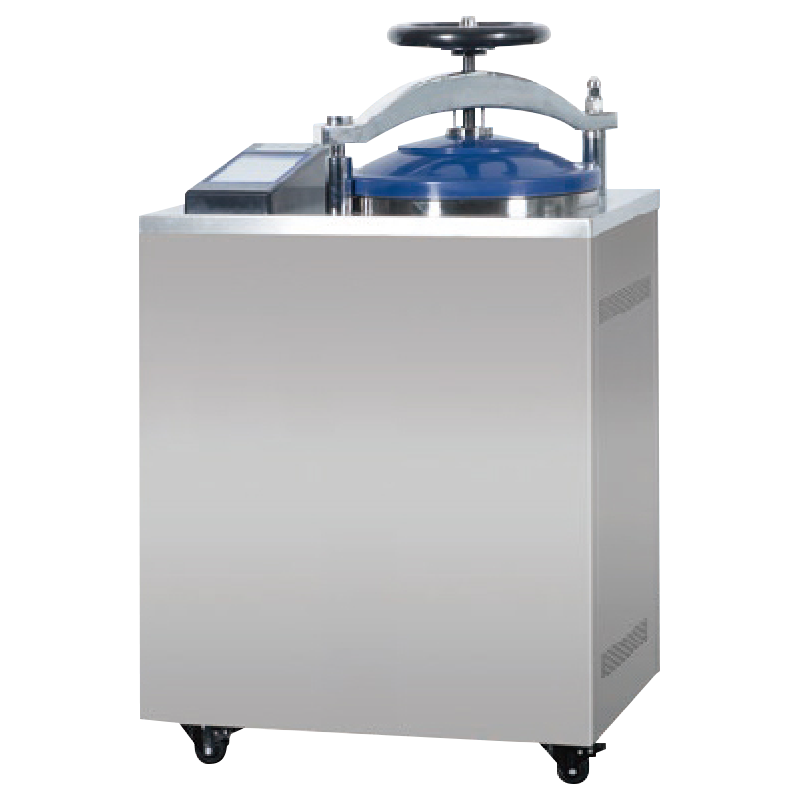
The Vertical Steam Sterilizer M Series (Pulsating Vacuum) is a safe and reliable sterilization solut...
See Details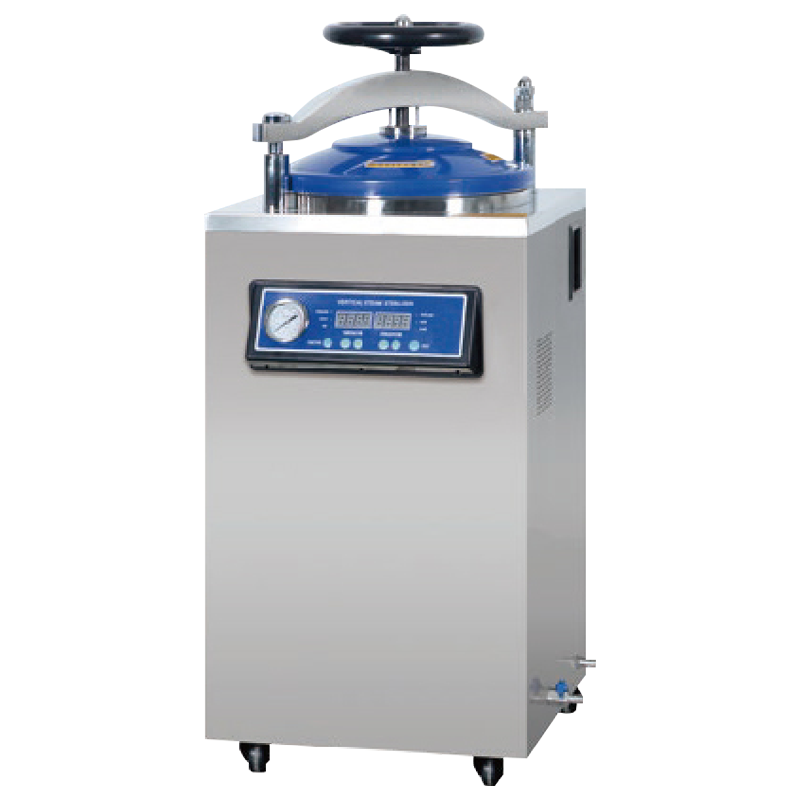
The Vertical Steam Sterilizer B Series offers a robust, automated solution for sterilizing a wide ra...
See Details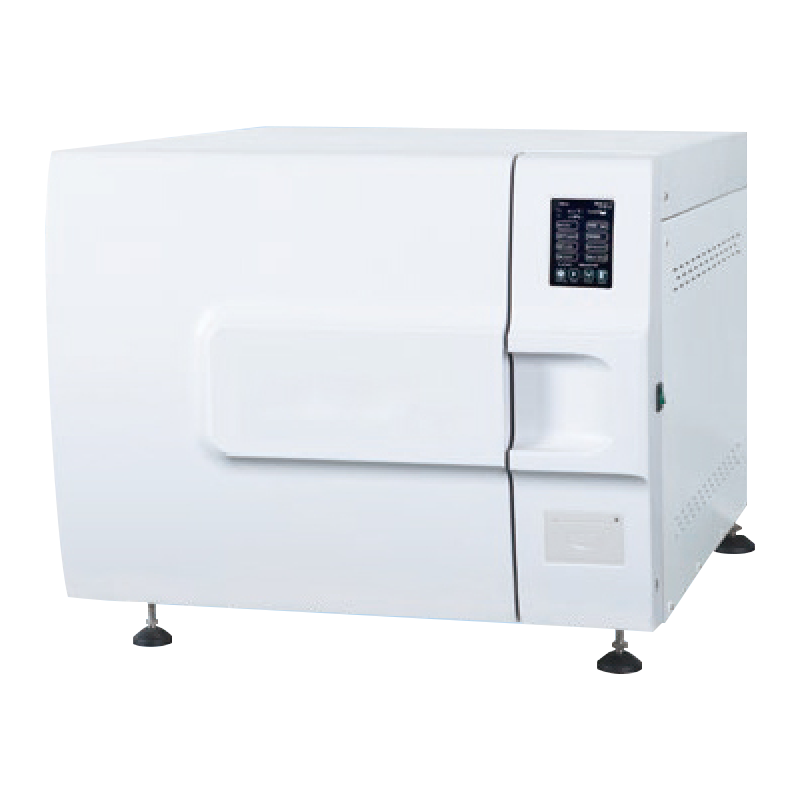
The Tabletop Steam Sterilizer Z Series is an efficient, user-friendly sterilization solution designe...
See Details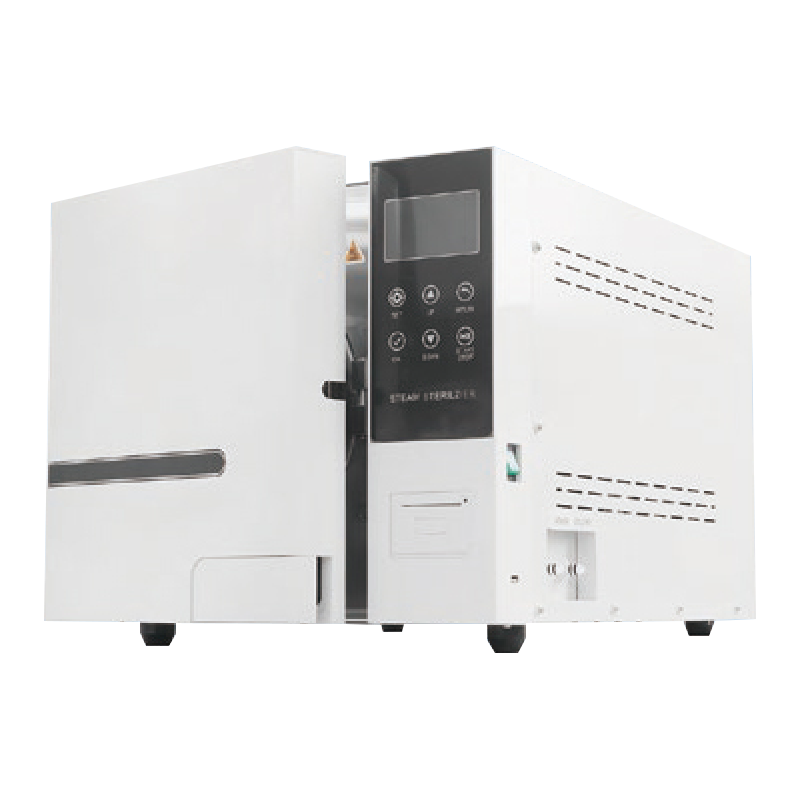
The Tabletop Steam Sterilizer YXQ.DX-X Series is a highly efficient and compact solution designed fo...
See Details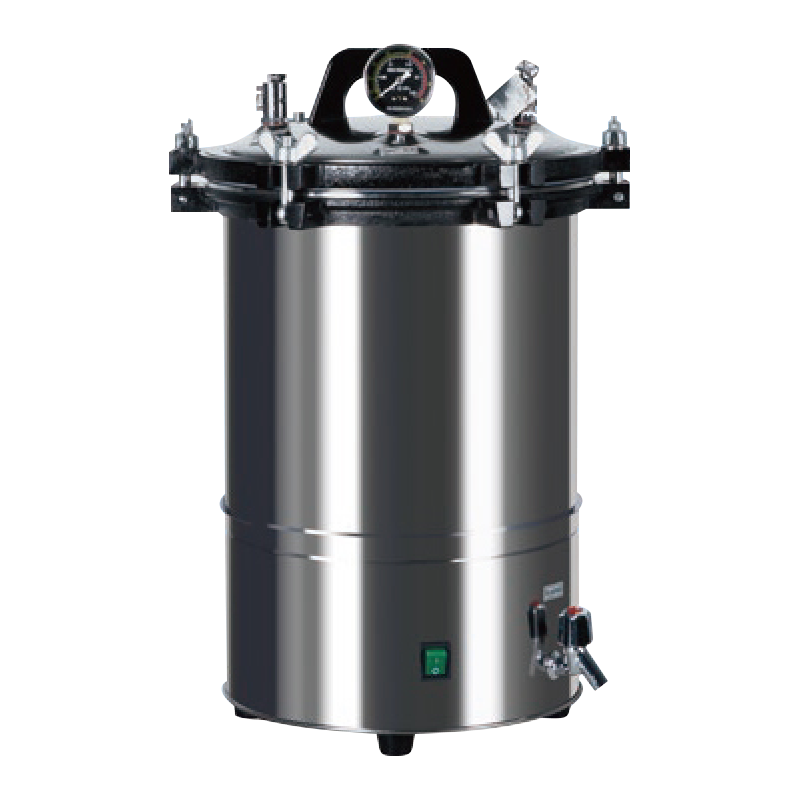
The Portable Pressure Steam Sterilizer Model YXQ.PPS-280A and A+ offers a compact and reliable solut...
See Details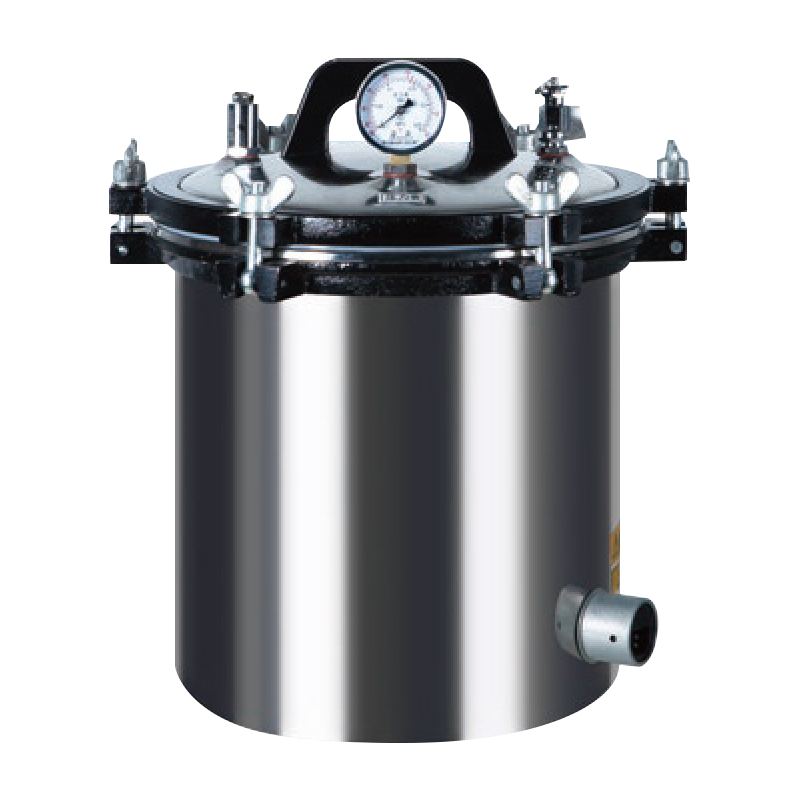
The YXQ.PPS-280C and C+ Portable Pressure Steam Sterilizer is a versatile dual-purpose sterilizer, o...
See Details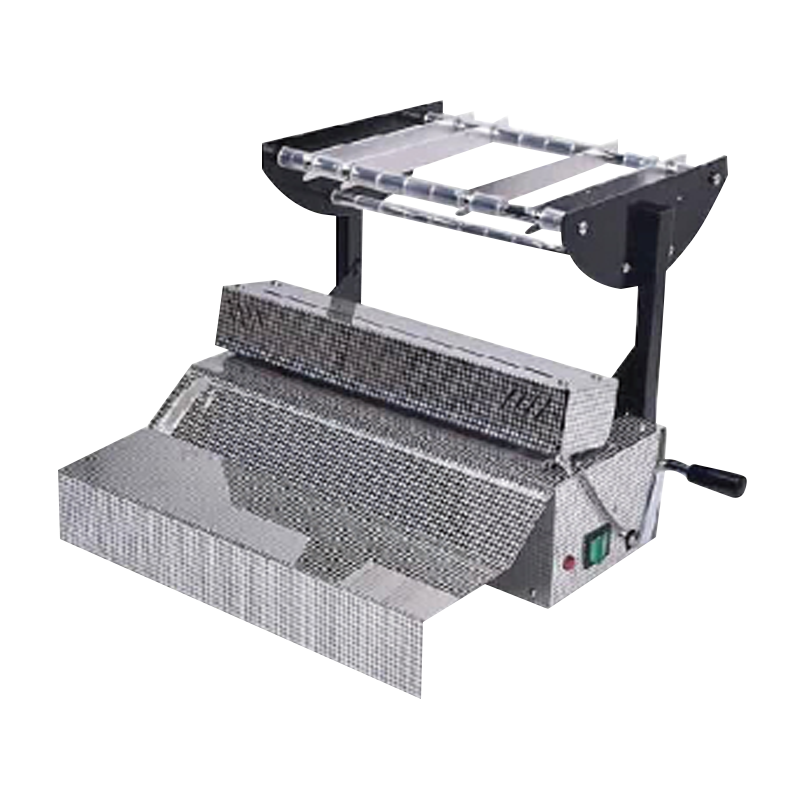
Product Usage:This type of sealing machine is used forsealing sterilizing bag, suitable for medicali...
See DetailsIntroduction to Sanitary Grade Sterilizer: Definition and Importance in Modern Sterilization Definit......
READ MOREIntroduction In today’s fast-paced world, ensuring the safety and sterility of products and material......
READ MOREIntroduction to Sterile Preparation Sterilizers What is Sterile Preparation? Sterile preparation ref......
READ MOREWhy Does Every Drug Require a Sterile Preparation Sterilizer? In modern medicine and pharmaceuticals......
READ MORE +(86) 18018151178
[email protected]
365 Nansha Sanjiali Road, Jingang Town, Zhangjiagang City, China
+(86) 18018151178
[email protected]
365 Nansha Sanjiali Road, Jingang Town, Zhangjiagang City, China
