 English
 русский
 Español
 عربى
عربى
 中文
中文

Ventilated Sterilizer
Cat:Products
The sterilizer performs sterilization by means of mixing pressure of air and steam. Furthermore, mi...
See Details
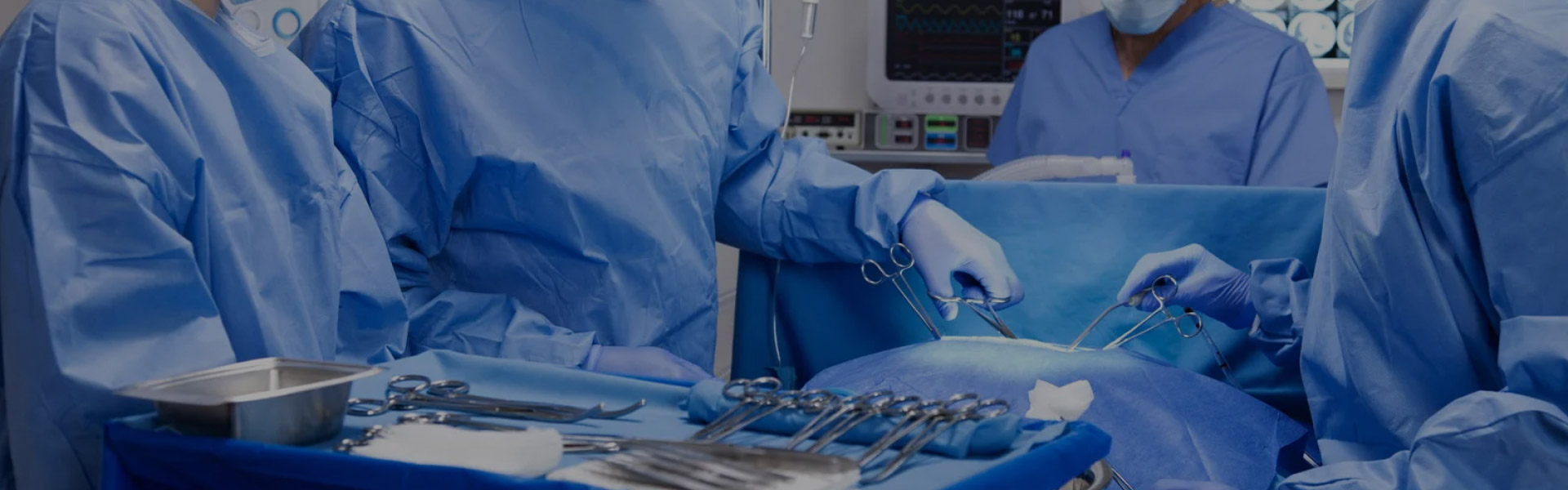
In the precision-driven world of pharmaceutical manufacturing and clinical preparation, the integrity of injectable drugs and intravenous fluids is paramount. The Sterile Preparation Sterilizer represents a critical technological milestone in achieving this integrity. Central to its operation is the concept of thermal denaturation, where microorganisms are eliminated through the precise application of heat. Among the various methods available, the Super-Heated Water Sterilizer has emerged as a gold standard for treating large-volume parenterals (LVP) and heat-sensitive liquids. By utilizing high-pressure, high-temperature water or steam, these systems ensure that every cubic millimeter of the sterilized load reaches the required lethality threshold without compromising the chemical stability of the drug product.
The Super-Heated Water Sterilizer primarily operates via a water-bath (or water-spray) mechanism. In this configuration, the sterilized drugs are heated using a sophisticated water spraying system that utilizes superheated water as the primary sterilizing medium. The physical process is elegant but rigorous: superheated water is circulated and sprayed over the product containers (such as glass ampoules or plastic IV bags).
As the temperature rises beyond the boiling point—held in liquid form by high pressure—the heat energy is transferred directly to the sterilized items. On a cellular level, this intense thermal energy targets the microbial proteins and other vital components of any present bacteria or spores. By denaturing these proteins, the system effectively causes the structural collapse of the microorganisms, eventually leading to their death and achieving a validated state of sterilization. This method is particularly valued for its temperature uniformity, as the liquid medium surrounds the containers, eliminating "cold spots" that can occur in less sophisticated systems.
Complementing the water-bath method within the Sterile Preparation Sterilizer category is the steam-type sterilization process. This method utilizes high-temperature and high-pressure water vapor as the medium for sterilization. When the sterilized item is placed within the chamber filled with this high-energy vapor, the latent heat released by the steam during condensation is transferred to the load.
Similar to the water-bath approach, the steam-type system relies on the denaturation of microbial proteins. The high-pressure environment allows the steam to penetrate porous materials or complex geometries of the sterilized items. The thermal impact ensures that the microorganisms are heated to the point of irreversible damage. This "steam-type" preparation is often preferred for solid tools, empty glassware, or specific liquid formulations where direct water contact is not desired.
Understanding the technical distinctions between the two primary modes of the Sterile Preparation Sterilizer is essential for selecting the appropriate protocol for different pharmaceutical loads.
|
Feature Component |
Super-Heated Water Sterilizer (Water-Bath) |
Steam-Type Sterilizer |
|---|---|---|
|
Sterilization Medium |
Superheated water (Liquid Spray) |
High-temperature/High-pressure Steam |
|
Primary Action |
Circulating water spray heat transfer |
Latent heat of steam condensation |
|
Biological Impact |
Protein denaturation and microbial death |
Protein denaturation and microbial death |
|
Cooling Method |
Integrated heat exchanger / Cold water spray |
Air cooling or vacuum-assisted evaporation |
|
Primary Application |
Large volume liquids, IV bags, sealed bottles |
Glassware, rubber stoppers, porous loads |
|
Temperature Uniformity |
Extremely high due to liquid contact |
High, but sensitive to air removal |
|
Pressure Control |
Counter-pressure cooling to prevent bursting |
Saturated steam pressure correlation |
When dealing with sealed containers, the Super-Heated Water Sterilizer offers a unique advantage: pressure balancing. During the heating phase, the liquid inside the drug containers expands, creating internal pressure. If the external chamber pressure is not carefully managed, glass containers can shatter and plastic bags can burst. The Super-Heated Water Sterilizer allows for "over-pressure" or "counter-pressure" control. By maintaining the pressure of the superheated water medium slightly higher than the internal pressure of the vials, the system protects the physical integrity of the packaging.
The water-bath type also excels in the cooling phase. Once the sterilization hold time is complete, the superheated water can be cooled through a heat exchanger. The circulating pump continues to spray the cooling water over the hot containers, bringing them down to room temperature rapidly and safely. This prevents "thermal shock" and ensures that the total cycle time is minimized, which is essential for preserving the potency of heat-sensitive active pharmaceutical ingredients (APIs).
Every Sterile Preparation Sterilizer is equipped with a high-precision control system designed to monitor and record every variable of the cycle. This is not merely for operational efficiency but for regulatory compliance. Key parameters include:
Temperature Sensors (PT100): Multiple sensors are placed throughout the chamber to ensure that the superheated water or steam is reaching the set point in all zones.
Pressure Transducers: Monitoring the chamber pressure is vital for both the sterilization effect and the safety of the containers.
F0 Value Calculation: The system automatically calculates the lethality (F0 value) based on the actual time and temperature profile. This provides scientific proof that the sterilization effect has been achieved, regardless of fluctuations in the heat-up phase.
The internal structure of the Super-Heated Water Sterilizer is typically constructed from high-grade stainless steel (316L), with polished surfaces to prevent the accumulation of contaminants. The spray nozzles in the water-bath model are designed to provide a wide-angle, high-volume flow, ensuring that even in a densely packed trolley, every item is contacted by the superheated medium.
Safety is a non-negotiable aspect of the Sterile Preparation Sterilizer. Given that these machines operate under significant pressure and temperature, they are built with redundant safety mechanisms. The doors are usually equipped with pneumatic gaskets that seal tighter as the pressure inside the chamber increases. Interlock systems prevent the doors from being opened until the temperature and pressure have returned to safe atmospheric levels.
For the water-bath type, the filtration of the sterilizing water is another critical detail. The water used as the medium must itself be of high quality (often Water for Injection or purified water) to prevent staining or contamination of the containers. A high-efficiency filter is usually integrated into the circulation loop to remove any particles or degraded materials that might shed from the packaging.
The application of the Super-Heated Water Sterilizer is diverse. It is found in blood centers for the sterilization of plasma products, in hospitals for the preparation of specialized IV mixtures, and in large-scale manufacturing plants for the mass production of saline and glucose solutions. The ability of the Sterile Preparation Sterilizer to handle different load configurations—from small ampoules to large 5000ml soft bags—makes it an indispensable tool.
In the steam-type configuration, the focus shifts slightly toward dry loads and specific vials. The rapid heat transfer of steam makes it highly efficient for cycles where the product can withstand high-pressure vapor. Both methods, however, share the same fundamental scientific goal: the total destruction of microbial life through the denaturation of proteins.
By utilizing the Super-Heated Water Sterilizer, facilities can ensure that their sterile preparations are truly safe for patient use. The combination of uniform heating, controlled cooling, and robust pressure management allows for a process that is both lethal to pathogens and gentle on the pharmaceutical product. This balance is the hallmark of modern sterilization technology, ensuring that the final drug delivered to a patient is free from contaminants and maintains its full therapeutic efficacy.
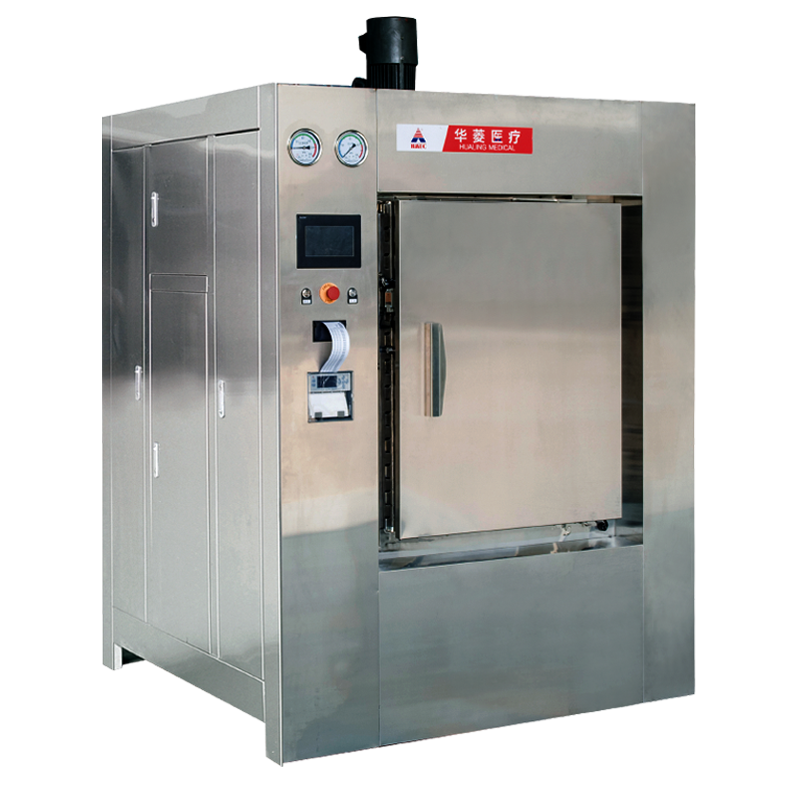
The sterilizer performs sterilization by means of mixing pressure of air and steam. Furthermore, mi...
See Details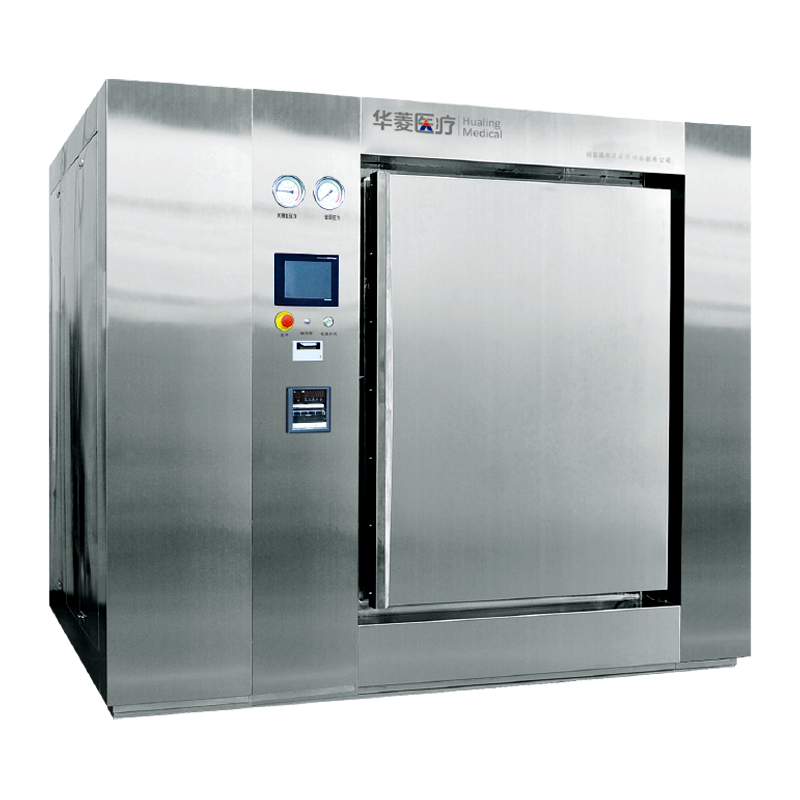
Water-bath type: The sterilized drugs are heated using water spraying using superheated water as the...
See Details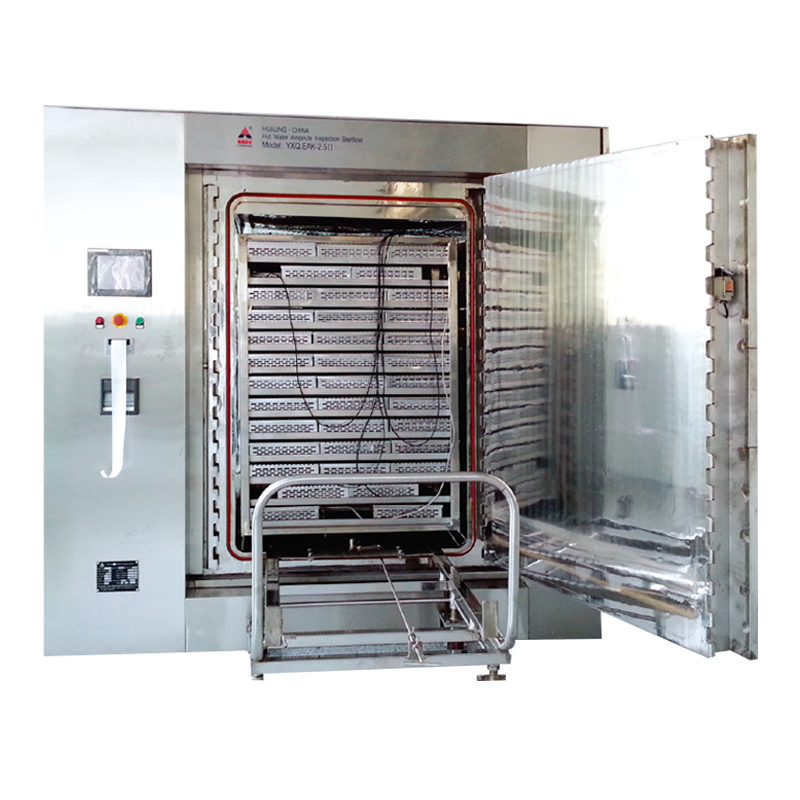
This sterilizer uses steam to sterilize, leak-detect, and clean for vials and ampoules.
See Details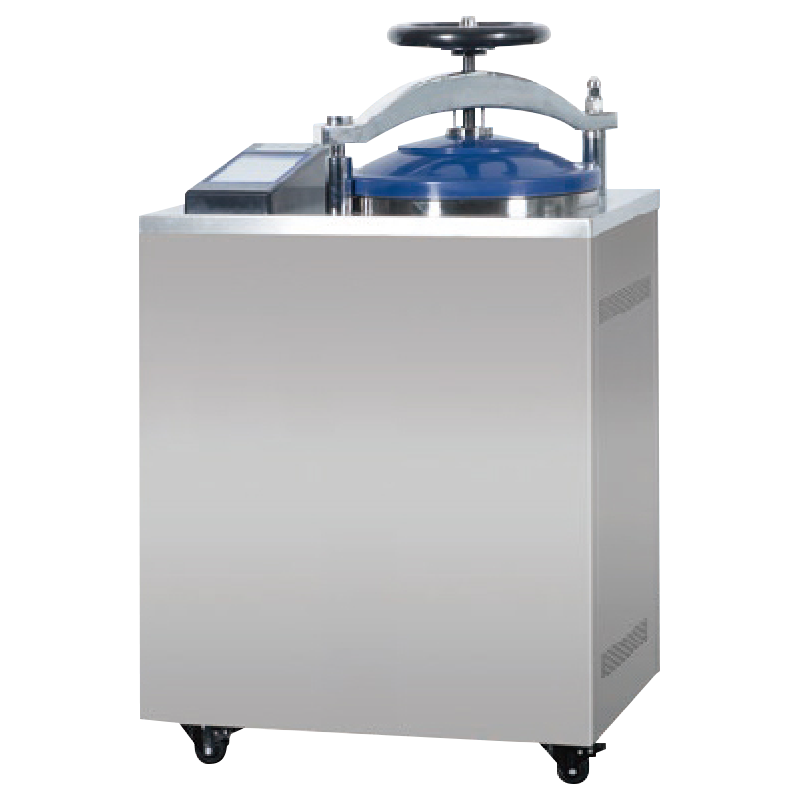
The Vertical Steam Sterilizer M Series (Pulsating Vacuum) is a safe and reliable sterilization solut...
See Details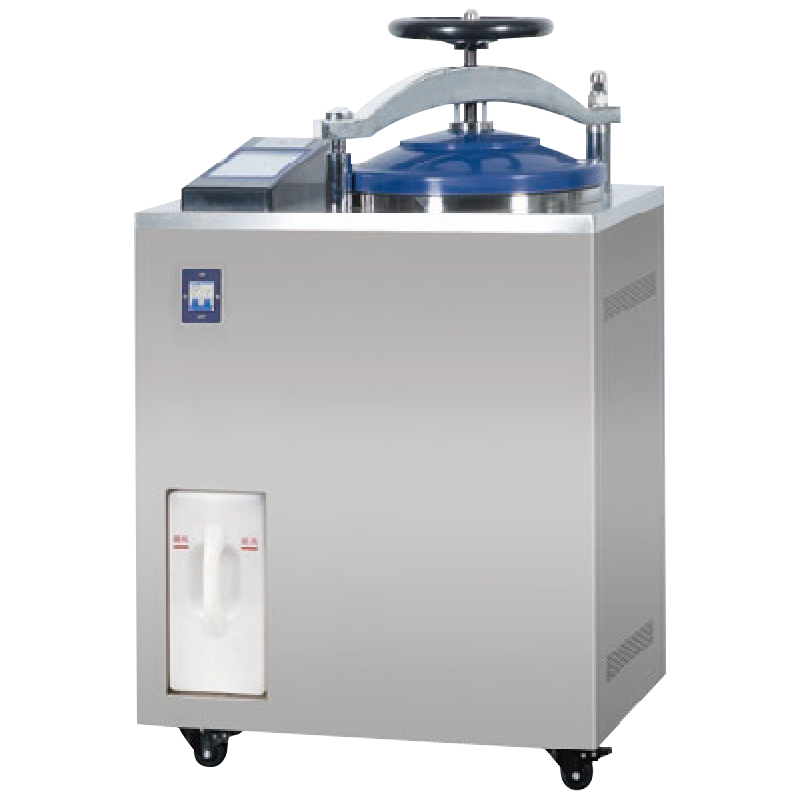
The Vertical Steam Sterilizer X Series (Multi-functional Laboratory Customized Model) offers a highl...
See Details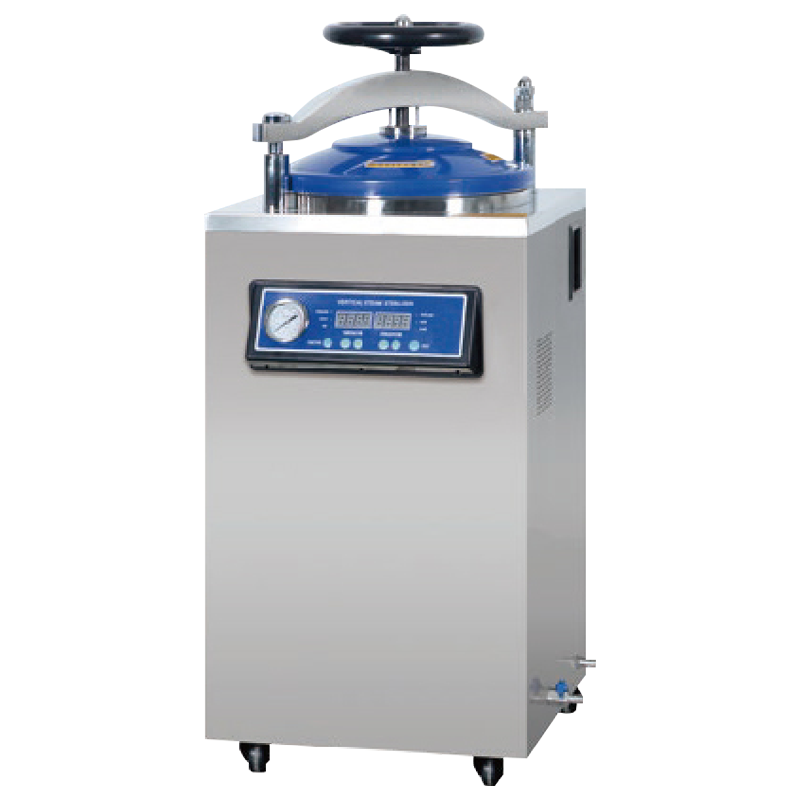
The Vertical Steam Sterilizer B Series offers a robust, automated solution for sterilizing a wide ra...
See Details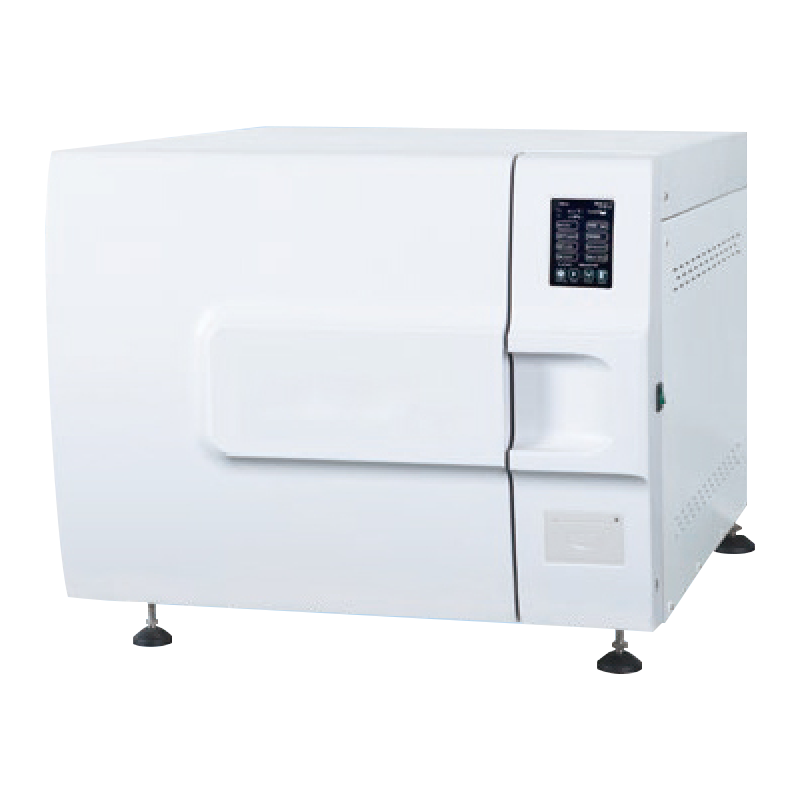
The Tabletop Steam Sterilizer Z Series is an efficient, user-friendly sterilization solution designe...
See Details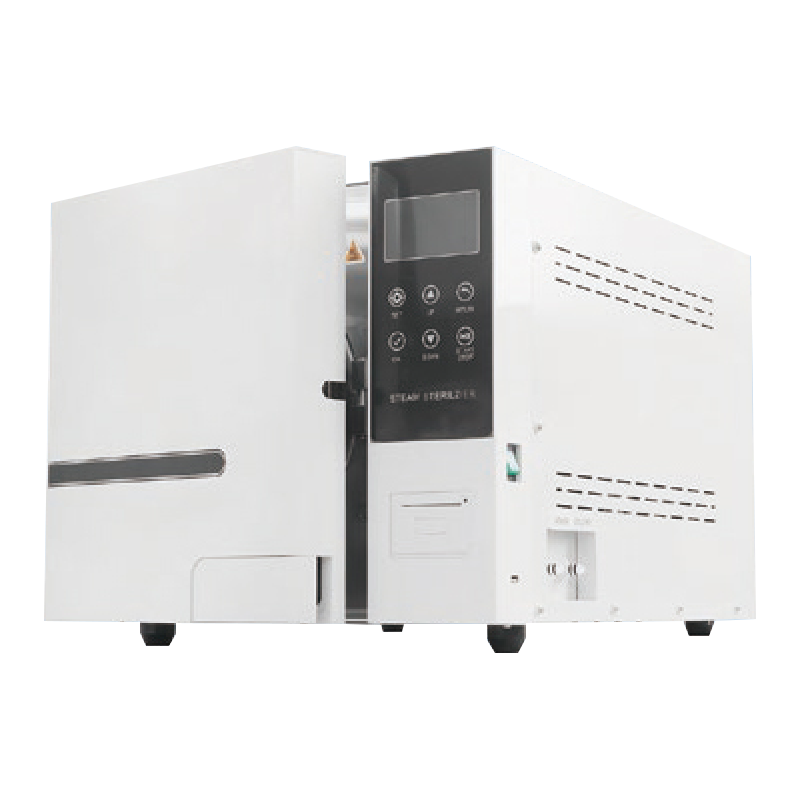
The Tabletop Steam Sterilizer YXQ.DX-X Series is a highly efficient and compact solution designed fo...
See Details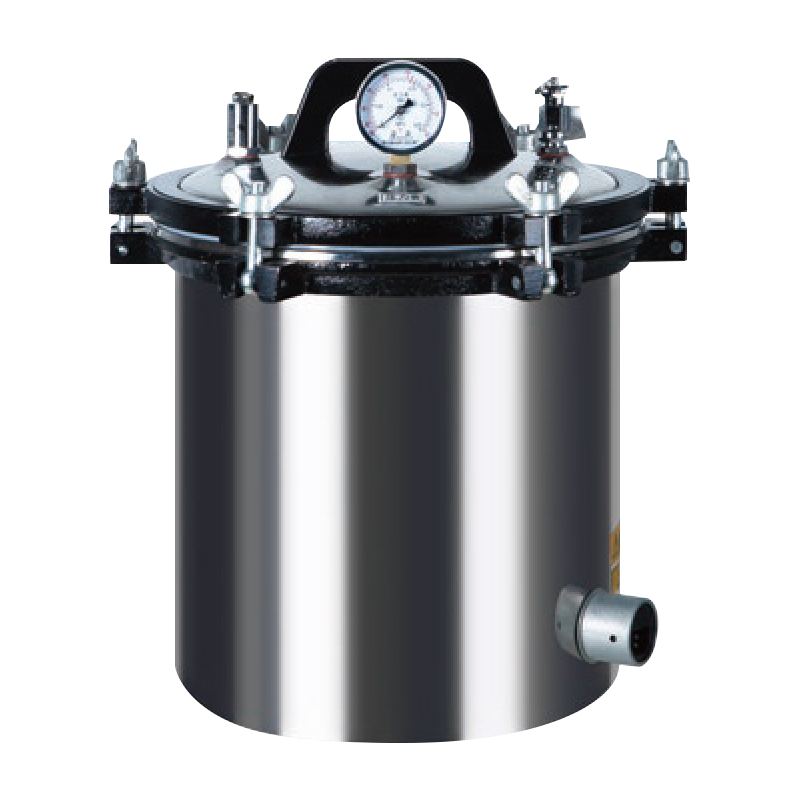
The YXQ.PPS-280C and C+ Portable Pressure Steam Sterilizer is a versatile dual-purpose sterilizer, o...
See Details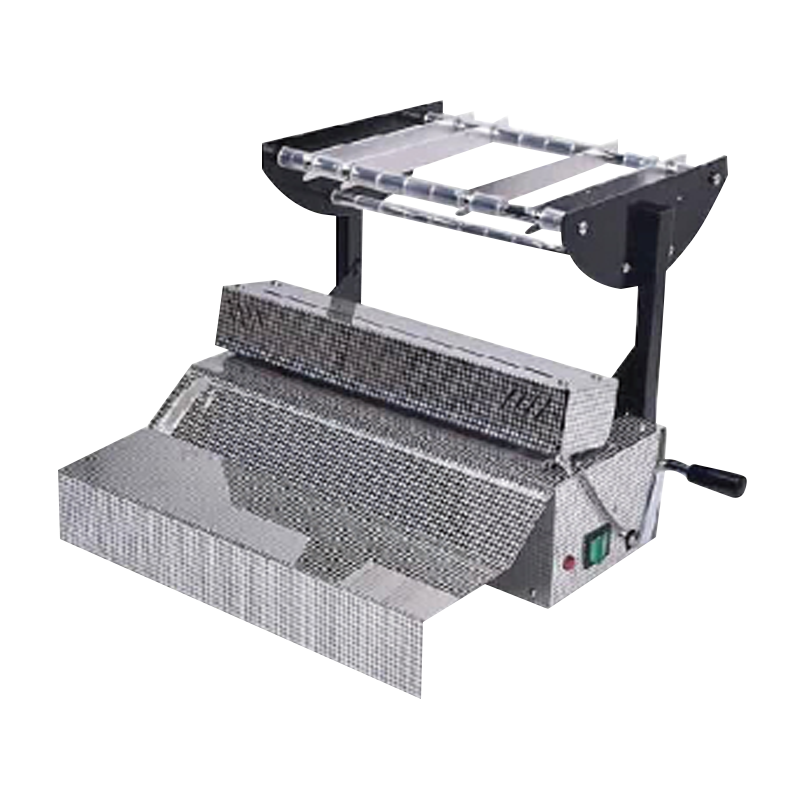
Product Usage:This type of sealing machine is used forsealing sterilizing bag, suitable for medicali...
See DetailsIntroduction to Sanitary Grade Sterilizer: Definition and Importance in Modern Sterilization Definit......
READ MOREIntroduction In today’s fast-paced world, ensuring the safety and sterility of products and material......
READ MOREIntroduction to Sterile Preparation Sterilizers What is Sterile Preparation? Sterile preparation ref......
READ MOREWhy Does Every Drug Require a Sterile Preparation Sterilizer? In modern medicine and pharmaceuticals......
READ MORE +(86) 18018151178
[email protected]
365 Nansha Sanjiali Road, Jingang Town, Zhangjiagang City, China
+(86) 18018151178
[email protected]
365 Nansha Sanjiali Road, Jingang Town, Zhangjiagang City, China
