 English
 русский
 Español
 عربى
عربى
 中文
中文

Traditional Chinese Medicine Sterilizer
Cat:Products
The sterilizer performs moist heat sterilization operations on items with saturated steam as the st...
See Details

A Sterile Preparation Sterilizer is a specialized device designed to sterilize medical instruments, laboratory equipment, and other critical tools. Using advanced sterilization technologies such as steam autoclaving, dry heat, or chemical sterilants, it ensures that all surfaces are free from bacteria, viruses, fungi, and spores.
These sterilizers are widely used in hospitals, clinics, dental offices, laboratories, and pharmaceutical industries to maintain hygiene standards and prevent cross-contamination.
Sterilization is not just a regulatory requirement—it is essential for patient and staff safety. Why?
Prevents infections: Proper sterilization eliminates harmful pathogens from instruments.
Ensures procedural safety: Surgical and diagnostic procedures rely on sterile equipment to avoid complications.
Protects staff: Reduces risk of exposure to infectious agents.
Compliance: Meets international healthcare and laboratory standards, including ISO and FDA regulations.
Using a reliable Sterile Preparation Sterilizer is essential to uphold these safety protocols.
The sterilization process involves several key mechanisms:
Steam sterilization (autoclave): High-pressure steam penetrates instruments, killing microbes efficiently.
Dry heat sterilization: Uses high temperatures to destroy bacteria and spores without moisture.
Chemical sterilization: Employs disinfectants or gases for heat-sensitive instruments.
Validation and monitoring: Advanced sterilizers include temperature, pressure, and cycle monitoring to ensure complete sterility.
This combination of technologies ensures comprehensive sterilization of medical and laboratory tools.
Absolutely. Modern Sterile Preparation Sterilizers enhance workflow and efficiency in healthcare and laboratory environments:
Rapid cycles: Fast sterilization reduces downtime between procedures.
High capacity: Allows sterilization of multiple instruments at once, increasing throughput.
User-friendly interfaces: Digital controls simplify operation and reduce training requirements.
Automated features: Sensors and alarms ensure safety and reduce human error.
These features make sterilizers an essential tool for busy medical facilities and laboratories.
When compared to traditional sterilization techniques, modern Sterile Preparation Sterilizers offer significant advantages:
| Feature | Sterile Preparation Sterilizer | Traditional Sterilization |
|---|---|---|
| Sterility Assurance | High, validated cycles | Variable, manual methods |
| Speed | Fast cycle times | Slow, labor-intensive |
| Safety | Automated monitoring, alarms | Manual, higher risk of error |
| Capacity | Large loads, multiple instruments | Limited capacity |
| Compliance | Meets ISO, FDA, and healthcare standards | Often inconsistent |
| Versatility | Multiple sterilization modes | Limited options |
This table highlights why modern sterilizers are preferred in critical medical and laboratory operations.
These sterilizers are versatile and essential in various environments:
Hospitals: Surgical instruments, endoscopes, and laboratory equipment.
Dental clinics: Dental tools, handpieces, and reusable instruments.
Pharmaceutical labs: Sterilizing glassware and sensitive instruments.
Veterinary clinics: Ensures hygiene for animal care instruments.
Research laboratories: Sterilizing laboratory tools and consumables for experiments.
Their reliability and efficiency make them indispensable across healthcare and scientific sectors.
The use of a Sterile Preparation Sterilizer provides multiple advantages:
Guaranteed sterility: Eliminates harmful bacteria, viruses, and spores.
Enhanced safety: Reduces risk of infection for patients, staff, and researchers.
Efficiency: Rapid sterilization cycles save time and increase workflow productivity.
Regulatory compliance: Meets global standards for healthcare and laboratory safety.
Versatility: Suitable for various instruments, tools, and materials.
Investing in a high-quality sterilizer ensures consistent hygiene and operational reliability.
To achieve optimal performance, users should:
Follow manufacturer guidelines: Ensure proper loading, cycle selection, and maintenance.
Regularly validate cycles: Use biological indicators or chemical monitors to verify sterility.
Clean instruments before sterilization: Prevents residual debris from affecting effectiveness.
Maintain equipment: Routine servicing ensures long-term performance and reliability.
Train staff: Proper operation and safety awareness maximize both efficiency and safety.
By implementing these practices, healthcare and laboratory facilities can maintain safe, sterile, and efficient operations.
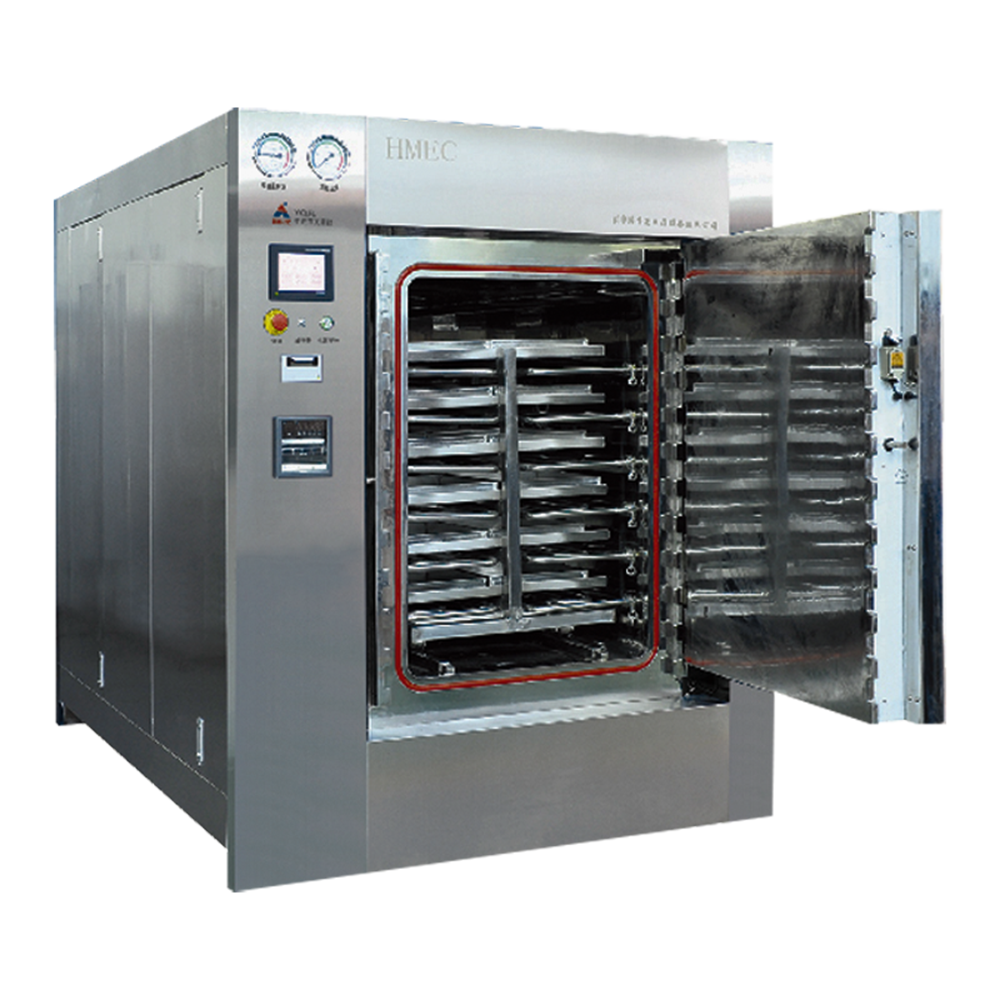
The sterilizer performs moist heat sterilization operations on items with saturated steam as the st...
See Details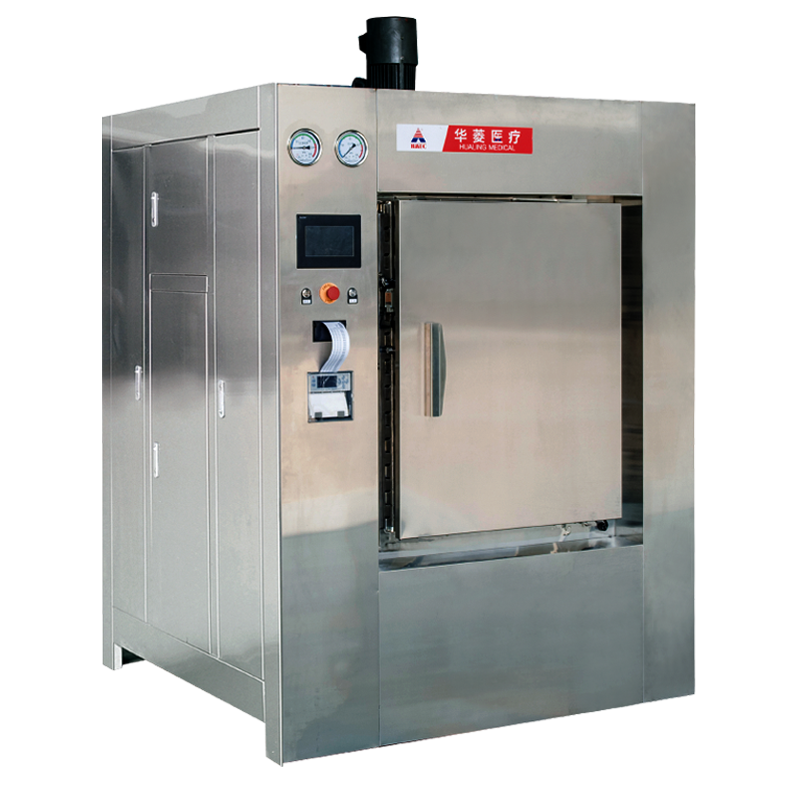
The sterilizer performs sterilization by means of mixing pressure of air and steam. Furthermore, mi...
See Details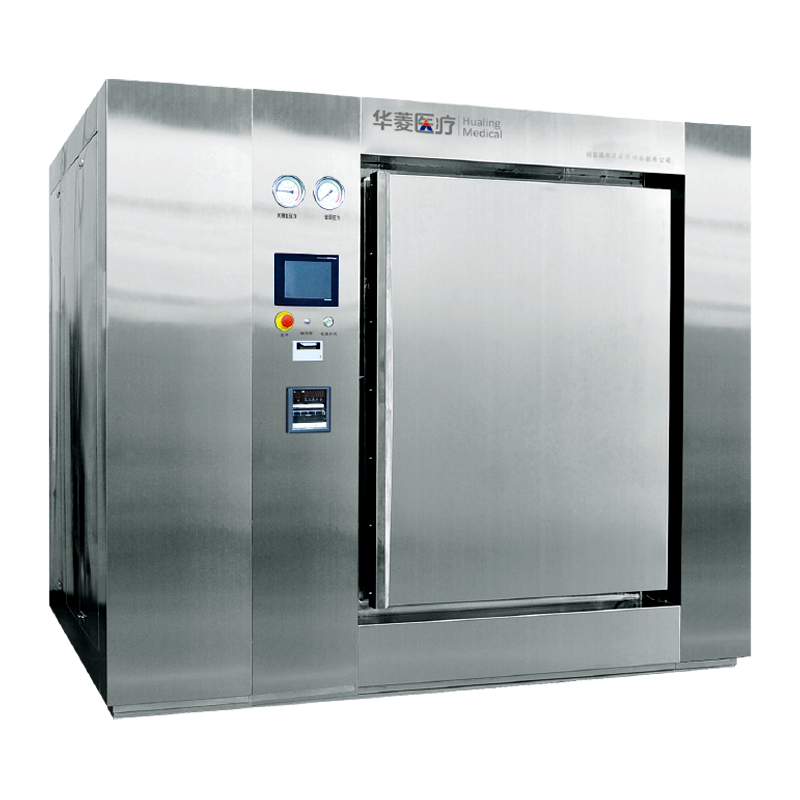
Water-bath type: The sterilized drugs are heated using water spraying using superheated water as the...
See Details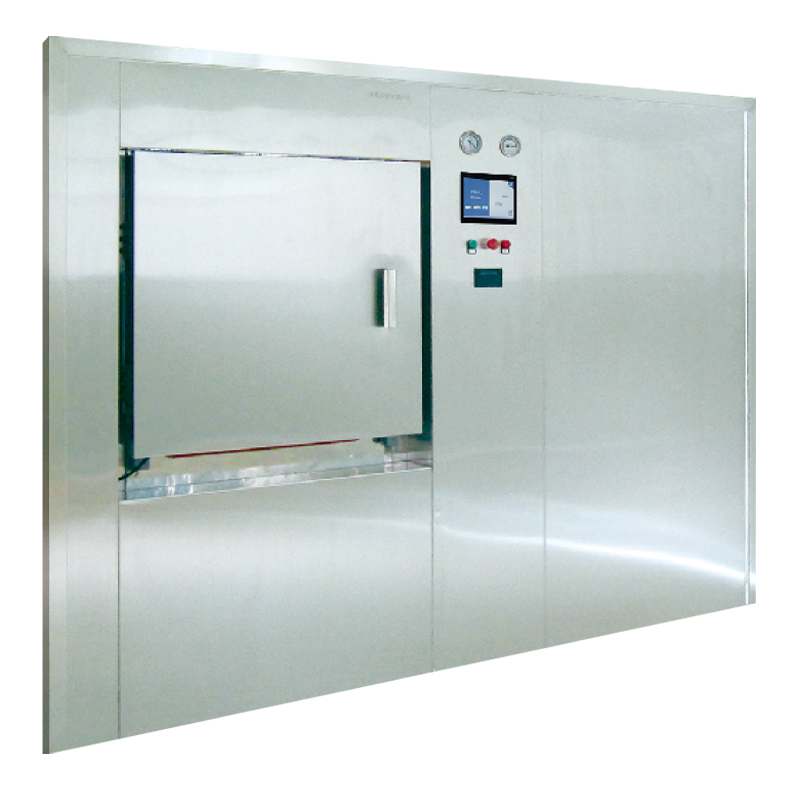
The sterilizer performs moist heat sterilization operations on items with saturated pure steam as th...
See Details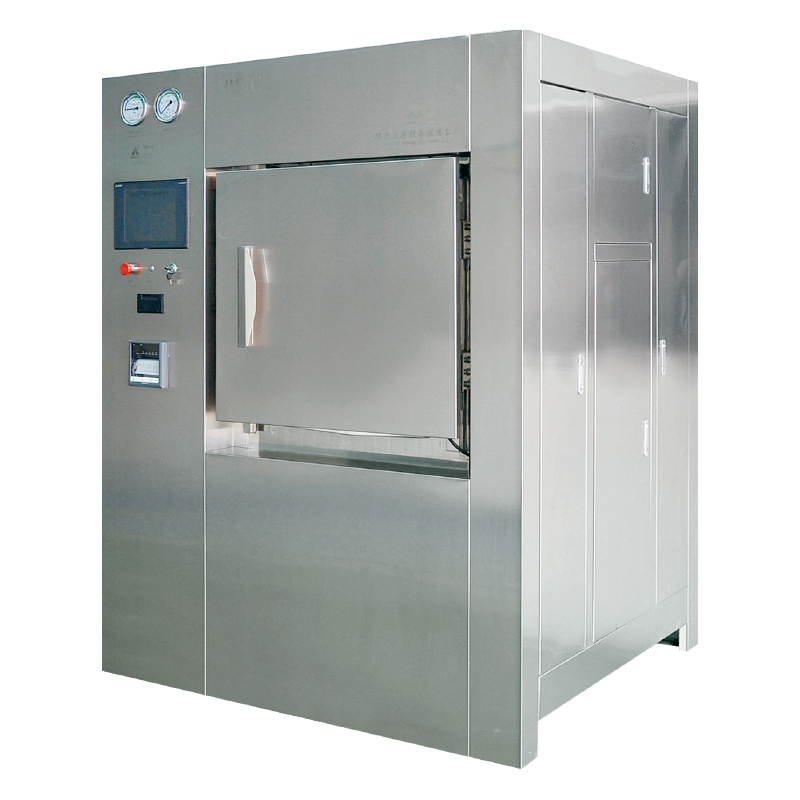
The sterilizer is to remove the impact of cold air on temperature using pulsation vacuum pumping wit...
See Details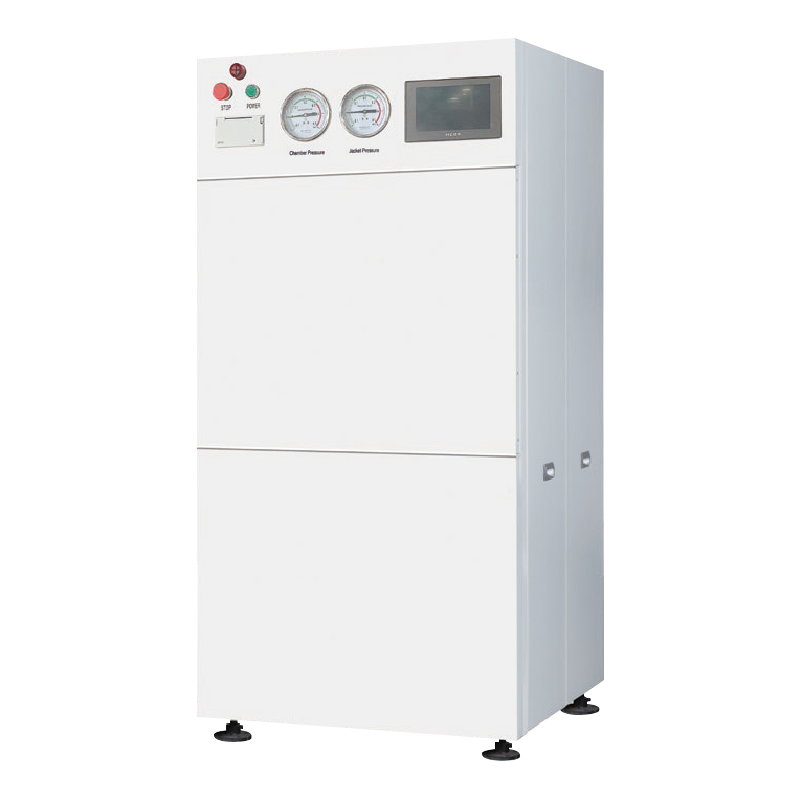
The Horizontal Steam Sterilizer utilizes saturated steam as the sterilizing medium, capitalizing on ...
See Details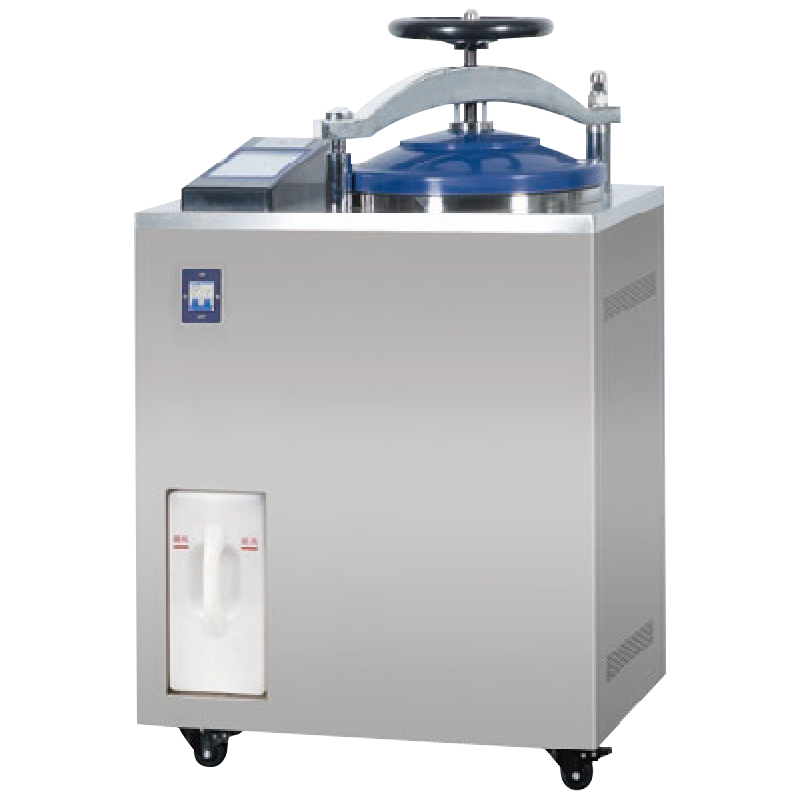
The Vertical Steam Sterilizer X Series (Multi-functional Laboratory Customized Model) offers a highl...
See Details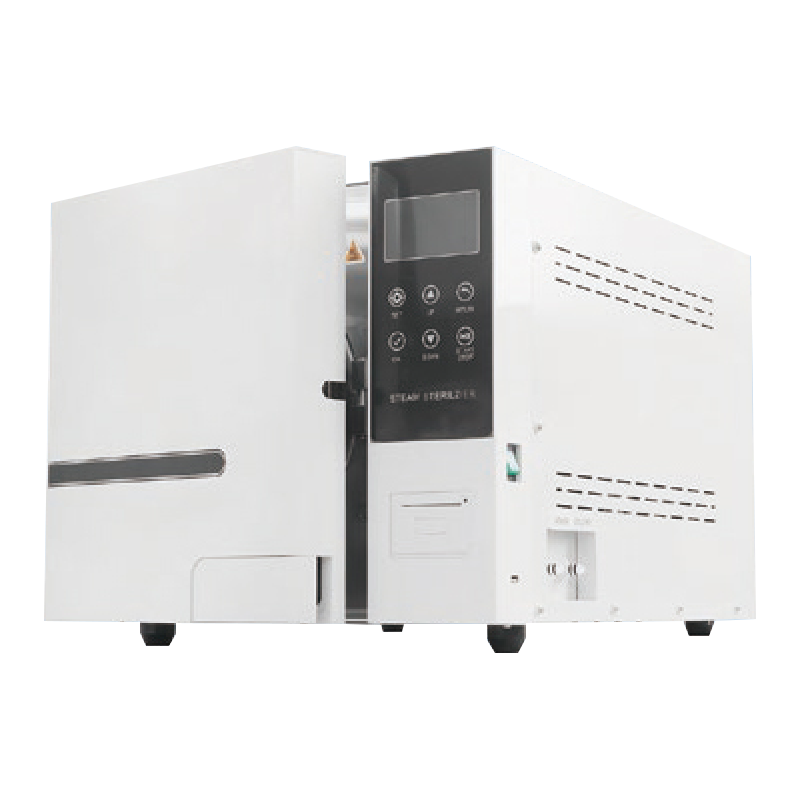
The Tabletop Steam Sterilizer YXQ.DX-X Series is a highly efficient and compact solution designed fo...
See Details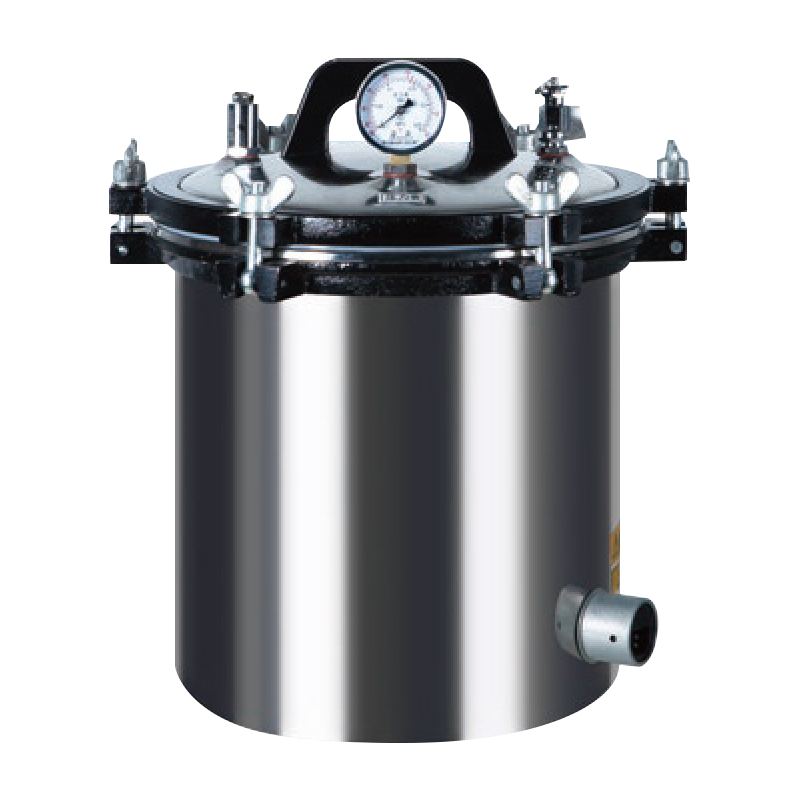
The YXQ.PPS-280C and C+ Portable Pressure Steam Sterilizer is a versatile dual-purpose sterilizer, o...
See Details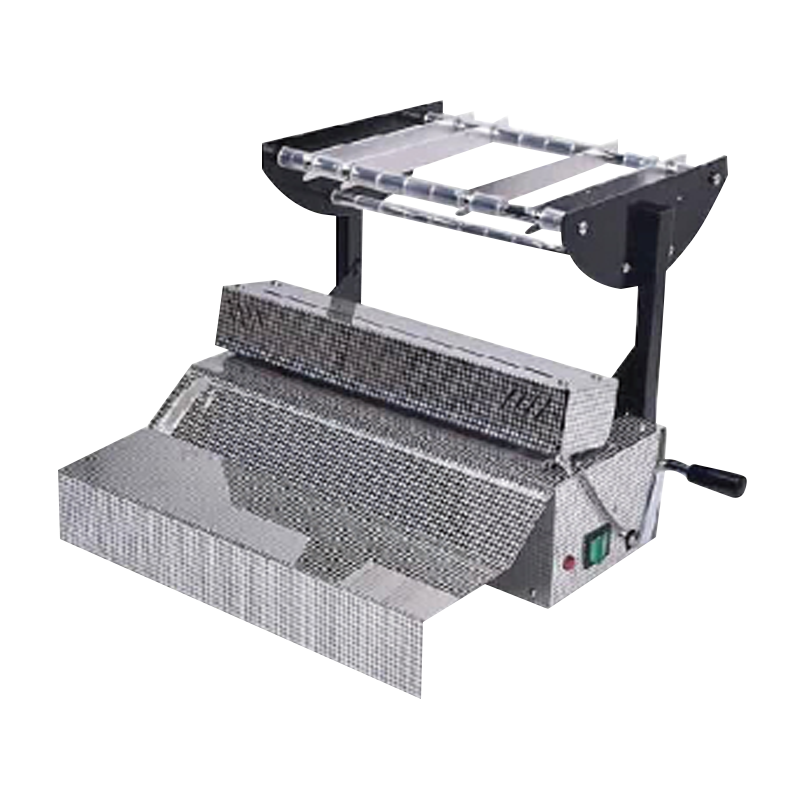
Product Usage:This type of sealing machine is used forsealing sterilizing bag, suitable for medicali...
See DetailsIntroduction to Sanitary Grade Sterilizer: Definition and Importance in Modern Sterilization Definit......
READ MOREIntroduction In today’s fast-paced world, ensuring the safety and sterility of products and material......
READ MOREIntroduction to Sterile Preparation Sterilizers What is Sterile Preparation? Sterile preparation ref......
READ MOREWhy Does Every Drug Require a Sterile Preparation Sterilizer? In modern medicine and pharmaceuticals......
READ MORE +(86) 18018151178
[email protected]
365 Nansha Sanjiali Road, Jingang Town, Zhangjiagang City, China
+(86) 18018151178
[email protected]
365 Nansha Sanjiali Road, Jingang Town, Zhangjiagang City, China
