 English
 русский
 Español
 عربى
عربى
 中文
中文

Sanitary Grade Sterilizer
Cat:Products
The sterilizer performs moist heat sterilization operations on items with saturated pure steam as th...
See Details
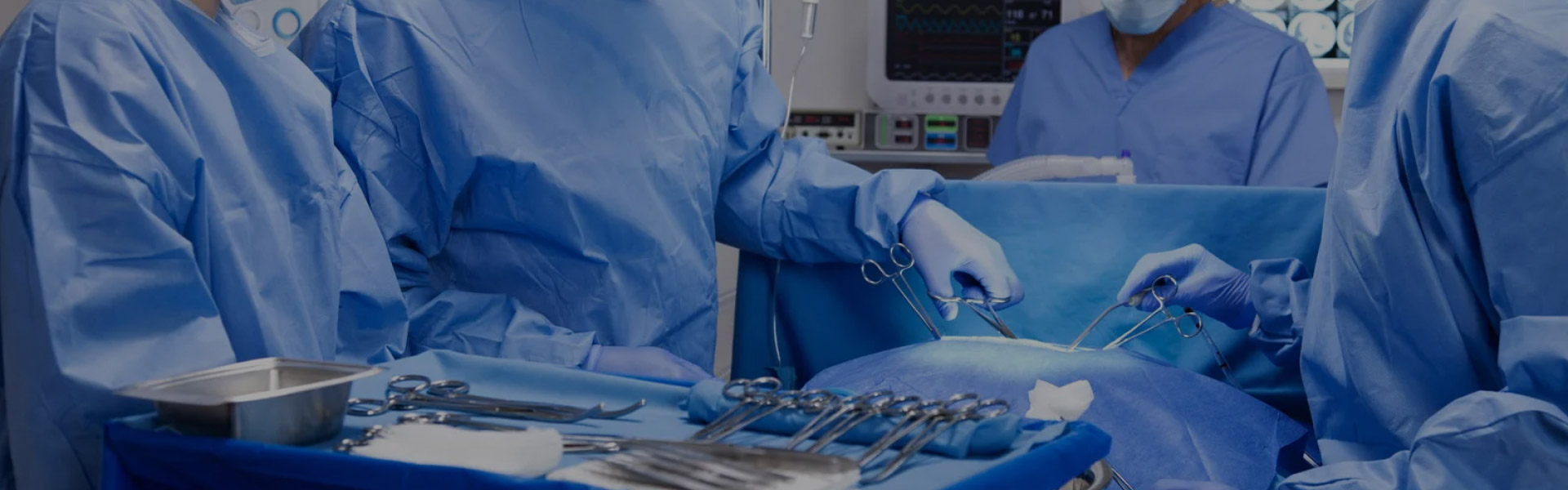
Understanding the working principle of this sterilizer is essential to appreciate its advantages. It utilizes formaldehyde vapor, which penetrates all surfaces of instruments and materials, combined with low-temperature steam to achieve effective sterilization without excessive heat exposure.
Formaldehyde is a potent sterilizing agent that can penetrate cracks, joints, and hollow instruments that are difficult to sterilize with conventional steam alone. This ensures comprehensive disinfection of both external and internal surfaces. Its bactericidal and virucidal properties make it highly effective against a wide range of pathogens, including bacteria, viruses, and fungi, ensuring high-level infection control.
The integration of low-temperature steam reduces the thermal impact on delicate medical and laboratory instruments. Unlike high-temperature sterilizers that can warp or damage sensitive equipment, this method preserves the structural integrity of plastics, electronics, and precision instruments. This capability allows facilities to sterilize a broader range of materials without compromising safety or performance.
Modern low-temperature steam formaldehyde sterilizers come equipped with programmable cycles that control temperature, exposure time, and formaldehyde concentration. This ensures consistent sterilization results and reduces the risk of operator error. Automated controls and digital monitoring enhance safety, allowing staff to focus on other critical tasks while maintaining compliance with sterilization standards.
These features highlight why this sterilizer is preferred in professional medical and laboratory environments:
| Feature | Description |
|---|---|
| Sterilization Method | Low-temperature steam combined with formaldehyde vapor for efficient sterilization of sensitive instruments. |
| Material Compatibility | Safe for plastics, electronics, delicate surgical tools, and laboratory glassware without causing heat damage. |
| Programmable Cycles | Customizable sterilization programs with adjustable time, temperature, and formaldehyde concentration for consistent results. |
| Safety Features | Equipped with alarms, sensors, and automated exhaust systems to ensure operator and environmental safety. |
| Capacity | Available in multiple sizes to accommodate various instrument volumes, from small laboratory setups to large medical facilities. |
| Maintenance | Designed for easy cleaning and minimal maintenance, extending the lifespan of the equipment. |
These sterilizers are highly versatile and essential in settings that require high-level disinfection without compromising delicate instruments.
Medical facilities benefit from the ability to sterilize surgical instruments, endoscopes, and delicate electronic devices safely. The low-temperature process ensures that tools remain functional and accurate while maintaining rigorous infection control standards. This is especially critical in operating rooms and intensive care units where cross-contamination can have serious consequences.
Laboratories handling sensitive experiments or biological samples require sterilization equipment that does not interfere with the integrity of their instruments or materials. Low-temperature steam formaldehyde sterilizers effectively disinfect lab glassware, pipettes, and analytical instruments, providing a safe environment for researchers and technicians.
Beyond medical and laboratory environments, these sterilizers are used in pharmaceutical production, biotechnology facilities, and specialized equipment manufacturing where contamination control is critical. The combination of formaldehyde vapor and low-temperature steam ensures a wide spectrum of sterilization while preserving valuable equipment.
Safety, consistency, and efficiency are key advantages of low-temperature steam formaldehyde sterilization technology.
By operating at lower temperatures, the sterilizer prevents warping, cracking, or degradation of heat-sensitive instruments. This prolongs the lifespan of expensive tools and reduces replacement costs.
Formaldehyde vapor effectively eliminates bacteria, viruses, fungi, and spores, providing a sterilization level suitable for critical medical and laboratory procedures. This contributes to patient safety, research reliability, and regulatory compliance.
Modern units include automated safety mechanisms, alarms, and controlled exhaust systems that protect operators from exposure to formaldehyde. Digital monitoring ensures each cycle is consistent and compliant with established sterilization standards.
Investing in this type of sterilizer ensures high-level disinfection, safety, and operational efficiency for sensitive instruments.
Combining low-temperature steam with formaldehyde vapor provides a proven method for sterilizing complex instruments without compromising their integrity. This ensures consistent, high-quality sterilization results every time.
Heat-sensitive and electronic instruments remain intact during sterilization, reducing damage, repair costs, and downtime. This is especially important for high-value medical and laboratory devices.
Suitable for hospitals, laboratories, pharmaceutical facilities, and specialized industries, these sterilizers are adaptable to a variety of operational needs. They offer a flexible, safe, and efficient solution for any environment requiring high-level sterilization.
Automated controls, safety alarms, and regulated formaldehyde usage ensure a safe working environment, protecting staff and meeting regulatory requirements. Proper use enhances workplace safety and minimizes the risk of exposure-related incidents.
In conclusion, the Low Temperature Steam Formaldehyde Sterilizer provides a safe, efficient, and versatile sterilization solution for modern medical, laboratory, and specialized environments. Its ability to sterilize delicate instruments without heat damage, combined with programmable cycles and high-level pathogen elimination, makes it an indispensable tool for infection control, operational efficiency, and equipment preservation.
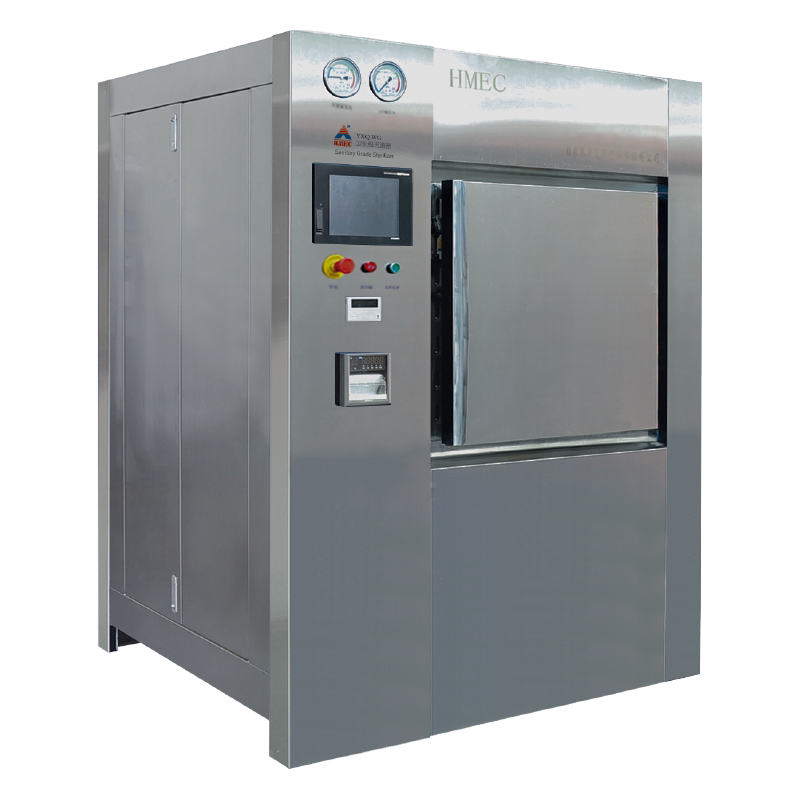
The sterilizer performs moist heat sterilization operations on items with saturated pure steam as th...
See Details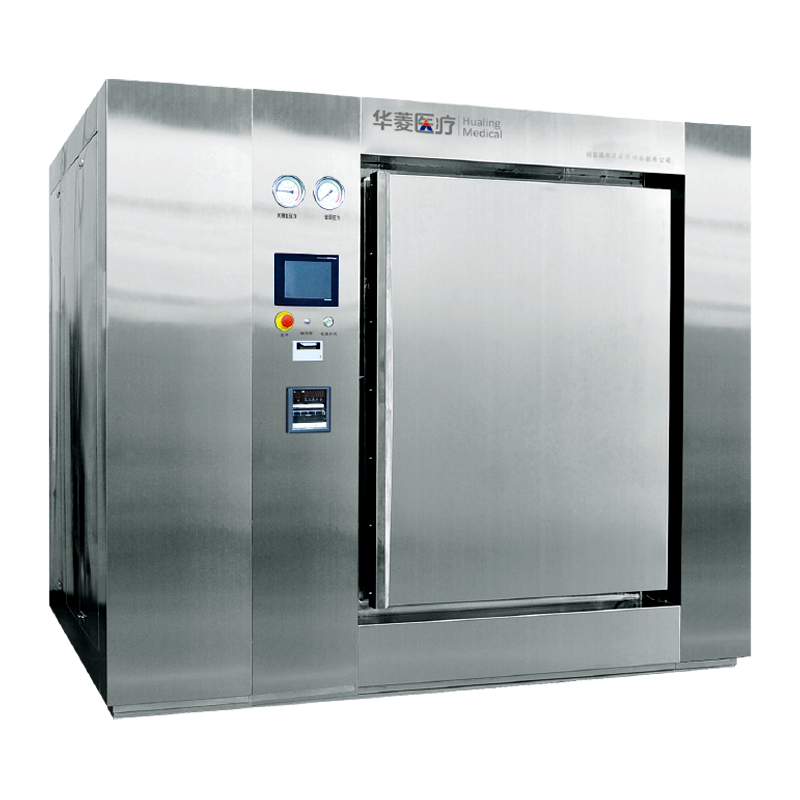
Water-bath type: The sterilized drugs are heated using water spraying using superheated water as the...
See Details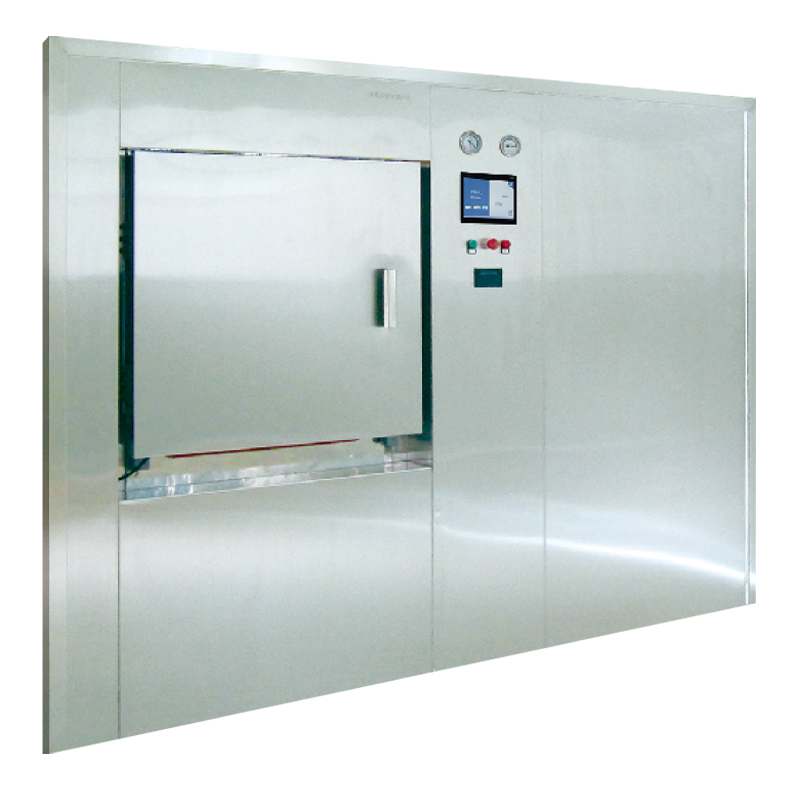
The sterilizer performs moist heat sterilization operations on items with saturated pure steam as th...
See Details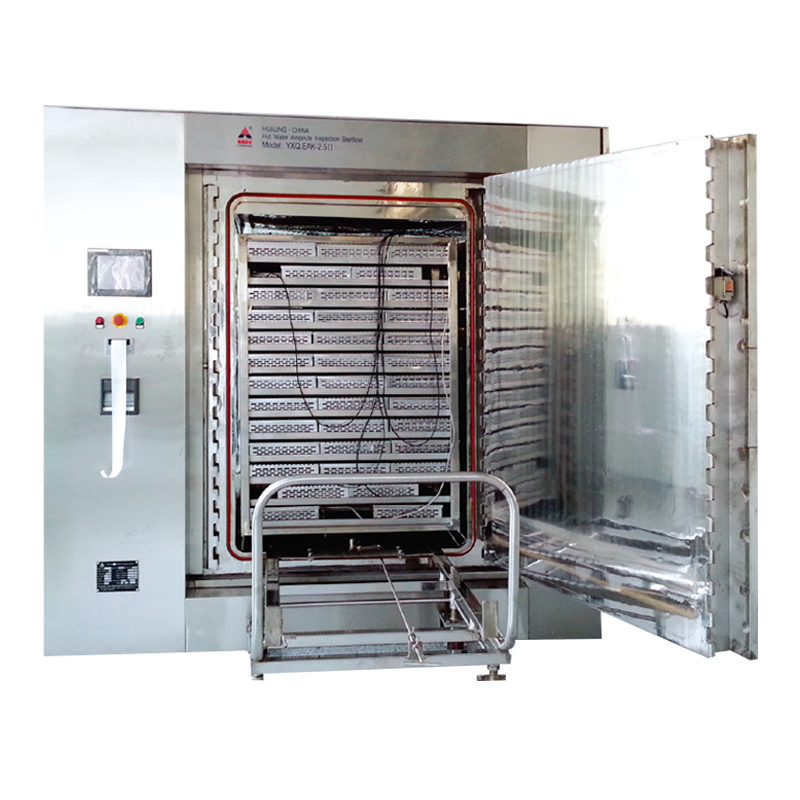
This sterilizer uses steam to sterilize, leak-detect, and clean for vials and ampoules.
See Details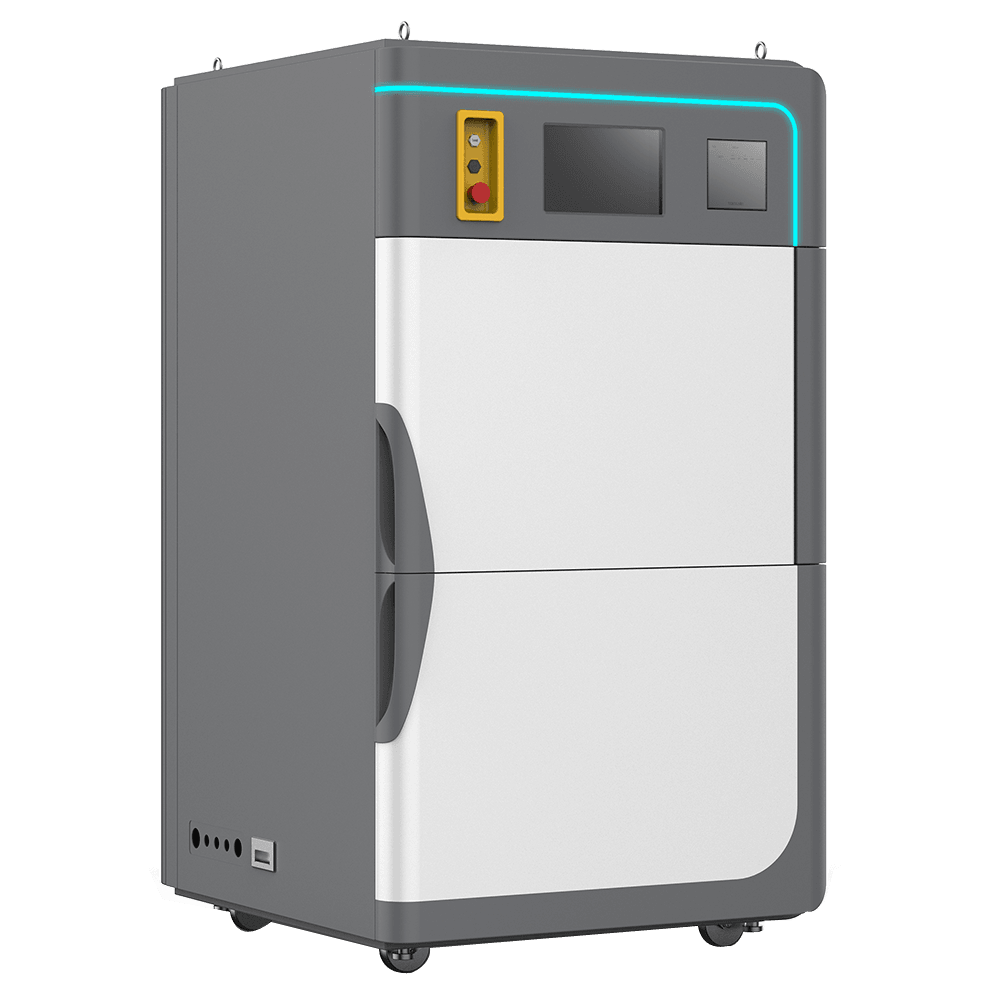
By the rapid penetration under vacuum conditions of a mixed gas of low-temperature (60℃ or 78℃) stea...
See Details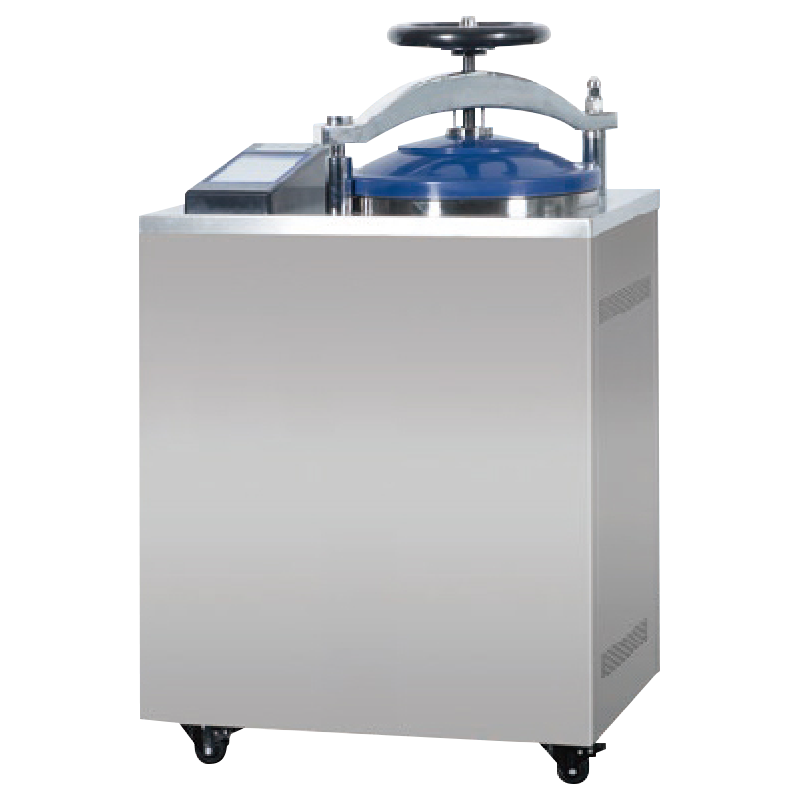
The Vertical Steam Sterilizer M Series (Pulsating Vacuum) is a safe and reliable sterilization solut...
See Details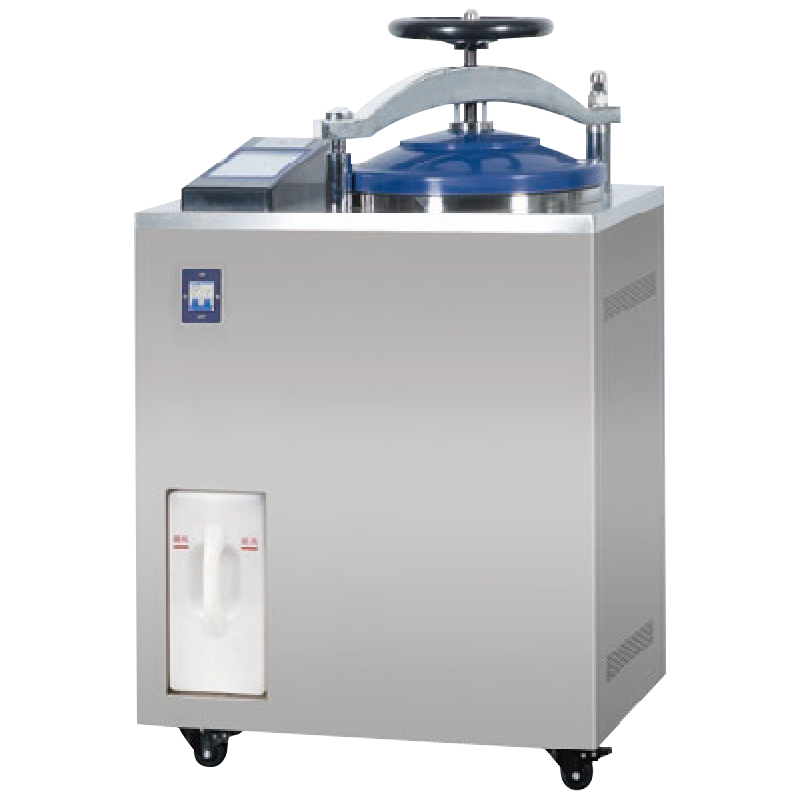
The Vertical Steam Sterilizer X Series (Multi-functional Laboratory Customized Model) offers a highl...
See Details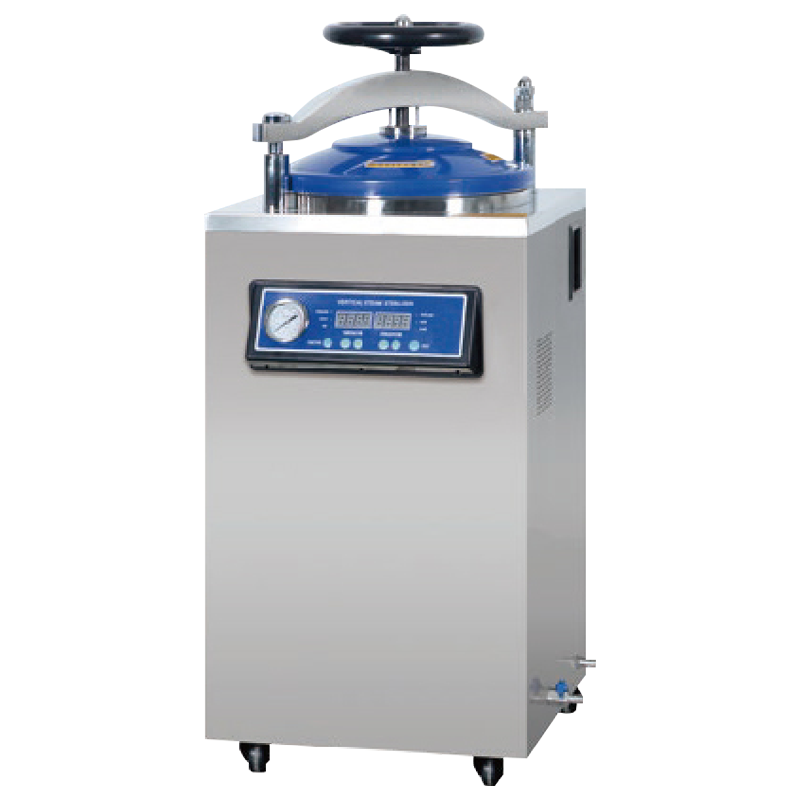
The Vertical Steam Sterilizer B Series offers a robust, automated solution for sterilizing a wide ra...
See Details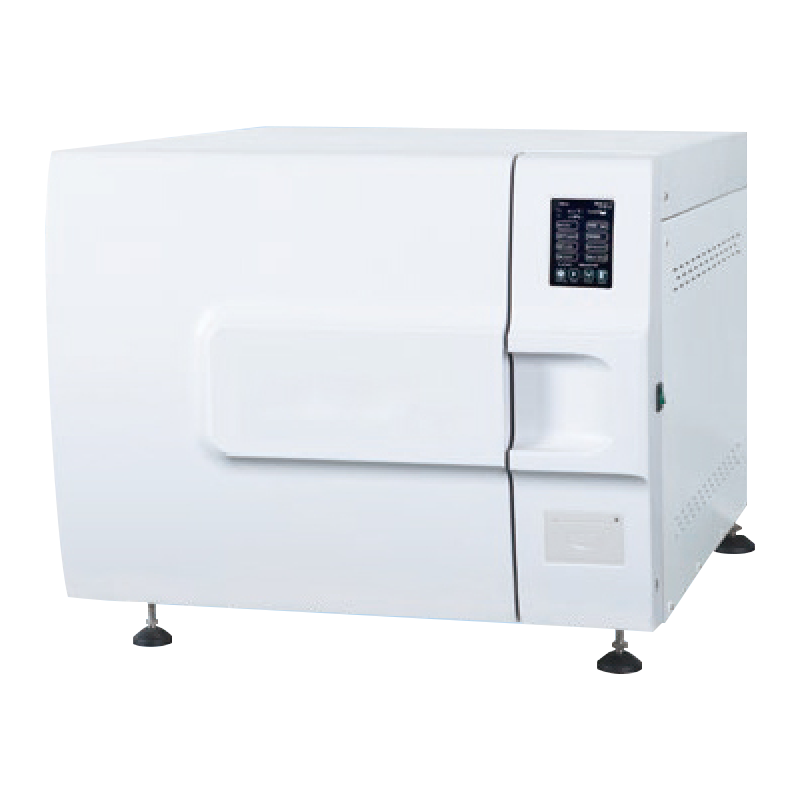
The Tabletop Steam Sterilizer Z Series is an efficient, user-friendly sterilization solution designe...
See Details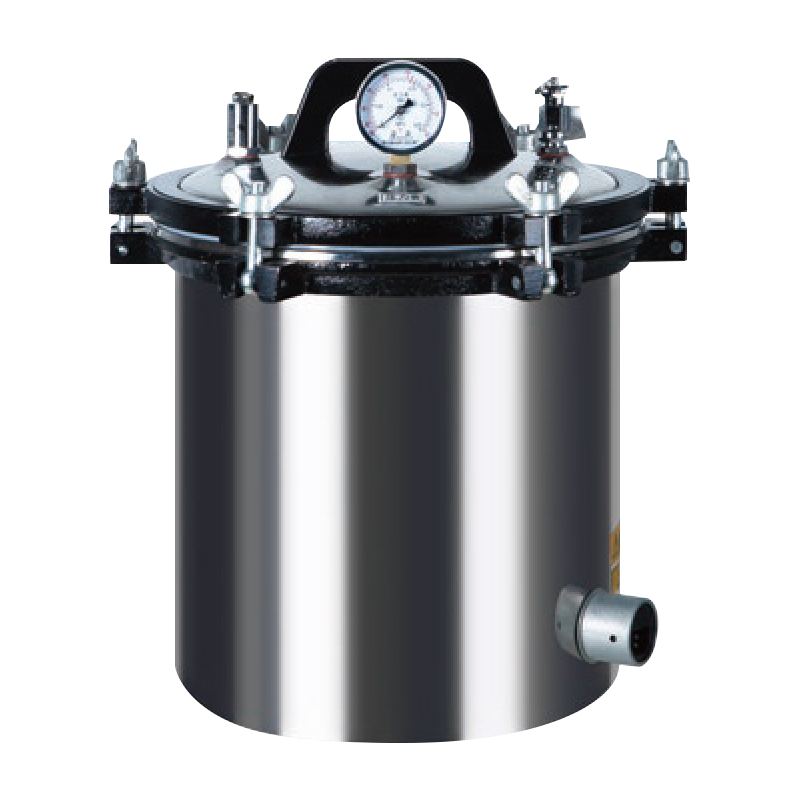
The YXQ.PPS-280C and C+ Portable Pressure Steam Sterilizer is a versatile dual-purpose sterilizer, o...
See DetailsIntroduction to Sanitary Grade Sterilizer: Definition and Importance in Modern Sterilization Definit......
READ MOREIntroduction In today’s fast-paced world, ensuring the safety and sterility of products and material......
READ MOREIntroduction to Sterile Preparation Sterilizers What is Sterile Preparation? Sterile preparation ref......
READ MOREWhy Does Every Drug Require a Sterile Preparation Sterilizer? In modern medicine and pharmaceuticals......
READ MORE +(86) 18018151178
[email protected]
365 Nansha Sanjiali Road, Jingang Town, Zhangjiagang City, China
+(86) 18018151178
[email protected]
365 Nansha Sanjiali Road, Jingang Town, Zhangjiagang City, China
