 English
 русский
 Español
 عربى
عربى
 中文
中文

Traditional Chinese Medicine Sterilizer
Cat:Products
The sterilizer performs moist heat sterilization operations on items with saturated steam as the st...
See Details

Water-Bath Sterilizer:
The water-bath type sterilizer employs superheated water as a sterilizing medium. Sterilized drugs and materials are exposed to heated water, often delivered via water spraying to ensure uniform temperature distribution. The intense heat denatures microbial proteins and disrupts cellular structures, ultimately resulting in the death of microorganisms. This method is highly effective for heat-stable drugs, liquid preparations, and certain laboratory instruments, ensuring consistent and thorough sterilization.
Steam Sterilizer (Autoclave):
The steam-type sterilizer relies on high-temperature, high-pressure water vapor. Items to be sterilized are placed inside a chamber where steam penetrates surfaces and cavities. The energy from the high-pressure steam denatures microbial proteins and other essential cellular components, leading to microorganism death. Steam sterilization is particularly advantageous for solid, heat-resistant items, surgical instruments, and laboratory glassware, offering rapid and uniform sterilization even in dense loads.
Both types of sterilizers are designed to meet strict regulatory standards, ensuring compliance with pharmaceutical and laboratory guidelines, including USP, EMA, and WHO protocols.
High Throughput Sterilization:
Modern sterilizers are engineered to handle large batches of items simultaneously. Water-bath and steam sterilizers can accommodate multiple trays or containers per cycle, significantly increasing production capacity in pharmaceutical labs or hospitals. This efficiency ensures timely sterilization of critical medications and medical tools without compromising quality.
Consistent and Reliable Sterility:
Sterilizers maintain precise temperature, pressure, and time parameters. The automation of these settings ensures that every cycle meets predefined sterilization standards, reducing the risk of human error. This consistency is vital for maintaining quality control in drug preparation, experimental procedures, and clinical applications.
Energy and Resource Efficiency:
Advanced sterilizers optimize energy usage by employing precise heating mechanisms and insulated chambers. Water-bath sterilizers use controlled water circulation to reduce excessive heating, while steam sterilizers utilize high-pressure steam efficiently, minimizing water and energy consumption.
Ease of Operation and Monitoring:
Most modern devices come with digital control panels, automatic timers, and integrated sensors. Operators can easily monitor temperature, pressure, and cycle progress, ensuring sterilization processes are traceable and verifiable for quality assurance.
Overheat and Pressure Protection:
Sterilizers include safety valves and pressure relief mechanisms to prevent accidents due to excessive heat or pressure buildup. This ensures safe operation in busy pharmaceutical and laboratory environments.
Alarm Systems and Automatic Shutdown:
If there is a deviation from preset temperature, pressure, or cycle time, the sterilizer triggers alarms and can automatically shut down. This prevents incomplete sterilization and protects personnel from exposure to hazards.
User-Friendly Design:
Many sterilizers are equipped with ergonomic loading trays, easy-access doors, and clear indicators, reducing operator fatigue and minimizing handling errors during loading and unloading processes.
Compliance with Regulatory Standards:
Sterilizers are manufactured to comply with international standards for medical and laboratory equipment, ensuring legal compliance, product safety, and reliability.
| Application Area | Description |
| Pharmaceutical Production | Sterilization of heat-stable drugs, vials, ampoules, and other medicinal products. |
| Hospitals and Clinics | Sterilization of surgical instruments, lab tools, and medical devices. |
| Research Laboratories | Ensures microbial-free conditions for experimental samples, reagents, and equipment. |
| Biotechnology Facilities | Maintains sterility in the preparation of cell culture media and biological materials. |
| Food and Beverage Industry | Sterilization of certain food containers, lab equipment, and preparation tools. |
| Veterinary Medicine | Sterilization of surgical tools and medication containers for animal healthcare. |
Ensures Product and Patient Safety:
Sterilization prevents microbial contamination that could compromise drug efficacy or endanger patient health. In hospitals, laboratories, and pharmaceutical manufacturing, this is critical for regulatory compliance and public safety.
Reduces Risk of Contamination:
By achieving uniform and reliable sterilization, facilities reduce the likelihood of cross-contamination between batches of drugs or laboratory experiments. This is essential for quality assurance and maintaining high standards in critical operations.
Supports Large-Scale and Repetitive Operations:
Sterile Preparation Sterilizers are designed for high-volume usage, making them suitable for production lines, hospital sterilization rooms, and research labs that require continuous sterilization cycles.
Enhances Workflow Efficiency:
Automation, precise control, and safety features minimize operator intervention, allowing staff to focus on other critical tasks while ensuring reliable sterilization.
Versatile and Adaptable:
With both water-bath and steam types, sterilizers can handle a wide range of materials and products. Facilities can select the appropriate sterilization method depending on their specific operational needs.
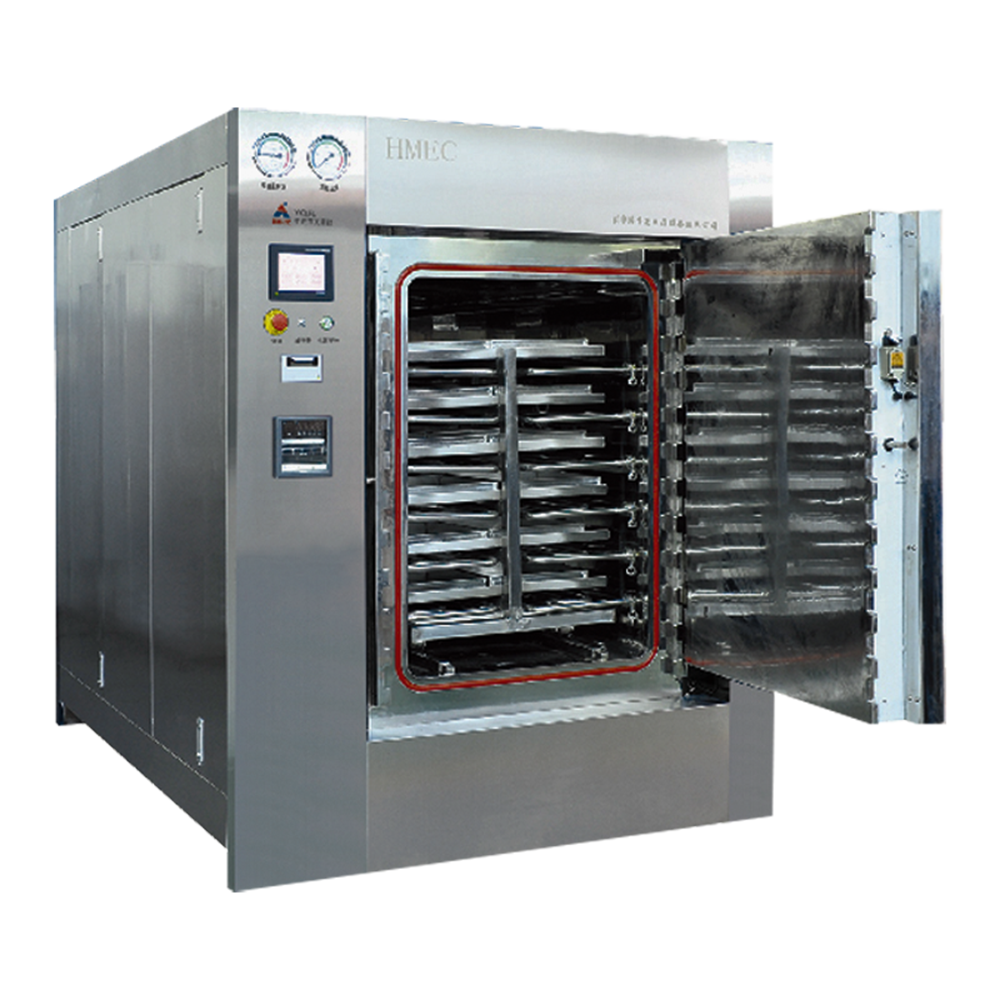
The sterilizer performs moist heat sterilization operations on items with saturated steam as the st...
See Details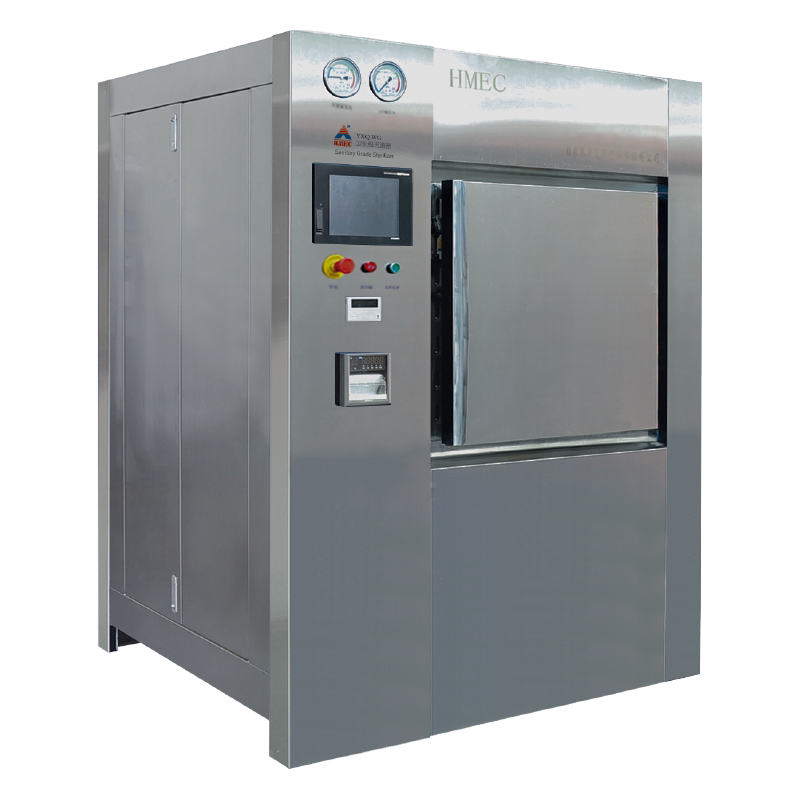
The sterilizer performs moist heat sterilization operations on items with saturated pure steam as th...
See Details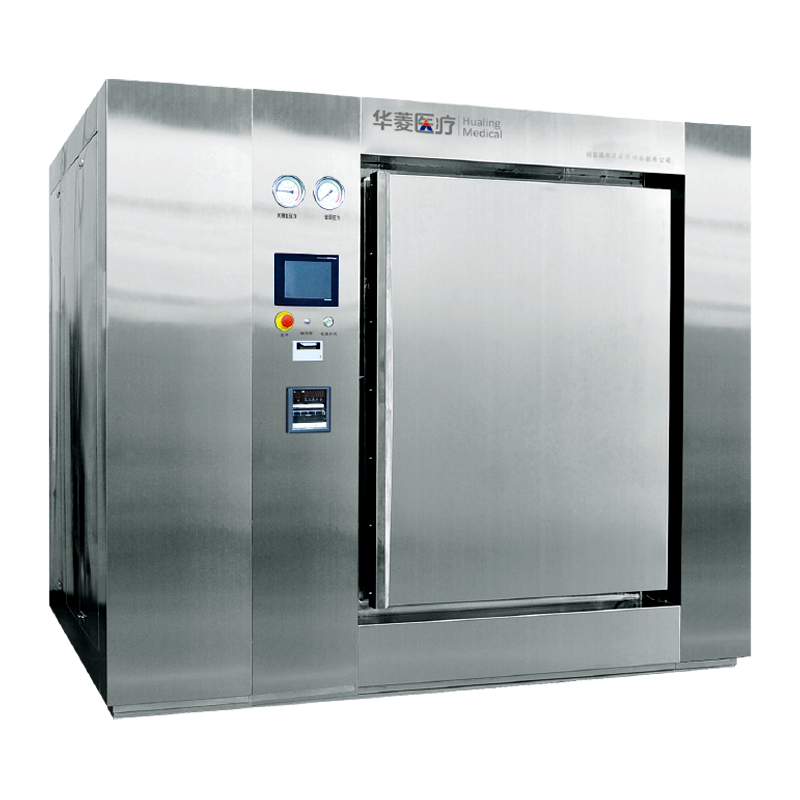
Water-bath type: The sterilized drugs are heated using water spraying using superheated water as the...
See Details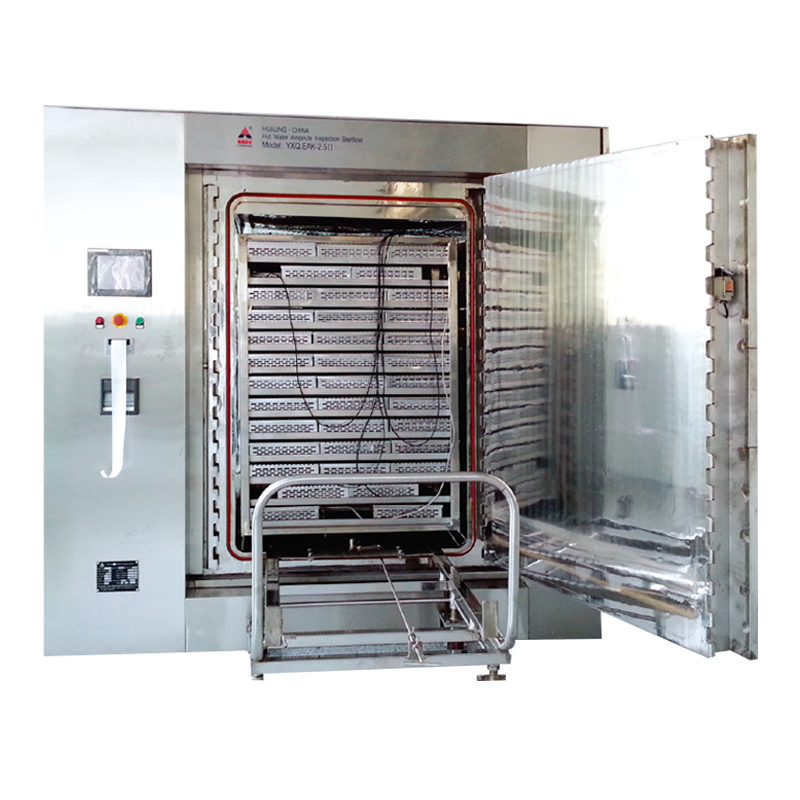
This sterilizer uses steam to sterilize, leak-detect, and clean for vials and ampoules.
See Details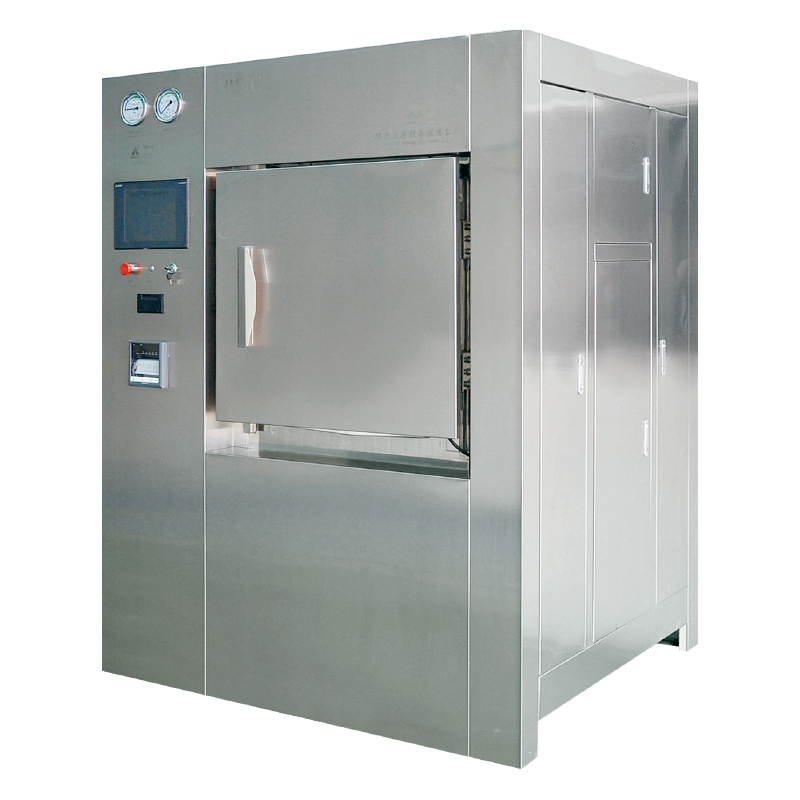
The sterilizer is to remove the impact of cold air on temperature using pulsation vacuum pumping wit...
See Details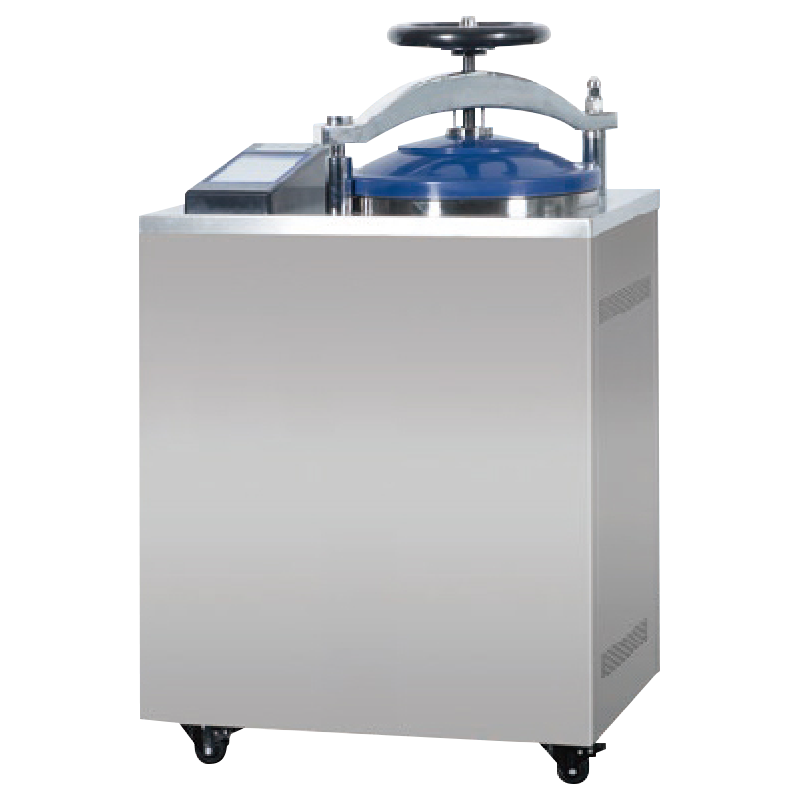
The Vertical Steam Sterilizer M Series (Pulsating Vacuum) is a safe and reliable sterilization solut...
See Details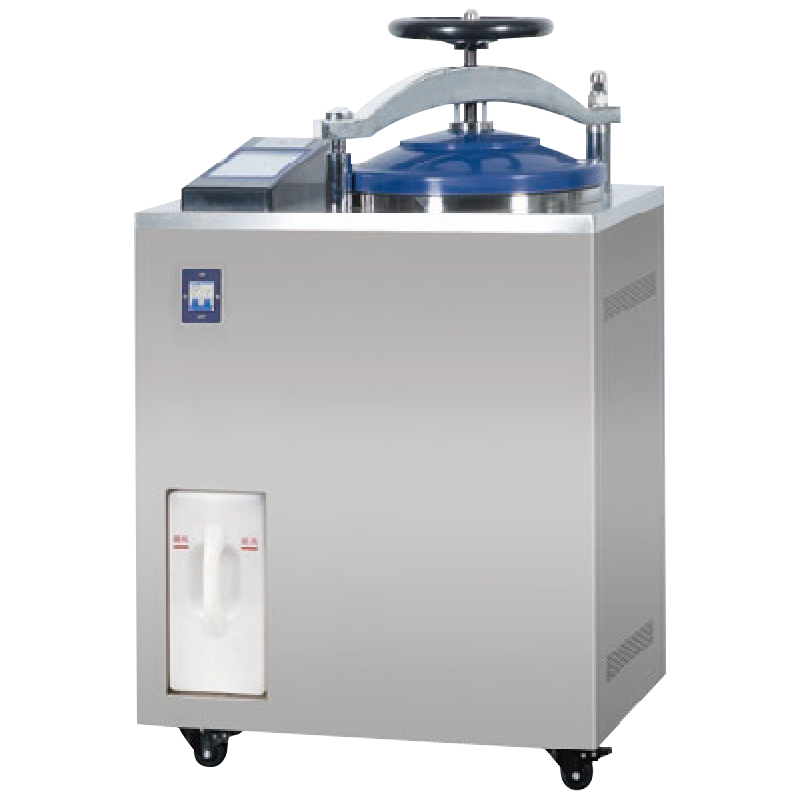
The Vertical Steam Sterilizer X Series (Multi-functional Laboratory Customized Model) offers a highl...
See Details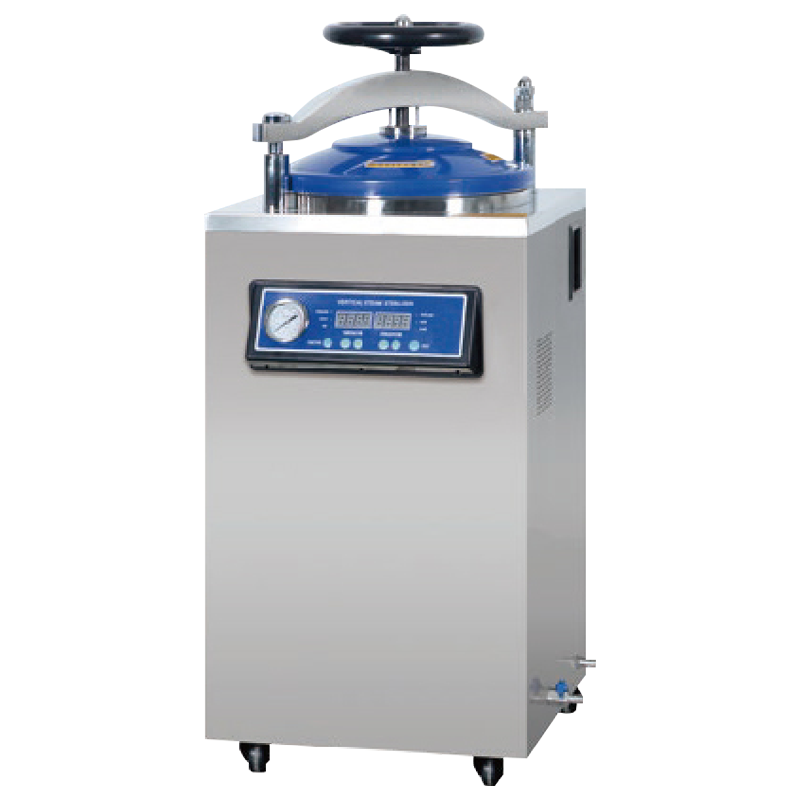
The Vertical Steam Sterilizer B Series offers a robust, automated solution for sterilizing a wide ra...
See Details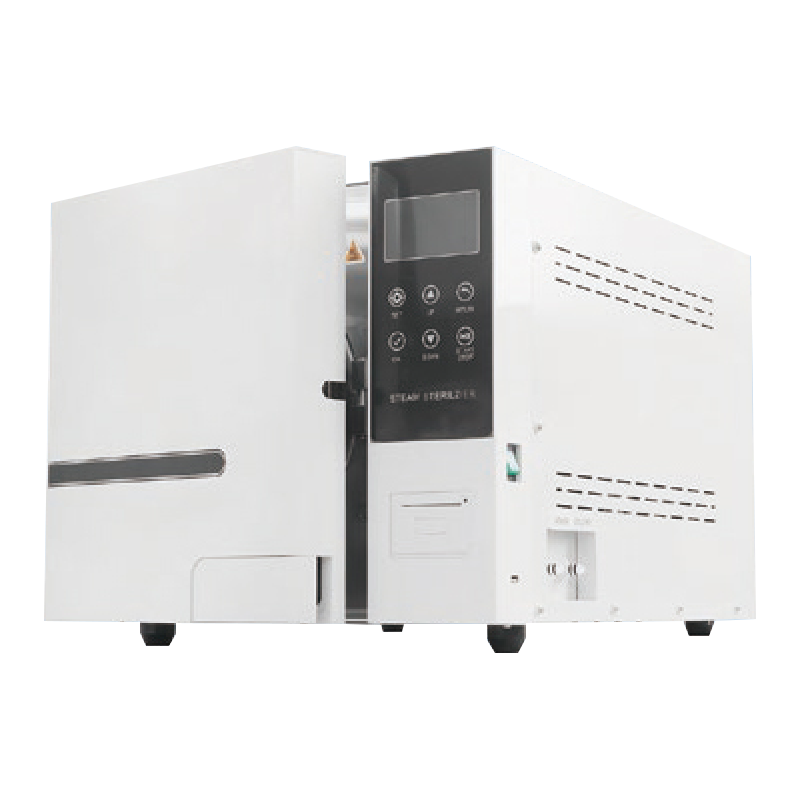
The Tabletop Steam Sterilizer YXQ.DX-X Series is a highly efficient and compact solution designed fo...
See Details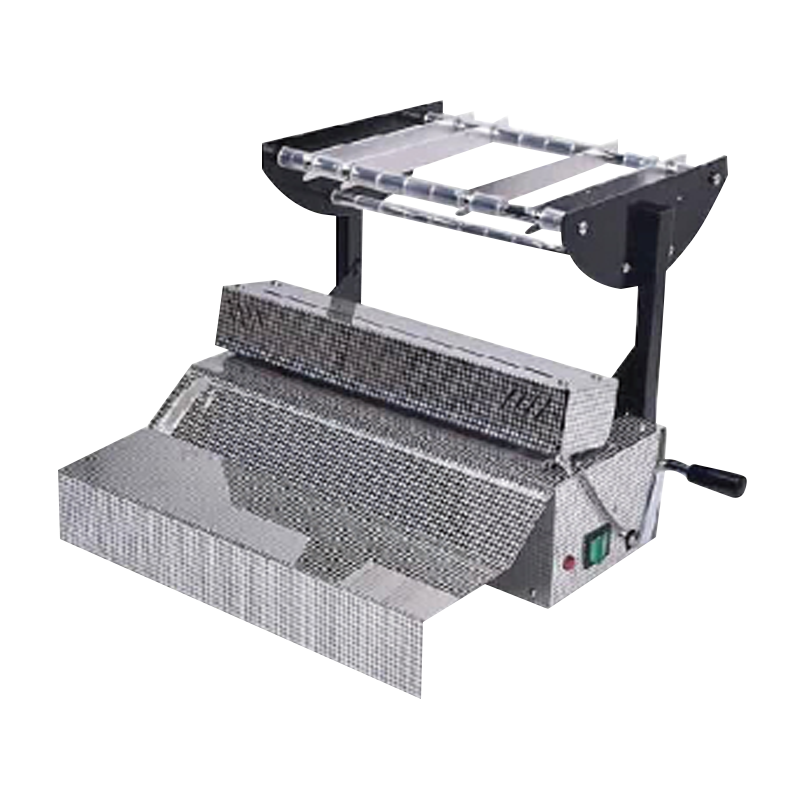
Product Usage:This type of sealing machine is used forsealing sterilizing bag, suitable for medicali...
See DetailsIntroduction to Sanitary Grade Sterilizer: Definition and Importance in Modern Sterilization Definit......
READ MOREIntroduction In today’s fast-paced world, ensuring the safety and sterility of products and material......
READ MOREIntroduction to Sterile Preparation Sterilizers What is Sterile Preparation? Sterile preparation ref......
READ MOREWhy Does Every Drug Require a Sterile Preparation Sterilizer? In modern medicine and pharmaceuticals......
READ MORE +(86) 18018151178
[email protected]
365 Nansha Sanjiali Road, Jingang Town, Zhangjiagang City, China
+(86) 18018151178
[email protected]
365 Nansha Sanjiali Road, Jingang Town, Zhangjiagang City, China
