 English
 русский
 Español
 عربى
عربى
 中文
中文

Biosafety Sterilizer
Cat:Products
The sterilizer performs moist heat sterilization operations on items with saturated pure steam as th...
See Details

In today’s world of advanced microbiological research and infectious disease control, the Biosafety Sterilizer has become an indispensable piece of equipment. Designed to perform moist heat sterilization using saturated pure steam, this technology ensures that all microbial contaminants are completely eliminated from laboratory instruments, waste, and materials. Its advanced pulsation vacuum system efficiently removes cold air interference, ensuring uniform temperature distribution and reliable sterilization results across all items. The Biosafety Sterilizer not only enhances the safety of laboratory operations but also meets the stringent requirements of modern biosafety standards, making it a vital asset in institutions dealing with pathogenic organisms.
The Biosafety Sterilizer operates on the principle of moist heat sterilization, which has long been recognized as one of the most effective sterilization methods for microbial destruction. By using saturated steam under controlled pressure and temperature, it ensures deep penetration into porous materials and complex instruments. The system’s vacuum pulsation function removes trapped air pockets, eliminating potential cold spots that can compromise sterilization quality. Each cycle is precisely controlled to maintain optimal sterilization parameters, providing consistent results that meet the standards of biosafety laboratories. This meticulous process makes the Biosafety Sterilizer suitable for sterilizing high-risk laboratory waste, culture media, biological samples, and equipment.
Moreover, compared with traditional autoclaves, the Biosafety Sterilizer integrates a multi-level monitoring system to verify temperature, pressure, and cycle completion. This smart control ensures that even the most resilient microorganisms, including spores, are eradicated. The incorporation of real-time data recording and safety interlocks further guarantees compliance with international biosafety protocols, ensuring total sterilization reliability.
One of the standout features of the Biosafety Sterilizer is its sealed isolation structure, which ensures strict biological containment during the sterilization process. The equipment is designed with a dual-door system that separates the clean and contaminated zones, effectively preventing cross-contamination between sterilized and non-sterilized materials. Its airtight sealing at both the front and rear ends achieves a level of containment equivalent to a Biosafety Level 3 (BSL-3) laboratory, offering unparalleled protection against leakage of hazardous biological agents.
This superior sealing performance is further enhanced by advanced door interlocking mechanisms and negative pressure chambers, ensuring that any potentially contaminated gases or vapors remain confined within the sterilization chamber until they are safely neutralized. The Biosafety Sterilizer thus provides an ideal solution for laboratories handling pathogens like SARS-CoV-2, Ebola, or avian influenza. Its integration into a facility’s biosafety system enhances both personnel safety and environmental protection, ensuring full compliance with WHO and CDC biosafety standards.
Beyond sterilizing the instruments and materials, the Biosafety Sterilizer also ensures that all discharged gases, vapors, and liquids from the sterilization cycle are completely sterilized before being released. This feature is crucial for high-level biosafety laboratories that deal with dangerous microorganisms. The system includes built-in filtration and condensate sterilization units, which guarantee that no pathogens escape during the exhaust or drainage process. By ensuring sterile discharge, the Biosafety Sterilizer plays a key role in preventing laboratory-acquired infections and protecting surrounding environments from contamination.
This environmental safety mechanism not only fulfills the stringent requirements of biosafety and environmental regulations but also demonstrates a commitment to sustainability. The equipment minimizes water and energy consumption through optimized cycle design, aligning with modern laboratory goals of safety, efficiency, and eco-friendliness. Thus, the Biosafety Sterilizer represents a holistic approach to sterilization — not just neutralizing pathogens on surfaces, but ensuring that every by-product of the sterilization process is safe and sterile.
The Biosafety Sterilizer finds broad application across biosafety laboratories, pharmaceutical production facilities, medical research institutes, and disease control centers. It is indispensable in handling high-risk biological materials and ensuring that laboratory waste is rendered completely noninfectious. With the global increase in infectious disease research and vaccine development, demand for advanced sterilization technology like the Biosafety Sterilizer continues to grow. Its ability to combine sterilization efficiency, containment integrity, and operational reliability makes it a preferred choice for critical biosafety operations worldwide.
Furthermore, as nations strengthen their infectious disease preparedness, the Biosafety Sterilizer plays a pivotal role in supporting the safe development of diagnostics, vaccines, and therapeutic products. By maintaining sterile working environments and preventing the spread of pathogens, it reinforces the backbone of biosafety infrastructure. Its adaptability and compliance with international standards such as ISO 17665 and EN 285 make it suitable for integration into both existing and new laboratory facilities.
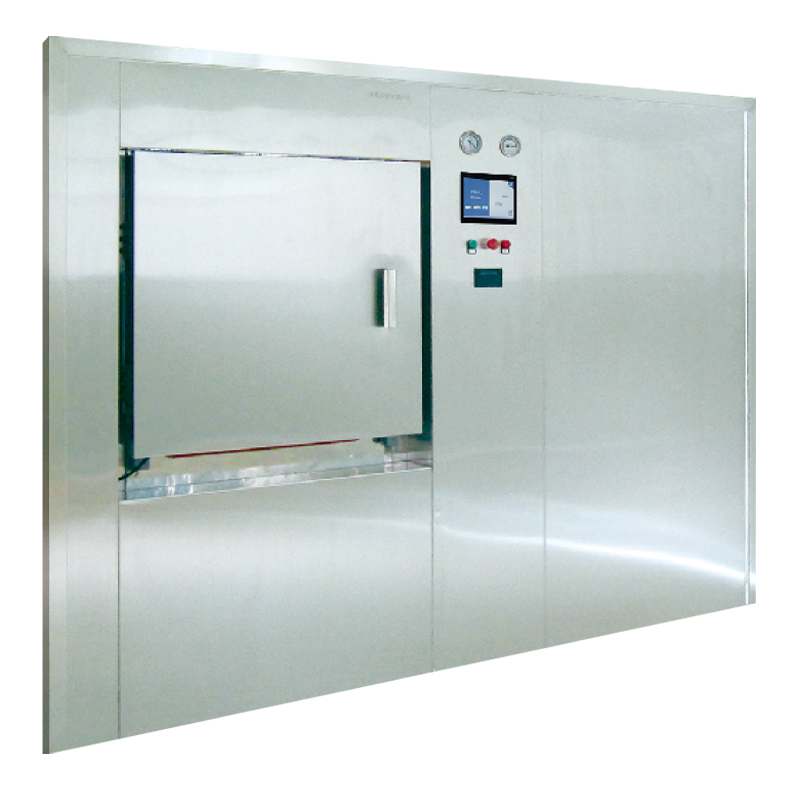
The sterilizer performs moist heat sterilization operations on items with saturated pure steam as th...
See Details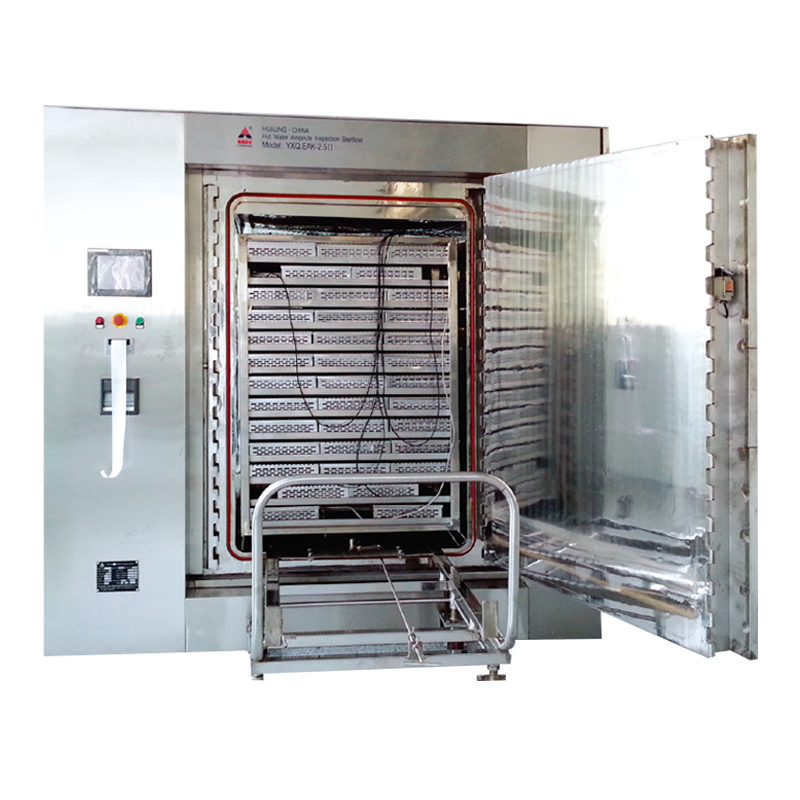
This sterilizer uses steam to sterilize, leak-detect, and clean for vials and ampoules.
See Details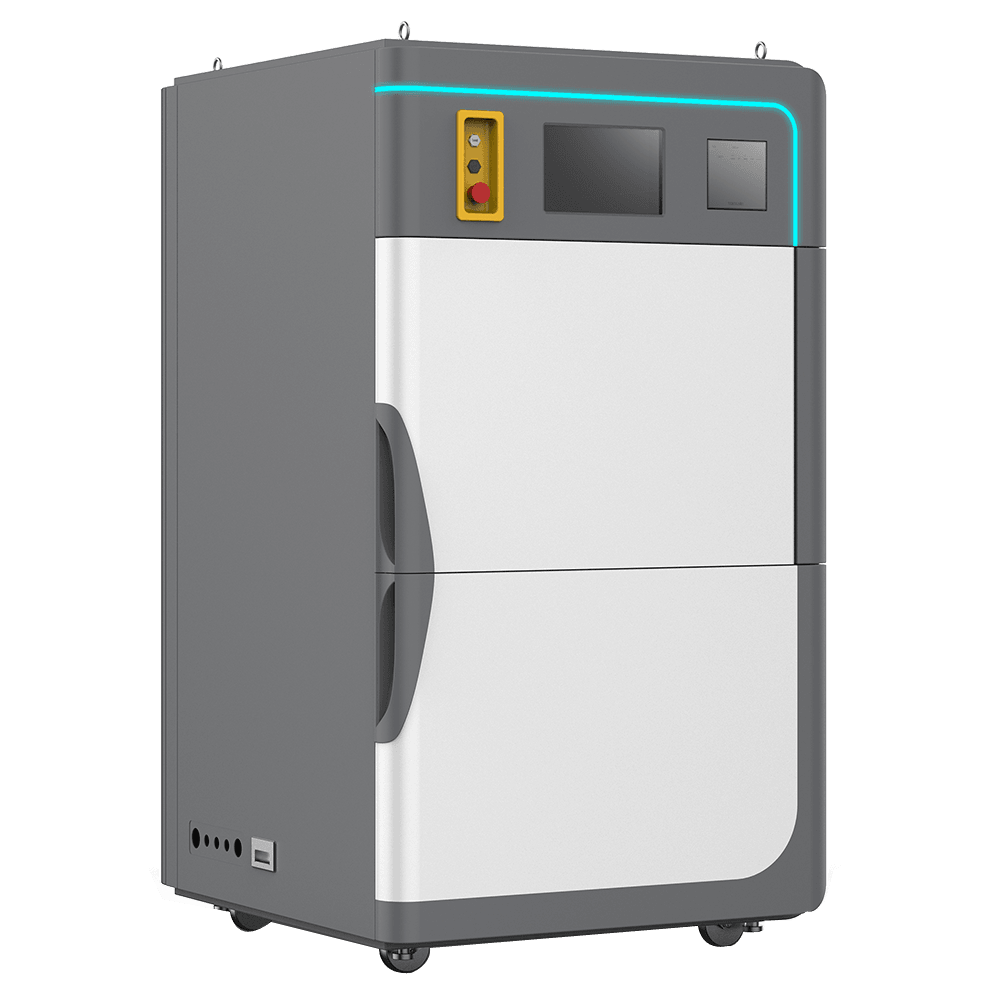
By the rapid penetration under vacuum conditions of a mixed gas of low-temperature (60℃ or 78℃) stea...
See Details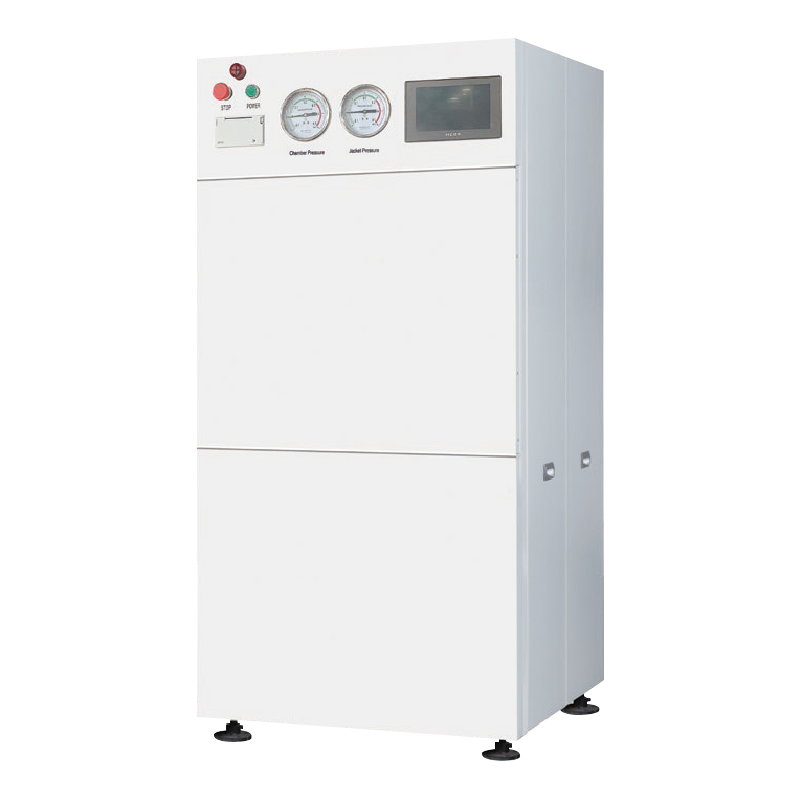
The Horizontal Steam Sterilizer utilizes saturated steam as the sterilizing medium, capitalizing on ...
See Details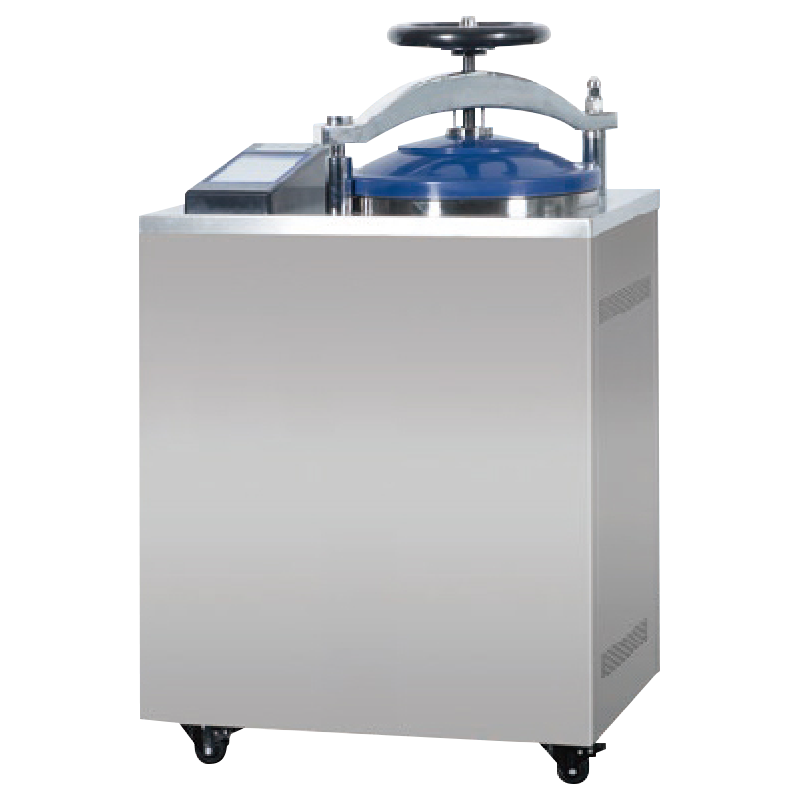
The Vertical Steam Sterilizer M Series (Pulsating Vacuum) is a safe and reliable sterilization solut...
See Details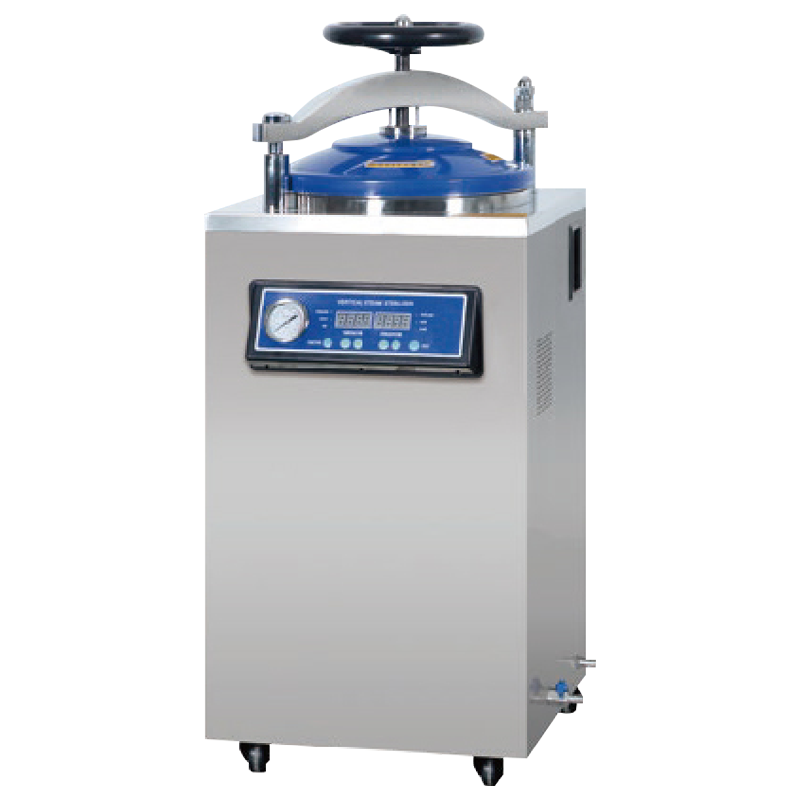
The Vertical Steam Sterilizer B Series offers a robust, automated solution for sterilizing a wide ra...
See Details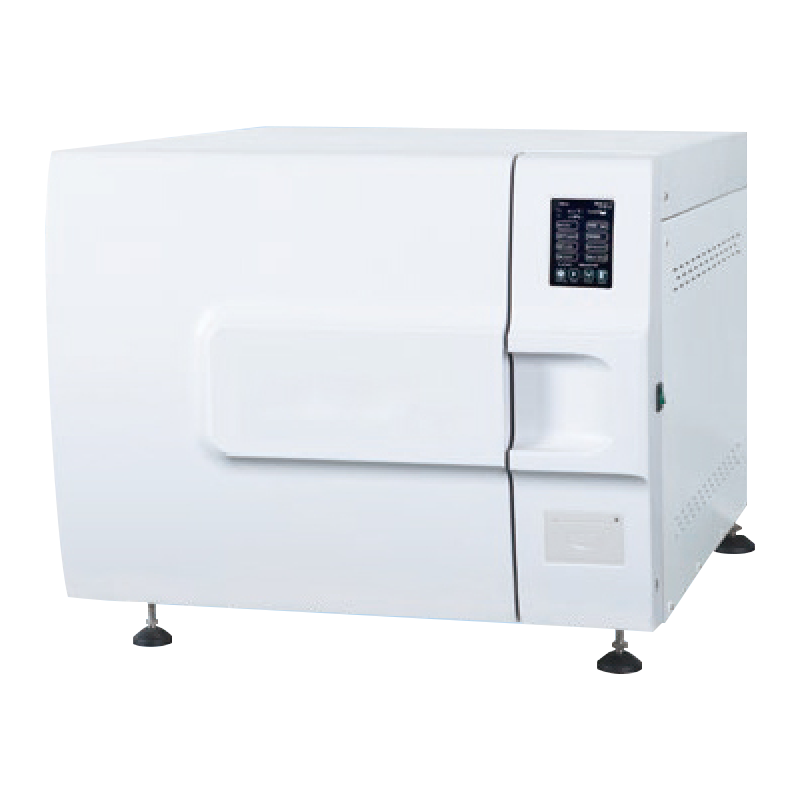
The Tabletop Steam Sterilizer Z Series is an efficient, user-friendly sterilization solution designe...
See Details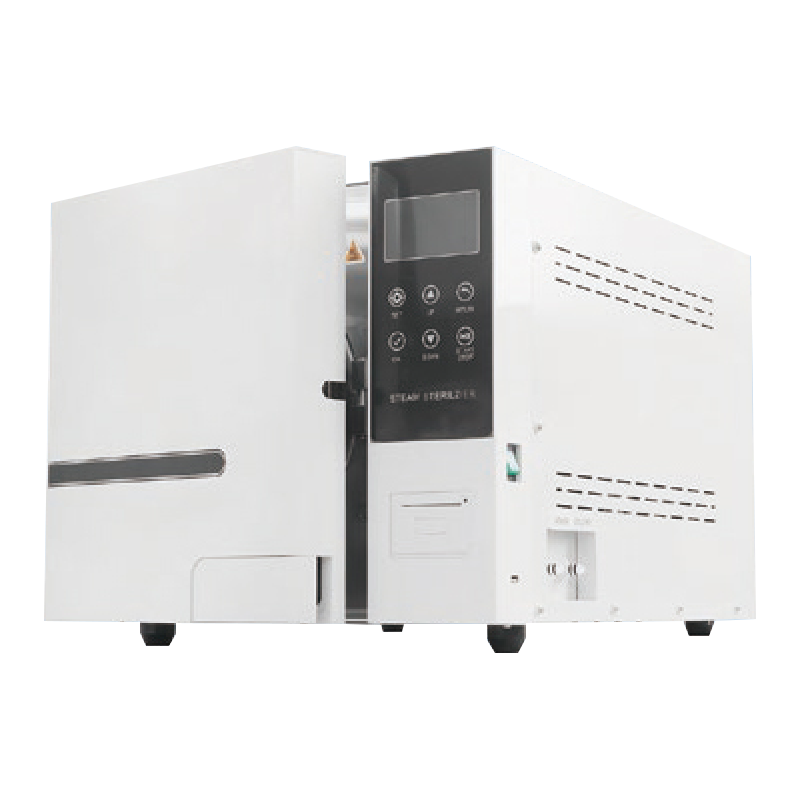
The Tabletop Steam Sterilizer YXQ.DX-X Series is a highly efficient and compact solution designed fo...
See Details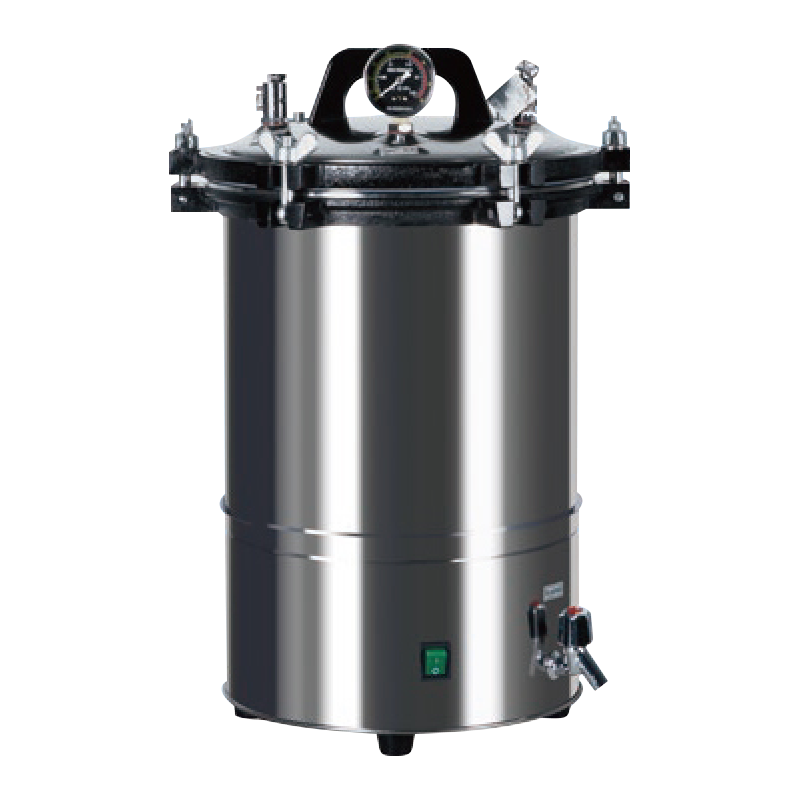
The Portable Pressure Steam Sterilizer Model YXQ.PPS-280A and A+ offers a compact and reliable solut...
See Details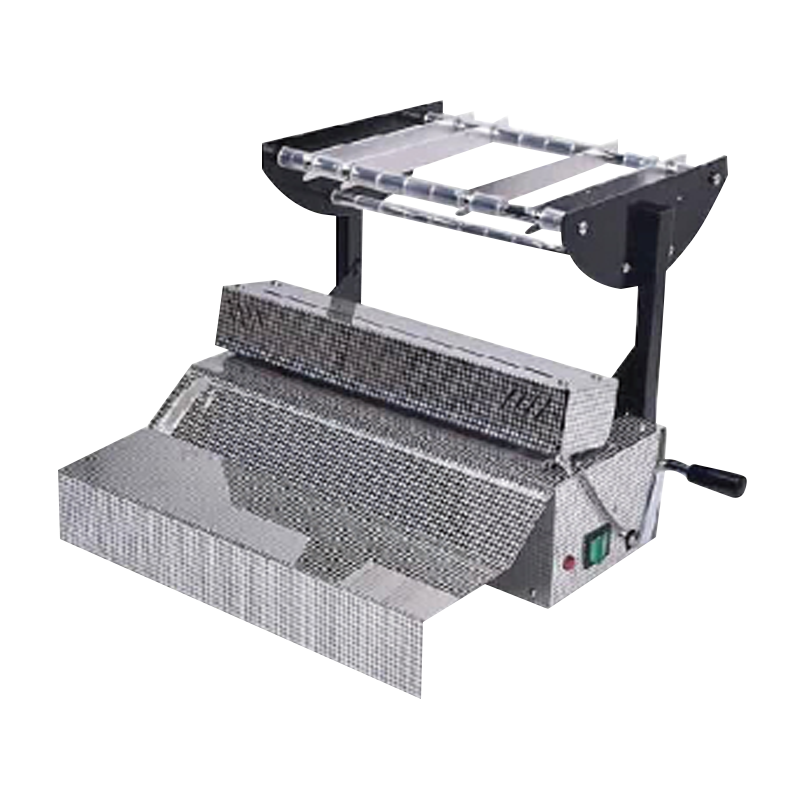
Product Usage:This type of sealing machine is used forsealing sterilizing bag, suitable for medicali...
See DetailsIntroduction to Sanitary Grade Sterilizer: Definition and Importance in Modern Sterilization Definit......
READ MOREIntroduction In today’s fast-paced world, ensuring the safety and sterility of products and material......
READ MOREIntroduction to Sterile Preparation Sterilizers What is Sterile Preparation? Sterile preparation ref......
READ MOREWhy Does Every Drug Require a Sterile Preparation Sterilizer? In modern medicine and pharmaceuticals......
READ MORE +(86) 18018151178
[email protected]
365 Nansha Sanjiali Road, Jingang Town, Zhangjiagang City, China
+(86) 18018151178
[email protected]
365 Nansha Sanjiali Road, Jingang Town, Zhangjiagang City, China
