 English
 русский
 Español
 عربى
عربى
 中文
中文

Traditional Chinese Medicine Sterilizer
Cat:Products
The sterilizer performs moist heat sterilization operations on items with saturated steam as the st...
See Details

The preparation and processing of herbal remedies in modern pharmaceutical environments require a delicate balance between absolute microbial safety and the preservation of complex biological activities. At the heart of this process is the Traditional Chinese Medicine Sterilizer, a specialized piece of equipment designed to eliminate pathogens while protecting the sensitive chemical profiles of botanical materials. Unlike standard industrial autoclaves, a dedicated TCM sterilizer must account for the unique physical properties of roots, leaves, and barks, as well as the varying viscosity of concentrated decoctions. This article examines the engineering principles, microbial challenges, and operational protocols that define high performance sterilization in the traditional medicine industry.
Raw herbal materials are inherently prone to high levels of microbial contamination because they are often harvested from soil or outdoor environments. These materials can harbor a vast array of bacteria, yeasts, and molds, many of which produce spores that are resistant to standard environmental conditions. If these contaminants are not effectively neutralized, they can cause the spoilage of herbal products, lead to the formation of harmful mycotoxins, and pose significant health risks to patients with compromised immune systems. The primary goal of a Traditional Chinese Medicine Sterilizer is to reduce the microbial load to levels mandated by international pharmacopeia standards without degrading the therapeutic value of the herbs.
The physical structure of dried herbs presents a significant barrier to traditional sterilization methods. Many botanical samples contain air pockets and dense fibrous networks that can shield microorganisms from heat and moisture. To overcome this, a professional sterilizer must utilize advanced vacuum technologies to ensure that every crevice of the plant material is exposed to the sterilizing agent. Furthermore, herbal medicines often contain heat sensitive compounds such as volatile oils, alkaloids, and flavonoids. If the sterilization temperature is too high or the exposure time is too long, these active ingredients can undergo thermal degradation, rendering the medicine less effective or even inert. Therefore, the engineering of these machines must prioritize precision control over the entire thermodynamic cycle.
Steam sterilization is the preferred method for Traditional Chinese Medicine because it utilizes the latent heat of vaporization to achieve rapid and deep penetration. When saturated steam comes into contact with cooler herbal materials, it condenses and releases a massive amount of energy, which instantly destroys the cell walls and proteins of microorganisms. This process is far more efficient than dry heat sterilization because moisture acts as a powerful conductor, allowing for lower operating temperatures and shorter cycle times. A high quality Traditional Chinese Medicine Sterilizer ensures that the steam remains in a saturated state throughout the process, which is critical for maintaining the specific lethality required to kill resistant spores.
To achieve total sterilization, the machine must eliminate any non condensable gases from the chamber. Air is a poor conductor of heat and can create cold spots where bacteria might survive. Modern TCM sterilizers employ a pulsating vacuum system, which involves multiple cycles of air extraction followed by steam injection. This pulsing action creates a pressure differential that pulls air out of the most densely packed herbal bundles and replaces it with pure saturated steam. By ensuring that the steam reaches the thermal center of the load, the sterilizer provides a uniform temperature distribution that is essential for consistent batch quality.
The pulsating vacuum stage is perhaps the most critical technical feature of a Traditional Chinese Medicine Sterilizer intended for raw materials. During the initial phase of the cycle, a liquid ring vacuum pump works to lower the pressure inside the chamber to a near total vacuum. This causes air trapped inside the cellular structures of the herbs to expand and exit. When steam is subsequently introduced, it rushes into these empty spaces, ensuring that even the interior of a thick root or a tightly rolled leaf reaches the required temperature. This cycle is typically repeated three or more times to ensure that the air removal rate exceeds ninety nine percent.
This deep penetration capability is also vital when sterilizing powdered herbs or concentrated extracts. These materials have a high surface area to volume ratio and can easily clump together, creating internal zones that are resistant to heat. The pulsating vacuum ensures that the steam treats the powder as a fluid medium rather than a solid mass, allowing for the complete eradication of thermophilic bacteria. Without this technology, manufacturers would be forced to use excessively long heating times, which would invariably result in the scorching of the powder and the loss of its natural aroma and color.
One of the significant risks associated with steam sterilization is the accumulation of excess moisture in the herbal materials. Residual dampness can lead to the regrowth of mold during storage or can cause the degradation of chemical bonds through hydrolysis. To resolve this, a professional Traditional Chinese Medicine Sterilizer includes a robust vacuum drying phase at the end of the sterilization cycle. Once the required exposure time is complete, the chamber pressure is rapidly reduced, which lowers the boiling point of water. This causes any moisture on the surface or inside the herbs to flash into vapor and be sucked out of the chamber.
The efficiency of this drying process is enhanced by the residual heat stored in the herbal materials and the chamber walls. By maintaining a high vacuum for a specified duration, the machine can return the herbs to their original moisture content or even lower. This ensures that the final product is stable, free from microbial activity, and ready for further processing or packaging. The ability to deliver dry, sterile herbs is a hallmark of advanced sterilization engineering, as it eliminates the need for secondary drying steps that could introduce new contaminants.
The construction of a Traditional Chinese Medicine Sterilizer must adhere to strict pharmaceutical grade standards, specifically those outlined in Good Manufacturing Practice or GMP guidelines. Every component that comes into contact with the steam or the herbal materials must be made from high quality stainless steel, typically grade 316L. This material is chosen for its exceptional resistance to corrosion and its ability to withstand the repeated thermal stress of daily sterilization cycles. The interior of the chamber is often polished to a mirror finish to prevent the accumulation of herbal residues and to make the cleaning process more effective.
The control system of the sterilizer is another critical engineering element. Modern machines utilize Programmable Logic Controllers, which are commonly known as PLCs, to manage the complex sequences of vacuum, heating, sterilization, and drying. These controllers are paired with high precision sensors that monitor temperature and pressure at multiple points within the chamber. If the system detects a deviation of even a fraction of a degree from the set parameters, it can automatically adjust the steam input or alert the operator to a potential batch failure. This level of automation ensures that every batch of traditional medicine is treated with the exact same level of care, regardless of fluctuations in the steam supply or environmental conditions.
|
Sterilization Method |
Heat Exposure Level |
Moisture Management |
Preservation of Potency |
Best Use Case |
|---|---|---|---|---|
|
Traditional Autoclave |
High Heat |
Often leaves loads damp |
Moderate risk of degradation |
Non sensitive surgical tools |
|
TCM Steam Sterilizer |
Controlled Precision |
Integrated Vacuum Drying |
High preservation of oils |
Raw herbs and powders |
|
Dry Heat Oven |
Very High Heat |
No added moisture |
High risk of scorching |
Glassware and metal tools |
|
Chemical Sterilization |
Low Heat |
Leaves chemical residues |
Risk of chemical alteration |
Heat sensitive plastics |
Safety is a paramount concern in the design of any pressure vessel. A Traditional Chinese Medicine Sterilizer operates at pressures significantly higher than atmospheric levels, which means the door seal must be absolute. Engineers utilize pneumatic or mechanical gaskets that are forced into place by the internal pressure itself or by secondary air systems. These gaskets are made from medical grade silicone or EPDM rubber, which can maintain their elasticity over thousands of heating cycles.
Furthermore, the machine incorporates redundant safety interlocks to prevent the door from being opened while the chamber is under pressure or while the temperature is dangerously high. Most industrial units feature a double door design for cleanroom applications, where the raw herbs are loaded in a non sterile area and the sterilized products are unloaded directly into a sterile packaging zone. This pass through configuration is essential for maintaining the integrity of the manufacturing environment and preventing cross contamination between different stages of the production process.
The application of a specialized Traditional Chinese Medicine Sterilizer spans several critical sectors of the healthcare and pharmaceutical industries. Each of these environments has specific requirements for batch size, cycle speed, and regulatory documentation, which influences the configuration of the sterilization system.
In large scale pharmaceutical manufacturing plants, these sterilizers are used to process tons of raw herbal materials before they are turned into pills, capsules, or granules. At this scale, the machines must be highly efficient and capable of running twenty four hours a day. The control systems in these facilities are often integrated into a centralized building management system, allowing for the remote monitoring and recording of every sterilization cycle. This data is essential for regulatory audits, as it provides a verifiable record that the medicine has been treated according to safety standards.
In many hospitals that specialize in traditional medicine, there are dedicated centers where herbal formulas are decocted into liquid teas for individual patients. Because these liquid formulations are highly susceptible to bacterial growth, a Traditional Chinese Medicine Sterilizer is used to treat the final packaged pouches. This process, often called terminal sterilization, ensures that the liquid remains shelf stable for several weeks without the need for chemical preservatives.
The sterilizer used in these centers is usually smaller than those found in factories but must be equally precise. It must be able to handle flexible packaging materials without causing them to burst under pressure. By utilizing an air overpressure system during the cooling phase, the machine can balance the pressure inside and outside the pouches, ensuring that the seals remain intact while the liquid is rapidly cooled to a safe handling temperature. This application is vital for providing convenient and safe herbal treatments to outpatients who may not have the facilities to prepare the herbs at home.
Research laboratories focusing on the development of new herbal drugs rely on Traditional Chinese Medicine Sterilizers to prepare samples for chemical analysis and clinical trials. In a research setting, the ability to fine tune the sterilization parameters is more important than raw throughput. Scientists use these machines to study how different temperature profiles affect the concentration of specific active ingredients.
These laboratory scale units are often equipped with advanced data logging software that can generate detailed graphs of every phase of the cycle. This allows researchers to validate that their sterilization process does not compromise the scientific integrity of their experiments. Furthermore, the machines are used to sterilize the growth media and glassware required for microbial testing, ensuring that the laboratory remains a controlled environment for accurate quality assessment.
Maintaining the performance of a Traditional Chinese Medicine Sterilizer requires a systematic approach to both mechanical upkeep and process validation. Because the machine handles organic materials, there is always a risk that dust or herbal particles could clog the vacuum lines or the steam distribution ports. Regular cleaning of the chamber and the inspection of the internal filters are essential tasks for the maintenance team.
The electrical and sensor systems must also be calibrated on a regular schedule. A temperature probe that is off by just two degrees can be the difference between a sterile batch and a failed one. Using a secondary, high precision reference thermometer, technicians should verify that the internal sensors are providing accurate data across the entire operating range. This calibration process is a requirement for maintaining GMP certification and ensures that the facility remains in compliance with health and safety regulations.
The ultimate proof of a successful sterilization cycle is not just a digital readout but the actual destruction of microorganisms. Facilities use biological indicators, which are small vials containing a high concentration of resistant bacterial spores, to test the efficacy of the Traditional Chinese Medicine Sterilizer. These indicators are placed in the most difficult to reach areas of the load, such as the center of a large bag of herbs. After the cycle is complete, the indicators are incubated to see if any spores survived. A negative result provides the definitive evidence required to release the batch for sale.
Thermal mapping is another essential validation procedure. This involves placing dozens of temperature sensors throughout the empty and full chamber to identify any cold spots or areas of uneven heating. This map helps operators understand the optimal way to load the machine. For example, if the mapping shows that the bottom corners of the chamber heat up more slowly, the operator might choose to place less dense materials in those areas. This scientific approach to loading ensures that the sterilization process is robust and reliable, providing peace of mind for both the manufacturer and the end consumer.
The quality of the steam used in the Traditional Chinese Medicine Sterilizer has a direct impact on the longevity of the equipment and the purity of the herbal products. Industrial steam often contains rust, scale, and chemicals from the boiler system that can contaminate the herbs or damage the delicate internal components of the sterilizer. To prevent this, many facilities install a clean steam generator that uses deionized or distilled water to produce high purity steam specifically for the sterilization process.
The water used for the liquid ring vacuum pump must also be managed. If the water is too hard, it will cause mineral scale to build up inside the pump, reducing its efficiency and eventually causing it to fail. Implementing a water softening system or a closed loop cooling system can significantly extend the life of the vacuum components. By paying attention to these utility requirements, facility managers can ensure that their sterilization infrastructure remains operational and efficient for many years.
When choosing a Traditional Chinese Medicine Sterilizer, a facility must evaluate several technical factors to ensure the machine meets their specific operational needs. The first consideration is the chamber volume and the loading configuration. For facilities that handle diverse herbal products, a rectangular chamber often provides more usable space than a cylindrical one, allowing for more efficient stacking of trays or crates.
The capabilities of the vacuum system should also be scrutinized. A machine with a powerful vacuum pump and a high air removal rate will have shorter cycle times and better penetration into dense materials. Buyers should also look for a control system that is intuitive and allows for the storage of multiple sterilization recipes. This flexibility is essential for facilities that process different types of herbs, some of which may require lower temperatures or longer drying times.
The choice of materials for the gaskets and seals is a critical factor in the long term reliability of the machine. The high temperatures and frequent pressure changes can cause inferior materials to become brittle and crack, leading to leaks and lost batches. Inquiring about the expected lifespan of the seals and the ease of their replacement can help a facility plan for future maintenance costs.
The durability of the chamber hinges on the quality of the welding and the thickness of the steel. A machine built to higher pressure standards than strictly necessary will have a larger safety margin and will be less prone to structural fatigue over time. Investing in a robustly engineered unit may have a higher initial cost, but it provides a lower total cost of ownership through reduced downtime and fewer repairs.
A Traditional Chinese Medicine Sterilizer is a complex piece of medical grade equipment that requires professional installation and support. When selecting a manufacturer, it is important to verify their ability to provide on site training for operators and technicians. The availability of spare parts is another crucial consideration, as a missing gasket or sensor should not be allowed to halt production for weeks.
Comprehensive technical documentation is also a requirement for any regulated pharmaceutical environment. The machine should come with a full set of manuals, electrical schematics, and validation templates. These documents are vital for the successful completion of the Installation Qualification and Operational Qualification processes, which are the first steps in integrating the sterilizer into a certified production line. By choosing a partner who understands the regulatory landscape of traditional medicine, a facility can ensure a smooth and successful implementation of their sterilization technology.
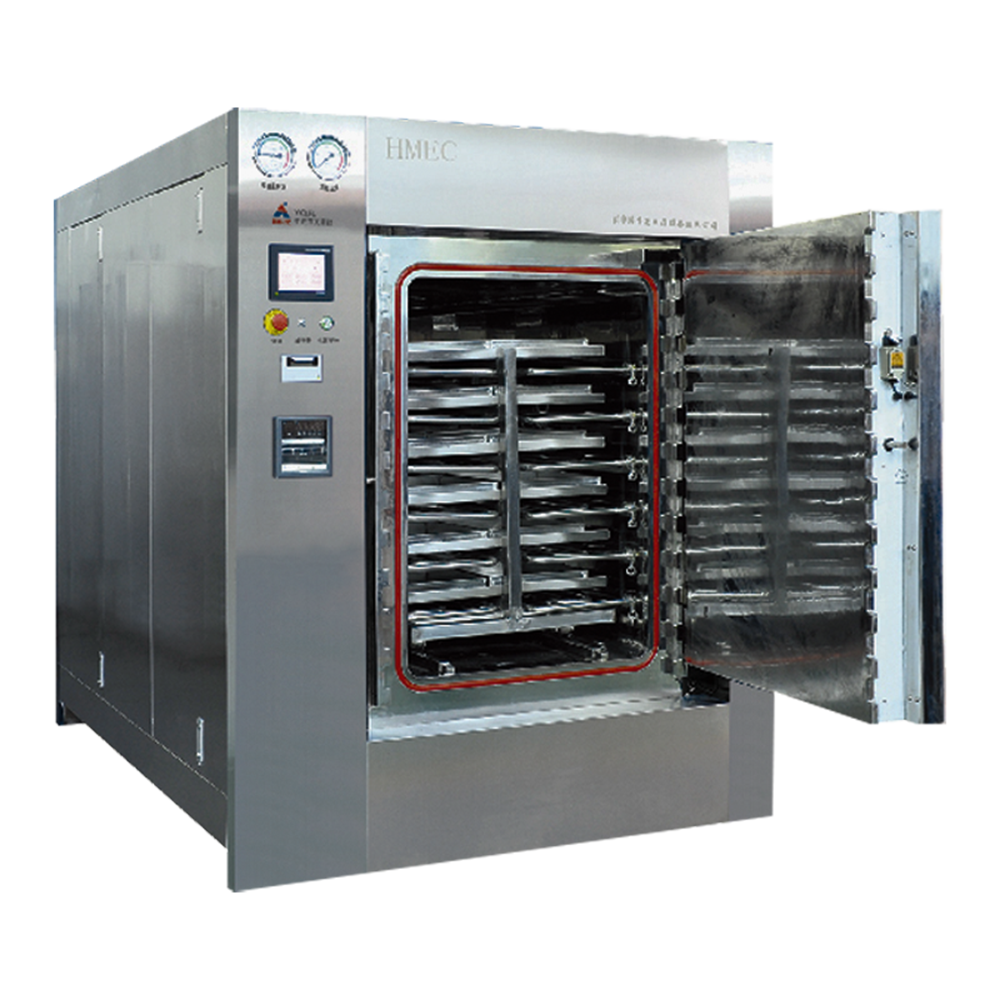
The sterilizer performs moist heat sterilization operations on items with saturated steam as the st...
See Details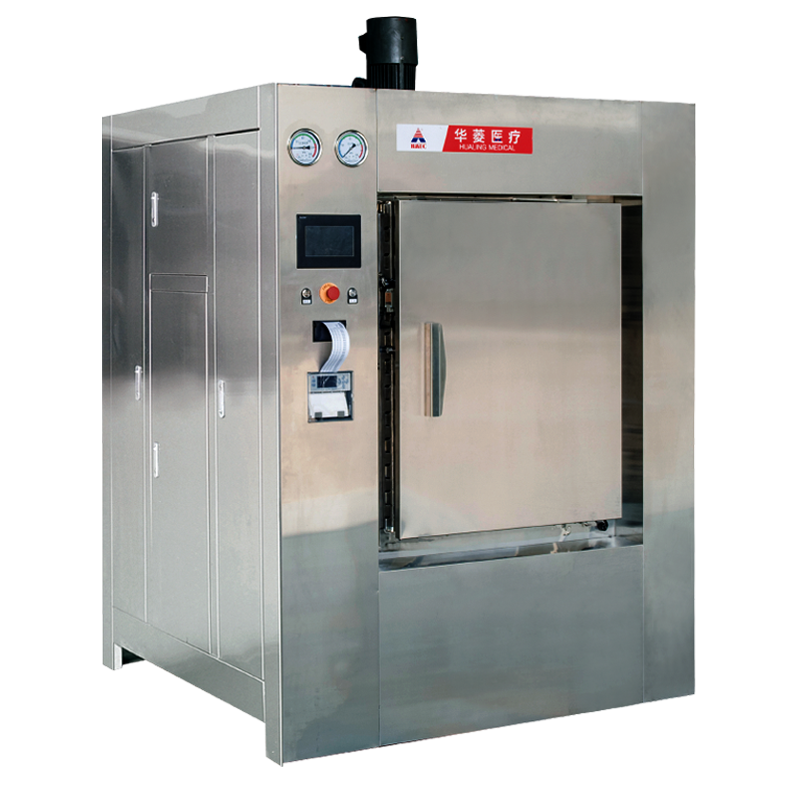
The sterilizer performs sterilization by means of mixing pressure of air and steam. Furthermore, mi...
See Details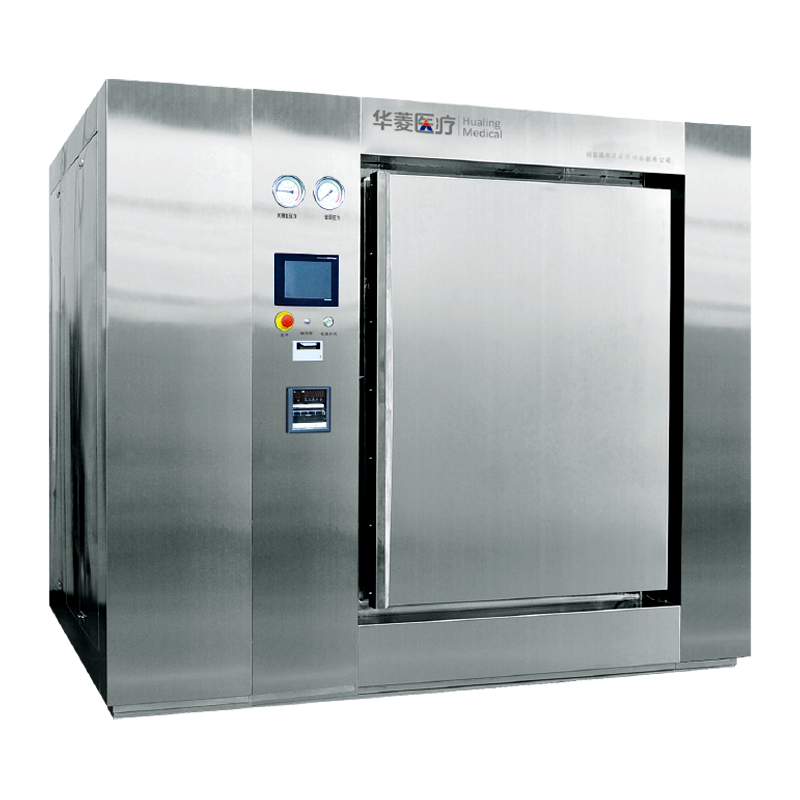
Water-bath type: The sterilized drugs are heated using water spraying using superheated water as the...
See Details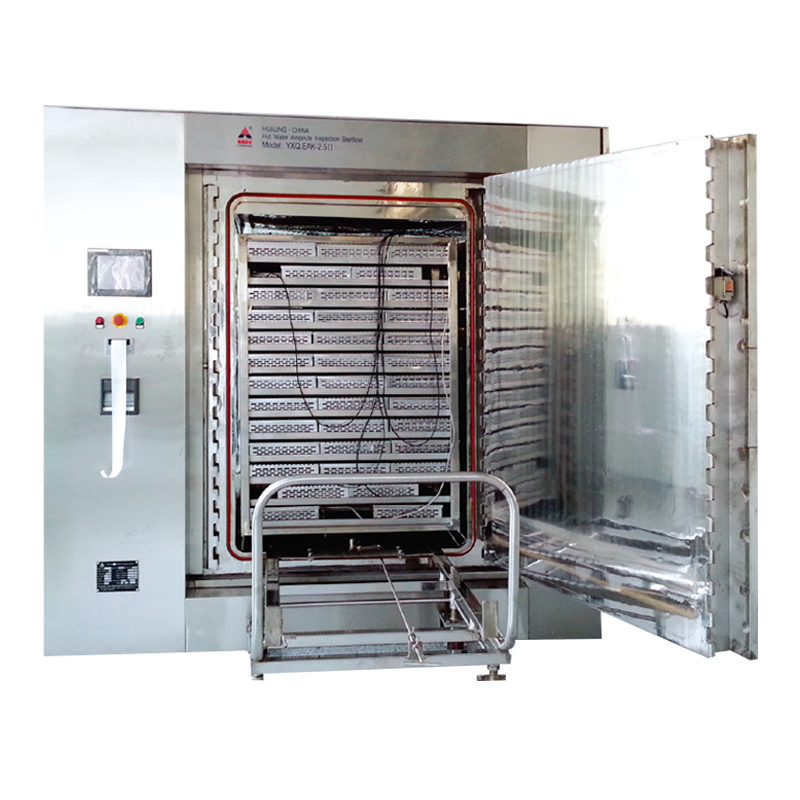
This sterilizer uses steam to sterilize, leak-detect, and clean for vials and ampoules.
See Details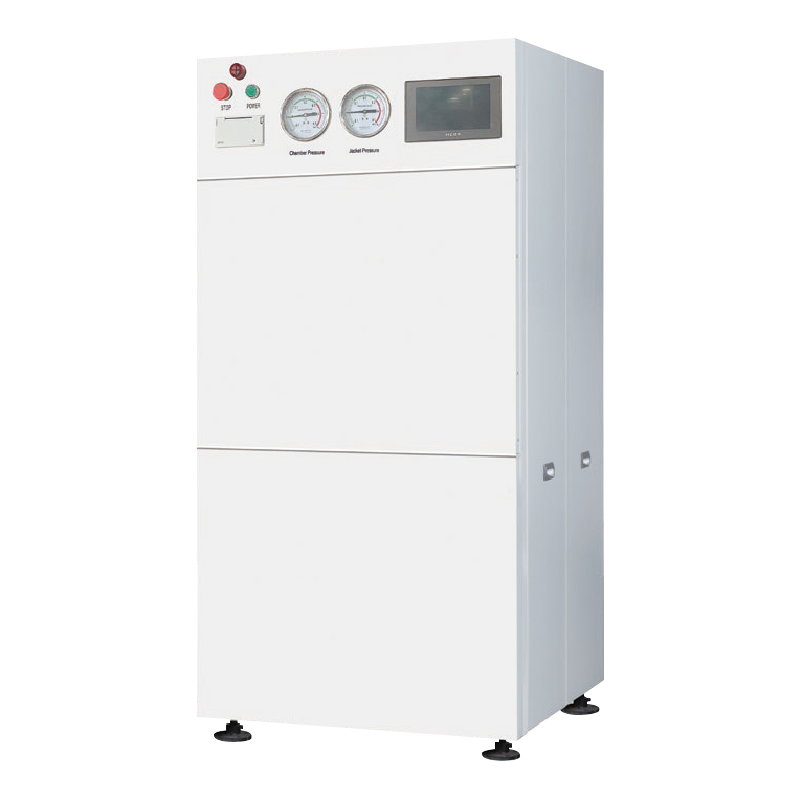
The Horizontal Steam Sterilizer utilizes saturated steam as the sterilizing medium, capitalizing on ...
See Details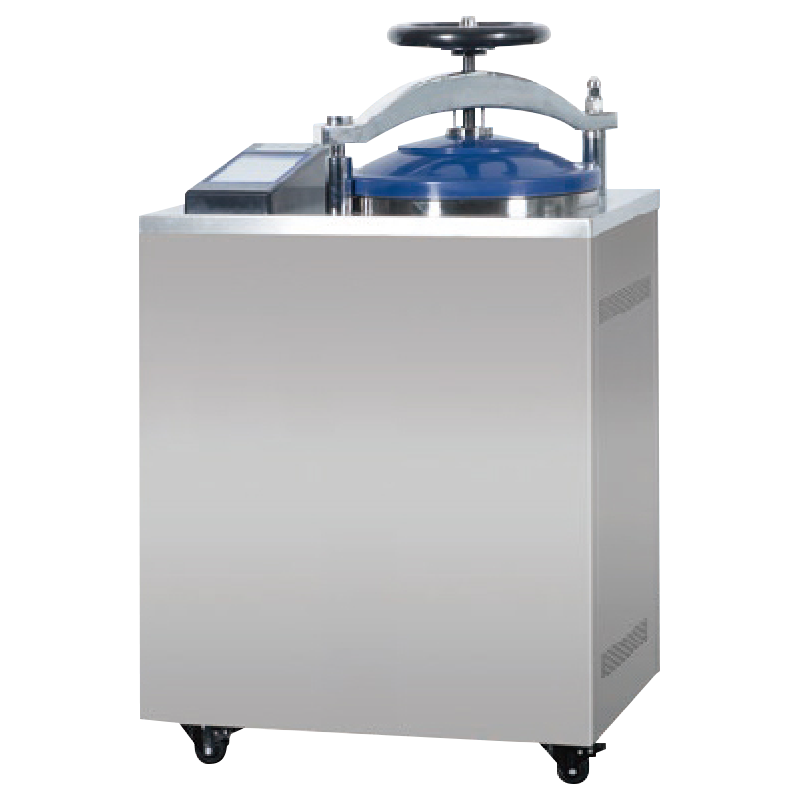
The Vertical Steam Sterilizer M Series (Pulsating Vacuum) is a safe and reliable sterilization solut...
See Details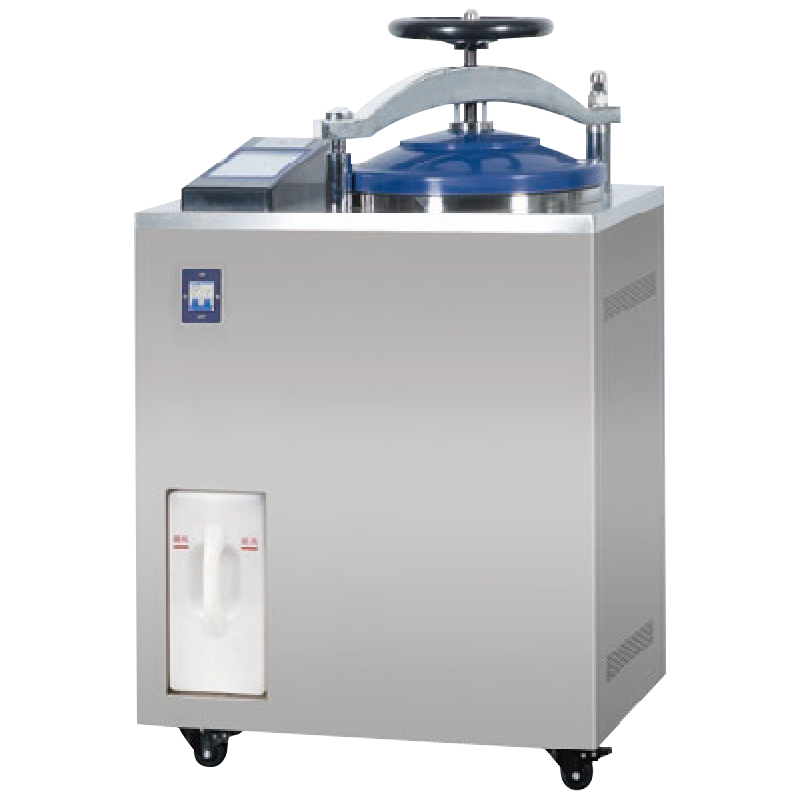
The Vertical Steam Sterilizer X Series (Multi-functional Laboratory Customized Model) offers a highl...
See Details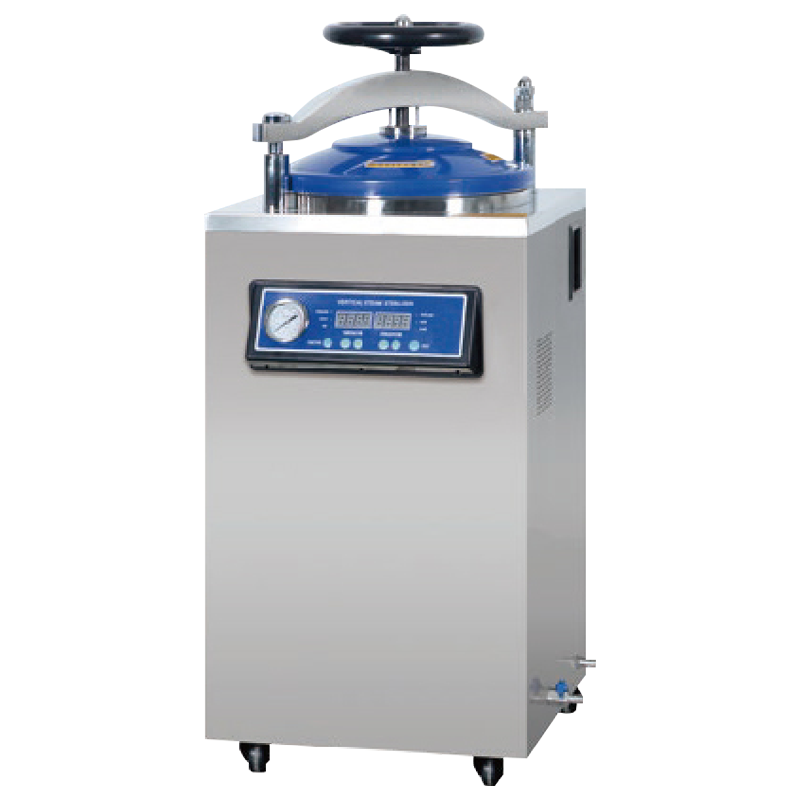
The Vertical Steam Sterilizer B Series offers a robust, automated solution for sterilizing a wide ra...
See Details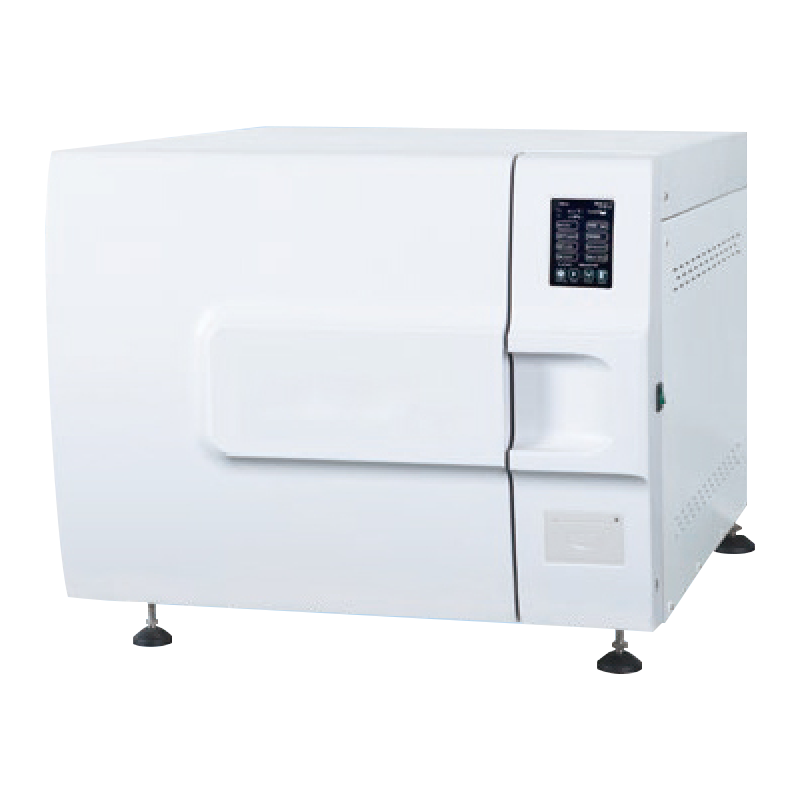
The Tabletop Steam Sterilizer Z Series is an efficient, user-friendly sterilization solution designe...
See Details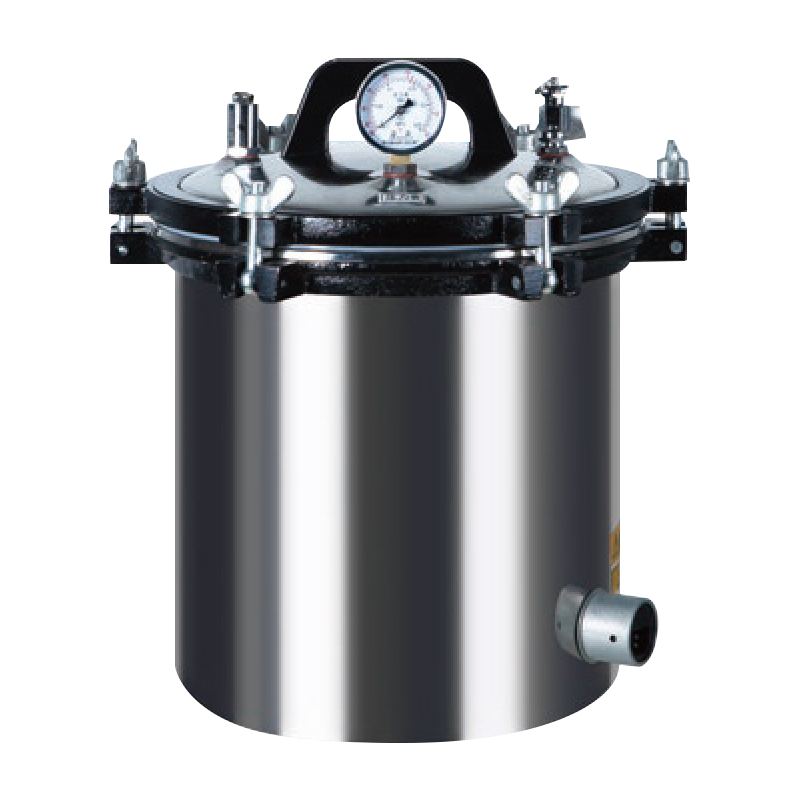
The YXQ.PPS-280C and C+ Portable Pressure Steam Sterilizer is a versatile dual-purpose sterilizer, o...
See DetailsIntroduction to Sanitary Grade Sterilizer: Definition and Importance in Modern Sterilization Definit......
READ MOREIntroduction In today’s fast-paced world, ensuring the safety and sterility of products and material......
READ MOREIntroduction to Sterile Preparation Sterilizers What is Sterile Preparation? Sterile preparation ref......
READ MOREWhy Does Every Drug Require a Sterile Preparation Sterilizer? In modern medicine and pharmaceuticals......
READ MORE +(86) 18018151178
[email protected]
365 Nansha Sanjiali Road, Jingang Town, Zhangjiagang City, China
+(86) 18018151178
[email protected]
365 Nansha Sanjiali Road, Jingang Town, Zhangjiagang City, China
