 English
 русский
 Español
 عربى
عربى
 中文
中文

Sanitary Grade Sterilizer
Cat:Products
The sterilizer performs moist heat sterilization operations on items with saturated pure steam as th...
See Details

The use of high pressure saturated steam remains the most reliable and efficient method for ensuring the total elimination of microbial life in clinical and industrial settings. This guide provides a detailed examination of the operational sequences and engineering principles behind the horizontal autoclave, focusing specifically on the high performance capabilities of a professional Horizontal Steam Sterilizer. By analyzing each phase from air evacuation to final drying, operators can better appreciate the rigorous standards required for validated sterilization.
The sterilization of medical instruments, laboratory media, and industrial components relies heavily on the controlled application of thermal energy, and the most effective medium for this energy transfer is saturated steam under pressure. A Horizontal Steam Sterilizer is an engineered pressure vessel designed to facilitate this process by exposing contaminated items to high temperature steam for a specific duration. The horizontal configuration is particularly favored in high volume facilities because its rectangular or cylindrical design allows for easier loading and unloading using sliding racks or transport trolleys. Unlike vertical models that require items to be lowered into a deep chamber, the horizontal pressure steam sterilizer supports a more ergonomic and streamlined workflow, especially when integrated into central sterile supply departments.
The fundamental objective of the sterilization process is to eliminate all forms of microbial life, including highly resilient bacterial spores that can withstand standard environmental conditions. This is achieved through the coagulation and denaturation of cellular proteins, a process that occurs much more rapidly and at lower temperatures when moisture is present. The horizontal autoclave manages a sequence of distinct phases that ensure the steam reaches every surface and crevice of the load, regardless of its complexity or density. By maintaining a precise balance between temperature, pressure, and time, the Horizontal Steam Sterilizer provides a validated method for ensuring that items are safe for reuse in surgical or laboratory settings.
The operational success of a large capacity horizontal steam sterilizer begins with its structural engineering, which must withstand intense pressure while maintaining a perfect seal. The sterilization chamber is typically constructed from high grade stainless steel that is resistant to corrosion and thermal fatigue. Surrounding this main chamber is often a secondary layer known as the steam jacket. The jacket serves to preheat the inner chamber walls before the actual sterilization cycle begins, which prevents the formation of excessive condensation when steam is first introduced. This preheating stage is vital for maintaining the quality of the steam and ensuring that the load does not become overly saturated with water, which would complicate the subsequent drying phase.
Every professional Horizontal Steam Sterilizer is equipped with sophisticated door mechanisms that utilize high temperature gaskets to create an airtight environment. These doors frequently feature safety interlocks that prevent them from being opened while the chamber is under pressure, thereby protecting the operator from accidental steam release. The internal plumbing of a medical horizontal steam sterilizer includes a series of valves and sensors that monitor the movement of steam, air, and condensate. Because air is a poor conductor of heat and can act as an insulating barrier, the design of the autoclave must prioritize the complete removal of air before the exposure phase commences. This architectural focus on air management and thermal stability is what distinguishes industrial horizontal steam sterilization equipment from simpler pressure cookers or smaller tabletop models.
Before the introduction of steam can be effective, the horizontal autoclave must address the presence of air within the chamber and the load. Air is considered the primary enemy of steam sterilization because it does not achieve the same temperatures as saturated steam at a given pressure. Furthermore, air can form pockets inside hollow instruments or dense fabric packs, preventing the steam from making direct contact with the contaminated surfaces. In a high pressure Horizontal Steam Sterilizer, this problem is solved through a series of vacuum pulses or a continuous gravity displacement method.
In advanced pre-vacuum horizontal autoclave models, a powerful vacuum pump extracts the air from the chamber, creating a negative pressure environment. This is followed by a burst of steam that helps to displace any remaining air molecules. This process is repeated several times, a technique known as fractional pre-vacuum air removal. By pulsating between vacuum and steam injection, the horizontal vacuum steam sterilizer ensures that even the most deeply embedded air is removed from porous materials like surgical gowns or wrapped instrument trays. This phase is critical for ensuring that the entire load reaches the required sterilization temperature simultaneously, preventing the occurrence of cold spots that could lead to sterilization failure.
Once the air has been successfully evacuated, the Horizontal Steam Sterilizer begins the heating phase. Steam is injected into the chamber from either an integrated boiler or a centralized steam plant. As the volume of steam increases within the fixed space of the chamber, the internal pressure begins to rise. According to the laws of thermodynamics, as the pressure of a gas increases, its temperature also rises in a predictable manner. This relationship allows the automated horizontal steam sterilizer to achieve temperatures far above the boiling point of water at sea level, typically reaching levels required for rapid microbial destruction.
The steam used in this process must be saturated, meaning it holds as much water vapor as possible without turning back into liquid water. Saturated steam is a highly efficient carrier of latent heat. When the steam makes contact with a cooler object, such as a metal surgical tool, it condenses back into a liquid state. This phase change releases a significant amount of energy into the object, heating it almost instantaneously to the temperature of the steam. This rapid transfer of thermal energy is what makes the horizontal cylindrical steam sterilizer significantly faster and more effective than dry heat methods. The horizontal autoclave continues to inject steam until the sensors detect that both the chamber environment and the internal parts of the load have reached the predetermined set point.
[Image Placeholder: A detailed diagram showing the steam flow path from the jacket into the horizontal chamber during the heating phase]
The exposure phase is the core of the sterilization cycle, during which the load is maintained at a constant temperature and pressure for a specific duration. This is often referred to as the sterilization plateau. In a high quality Horizontal Steam Sterilizer, the control system carefully modulates the steam valves to keep the temperature within a very narrow range. If the temperature drops even slightly below the set point, the timer may pause or the cycle may fail, as the lethality of the process is directly tied to the duration of exposure at the correct temperature.
During this hold period, the high temperature moisture penetrates the cell walls of microorganisms, causing their internal proteins to unfold and coagulate. This destruction of the molecular architecture is irreversible, leading to the death of the organism. Resilient bacterial spores, which are protected by thick outer shells, require the presence of moisture to conduct heat into their core. Without the saturated steam provided by the industrial horizontal autoclave, these spores could survive much higher temperatures for longer periods. The duration of the exposure phase is determined by the nature of the load; for instance, dense metal instruments may require less time than porous fabrics or large volumes of liquid media inside a horizontal steam sterilizer for laboratory use.
After the sterilization timer has concluded, the Horizontal Steam Sterilizer must safely remove the pressurized steam from the chamber. This is achieved by opening an exhaust valve that allows the steam to escape into a cooling system or a drain. As the steam exits, the pressure inside the chamber gradually returns to atmospheric levels. In some specialized cycles, particularly those used for liquids in a large capacity horizontal sterilizer, the exhaust process must be slow and controlled to prevent the sudden boiling or explosion of glass containers due to rapid pressure changes.
For standard equipment and instrument loads, the exhaust phase is often accompanied by a post-vacuum pulse. As the steam is removed, any liquid water that condensed on the surface of the load begins to evaporate due to the residual heat in the objects and the falling pressure. This is a crucial transition that prepares the load for the final drying stage. The engineering of the horizontal autoclave ensures that the exhaust air is filtered or cooled properly to prevent damage to the facility plumbing and to maintain the sterile integrity of the room environment.
One of the most significant advantages of a high end Horizontal Steam Sterilizer is its ability to deliver a completely dry load at the end of the cycle. Moisture on a sterilized item is a major safety hazard because it can act as a pathway for bacteria to migrate through the wrapping material in a process known as wicking. If an instrument pack is wet when it is removed from the autoclave, it cannot be considered sterile once it touches a non-sterile surface.
To achieve superior dryness, the horizontal vacuum steam sterilizer utilizes a final vacuum phase. By creating a deep vacuum after the steam has been exhausted, the boiling point of water is significantly lowered. The residual heat stored in the metal instruments and the chamber walls provides the energy necessary to flash-evaporate any remaining moisture. In many units, heated air is then filtered through a high efficiency particulate air filter and introduced into the chamber to equalize the pressure and remove any lingering vapors. This ensures that when the operator opens the horizontal door, the instruments are not only sterile but also dry and ready for immediate storage or use.
The following table provides a qualitative overview of how a Horizontal Steam Sterilizer compares to other common sterilization technologies used in industrial and clinical settings. This comparison focuses on operational suitability rather than specific technical parameters.
| Sterilization Method | Medium Used | Efficiency and Throughput | Suitable Load Types |
| Horizontal Steam Sterilizer | Saturated Steam | High throughput with rapid cycle times | Metal tools, fabrics, and heat-stable plastics |
| Vertical Autoclave | Saturated Steam | Medium throughput, manual loading | Laboratory liquids, waste bags, and bulk media |
| Hot Air Oven | Dry Heat | Low efficiency, very long cycle times | Glassware, anhydrous powders, and oils |
| Ethylene Oxide | Chemical Gas | Low throughput, long aeration required | Heat-sensitive electronics and delicate optics |
| Hydrogen Peroxide Plasma | Ionized Vapor | High efficiency for specialty items | Endoscopes and moisture-sensitive surgical tools |
The effectiveness of the horizontal autoclave is highly dependent on how the items are arranged within the chamber. Proper loading techniques ensure that steam can flow freely around every item and that air does not become trapped. In a Horizontal Steam Sterilizer, items should be placed on specialized racks or shelves that allow for maximum air circulation and condensate drainage. For example, solid bottom trays should be avoided in favor of perforated baskets or wire mesh trays.
When loading instruments into a medical horizontal steam sterilizer, it is vital that they are in an open or unlocked position to allow steam to reach all joints and serrations. Heavier items should be placed on the lower shelves, while lighter, porous items should be placed above them to prevent condensate from dripping onto the dry goods. In a horizontal chamber, the path of the steam is typically from the top or back toward the front and bottom, so the load must be organized to avoid blocking these pathways. Overloading the large capacity horizontal steam sterilizer is a frequent cause of sterilization failure, as it can create a dense mass that the steam cannot penetrate effectively during the allotted exposure time.
To ensure that the Horizontal Steam Sterilizer is performing its task correctly, every cycle must be monitored using a combination of physical, chemical, and biological indicators. Physical monitoring involves the real time tracking of temperature, pressure, and time by the autoclave control system. Most modern horizontal units are equipped with digital recorders or printers that provide a permanent document of the cycle parameters, which is essential for regulatory compliance and quality assurance in industrial steam sterilization equipment.
Chemical indicators are placed on the outside or inside of instrument packs to provide a visual confirmation that the load has been exposed to the required conditions. These indicators usually change color when specific temperatures or steam concentrations are met. However, the gold standard for validation in a horizontal autoclave is the biological indicator, which typically consists of a vial containing a large population of highly resistant bacterial spores. These vials are placed in the most difficult to reach areas of the horizontal chamber. After the cycle, the spores are incubated to see if any have survived. If the biological indicator shows no growth, it provides definitive proof that the Horizontal Steam Sterilizer has successfully achieved its microbial kill requirements.
Operating a Horizontal Steam Sterilizer involves managing high temperatures and significant pressures, which necessitates a suite of robust safety systems. The most visible safety feature is the door locking mechanism, which often includes a secondary manual or pneumatic lock to ensure the door cannot fly open under pressure. Many units also feature a safety valve on the top of the chamber that will automatically open and vent steam if the internal pressure exceeds a safe limit due to a control system failure.
Beyond mechanical safety, the operational integrity of the high pressure horizontal autoclave is maintained through regular maintenance of the gaskets, valves, and filters. A leaking gasket not only reduces the efficiency of the sterilization cycle but can also allow non-sterile air to enter the chamber during the cooling phase. In a horizontal configuration, the alignment of the door and the cleanliness of the tracks are also important for maintaining a consistent seal. By adhering to a strict maintenance schedule and utilizing the built in diagnostic tools provided by modern automated horizontal sterilizers, facilities can ensure that their equipment remains a reliable and safe component of their sterile processing workflow.
The performance and lifespan of a Horizontal Steam Sterilizer are deeply affected by the quality of the water used to generate the steam. Standard tap water often contains minerals such as calcium, magnesium, and silica, which can precipitate out of the water at high temperatures and form a hard scale on the chamber walls and heating elements. This scale acts as an insulator, reducing the efficiency of heat transfer and potentially leading to the premature failure of the boiler or the autoclave components.
Furthermore, certain ions like chloride can cause pitting and stress corrosion cracking in stainless steel, which could eventually compromise the structural integrity of the pressure vessel. To prevent these issues, industrial horizontal steam sterilizers are typically supplied with deionized or distilled water. Many facilities install specialized water treatment systems specifically for their sterilization department. By using high purity water, the Horizontal Steam Sterilizer can produce clean steam that does not leave spots on surgical instruments and does not damage the delicate internal mechanisms of the autoclave, thereby ensuring a much longer service life for the equipment.
In the context of a modern healthcare or research facility, the Horizontal Steam Sterilizer is not an isolated piece of equipment but a central part of a complex sterile processing department. The horizontal design facilitates a pass through configuration, where the autoclave is installed in a wall between a contaminated decontamination room and a clean sterile storage room. In this setup, the contaminated items are loaded into the autoclave from the dirty side, and once the cycle is complete, the items are removed from a second door on the clean side.
This architectural integration is the ultimate solution for preventing cross contamination between dirty and clean areas. It ensures a unidirectional flow of materials, which is a fundamental requirement for modern infection control. The Horizontal Steam Sterilizer becomes the physical and biological barrier that separates the sterile and non-sterile worlds. Because these units are designed to be built into the facility structure, they often feature flush mounted panels and easy access points for maintenance, allowing them to provide decades of continuous service in the most demanding environments. This high efficiency horizontal autoclave system remains the gold standard for large scale sterilization needs across the globe.
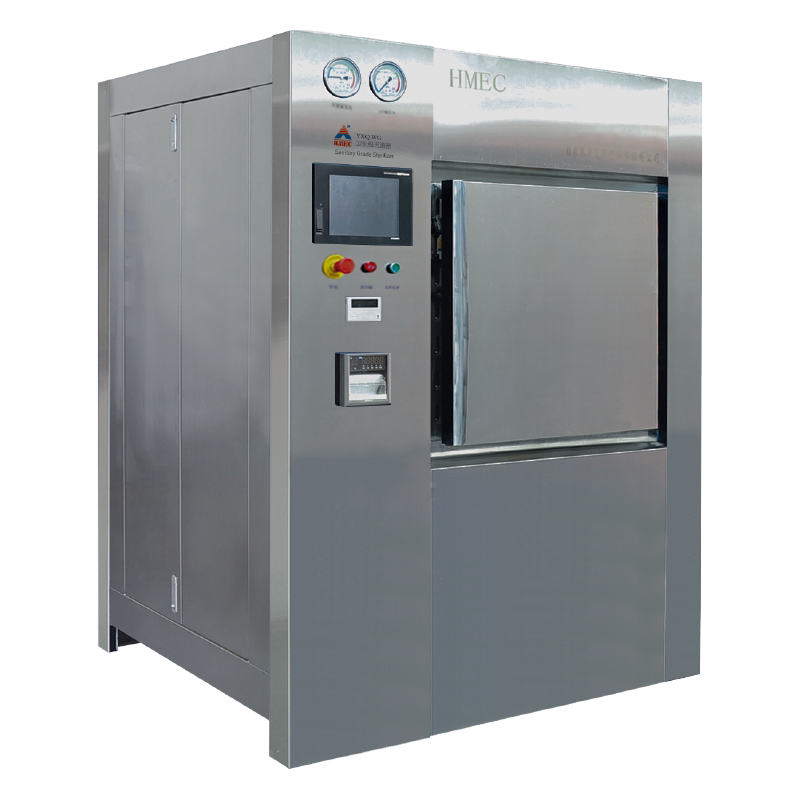
The sterilizer performs moist heat sterilization operations on items with saturated pure steam as th...
See Details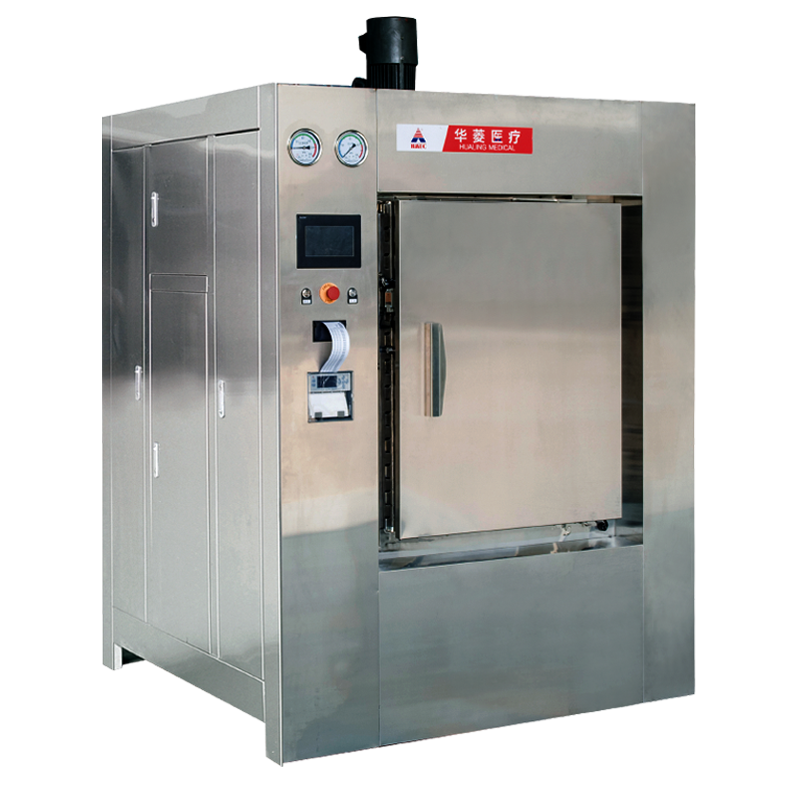
The sterilizer performs sterilization by means of mixing pressure of air and steam. Furthermore, mi...
See Details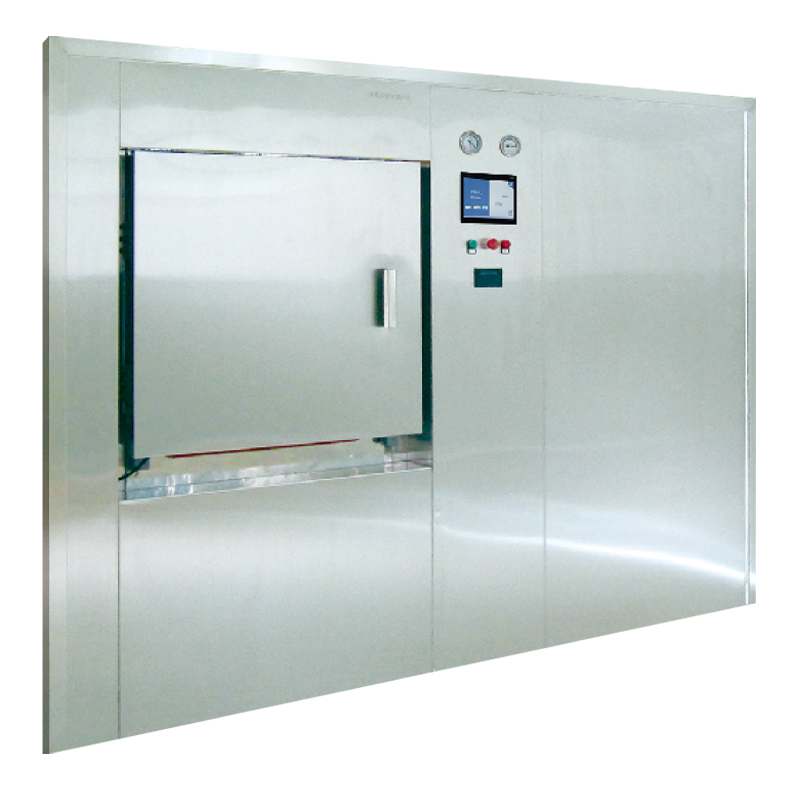
The sterilizer performs moist heat sterilization operations on items with saturated pure steam as th...
See Details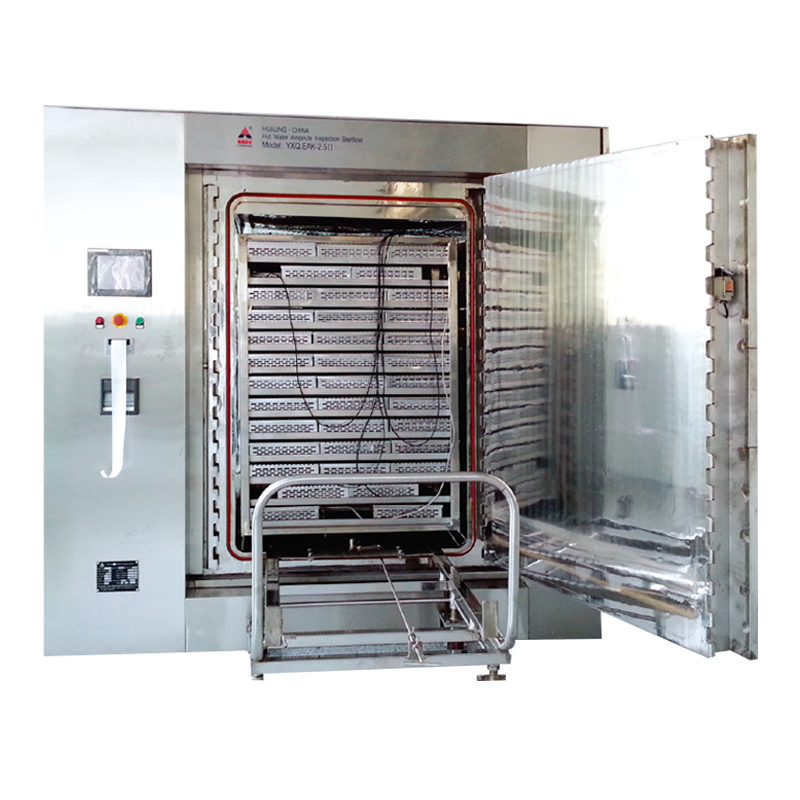
This sterilizer uses steam to sterilize, leak-detect, and clean for vials and ampoules.
See Details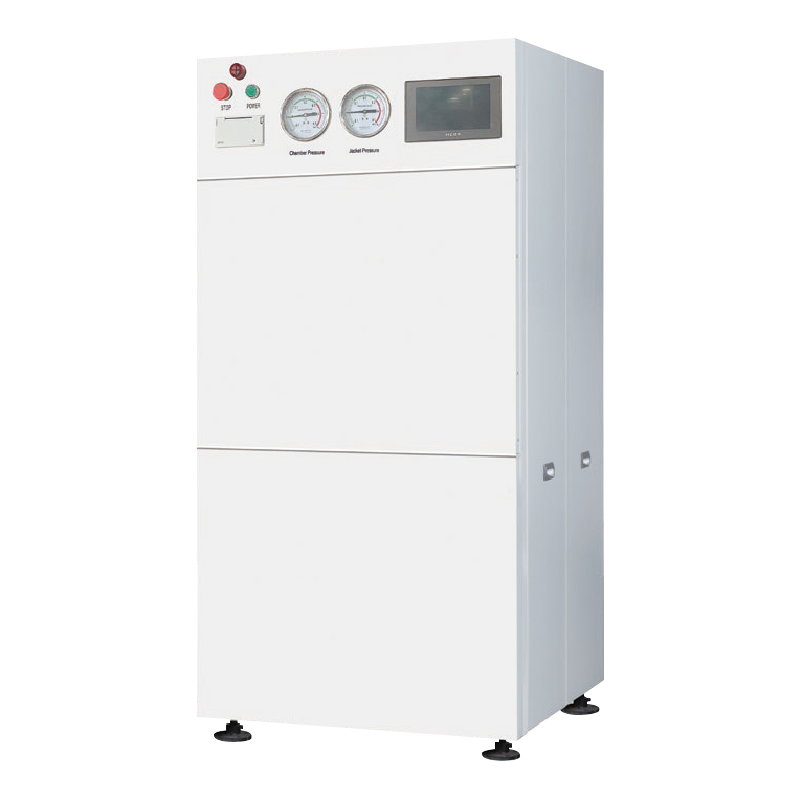
The Horizontal Steam Sterilizer utilizes saturated steam as the sterilizing medium, capitalizing on ...
See Details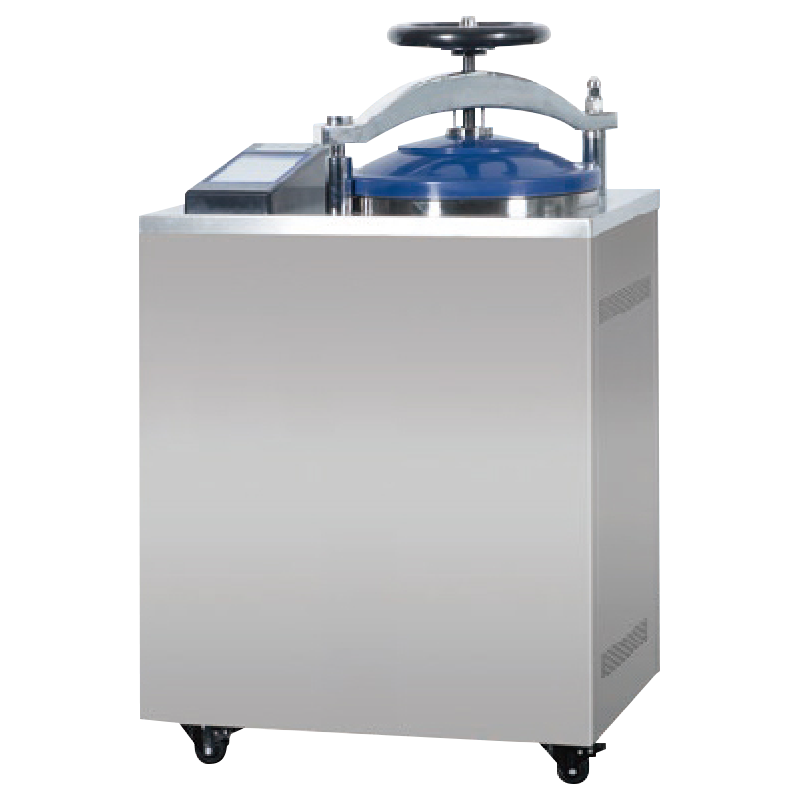
The Vertical Steam Sterilizer M Series (Pulsating Vacuum) is a safe and reliable sterilization solut...
See Details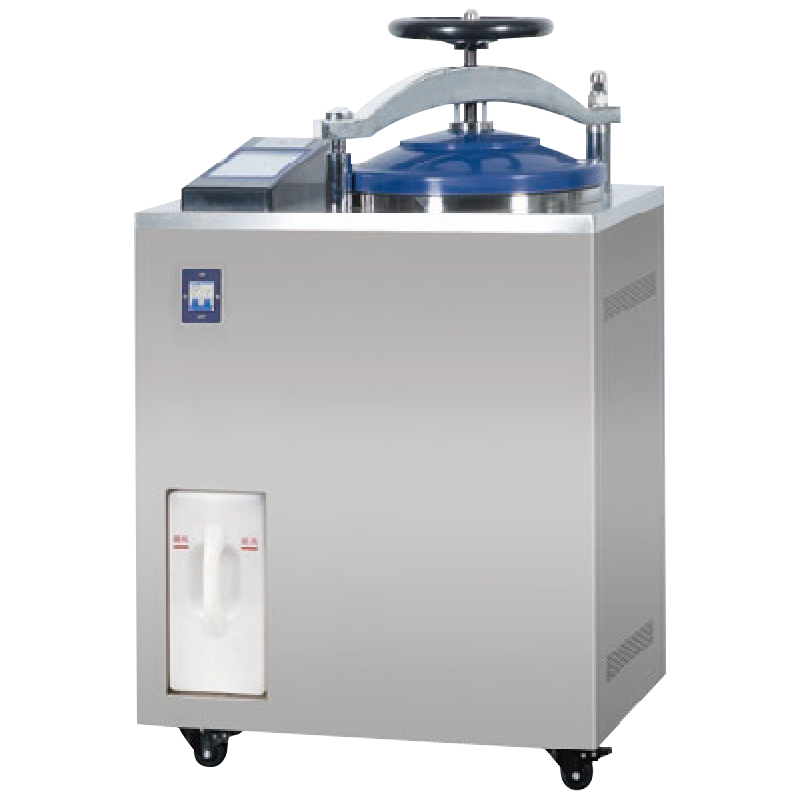
The Vertical Steam Sterilizer X Series (Multi-functional Laboratory Customized Model) offers a highl...
See Details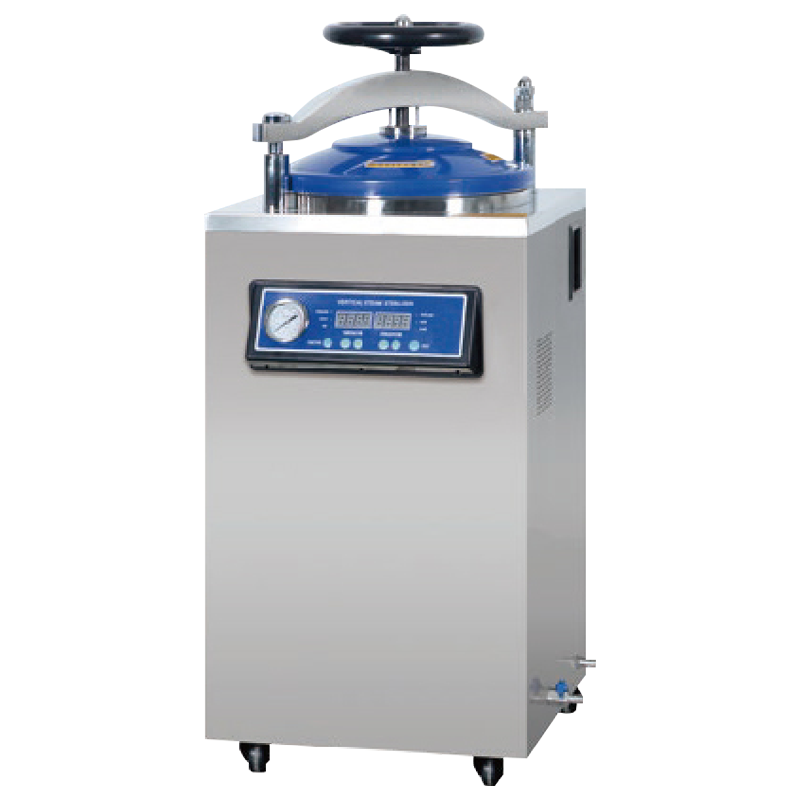
The Vertical Steam Sterilizer B Series offers a robust, automated solution for sterilizing a wide ra...
See Details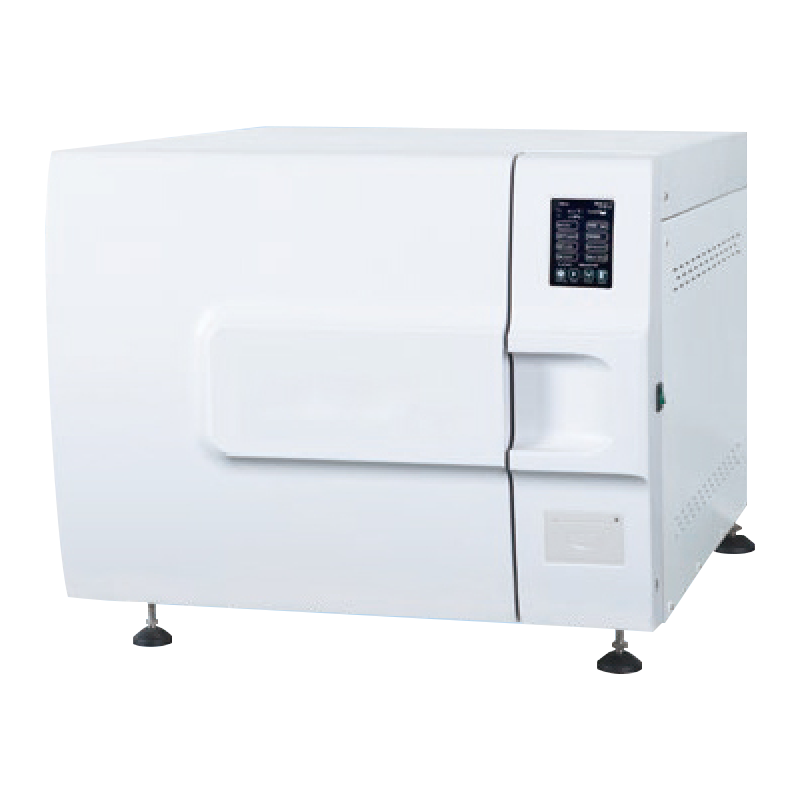
The Tabletop Steam Sterilizer Z Series is an efficient, user-friendly sterilization solution designe...
See Details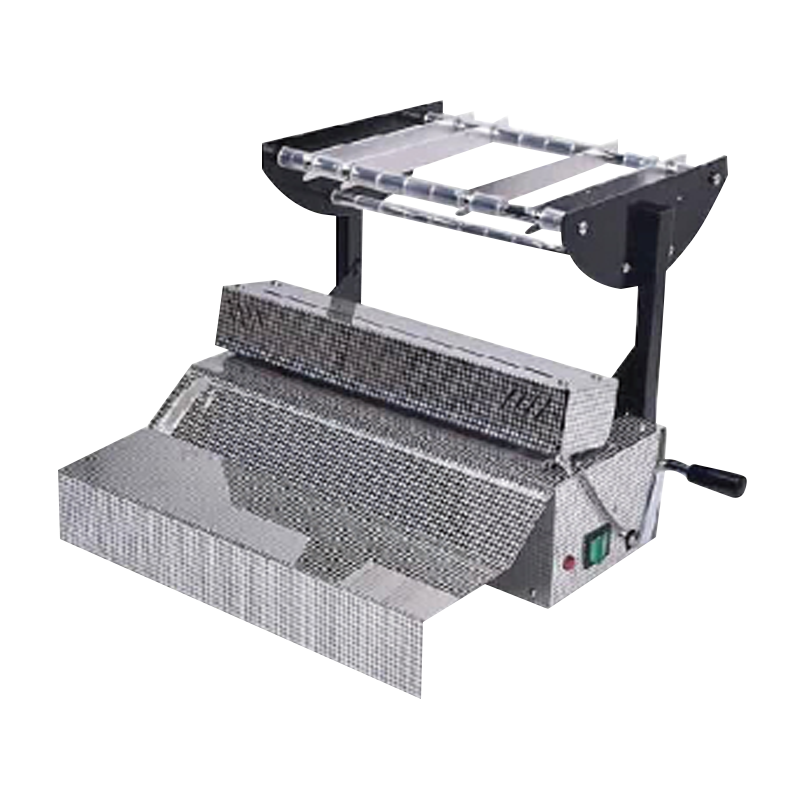
Product Usage:This type of sealing machine is used forsealing sterilizing bag, suitable for medicali...
See DetailsIntroduction to Sanitary Grade Sterilizer: Definition and Importance in Modern Sterilization Definit......
READ MOREIntroduction In today’s fast-paced world, ensuring the safety and sterility of products and material......
READ MOREIntroduction to Sterile Preparation Sterilizers What is Sterile Preparation? Sterile preparation ref......
READ MOREWhy Does Every Drug Require a Sterile Preparation Sterilizer? In modern medicine and pharmaceuticals......
READ MORE +(86) 18018151178
[email protected]
365 Nansha Sanjiali Road, Jingang Town, Zhangjiagang City, China
+(86) 18018151178
[email protected]
365 Nansha Sanjiali Road, Jingang Town, Zhangjiagang City, China
