 English
 русский
 Español
 عربى
عربى
 中文
中文

Sterile Preparation Sterilizer
Cat:Products
Water-bath type: The sterilized drugs are heated using water spraying using superheated water as the...
See Details

In hospitals, dental clinics, surgical centers, and research laboratories, the effective sterilization of instruments and materials is critical to patient safety and infection control. Among the various types of steam sterilizers (autoclaves), the pulse vacuum sterilizer – also known as a pre‑vacuum or dynamic air removal sterilizer – is widely regarded as the gold standard for applications requiring rapid, reliable, and deep steam penetration. Unlike older gravity displacement sterilizers that rely on natural buoyancy to remove air, pulse vacuum sterilizers use a series of vacuum pulses to actively extract air from the chamber and from porous or hollow loads before steam is introduced. This guide explains the technology, advantages, key parameters, and validation requirements for pulse vacuum sterilizers.
A pulse vacuum sterilizer is a steam autoclave equipped with a vacuum pump (or ejector) that removes air from the sterilization chamber before steam admission. The process consists of several phases: first, a vacuum phase pulls air out of the chamber. Then, steam is injected, followed by another vacuum pulse – this cycle repeats typically 3 to 7 times. Each pulse dilutes and removes more air, ensuring that virtually no air remains inside porous items, lumens, or wrapped packs. After the final air removal, the chamber is pressurized with saturated steam at temperatures of 121°C to 134°C for a set holding time. After sterilization, a deep vacuum drying phase removes moisture, leaving instruments and wrappings dry and ready for use or storage. This method is fundamentally different from gravity displacement, which simply pushes air out through a bottom drain – a process that often leaves air trapped in complex instruments.
Gravity displacement sterilizers are ineffective for wrapped instruments, porous loads (linens, towels), or hollow items with narrow lumens (e.g., laparoscopic devices, dental handpieces, suction tubes). The trapped air pockets prevent steam from reaching all surfaces. Pulse vacuum technology eliminates this problem by actively drawing air out before steam enters, allowing instantaneous and complete steam penetration. For this reason, regulatory bodies such as the International Standards Organization (ISO) and the European Union’s EN 13060 require pre‑vacuum or pulse vacuum cycles for sterilizing wrapped and porous items.
A typical gravity displacement cycle for wrapped instruments can take 45‑60 minutes, much of which is consumed by slow air removal and extended drying. Pulse vacuum sterilizers can complete a wrapped instrument cycle in just 20‑30 minutes. This faster turnaround is critical in busy surgical suites, dental clinics, and central sterile processing departments (CSSD), where instrument throughput directly affects patient care. The time savings come from efficient air evacuation and powerful vacuum drying, which leaves loads dry and ready to use without waiting for cooling.
Wet packs (moisture remaining on or inside packages after sterilization) are a major problem with gravity sterilizers. Moisture can wick microorganisms from outside to inside, compromising sterility. Pulse vacuum sterilizers end the cycle with a deep vacuum drying step that evaporates residual moisture, leaving instruments and wrappings dry. This is especially important for metal instruments, which hold heat and can create condensation if not properly dried. Dry packs can be stored for extended periods without risk of contamination or package degradation.
For any healthcare facility that wraps instruments for sterile storage – such as surgical trays, dental cassettes, or single‑use packs – a pulse vacuum sterilizer is mandatory in most accreditation standards (e.g., AAMI ST79, HTM 01‑05). Similarly, instruments with lumens (internal channels) cannot be reliably sterilized by gravity displacement. Pulse vacuum cycles, especially when combined with Bowie‑Dick testing to verify air removal, provide the assurance needed for these critical instruments.
| Parameter | Typical Description |
|---|---|
| Sterilization temperature | 121°C (250°F) or 134°C (273°F); 134°C cycles are faster (3‑5 min hold) |
| Vacuum pulses | 3 to 7 pulses per cycle (standard 3‑pulse for most loads, up to 7 for complex hollow items) |
| Vacuum level (absolute) | 0.1 – 0.5 bar (deep vacuum); removal of up to 98% of chamber air before steam |
| Chamber size (tabletop) | 12 – 60 liters (e.g., 18L, 24L, 45L for dental/medical clinics) |
| Chamber size (floor standing) | 80 – 200+ liters (CSSD, hospital central supply) |
| Pump type | Water ring vacuum pump (large units) or piston pump (tabletop models) |
| Cycle time (wrapped) | 20 – 35 minutes (including drying) |
| Drying vacuum pressure | 0.1 – 0.3 bar for 5 – 15 minutes |
| Control system | Microprocessor with program selection, data logging, printer port |
These compact units (12‑60 liter chamber capacity) are designed for dental clinics, small surgical centers, physicians’ offices, and veterinary clinics. They operate on standard electrical supplies (110‑240V) and feature integrated water reservoirs, eliminating the need for plumbing. Modern bench‑top models offer fully automatic cycles, built‑in printers, and user‑changeable sealing rings. They are certified to EN 13060 (European standard for small steam sterilizers).
Larger hospital‑grade units (80‑200+ liters) are used in central sterile supply departments. They are connected to facility steam or built‑in steam generators, and require three‑phase power. These units process multiple instrument trays simultaneously, and often include double doors (pass‑through design) for clean‑to‑sterile workflow. They comply with EN 285 (large sterilizer standard) and provide extensive documentation for regulatory compliance.
Some dental and small medical clinics use cassette‑type sterilizers where a small, removable cassette serves as both the chamber and the sterilizing container. They heat up extremely fast (2‑3 minutes) and are ideal for immediate use of a few instruments. However, they have limited capacity and are not suitable for wrapped packs or large instrument sets.
Pulse vacuum sterilizers must be validated before first use, after major repair, and annually thereafter. The most important test for pre‑vacuum sterilizers is the Bowie‑Dick test. This test uses a special test pack (or disposable Bowie‑Dick sheet) that is sensitive to residual air. If air is not properly removed, the test pack will show a non‑uniform color change (brown spotting). The Bowie‑Dick test must be run daily (or every day the sterilizer is used) on pre‑vacuum sterilizers. Additionally, a vacuum leak test is performed periodically to ensure the chamber and piping are tight. Biological indicators (Geobacillus stearothermophilus spore strips or vials) are used weekly to verify kill efficacy. All results must be recorded, and failed tests require immediate investigation.
If your facility sterilizes only unwrapped solid instruments, a gravity sterilizer might be adequate. However, if you process wrapped packs, porous materials (linens, towels), hollow instruments (dental handpieces, laparoscopic devices), or any items with lumens, a pulse vacuum sterilizer is essential. For a general dental practice, a 18‑24 liter bench‑top pulse vacuum unit is typical. For a hospital CSSD serving multiple operating rooms, a floor‑standing unit with 80‑150 liter capacity and double doors is required.
Bench‑top pulse vacuum sterilizers require a standard electrical outlet and a drain (or a built‑in water reservoir that is manually refilled). Floor‑standing units need dedicated power, water supply (softened water recommended), and a steam source (either building steam or an integrated generator). Ensure sufficient clearance for loading and maintenance, especially for pass‑through models.
For regulatory compliance, the sterilizer should record cycle parameters (temperature, pressure, time) and produce a printout or electronic log. Many modern units offer USB ports, Ethernet, or wireless connectivity to transfer logs to a central server or cloud‑based system. This feature significantly simplifies audits and accreditation reviews.
Pulse vacuum sterilizers contain more complex components (vacuum pumps, valves, electronic controls) than gravity units. Choose a brand with local service representatives, readily available spare parts, and a reliable warranty. Ask about preventive maintenance contracts, as regular servicing (e.g., pump oil change, seal replacement, calibration) is necessary for long‑term reliability.
Always load the sterilizer according to the manufacturer’s instructions – do not overload the chamber, and ensure that packs do not touch chamber walls. Use only approved wrapping materials (non‑woven polypropylene, medical grade paper) that allow steam penetration and vacuum drying. For hollow or lumened instruments, disassemble them as far as possible and position them so that condensate can drain. Run a Bowie‑Dick test at the start of each day. After a successful test, run the sterilization cycles. Always use chemical integrators inside each pack and biological indicators weekly. After the cycle, verify the printout for correct parameters. Allow the load to cool or dry for a few minutes before handling – hot wrapped packs can generate condensate inside. Keep a logbook of all cycles, test results, and maintenance actions. Staff should receive formal training on loading, cycle selection, and interpreting printouts.
This indicates air remaining in the chamber, often due to a faulty vacuum pump, leaking door gasket, or obstruction in the drain line. Perform a vacuum leak test – if the pressure rises more than 1‑2 mbar per minute, there is a leak. Clean the chamber drain and check gaskets. If problem persists, call service.
Possible causes: overloading, incorrect wrapping material (hydrophobic or too dense), insufficient drying time, or steam quality issues (excessive moisture in supply steam). Increase drying time parameter, reduce load density, or switch to recommended wrappers. Also ensure the vacuum pump is achieving adequate vacuum level.
This can be caused by a slow vacuum pump, clogged water lines, or mineral scale inside the generator. Check and replace pump oil (if oil‑sealed pump), clean water strainers, and descale the generator according to schedule. Also verify that incoming water pressure and quality meet specifications.
Modern pulse vacuum sterilizers have self‑diagnostic systems. Common errors include “door not sealed,” “water low,” or “temperature not reached.” Consult the manual; often the solution is simply refilling water, cleaning door seal, or waiting for chamber to preheat. For recurring errors, log the code and contact technical support.
In hospital CSSD, pulse vacuum sterilizers process surgical instrument trays, rigid containers, linens, and rubber goods. Operating rooms often have dedicated high‑speed pulse vacuum units (flash sterilizers) for immediate reprocessing of dropped or add‑on instruments. Dental clinics rely on bench‑top pre‑vacuum sterilizers for handpieces, burs, mirrors, and forceps, because these instruments have narrow lumens and need wrapped storage. Laboratories use pulse vacuum sterilizers for biohazardous waste, glassware, culture media, and sterilizing equipment that requires drying. Veterinary and research facilities similarly benefit from the rapid, dry cycles for surgical and diagnostic instruments. In all these settings, pulse vacuum technology provides the highest level of assurance.
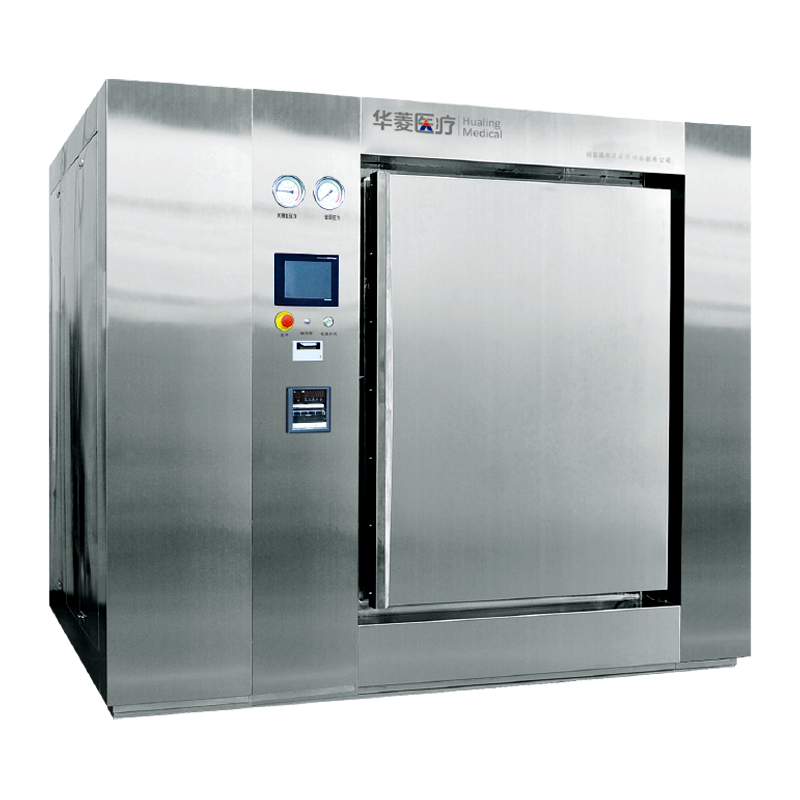
Water-bath type: The sterilized drugs are heated using water spraying using superheated water as the...
See Details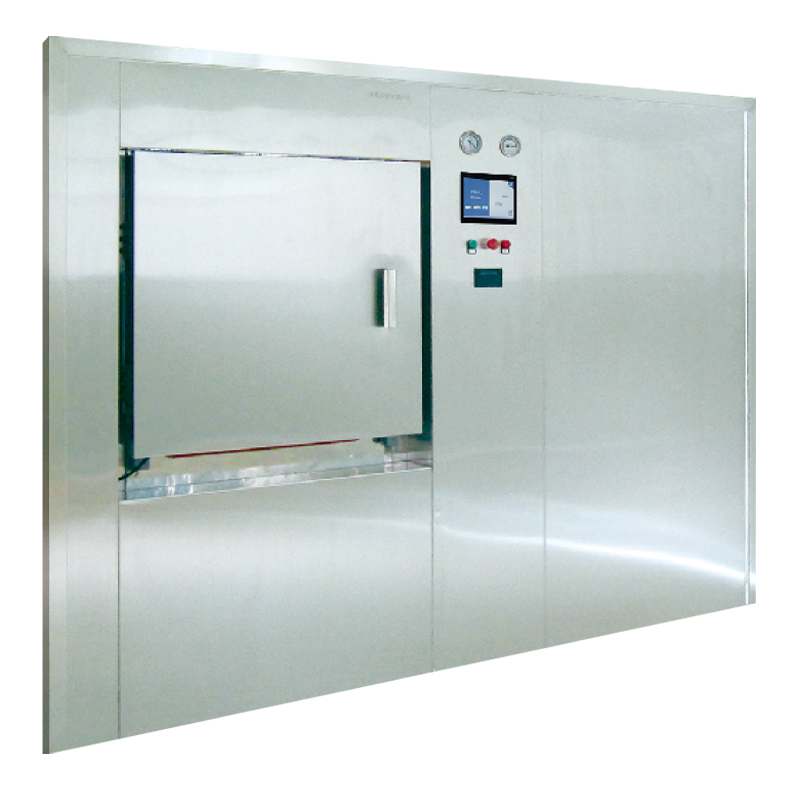
The sterilizer performs moist heat sterilization operations on items with saturated pure steam as th...
See Details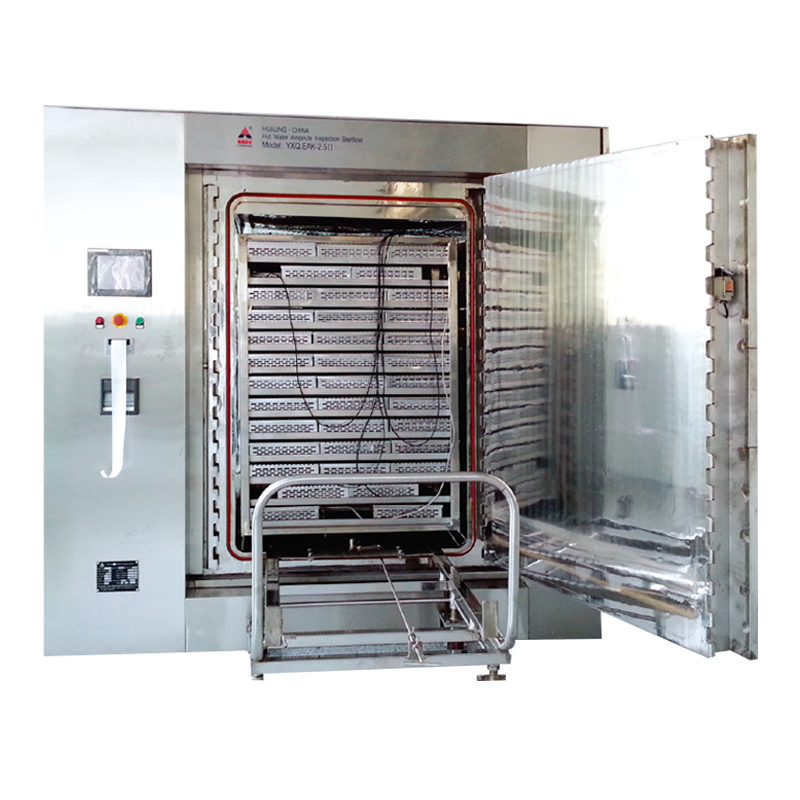
This sterilizer uses steam to sterilize, leak-detect, and clean for vials and ampoules.
See Details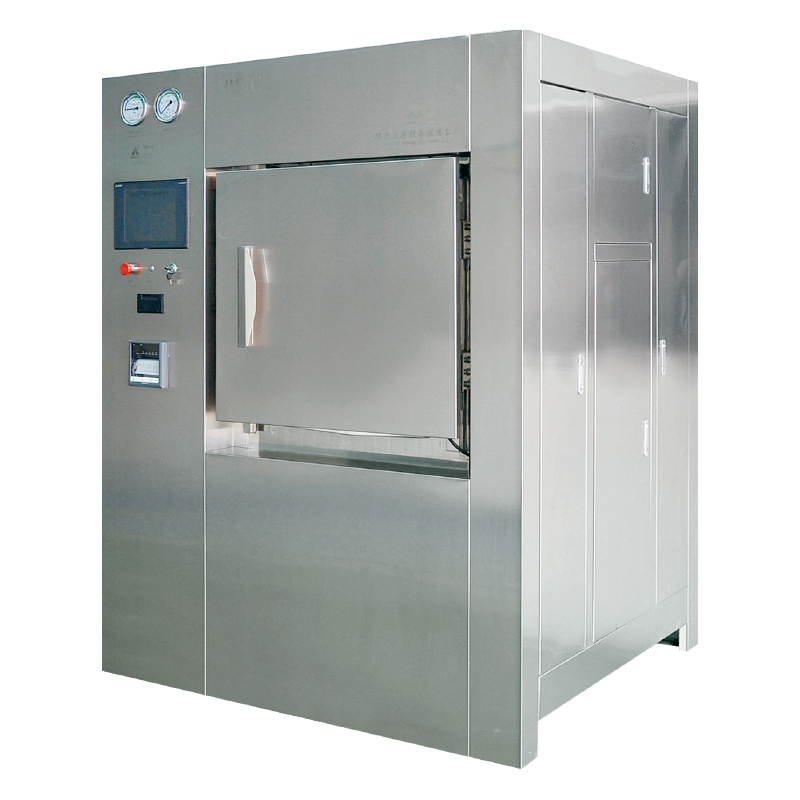
The sterilizer is to remove the impact of cold air on temperature using pulsation vacuum pumping wit...
See Details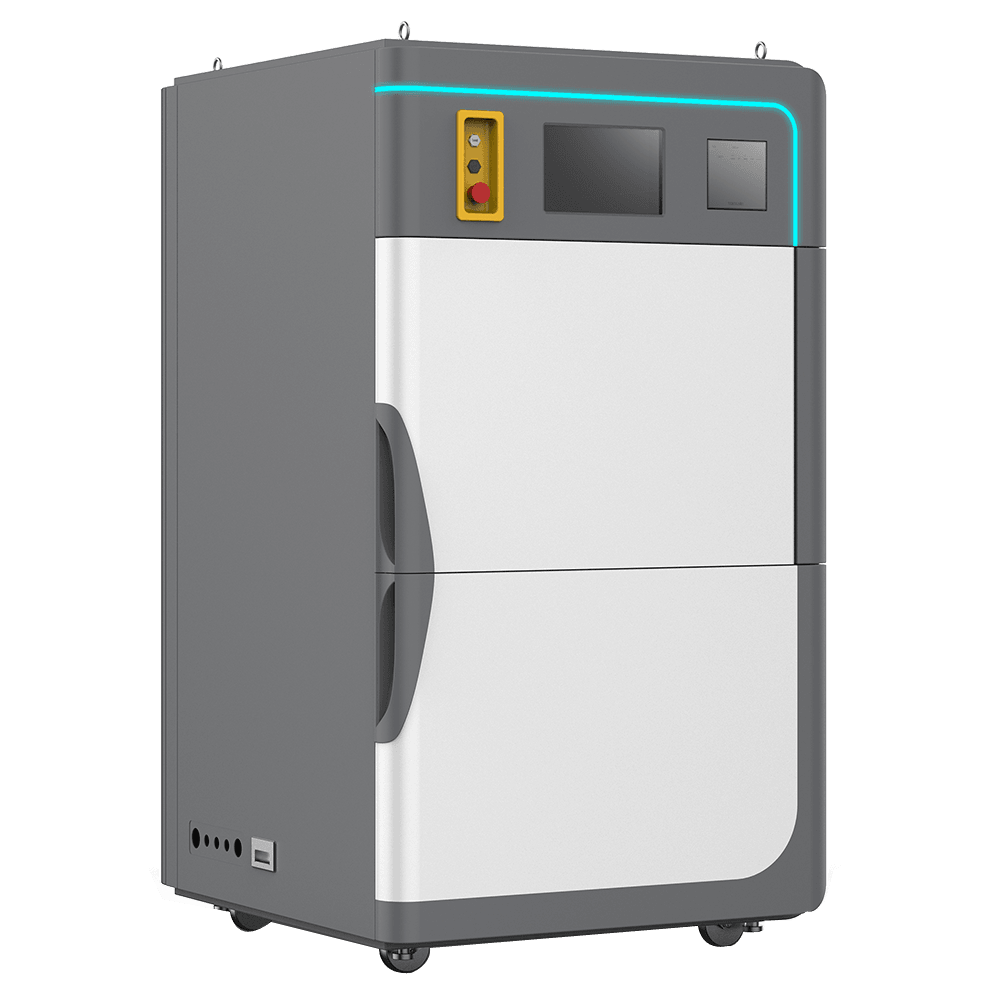
By the rapid penetration under vacuum conditions of a mixed gas of low-temperature (60℃ or 78℃) stea...
See Details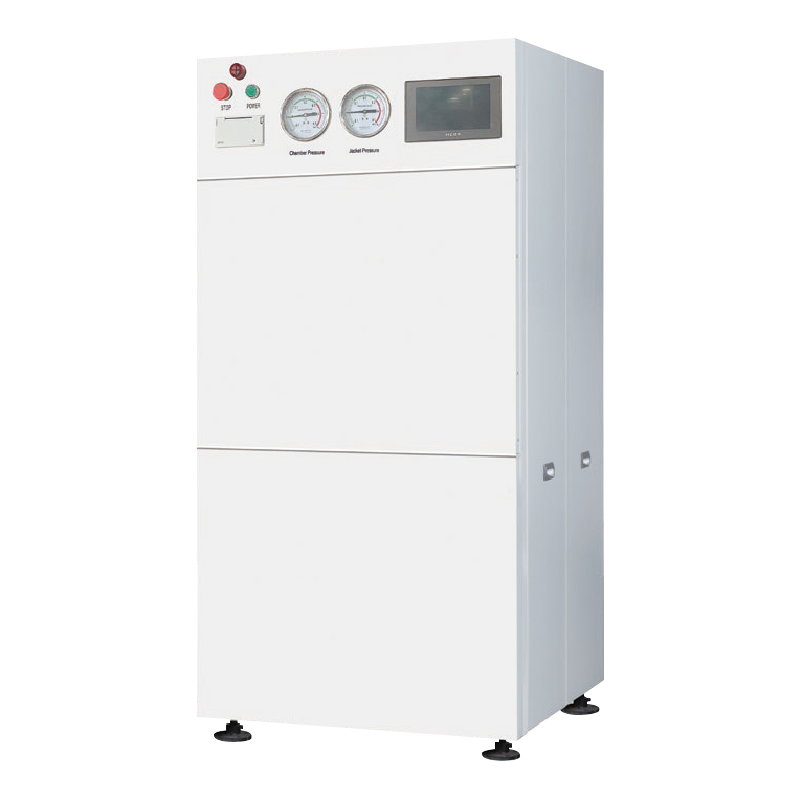
The Horizontal Steam Sterilizer utilizes saturated steam as the sterilizing medium, capitalizing on ...
See Details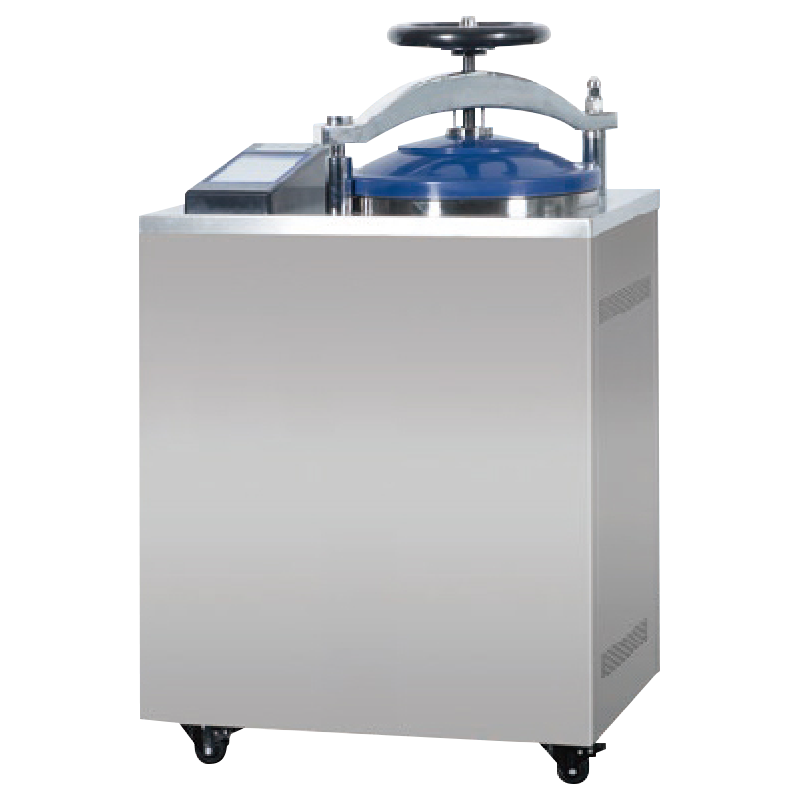
The Vertical Steam Sterilizer M Series (Pulsating Vacuum) is a safe and reliable sterilization solut...
See Details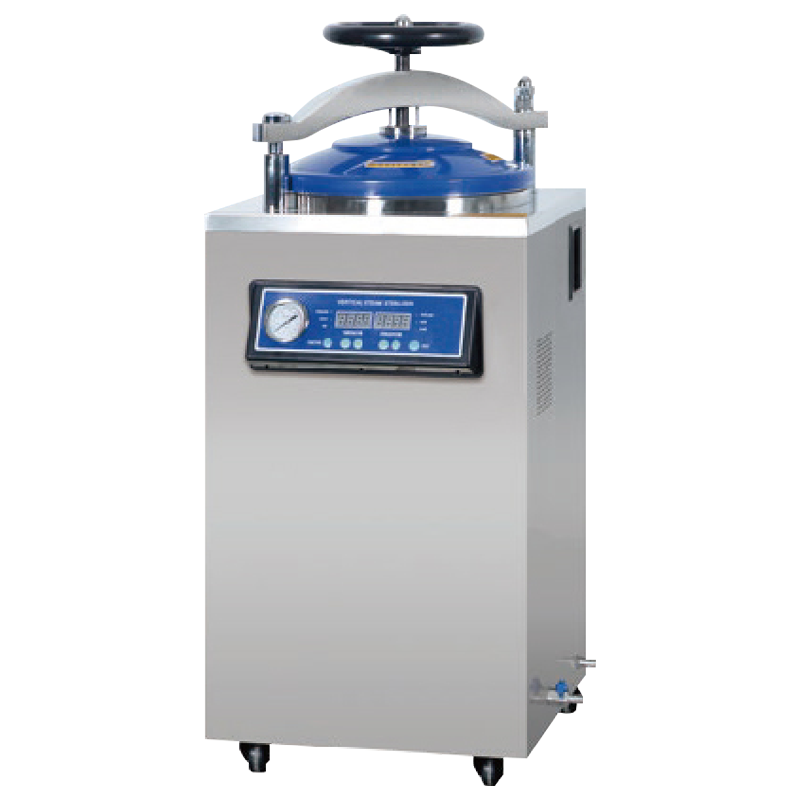
The Vertical Steam Sterilizer B Series offers a robust, automated solution for sterilizing a wide ra...
See Details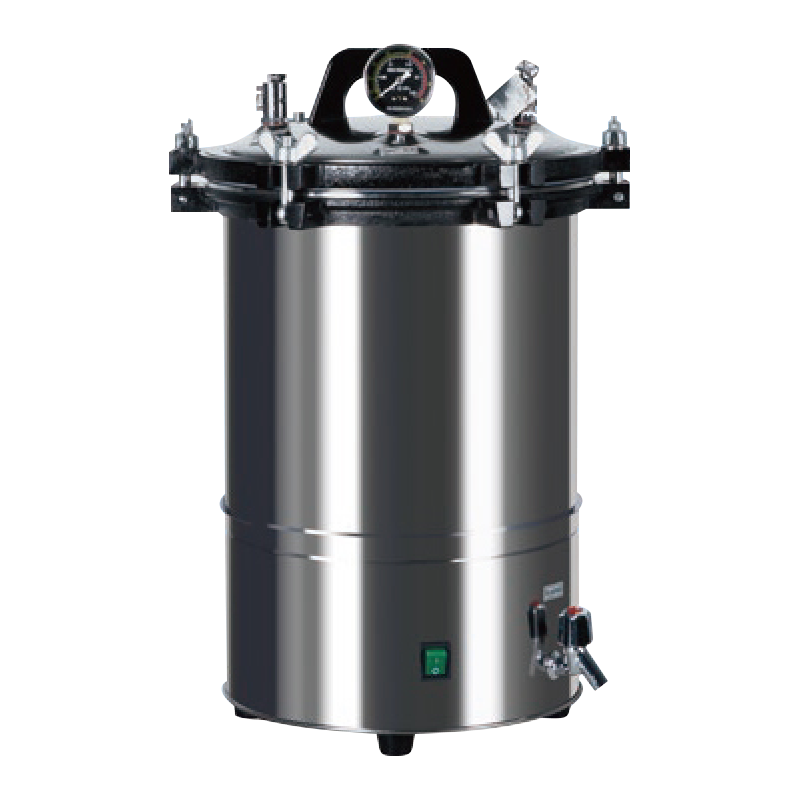
The Portable Pressure Steam Sterilizer Model YXQ.PPS-280A and A+ offers a compact and reliable solut...
See Details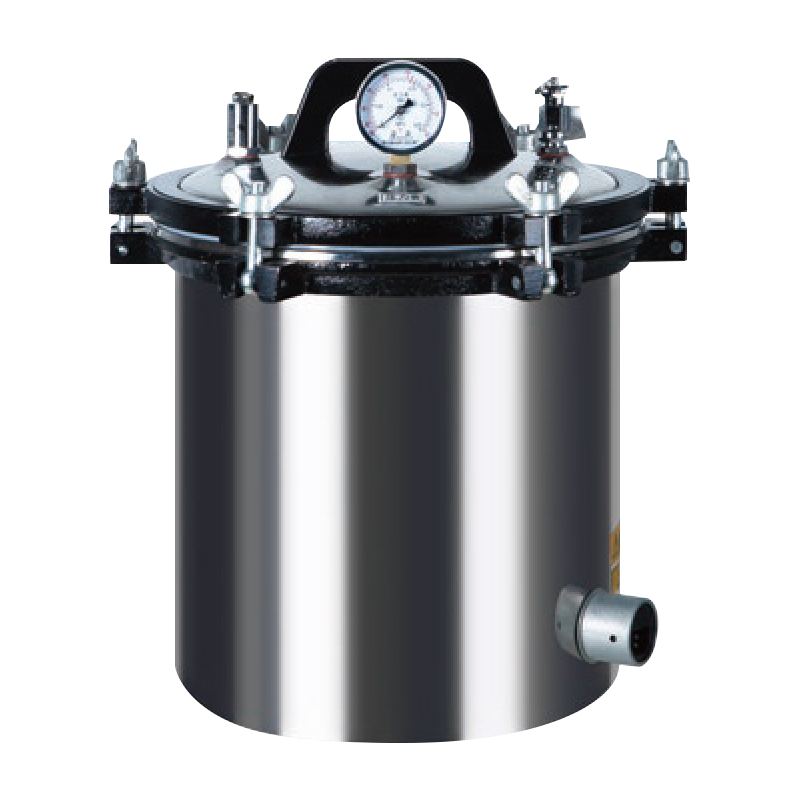
The YXQ.PPS-280C and C+ Portable Pressure Steam Sterilizer is a versatile dual-purpose sterilizer, o...
See DetailsIntroduction to Sanitary Grade Sterilizer: Definition and Importance in Modern Sterilization Definit......
READ MOREIntroduction In today’s fast-paced world, ensuring the safety and sterility of products and material......
READ MOREIntroduction to Sterile Preparation Sterilizers What is Sterile Preparation? Sterile preparation ref......
READ MOREWhy Does Every Drug Require a Sterile Preparation Sterilizer? In modern medicine and pharmaceuticals......
READ MORE +(86) 18018151178
[email protected]
365 Nansha Sanjiali Road, Jingang Town, Zhangjiagang City, China
+(86) 18018151178
[email protected]
365 Nansha Sanjiali Road, Jingang Town, Zhangjiagang City, China
