 English
 русский
 Español
 عربى
عربى
 中文
中文

Sanitary Grade Sterilizer
Cat:Products
The sterilizer performs moist heat sterilization operations on items with saturated pure steam as th...
See Details

In hospitals, compounding pharmacies, and research laboratories, the preparation of sterile products is a critical responsibility. Intravenous (IV) admixtures, ophthalmic solutions, irrigation fluids, and microbiological media must be free from any viable microorganism. The device that makes this possible is the sterile preparation sterilizer – a sophisticated autoclave designed specifically for heat‑sensitive and heat‑stable materials used in aseptic processing. Why is this equipment so essential for patient safety and regulatory compliance, and how does it differ from general laboratory autoclaves? This comprehensive article covers the types, working principles, validation requirements, and best practices for sterile preparation sterilizers.
A sterile preparation sterilizer is a compact, precisely controlled steam sterilizer (autoclave) intended for processing small to medium loads of sterile preparations such as empty containers, closures, tools, and sometimes terminally sterilized liquids. Unlike large central sterile supply department (CSSD) autoclaves, these units are often placed inside cleanrooms or IV rooms. They operate using saturated steam under pressure, achieving temperatures of 121°C to 134°C. Advanced models feature forced air removal (pre‑vacuum or pulsing vacuum) to ensure steam penetration into porous loads like filters or tubing. The sterilizer’s controls include programmable cycles, temperature and pressure sensors, and recording devices (printers or electronic logs) to meet documentation requirements of USP
Microbial contamination of IV admixtures or irrigations can lead to serious bloodstream infections, sepsis, or death. Sterile preparation sterilizers eliminate bacteria, fungi, and spores from equipment and containers used in compounding. For pharmacy‑prepared parenteral nutrition, chemotherapy, or epidural injections, sterilization is non‑negotiable. Using a validated sterilizer reduces infection risks to near zero.
Regulatory frameworks such as USP (General Chapter 797) in the US and Annex 1 of the EU GMP guide mandate that any equipment or component that contacts sterile products must be sterilized using validated processes. These sterilizers come with qualification protocols ( IQ, OQ, PQ) and routine performance monitoring. Without a suitable sterile preparation sterilizer, a pharmacy cannot be certified for high‑risk compounding levels.
Culture media, diluents, and laboratory glassware must be sterile before sterility testing. Dedicated sterilizers in quality control labs process media and rinse fluids without compromising the sensitivity of growth promotion tests. Small‑footprint benchtop models allow micro labs to maintain rapid turnaround while following strict aseptic policies.
| Parameter | Typical Description |
|---|---|
| Chamber capacity | 20 to 150 liters (bench-top and floor‑standing models) |
| Temperature range | 105°C – 134°C (steam sterilization cycles) |
| Maximum pressure | 2.0 – 2.5 bar (30 – 36 psi) |
| Air removal method | Pre‑vacuum (pulse) or gravity displacement; pulsing vacuum preferred for wrapped goods |
| Cycle types | Liquids (flexible containers), solids (empty vials, utensils), waste, Bowie‑Dick test |
| Control system | Microprocessor with color touch screen, data logging, USB/network export |
| Safety features | Door interlock, over‑temperature cut‑off, pressure relief valve, leak detection |
| Validation standards | ISO 17665, EN 285, ISO 13485, USP 1228 |
| Typical applications | sterilization of vials, caps, tubing, filters, gowning supplies, and small media volumes |
These entry‑level units rely on steam being lighter than air; steam pushes air out through a drain. They are suitable for non‑porous, open containers without air traps. However, they are not recommended for wrapped loads or items with lumens. Many pharmacies use gravity sterilizers only for empty glassware.
These high‑performance sterilizers use a vacuum pump to remove air before steam admission, typically performing 3‑7 vacuum pulses. They are mandatory for processing wrapped instruments, filters, syringes, and any steam‑permeable packaging. Pre‑vacuum cycles also shorten processing time and eliminate air pockets. For sterile preparation, this type is strongly preferred.
Liquid cycles use slower heating and cooling rates, plus pressure‑compensated exhaust to prevent boiling over or breakage of containers. These sterilizers are essential for preparing culture media, aqueous solutions, and IV fluids in flexible bags. Advanced models include load probe within a reference bottle to control sterilization temperature at the heart of the load.
Sterile preparation sterilizers must be validated before first use and revalidated annually or after major repairs. The validation process includes three key steps: Installation Qualification (IQ), Operational Qualification (OQ), and Performance Qualification (PQ). During PQ, temperature mapping is performed with at least 10‑12 sensors placed strategically inside the chamber and inside representative loads (e.g., filled vials or media bottles). Biological indicators (Geobacillus stearothermophilus spores) are placed at the coldest points. After validation, daily or weekly routine tests include:
All results must be recorded and retained according to hospital or regulatory policy. Digital sterilizers with integral printers or data management systems greatly facilitate compliance.
All items must be cleaned and dried before sterilization. Use only sterilization‑grade wrapping materials (non‑woven polypropylene, medical grade paper, or reusable textile wraps) that allow steam penetration. Do not overload; ensure that packaging does not touch chamber walls. For liquids, loosen caps or use vented closures to prevent overpressure.
Liquids in sealed flexible bags require a liquid cycle with slow depressurization. Empty glass vials with stoppers may use a solids/wrapped cycle. Following the sterilizer manufacturer’s recommendations for different load types is critical. Never use a gravity cycle for wrapped goods or a liquid cycle for dry packs.
For wrapped items, a drying phase (vacuum drying) removes condensation, ensuring package integrity and preventing wicking of microorganisms. For liquid loads, allow natural cooling in a laminar flow area or under filtered air to avoid recontamination. Confirm that sterility indicators show acceptable results before releasing loads.
Calibrate temperature and pressure sensors annually, or more often if the unit is used daily. Replace door gaskets, filters, and vacuum pump oil according to schedule. Clean the chamber and internal surfaces to prevent biofilm or scale buildup. Document all maintenance activities.
One frequent problem is wet packs after a dry goods cycle – often caused by inadequate drying time or overloading. Solutions include extending the dry phase, reducing load density, or servicing the vacuum pump. Another challenge is temperature deviation during liquid cycles; ensure that the reference bottle size matches the production load and that water quality is correct (use distilled or reverse osmosis water). If biological indicators remain positive after a cycle, review loading pattern, cycle parameters, and steam supply quality. Always involve a qualified service technician for complex faults.
When choosing a sterilizer, consider chamber size – bench‑top units (20‑60 L) suffice for small pharmacies, while larger facilities may need 80‑150 L models. Pre‑vacuum technology is mandatory if you plan to sterilize wrapped components or hollow items. Look for models with electronic documentation (paperless recording) to simplify validation. Ensure the sterilizer can be connected to a pure steam generator or your building’s clean steam supply if required. Finally, request validation assistance from the manufacturer – many reputable brands offer IQ/OQ/PQ services. With the right equipment, sterile preparation becomes safer, more consistent, and audit‑ready.
Sterile preparation sterilizers are far more than simple laboratory autoclaves. They are precision instruments at the heart of aseptic compounding, ensuring that every IV admixture, every ophthalmic solution, and every sterile culture medium meets the highest microbiological safety standards. By understanding the differences between gravity and pre‑vacuum units, adhering to validation protocols, and following best operating practices, pharmacies and laboratories can prevent contamination events and protect patients. As sterile compounding regulations continue to tighten worldwide, investing in a reliable, validated sterilizer is not just a compliance requirement – it is a commitment to excellence and safety.
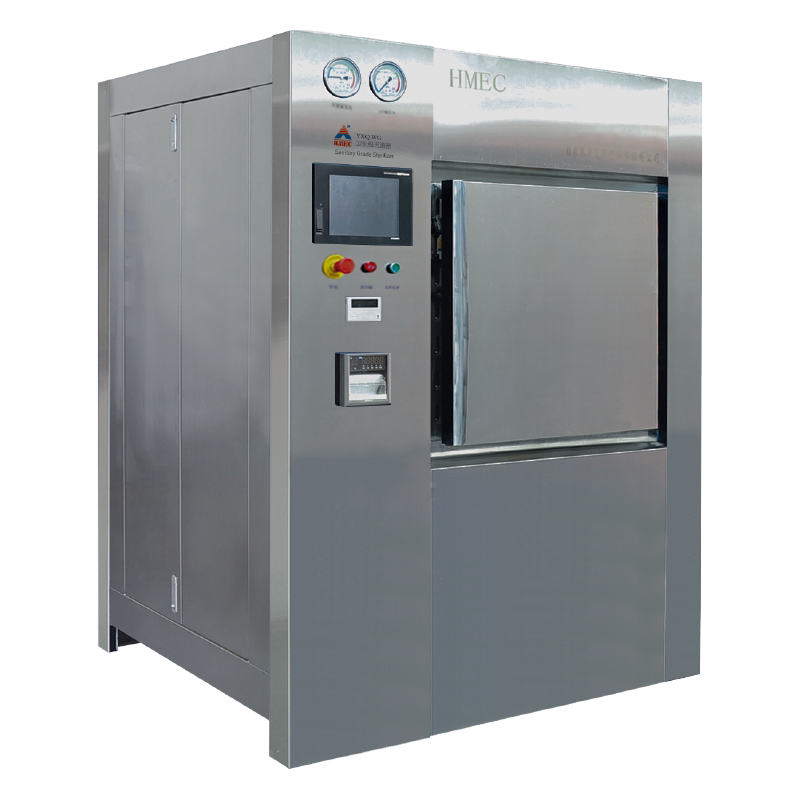
The sterilizer performs moist heat sterilization operations on items with saturated pure steam as th...
See Details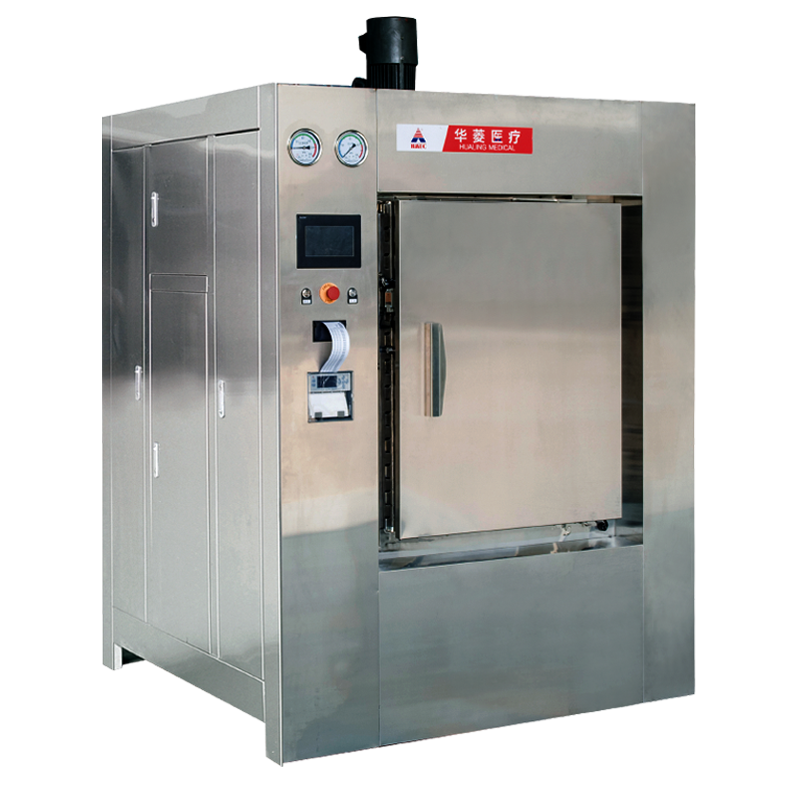
The sterilizer performs sterilization by means of mixing pressure of air and steam. Furthermore, mi...
See Details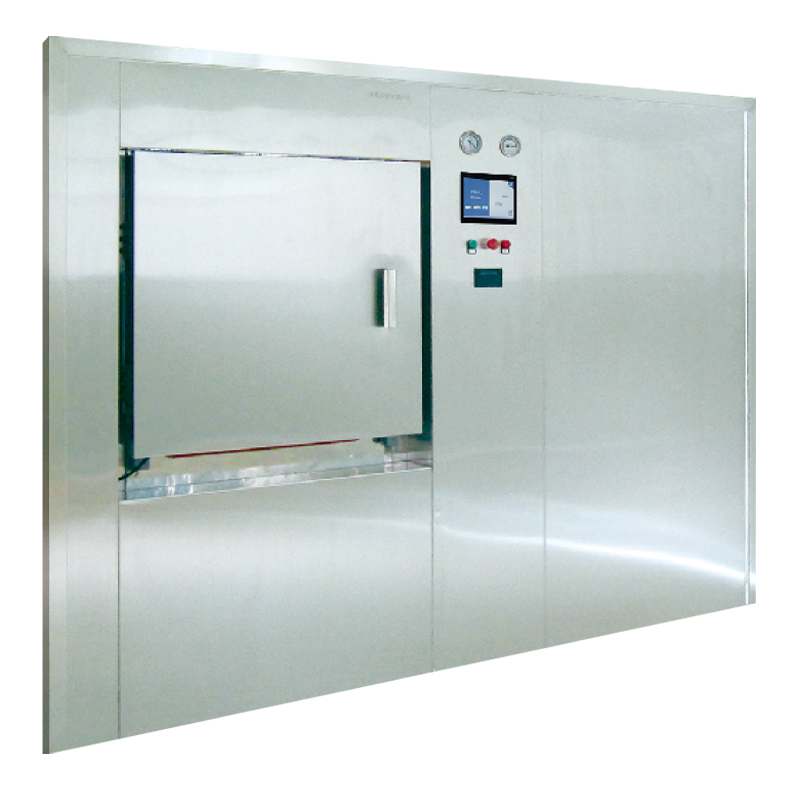
The sterilizer performs moist heat sterilization operations on items with saturated pure steam as th...
See Details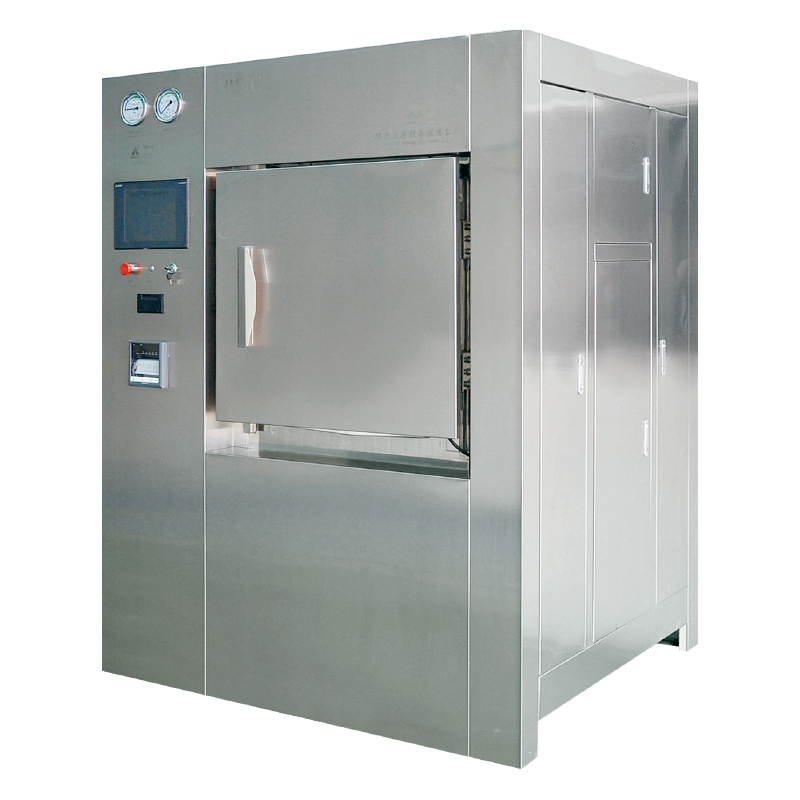
The sterilizer is to remove the impact of cold air on temperature using pulsation vacuum pumping wit...
See Details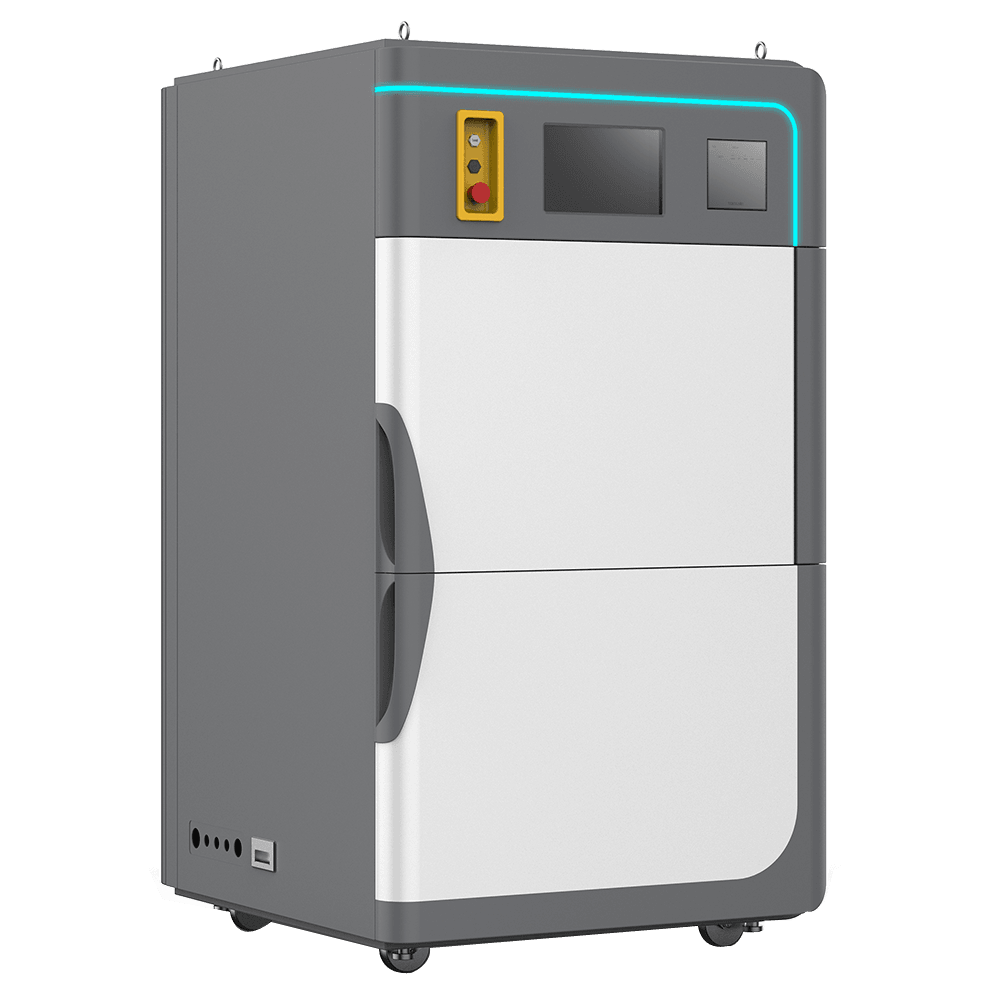
By the rapid penetration under vacuum conditions of a mixed gas of low-temperature (60℃ or 78℃) stea...
See Details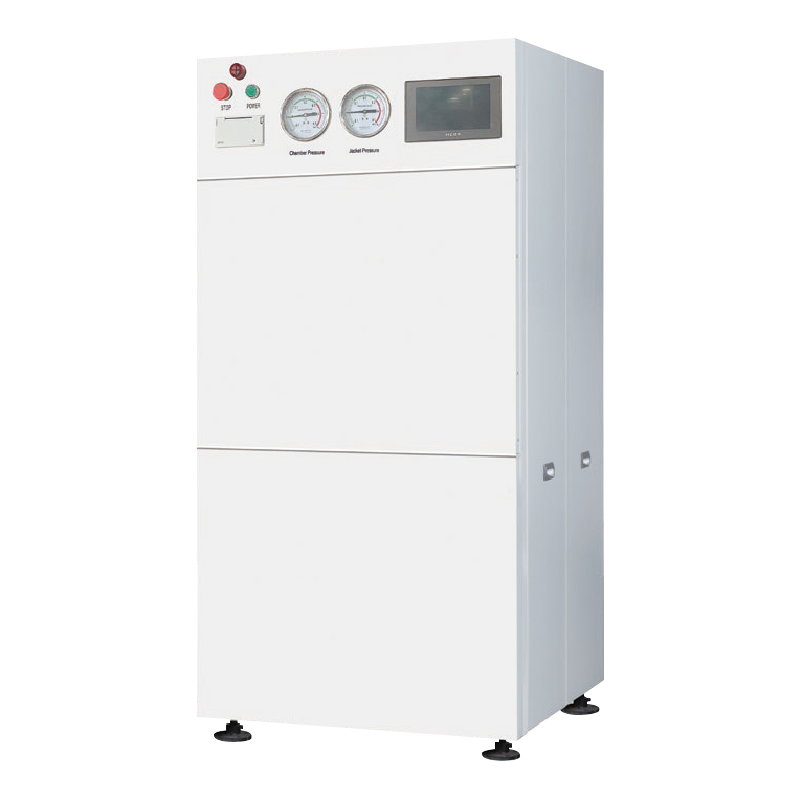
The Horizontal Steam Sterilizer utilizes saturated steam as the sterilizing medium, capitalizing on ...
See Details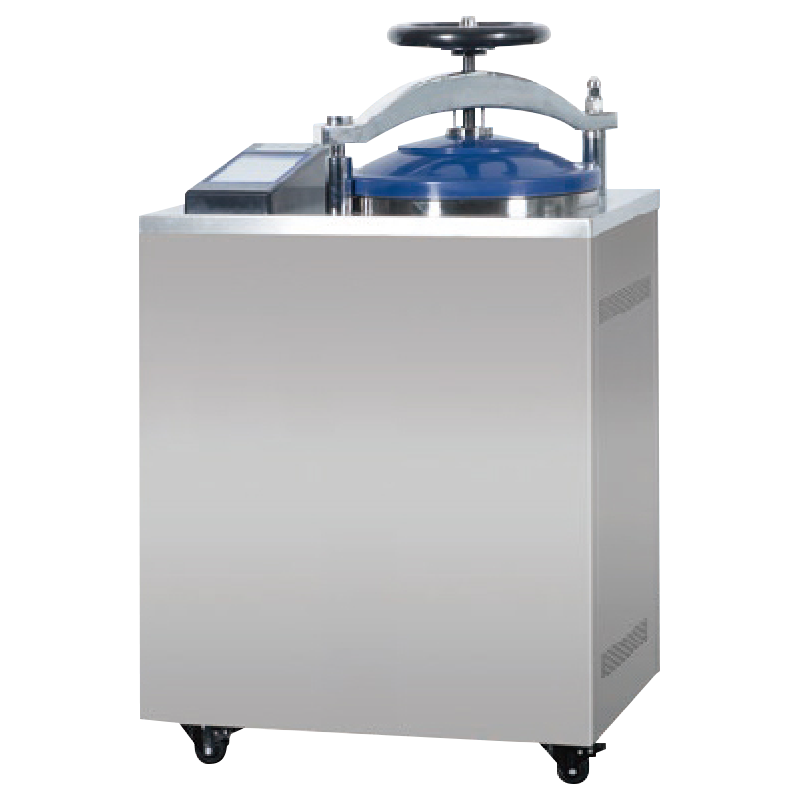
The Vertical Steam Sterilizer M Series (Pulsating Vacuum) is a safe and reliable sterilization solut...
See Details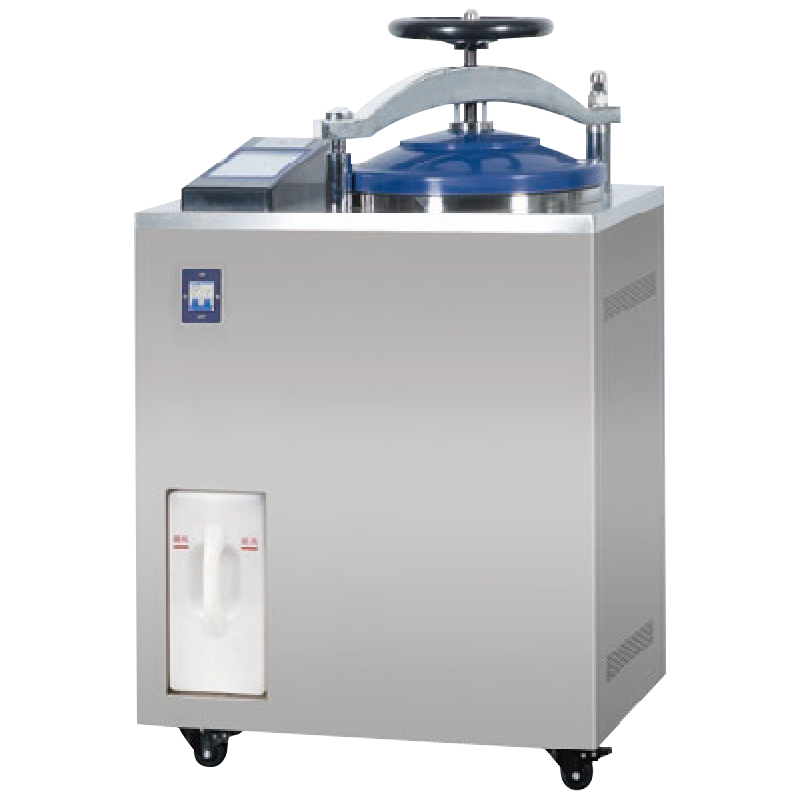
The Vertical Steam Sterilizer X Series (Multi-functional Laboratory Customized Model) offers a highl...
See Details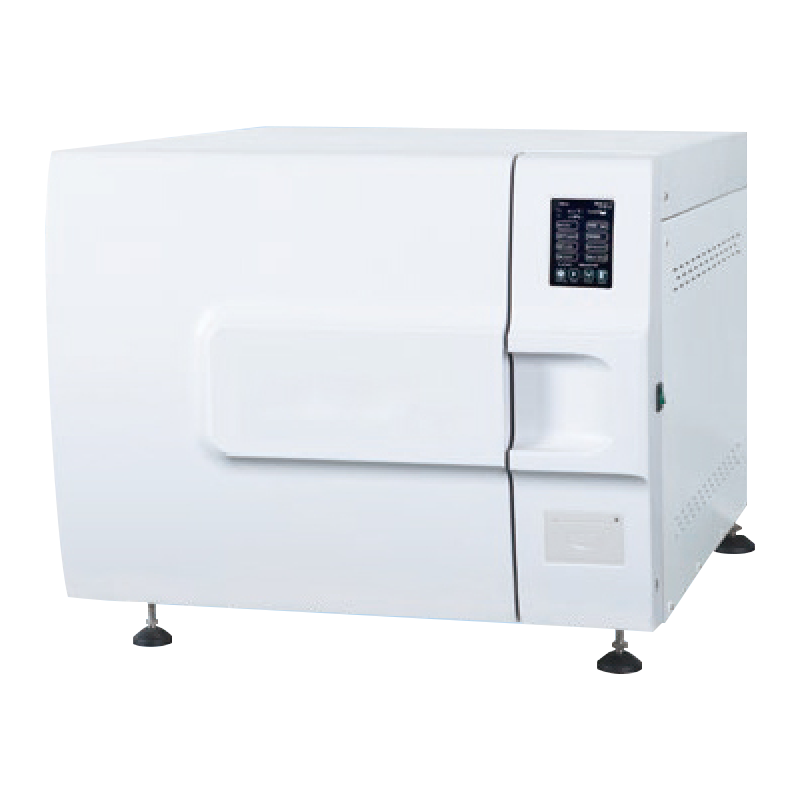
The Tabletop Steam Sterilizer Z Series is an efficient, user-friendly sterilization solution designe...
See Details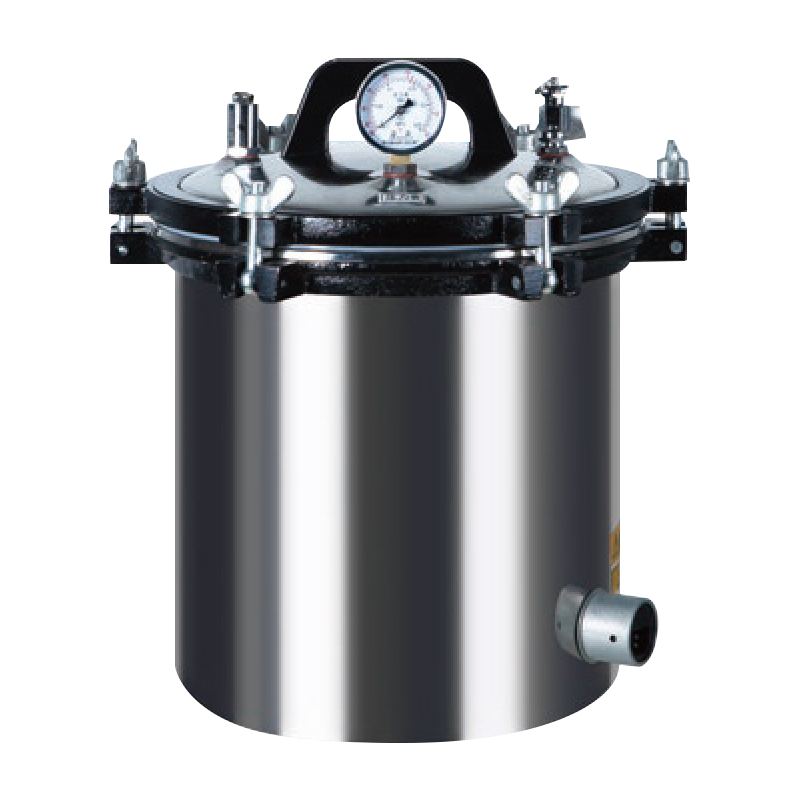
The YXQ.PPS-280C and C+ Portable Pressure Steam Sterilizer is a versatile dual-purpose sterilizer, o...
See DetailsIntroduction to Sanitary Grade Sterilizer: Definition and Importance in Modern Sterilization Definit......
READ MOREIntroduction In today’s fast-paced world, ensuring the safety and sterility of products and material......
READ MOREIntroduction to Sterile Preparation Sterilizers What is Sterile Preparation? Sterile preparation ref......
READ MOREWhy Does Every Drug Require a Sterile Preparation Sterilizer? In modern medicine and pharmaceuticals......
READ MORE +(86) 18018151178
[email protected]
365 Nansha Sanjiali Road, Jingang Town, Zhangjiagang City, China
+(86) 18018151178
[email protected]
365 Nansha Sanjiali Road, Jingang Town, Zhangjiagang City, China
