 English
 русский
 Español
 عربى
عربى
 中文
中文

Sanitary Grade Sterilizer
Cat:Products
The sterilizer performs moist heat sterilization operations on items with saturated pure steam as th...
See Details

In the critical manufacturing environments of biotechnology and aseptic food processing, the Sanitary Grade Sterilizer stands as the primary line of defense against microbial contamination. Unlike standard industrial autoclaves, a sanitary-grade system is defined by its obsessive focus on eliminating "dead legs"—areas where bacteria could potentially hide and proliferate. The engineering of a Sanitary Grade Sterilizer requires the use of high-luster 316L stainless steel, orbital welding techniques, and tri-clamp fittings to ensure that the entire fluid pathway remains sterile and easy to clean. This analysis explores the core principles of high-purity steam distribution, the integration of Clean-in-Place (CIP) systems, and the rigorous validation protocols that ensure these sterilizers meet the world's most demanding health and safety standards.
|
Technical Property |
Specification Details |
Operational Benefit |
|---|---|---|
|
Surface Finish |
Ra ≤ 0.4 μm (Electro-polished) |
Prevents bacterial adhesion and facilitates sanitization |
|
Piping Connection |
Sanitary Tri-Clamp / DIN 11851 |
Leak-proof, crevice-free, and rapid disassembly |
|
Filtration System |
0.22 μm Hydrophobic PTFE Filter |
Ensures absolute air sterility during vacuum breaking |
|
Valve Configuration |
Diaphragm Valves (Zero Dead Leg) |
Eliminates stagnant zones in fluid pathways |
The design philosophy of a Sanitary Grade Sterilizer is rooted in the prevention of bio-film formation and the assurance of complete thermal penetration. Every internal component must be accessible to the sterilizing medium and capable of being fully drained.
High-Purity Metallurgy and Surface Topography: The interior chamber and all process piping of a Sanitary Grade Sterilizer are strictly constructed from 316L stainless steel. This low-carbon molybdenum alloy is chosen for its exceptional resistance to the pitting corrosion caused by pure steam and aggressive sanitizing chemicals. To further enhance its "cleanability," the surfaces undergo electro-polishing to achieve a roughness average (Ra) of less than 0.4 micrometers. This mirror-like finish is not merely aesthetic; it eliminates microscopic pits where spores and proteins could remain trapped after a cycle. By reducing the surface surface area at a microscopic level, the sterilizer ensures that the lethality of the steam is applied directly to the contaminants without obstruction.
Elimination of Dead Zones and Sanitary Fitting Logic: A defining technical requirement for any Sanitary Grade Sterilizer is the strict adherence to the "3D" or "2D" rule regarding dead legs (stagnant piping sections). Every valve and sensor port is designed to be as close to the main flow path as possible. Traditional threaded pipes are strictly forbidden due to the risk of material buildup in the threads. Instead, the system utilizes sanitary tri-clamp fittings with medical-grade silicone or EPDM gaskets that are flush with the internal diameter. This "crevice-free" architecture ensures that during the sterilization phase, the saturated steam can reach every square millimeter of the system, leaving no "cold zones" where pathogens might survive the cycle.
Drainability and Slope Engineering: For a Sanitary Grade Sterilizer to remain sterile, it must be capable of removing all condensate and moisture at the end of a cycle. This is achieved through precision slope engineering, where all horizontal piping is angled at a minimum of 1% to 2% toward a central drain point. The chamber floor is also typically sloped or concave to facilitate the complete evacuation of water. This prevents "puddling," which is a major source of re-contamination during the cooling and drying phases. The use of zero-dead-leg diaphragm valves at the drainage points ensures that the seal occurs directly at the wall of the pipe, maintaining the integrity of the sterile boundary throughout the entire process.
The efficacy of a Sanitary Grade Sterilizer is not just in its hardware, but in its ability to execute complex thermodynamic recipes with absolute repeatability and documented accuracy.
Advanced Pulsing Vacuum Systems for Air Removal: Air is the primary enemy of steam sterilization because it acts as an insulator, preventing steam from reaching the core of porous loads or hollow instruments. The Sanitary Grade Sterilizer utilizes a high-efficiency liquid ring vacuum pump to perform a series of "fractionated vacuum pulses." These pulses involve removing air and then injecting steam to "flush" the remaining pockets of non-condensable gases. By achieving a vacuum level of nearly -0.9 bar, the system ensures that when the final sterilization phase begins, the chamber contains 100% pure saturated steam. This high-purity environment is essential for reaching the required Sterility Assurance Level (SAL) of 10^-6, particularly when processing complex tubing or pharmaceutical filters.
PID-Controlled Thermal Stabilization and F0 Monitoring: Once the air is removed, the Sanitary Grade Sterilizer enters the heating and holding phase. This is managed by a Proportional-Integral-Derivative (PID) controller that modulates the steam inlet valves with millisecond precision. This avoids temperature "overshoot," which could damage heat-sensitive biological products. Modern sanitary systems also calculate the "F0 value" in real-time. This mathematical calculation integrates the time the load spends above 121.1°C to determine the total microbial lethality. If the system detects a slight temperature drop, it can automatically extend the hold time to compensate, ensuring that every batch is guaranteed to be sterile regardless of minor fluctuations in the steam supply.
Hepa-Filtered Drying and Pressure Equalization: The final stage of the Sanitary Grade Sterilizer cycle is the drying and vacuum breaking phase. After the steam is exhausted, a vacuum is drawn to flash-evaporate any residual moisture from the load. As the chamber returns to atmospheric pressure, air must be let back in. To prevent re-contaminating the sterile load, the air passes through a 0.22-micrometer hydrophobic HEPA filter. These filters are specifically designed to trap 99.99% of bacteria and viruses while remaining dry even in high-humidity environments. The control system monitors the integrity of these filters and ensures that the pressure equalization happens at a controlled rate to prevent "implosion" or "shattering" of glass containers inside the chamber.
In the pharmaceutical and biotech sectors, a process is not considered sterile unless it is proven to be so through exhaustive documentation. The Sanitary Grade Sterilizer is engineered to provide a "paper trail" for every second of its operation.
21 CFR Part 11 and Data Integrity Standards: The control interface of a Sanitary Grade Sterilizer must comply with international data integrity laws, most notably FDA 21 CFR Part 11. This requires that every cycle report is electronically signed and stored in a tamper-proof format. The system tracks every user action through an "Audit Trail," noting who started a cycle, who changed a parameter, and any alarms that occurred. This level of transparency is vital during regulatory inspections, as it allows manufacturers to prove that their sterilization processes are consistent and that no unauthorized modifications were made to validated recipes.
Thermometric Mapping and Biological Indicators: To validate the performance of a Sanitary Grade Sterilizer, engineers perform "thermometric mapping." This involves placing up to 12 or more high-precision thermocouples throughout the chamber—including the most difficult-to-heat "cold spots"—to prove that the temperature is uniform. Simultaneously, biological indicators (BIs) containing Geobacillus stearothermophilus spores are placed in the load. After the cycle, these BIs are incubated to confirm that no spores survived. A successful validation proves that the mechanical and thermodynamic performance of the sterilizer is capable of delivering the required lethal dose of heat to every corner of the chamber.
GAMP 5 Guidelines and Sanitary Maintenance: The software and hardware of a Sanitary Grade Sterilizer are developed following GAMP 5 (Good Automated Manufacturing Practice) guidelines. This lifecycle approach ensures that the equipment is designed, built, and tested in a logical and documented manner. From a maintenance perspective, the sanitary grade components are designed for easy replacement and inspection. Diaphragms in the valves can be swapped without removing the valve body, and sensors are mounted in tri-clamp ports for easy calibration. This ensures that the sterilizer remains in its "validated state" for many years, providing a reliable and safe solution for the most sensitive manufacturing tasks in the modern health industry.
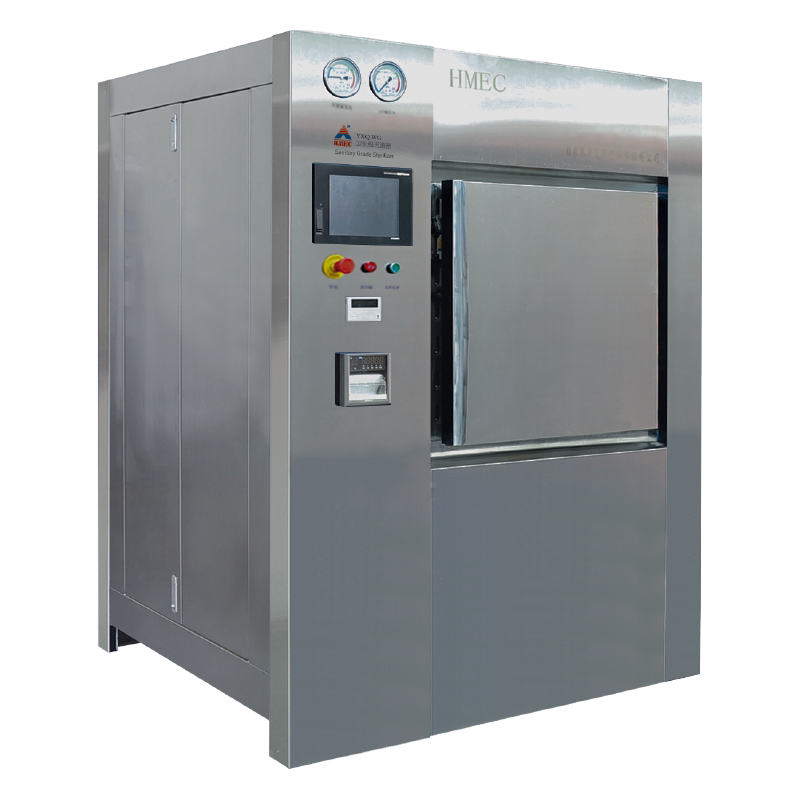
The sterilizer performs moist heat sterilization operations on items with saturated pure steam as th...
See Details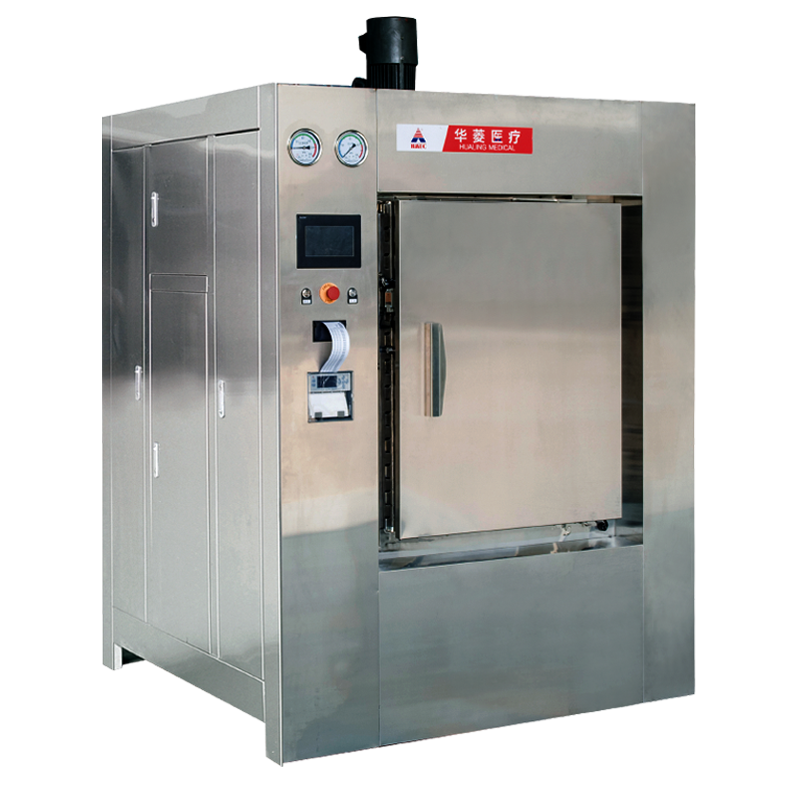
The sterilizer performs sterilization by means of mixing pressure of air and steam. Furthermore, mi...
See Details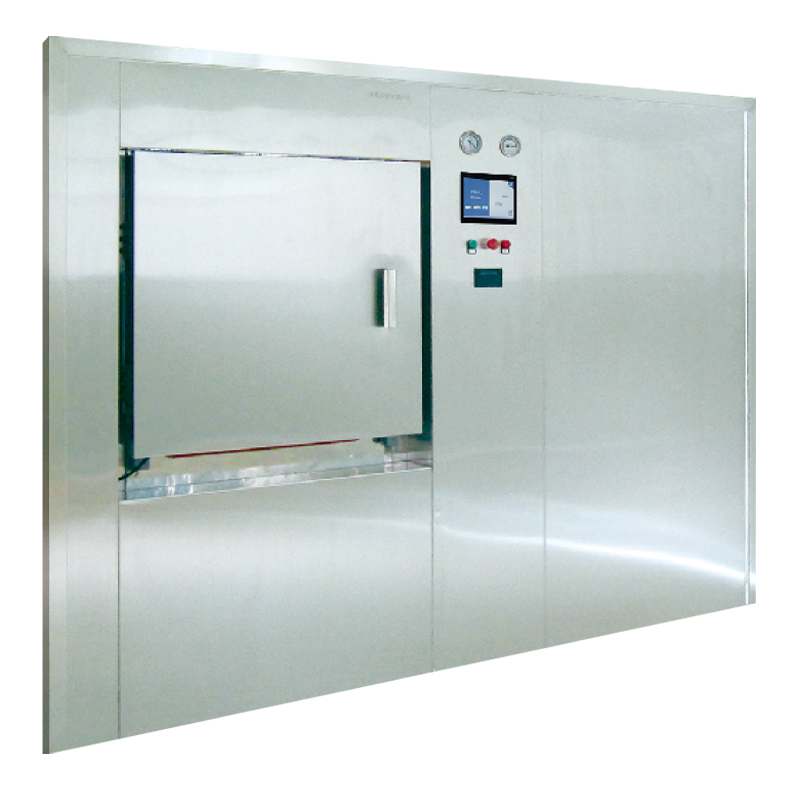
The sterilizer performs moist heat sterilization operations on items with saturated pure steam as th...
See Details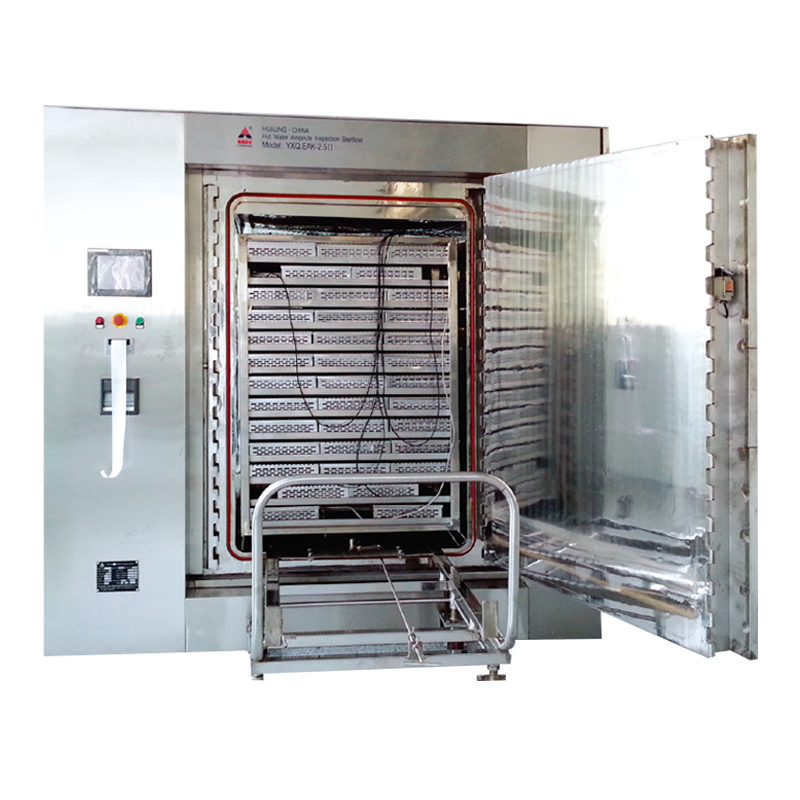
This sterilizer uses steam to sterilize, leak-detect, and clean for vials and ampoules.
See Details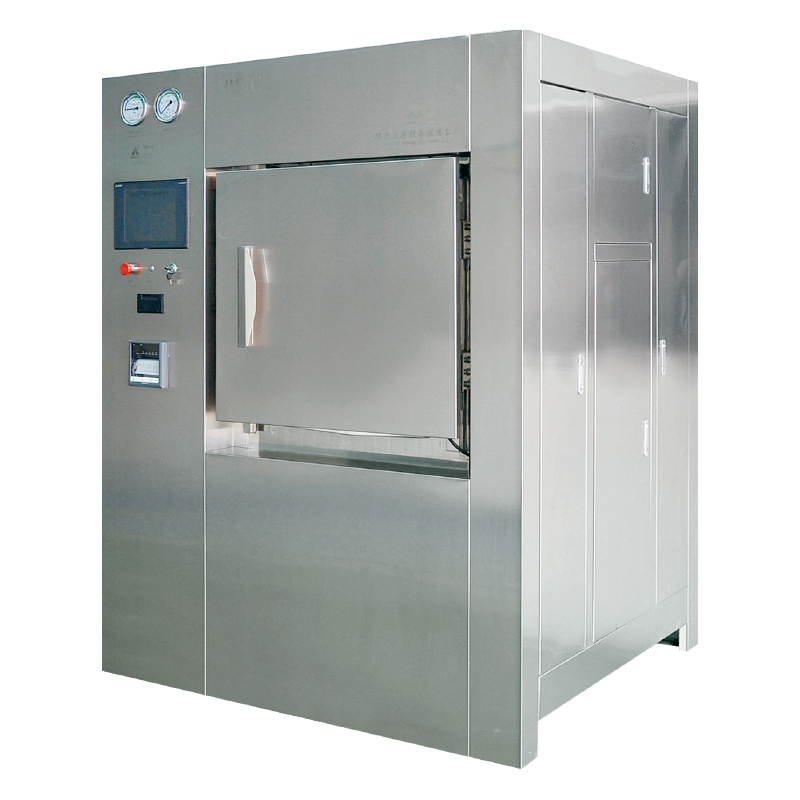
The sterilizer is to remove the impact of cold air on temperature using pulsation vacuum pumping wit...
See Details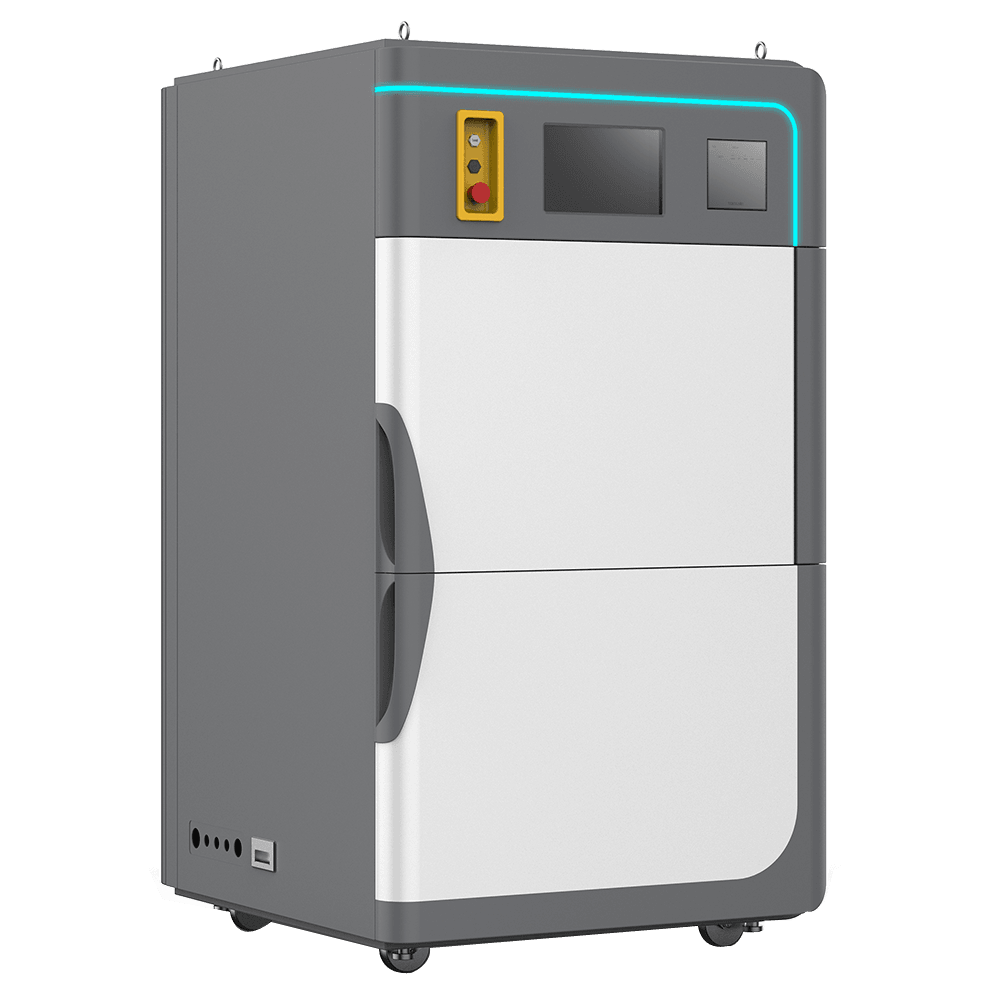
By the rapid penetration under vacuum conditions of a mixed gas of low-temperature (60℃ or 78℃) stea...
See Details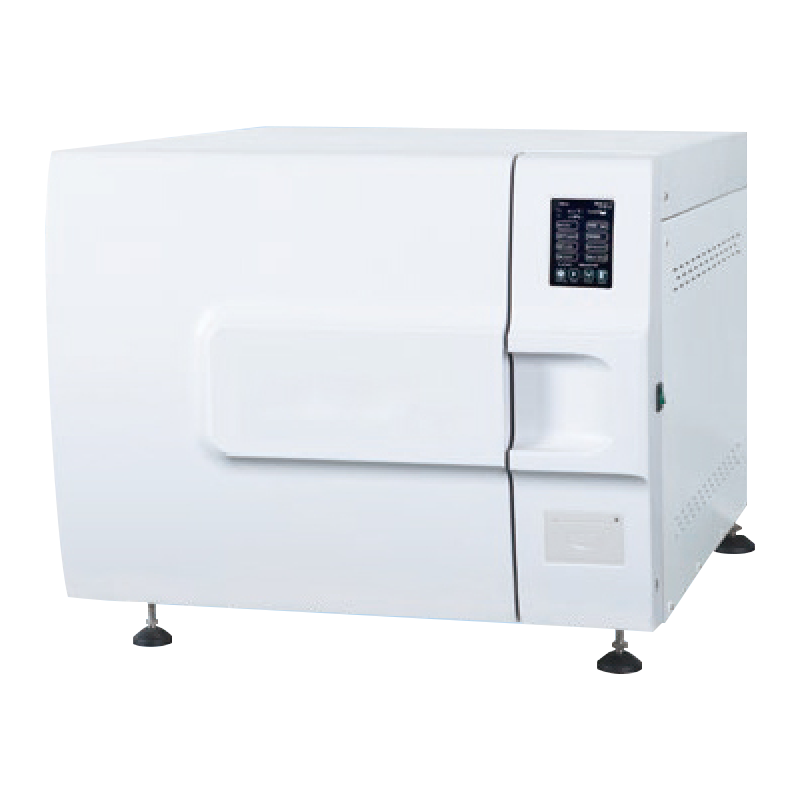
The Tabletop Steam Sterilizer Z Series is an efficient, user-friendly sterilization solution designe...
See Details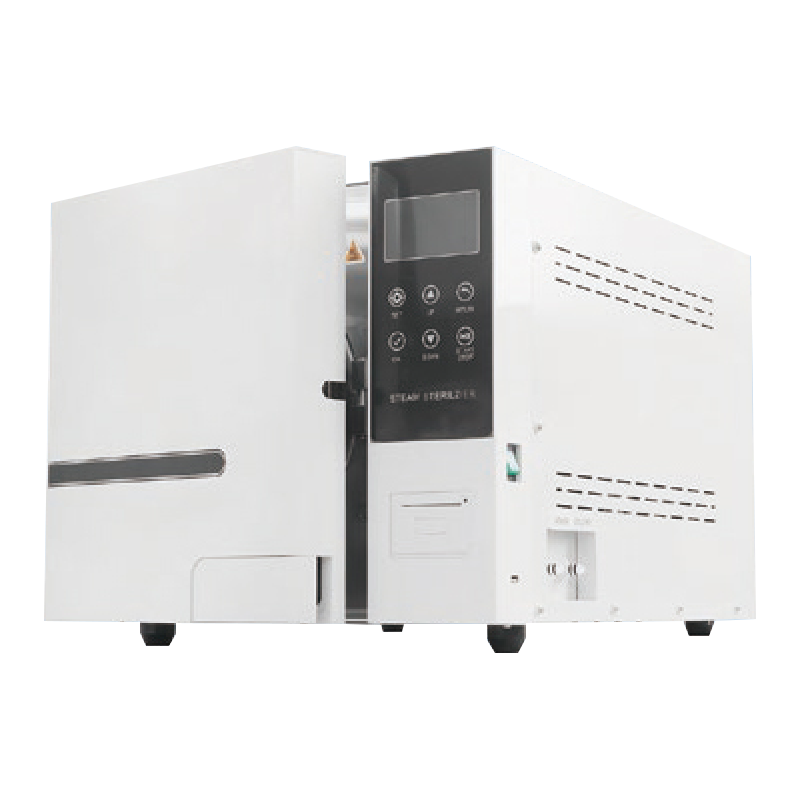
The Tabletop Steam Sterilizer YXQ.DX-X Series is a highly efficient and compact solution designed fo...
See Details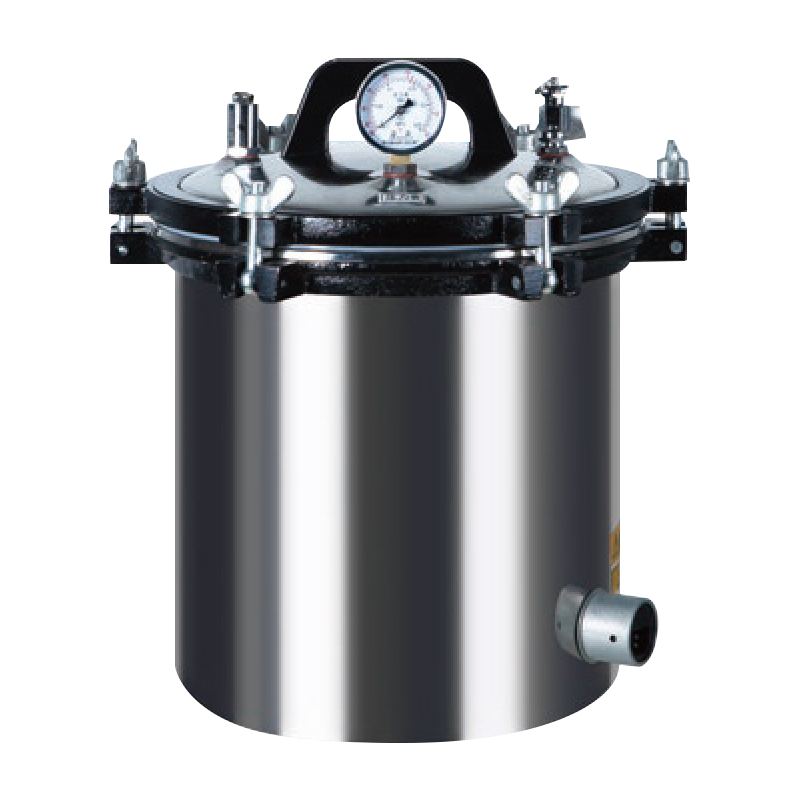
The YXQ.PPS-280C and C+ Portable Pressure Steam Sterilizer is a versatile dual-purpose sterilizer, o...
See Details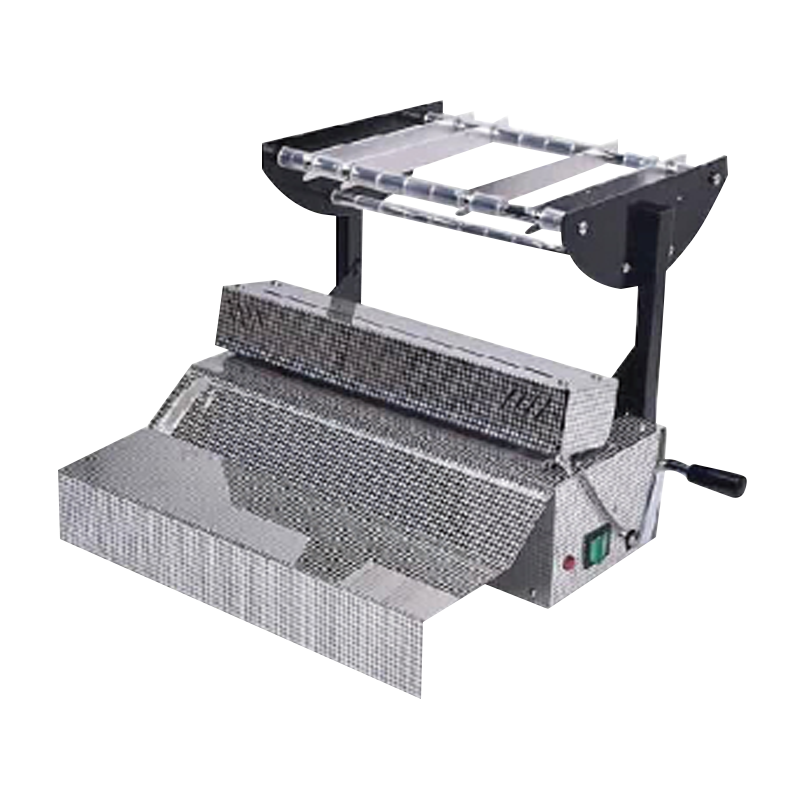
Product Usage:This type of sealing machine is used forsealing sterilizing bag, suitable for medicali...
See DetailsIntroduction to Sanitary Grade Sterilizer: Definition and Importance in Modern Sterilization Definit......
READ MOREIntroduction In today’s fast-paced world, ensuring the safety and sterility of products and material......
READ MOREIntroduction to Sterile Preparation Sterilizers What is Sterile Preparation? Sterile preparation ref......
READ MOREWhy Does Every Drug Require a Sterile Preparation Sterilizer? In modern medicine and pharmaceuticals......
READ MORE +(86) 18018151178
[email protected]
365 Nansha Sanjiali Road, Jingang Town, Zhangjiagang City, China
+(86) 18018151178
[email protected]
365 Nansha Sanjiali Road, Jingang Town, Zhangjiagang City, China
