 English
 русский
 Español
 عربى
عربى
 中文
中文

Sanitary Grade Sterilizer
Cat:Products
The sterilizer performs moist heat sterilization operations on items with saturated pure steam as th...
See Details

The manufacturing of injectable pharmaceuticals requires a rigorous validation of both sterility and container seal integrity. The Steam Ampoule Leak Detector Sterilizer serves as a dual-function critical system in the pharmaceutical production line, combining high-pressure saturated steam sterilization with sophisticated vacuum leak detection. This advanced equipment is designed to process glass ampoules, vials, and pre-filled syringes, ensuring that no microbial contaminants remain and that no microscopic cracks exist in the glass containers. By utilizing a "color water" test or vacuum decay method during the cooling phase, the Steam Ampoule Leak Detector Sterilizer identifies compromised units that would otherwise escape visual inspection. This technical guide delves into the thermodynamic cycles of steam sterilization, the mechanics of vacuum-based leak identification, and the integrated control systems that manage these complex pharmaceutical processes.
|
Technical Parameter |
Specification Details |
Operational Advantage |
|---|---|---|
|
Sterilization Medium |
Pure Saturated Steam |
Rapid thermal transfer and high microbial lethality |
|
Leak Detection Mode |
Vacuum + Color Water / Vacuum Decay |
High-sensitivity detection of micro-fractures |
|
Control System |
Siemens/Allen-Bradley PLC with HMI |
Precise cycle management and 21 CFR Part 11 compliance |
|
Chamber Material |
316L Stainless Steel (Mirror Polished) |
Corrosion resistance and ease of sanitation |
The efficacy of a Steam Ampoule Leak Detector Sterilizer is primarily dependent on its ability to achieve uniform thermal distribution throughout the chamber, ensuring that every ampoule is subjected to the required "Kill Time" (F0 value).
Saturated Steam Dynamics and Air Removal: The sterilization cycle begins with the critical phase of air removal. Since air is a poor conductor of heat and can create "cold spots," the Steam Ampoule Leak Detector Sterilizer utilizes a high-performance vacuum pump to perform multiple pre-vacuum pulses. This ensures that only pure, saturated steam occupies the chamber. Saturated steam is the preferred medium because it releases latent heat upon contact with the cooler surface of the ampoules, leading to rapid coagulation of microbial proteins. The system monitors the pressure-temperature relationship in real-time, ensuring that the steam quality remains optimal for achieving a standard 121°C sterilization environment.
F0 Value Control and Heat Distribution: To protect heat-sensitive injectable formulas, the Steam Ampoule Leak Detector Sterilizer employs F0 value control logic. This mathematical approach integrates the actual temperature over time to calculate the equivalent sterilization effect. Once the cumulative F0 reaches the target (typically 8 or 12 minutes), the heating phase terminates. To ensure uniformity, the chamber is engineered with internal steam baffles and high-precision temperature sensors (PT100) placed in the most challenging "cold spots." This level of precision prevents the over-processing of delicate pharmaceutical compounds while guaranteeing that the probability of a non-sterile unit remains less than one in a million (Sterility Assurance Level of 10^-6).
Cooling Strategies and Pressure Balancing: Following the sterilization hold time, the ampoules must be cooled rapidly but safely. The Steam Ampoule Leak Detector Sterilizer utilizes a circulating water cooling system or a jacket-cooling method. A critical technical challenge during this phase is "pressure balancing." As the temperature drops, the internal pressure of the liquid inside the ampoules decreases. If the chamber pressure drops too quickly, the pressure differential could cause the glass to burst. The system utilizes filtered compressed air to maintain a counter-pressure, ensuring the structural integrity of the ampoules throughout the transition from the sterilization plateau to the cooling phase.
The defining feature of the Steam Ampoule Leak Detector Sterilizer is its ability to perform post-sterilization leak testing without moving the product to a separate machine. This integration minimizes handling risks and improves production efficiency.
Vacuum Stress and Color Water Penetration: The most common method used in the Steam Ampoule Leak Detector Sterilizer involves the "Vacuum + Color Water" test. After the sterilization cycle, a deep vacuum is drawn in the chamber. If an ampoule has a micro-crack, the internal air is sucked out. The chamber is then flooded with a colored solution (typically methylene blue). When the vacuum is released and the chamber is pressurized, the colored liquid is forced through any existing cracks into the ampoule. Following a subsequent rinse cycle, any contaminated ampoules are easily identified during final visual or automated inspection. This method is highly effective for glass ampoules where the vacuum differential creates a strong force to drive the indicator fluid into even sub-micron openings.
Vacuum Decay and Pressure Sensitivity: For products where color water is not suitable, the Steam Ampoule Leak Detector Sterilizer can be configured for vacuum decay testing. This involves monitoring the chamber pressure over a specific duration after a vacuum is established. If the pressure rises faster than a pre-determined baseline, it indicates that air or liquid is leaking from the containers into the chamber. This method is non-destructive and highly quantifiable. The sensitivity of the sensors allows the system to detect leaks as small as 5-10 microns. This dual-purpose functionality ensures that the packaging integrity is verified at the moment of highest thermal stress, which is when leaks are most likely to manifest or expand.
Automated Rinsing and Drying Protocols: Once the leak detection phase is complete, the Steam Ampoule Leak Detector Sterilizer executes a series of rinsing cycles using deionized or purified water. This is essential to remove any residual color water or contaminants from the exterior of the ampoules. Following the rinse, the system enters a drying phase, often utilizing the heat retained in the chamber jacket combined with a final vacuum pull to evaporate moisture. This ensures that the ampoules exit the machine clean, dry, and ready for labeling or secondary packaging. The entire sequence—from sterilization to leak test to drying—is handled by a single automated recipe, reducing the risk of human error and cross-contamination.
In the pharmaceutical industry, a machine is only as good as its documentation and control precision. The Steam Ampoule Leak Detector Sterilizer is built around rigorous data integrity and process repeatability.
PLC-Based Process Automation and Data Integrity: The core of the Steam Ampoule Leak Detector Sterilizer is its Programmable Logic Controller (PLC). This system manages every valve, pump, and sensor with millisecond precision. The User Interface (HMI) allows operators to select from pre-validated recipes tailored to different product volumes and container sizes. Crucially, the system must comply with 21 CFR Part 11, which requires electronic signatures, audit trails, and multi-level user access control. Every cycle generates a comprehensive report that includes temperature graphs, pressure logs, and F0 calculations, providing a "birth certificate" for every batch of medication processed.
Chamber Construction and Sanitary Engineering: The physical construction of the Steam Ampoule Leak Detector Sterilizer follows GAMP (Good Automated Manufacturing Practice) guidelines. The internal chamber is typically made of 316L stainless steel with a mirror-polished finish (Ra < 0.4μm) to prevent bacterial adhesion and ensure easy cleaning. The door seals are usually high-temperature resistant silicone or EPDM, designed with an inflatable pneumatic mechanism to guarantee a leak-proof seal under both vacuum and high-pressure conditions. All piping and valves in contact with the sterilization medium are made of sanitary-grade materials, and the steam inlet is fitted with a 0.22μm hydrophobic filter to ensure the steam is sterile and free of particulates.
Comprehensive Validation: IQ, OQ, and PQ: Before a Steam Ampoule Leak Detector Sterilizer can be used in production, it must undergo a rigorous validation process. Installation Qualification (IQ) verifies that the equipment is installed according to the manufacturer's specifications. Operational Qualification (OQ) tests every function of the machine, including alarms, vacuum levels, and temperature distribution in an empty chamber. Finally, Performance Qualification (PQ) involves "thermometric mapping" with a full load of ampoules to prove that the sterilization and leak detection cycles are consistent and effective across multiple batches. This exhaustive testing ensures that the equipment consistently delivers safe, sterile, and perfectly sealed pharmaceutical products to the healthcare market.
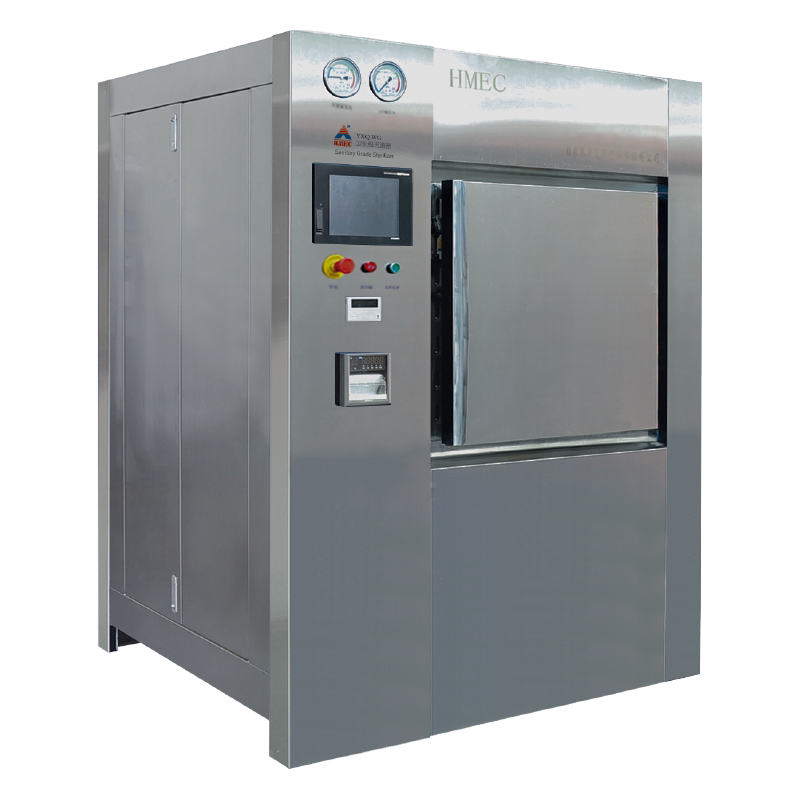
The sterilizer performs moist heat sterilization operations on items with saturated pure steam as th...
See Details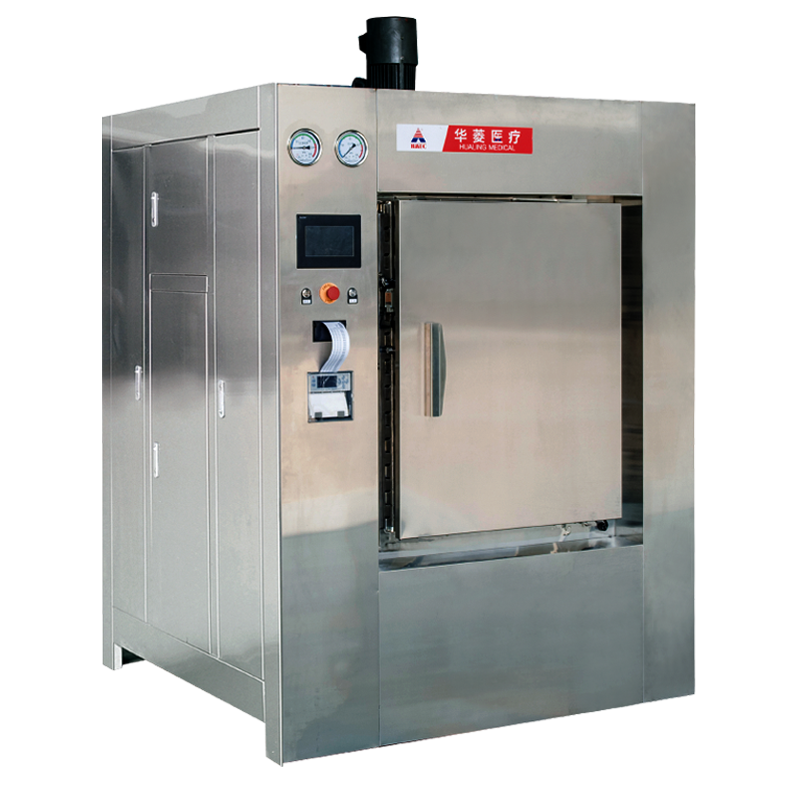
The sterilizer performs sterilization by means of mixing pressure of air and steam. Furthermore, mi...
See Details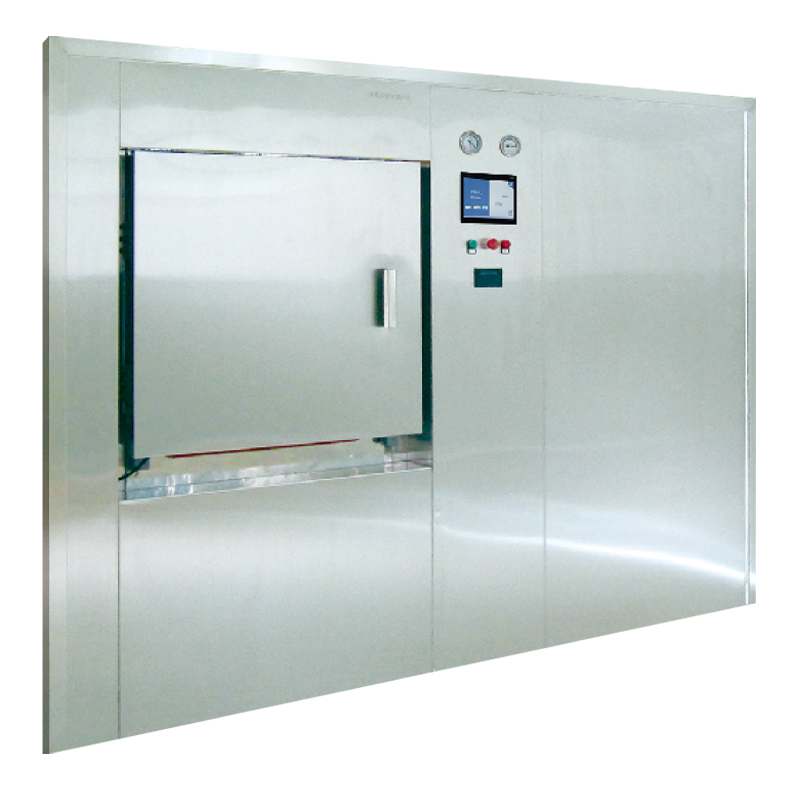
The sterilizer performs moist heat sterilization operations on items with saturated pure steam as th...
See Details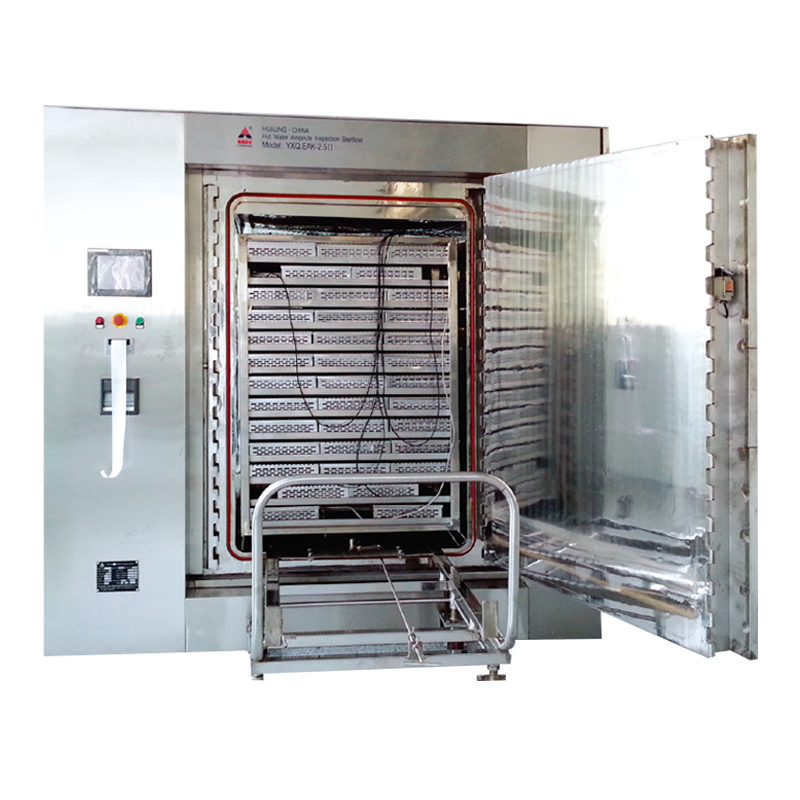
This sterilizer uses steam to sterilize, leak-detect, and clean for vials and ampoules.
See Details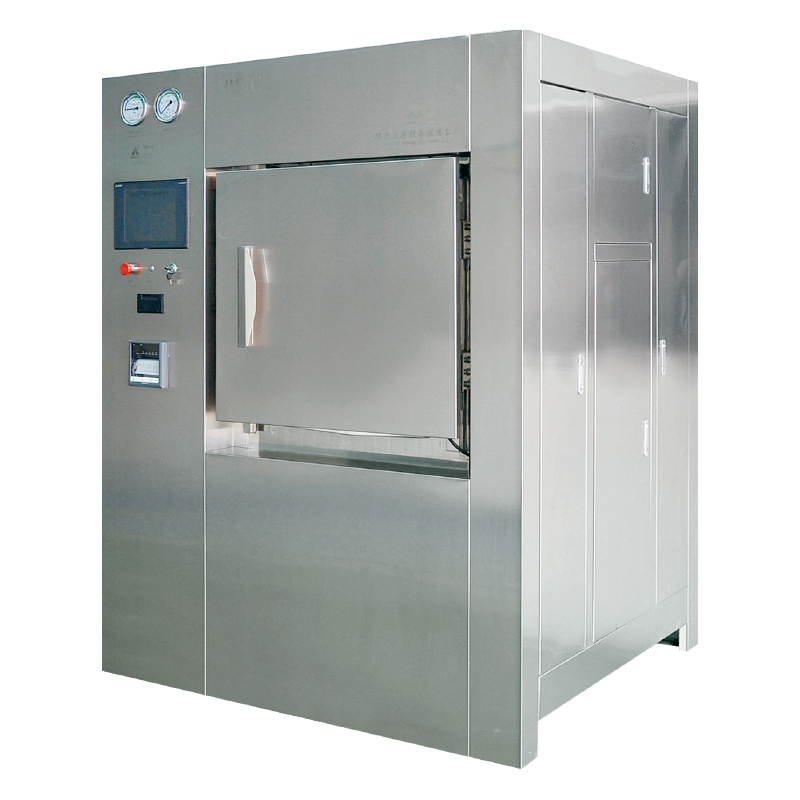
The sterilizer is to remove the impact of cold air on temperature using pulsation vacuum pumping wit...
See Details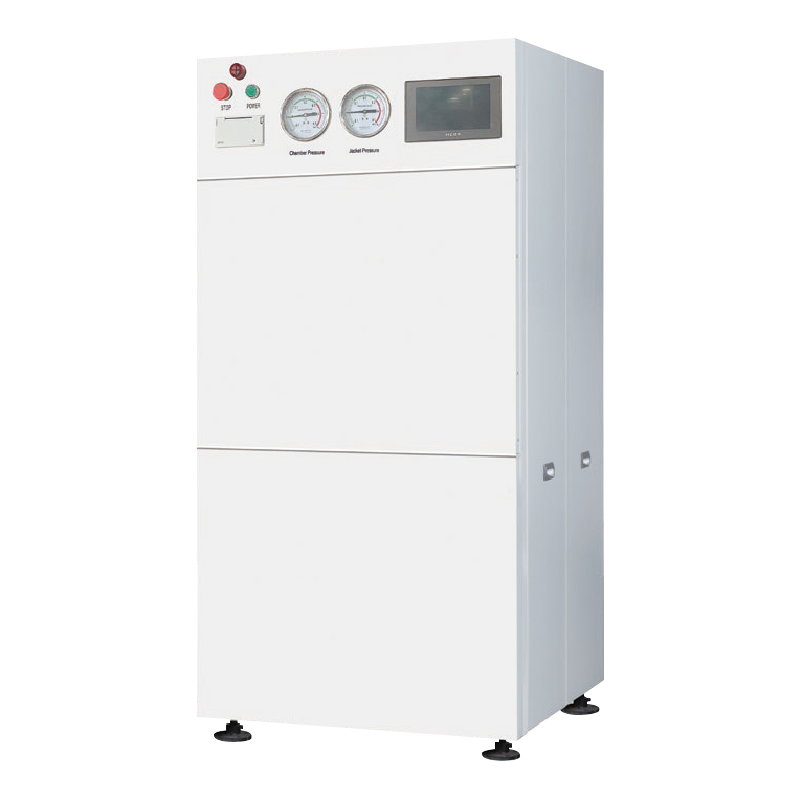
The Horizontal Steam Sterilizer utilizes saturated steam as the sterilizing medium, capitalizing on ...
See Details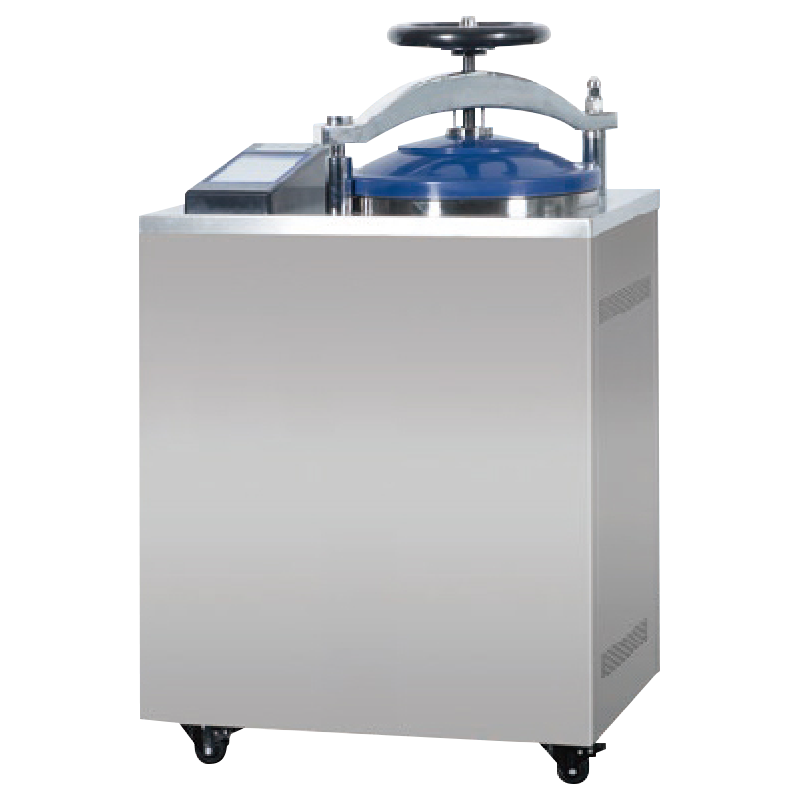
The Vertical Steam Sterilizer M Series (Pulsating Vacuum) is a safe and reliable sterilization solut...
See Details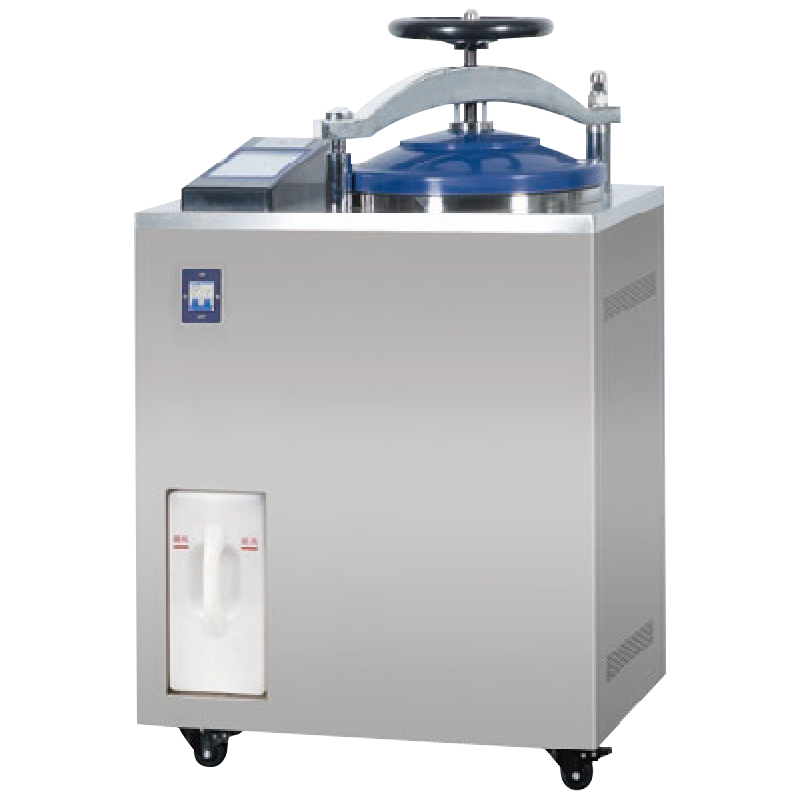
The Vertical Steam Sterilizer X Series (Multi-functional Laboratory Customized Model) offers a highl...
See Details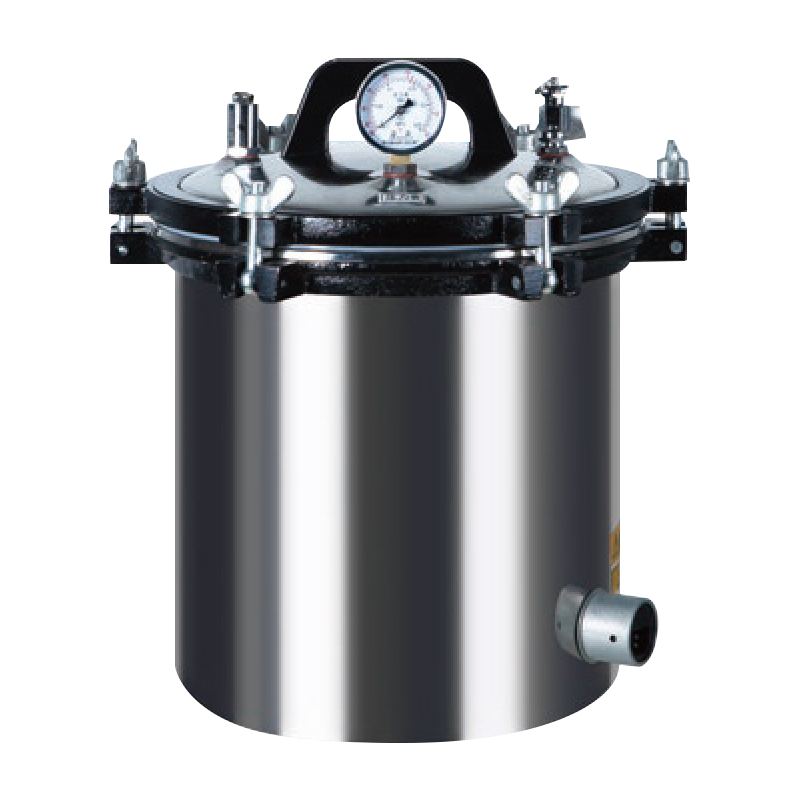
The YXQ.PPS-280C and C+ Portable Pressure Steam Sterilizer is a versatile dual-purpose sterilizer, o...
See Details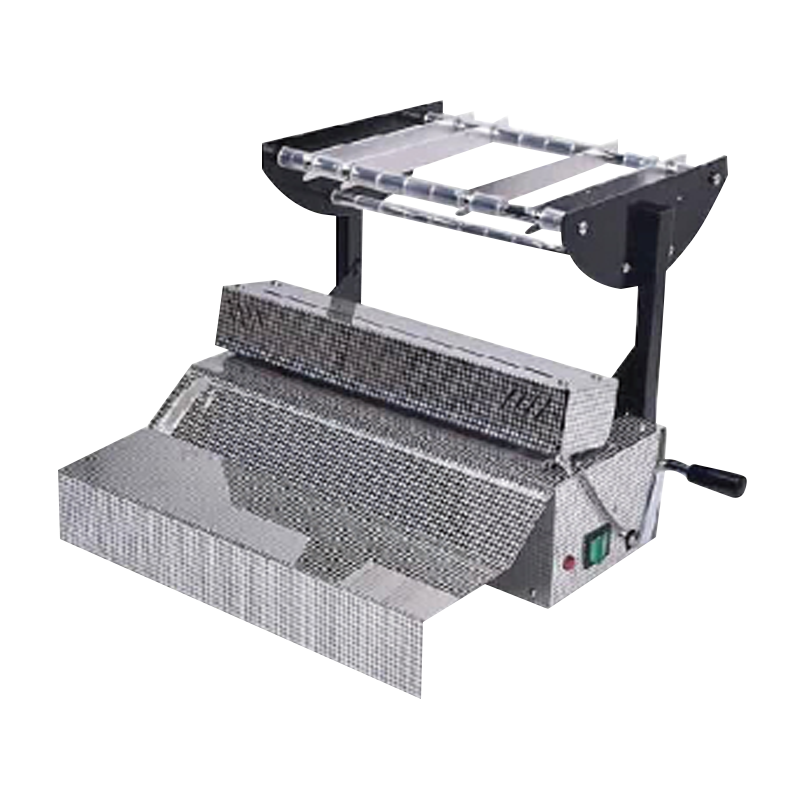
Product Usage:This type of sealing machine is used forsealing sterilizing bag, suitable for medicali...
See DetailsIntroduction to Sanitary Grade Sterilizer: Definition and Importance in Modern Sterilization Definit......
READ MOREIntroduction In today’s fast-paced world, ensuring the safety and sterility of products and material......
READ MOREIntroduction to Sterile Preparation Sterilizers What is Sterile Preparation? Sterile preparation ref......
READ MOREWhy Does Every Drug Require a Sterile Preparation Sterilizer? In modern medicine and pharmaceuticals......
READ MORE +(86) 18018151178
[email protected]
365 Nansha Sanjiali Road, Jingang Town, Zhangjiagang City, China
+(86) 18018151178
[email protected]
365 Nansha Sanjiali Road, Jingang Town, Zhangjiagang City, China
