 English
 русский
 Español
 عربى
عربى
 中文
中文

Traditional Chinese Medicine Sterilizer
Cat:Products
The sterilizer performs moist heat sterilization operations on items with saturated steam as the st...
See Details

In the specialized field of clinical decontamination, the Low Temperature Steam Formaldehyde Sterilizer (LTSF) has emerged as a critical technological solution for the treatment of thermolabile medical devices. Unlike traditional high-heat methods, the Low Temperature Steam Formaldehyde Sterilizer utilizes a sophisticated thermodynamic process to achieve total microbial lethality without compromising the structural integrity of delicate instruments. By leveraging the synergistic effects of low-temperature steam and gaseous formaldehyde under rigorous vacuum conditions, this equipment ensures that even the most complex medical tools are rendered safe for reuse. This report investigates the mechanics of rapid penetration, the chemical interaction of the sterilant, and the engineering behind its breathable packaging compatibility.
The operational efficiency of a Low Temperature Steam Formaldehyde Sterilizer is primarily determined by its ability to displace air and replace it with a potent sterilizing medium. This is achieved through a series of pulse-vacuum phases that prepare the chamber for the injection of the formaldehyde-steam mixture.
The rapid penetration mentioned in the product specifications is a direct result of deep vacuum cycles.
Air Removal Efficiency: Before the sterilization phase begins, the Low Temperature Steam Formaldehyde Sterilizer performs multiple vacuum pulses to evacuate air from the innermost chambers of the equipment. If air pockets remain, they act as barriers, preventing the sterilant from reaching the contaminated surfaces.
Pressure Differential Driving Force: By creating a near-vacuum state, the sterilizer establishes a significant pressure differential. When the mixed gas is introduced, it is literally "pulled" into every microscopic gap and crevice of the load, significantly reducing the time required for the sterilant to make contact with all surfaces.
Enhanced Vapor Mobility: Under vacuum conditions, the mean free path of gas molecules increases. This allows the formaldehyde and steam molecules to move more freely and penetrate breathable sterilizing packaging materials with minimal resistance, ensuring that the interior of the wrapped kits reaches the required concentration levels almost instantaneously.
One of the greatest challenges in sterilization is the "lumen effect," where long, narrow tubes resist traditional gas flow. The Low Temperature Steam Formaldehyde Sterilizer is specifically engineered to overcome this.
Synergistic Gas Mixing: The sterilant is not just formaldehyde; it is a precisely calibrated mixture of steam and formaldehyde. The steam acts as a carrier and a humidifying agent, which is essential because formaldehyde requires a specific moisture level to penetrate the protein coat of microorganisms.
Capillary Action and Gaseous Diffusion: In narrow gaps and lumens, the mixed gas utilizes high-diffusivity properties. The vacuum-forced injection ensures that the gas reaches the center of lumens that are several meters long, a feat that is often difficult for other low-temperature methods like ethylene oxide (EO) or hydrogen peroxide (H2O2) without long aeration or cycle times.
Condensation-Free Penetration: By maintaining strict control over the chamber temperature, the Low Temperature Steam Formaldehyde Sterilizer ensures the gas remains in a state that penetrates without excessive condensation, which could otherwise block narrow passages or cause "slugs" of liquid that inhibit sterilization.
The following table outlines the critical parameters that define the performance and operational range of a standard Low Temperature Steam Formaldehyde Sterilizer.
|
Technical Parameter |
Specification Detail |
|---|---|
|
Primary Sterilant |
Aqueous Formaldehyde Solution (Typical 2% - 5% concentration) |
|
Operating Temperature Cycles |
Dual Mode: |
|
Pressure Control |
Multi-Pulse Deep Vacuum System |
|
Cycle Duration |
Approximately 120 to 180 minutes (including aeration) |
|
Lumen Penetration Capability |
Effective for tubes up to 2m length and 1mm diameter |
|
Packaging Compatibility |
Breathable Sterilizing Packaging (Paper, Tyvek, Non-woven) |
|
Residual Management |
Integrated Forced-Air Aeration and Water Washing |
|
Control Interface |
Automated PLC with Real-Time Temperature/Pressure Monitoring |
|
Gas Distribution |
Forced Convection via High-Velocity Steam Injection |
The Low Temperature Steam Formaldehyde Sterilizer typically offers two primary temperature settings:
The
Material Preservation: Many modern endoscopes and fiber-optic cables contain adhesives and polymers that degrade if exposed to temperatures above
Stabilized Chemical Reaction: At
Energy Efficiency and Safety: Lower operating temperatures reduce the thermal stress on the sterilizer's gaskets and valves, extending the maintenance intervals of the Low Temperature Steam Formaldehyde Sterilizer and ensuring a safer working environment for the operators.
While
Difficult-to-Penetrate Loads: For heavy loads or kits with high density, the increased thermal energy helps maintain the gas in its vapor state as it travels through multiple layers of breathable packaging. This prevents "cold spots" in the center of the load where sterilization might otherwise be compromised.
Enhanced Desorption/Aeration: Formaldehyde molecules are more easily removed from materials at higher temperatures. Using the
The use of Low Temperature Steam Formaldehyde Sterilizer technology requires specific packaging to be effective. The interaction between the mixed gas and the packaging material is a vital component of the sterilization chain.
Breathable packaging, such as medical-grade paper or non-woven wraps, allows for the exchange of air and gas while maintaining a sterile barrier.
Gas Exchange Dynamics: The Low Temperature Steam Formaldehyde Sterilizer relies on the permeability of the wrap to allow the steam-formaldehyde mixture to reach the instruments. Non-breathable materials (like standard plastic bags) would burst under vacuum or prevent the sterilant from ever reaching the contents.
Moisture Management: The "steam" component of the mixed gas must be able to hydrate the microbes. Breathable packaging allows controlled moisture ingress, creating the micro-humid environment necessary for the formaldehyde to be effective.
Residual Gas Removal: After the sterilization phase, the vacuum system must pull the formaldehyde out of the packaging. Breathable materials facilitate this "exhaust" phase, ensuring that by the time the door is opened, the gas concentration inside the packs has dropped to safe levels.
When a complex instrument with internal lumens is placed inside breathable packaging, the Low Temperature Steam Formaldehyde Sterilizer must work doubly hard to ensure penetration.
Forced Convection Mechanisms: The sterilizer does not rely on passive diffusion alone. It uses forced convection to circulate the steam and formaldehyde mixture around and through the packaged items.
Pressure Pulsing during Exposure: Throughout the exposure time, the sterilizer may perform "mini-pulses" of pressure. This constant fluctuation of pressure acts to "pump" the sterilizing gas into the gaps and lumens of the equipment, ensuring that even if a pocket of air was trapped, it is eventually replaced by the active mixed gas.
Optimized Loading Patterns: The equipment is designed to support specific loading configurations that maximize the surface area exposed to the gas. By preventing the "stacking" of flat surfaces, the Low Temperature Steam Formaldehyde Sterilizer ensures that the mixed gas can flow freely around every complex structure.
To understand why the Low Temperature Steam Formaldehyde Sterilizer is so effective, one must look at the biochemical interaction between the sterilant and the pathogen.
Formaldehyde is a powerful alkylating agent. Its primary mode of action involves the chemical modification of organic molecules.
Alkylation of Proteins: The formaldehyde molecules within the mixed gas react with the amino, carboxyl, and sulfhydryl groups of microbial proteins. This effectively cross-links the proteins, destroying the enzymes and structural components the microbe needs to survive.
DNA/RNA Disruption: Formaldehyde also reacts with the nitrogenous bases of nucleic acids. By damaging the DNA and RNA of bacteria, viruses, and spores, the Low Temperature Steam Formaldehyde Sterilizer prevents any possibility of reproduction or repair.
The Role of Steam as a Catalyst: Pure formaldehyde gas is much less effective at low temperatures. The inclusion of low-temperature steam (at
Bacterial spores are the gold standard for testing any sterilization process due to their extreme resistance.
Penetrating the Spore Coat: The vacuum-forced steam-formaldehyde mixture is specifically designed to breach the dense, multi-layered coat of Geobacillus stearothermophilus (the standard biological indicator for LTSF).
Inactivation of Thermophilic Organisms: Even organisms that thrive in heat are susceptible to the chemical alkylation provided by the Low Temperature Steam Formaldehyde Sterilizer. This makes it a highly reliable method for ensuring the highest level of sterility.
Reliability Across Complex Loads: Because the gas can reach gaps and lumens, it ensures that spores hidden in the most difficult-to-reach parts of a surgical instrument are neutralized, providing a comprehensive safety profile for high-risk medical procedures.
A major technical focus of the Low Temperature Steam Formaldehyde Sterilizer is the elimination of residuals after the cycle is complete.
Integrated Aeration Phases: Once the exposure time is finished, the sterilizer enters an intensive aeration phase. It uses alternating vacuum and filtered air flushes to remove gaseous formaldehyde from the chamber and the instruments.
Water Washing of the Chamber: Many advanced LTSF units include a water-wash system that dissolves and flushes away any liquid formaldehyde residues, ensuring that the internal surfaces of the Low Temperature Steam Formaldehyde Sterilizer remain clean and safe.
Catalytic Converters or Scrubbers: To protect the external environment, the exhaust from the sterilizer is often passed through a scrubber or catalytic converter. This breaks down the formaldehyde into harmless by-products like carbon dioxide and water before it is released into the facility's ventilation system.
By combining the physical power of vacuum penetration with the chemical potency of a steam-formaldehyde mixture, the Low Temperature Steam Formaldehyde Sterilizer provides a robust, low-temperature solution for the most demanding sterilization tasks in the modern medical environment. Its ability to navigate complex structures and lumens ensures that patient safety is never compromised by the limitations of heat-sensitive technology.
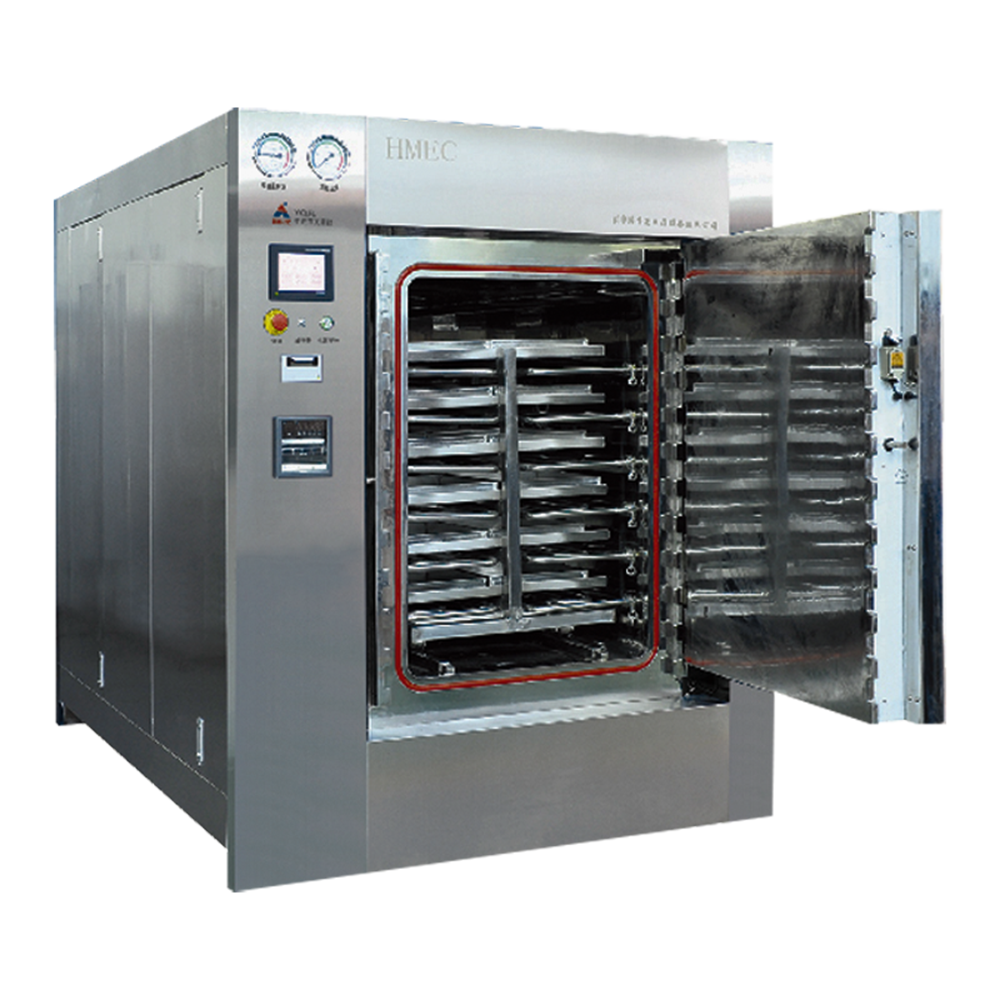
The sterilizer performs moist heat sterilization operations on items with saturated steam as the st...
See Details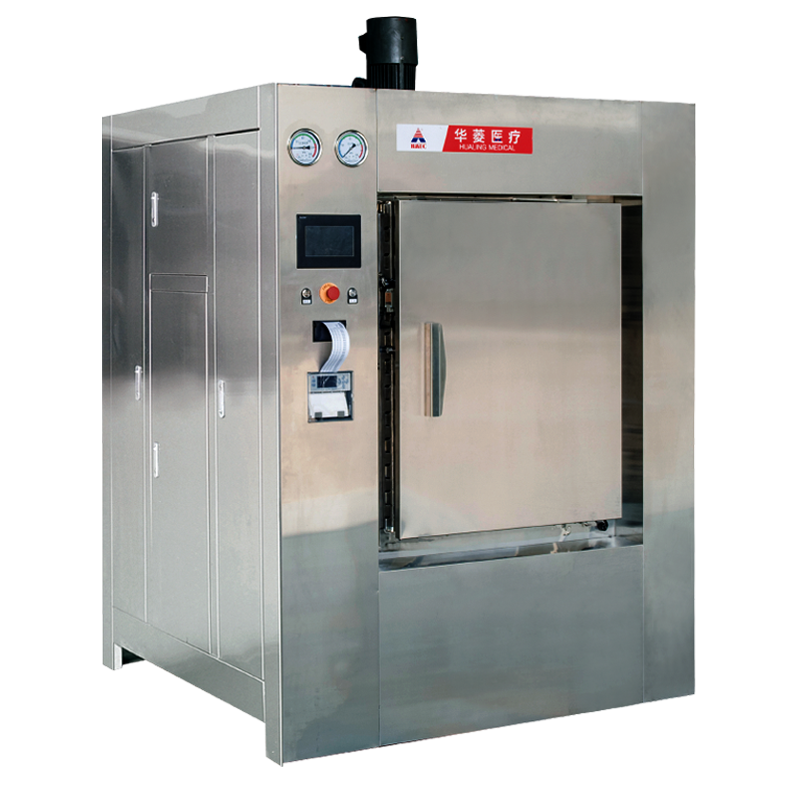
The sterilizer performs sterilization by means of mixing pressure of air and steam. Furthermore, mi...
See Details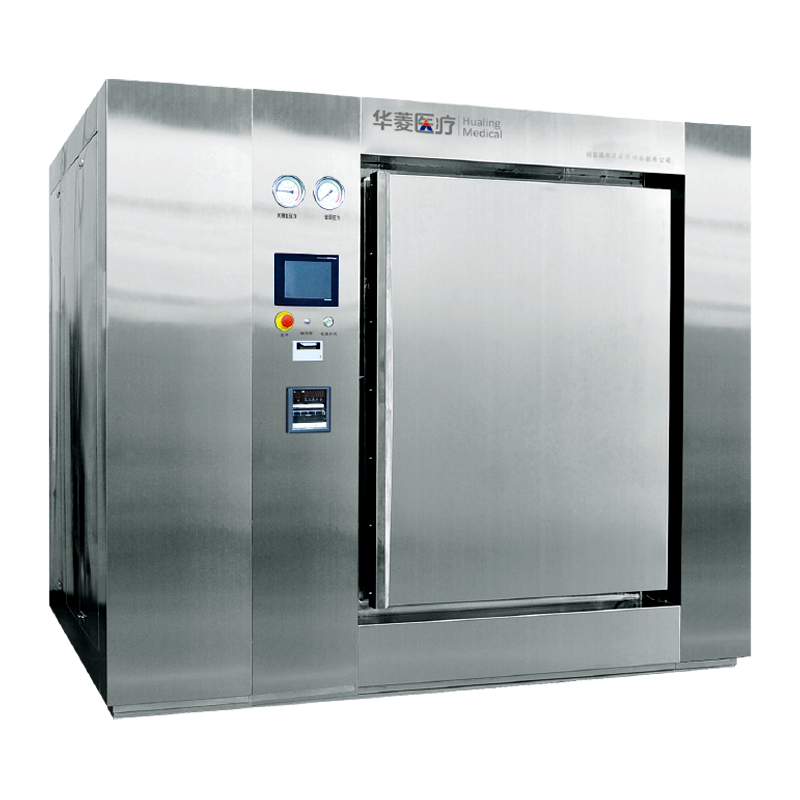
Water-bath type: The sterilized drugs are heated using water spraying using superheated water as the...
See Details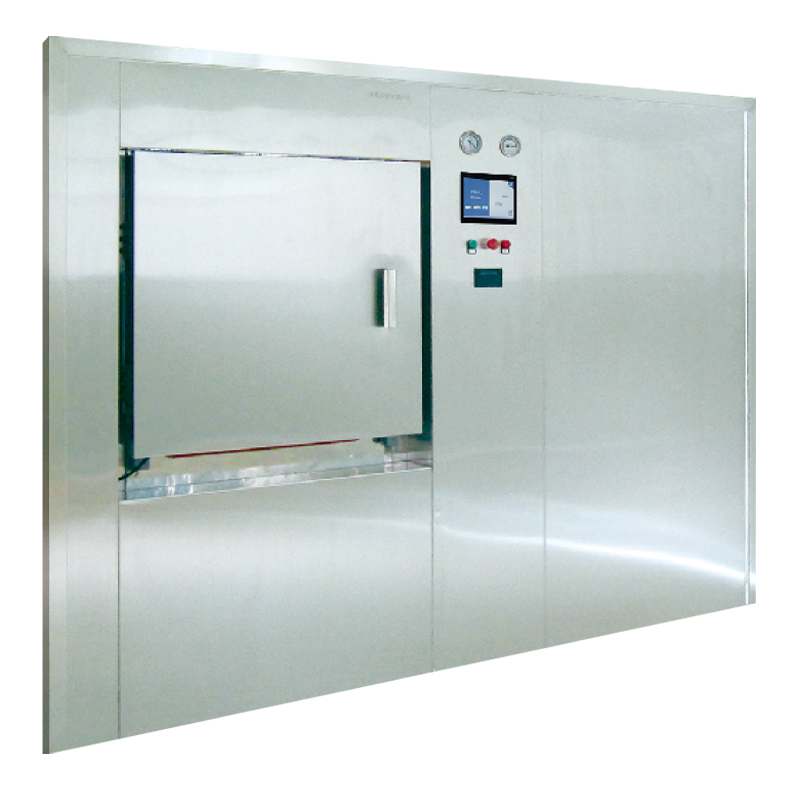
The sterilizer performs moist heat sterilization operations on items with saturated pure steam as th...
See Details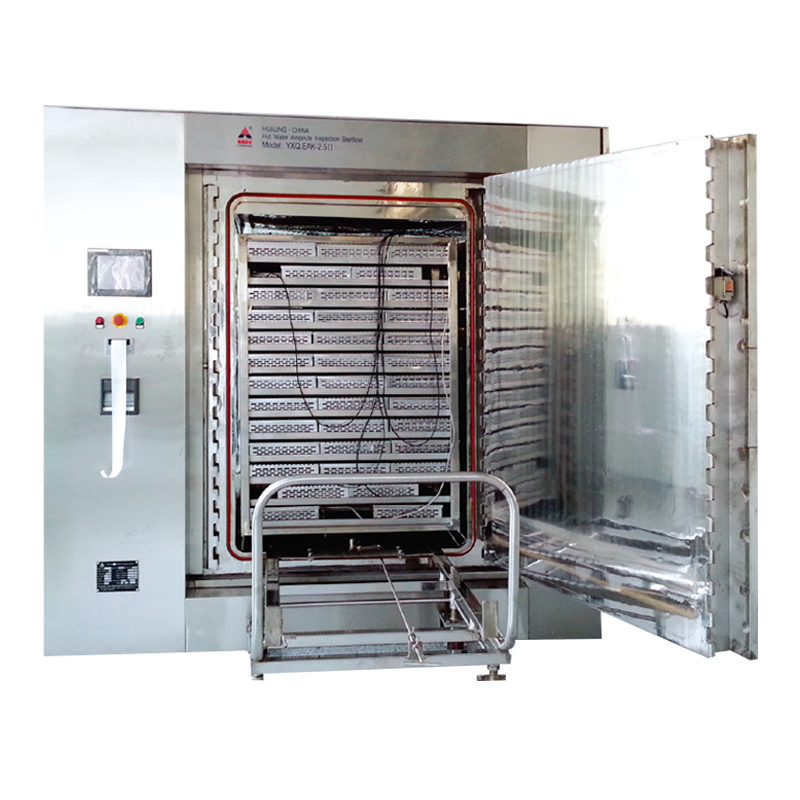
This sterilizer uses steam to sterilize, leak-detect, and clean for vials and ampoules.
See Details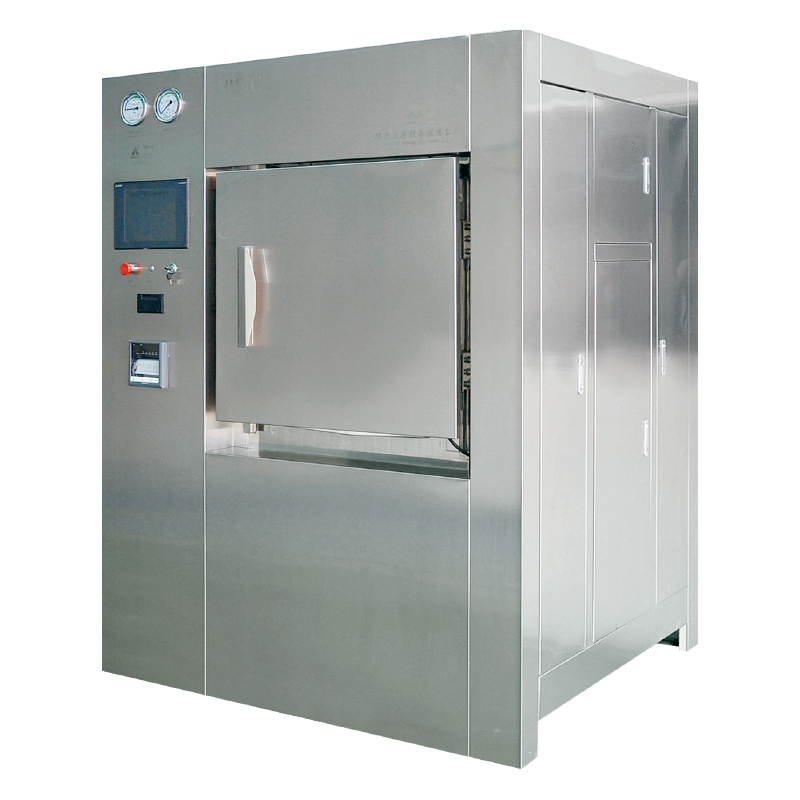
The sterilizer is to remove the impact of cold air on temperature using pulsation vacuum pumping wit...
See Details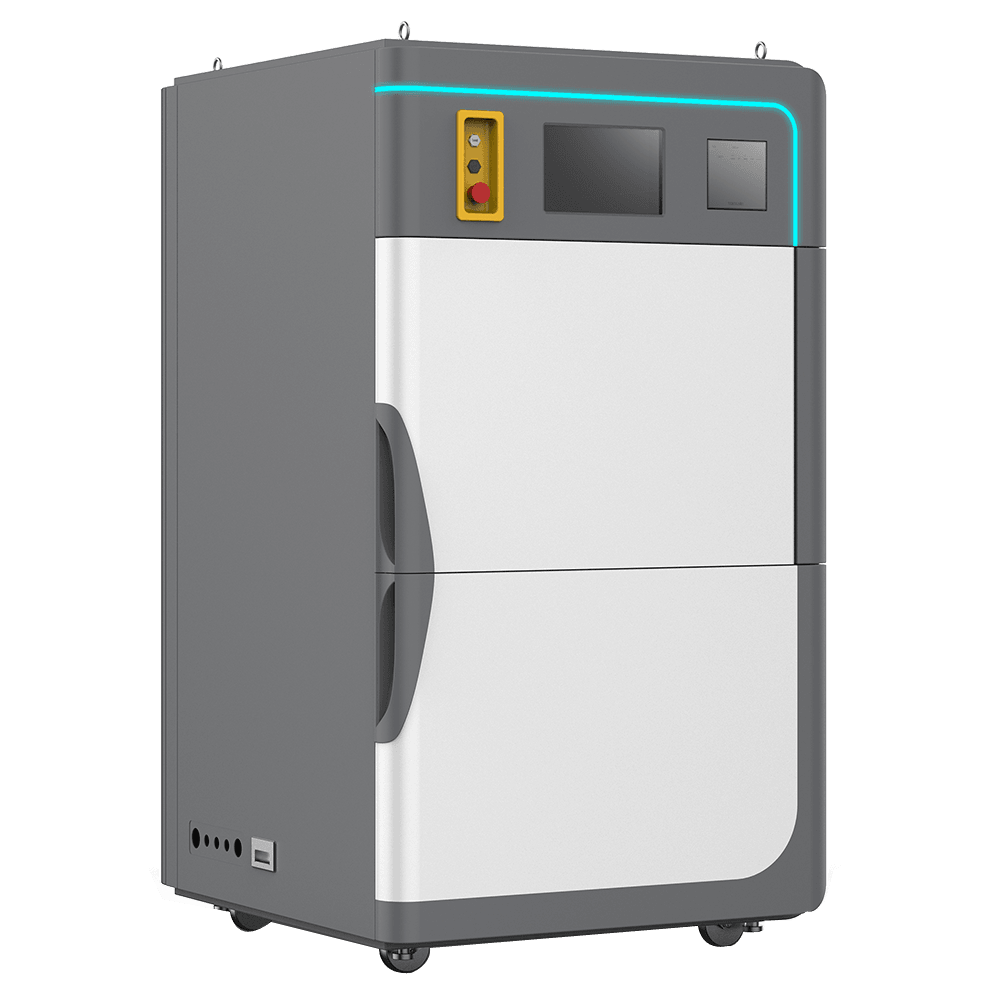
By the rapid penetration under vacuum conditions of a mixed gas of low-temperature (60℃ or 78℃) stea...
See Details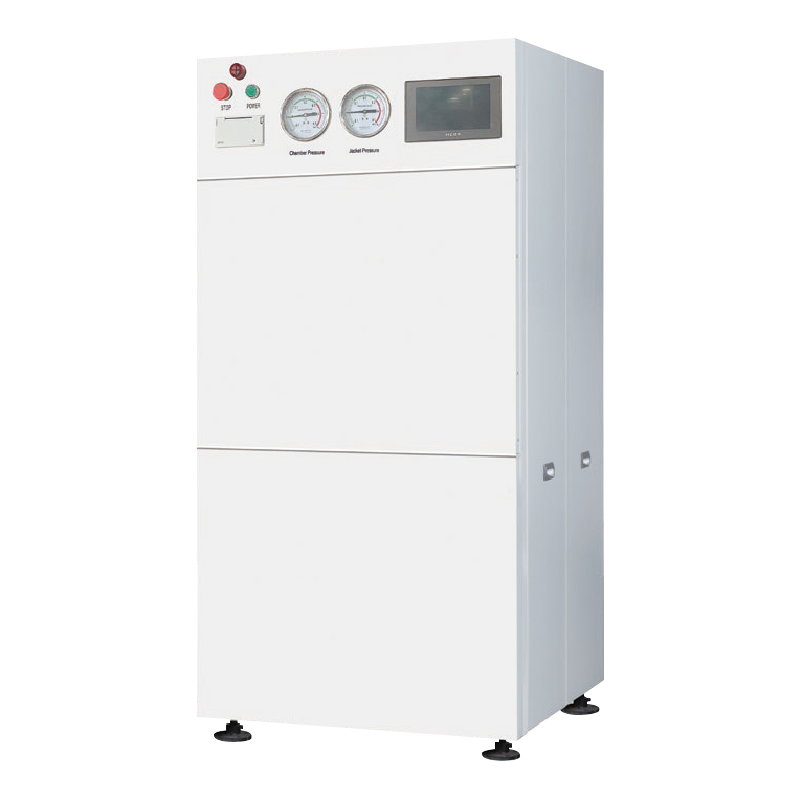
The Horizontal Steam Sterilizer utilizes saturated steam as the sterilizing medium, capitalizing on ...
See Details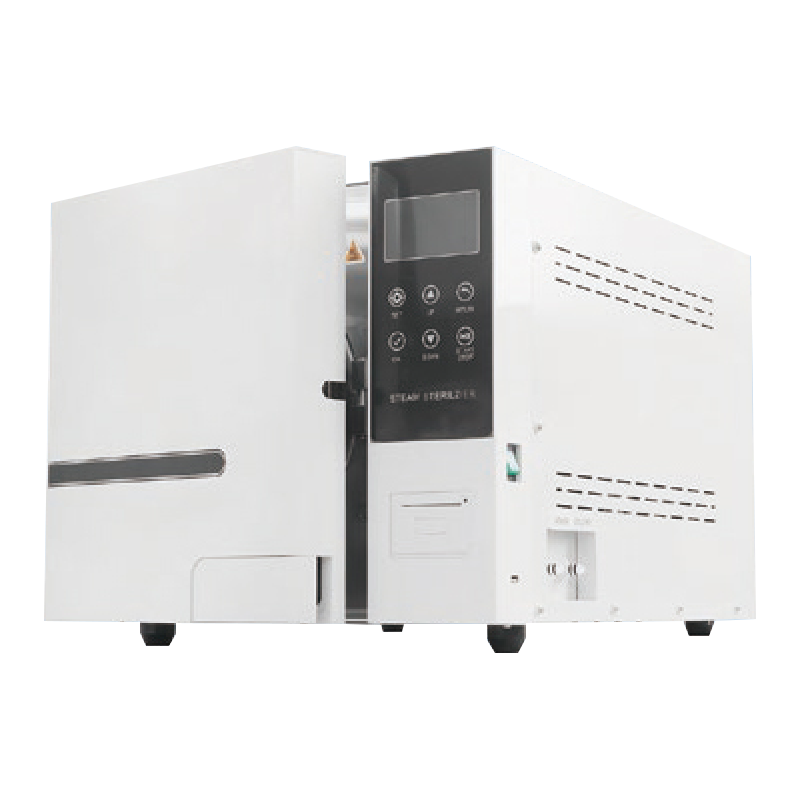
The Tabletop Steam Sterilizer YXQ.DX-X Series is a highly efficient and compact solution designed fo...
See Details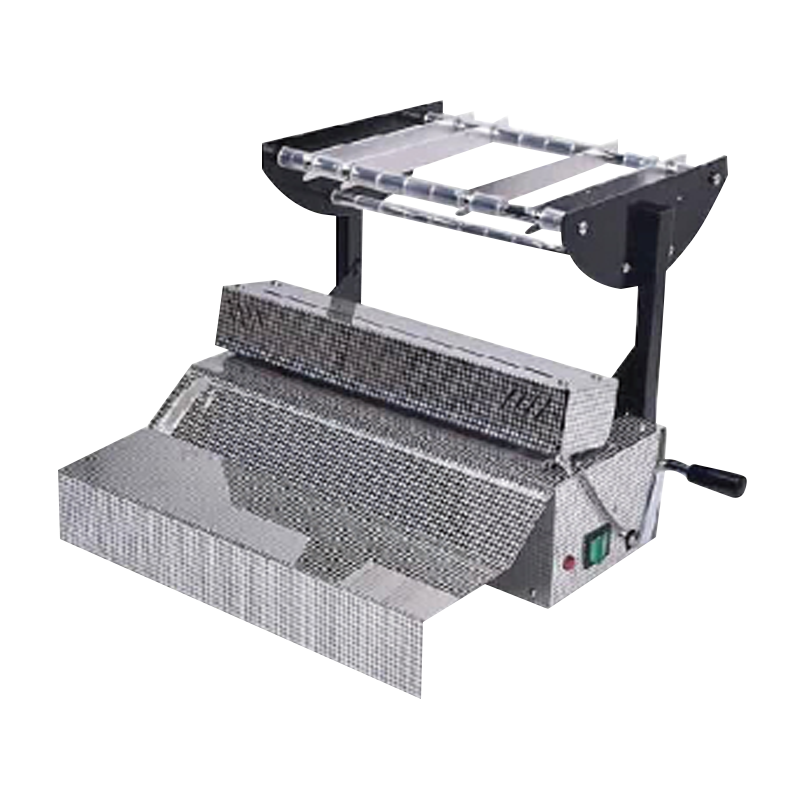
Product Usage:This type of sealing machine is used forsealing sterilizing bag, suitable for medicali...
See DetailsIntroduction to Sanitary Grade Sterilizer: Definition and Importance in Modern Sterilization Definit......
READ MOREIntroduction In today’s fast-paced world, ensuring the safety and sterility of products and material......
READ MOREIntroduction to Sterile Preparation Sterilizers What is Sterile Preparation? Sterile preparation ref......
READ MOREWhy Does Every Drug Require a Sterile Preparation Sterilizer? In modern medicine and pharmaceuticals......
READ MORE +(86) 18018151178
[email protected]
365 Nansha Sanjiali Road, Jingang Town, Zhangjiagang City, China
+(86) 18018151178
[email protected]
365 Nansha Sanjiali Road, Jingang Town, Zhangjiagang City, China
