 English
 русский
 Español
 عربى
عربى
 中文
中文

Traditional Chinese Medicine Sterilizer
Cat:Products
The sterilizer performs moist heat sterilization operations on items with saturated steam as the st...
See Details

The Sanitary Grade Sterilizer represents a pinnacle of high purity engineering designed to meet the rigorous demands of pharmaceutical laboratory and biotechnology environments. By utilizing saturated pure steam as the primary sterilization medium this equipment achieves consistent thermal lethality across a diverse range of materials. The system is engineered to perform complex moist heat sterilization operations ensuring that items ranging from sterile garments to non corrosive liquids are processed with absolute precision. Through the integration of pulsation vacuum technology and advanced vacuum drying the Sanitary Grade Sterilizer eliminates the variables that lead to sterilization failure providing a reliable and repeatable solution for critical contamination control.
The efficacy of the Sanitary Grade Sterilizer is rooted in the thermodynamic properties of its sterilization medium. Saturated pure steam is preferred over dry heat or chemical alternatives due to its superior heat transfer capabilities and non toxic profile.
When saturated pure steam comes into contact with a cooler surface inside the Sanitary Grade Sterilizer it undergoes a phase change back into water. This process is the foundation of moist heat sterilization and offers several distinct advantages over other thermal methods.
First the Latent Heat Release is a massive energy transfer event. During this condensation process a significant amount of latent heat is released directly onto the surface of the items being sterilized. This energy transfer is much more efficient than the sensible heat transfer found in dry air systems because the energy density of steam is significantly higher. The rapid influx of thermal energy ensures that the surface temperature of the load reaches the required sterilization setpoint almost instantaneously.
Second the process leads to rapid Protein Denaturation. The combination of moisture and high temperature causes the rapid denaturation and coagulation of microbial proteins and enzymes. Moisture acts as a catalyst in this reaction allowing the chemical bonds within the proteins of bacteria and viruses to break at much lower temperatures than would be required in a dry environment. This dual action ensures that even the most resilient thermophilic spores are neutralized within minutes providing a safety margin that dry heat simply cannot match.
Third the equipment maintains strict Purity Standards. Because it is a Sanitary Grade Sterilizer the steam used is pure steam typically generated from deionized or distilled water. This prevents the deposition of minerals pyrogens or chemical contaminants on sensitive items like rubber stoppers or aluminum caps. Using pure steam also ensures that there are no volatile organic compounds or non condensable gases that could interfere with the quality of the sterilized product or the integrity of the packaging.
The ability of a Sanitary Grade Sterilizer to handle dense loads like sterile garments or feed is a result of the steams gas like properties and its ability to occupy every available volume within the chamber.
Moisture Saturation is a critical factor here. The saturated state ensures that the steam carries the maximum amount of moisture possible at a given temperature. This moisture acts as a lubricant and a catalyst lowering the temperature required to break down the protective cell walls of microorganisms. When steam penetrates porous materials like cloth or animal feed it carries this moisture deep into the fibers ensuring that internal surfaces are treated as effectively as external ones.
Volumetric Expansion is the second key property. As steam enters the chamber it expands to fill every available space including microscopic cracks and crevices. However for this to be effective the Sanitary Grade Sterilizer must first address the cold air interference that naturally occurs in a closed vessel. Without removing the air the steam would be blocked from entering the narrowest parts of the load which is why the air removal phase is considered the most important technical step in the entire cycle.
The following table summarizes the key functional parameters and operational capabilities of the Sanitary Grade Sterilizer.
|
Technical Feature |
Specification Detail |
|---|---|
|
Sterilization Medium |
Saturated Pure Steam Pyrogen free |
|
Operating Pressure |
Typically 0.22 MPa to 0.25 MPa |
|
Standard Temperature |
121 Degrees Celsius to 134 Degrees Celsius |
|
Vacuum System |
Water ring or Liquid ring Pulsation Vacuum |
|
Drying Method |
Deep Vacuum Drying with Jacket Heating |
|
Material Compatibility |
Stainless Steel 316L Contact parts |
|
Air Removal |
Multi pulse Pulsation Vacuum higher than 99 percent air removal |
|
Control Logic |
Fully Automated PLC with HMI Touchscreen |
|
Applicable Items |
Garments Tools Rubber Stoppers Liquids |
One of the most critical phases in the operation of a Sanitary Grade Sterilizer is the pre vacuum or pulsation phase. Without this the presence of air would prevent the steam from reaching the core of the load and would compromise the sterility of the items.
Air is an excellent insulator and a poor conductor of heat. If air remains trapped inside a Sanitary Grade Sterilizer it creates cold spots where the temperature is significantly lower than the surrounding steam.
Non Condensable Gas Barriers are the primary concern. Air pockets prevent steam from condensing on the surface of the instruments. Since the lethal action of moist heat depends on condensation and latent heat release these air pockets can leave pathogens alive even if the chamber sensors indicate the correct temperature has been reached. In essence the air acts as a physical shield protecting the bacteria from the thermal energy of the steam.
Stratification Effects also play a role. Air is heavier than steam at sterilization temperatures. Without a pulsation vacuum air would settle at the bottom of the chamber or inside containers leading to uneven sterilization results. This layering effect means that items at the top of the chamber might be sterilized while items at the bottom remain contaminated creating a massive risk for pharmaceutical production.
The Sanitary Grade Sterilizer employs a series of vacuum pulses followed by steam injections to achieve a state of high purity steam saturation throughout the entire chamber volume.
The first step is Iterative Dilution. By pulling a vacuum and then injecting steam the system dilutes the remaining air concentration. After several pulses the air content is reduced to negligible levels often less than 0.1 percent. Each pulse removes a percentage of the remaining air and by repeating this process three to four times the mathematical probability of air remaining in the load becomes effectively zero.
The second step is Internal Pressure Equalization. The pulsation effect creates a physical movement of gases that massages the air out of complex geometries such as the folds in sterile garments or the narrow gaps between rubber stoppers. This dynamic pressure change ensures that when the final sterilization timer begins the Sanitary Grade Sterilizer is filled only with active saturated pure steam allowing for total thermal penetration.
The versatility of the Sanitary Grade Sterilizer is one of its most important attributes allowing it to process a wide variety of materials with different thermal properties and sensitivities.
Sterilizing liquids in a Sanitary Grade Sterilizer requires a different approach than sterilizing solid tools to prevent bottle breakage or volume loss due to pressure changes.
Controlled Heating and Cooling is essential for liquid loads. For liquids the sterilizer often uses a slower ramp up and a specifically modulated cooling phase. This prevents boil over where the liquid erupts from the container due to sudden pressure drops. If the pressure in the chamber drops too quickly while the liquid is still above 100 degrees Celsius the liquid will flash into steam potentially exploding the glass containers or resulting in significant product loss.
Probe Based Control is another critical feature. In many liquid cycles a flexible temperature probe is placed directly inside a dummy container. The Sanitary Grade Sterilizer then bases the sterilization time on the actual temperature of the liquid rather than the chamber air. This ensures that the core of the fluid reaches the required F0 value which is a mathematical calculation of the total thermal lethality delivered to the product.
Porous loads present a high surface area and can trap significant amounts of moisture which is why the Sanitary Grade Sterilizer must be equipped with specialized drying capabilities to ensure the items are usable immediately after the cycle.
Deep Vacuum Drying is the primary method used for porous materials. After the sterilization phase the chamber pressure is dropped significantly to a very low vacuum level. At these low pressures the boiling point of water decreases to room temperature. This causes any moisture trapped in the fibers of sterile garments or the granules of feed to evaporate instantly. By turning the liquid water into gas the vacuum pump can then extract it from the chamber leaving the load dry.
Jacket Heating Support is used to prevent the evaporated moisture from re condensing. The Sanitary Grade Sterilizer typically features a heated outer jacket. This jacket keeps the chamber walls hot providing the radiant heat necessary to drive off any residual dampness during the vacuum drying phase. This ensures that the garments do not come out of the machine feeling damp which could lead to re contamination if they were to touch a non sterile surface.
Sterile Air Bleed is the final step. Once drying is complete the vacuum must be broken to allow the door to open. The system draws air through a high efficiency particulate air filter often called a HEPA filter with a 0.22 micron rating. This ensures that the garments and tools remain sterile as they return to atmospheric pressure preventing the intake of any airborne dust or microbes from the surrounding room.
In pharmaceutical manufacturing the sterilization of closures like stoppers and caps is a critical step because these items come into direct contact with the drug product. The Sanitary Grade Sterilizer is uniquely suited for these high precision tasks.
Rubber stoppers tend to stick together when exposed to heat and moisture which can cause problems for automated filling lines. A high quality Sanitary Grade Sterilizer manages this through specific pulse logic.
Uniform Distribution is achieved by the pulsation vacuum. It ensures that steam reaches every side of every stopper even when they are piled deeply in a stainless steel basket. By removing all air from the gaps between the stoppers the steam can surround each individual unit ensuring that no part of the load remains untreated.
Optimized Drying for Stoppers is also vital. If stoppers are left damp they cannot be easily processed by high speed filling lines because they will stick to the vibratory bowls and tracks. The drying function of the Sanitary Grade Sterilizer ensures they are bone dry and free flowing. This allows the pharmaceutical manufacturer to move the stoppers directly from the sterilizer to the filling machine without any additional handling.
Because the Sanitary Grade Sterilizer uses saturated pure steam and high grade stainless steel construction it minimizes the risk of oxidation or chemical degradation of the items being processed.
Material Integrity is protected because pure steam does not contain the corrosive chemicals found in industrial boiler steam. There are no chlorine or sulfur compounds that could cause pitting on stainless steel tools or aluminum surfaces. This extends the lifespan of expensive surgical tools and ensures that aluminum caps do not develop unseemly oxidation spots that could be flagged during quality control inspections.
Cleanliness Levels are maintained by the sanitary design. The internal surfaces of the piping and the chamber are designed to be free of crevices. This ensures that no stagnant water remains in the system between cycles. Stagnant water is a breeding ground for biofilm and can lead to microbial spikes. The Sanitary Grade Sterilizer avoids this by using sloped lines and automated drain cooling systems ensuring a clean environment for every single batch.
Not all steam sterilizers are created equal. A Sanitary Grade Sterilizer must adhere to specific design principles to be used in regulated industries like medicine and biotechnology.
The physical construction of a Sanitary Grade Sterilizer is focused on cleanability and the prevention of microbial growth within the machine itself.
Dead Leg Minimization is a key engineering rule. The piping is designed to ensure that there are no dead legs where water or steam can settle. A dead leg is defined as a section of pipe that is longer than a certain multiple of its diameter where there is no flow. By eliminating these areas the Sanitary Grade Sterilizer ensures that every part of the system is reached by the cleaning and sterilization cycles.
Surface Finish is another differentiator. The interior of the chamber and all contact parts are typically polished to a mirror finish. This smooth surface prevents microorganisms from adhering to the walls. Rough surfaces can hide bacteria in microscopic valleys where they might survive a sterilization cycle. The mirror finish of the Sanitary Grade Sterilizer makes the chamber easier to decontaminate and reduces the risk of cross contamination between different product batches.
For a Sanitary Grade Sterilizer consistency is just as important as the ability to kill microbes. Every cycle must be identical to the last to ensure regulatory compliance.
Precision Sensors are used throughout the machine. The equipment uses high accuracy temperature sensors and pressure transducers that are calibrated against traceable standards. These sensors provide real time feedback to the control system allowing it to make micro adjustments to the steam flow to maintain a perfectly steady environment inside the chamber.
Cycle Documentation is a mandatory requirement. Every second of the sterilization process is recorded by the computer system. If the temperature drops even slightly below the setpoint during the sterilization phase the Sanitary Grade Sterilizer will trigger an alarm and fail the cycle. This ensures that no sub sterile items ever reach the production floor. The detailed reports generated by the system include graphs of temperature and pressure providing a permanent record that the sterilization parameters were met for every single run.
Vacuum Leak Testing is an automated feature that checks the integrity of the machine. The system includes a specific cycle to ensure that the chamber is perfectly sealed. If a leak is detected the machine will prevent further operation until the seal is fixed. This prevents the possibility of non sterile room air being sucked into the chamber during the vacuum drying phase which is a critical safety feature for any Sanitary Grade Sterilizer used in a high stakes environment.
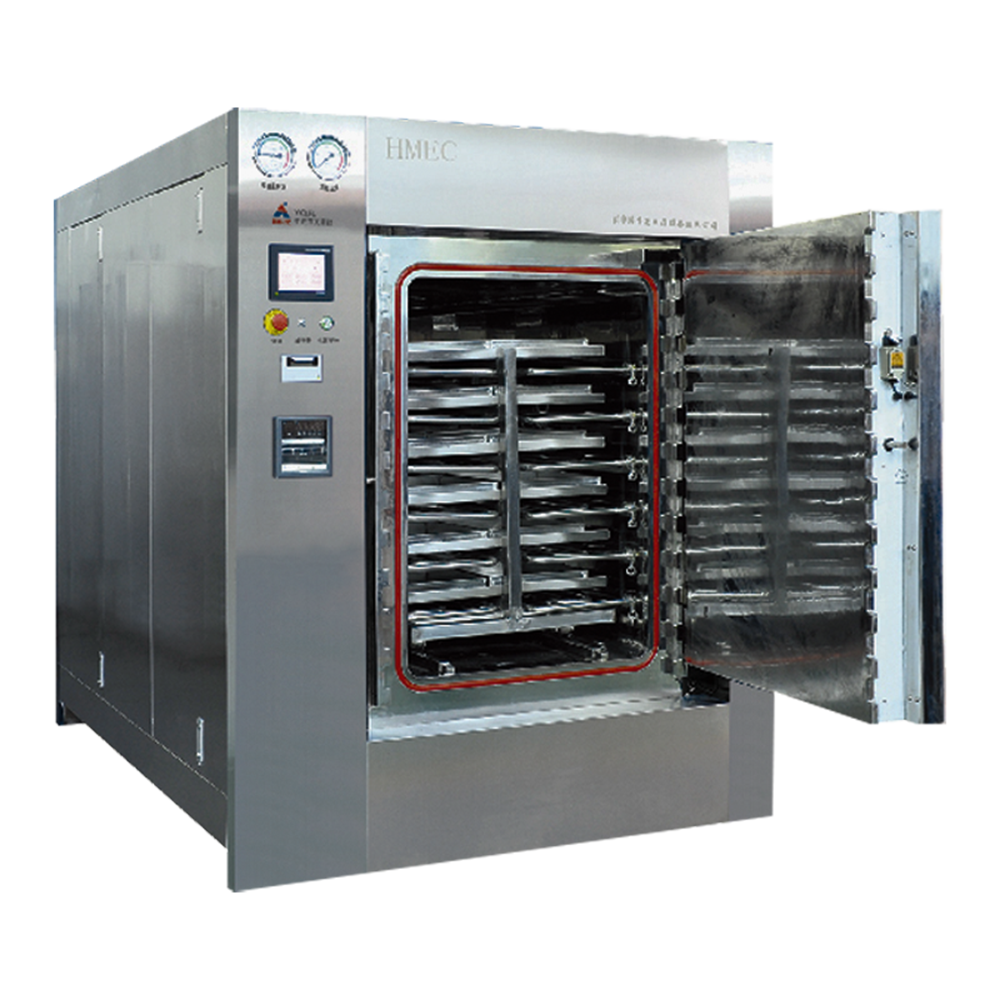
The sterilizer performs moist heat sterilization operations on items with saturated steam as the st...
See Details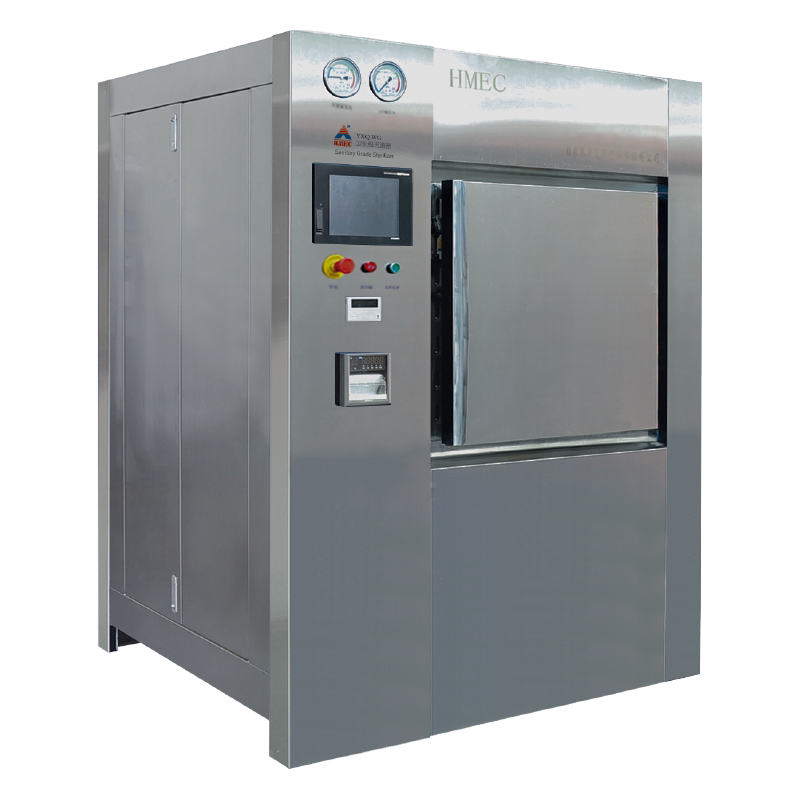
The sterilizer performs moist heat sterilization operations on items with saturated pure steam as th...
See Details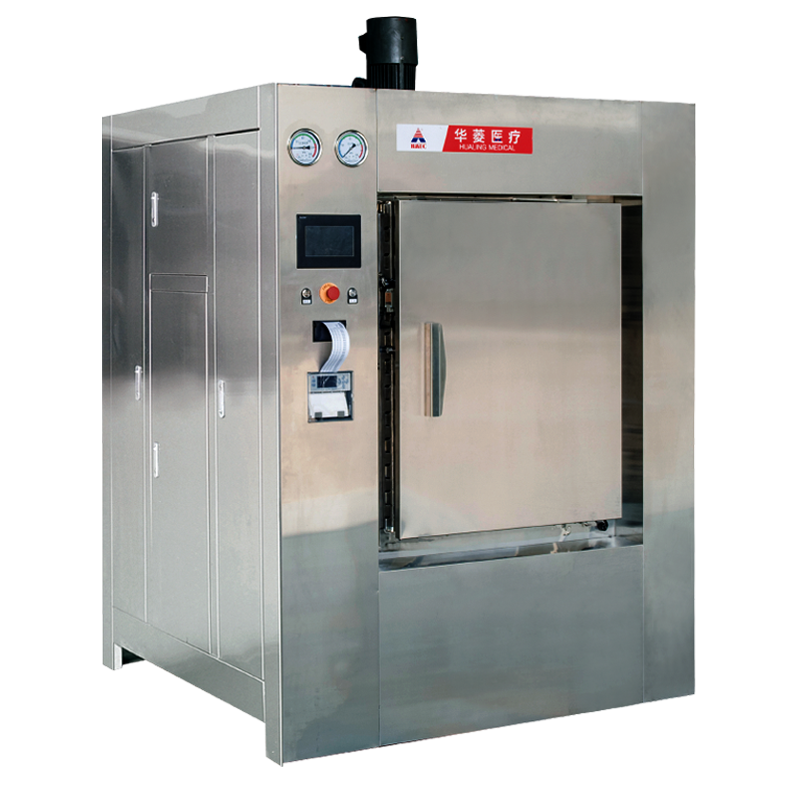
The sterilizer performs sterilization by means of mixing pressure of air and steam. Furthermore, mi...
See Details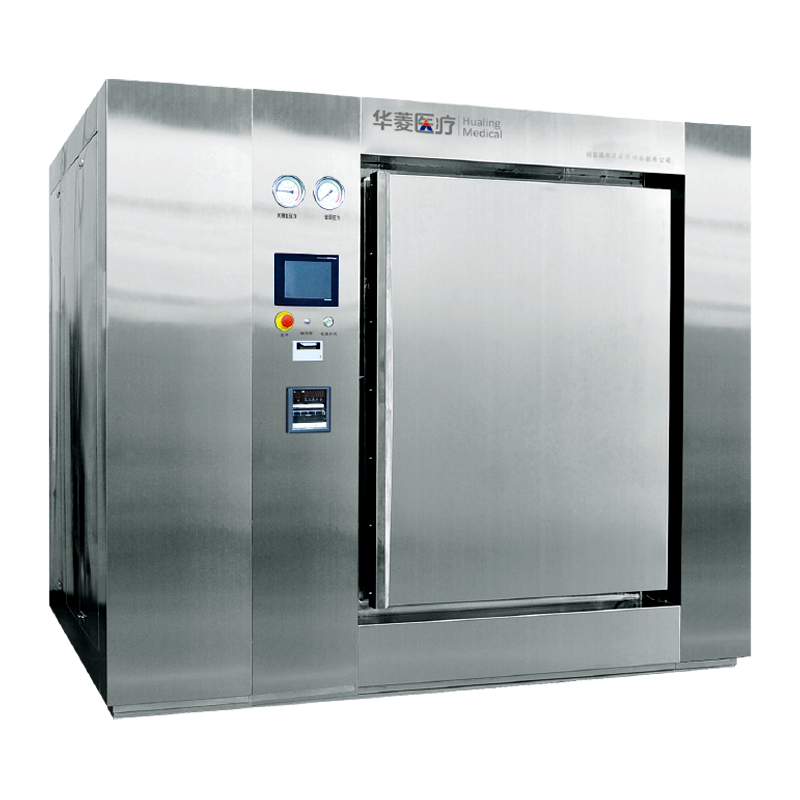
Water-bath type: The sterilized drugs are heated using water spraying using superheated water as the...
See Details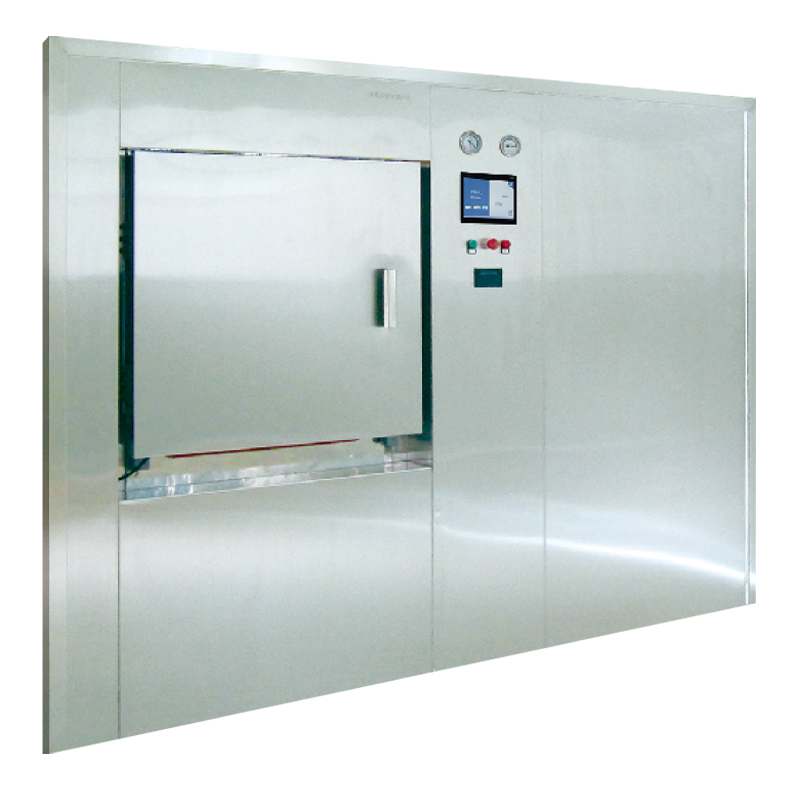
The sterilizer performs moist heat sterilization operations on items with saturated pure steam as th...
See Details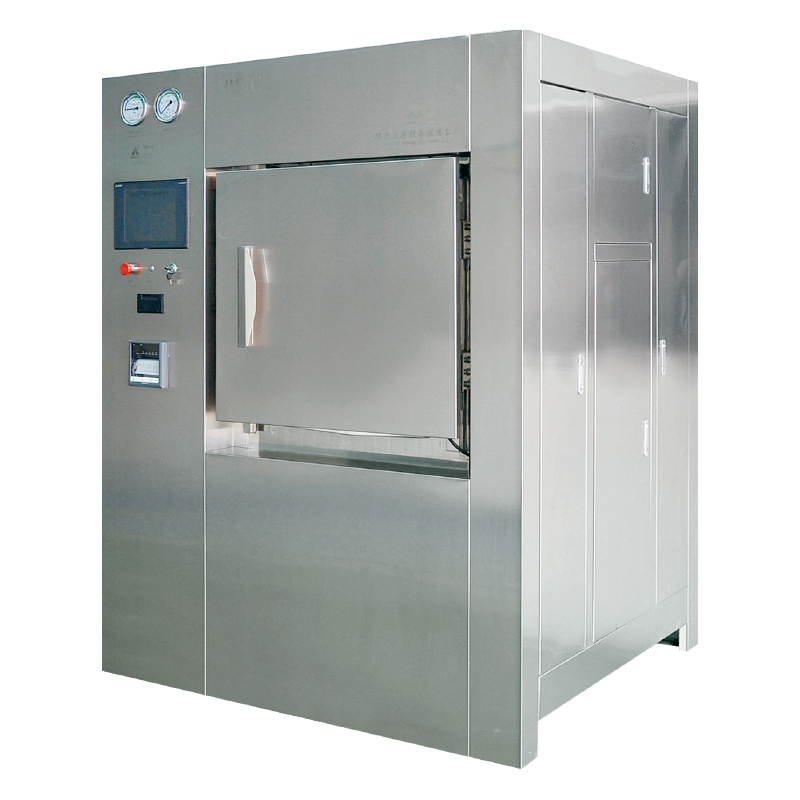
The sterilizer is to remove the impact of cold air on temperature using pulsation vacuum pumping wit...
See Details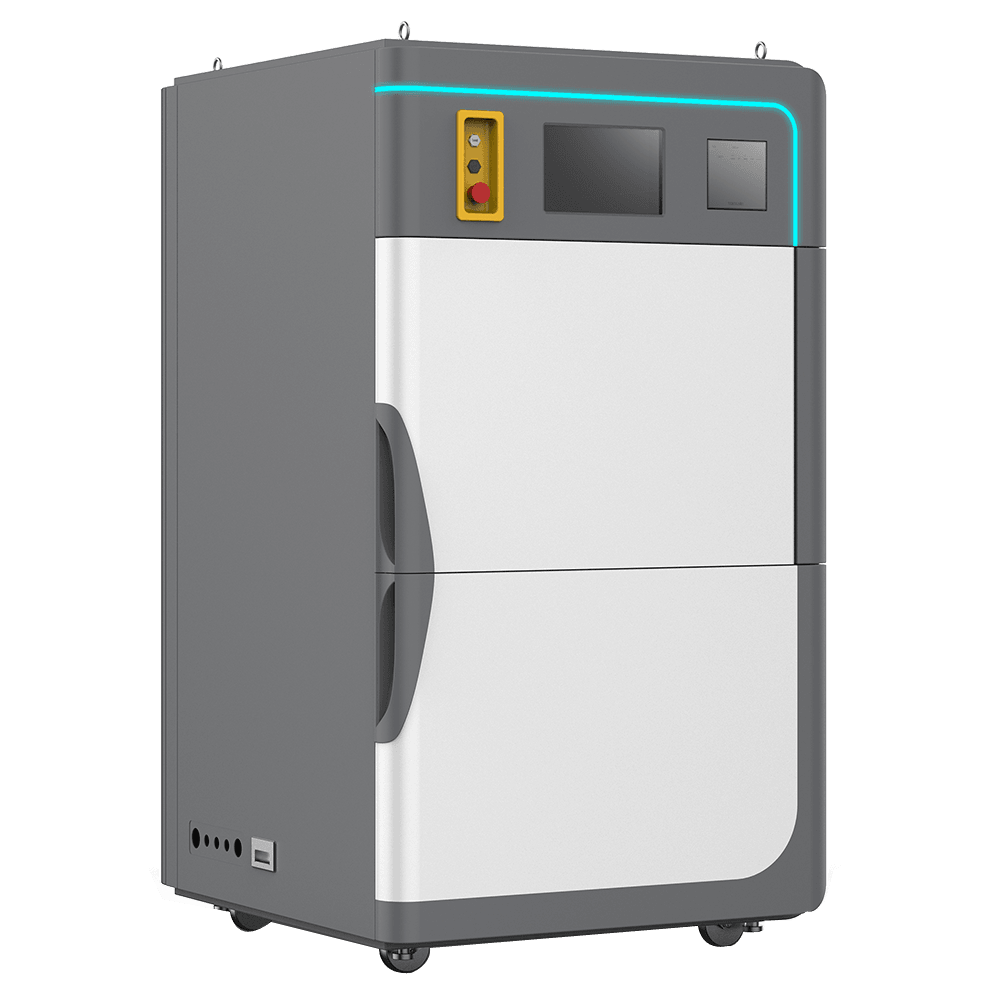
By the rapid penetration under vacuum conditions of a mixed gas of low-temperature (60℃ or 78℃) stea...
See Details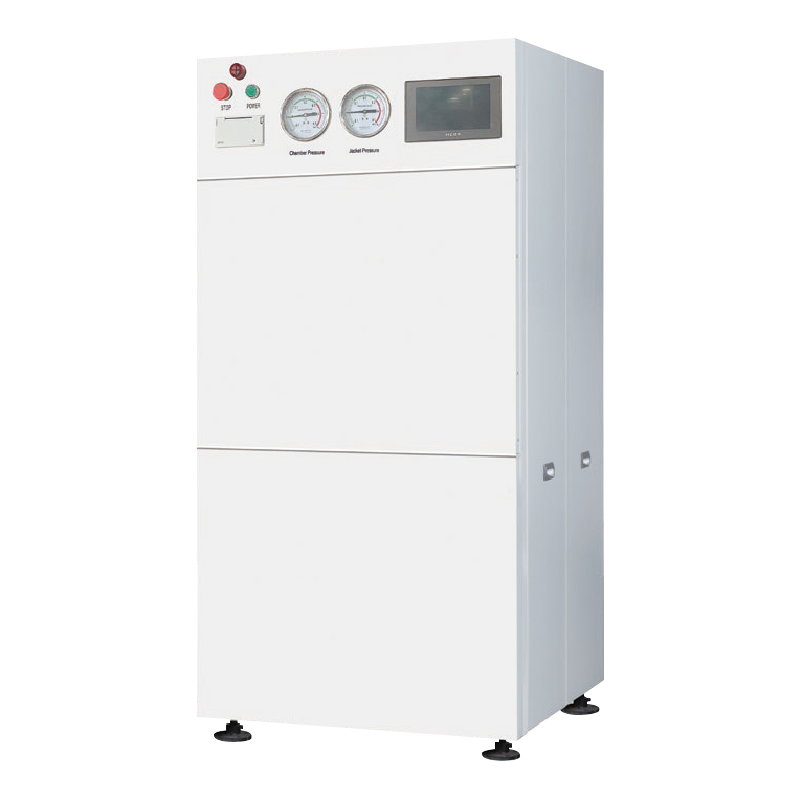
The Horizontal Steam Sterilizer utilizes saturated steam as the sterilizing medium, capitalizing on ...
See Details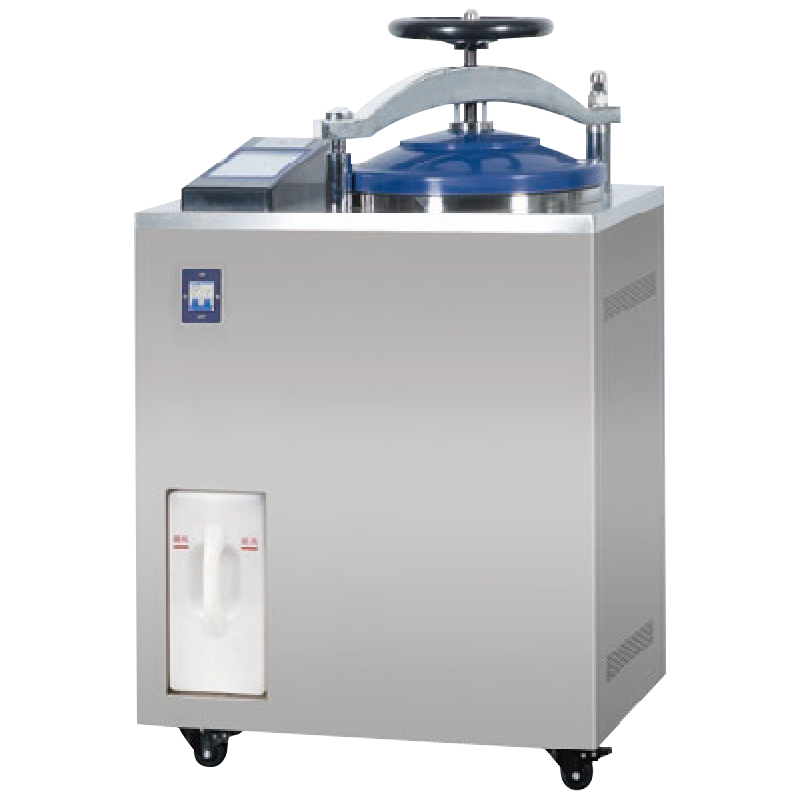
The Vertical Steam Sterilizer X Series (Multi-functional Laboratory Customized Model) offers a highl...
See Details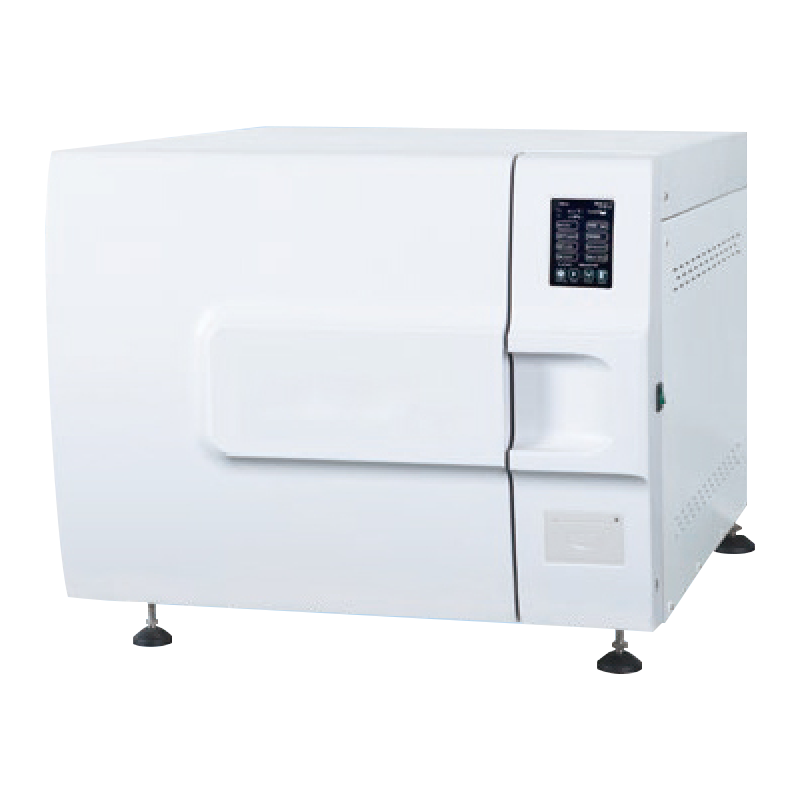
The Tabletop Steam Sterilizer Z Series is an efficient, user-friendly sterilization solution designe...
See DetailsIntroduction to Sanitary Grade Sterilizer: Definition and Importance in Modern Sterilization Definit......
READ MOREIntroduction In today’s fast-paced world, ensuring the safety and sterility of products and material......
READ MOREIntroduction to Sterile Preparation Sterilizers What is Sterile Preparation? Sterile preparation ref......
READ MOREWhy Does Every Drug Require a Sterile Preparation Sterilizer? In modern medicine and pharmaceuticals......
READ MORE +(86) 18018151178
[email protected]
365 Nansha Sanjiali Road, Jingang Town, Zhangjiagang City, China
+(86) 18018151178
[email protected]
365 Nansha Sanjiali Road, Jingang Town, Zhangjiagang City, China
