 English
 русский
 Español
 عربى
عربى
 中文
中文

Sanitary Grade Sterilizer
Cat:Products
The sterilizer performs moist heat sterilization operations on items with saturated pure steam as th...
See Details
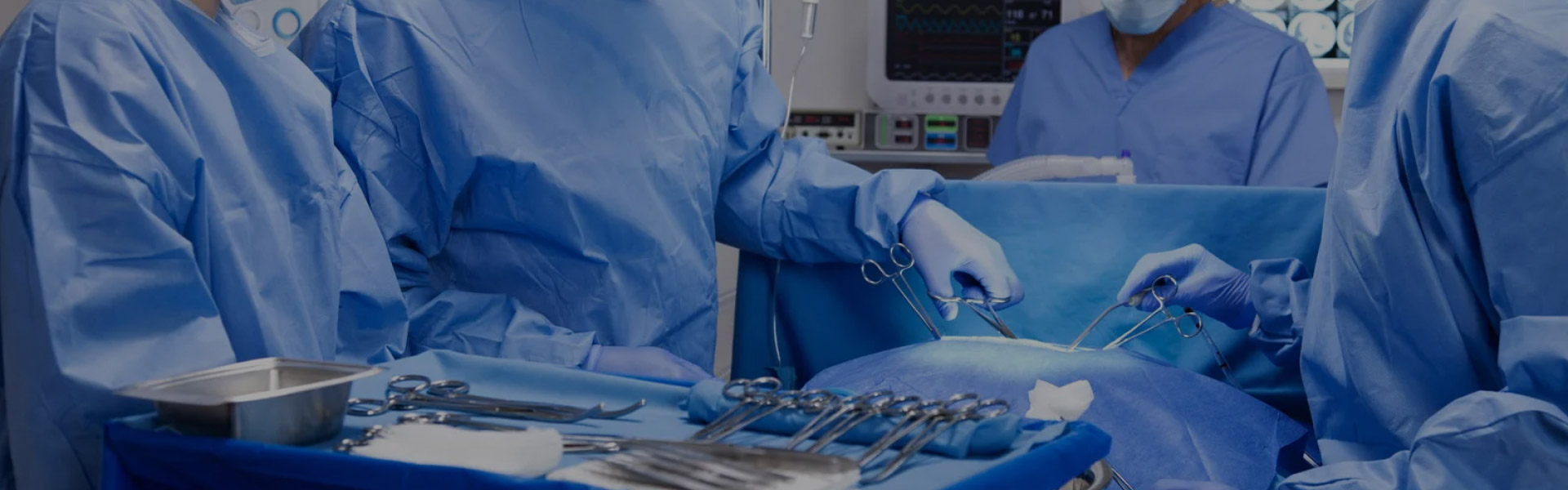
In the rigorous world of pharmaceutical manufacturing and laboratory research, the integrity of injectable drugs and sensitive solutions depends entirely on the efficacy of sterilization. The Sterile Preparation Sterilizer has emerged as a cornerstone technology for achieving these high standards. Whether dealing with small-batch clinical trials or large-scale production, the choice of a sterilization medium—be it water-bath or steam—determines the success of the thermal process. By utilizing precise temperature controls and pressure management, these systems ensure that every vial, ampoule, or bottle meets the stringent requirements for human use.
The water-bath type Sterile Preparation Sterilizer is a specialized piece of equipment designed for items that require uniform heating and rapid cooling. In this system, the sterilized drugs are heated using water spraying, utilizing superheated water as the primary sterilizing medium. The process begins by circulating water through a high-efficiency heat exchanger, where it is heated to the target temperature. Once the desired thermal state is reached, the water is sprayed over the products through a series of precision nozzles.
But how does this lead to the elimination of pathogens? Specifically, microbial proteins and other parts of them are denatured by heating. This denaturation process causes an irreversible change in the protein structure, eventually leading to the death of microorganisms and achieving complete sterilization. The water-bath method is particularly favored for bottled liquids because the water spray provides a cushioning effect against thermal shock, ensuring the glass containers do not break during the heating or cooling phases.
On the other side of the technological spectrum lies the steam-type Sterile Preparation Sterilizer. This method is widely recognized for its deep penetration and rapid heat transfer capabilities. In this configuration, high-temperature and high-pressure water vapor is used as the medium for sterilization. When the sterilized item is placed in the high-temperature and high-pressure steam medium, the heat energy released by the steam—specifically the latent heat of vaporization—will heat the sterilized item with incredible speed.
The biological efficacy follows a similar logic to the water-bath type but often operates at higher pressure levels. Specifically, microbial proteins and other parts of the sterilized item are denatured by heating, eventually leading to the death of the microorganisms and achieving the sterilization effect. The steam-type Sterile Preparation Sterilizer is often the preferred choice for porous loads, garments, and stainless steel tools, as the gaseous state of the steam allows it to reach crevices and internal surfaces that liquid water might struggle to penetrate.
Selecting the right Sterile Preparation Sterilizer requires an understanding of the technical differences between water-bath and steam models. The following table highlights the key operational parameters of these two systems:
|
Feature |
Water-Bath Type Sterilizer |
Steam Type Sterilizer |
|---|---|---|
|
Sterilization Medium |
Superheated Water (Spray) |
High-Pressure Saturated Steam |
|
Primary Mechanism |
Convective Heat Transfer |
Latent Heat Release |
|
Cooling Method |
Integrated Cold Water Spray |
Vacuum or Jacket Cooling |
|
Common Applications |
Large-volume Parenterals (LVP) |
Porous Loads, Tools, Hard Goods |
|
Thermal Uniformity |
Excellent (via Circulation Pump) |
Very High (via Steam Distribution) |
|
Biological Effect |
Protein Denaturation |
Protein Denaturation |
|
Pressure Control |
Overpressure Support Included |
Saturated Steam Pressure |
|
Container Safety |
High (Prevents Bottle Bursting) |
High (Requires Vacuum Air Removal) |
One of the most critical challenges in sterile preparation is maintaining the physical integrity of the packaging. When heating sealed bottles, the internal pressure can rise significantly, leading to deformation or bursting. The water-bath Sterile Preparation Sterilizer addresses this by using superheated water under an air-overpressure system. By controlling the air pressure inside the chamber independently of the temperature, the system can counteract the pressure building up inside the medicine bottles.
This ensures that while the microbial proteins are being denatured by heating, the physical structure of the plastic or glass container remains intact. The death of microorganisms is achieved without compromising the commercial viability of the drug product. This level of control makes the water-bath type indispensable for the "final sterilization" of finished pharmaceutical products.
The steam-type Sterile Preparation Sterilizer relies on the fact that moisture significantly lowers the temperature at which proteins coagulate. Under high pressure, steam can reach temperatures far exceeding the boiling point of water at sea level. When this steam contacts a cooler surface, it condenses, releasing a massive amount of energy directly into the sterilized item.
The moisture from the steam penetrates the cell membranes of bacteria and spores. Specifically, microbial proteins and other parts of the sterilized item are denatured by heating through the combined action of moisture and heat. This ensures that even the most heat-resistant spores are eliminated. The effectiveness of a steam Sterile Preparation Sterilizer is often measured by its ability to remove air from the chamber initially, as air pockets can act as insulators and prevent the steam from reaching all parts of the load.
Modern versions of the Sterile Preparation Sterilizer are equipped with advanced PLC (Programmable Logic Controller) systems. These computers monitor the temperature and pressure in real-time, ensuring that the denaturation process is consistent throughout the entire cycle. Without precise control, there is a risk of "under-processing," where the heat is insufficient to lead to the death of microorganisms, or "over-processing," where the drug itself might be damaged by excessive heat.
Whether utilizing the water-bath type with its superheated water spray or the steam type with its high-pressure vapor, the digital interface allows operators to track F0 values. The F0 value is a mathematical calculation of the sterilization's lethality, ensuring that the Sterile Preparation Sterilizer has provided enough heat energy to guarantee a high sterility assurance level.
To maintain the high performance of a Sterile Preparation Sterilizer, regular calibration of sensors and inspection of mechanical seals are mandatory. In water-bath systems, the spray nozzles must be checked for blockages to ensure that the "denatured by heating" process remains uniform across all products in the chamber. In steam systems, the steam quality must be monitored to prevent non-condensable gases from entering the chamber, which could hinder the achievement of the sterilization effect.
By adhering to these maintenance protocols, facilities ensure that their Sterile Preparation Sterilizer continues to operate safely, effectively denaturing microbial proteins and protecting the health of patients who will eventually receive the sterile preparations.
Before any Sterile Preparation Sterilizer is put into full production, it must undergo a series of validation tests. These tests include Installation Qualification (IQ), Operational Qualification (OQ), and Performance Qualification (PQ). The goal is to prove that the machine consistently reaches the required temperature and that the microbial proteins are indeed denatured by heating in every corner of the chamber.
During validation, thermocouples are placed inside the containers to monitor the "cold spot"—the area that takes the longest to heat up. Only when the cold spot reaches the required temperature for the required time can we be certain of the death of microorganisms. This rigorous testing ensures that the Sterile Preparation Sterilizer acts as a reliable barrier against contamination in the pharmaceutical supply chain.
Operating a Sterile Preparation Sterilizer requires significant energy, whether to heat large volumes of water or to generate high-pressure steam. Modern designs focus on heat recovery systems that capture the energy from the cooling phase to pre-heat the next cycle's medium. For the water-bath type, this means recycling the superheated water through a closed-loop system.
By optimizing the way microbial proteins are denatured by heating, manufacturers can reduce the carbon footprint of their facility while still achieving the death of microorganisms. Choosing an energy-efficient Sterile Preparation Sterilizer not only reduces operational costs but also aligns with global sustainability goals without sacrificing the sterilization effect.
Integration with robotic loading and unloading systems is the latest advancement for the Sterile Preparation Sterilizer. Automation reduces human contact with the sterilized items, which is a major source of secondary contamination. In an automated workflow, the Sterile Preparation Sterilizer receives the batch directly from the filling line, performs the denaturation process, and then moves the items to the packaging area.
This seamless transition ensures that once the death of microorganisms is achieved, the products remain in a controlled environment. The combination of high-precision thermal technology and advanced robotics makes the modern Sterile Preparation Sterilizer an invincible tool in the fight against infectious diseases and pharmaceutical defects.
Q: Can a Sterile Preparation Sterilizer handle both liquids and solids? A: Most units are optimized for one or the other. A water-bath type is generally superior for liquids in sealed containers due to its gentle heating and overpressure capabilities. A steam-type Sterile Preparation Sterilizer is typically better for solid tools, empty glassware, and porous materials due to the superior penetration of water vapor.
Q: What does "superheated water" mean in the context of the water-bath type? A: Superheated water refers to liquid water that is heated to a temperature above its normal boiling point (100 Celsius at sea level) by keeping it under pressure. This allows the Sterile Preparation Sterilizer to reach sterilization temperatures (often 121 Celsius) while keeping the medium in a liquid state for spraying.
Q: Is "denaturation" the only way microorganisms die during sterilization? A: For thermal sterilization used in a Sterile Preparation Sterilizer, protein denaturation is the primary mechanism. The heat breaks the chemical bonds that hold proteins in their functional shapes. Once these proteins lose their structure, the microorganism can no longer perform life-sustaining functions, leading to the death of the microorganisms.
Q: How long does a typical cycle in a Sterile Preparation Sterilizer last? A: The duration depends on the load size and the nature of the product. While the sterilization phase (the "hold" time) is often 15 to 30 minutes at 121 Celsius, the entire cycle—including heating, air removal, and cooling—can take anywhere from 60 to 120 minutes.
Q: Why is high pressure necessary in a steam-type Sterile Preparation Sterilizer? A: Pressure is used to raise the temperature of the steam. In a closed system, increasing the pressure allows the steam to reach the temperatures required to ensure microbial proteins are denatured by heating efficiently. Without pressure, steam would remain at 100 Celsius, which is insufficient to kill certain heat-resistant bacterial spores within a reasonable timeframe.
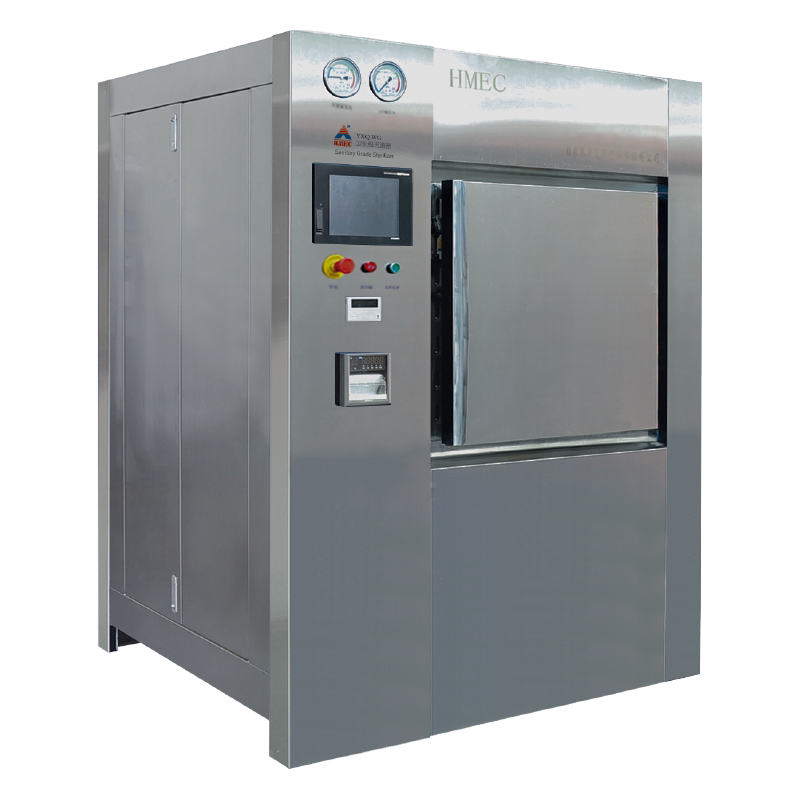
The sterilizer performs moist heat sterilization operations on items with saturated pure steam as th...
See Details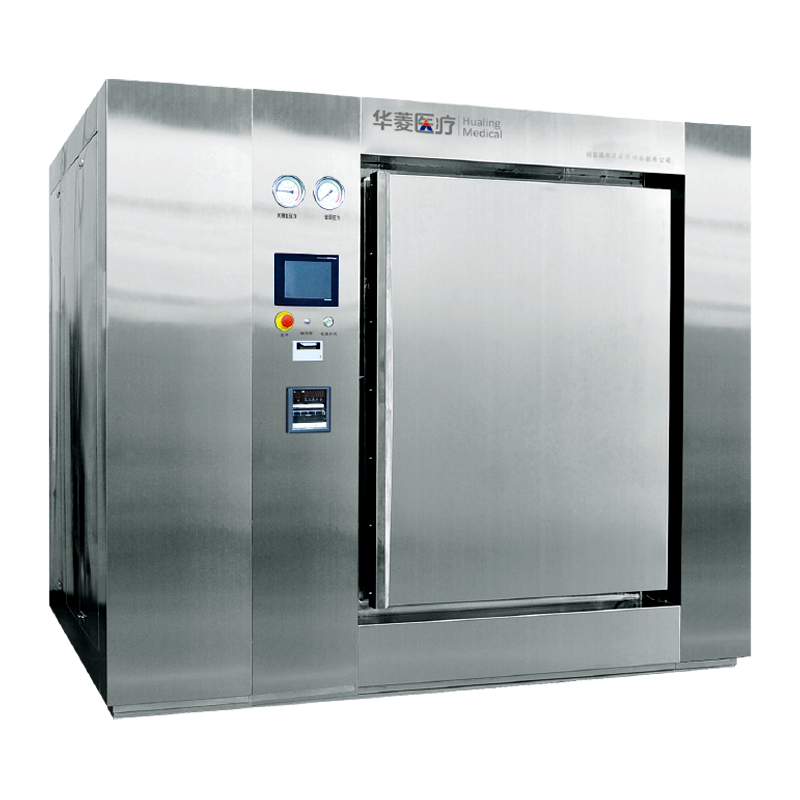
Water-bath type: The sterilized drugs are heated using water spraying using superheated water as the...
See Details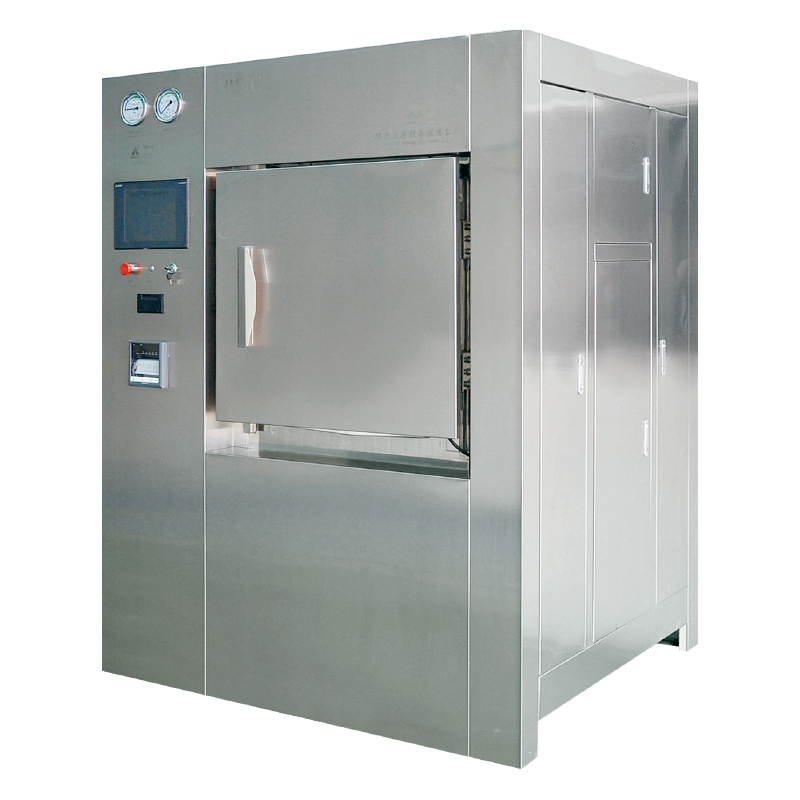
The sterilizer is to remove the impact of cold air on temperature using pulsation vacuum pumping wit...
See Details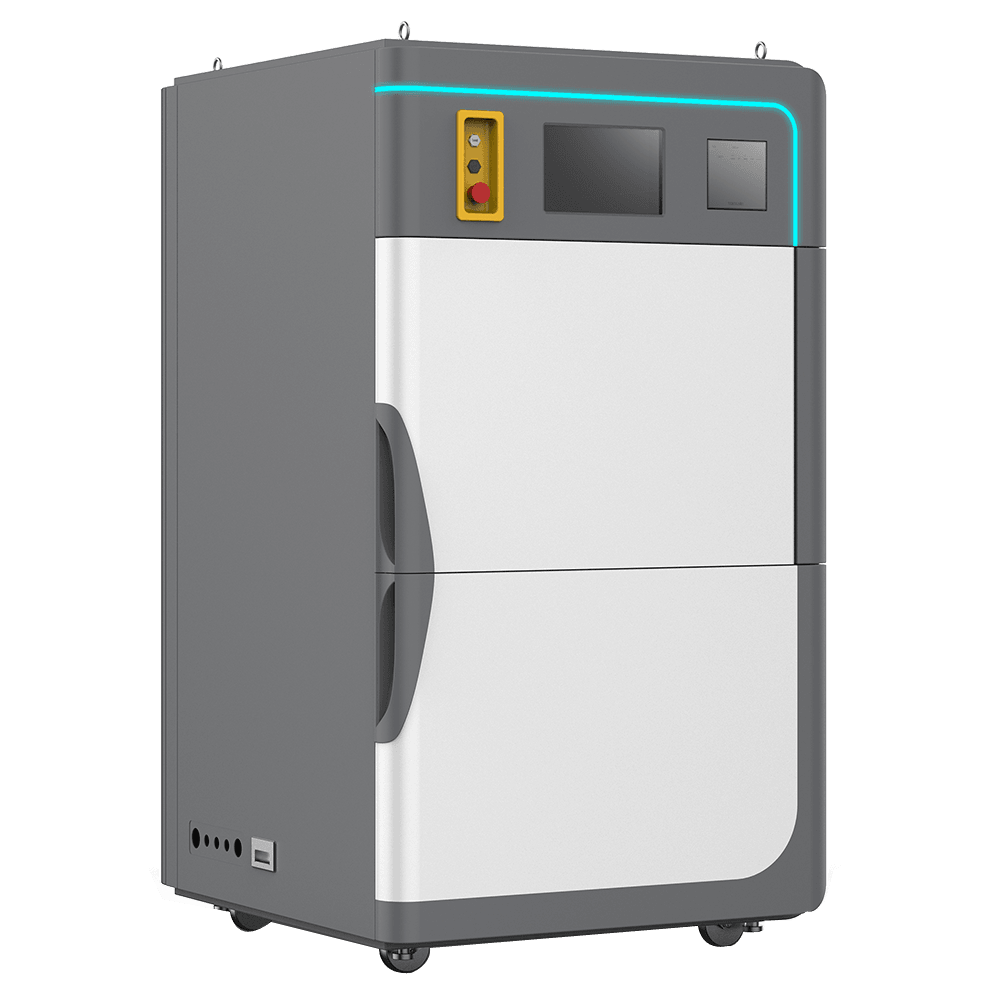
By the rapid penetration under vacuum conditions of a mixed gas of low-temperature (60℃ or 78℃) stea...
See Details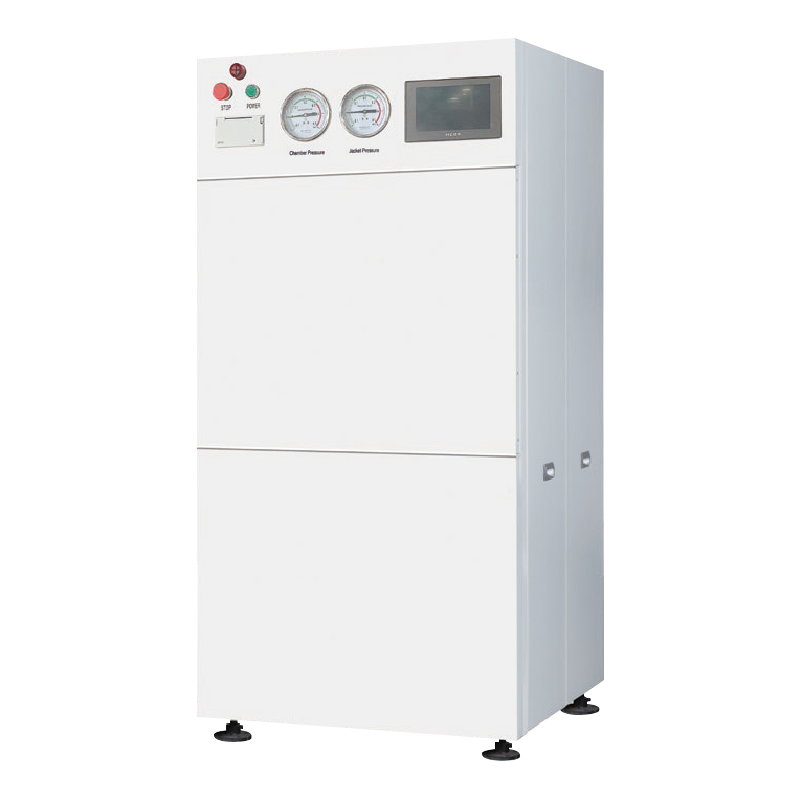
The Horizontal Steam Sterilizer utilizes saturated steam as the sterilizing medium, capitalizing on ...
See Details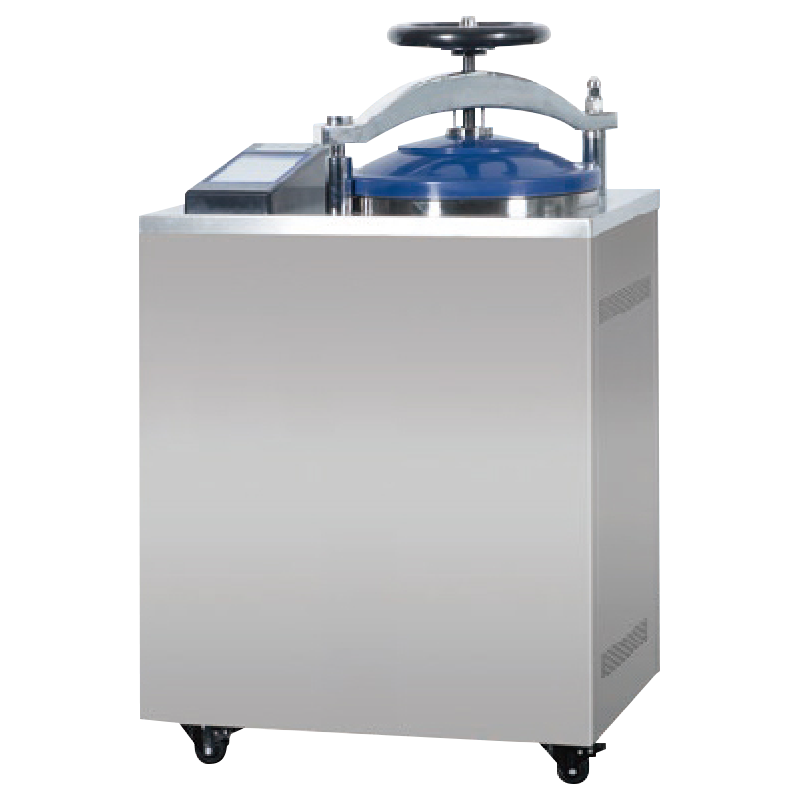
The Vertical Steam Sterilizer M Series (Pulsating Vacuum) is a safe and reliable sterilization solut...
See Details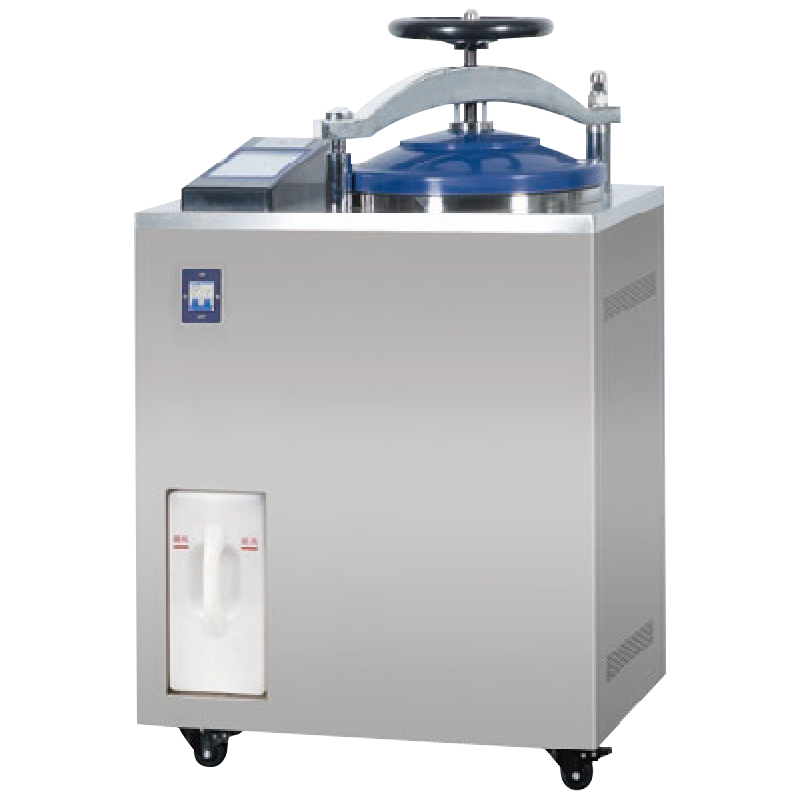
The Vertical Steam Sterilizer X Series (Multi-functional Laboratory Customized Model) offers a highl...
See Details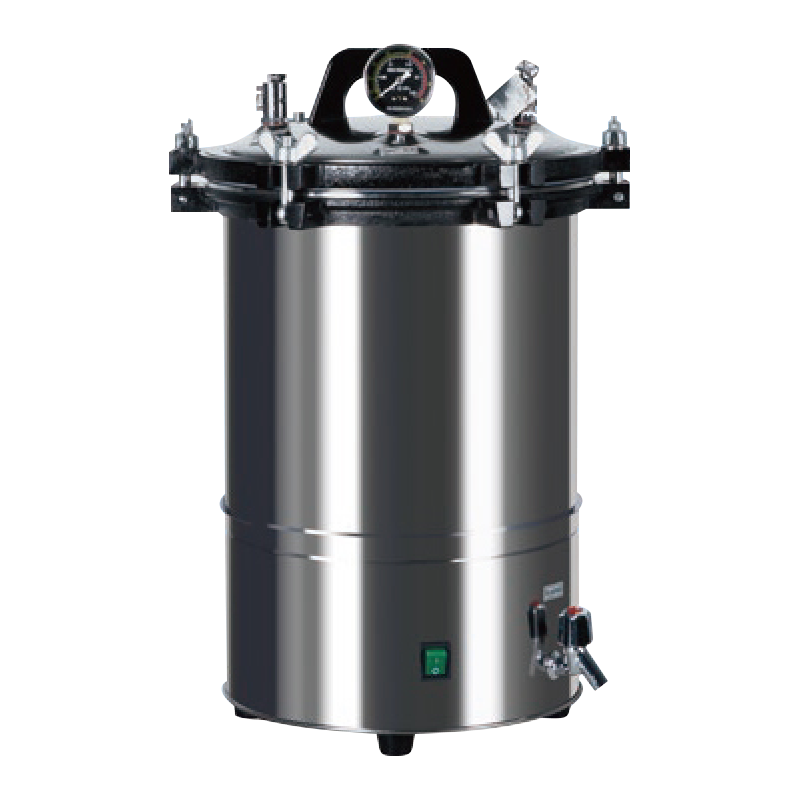
The Portable Pressure Steam Sterilizer Model YXQ.PPS-280A and A+ offers a compact and reliable solut...
See Details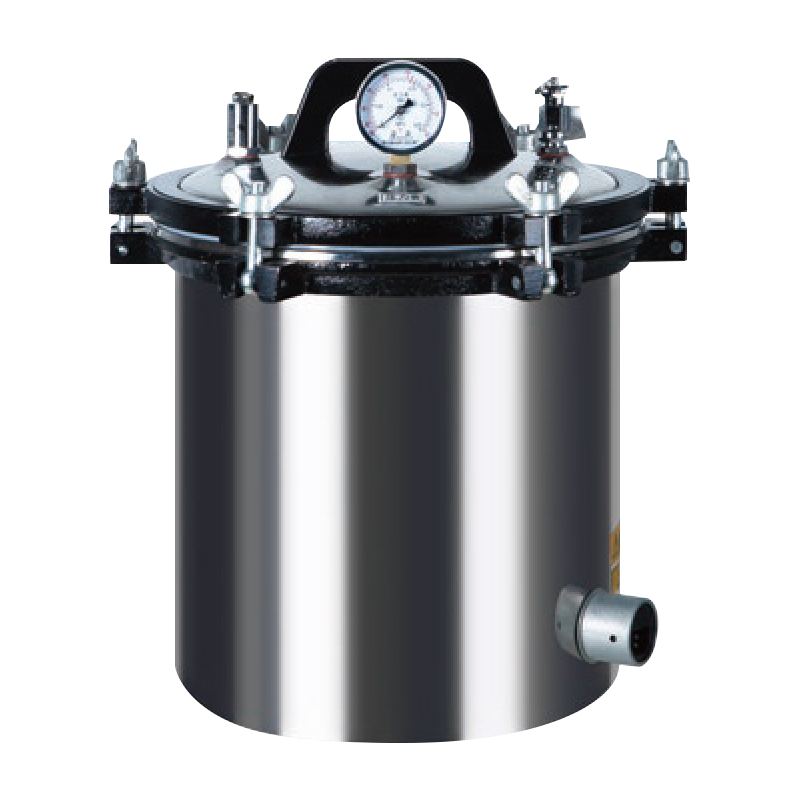
The YXQ.PPS-280C and C+ Portable Pressure Steam Sterilizer is a versatile dual-purpose sterilizer, o...
See Details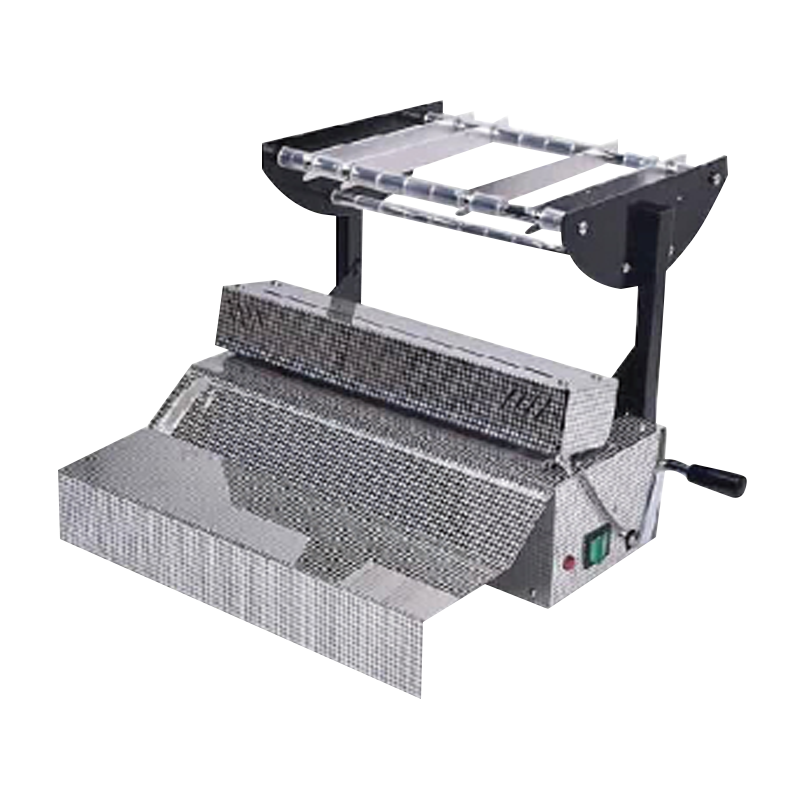
Product Usage:This type of sealing machine is used forsealing sterilizing bag, suitable for medicali...
See DetailsIntroduction to Sanitary Grade Sterilizer: Definition and Importance in Modern Sterilization Definit......
READ MOREIntroduction In today’s fast-paced world, ensuring the safety and sterility of products and material......
READ MOREIntroduction to Sterile Preparation Sterilizers What is Sterile Preparation? Sterile preparation ref......
READ MOREWhy Does Every Drug Require a Sterile Preparation Sterilizer? In modern medicine and pharmaceuticals......
READ MORE +(86) 18018151178
[email protected]
365 Nansha Sanjiali Road, Jingang Town, Zhangjiagang City, China
+(86) 18018151178
[email protected]
365 Nansha Sanjiali Road, Jingang Town, Zhangjiagang City, China
