 English
 русский
 Español
 عربى
عربى
 中文
中文

Traditional Chinese Medicine Sterilizer
Cat:Products
The sterilizer performs moist heat sterilization operations on items with saturated steam as the st...
See Details
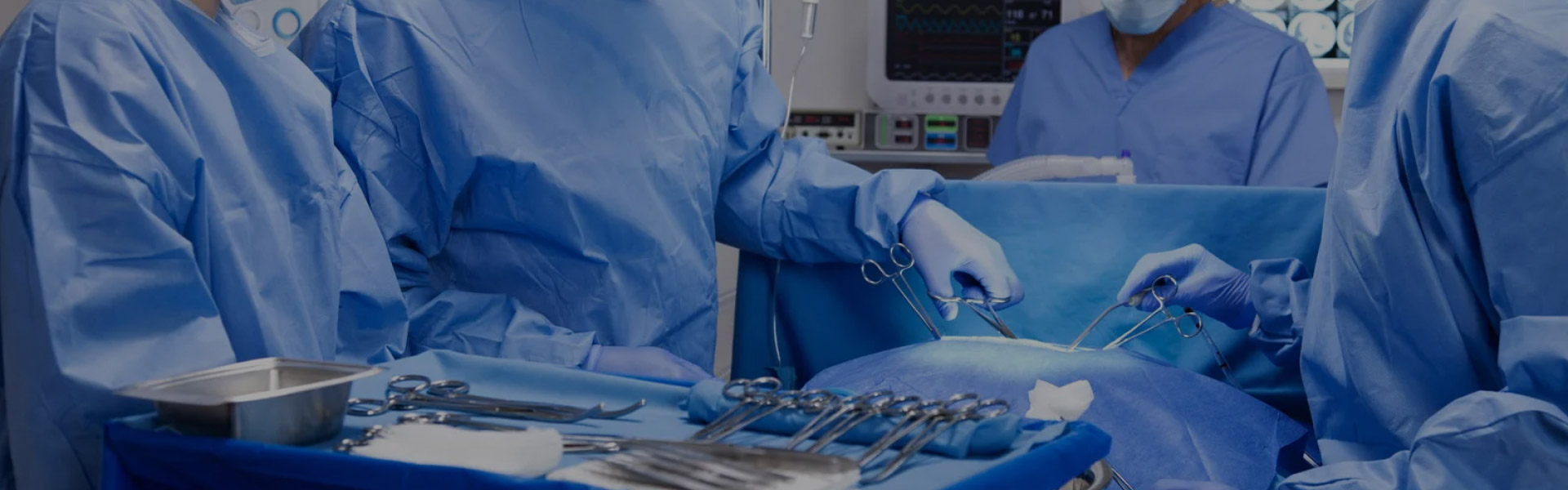
As medical devices become more complex, more delicate, and more sensitive to heat and moisture, hospitals and laboratories are facing increasing challenges in ensuring safe, effective, and material-friendly sterilization. Against this background, the Low Temperature Steam Formaldehyde Sterilizer has emerged as a critical solution, offering high-efficiency sterilization at controlled low temperatures while maintaining compatibility with a wide range of medical instruments.
The Low Temperature Steam Formaldehyde Sterilizer represents a significant advancement in low-temperature sterilization technology. By utilizing the rapid penetration of a mixed gas composed of low-temperature steam and formaldehyde under vacuum conditions, this system enables thorough sterilization of breathable packaged equipment, including devices with complex internal structures such as lumens, narrow channels, joints, and gaps. This capability makes it an indispensable tool in modern medical environments where patient safety and equipment longevity are equally important.
As hospitals increasingly adopt minimally invasive surgical techniques and advanced diagnostic tools, the demand for reliable low-temperature sterilization solutions continues to grow. The Low Temperature Steam Formaldehyde Sterilizer addresses this demand with precision, efficiency, and proven effectiveness.
In traditional high-temperature steam sterilization, many heat-sensitive medical devices risk deformation, material degradation, or functional failure. The Low Temperature Steam Formaldehyde Sterilizer operates at controlled temperatures of 60℃ or 78℃, significantly reducing thermal stress on sensitive instruments. This makes it particularly suitable for sterilizing endoscopes, surgical instruments with plastic components, anesthesia equipment, and medical devices containing electronic or optical elements.
The sterilization process relies on vacuum-assisted rapid penetration, ensuring that the sterilant gas mixture reaches every exposed surface. Under vacuum conditions, air is removed from the sterilization chamber and from within the packaged instruments, allowing the low-temperature steam and formaldehyde mixture to penetrate deeply into porous materials and narrow internal spaces. This ensures uniform sterilization even in equipment with highly complex geometries.
One of the defining strengths of the Low Temperature Steam Formaldehyde Sterilizer is its ability to sterilize breathable sterilization packaging effectively. Many modern medical packaging materials are designed to allow gas exchange while maintaining a sterile barrier. The mixed gas sterilant used in this system is ideally suited for such packaging, allowing sterilization to occur without compromising packaging integrity or post-sterilization sterility.
Formaldehyde, when used in controlled concentrations and combined with steam, provides powerful antimicrobial action. It is highly effective against a wide range of microorganisms, including bacteria, viruses, fungi, and spores. The presence of low-temperature steam enhances the distribution and activity of formaldehyde, improving its ability to penetrate organic matter and microbial cell structures. This synergy ensures rapid and reliable sterilization cycles without the need for excessively high temperatures or prolonged exposure times.
In addition to its effectiveness, the Low Temperature Steam Formaldehyde Sterilizer offers excellent material compatibility. Unlike some alternative low-temperature sterilization methods that may cause material embrittlement, discoloration, or surface degradation, this technology preserves the physical and functional properties of medical devices. This contributes to extended instrument lifespan, reduced replacement costs, and improved sustainability in healthcare operations.
Operational efficiency is another key advantage of the Low Temperature Steam Formaldehyde Sterilizer. The system is designed for fast cycle times, allowing healthcare facilities to maintain high instrument turnover rates. This is particularly important in busy surgical departments and central sterile supply departments (CSSDs), where delays in instrument availability can directly impact clinical workflows and patient care.
Modern Low Temperature Steam Formaldehyde Sterilizers are typically equipped with advanced control systems that ensure precise regulation of temperature, pressure, gas concentration, and exposure time. These automated controls enhance process reliability, minimize operator error, and ensure consistent sterilization outcomes across repeated cycles. Data recording and monitoring features also support traceability and compliance with regulatory requirements.
From a safety perspective, contemporary systems are engineered with multiple safeguards to manage formaldehyde exposure. Controlled gas dosing, effective aeration phases, and sealed chamber designs help ensure that residual sterilant levels are reduced to safe limits before instruments are released for use. This makes the Low Temperature Steam Formaldehyde Sterilizer a viable option for healthcare facilities that prioritize both efficacy and occupational safety.
The versatility of this sterilization technology extends beyond hospitals. It is widely used in clinical laboratories, research institutions, pharmaceutical production facilities, and biomedical research centers where precise sterilization of sensitive equipment is required. Its ability to handle complex structures and mixed materials makes it suitable for a broad range of professional environments.
Below is a comparison table highlighting the advantages of the Low Temperature Steam Formaldehyde Sterilizer compared with other common sterilization methods:
| Feature | Low Temperature Steam Formaldehyde Sterilizer | High-Temperature Steam Sterilization | Ethylene Oxide Sterilization |
|---|---|---|---|
| Operating Temperature | 60℃ or 78℃ | 121℃–134℃ | 37℃–55℃ |
| Suitable for Heat-Sensitive Devices | Excellent | Poor | Excellent |
| Penetration of Complex Structures | Excellent | Good | Excellent |
| Cycle Time | Short to Moderate | Short | Long |
| Material Compatibility | High | Limited | High |
| Residual Toxicity Management | Controlled and Efficient | Not Applicable | Requires Long Aeration |
| Packaging Compatibility | Breathable Packaging | Limited | Breathable Packaging |
| Typical Applications | Endoscopes, Lumens, Delicate Instruments | Metal Surgical Tools | Heat- and Moisture-Sensitive Devices |
The growing emphasis on infection prevention and control has made sterilization technology a strategic investment rather than a routine operational tool. The Low Temperature Steam Formaldehyde Sterilizer aligns well with this shift, offering healthcare providers a solution that balances microbial safety, material protection, and operational efficiency.
As medical devices continue to evolve in complexity, sterilization systems must keep pace. The Low Temperature Steam Formaldehyde Sterilizer demonstrates how innovation in sterilization science can directly support advances in medical technology. By enabling safe and effective sterilization of devices that were once difficult or risky to process, this technology contributes to higher standards of patient care and clinical reliability.
The Low Temperature Steam Formaldehyde Sterilizer is more than just an alternative sterilization method; it is a critical component of modern healthcare infrastructure. Its ability to rapidly and efficiently sterilize breathable packaged equipment, including devices with complex internal structures, at low temperatures of 60℃ or 78℃, positions it as a highly valuable solution for today’s demanding medical environments. As healthcare systems worldwide continue to prioritize safety, efficiency, and sustainability, the Low Temperature Steam Formaldehyde Sterilizer is set to play an increasingly important role in shaping the future of medical sterilization.
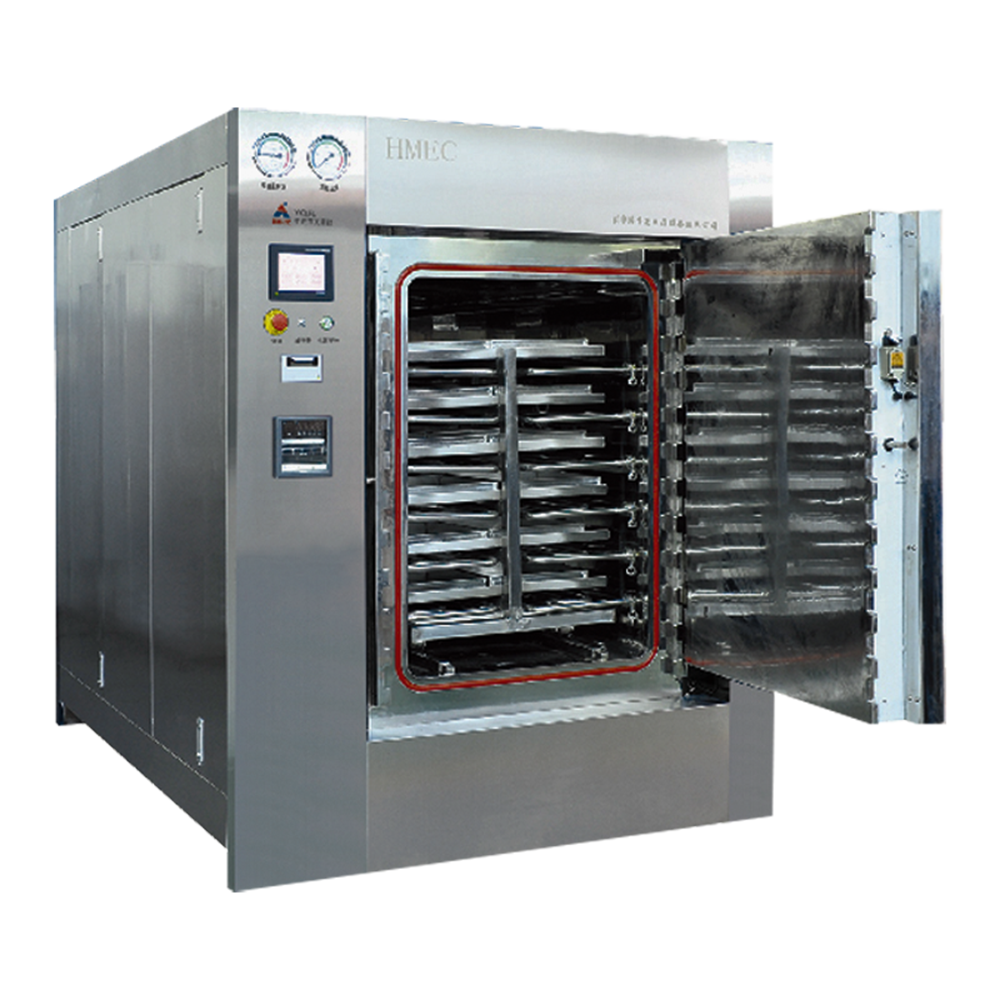
The sterilizer performs moist heat sterilization operations on items with saturated steam as the st...
See Details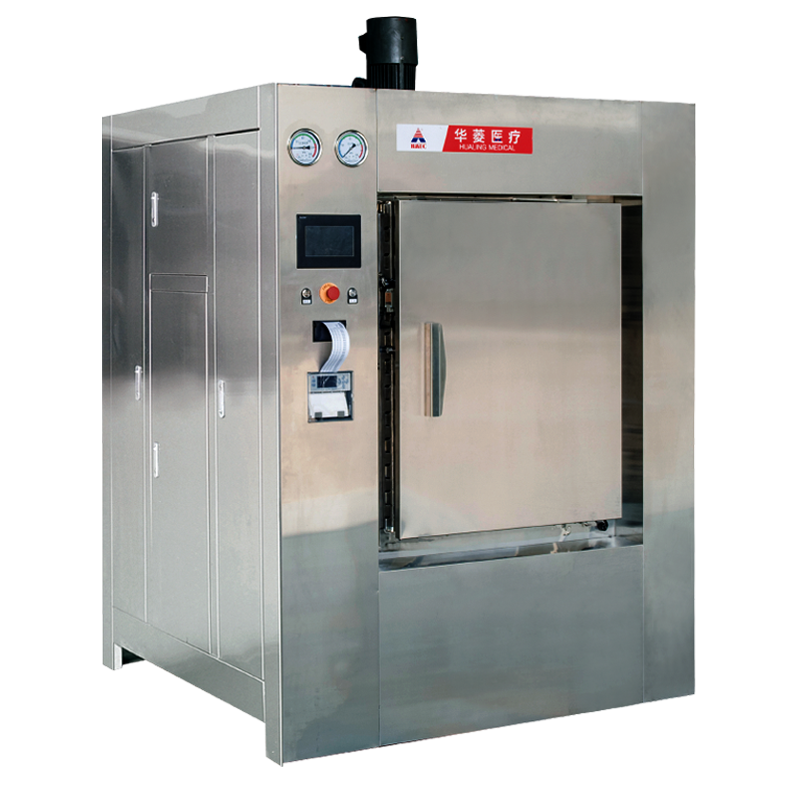
The sterilizer performs sterilization by means of mixing pressure of air and steam. Furthermore, mi...
See Details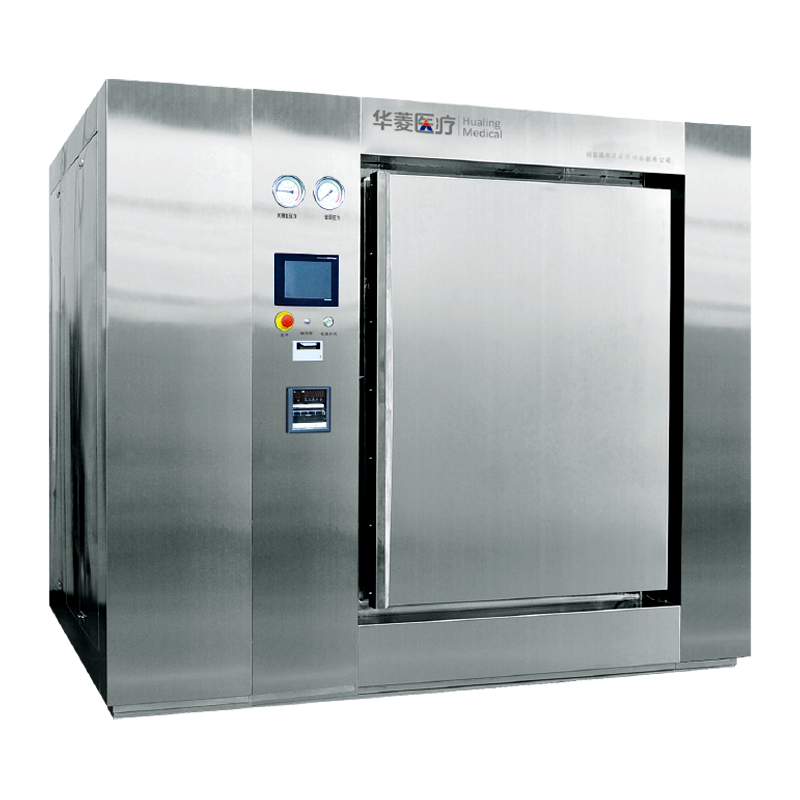
Water-bath type: The sterilized drugs are heated using water spraying using superheated water as the...
See Details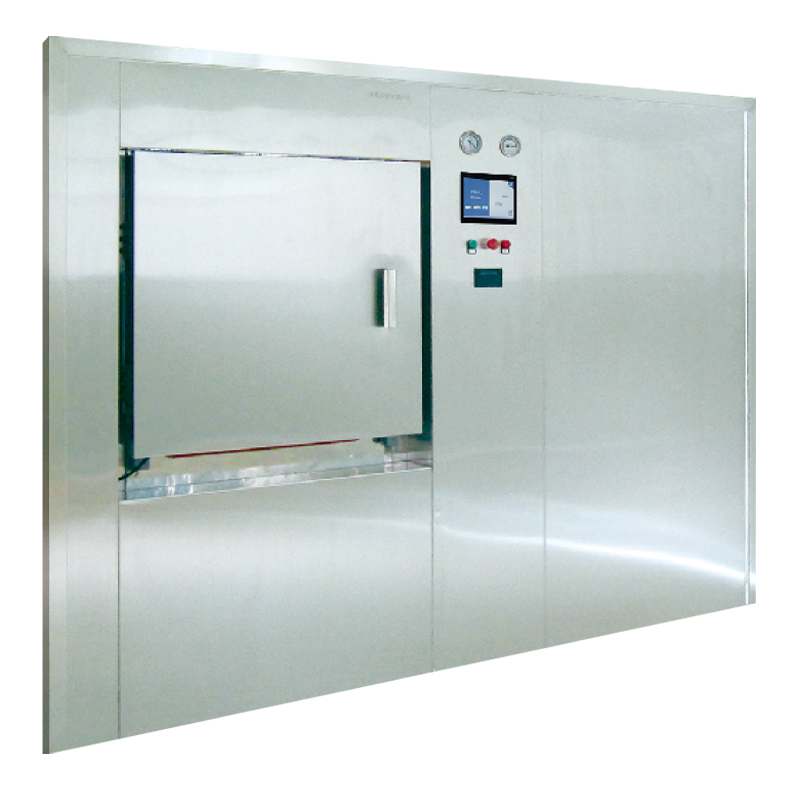
The sterilizer performs moist heat sterilization operations on items with saturated pure steam as th...
See Details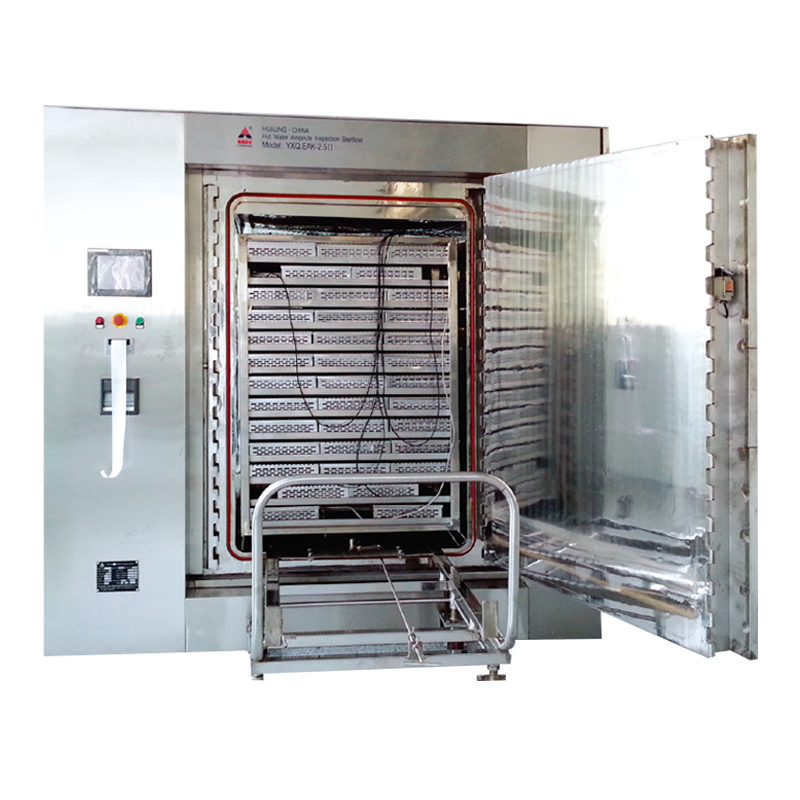
This sterilizer uses steam to sterilize, leak-detect, and clean for vials and ampoules.
See Details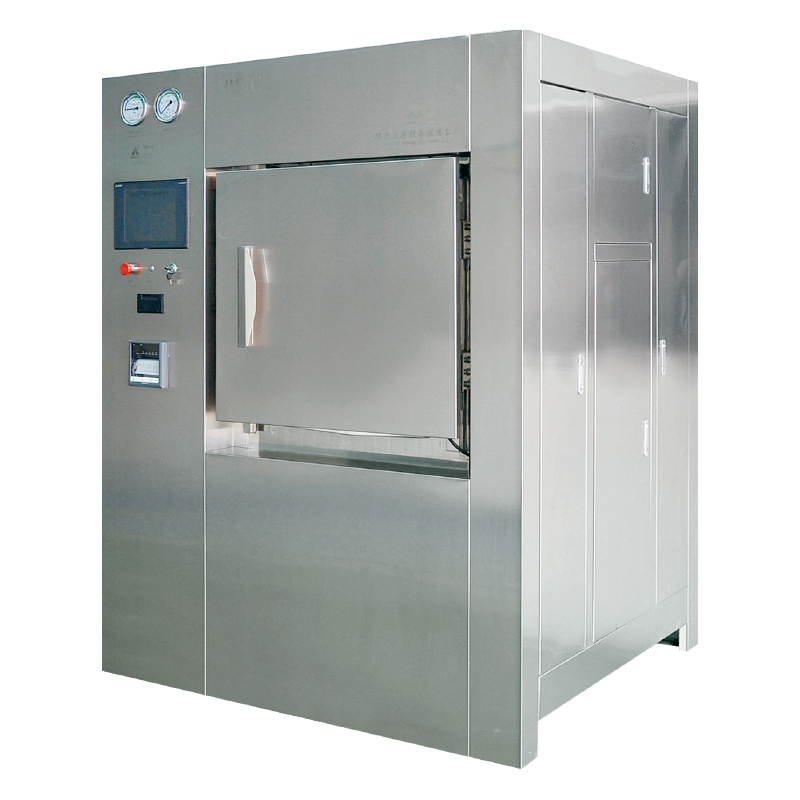
The sterilizer is to remove the impact of cold air on temperature using pulsation vacuum pumping wit...
See Details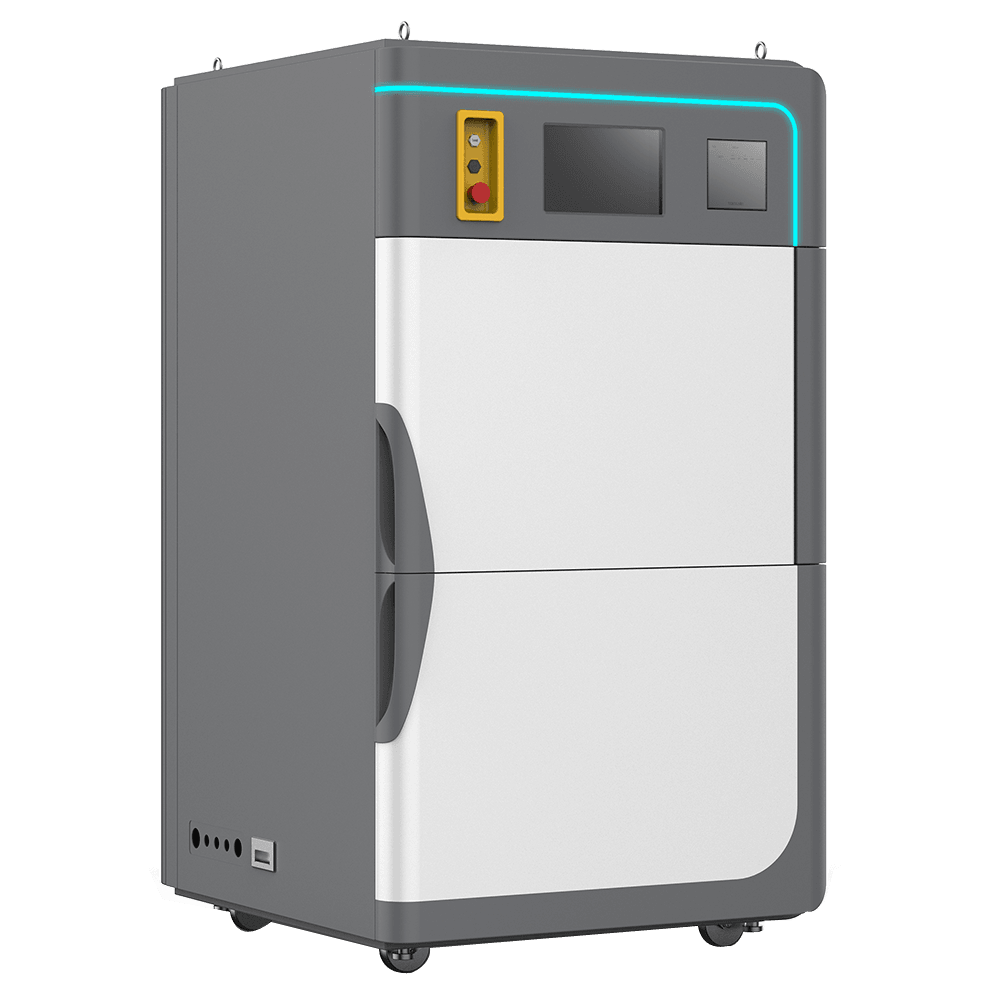
By the rapid penetration under vacuum conditions of a mixed gas of low-temperature (60℃ or 78℃) stea...
See Details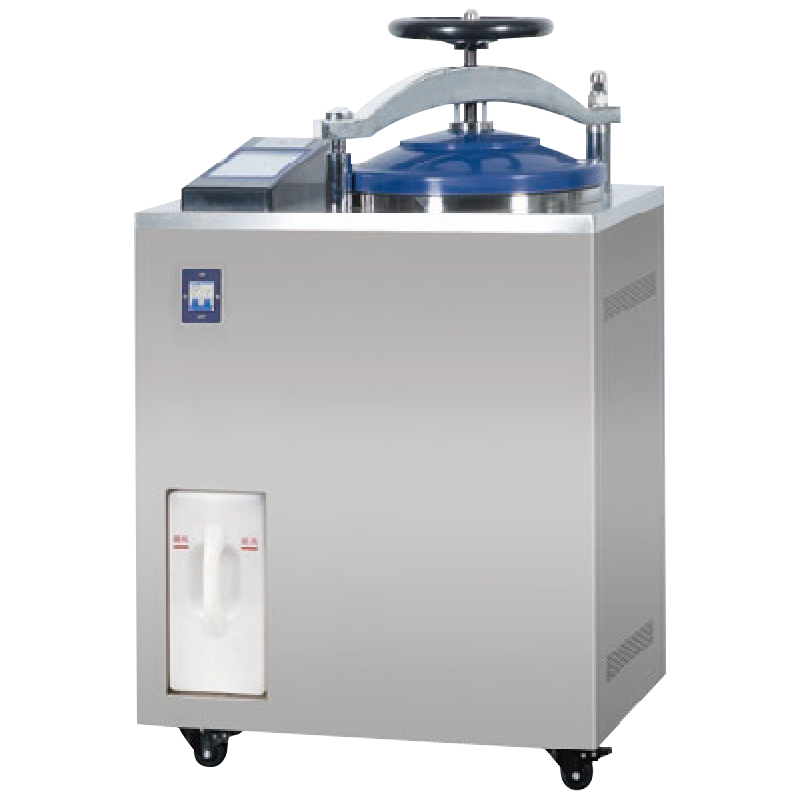
The Vertical Steam Sterilizer X Series (Multi-functional Laboratory Customized Model) offers a highl...
See Details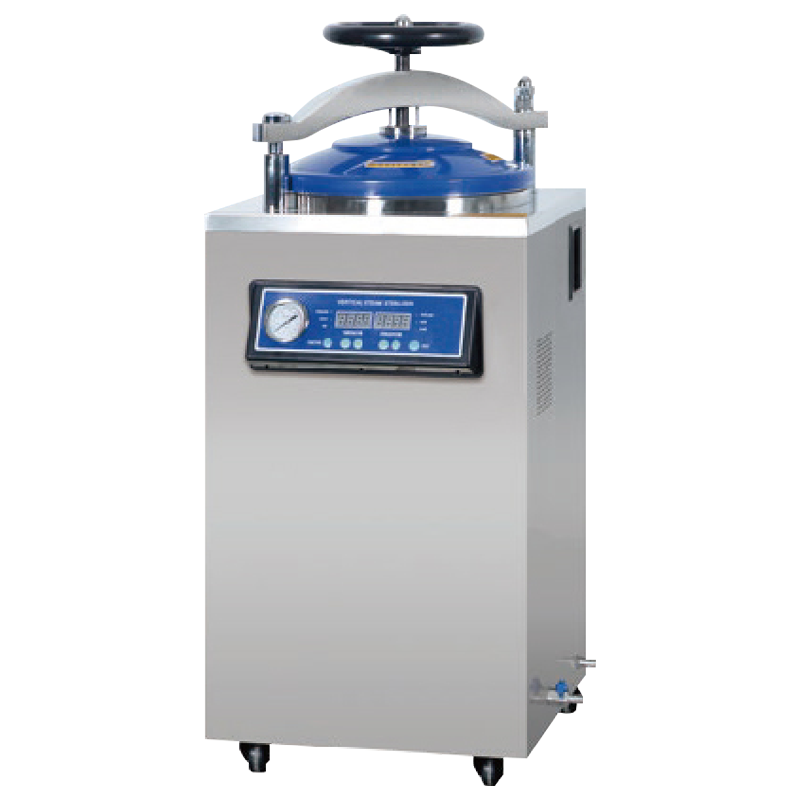
The Vertical Steam Sterilizer B Series offers a robust, automated solution for sterilizing a wide ra...
See Details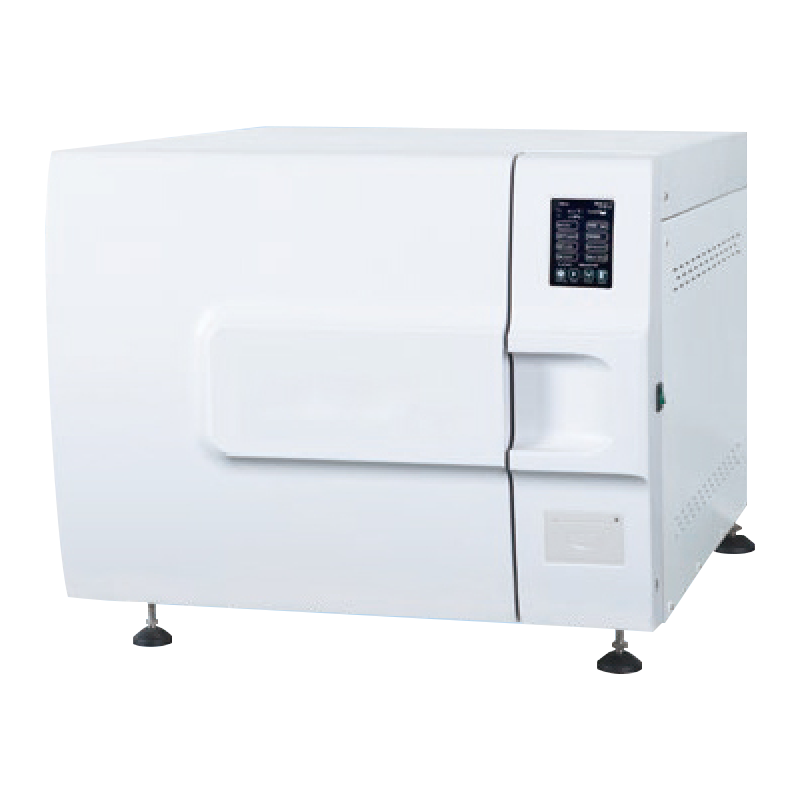
The Tabletop Steam Sterilizer Z Series is an efficient, user-friendly sterilization solution designe...
See DetailsIntroduction to Sanitary Grade Sterilizer: Definition and Importance in Modern Sterilization Definit......
READ MOREIntroduction In today’s fast-paced world, ensuring the safety and sterility of products and material......
READ MOREIntroduction to Sterile Preparation Sterilizers What is Sterile Preparation? Sterile preparation ref......
READ MOREWhy Does Every Drug Require a Sterile Preparation Sterilizer? In modern medicine and pharmaceuticals......
READ MORE +(86) 18018151178
[email protected]
365 Nansha Sanjiali Road, Jingang Town, Zhangjiagang City, China
+(86) 18018151178
[email protected]
365 Nansha Sanjiali Road, Jingang Town, Zhangjiagang City, China
