 English
 русский
 Español
 عربى
عربى
 中文
中文



As global demand for Traditional Chinese Medicine (TCM) continues to increase, the need for advanced processing equipment that guarantees safety, reliability, and pharmaceutical-grade quality has become more urgent than ever. Among the crucial technologies driving the modernization of TCM production, the Traditional Chinese Medicine Sterilizer stands out as a transformative innovation. But how is this specialized sterilization equipment reshaping herbal medicine manufacturing? Why are more pharmaceutical companies and TCM processing facilities investing in high-performance moist heat sterilizers? These questions reflect a broader industry shift: a movement toward scientific, standardized, and globally compliant production of traditional herbal products.
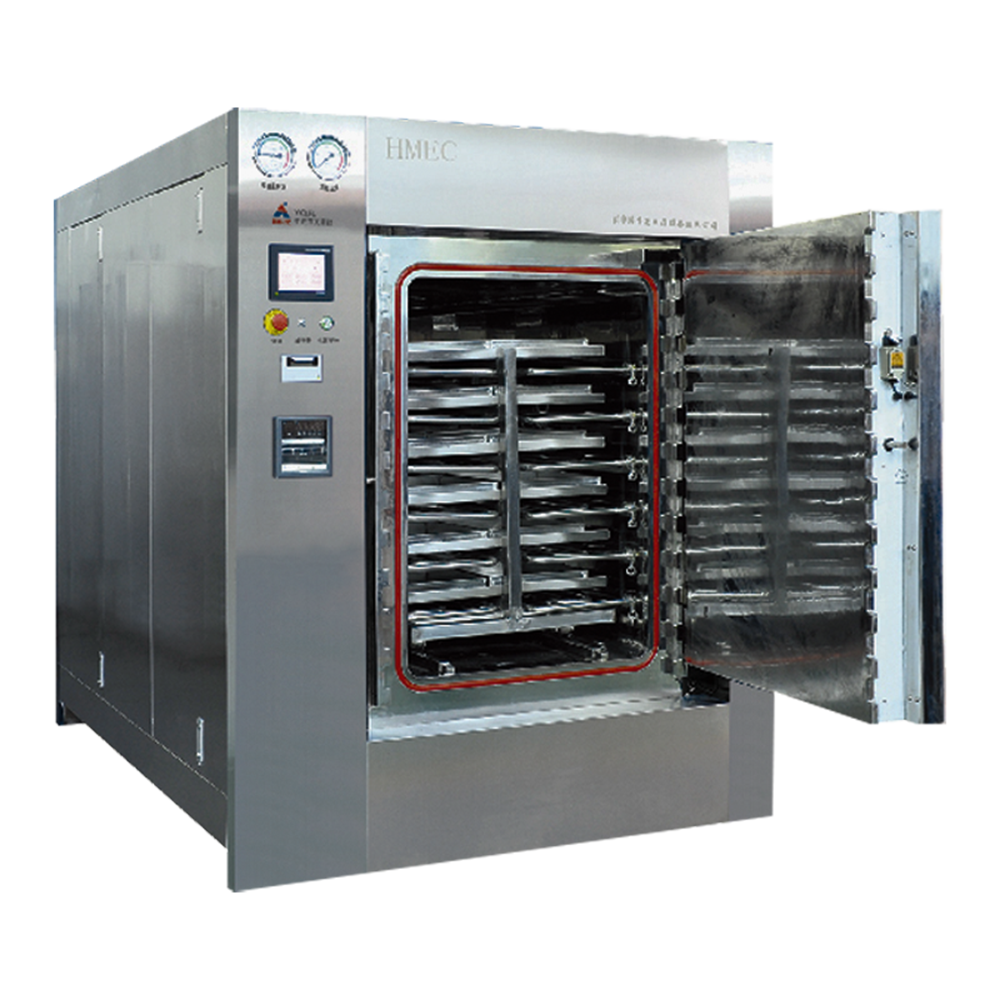
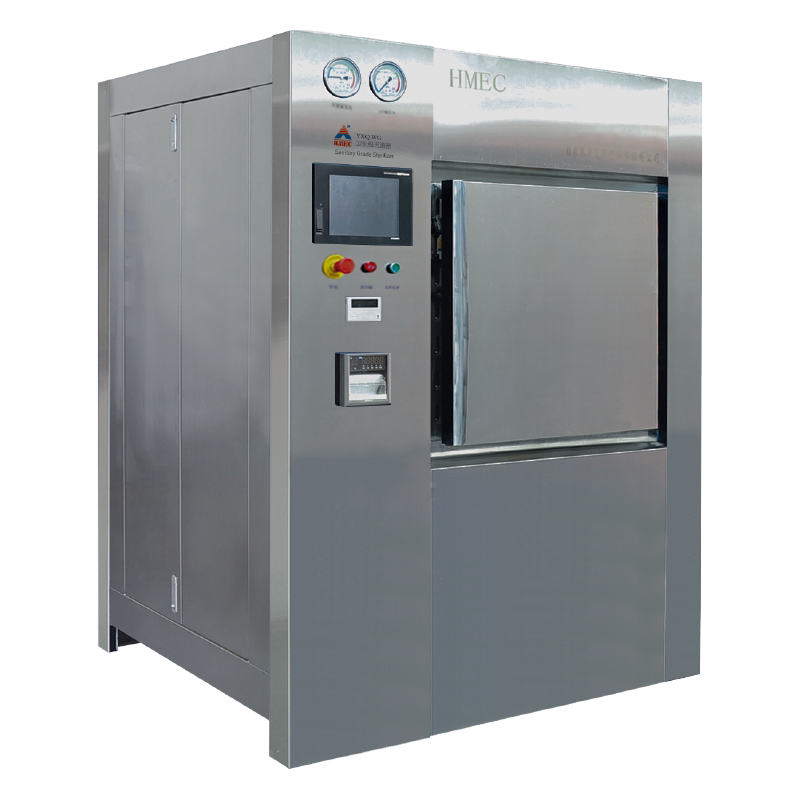
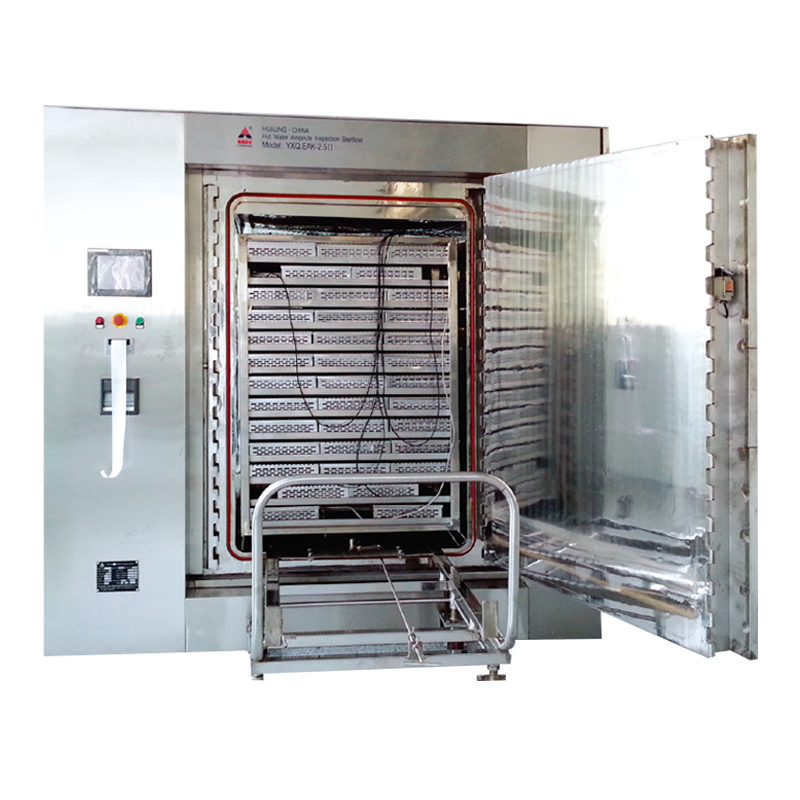
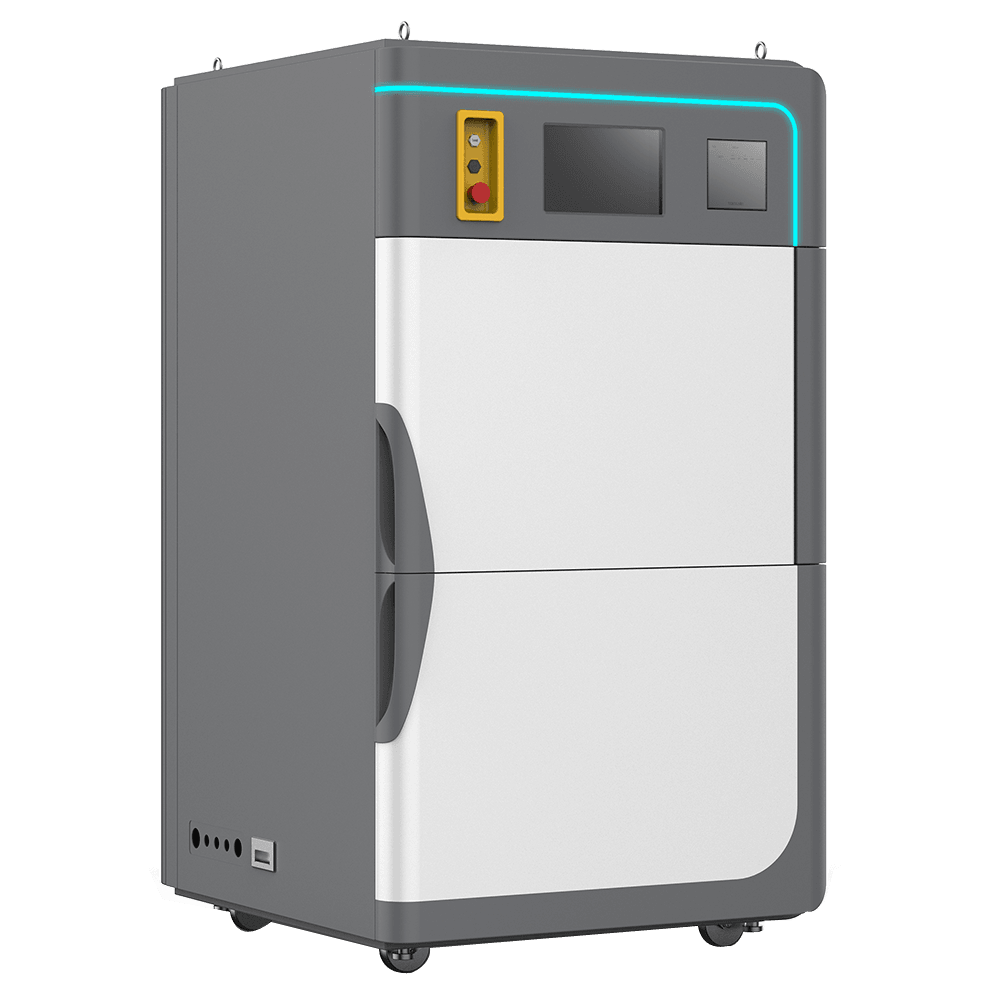
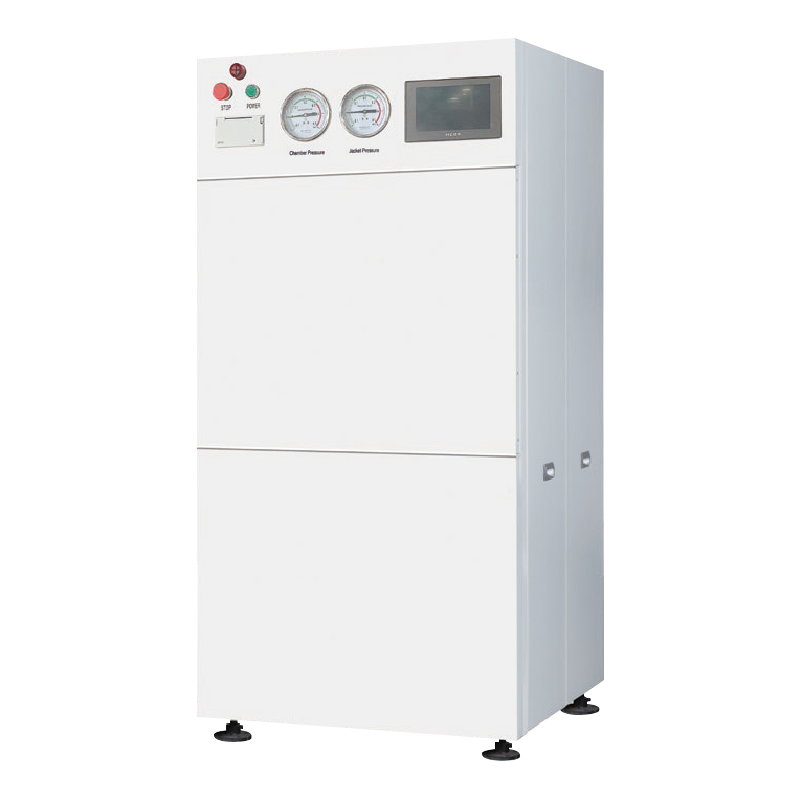
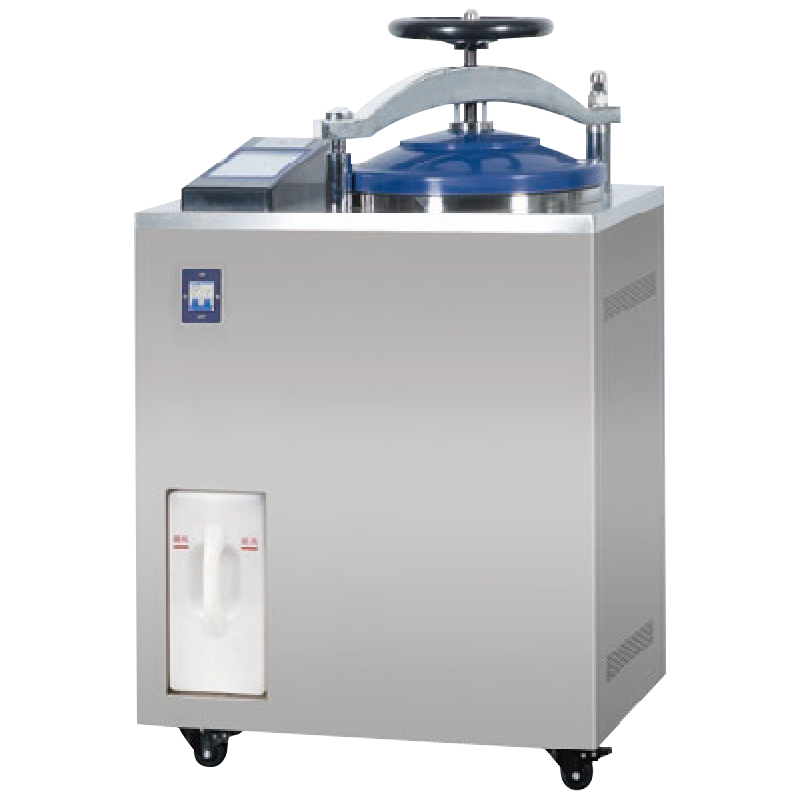
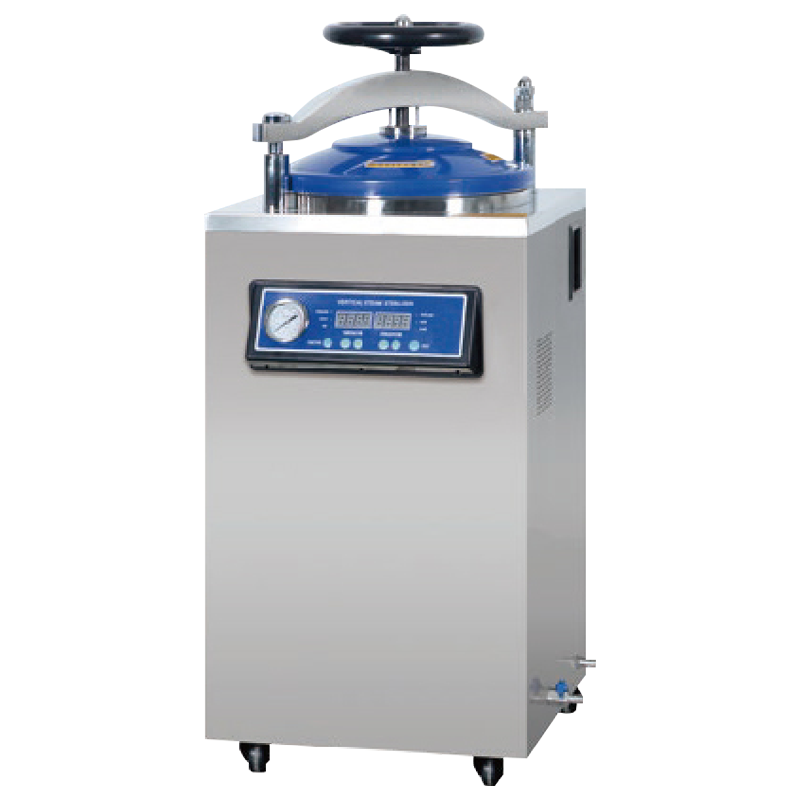
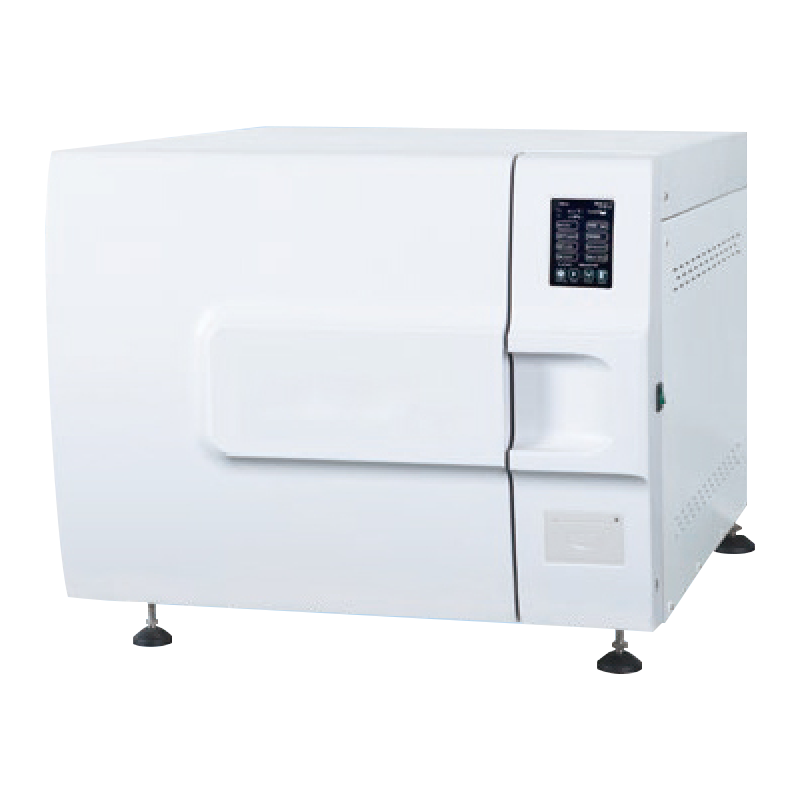
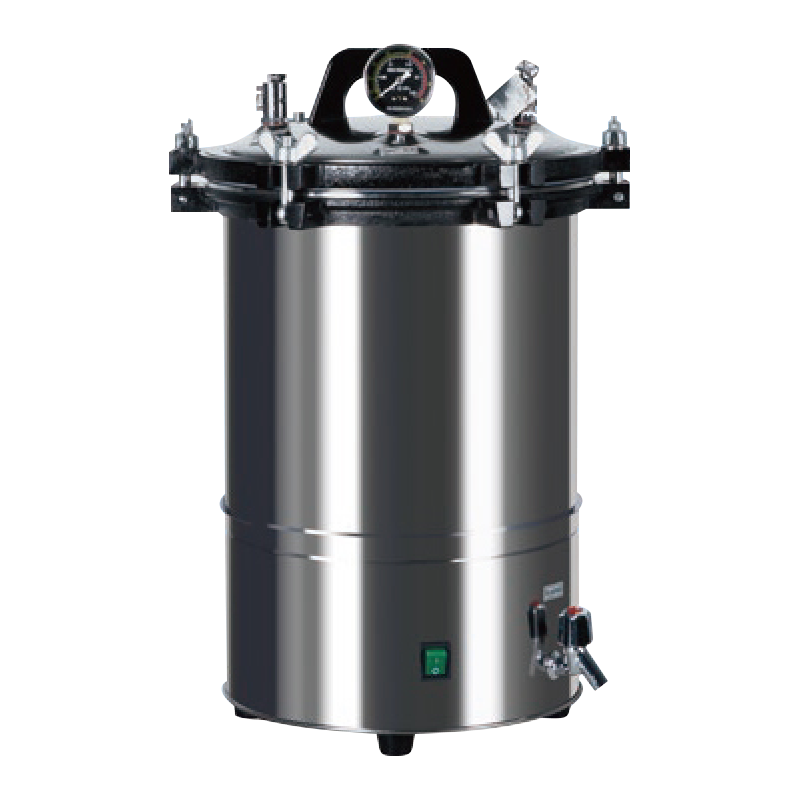
A Traditional Chinese Medicine Sterilizer is designed specifically for the sterilization, drying, and deep purification of TCM materials, including powders, stewing granules, herbal tablets, concentrated extracts, and various forms of raw medicinal ingredients. Its core working principle is moist heat sterilization using saturated steam, a method proven to be both efficient and gentle enough for sensitive herbal substances. Unlike dry heat or chemical sterilization, moist heat uses pressurized, high-temperature steam capable of penetrating complex herbal structures, effectively killing microorganisms without degrading medicinal properties. This balance between safety and preservation of efficacy is a key reason why modern TCM manufacturers rely heavily on such technology.
At the heart of the sterilizer’s performance is its advanced pulsation vacuum system. Why is vacuum pulsation so important in TCM sterilization? Many herbal materials trap air within their fibers, layers, and porous surfaces. If not removed, residual air acts as a barrier, preventing steam from fully contacting the product. The pulsation vacuum function repeatedly draws air out of the chamber and from within the materials, ensuring that saturated steam can enter even the deepest layers. This guarantees uniform sterilization, especially critical when processing TCM powders and granules, which can easily clump or form dense layers. Without proper vacuum-assisted steam penetration, sterilization results would be inconsistent, posing risks to consumer safety.
Another essential feature of the Traditional Chinese Medicine Sterilizer is its capacity to eliminate cold air interference. Cold air pockets inside a sterilization chamber can drastically reduce temperature uniformity, causing incomplete sterilization cycles. For pharmaceutical-grade operations, even small deviations in chamber temperature can result in regulatory non-compliance or, worse, the survival of harmful microorganisms. The sterilizer’s cold air removal technology ensures that every part of the chamber reaches the precise sterilization temperature required for effective microbial destruction. This level of uniformity is especially vital in the complex and diverse world of TCM, where materials vary widely in moisture content, density, and structure.
Vacuum drying is another critical capability integrated into the device. Traditional Chinese Medicine often contains volatile components, essential oils, or heat-sensitive compounds that can be easily damaged by prolonged exposure to heat or excessive moisture. After the sterilization cycle, the vacuum drying phase quickly removes surface and internal moisture from the materials, preserving their aroma, medicinal potency, and shelf life. This dual-function approach—sterilization followed by vacuum drying—ensures that TCM powders, tablets, and granules remain stable, easy to package, and safe for long-term consumption. It also prevents clumping and microbial regrowth, which are common problems when processing herbal products using outdated methods.
How does this technology influence the broader field of Chinese medicine engineering? The integration of advanced sterilization systems marks a significant step toward modern pharmaceutical manufacturing standards. As TCM products enter global markets, compliance with international safety regulations becomes essential. Sterilization equipment must meet strict requirements set by GMP (Good Manufacturing Practice), WHO guidelines, and national regulatory bodies. The new generation of Traditional Chinese Medicine Sterilizers helps producers meet these standards by offering consistent, repeatable, and verifiable sterilization cycles backed by precise temperature, pressure, and process control systems.
Automation and digital monitoring also play a major role. Modern sterilizers feature intelligent control panels, automated cycle programming, real-time temperature recording, and data storage functions. These capabilities ensure full traceability—an increasingly important requirement in global pharmaceutical supply chains. With automated alerts, safety protections, and continuous monitoring of key parameters, these sterilizers reduce human error and improve overall production efficiency. Chinese medicine engineering facilities benefit from reduced labor intensity, shorter production cycles, and higher throughput, enabling them to scale their operations to meet rising international demand for herbal supplements and traditional remedies.
Another reason for the growing adoption of TCM sterilizers is their ability to preserve the therapeutic integrity of herbal products. Herbal compounds are often complex mixtures of active ingredients that must remain chemically stable to achieve their desired medicinal effects. Excessive heat, inconsistent humidity, or improper sterilization methods can degrade these components. Saturated steam sterilization, especially when combined with precise vacuum controls, ensures microbial safety without compromising pharmacological value. In essence, the sterilizer protects both the therapeutic efficacy and the consumer’s trust in TCM.
The impact of the Traditional Chinese Medicine Sterilizer becomes even more significant in light of global health trends. The popularity of herbal wellness products, immune-boosting supplements, and plant-based pharmaceuticals has surged. Consumers worldwide are becoming more conscious about product purity, microbial safety, and traceability. Manufacturers must respond to these expectations with equipment that not only meets regulatory standards but also positions their products as premium and trustworthy. Sterilizers capable of treating delicate herbal materials safely and effectively are central to this mission.
In high-volume TCM production environments, the sterilizer’s durability and efficiency translate directly into economic advantages. Advanced heat-exchange systems reduce energy consumption, while high-quality chamber materials ensure a long service life. Efficient sterilization cycles allow manufacturers to increase batch sizes, shorten processing time, and reduce waste caused by overheating or contamination. This enhances profitability while maintaining stringent quality control.
As the herbal medicine sector accelerates toward industrial modernization, one question remains central: Will the Traditional Chinese Medicine Sterilizer continue to drive global standardization and elevate the safety and credibility of TCM products worldwide? With its ability to combine traditional herbal wisdom with cutting-edge sterilization technology, the answer is increasingly clear. These sterilizers are not just tools; they are foundational components in the advancement of Chinese medicine engineering, helping shape a future where TCM can confidently enter the global healthcare market with both ancient heritage and modern reliability.
In this evolving landscape, the Traditional Chinese Medicine Sterilizer stands as a symbol of progress—bridging centuries of herbal practice with contemporary pharmaceutical precision. Its role in safeguarding the purity, potency, and safety of herbal products makes it indispensable for any enterprise committed to producing high-quality TCM in a world that demands excellence, transparency, and scientific rigor.