 English
 русский
 Español
 عربى
عربى
 中文
中文


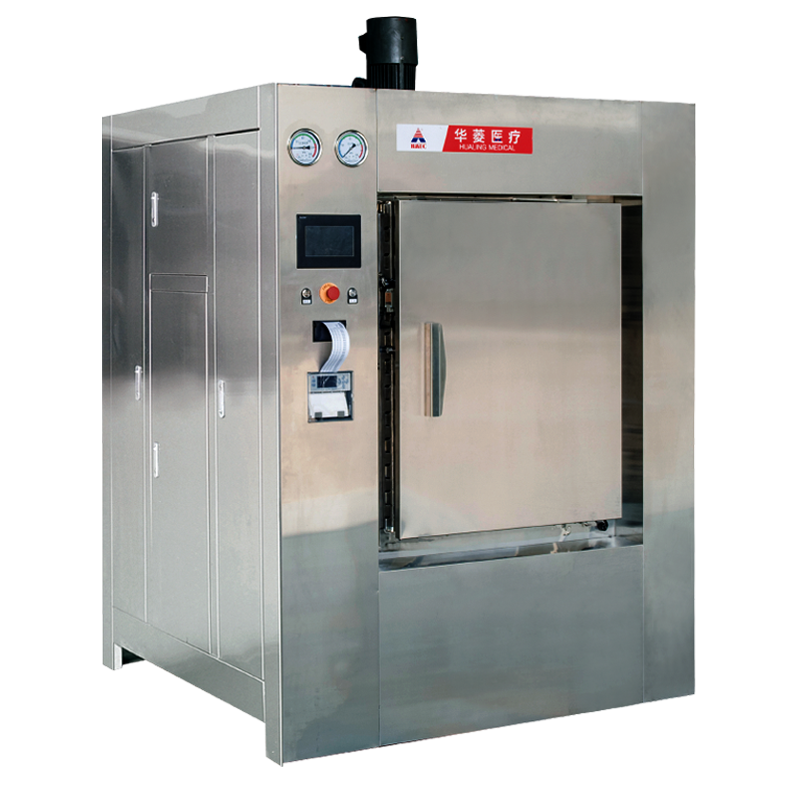
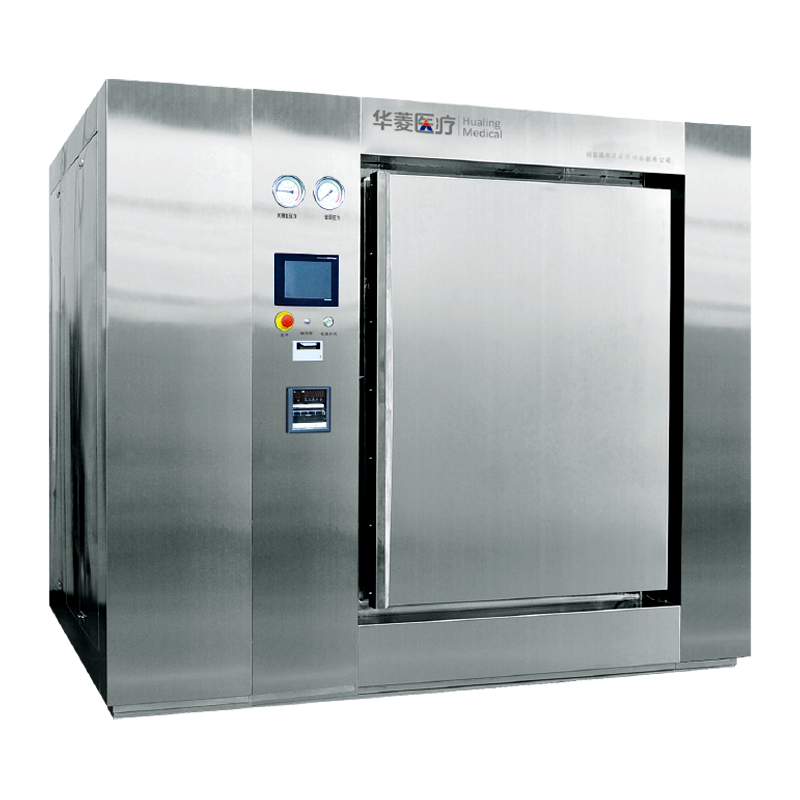
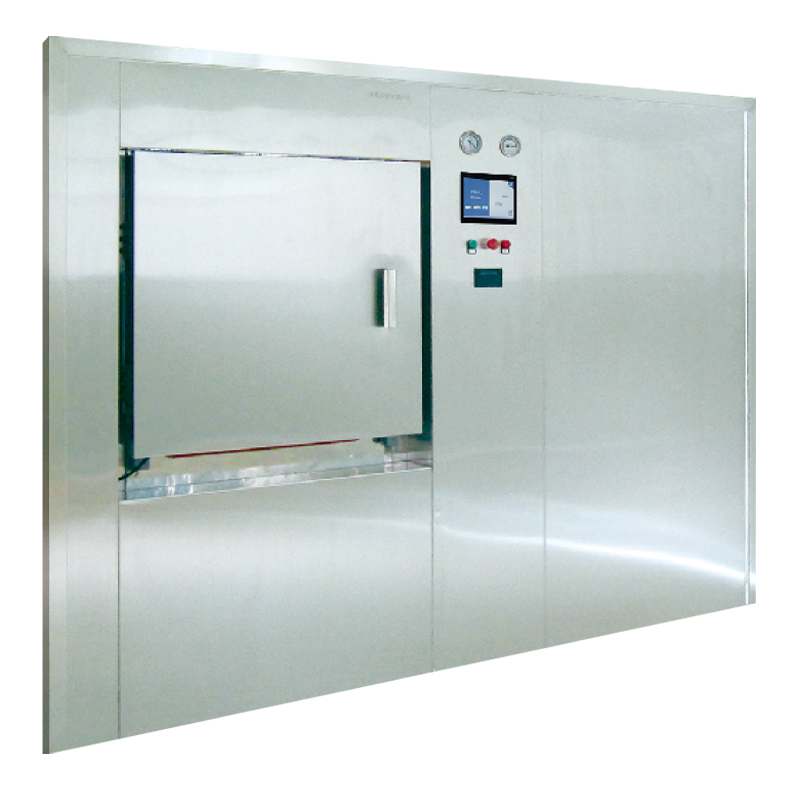
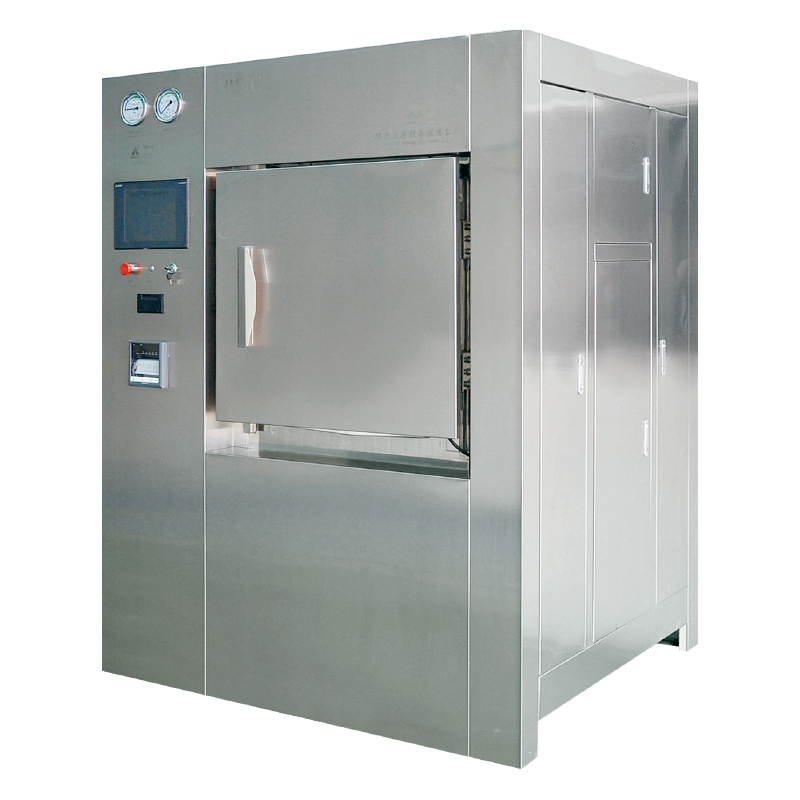
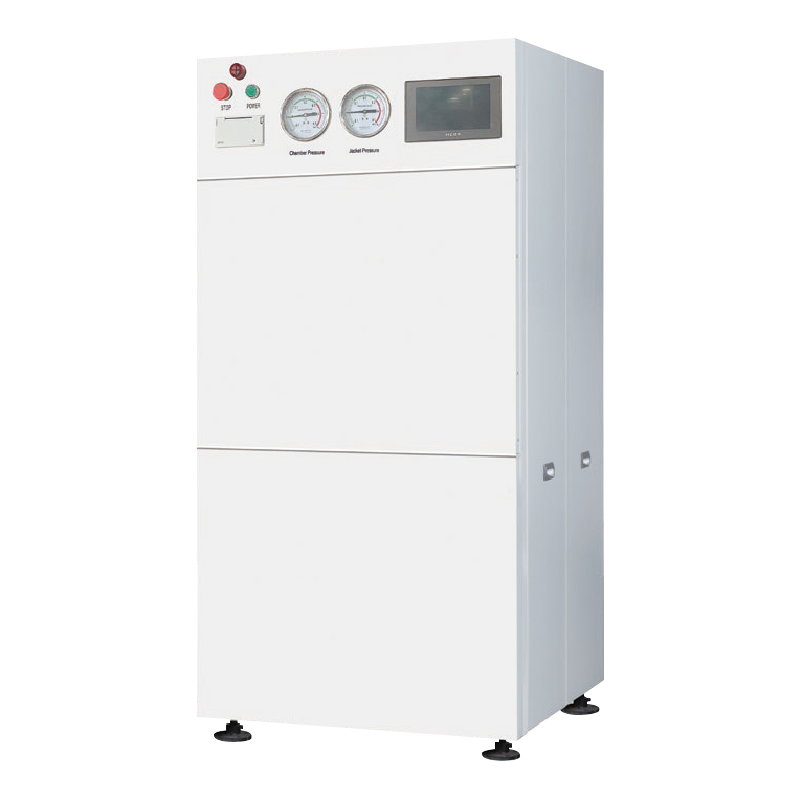
The Sterile Preparation Sterilizer is drawing significant attention as pharmaceutical manufacturers continue seeking higher safety standards, faster sterilization cycles, and more reliable microbial control. With keywords such as Sterile Preparation Sterilizer, water-bath sterilizer, and steam sterilizer becoming increasingly common across industry discussions, the focus is shifting toward how this advanced system supports drug stability, production efficiency, and regulatory compliance.
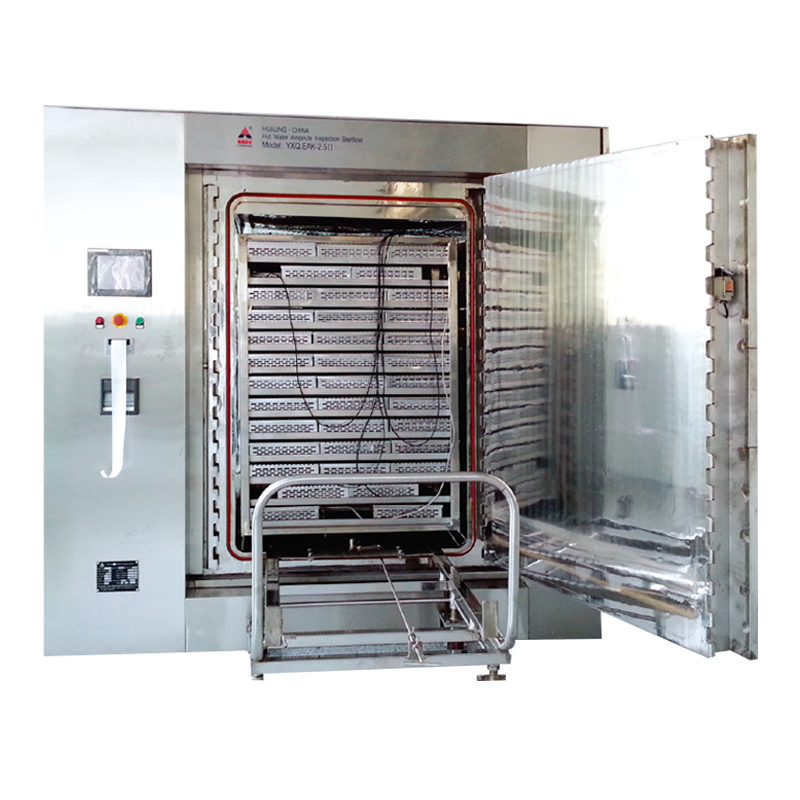
The water-bath Sterile Preparation Sterilizer plays a crucial role in processing temperature-sensitive drugs that require controlled, uniform heating. Using circulating and spraying superheated water, this system delivers stable thermal penetration that ensures sterilization without compromising the drug’s physical or chemical properties. The water medium allows heat to be transferred evenly across every surface of the load, making the Sterile Preparation Sterilizer especially valuable for sealed liquid preparations, injection solutions, and large-volume pharmaceutical products. By denaturing microbial proteins through sustained temperatures, the water-bath method provides high safety and repeatable sterilization cycles, which is one of the reasons the Sterile Preparation Sterilizer is widely used in modern production lines.
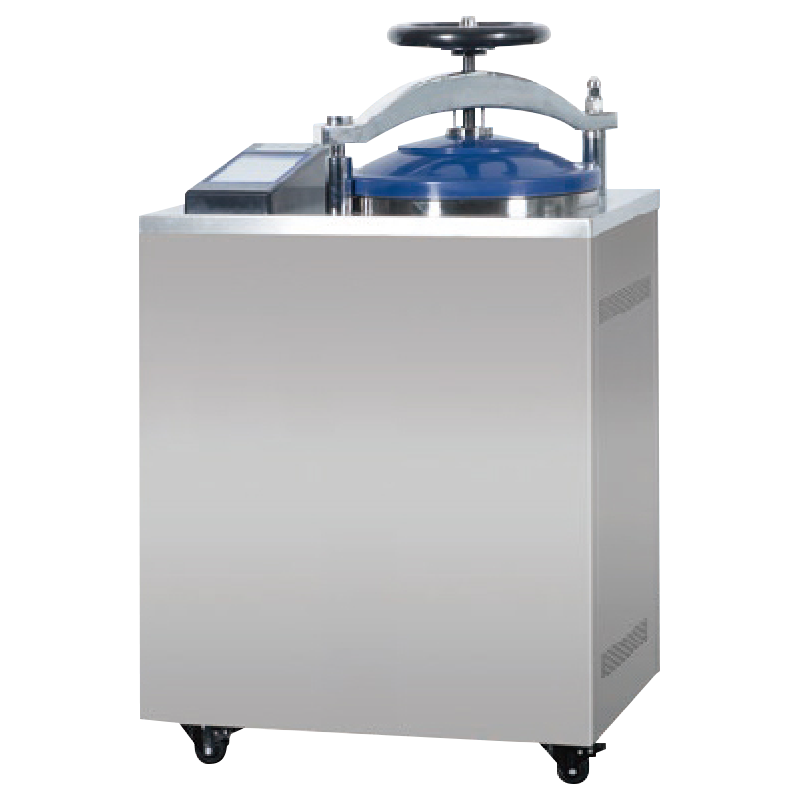
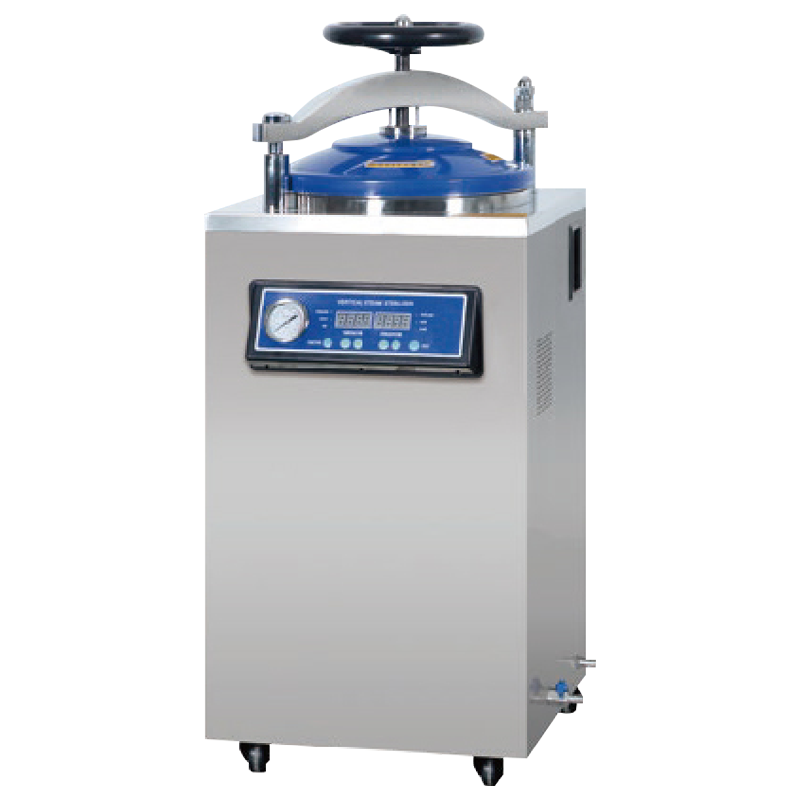
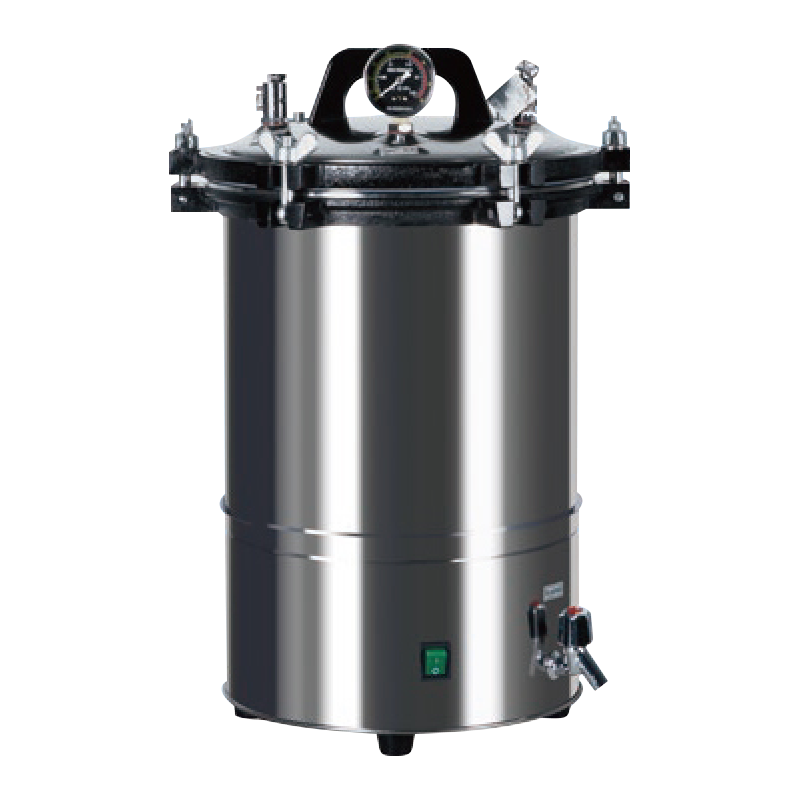
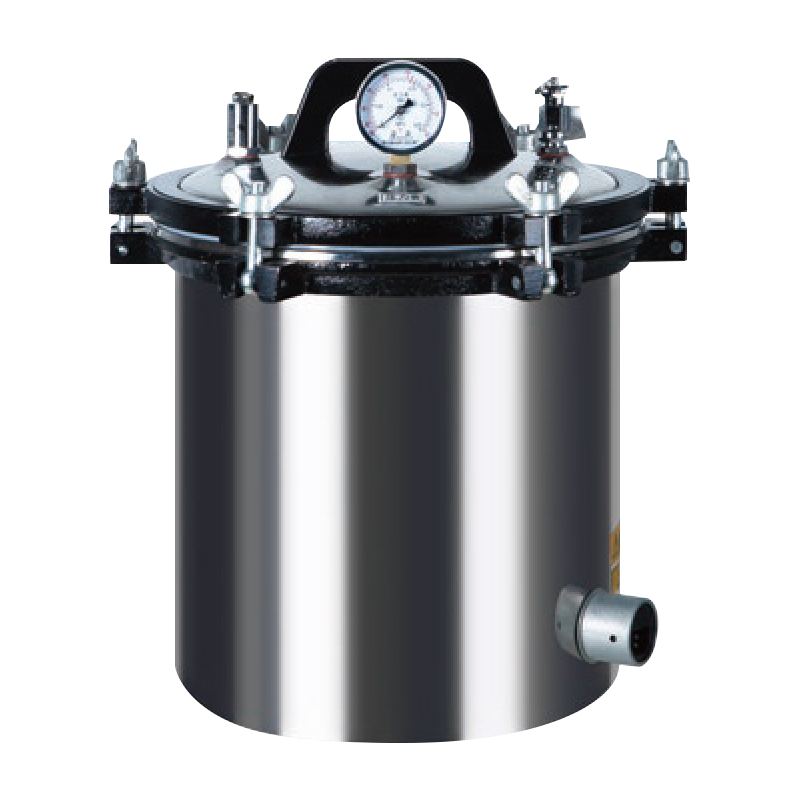
The steam-type Sterile Preparation Sterilizer, however, offers a different set of strengths that appeal to facilities requiring faster cycle times and high-pressure microbial inactivation. Using high-temperature, high-pressure saturated steam, this sterilization process penetrates even densely packed loads. The latent heat released when steam condenses on the surface of the drug containers results in rapid protein denaturation in microorganisms, allowing the Sterile Preparation Sterilizer to achieve effective sterilization within shorter exposure times. This makes the steam system ideal for glass ampoules, vials, tools, metal items, and various high-temperature-resistant packaging forms.
As global pharmaceutical demand grows, decision-makers are increasingly asking: What aspects of the Sterile Preparation Sterilizer help manufacturers maintain strict compliance with GMP, FDA, and EU guidelines? One of the defining advantages of this equipment is its precise control system. Both water-bath and steam-type models offer programmable temperature curves, real-time monitoring, and multi-point validation interfaces that ensure every cycle meets regulatory thermal distribution requirements. These advanced controls reduce human error, enhance documentation accuracy, and streamline audits, reinforcing the reputation of the Sterile Preparation Sterilizer as a vital component of compliant sterile drug processing.
Another key question emerging from the market is how the Sterile Preparation Sterilizer boosts production efficiency while safeguarding product quality. With its robust internal circulation systems, fast heat-exchange mechanisms, and optimized chamber structures, the equipment minimizes downtime between batches. The water-bath type maintains stable pressure during heating and cooling, while the steam-type offers rapid venting and drying functions. These features shorten turnaround time and reduce operational energy consumption, allowing manufacturers to increase output without sacrificing sterility assurance. The efficiency benefits are prompting more pharmaceutical factories to upgrade older models to advanced Sterile Preparation Sterilizer systems.
Safety is also central to ongoing discussions. How does the Sterile Preparation Sterilizer ensure operator and facility safety during continuous high-temperature operations? From reinforced chamber designs to automatic pressure-balancing functions, the system integrates multiple layers of mechanical and electronic protection. These include door interlock mechanisms, pressure monitoring alarms, emergency shutdown protocols, and heat-insulated exterior structures. As a result, the Sterile Preparation Sterilizer supports stable long-term use even in high-volume facilities such as hospital preparation centers, biopharma plants, and veterinary drug production lines.
The versatility of the Sterile Preparation Sterilizer is another reason the device is gaining recognition. Whether a facility handles large-volume parenterals, oral solutions, diagnostic reagents, culture media, or medical device components, both water-bath and steam-type systems deliver reliable results. The ability to choose between different sterilization mediums—superheated water or high-pressure steam—gives facilities flexibility in designing sterilization processes aligned with product characteristics. This adaptability underscores why the Sterile Preparation Sterilizer is rapidly becoming a strategic investment across pharmaceutical, medical, and laboratory sectors.
As industries continue to prioritize sterility assurance and production efficiency, manufacturers are increasingly evaluating whether upgrading to a modern Sterile Preparation Sterilizer can enhance their operational capabilities. With rising attention on microbial control, regulatory compliance, and reliable cycle validation, the demand for both water-bath type and steam-type sterilizers is expected to grow across global markets.