 English
 русский
 Español
 عربى
عربى
 中文
中文

Traditional Chinese Medicine Sterilizer
Cat:Products
The sterilizer performs moist heat sterilization operations on items with saturated steam as the st...
See Details

A pulse vacuum sterilizer, also known as a pre-vacuum or dynamic air removal sterilizer, uses a series of vacuum pulses to remove air from the sterilization chamber before steam is introduced. This is fundamentally different from gravity displacement sterilizers, which rely on the natural buoyancy of steam to push air out of the chamber through a drain. In gravity displacement units, air removal is incomplete, particularly from porous materials, hollow lumens, and wrapped packages. Air trapped in these items acts as an insulator, preventing steam from reaching the surfaces that need to be sterilized. The result is that gravity displacement sterilizers are unsuitable for many modern instrument types, including those with narrow lumens, hinged instruments, and multi-layer wrapped items. Pulse vacuum sterilizers solve this problem by actively removing air through a series of vacuum pulses. The typical cycle consists of multiple phases: a vacuum phase that removes air from the chamber, a steam admission phase that fills the chamber with saturated steam, and a pressure hold phase that maintains sterilization conditions for the required time. The "pulse" refers to the repeated application and release of vacuum, which effectively flushes air from even the most difficult-to-reach spaces. Some advanced pulse vacuum sterilizers perform three, five, or even more vacuum pulses before the sterilization phase begins, ensuring near-complete air removal. This thorough air removal allows steam to penetrate instantly and completely, achieving sterilization conditions faster and more reliably than gravity displacement technology.
The adoption of pulse vacuum sterilizers has accelerated dramatically over the past two decades, driven by several factors. First, the increasing complexity of medical instruments, including laparoscopic devices, robotic surgical tools, and delicate endoscopic equipment, has made effective sterilization more challenging. Many of these instruments have long, narrow lumens that are difficult to sterilize with gravity displacement. Second, the shift toward wrapped sterilization and sterile storage has created demand for sterilizers that can effectively process wrapped packs. Pulse vacuum sterilizers excel at wrapped sterilization because the vacuum pulses remove air from within the wrap layers. Third, the emphasis on faster turnaround times in busy surgical suites and dental clinics has favored technologies that can complete cycles in 20-30 minutes rather than the 45-60 minutes required by gravity displacement units. Fourth, regulatory bodies and accreditation organizations have increasingly recognized the superiority of pulse vacuum technology, with many now requiring its use for specific instrument types. The following sections explore in depth why pulse vacuum sterilizers have become indispensable in modern healthcare and what features distinguish high-quality units from entry-level models.
The fundamental principle of steam sterilization is that saturated steam must come into direct contact with all surfaces of the instrument being sterilized. Steam carries thermal energy that denatures microbial proteins and destroys microorganisms. However, steam cannot reach surfaces that are covered by air. Air is an insulator that prevents steam from transferring its lethal energy to the instrument surface. In a gravity displacement sterilizer, air removal relies on the fact that steam is lighter than air. Steam enters the top of the chamber and pushes air downward toward a drain. This works reasonably well for simple, unwrapped, solid instruments. However, for any item that traps air, such as a hollow tube, a hinged instrument with tight clearances, or a wrapped pack with multiple layers of fabric, gravity displacement is inadequate. The trapped air cannot be displaced because there is no path for it to escape downward. Pulse vacuum sterilizers solve this problem by actively pulling air out of the chamber before steam is introduced. The vacuum pump creates negative pressure within the chamber, causing air to expand and be drawn out from even the smallest crevices and lumens. When steam is then admitted, it rushes into the spaces previously occupied by air, ensuring complete contact with all surfaces. For instruments with long, narrow lumens, such as arthroscopic shavers or laparoscopic graspers, pulse vacuum technology is often the only reliable sterilization method. Studies have demonstrated that gravity displacement sterilizers fail to sterilize the internal lumens of many hollow instruments, while pulse vacuum sterilizers achieve sterility consistently and reliably. This difference has direct clinical implications: instruments that are not properly sterilized can transmit pathogens from one patient to another, causing healthcare-associated infections that are costly to treat and potentially fatal.
Time is a precious commodity in healthcare settings. Surgical suites need instruments turned over quickly between cases. Dental clinics need to maximize patient throughput. Central sterile processing departments need to process hundreds of instrument sets per day. Pulse vacuum sterilizers offer significantly faster cycle times than gravity displacement units, and this speed advantage translates directly into operational efficiency. A typical gravity displacement cycle for wrapped instruments may require 45-60 minutes from start to finish, including the time required to heat the chamber, sterilize the load, and dry the instruments. A pulse vacuum sterilizer can complete the same wrapped load in 20-30 minutes. The time savings come from two sources. First, because pulse vacuum sterilizers remove air more efficiently, they can achieve sterilization conditions more quickly. In a gravity displacement unit, the operator must wait for the steam to slowly push air out of the chamber and the load; in a pulse vacuum unit, the vacuum pump accomplishes this in minutes. Second, pulse vacuum sterilizers dry instruments more effectively at the end of the cycle. The deep vacuum applied during the drying phase causes moisture to evaporate rapidly, leaving instruments dry and ready for use or storage. Gravity displacement sterilizers often leave instruments wet, requiring additional drying time or manual drying with lint-free cloths, which adds labor and risks contamination. For a busy dental practice performing multiple procedures per day, switching from gravity displacement to pulse vacuum sterilization can free up an hour or more of staff time daily. For a hospital central sterile department processing hundreds of trays per day, the cumulative time savings can justify the additional cost of pulse vacuum technology many times over.
Modern infection control guidelines increasingly recommend that sterilized instruments be stored in sterile packages until the moment of use. This requires that instruments be sterilized while wrapped in materials that maintain sterility after the cycle. Wrapped sterilization is challenging for gravity displacement sterilizers because the wrap layers trap air. The trapped air prevents steam from reaching the instruments, leading to sterilization failures. Pulse vacuum sterilizers are specifically designed to handle wrapped loads. The vacuum pulses remove air from between the layers of the wrap, allowing steam to penetrate completely. Once sterilization is complete, the drying phase removes moisture from the wrap, leaving a dry, sterile package that can be stored for extended periods. The ability to sterilize wrapped instruments has transformed how healthcare facilities manage their instrument inventory. Instead of sterilizing instruments immediately before each use, facilities can sterilize large batches of wrapped instruments, store them in sterile storage areas, and pull them as needed. This batching approach improves efficiency, reduces waste, and ensures that sterile instruments are always available. Pulse vacuum sterilizers also excel at sterilizing porous loads, such as linens, towels, and surgical drapes. These materials are highly absorbent and trap large volumes of air. Gravity displacement sterilizers often fail to sterilize the interior of folded linens, while pulse vacuum units reliably achieve sterility throughout the load. For healthcare facilities that process their own linens, or for veterinary clinics that sterilize bedding and towels, this capability is essential.
Wet packs are a persistent problem with gravity displacement sterilizers. At the end of the cycle, instruments and wraps often emerge damp or wet. Wet packs are unacceptable for several reasons. First, moisture can wick microorganisms from the outside of the package to the inside, compromising sterility. Second, wet packages are more likely to tear or become damaged during handling. Third, moisture can cause corrosion of metal instruments over time. Fourth, wet packs cannot be stored; they must be used immediately or reprocessed. Pulse vacuum sterilizers address the wet pack problem through a powerful drying phase that uses deep vacuum to evaporate moisture. At the end of the sterilization hold period, the chamber is rapidly evacuated, creating a strong vacuum. This vacuum lowers the boiling point of water, causing residual moisture to vaporize and be removed from the chamber. The result is that instruments and wraps emerge dry, often warm to the touch but free of visible moisture. Dry packs can be safely stored, handled, and transported without concern for contamination or damage. For healthcare facilities that have struggled with wet packs from gravity displacement sterilizers, the improvement in drying performance from a pulse vacuum unit is often dramatic. In addition to improving safety and sterility assurance, better drying reduces the need for reprocessing, saving time, labor, and supplies.
One of the most important decisions when selecting a pulse vacuum sterilizer is determining the appropriate chamber size. Undersizing leads to bottlenecks, overtime, and frustrated staff. Oversizing wastes money on unnecessary capacity and may result in inefficient cycles if the sterilizer is frequently run partially empty. For small dental clinics or medical offices with one or two operators, a tabletop sterilizer with a 12-25 liter chamber is typically sufficient. These units can process one or two instrument cassettes per cycle and can complete 4-8 cycles per day. For larger dental practices, urgent care centers, or small surgical centers, a 25-50 liter tabletop or floor-standing unit provides more capacity, accommodating 3-6 cassettes or a mix of wrapped and unwrapped items. For hospital central sterile processing departments that handle hundreds of instrument sets daily, floor-standing units with chambers of 100 liters or larger are required. These facilities often install multiple units to provide redundancy and meet peak demand. When calculating throughput requirements, consider not just the number of instruments processed daily but also the cycle time and the time required for loading, unloading, and documentation. A pulse vacuum sterilizer with a 30-minute cycle can theoretically process 16 loads in an 8-hour day, but real-world factors including loading time, cool-down time, and unexpected delays will reduce this number. It is wise to select a sterilizer with 20-30% more capacity than calculated requirements to accommodate fluctuations in demand and future growth.
The vacuum pump is the heart of the pulse vacuum sterilizer, and the type and quality of the pump significantly affect performance, reliability, and maintenance requirements. Water-ring vacuum pumps are the most common choice for larger sterilizers. These pumps use a rotating impeller and a liquid sealant, typically water, to create vacuum. They are robust, can handle small amounts of condensate without damage, and provide consistent vacuum levels. However, water-ring pumps require a continuous supply of water and produce waste water that must be drained. Maintenance includes periodic replacement of the seal water and inspection of the impeller. Piston pumps are more common in smaller tabletop sterilizers. These pumps use a reciprocating piston to create vacuum. They are compact, efficient, and do not require a continuous water supply. However, piston pumps are less tolerant of condensate and may require more frequent maintenance, including seal replacement. Ejector pumps, also known as steam jet ejectors, use high-pressure steam to create vacuum without moving parts. They are extremely reliable and require minimal maintenance but are only practical in facilities with a dedicated steam supply. When evaluating a sterilizer, consider the pump type in the context of your facility's utilities and maintenance capabilities. Also consider the vacuum level achieved by the pump. Higher vacuum levels (lower absolute pressure) remove air more effectively and improve drying performance. A sterilizer that can achieve 0.2 bar absolute or lower during the vacuum pulses is preferable to one that can only reach 0.5 bar absolute. Finally, consider the number of vacuum pulses the sterilizer performs. More pulses generally mean more thorough air removal. Three pulses are adequate for many loads, but five or seven pulses provide an extra margin of safety for challenging loads such as long, narrow lumens or densely wrapped packs.
Modern healthcare facilities face stringent regulatory requirements for sterilization documentation. Surveyors from organizations such as The Joint Commission, the College of American Pathologists, and state health departments expect to see complete, accurate records of every sterilization cycle, including cycle parameters, load contents, biological and chemical indicator results, and operator identification. Pulse vacuum sterilizers with advanced automation and data recording capabilities greatly simplify compliance. Look for a sterilizer with a microprocessor control system that automatically records cycle data and can output it via built-in printer, USB port, Ethernet, or wireless connection. The control system should be programmable, allowing the operator to select from pre-programmed cycles for different load types and to customize cycle parameters as needed. The system should also include automatic alarms and fault detection, alerting the operator to any deviation from parameters that could compromise sterility. For facilities that must comply with ISO 17665 or EN 285, the sterilizer should include built-in validation capabilities, such as automated Bowie-Dick tests for air removal effectiveness and vacuum leak tests for system integrity. Some advanced sterilizers also include remote monitoring capabilities, allowing sterile processing supervisors to track cycle status and performance from a central location or even off-site. This capability is particularly valuable for large facilities with multiple sterilizers or for facilities that outsource sterilization management. Finally, consider the user interface. A large, clear display with intuitive menus reduces operator training time and minimizes the risk of programming errors. Touchscreen interfaces are increasingly common on newer models and offer a more modern user experience than button-based controls.
The central sterile processing department (CSPD) is the heart of hospital infection control, responsible for cleaning, inspecting, assembling, sterilizing, and distributing all reusable medical instruments. In this demanding environment, pulse vacuum sterilizers are essential. They process hundreds of instrument sets daily, including complex laparoscopic sets with long narrow lumens, orthopedic sets with heavy instruments, and delicate microsurgical sets. The ability to sterilize wrapped sets is particularly important in CSPD, as wrapped instruments can be stored in sterile inventory, reducing the need for emergency sterilization and improving surgical suite turnaround times. The fast cycle times of pulse vacuum sterilizers allow CSPD to keep pace with surgical schedules, even during peak periods. Many hospitals install multiple pulse vacuum sterilizers in a bank, allowing them to process different load types simultaneously and providing redundancy in case of equipment failure. The trend toward same-day surgery and minimally invasive procedures has increased the demand for rapid, reliable sterilization, making pulse vacuum technology the standard for hospital CSPD.
Dental clinics face unique sterilization challenges. Dental handpieces, which rotate at high speeds and contact patient tissues, have narrow internal lumens that are difficult to sterilize. Dental burs, explorers, and other small instruments require careful handling to avoid damage. The high volume of patients in a typical dental practice demands fast turnaround times. Pulse vacuum sterilizers address all of these needs. They reliably sterilize the internal lumens of dental handpieces, meeting the stringent requirements of organizations such as the CDC and OSHA. They offer fast cycles that allow dental assistants to sterilize instruments between patients without creating bottlenecks. And they provide drying performance that leaves instruments ready for immediate use or storage. Many dental-specific pulse vacuum sterilizers are designed as tabletop units that fit conveniently on a countertop in the sterilization area. They feature simple, one-touch operation and built-in printers for compliance documentation. For surgical centers, which perform procedures ranging from ophthalmology to orthopedics, pulse vacuum sterilizers provide the flexibility to process a wide range of instrument types, including delicate microsurgical instruments and heavy orthopedic sets. The ability to run both wrapped and unwrapped cycles makes a single sterilizer suitable for multiple applications.
Beyond healthcare, pulse vacuum sterilizers are used in pharmaceutical manufacturing, biotechnology research, veterinary medicine, and even tattoo and piercing studios. In pharmaceutical manufacturing, sterilizers are used to sterilize equipment, containers, and components that come into contact with drug products. The validated, reproducible performance of pulse vacuum sterilizers is essential for regulatory compliance with Good Manufacturing Practices. In research laboratories, sterilizers are used to decontaminate biohazardous waste, sterilize glassware and media, and inactivate pathogens. The ability to process liquids safely is important in laboratory settings, and many pulse vacuum sterilizers offer specialized liquid cycles that prevent boiling over and maintain sterility. In veterinary medicine, sterilizers are used to sterilize surgical instruments for both small and large animals. Veterinary clinics often process porous loads such as towels and drapes, making pulse vacuum technology valuable. In tattoo and piercing studios, sterilization is required by health departments in most jurisdictions, and tabletop pulse vacuum sterilizers have become the standard because they reliably sterilize wrapped instruments that can be stored until needed for the next client. For all these applications, the advantages of pulse vacuum technology faster cycles, better air removal, and superior drying apply equally.
The pulse vacuum sterilizer has revolutionized the field of infection control, offering significant advantages over older gravity displacement technology. By actively removing air through a series of vacuum pulses, these sterilizers ensure that saturated steam reaches every surface of every instrument, even those with long narrow lumens, tight hinges, or multiple layers of wrapping. The result is faster cycles, more reliable sterilization, and better drying performance all of which translate into improved patient safety, higher operational efficiency, and lower costs. For healthcare facilities seeking to upgrade their sterilization capabilities, or for new facilities choosing their first sterilizer, pulse vacuum technology is the clear choice. The initial investment is higher than for a gravity displacement unit, but the return on investment comes through faster turnaround times, reduced reprocessing, lower utility costs, and most importantly, greater assurance that every instrument is truly sterile. Regulatory bodies, professional organizations, and accreditation bodies increasingly recognize pulse vacuum technology as the standard for critical sterilization applications. As medical instruments continue to become more complex and as the threat of healthcare-associated infections continues to demand vigilance, the pulse vacuum sterilizer will remain an indispensable tool in the fight to protect patients. For sterile processing professionals, biomedical engineers, and healthcare administrators, understanding the capabilities and advantages of pulse vacuum sterilization is essential knowledge. Choosing the right sterilizer with appropriate chamber size, vacuum pump technology, and automation features is an investment in patient safety and operational excellence. The pulse vacuum sterilizer is not merely an option; for many applications, it is the only appropriate choice.
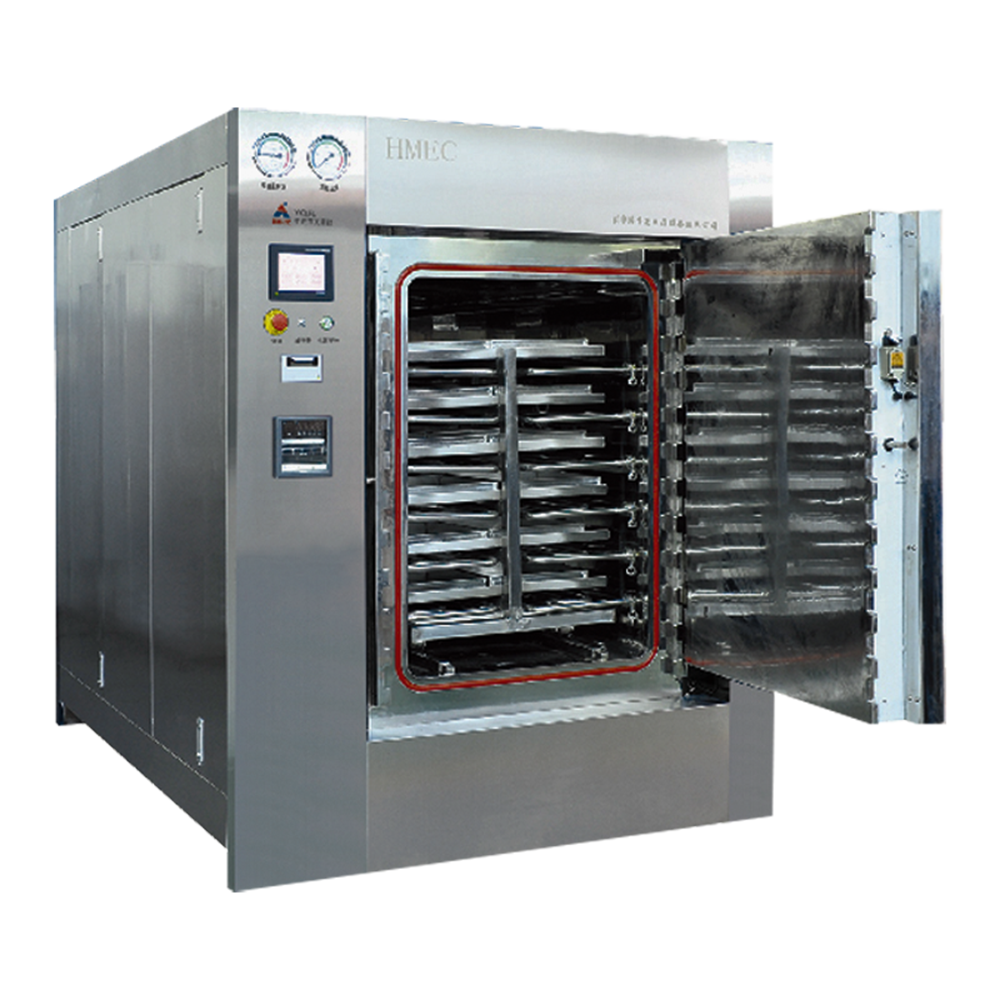
The sterilizer performs moist heat sterilization operations on items with saturated steam as the st...
See Details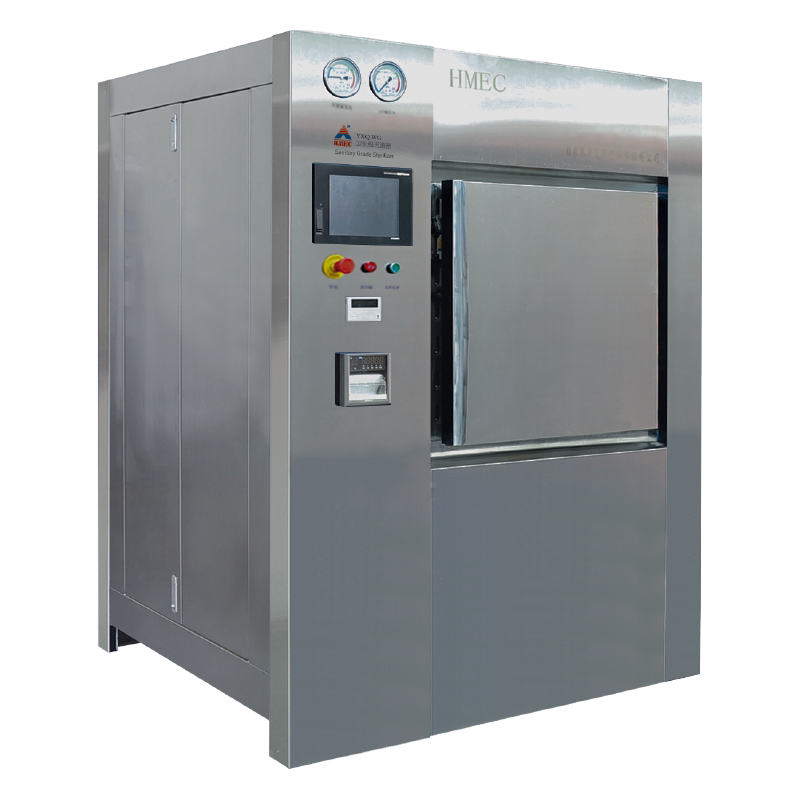
The sterilizer performs moist heat sterilization operations on items with saturated pure steam as th...
See Details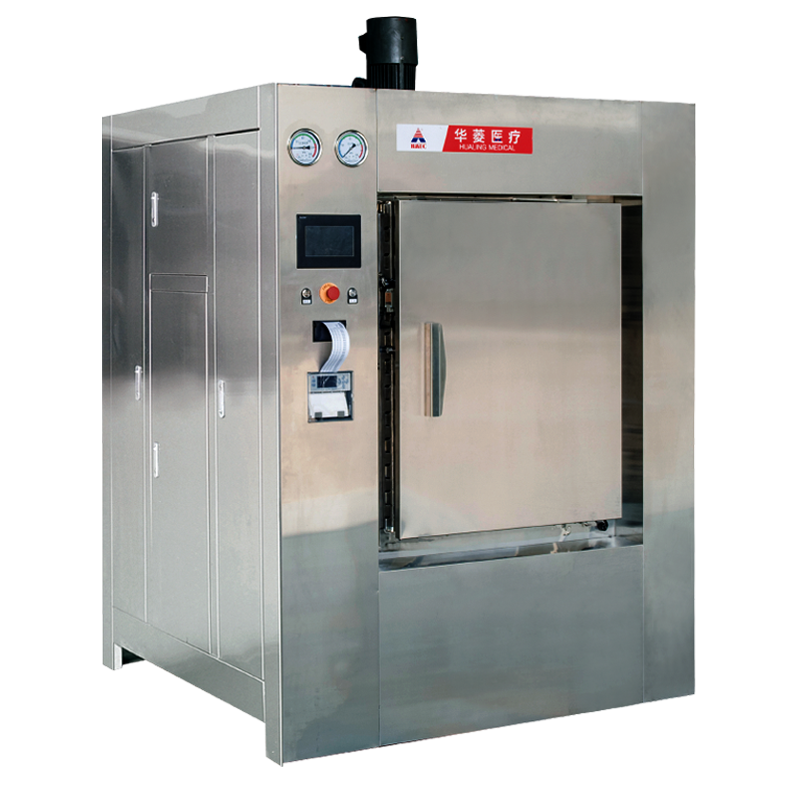
The sterilizer performs sterilization by means of mixing pressure of air and steam. Furthermore, mi...
See Details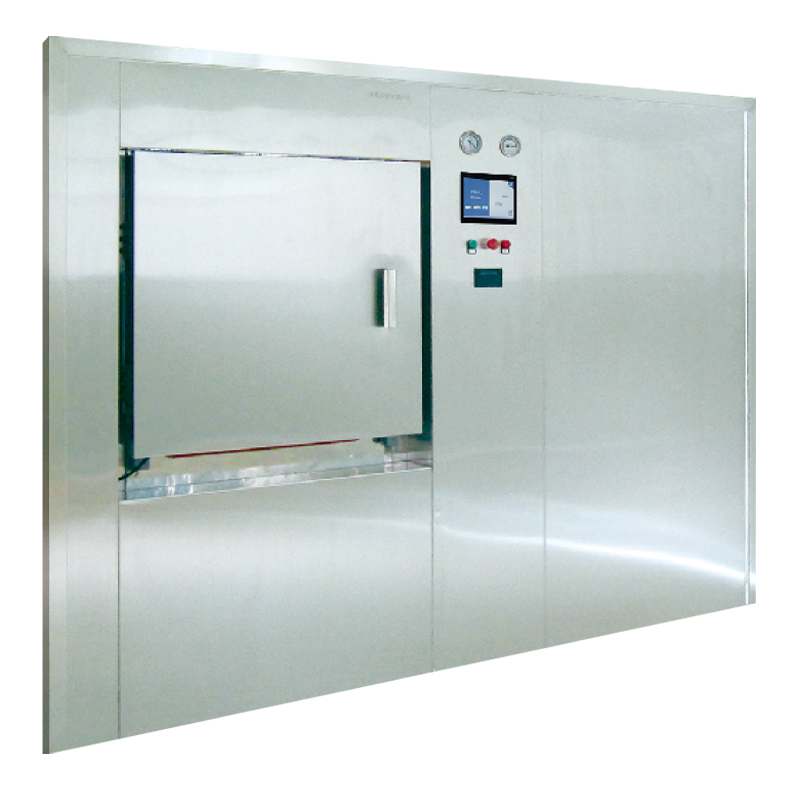
The sterilizer performs moist heat sterilization operations on items with saturated pure steam as th...
See Details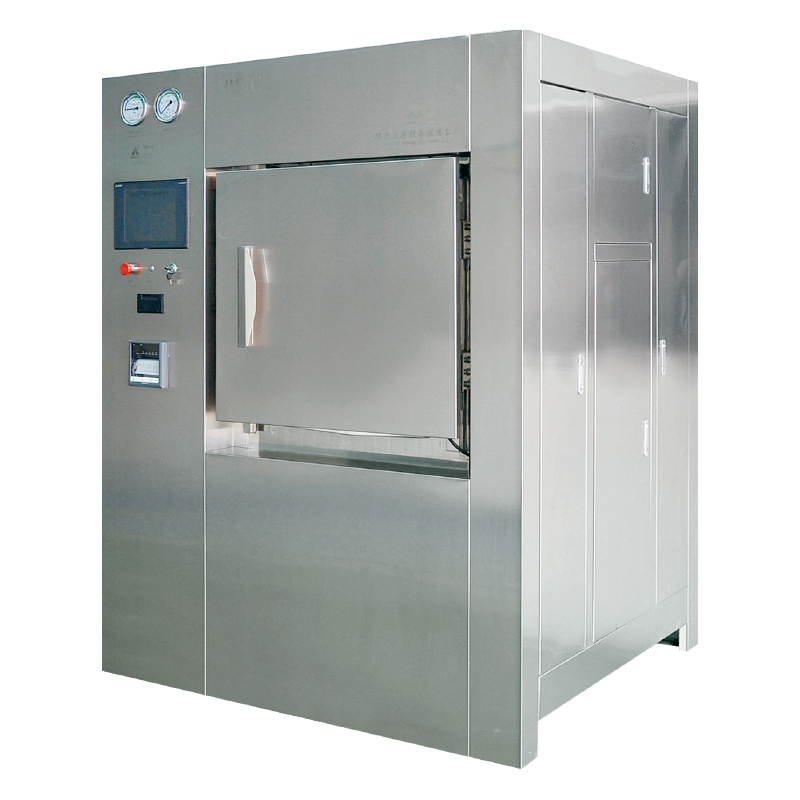
The sterilizer is to remove the impact of cold air on temperature using pulsation vacuum pumping wit...
See Details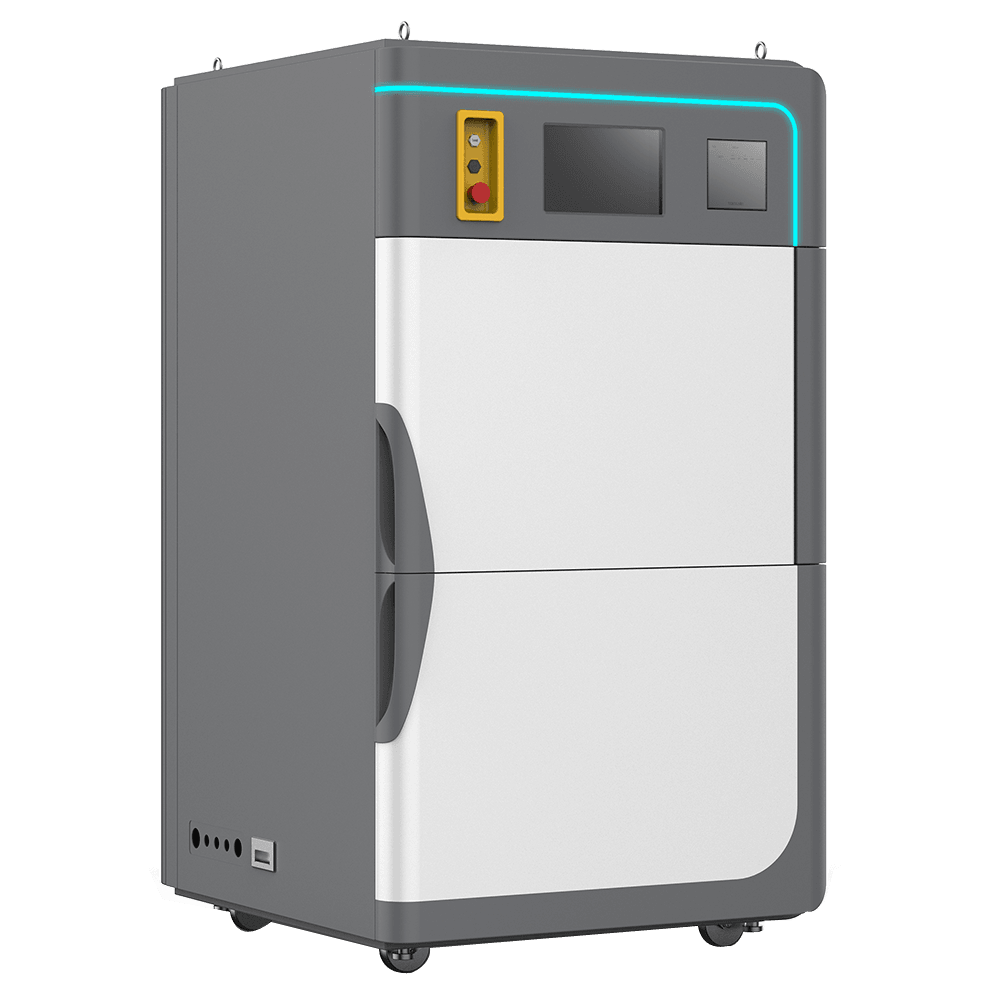
By the rapid penetration under vacuum conditions of a mixed gas of low-temperature (60℃ or 78℃) stea...
See Details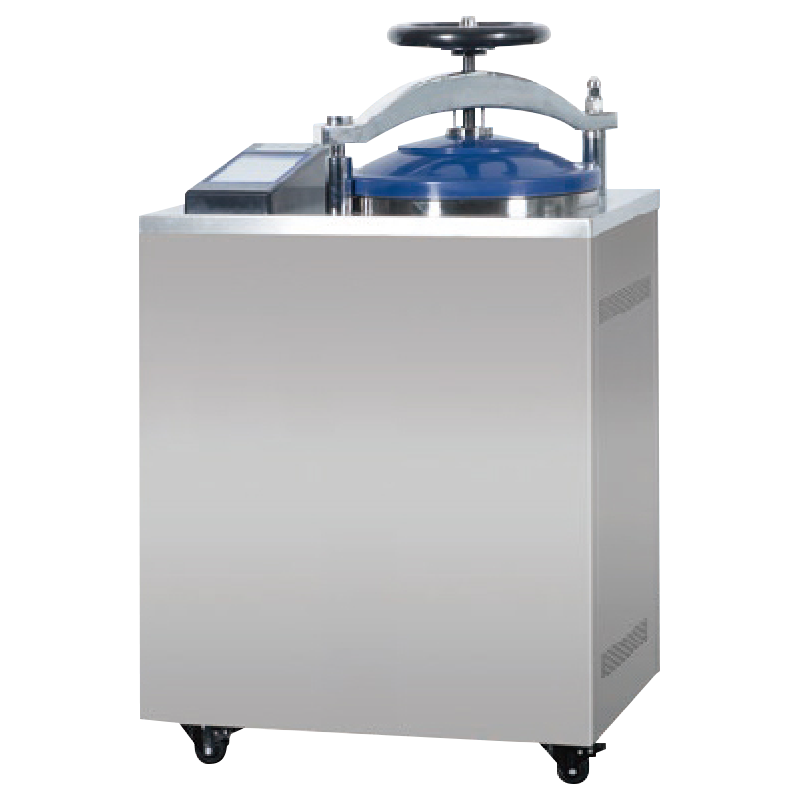
The Vertical Steam Sterilizer M Series (Pulsating Vacuum) is a safe and reliable sterilization solut...
See Details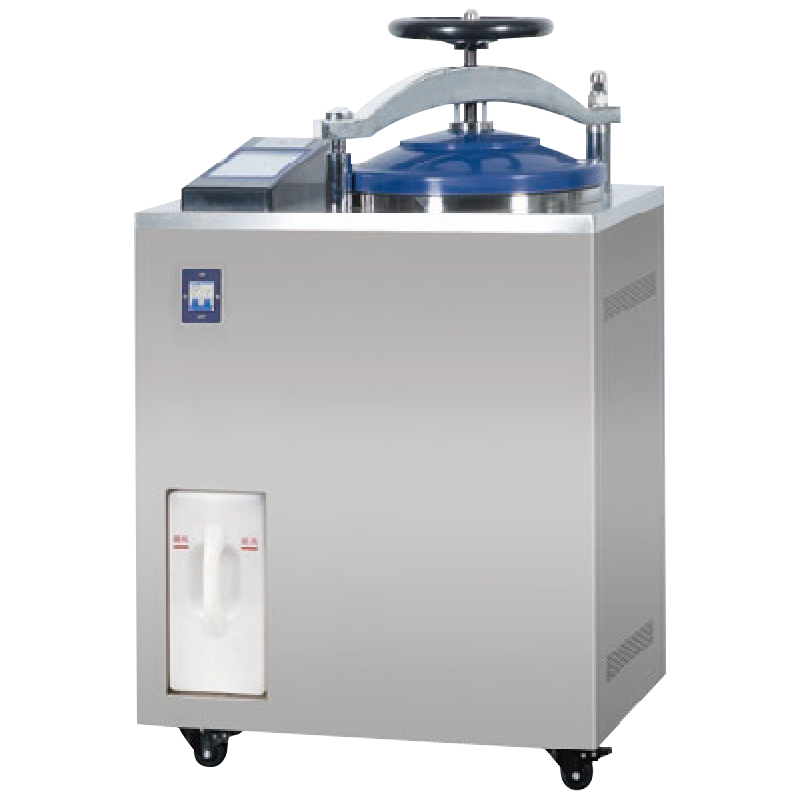
The Vertical Steam Sterilizer X Series (Multi-functional Laboratory Customized Model) offers a highl...
See Details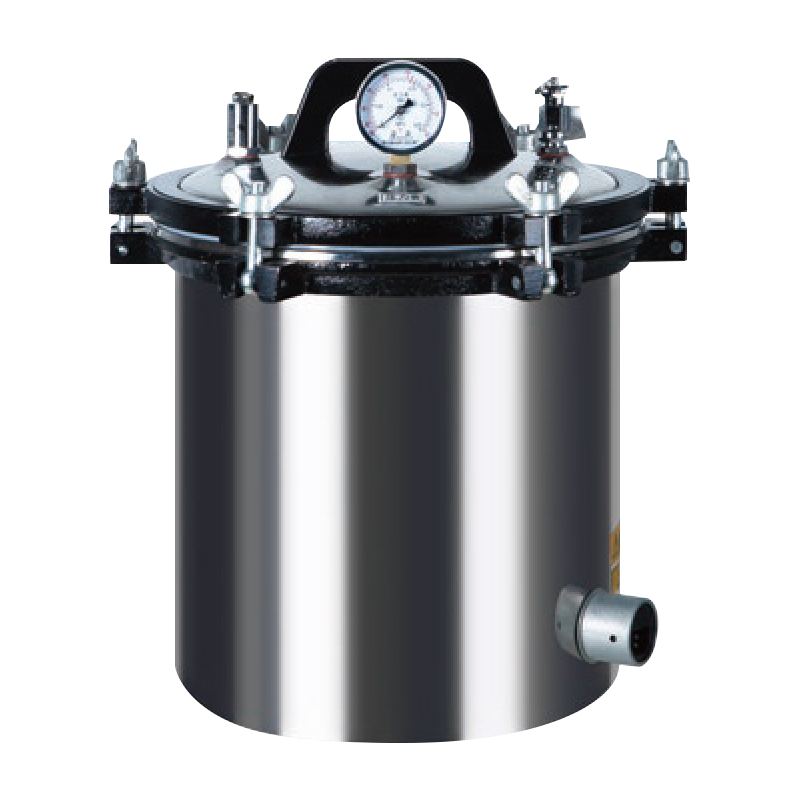
The YXQ.PPS-280C and C+ Portable Pressure Steam Sterilizer is a versatile dual-purpose sterilizer, o...
See Details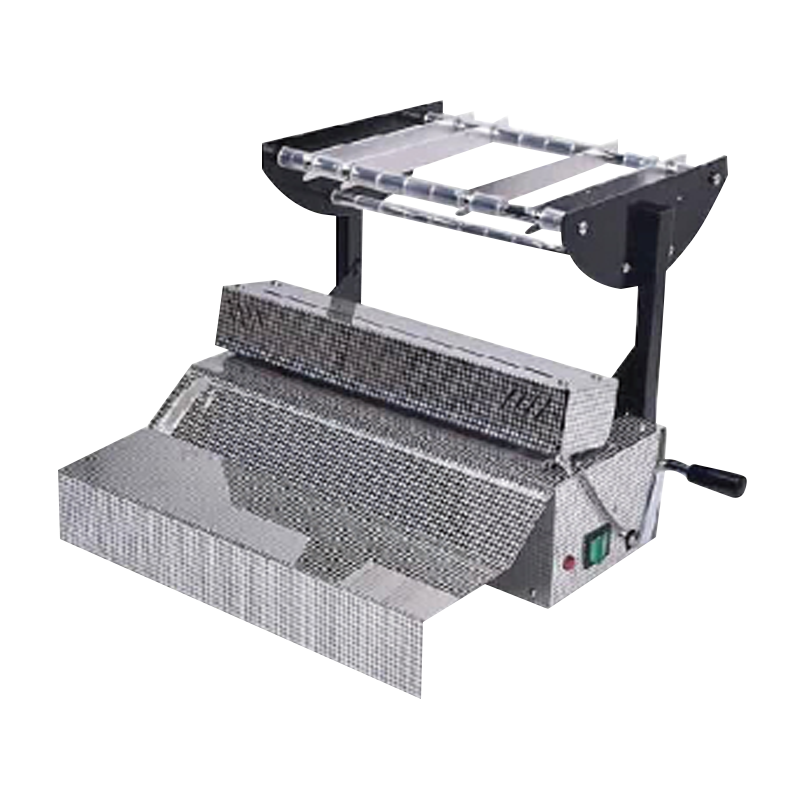
Product Usage:This type of sealing machine is used forsealing sterilizing bag, suitable for medicali...
See DetailsIntroduction to Sanitary Grade Sterilizer: Definition and Importance in Modern Sterilization Definit......
READ MOREIntroduction In today’s fast-paced world, ensuring the safety and sterility of products and material......
READ MOREIntroduction to Sterile Preparation Sterilizers What is Sterile Preparation? Sterile preparation ref......
READ MOREWhy Does Every Drug Require a Sterile Preparation Sterilizer? In modern medicine and pharmaceuticals......
READ MORE +(86) 18018151178
[email protected]
365 Nansha Sanjiali Road, Jingang Town, Zhangjiagang City, China
+(86) 18018151178
[email protected]
365 Nansha Sanjiali Road, Jingang Town, Zhangjiagang City, China
