 English
 русский
 Español
 عربى
عربى
 中文
中文

Steam Ampoule Leak Detector Sterilizer
Cat:Products
This sterilizer uses steam to sterilize, leak-detect, and clean for vials and ampoules.
See Details

The effectiveness of any sterilization process depends on the medium's ability to transfer energy to microorganisms. Why is saturated pure steam the preferred medium for a Sanitary Grade Sterilizer? Unlike dry heat, moist heat causes the coagulation of microbial proteins at significantly lower temperatures and shorter exposure times.
In a professional sanitary environment, the use of pure steam ensures:
Pyrogen-Free Results: Pure steam is generated from deionized water, eliminating the risk of mineral deposits or endotoxin contamination on the sterilized items.
Rapid Heat Penetration: The latent heat released during steam condensation allows for deep penetration into porous loads.
Uniform Temperature Distribution: Saturated steam maintains a stable pressure-temperature relationship, ensuring no "cold spots" remain within the chamber.
To manage the complexities of pharmaceutical loads, from rubber stoppers to non-corrosive liquids, the hardware must be engineered with precision. The following table outlines the core technical specifications of our high-performance Sanitary Grade Sterilizer units.
|
Feature Attribute |
Technical Specification Details |
|---|---|
|
Sterilization Medium |
Saturated Pure Steam (Clean Steam) |
|
Chamber Material |
316L Stainless Steel (Mirror Polished <0.4μm Ra) |
|
Vacuum System |
Water-Ring Vacuum Pump with Pulsation Logic |
|
Temperature Range |
105°C to 134°C (Standard Sterilization) |
|
Control System |
PLC-Based with HMI (CFR 21 Part 11 Compliant) |
|
Drying Method |
Deep Vacuum Drying with Sterile Air Jacket |
|
Door Mechanism |
Automatic Sliding or Pneumatic Seal (Bio-Shield Option) |
|
Load Compatibility |
Garments, Utensils, Rubber Stoppers, Liquids |
The presence of air is the greatest enemy of steam sterilization. How does the Sanitary Grade Sterilizer ensure that air pockets do not shield bacteria from the steam? The device utilizes a sophisticated pulsation vacuum function.
By repeatedly drawing a vacuum and injecting steam pulses before the actual sterilization cycle begins, the system:
Removes Entrapped Air: It effectively extracts air from the innermost layers of folded sterile garments and the narrow lumens of surgical tools.
Eliminates Cold Air Interference: Removing air ensures that the chamber is filled exclusively with saturated steam, allowing for an accurate correlation between pressure and temperature.
Enhances Steam Diffusion: The vacuum pulses create a pressure differential that "pulls" steam into the load more efficiently than gravity displacement.
Once the sterilization timer reaches zero, the process is not yet complete. Why is the vacuum drying phase of the Sanitary Grade Sterilizer so critical for porous items like lab coats and filters? Moist items are highly susceptible to re-contamination if handled while damp.
The sterilizer’s vacuum drying function works by lowering the pressure in the chamber after the steam is exhausted. This causes any remaining moisture on the items to evaporate rapidly, even at lower temperatures. This ensures that:
Garments are Ready for Use: Sterile clothing can be worn immediately in cleanroom environments without discomfort or risk.
Filter Integrity is Maintained: Drying prevents moisture from clogging hydrophobic filters used in venting.
Packaging Remains Intact: It prevents the weakening of paper-plastic pouches or wrap materials caused by residual wetness.
One of the most valuable traits of this equipment is its versatility. Can a single Sanitary Grade Sterilizer handle both solid tools and bulk liquids? The answer lies in the customizable cycle recipes programmed into the control system.
The sterilizer is engineered for a diverse range of applications, including:
Sterile Garments: Handling large volumes of cleanroom uniforms without damaging the delicate fibers.
Utensils and Tools: Decontaminating stainless steel trays, forceps, and machined parts.
Rubber Stoppers and Aluminum Caps: Essential for injectable drug packaging lines.
Waste Management: Safe decontamination of laboratory bio-waste before disposal.
Non-Corrosive Liquids: Sterilizing culture media or saline solutions using specialized liquid cycles that prevent "bottle burst" via controlled cooling.
In a sanitary environment, the machine itself must not be a source of contamination. Why is the material choice for the Sanitary Grade Sterilizer chamber so restricted? Most high-end units are constructed from 316L stainless steel, which offers superior resistance to the corrosive effects of pure steam and deionized water.
The internal surfaces are typically mirror-polished to a surface roughness of less than 0.4μm Ra. This ultra-smooth finish:
Prevents Biofilm Formation: There are no microscopic crevices where bacteria or proteins can hide and grow.
Facilitates Easy Cleaning: The chamber can be easily rinsed and validated for cleanliness between different product runs.
Resists Pitting: It ensures the longevity of the vessel under constant high-pressure and high-temperature cycling.
For pharmaceutical manufacturers, a cycle is only successful if it is documented. How does the Sanitary Grade Sterilizer support modern regulatory requirements? The integrated control systems are designed to comply with FDA 21 CFR Part 11.
This means the sterilizer provides:
Electronic Records: Detailed logs of temperature, pressure, and time for every second of the cycle.
Audit Trails: Tracking which operator started the cycle and any changes made to the parameters.
Secure Access: Password-protected levels to ensure that only authorized personnel can modify sterilization recipes.
Validated Printing: Real-time printing of cycle data for inclusion in batch records.
Sterilizing liquids presents a unique challenge: the liquid remains hot and under pressure even after the steam is removed from the chamber. How does the Sanitary Grade Sterilizer prevent "delayed boiling" or container breakage?
Modern units utilize counter-pressure cooling or air-over-pressure systems. By maintaining a pressurized environment with sterile air while circulating cooling water through a jacket, the sterilizer allows the liquid temperature to drop safely. This ensures that glass vials or plastic containers remain intact and that the liquid inside does not undergo thermal degradation due to prolonged heat exposure.
In high-containment laboratories, the sterilizer often acts as a bridge between the contaminated "hot" zone and the clean "outside" world. How does a Sanitary Grade Sterilizer prevent the escape of dangerous pathogens?
The implementation of a "Bio-Shield" or biological seal is the solution. This is a heavy-duty, airtight stainless steel flange that is welded to the sterilizer and built into the wall of the facility. Combined with pneumatic gaskets on the doors, it creates a physical and hermetic barrier that ensures that air or fluids from the contaminated side can never leak into the clean side, even in the event of a power failure.
The safety of your products and the reliability of your laboratory depend on the quality of your decontamination equipment. Are you ready to upgrade to a Sanitary Grade Sterilizer that offers pure steam precision, vacuum efficiency, and total regulatory compliance? By selecting a system that integrates moist heat technology with robust 316L construction and advanced vacuum drying, you are investing in the long-term success and safety of your sterile manufacturing operations. Whether you are sterilizing aluminum caps for vaccines or garments for a cleanroom, the sanitary grade solution provides the uncompromising performance required for today’s most demanding biotech applications.
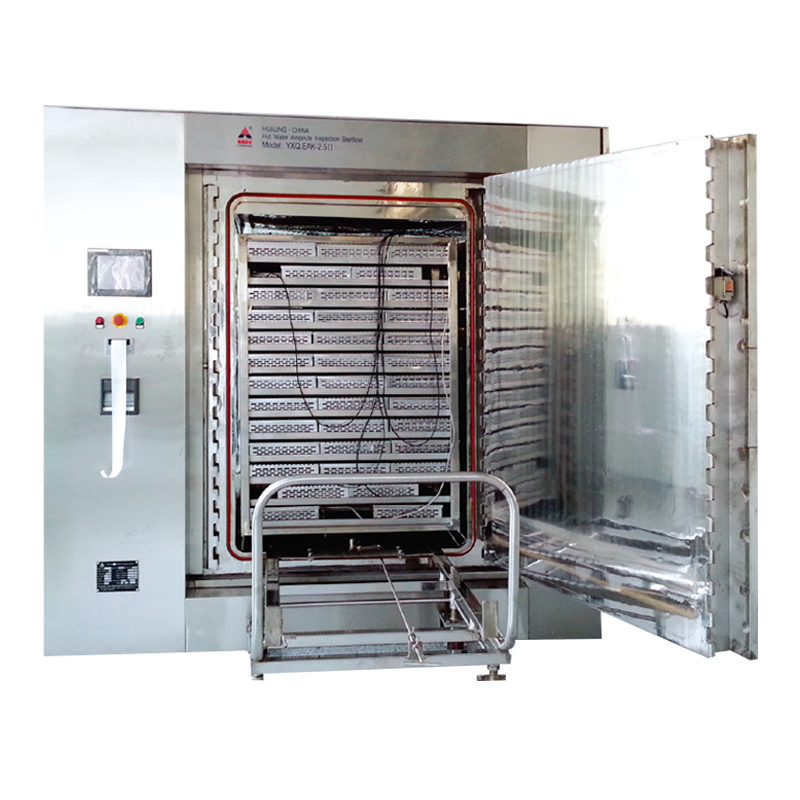
This sterilizer uses steam to sterilize, leak-detect, and clean for vials and ampoules.
See Details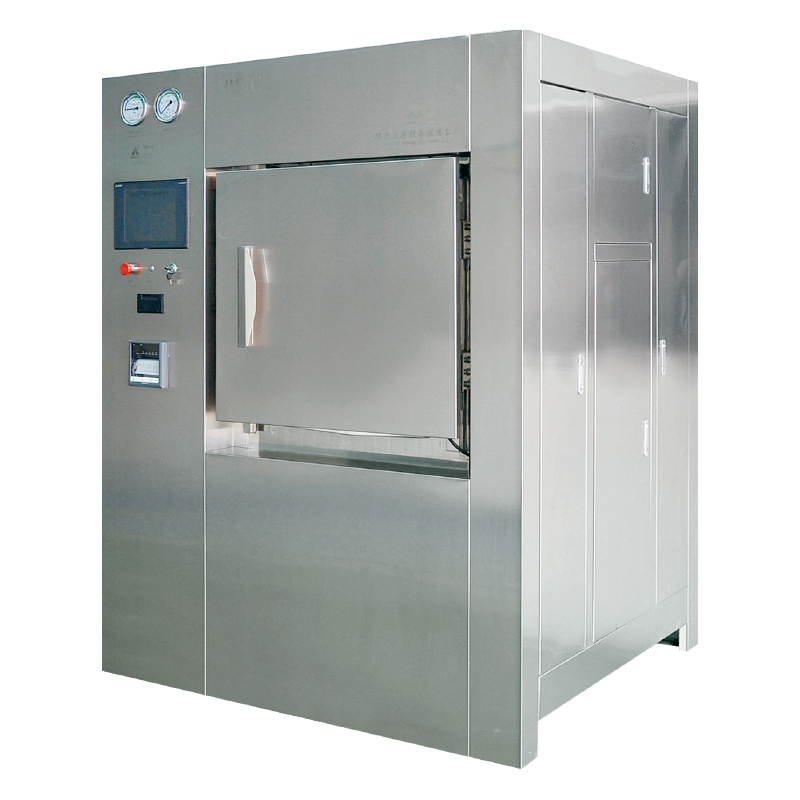
The sterilizer is to remove the impact of cold air on temperature using pulsation vacuum pumping wit...
See Details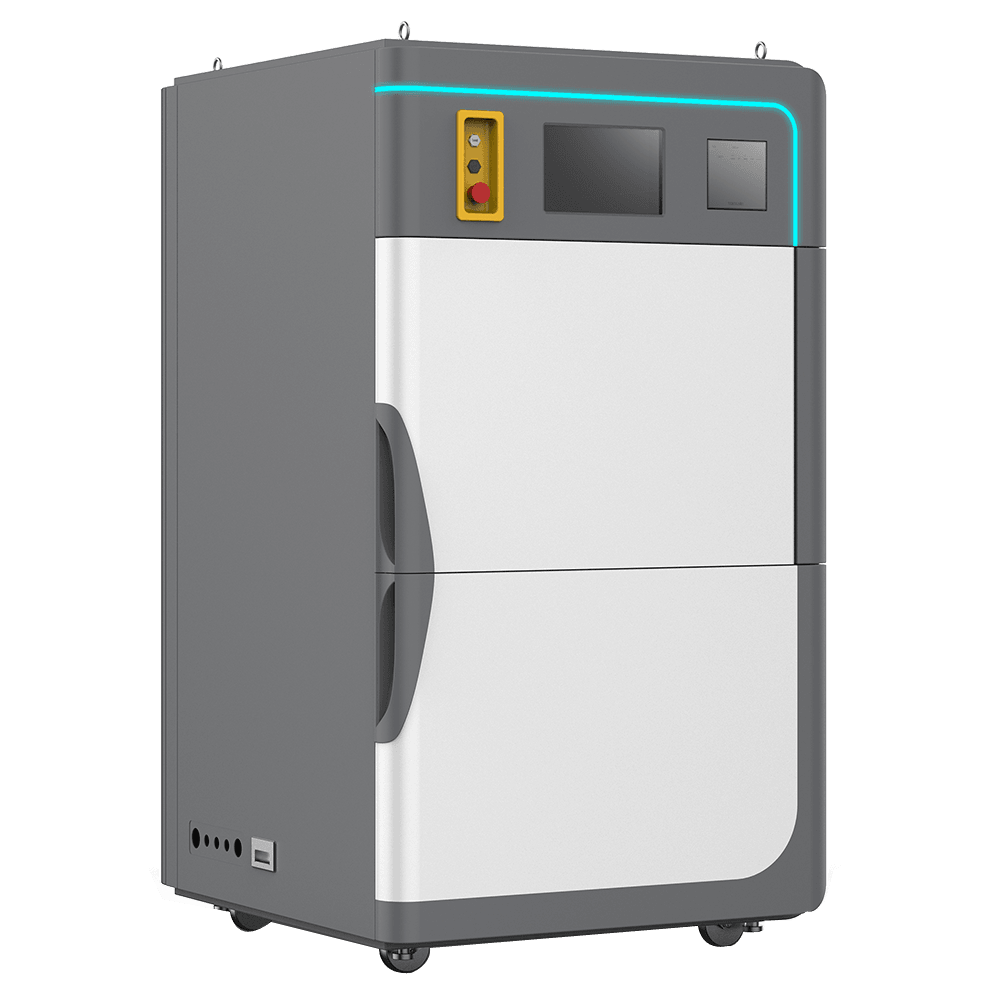
By the rapid penetration under vacuum conditions of a mixed gas of low-temperature (60℃ or 78℃) stea...
See Details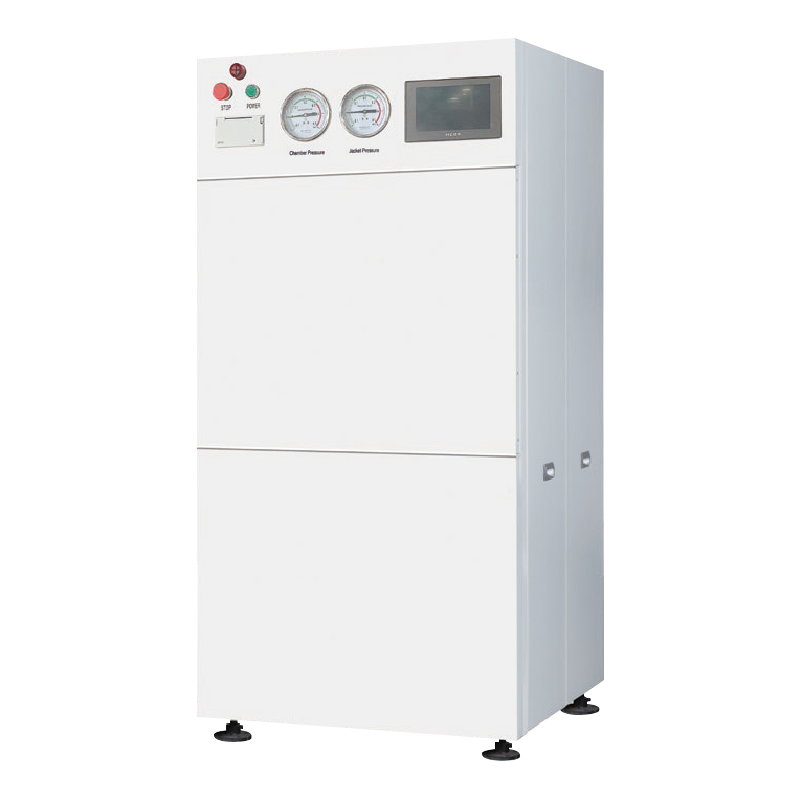
The Horizontal Steam Sterilizer utilizes saturated steam as the sterilizing medium, capitalizing on ...
See Details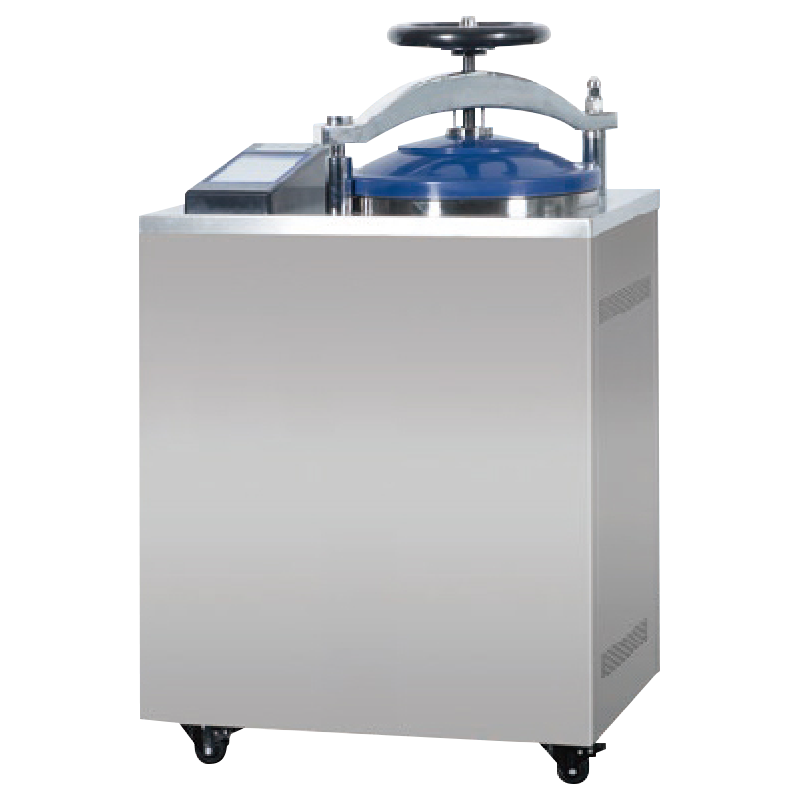
The Vertical Steam Sterilizer M Series (Pulsating Vacuum) is a safe and reliable sterilization solut...
See Details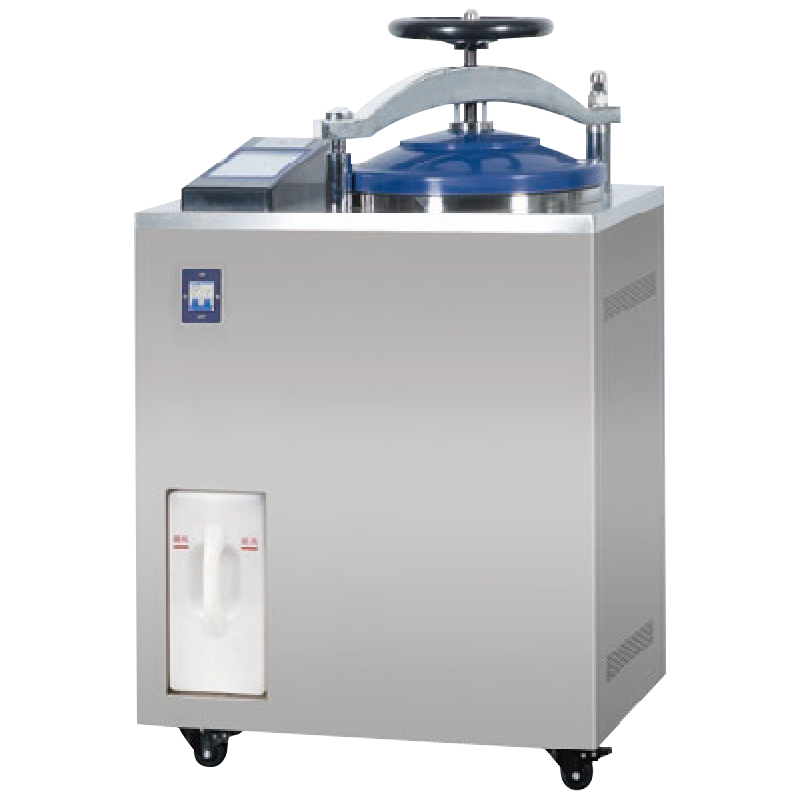
The Vertical Steam Sterilizer X Series (Multi-functional Laboratory Customized Model) offers a highl...
See Details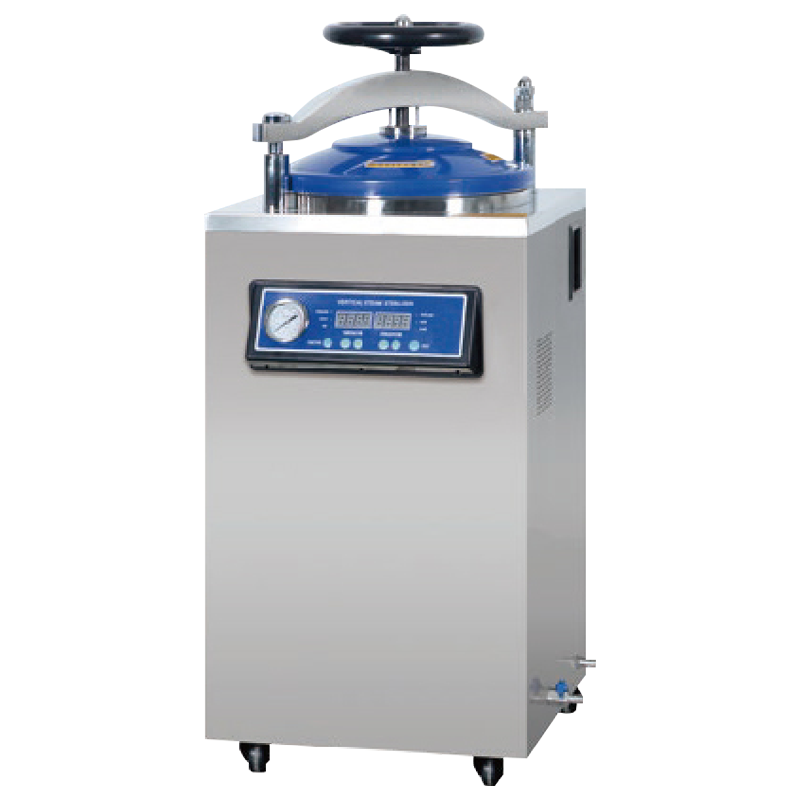
The Vertical Steam Sterilizer B Series offers a robust, automated solution for sterilizing a wide ra...
See Details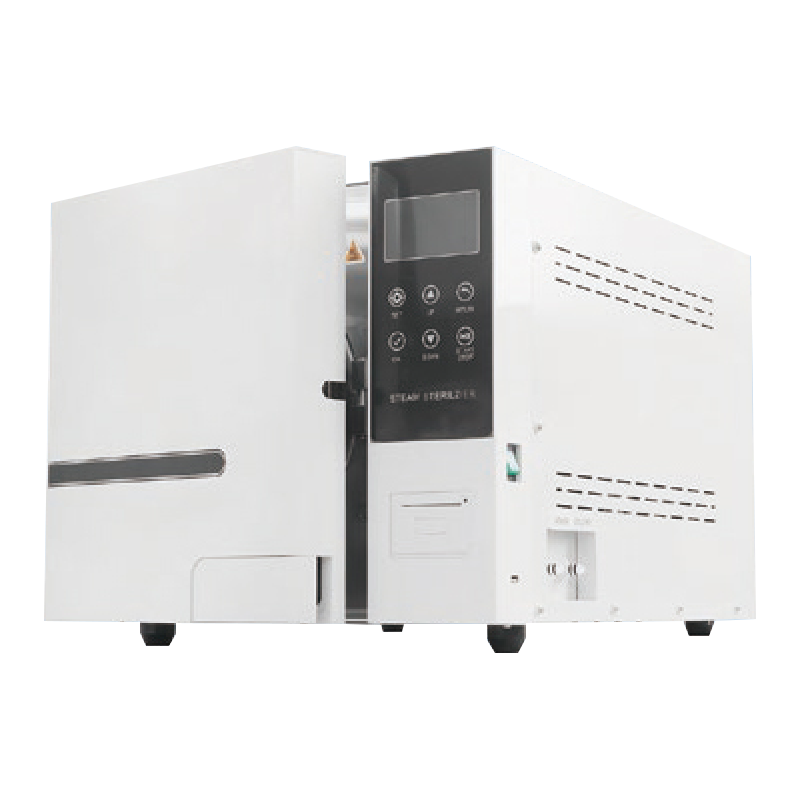
The Tabletop Steam Sterilizer YXQ.DX-X Series is a highly efficient and compact solution designed fo...
See Details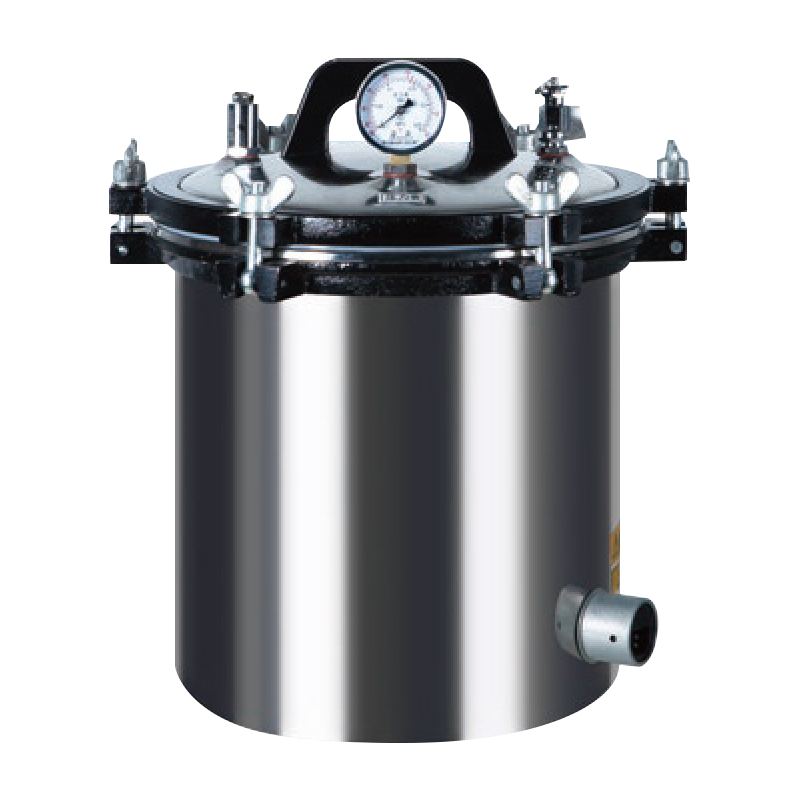
The YXQ.PPS-280C and C+ Portable Pressure Steam Sterilizer is a versatile dual-purpose sterilizer, o...
See Details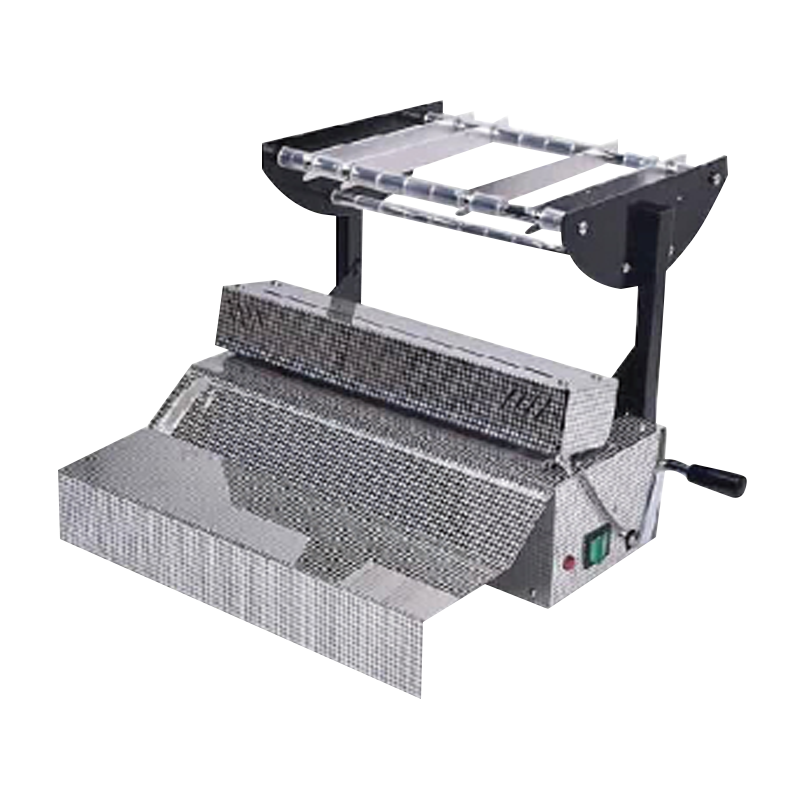
Product Usage:This type of sealing machine is used forsealing sterilizing bag, suitable for medicali...
See DetailsIntroduction to Sanitary Grade Sterilizer: Definition and Importance in Modern Sterilization Definit......
READ MOREIntroduction In today’s fast-paced world, ensuring the safety and sterility of products and material......
READ MOREIntroduction to Sterile Preparation Sterilizers What is Sterile Preparation? Sterile preparation ref......
READ MOREWhy Does Every Drug Require a Sterile Preparation Sterilizer? In modern medicine and pharmaceuticals......
READ MORE +(86) 18018151178
[email protected]
365 Nansha Sanjiali Road, Jingang Town, Zhangjiagang City, China
+(86) 18018151178
[email protected]
365 Nansha Sanjiali Road, Jingang Town, Zhangjiagang City, China
