 English
 русский
 Español
 عربى
عربى
 中文
中文

Traditional Chinese Medicine Sterilizer
Cat:Products
The sterilizer performs moist heat sterilization operations on items with saturated steam as the st...
See Details

A sterile preparation sterilizer is a specialized piece of pharmaceutical manufacturing equipment designed to achieve and verify the complete elimination of viable microorganisms from parenteral preparations, ophthalmic solutions, sterile powders, and other products that must be free from contamination before administration to patients. Unlike disinfection, which reduces microbial populations to acceptable levels, sterilization achieves a defined sterility assurance level (SAL) by eliminating the probability of a viable microorganism surviving the process. In regulated pharmaceutical manufacturing, this SAL is set at 10 to the power of minus 6, meaning that the probability of a single surviving microorganism per sterilized unit must be no greater than one in one million.
The direct conclusion for anyone specifying or evaluating a sterile preparation sterilizer is this: the correct sterilization method for any specific preparation is determined by the thermal and chemical stability of the product and its container, and the sterilizer must be selected, validated, and operated to achieve the required SAL across the full range of product load configurations that will be processed. Moist heat sterilization by saturated steam in an autoclave is the most widely used and best validated method for aqueous preparations in glass or metal containers; terminal dry heat sterilization is applied to heat stable powders, oils, and glassware; and alternative methods including filtration sterilization, ethylene oxide, and hydrogen peroxide plasma are used for heat sensitive products and devices. This article covers all principal sterilization methods, equipment design, validation requirements, and operational considerations for sterile preparation sterilizers in full technical depth.
Moist heat sterilization using saturated steam under pressure is the method of choice for terminal sterilization of aqueous parenteral preparations because the combination of heat and moisture denatures microbial proteins and nucleic acids with exceptional efficiency, achieving the required SAL of 10 to the power of minus 6 across a wide range of initial bioburden levels and container configurations. The standard reference condition for moist heat sterilization established by the major pharmacopoeias (USP, EP, JP) is 121 degrees Celsius for 15 minutes, which delivers a reference lethality (F0) value of 15 minutes at this reference condition. Most modern pharmaceutical sterilization cycles are designed to deliver F0 values of 8 to 15 minutes, which provides substantial safety margin above the theoretical minimum while limiting the thermal degradation that longer cycles impose on the product.
A pharmaceutical autoclave used as a sterile preparation sterilizer differs significantly from a hospital sterilizer in its design precision and validation requirements. Key design features that distinguish pharmaceutical grade autoclaves include:
The F0 value is the central concept in pharmaceutical moist heat sterilization science. It represents the equivalent sterilization time in minutes at the reference temperature of 121.1 degrees Celsius with a z value (thermal resistance constant) of 10 degrees Celsius, integrated across the actual temperature profile experienced by the coldest point in the load during the cycle. The calculation allows sterilization cycles at different temperatures and times to be compared on a common basis and ensures that the thermal input to the product is sufficient to achieve the required SAL regardless of variations in the cycle profile. A sterilization cycle achieving an F0 of 8 minutes against a bioburden of 10 to the power of minus 2 (one hundredth of a microorganism per unit) achieves a theoretical SAL of 10 to the power of minus 10, providing a 10,000 fold safety margin above the regulatory requirement of 10 to the power of minus 6.
Dry heat sterilization uses circulating hot air at temperatures of 160 to 250 degrees Celsius to achieve sterility of materials that are heat stable but cannot be sterilized by moist heat. The primary pharmaceutical applications for dry heat sterilization are depyrogenation of glassware (removal of bacterial endotoxins from container surfaces) and sterilization of non aqueous preparations including fixed oils, petroleum jelly, and inorganic powders.
Bacterial endotoxins (lipopolysaccharides from gram negative bacteria cell walls) are thermally stable and resist inactivation by moist heat sterilization at standard autoclave conditions. Depyrogenation requires temperatures above 200 degrees Celsius for extended periods: the standard depyrogenation reference condition is a 3 log reduction in endotoxin activity, and the validated dry heat depyrogenation cycle typically delivers a minimum exposure of 250 degrees Celsius for 30 minutes or equivalent accumulated lethality. The equivalent lethality parameter for dry heat, analogous to F0 in moist heat, is the FH value, calculated with a reference temperature of 170 degrees Celsius and a z value of 20 degrees Celsius for depyrogenation cycles.
Dry heat sterilization equipment for pharmaceutical sterile preparation is produced in two principal configurations: batch ovens and continuous tunnel sterilizers. Batch dry heat ovens are suitable for laboratory scale operations and for sterilization of components and equipment, while continuous depyrogenation tunnels are the standard production equipment for high volume vial and ampoule sterilization in parenteral manufacturing facilities. Continuous tunnels pass pre washed vials through three zones: a pre heating zone, a high temperature sterilization and depyrogenation zone where temperatures of 300 to 350 degrees Celsius are maintained, and a cooling zone that reduces the vial temperature to below 50 degrees Celsius before they exit into the aseptic filling area.
Many pharmaceutical preparations cannot withstand the temperatures required for terminal heat sterilization without unacceptable degradation of the active pharmaceutical ingredient or the container closure system. For these products, alternative sterilization methods are required, and the sterile preparation sterilizer must be matched to the specific product and container configuration.
| Sterilization Method | Primary Application | Achievable SAL | Key Limitation |
|---|---|---|---|
| Moist heat (autoclave) | Aqueous parenterals in glass or metal | 10 to the power of minus 6 or better | Requires heat stable product and container |
| Dry heat (oven or tunnel) | Glassware depyrogenation, oils, powders | 10 to the power of minus 6 or better | High temperatures required; slow process |
| Filtration sterilization | Heat sensitive solutions, biologics | Dependent on bioburden; not a terminal method | Does not remove viruses; requires aseptic fill |
| Ethylene oxide (EO) | Polymeric devices and packaging | 10 to the power of minus 6 or better | Toxic residues; extensive aeration required |
| Hydrogen peroxide plasma | Heat sensitive devices and surfaces | 10 to the power of minus 6 | Cannot process cellulosic materials |
Filtration sterilization passes the product solution through a 0.22 micrometer membrane filter that retains bacteria and other microorganisms, producing a sterile filtrate that is then filled aseptically into pre sterilized containers. Because filtration does not address viral contamination or the product after the filter in the way terminal sterilization does, it is considered a lower assurance approach than terminal sterilization and is used only when no terminal method is feasible. Pharmaceutical regulatory guidance (EMA and FDA) requires manufacturers to justify the use of filtration sterilization over terminal sterilization and to demonstrate that terminal sterilization has been explored and found not to be feasible for the specific product.
Validation of a sterile preparation sterilizer is the documented process by which it is demonstrated that the sterilizer consistently achieves the intended sterilization performance within defined specifications. Regulatory authorities including the FDA, EMA, and Japan's PMDA require sterilization processes to be validated before they are used in the production of commercial pharmaceutical products, and this validation must be maintained and periodically reconfirmed throughout the operational life of the sterilizer. The validation process for a pharmaceutical autoclave follows a structured qualification pathway:
The sterile preparation sterilizer is one of the most critical pieces of equipment in pharmaceutical manufacturing because the consequences of sterilization failure are directly life threatening to patients who receive contaminated parenteral products. Regulatory inspection findings related to sterilization process validation and control are among the most serious categories of Good Manufacturing Practice (GMP) deficiency identified by FDA and EMA inspectors, and unresolved sterilization related observations frequently result in import alerts, product recalls, or facility shutdowns. The investment in proper equipment specification, rigorous validation, and disciplined ongoing monitoring is not discretionary in this context; it is the fundamental basis on which patient safety in parenteral manufacturing depends.
Choosing the correct sterile preparation sterilizer for a pharmaceutical manufacturing application requires a systematic assessment of the product characteristics, the regulatory requirements of the target market, and the production volume and throughput requirements of the facility. The following practical criteria guide this selection:
The sterile preparation sterilizer is ultimately defined by the consistency and rigor of the sterilization process it enables, and a well specified, properly validated, and diligently monitored sterilizer is the technical foundation on which the entire sterile product quality assurance system rests. Investing in the correct equipment, validation effort, and ongoing monitoring program is the practical expression of the manufacturer's commitment to patient safety that is at the core of pharmaceutical manufacturing regulation worldwide.
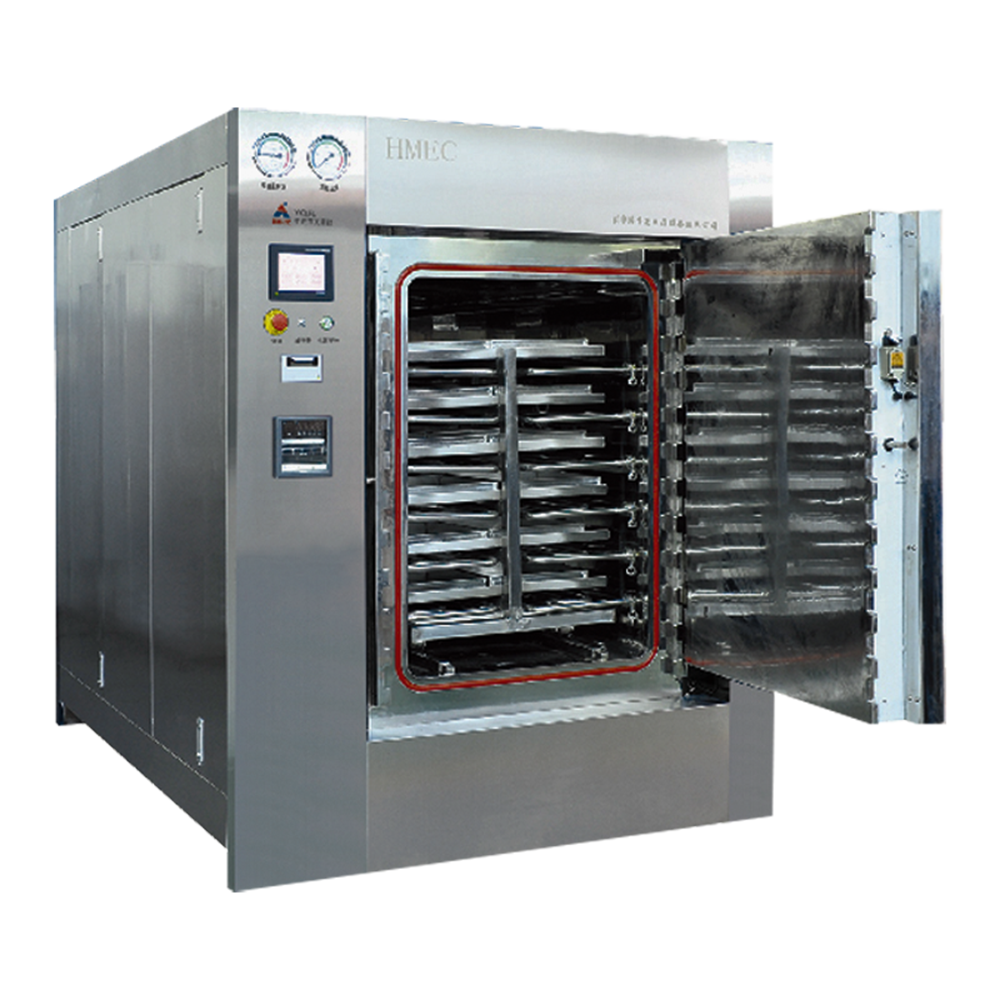
The sterilizer performs moist heat sterilization operations on items with saturated steam as the st...
See Details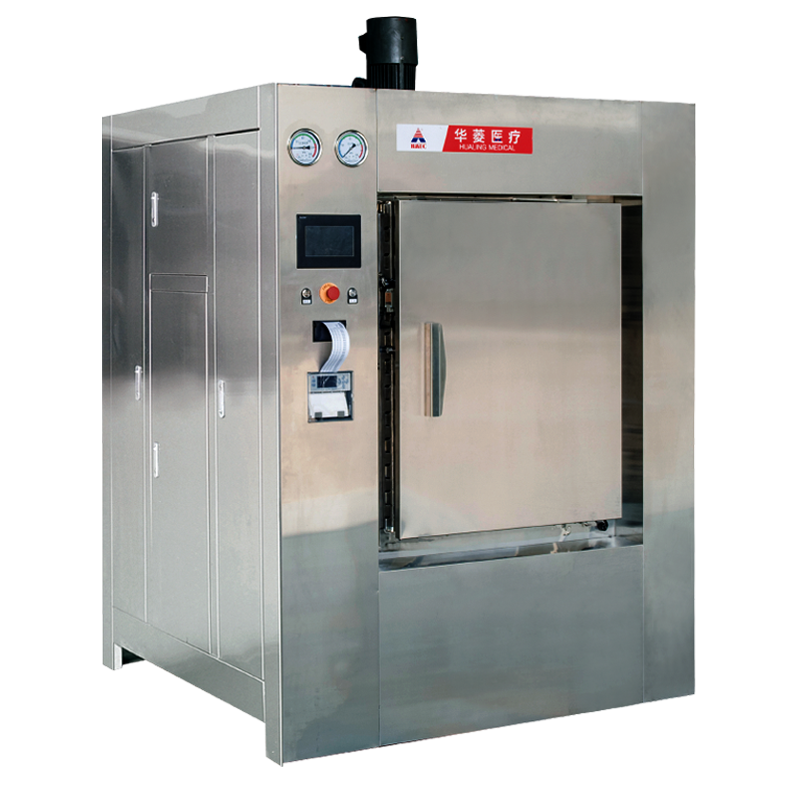
The sterilizer performs sterilization by means of mixing pressure of air and steam. Furthermore, mi...
See Details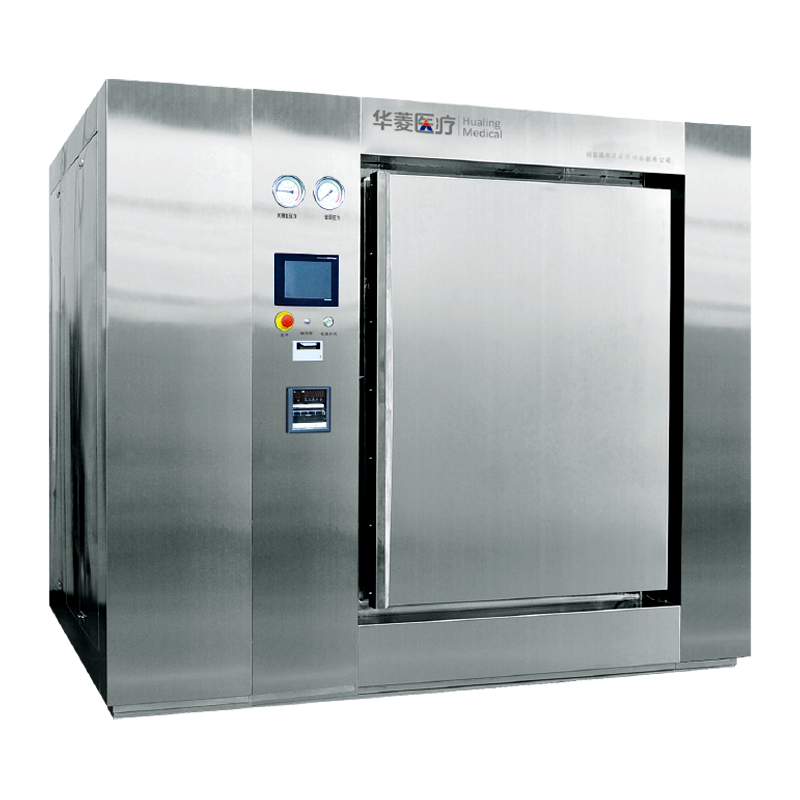
Water-bath type: The sterilized drugs are heated using water spraying using superheated water as the...
See Details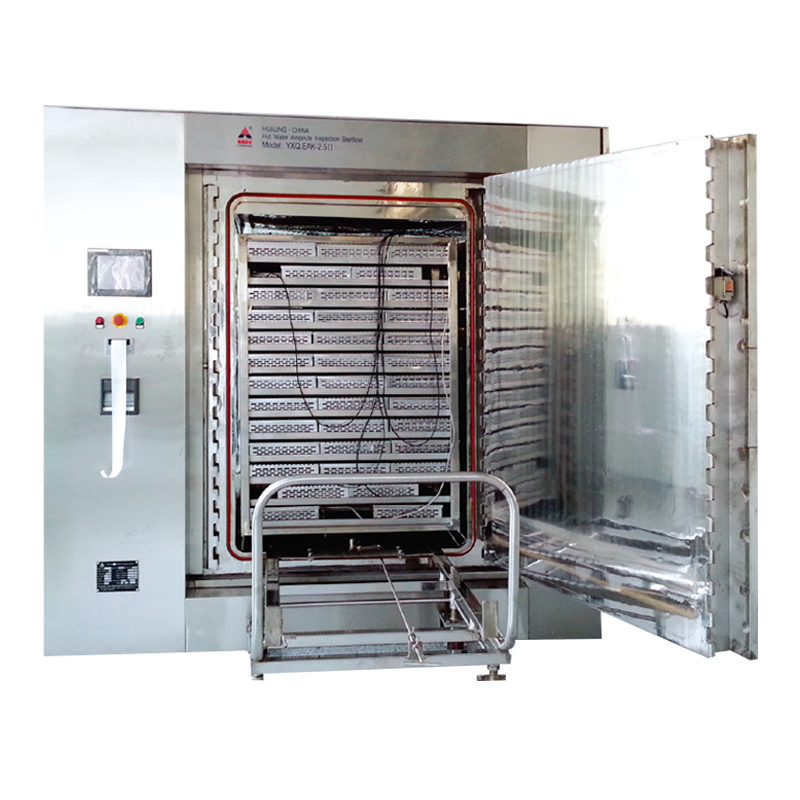
This sterilizer uses steam to sterilize, leak-detect, and clean for vials and ampoules.
See Details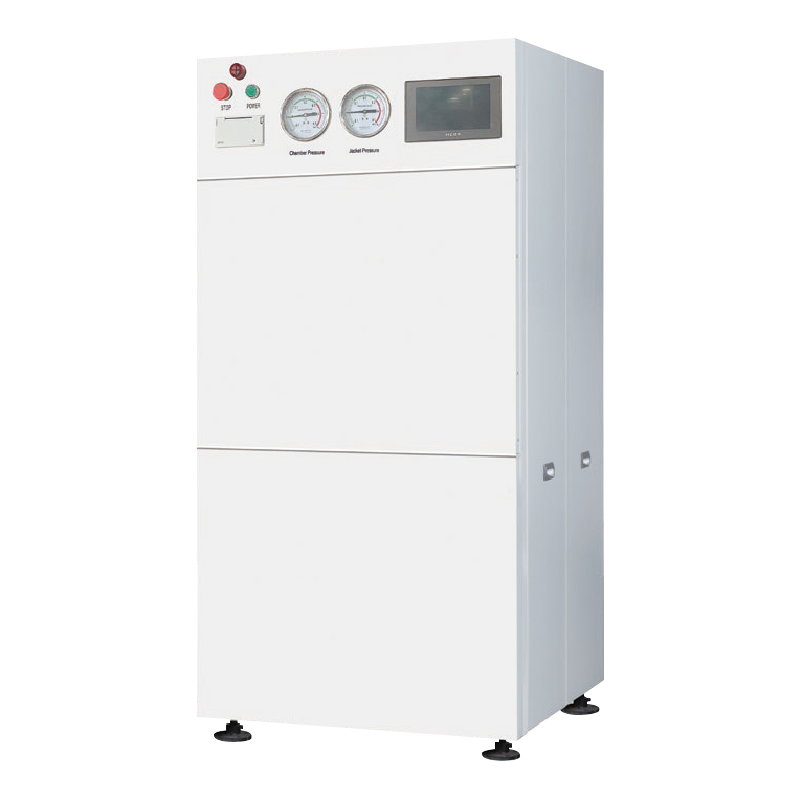
The Horizontal Steam Sterilizer utilizes saturated steam as the sterilizing medium, capitalizing on ...
See Details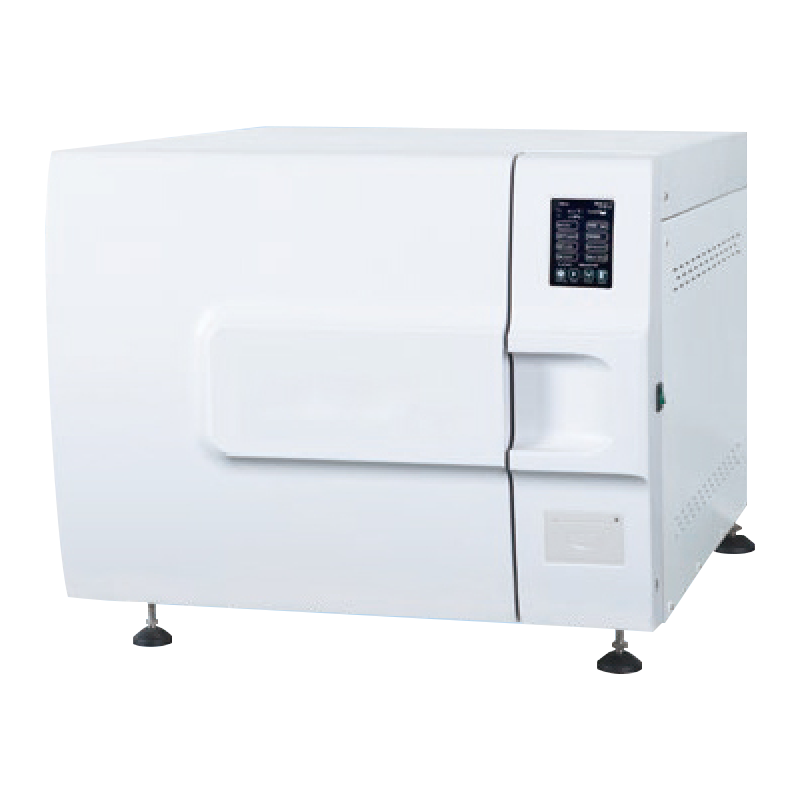
The Tabletop Steam Sterilizer Z Series is an efficient, user-friendly sterilization solution designe...
See Details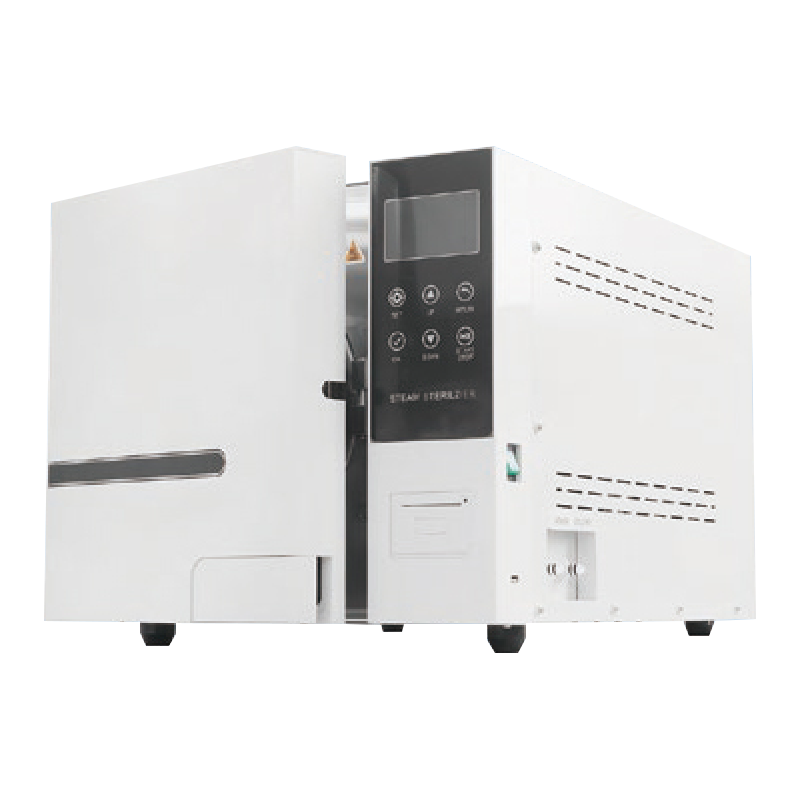
The Tabletop Steam Sterilizer YXQ.DX-X Series is a highly efficient and compact solution designed fo...
See Details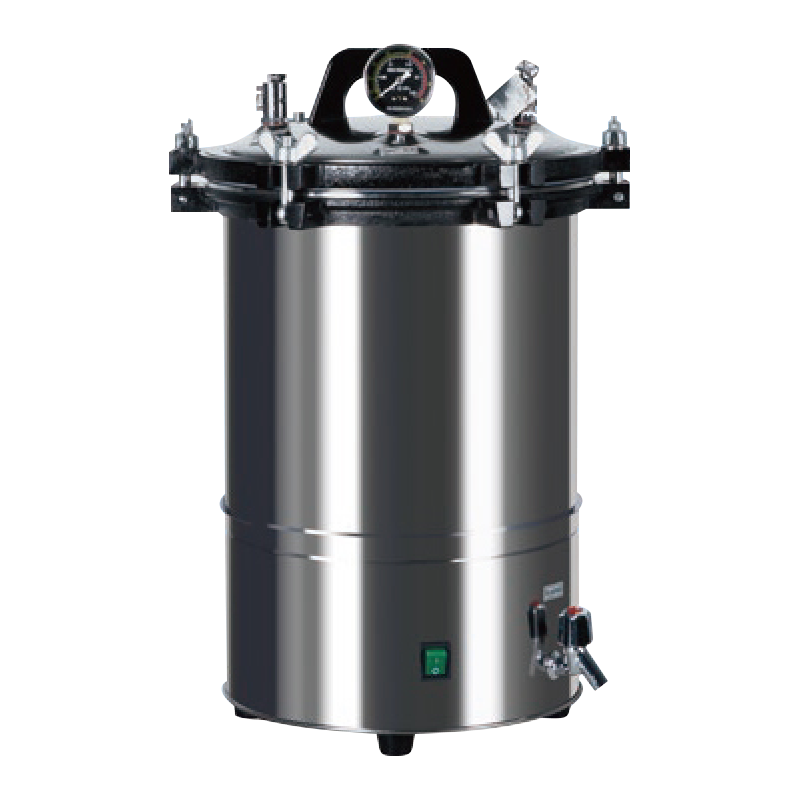
The Portable Pressure Steam Sterilizer Model YXQ.PPS-280A and A+ offers a compact and reliable solut...
See Details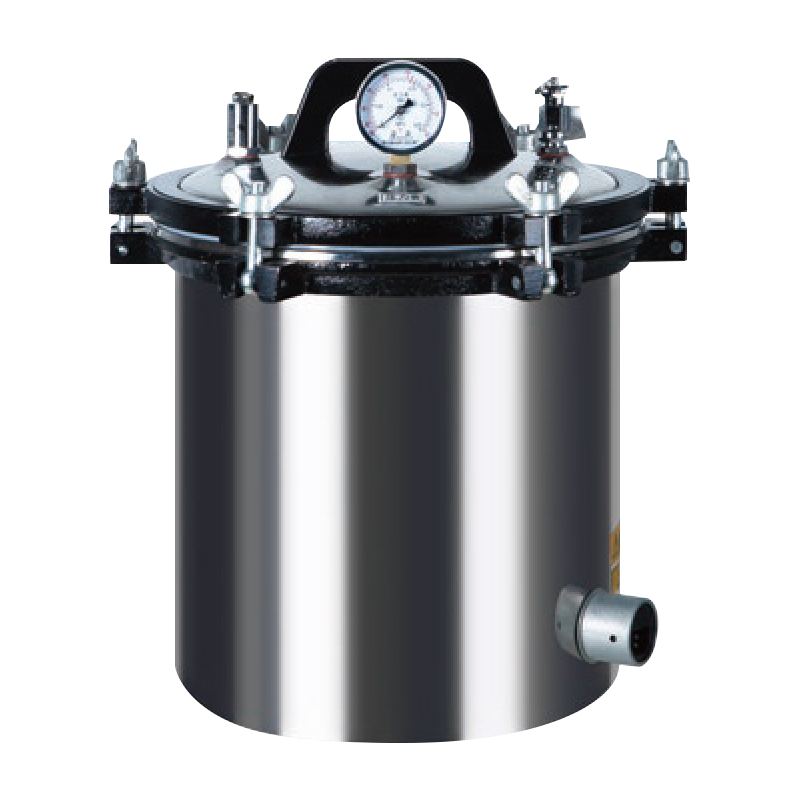
The YXQ.PPS-280C and C+ Portable Pressure Steam Sterilizer is a versatile dual-purpose sterilizer, o...
See Details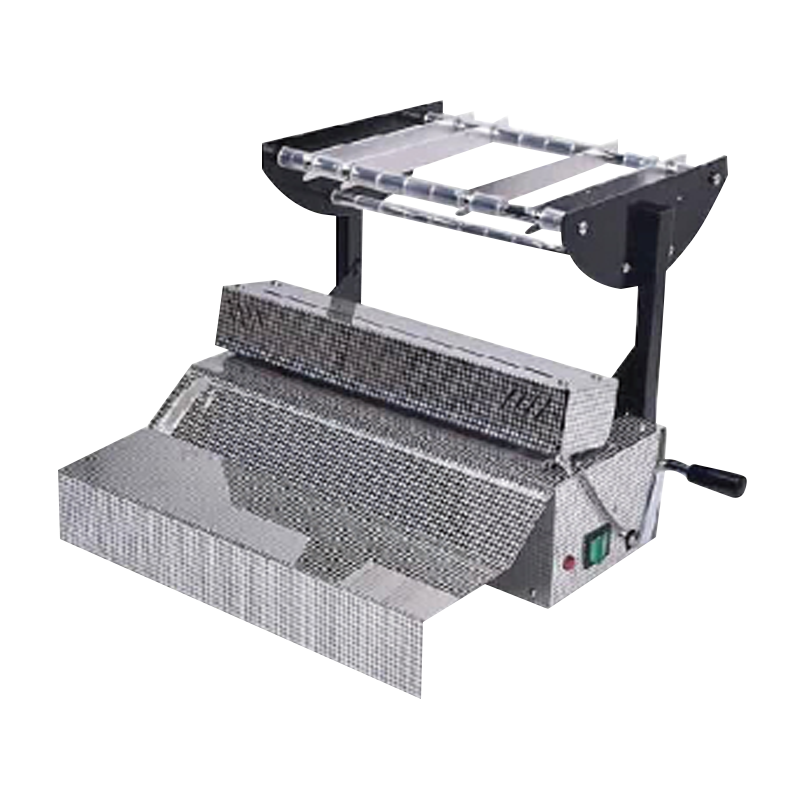
Product Usage:This type of sealing machine is used forsealing sterilizing bag, suitable for medicali...
See DetailsIntroduction to Sanitary Grade Sterilizer: Definition and Importance in Modern Sterilization Definit......
READ MOREIntroduction In today’s fast-paced world, ensuring the safety and sterility of products and material......
READ MOREIntroduction to Sterile Preparation Sterilizers What is Sterile Preparation? Sterile preparation ref......
READ MOREWhy Does Every Drug Require a Sterile Preparation Sterilizer? In modern medicine and pharmaceuticals......
READ MORE +(86) 18018151178
[email protected]
365 Nansha Sanjiali Road, Jingang Town, Zhangjiagang City, China
+(86) 18018151178
[email protected]
365 Nansha Sanjiali Road, Jingang Town, Zhangjiagang City, China
