 English
 русский
 Español
 عربى
عربى
 中文
中文

Steam Ampoule Leak Detector Sterilizer
Cat:Products
This sterilizer uses steam to sterilize, leak-detect, and clean for vials and ampoules.
See Details

Low temperature steam formaldehyde sterilization represents one of the most effective and validated methods for achieving high level disinfection and sterilization of heat sensitive medical devices and instruments that cannot withstand the 121 to 134 degrees Celsius temperatures required by conventional steam autoclaves. The combination of sub atmospheric steam and formaldehyde vapor at temperatures typically between 60 and 80 degrees Celsius creates a sterilizing environment that penetrates complex instrument geometries, flexible endoscope channels, and porous materials while preserving the integrity of temperature sensitive components including optical systems, electrical elements, plastics, and specialized coatings.
The direct conclusion for any healthcare facility evaluating a low temperature steam formaldehyde sterilizer is this: LTSF sterilization offers a validated, internationally recognized sterilization process that achieves a sterility assurance level (SAL) of 10 to the power of minus 6 across a wider range of device types and materials than hydrogen peroxide plasma, ethylene oxide, or dry heat alternatives, particularly for hollow bodied instruments, flexible scopes, and devices with long narrow lumens. The LTSF process is fully compatible with standard wrapping and pouching materials, produces no toxic residues requiring specialized aeration, and operates in a sealed chamber that eliminates direct operator exposure to formaldehyde during normal use. This article covers how the process works, what devices it sterilizes, what the cycle parameters and validation requirements are, and what operational and safety standards govern LTSF sterilizer use.
The LTSF process achieves sterilization through the combined biocidal action of saturated steam at sub atmospheric pressure and formaldehyde vapor introduced into the chamber after initial vacuum conditioning. The sequence of vacuum and steam pulses that precedes formaldehyde introduction serves a critical function: it removes air from the chamber and from within the instrument load, because air pockets that remain in contact surfaces, lumens, or packaging would prevent the sterilizing atmosphere from making the sustained contact with microbial contamination that is required for reliable sterilization. The formaldehyde then enters a chamber already conditioned to the correct temperature and humidity, ensuring that it remains in its active vapor state rather than condensing into paraformaldehyde polymer, which is far less effective as a sterilizing agent.
A standard LTSF sterilization cycle proceeds through the following phases, each of which is monitored and controlled by the sterilizer's process control system:
Formaldehyde achieves its biocidal effect through alkylation: it reacts with the amino, hydroxyl, carboxyl, and sulfhydryl groups of proteins and nucleic acids within microbial cells, cross linking these molecules and preventing the enzymatic reactions and genetic replication processes essential to microbial survival. This mechanism is effective against all categories of microorganisms including vegetative bacteria, mycobacteria, bacterial spores, fungi, and viruses. The combination of heat, steam, and formaldehyde in the LTSF process creates a synergistic biocidal effect where the steam component denatures proteins and permeabilizes cell membranes, making microbial cells more susceptible to formaldehyde penetration and alkylation than either agent would achieve individually at the same concentration and temperature. This synergy is the scientific basis for the effectiveness of LTSF sterilization at temperatures substantially below those required for steam sterilization alone.
The low process temperature of LTSF sterilization makes it suitable for a wide range of medical devices and instrument types that cannot be reprocessed by conventional steam autoclaving. Understanding which device categories are compatible with LTSF and which require additional assessment is essential for establishing correct reprocessing protocols in a healthcare sterile services department.
LTSF sterilization is not appropriate for all medical devices, and the following categories require alternative reprocessing methods:
Healthcare facilities selecting a low temperature sterilization technology must evaluate LTSF against other established methods including hydrogen peroxide plasma sterilization (HPGP), ethylene oxide (EO) sterilization, and peracetic acid systems. Each method has distinct advantages and limitations that determine its suitability for different device portfolios and facility requirements.
| Factor | LTSF Sterilization | Hydrogen Peroxide Plasma | Ethylene Oxide |
|---|---|---|---|
| Process temperature | 60 to 80 degrees C | 45 to 55 degrees C | 37 to 63 degrees C |
| Typical cycle time | 2 to 4 hours | 28 to 75 minutes | 2 to 6 hours plus aeration |
| Long lumen compatibility | Excellent | Limited by lumen length and diameter | Good with adequate conditioning |
| Cellulosic material compatibility | Not compatible | Not compatible | Compatible |
| Packaging compatibility | Standard pouches and wraps | Dedicated non woven wraps required | Porous packaging required |
| Residual toxicity concern | Managed by air wash phase; no separate aeration | Minimal: byproducts are water and oxygen | Significant: dedicated aeration required |
| Capital cost | Medium to high | Medium to high | High including aeration cabinet |
The most significant practical advantage of LTSF over hydrogen peroxide plasma sterilization is its superior penetration of long, narrow bore single ended lumens and complex hollow instrument geometries. Studies comparing the two technologies for flexible endoscope sterilization have consistently found that LTSF achieves reliable sterilization of endoscope channel systems with internal diameters of 1 mm or less and lengths of 200 cm or more, which represent the most challenging internal geometries in the endoscope reprocessing portfolio. Hydrogen peroxide plasma processes are restricted by the hydrogen peroxide molecule's lower penetration capability in these geometries, requiring booster cartridges or extended cycles that do not always achieve reliable sterilization in the most demanding endoscope configurations.
Sterilization validation is the process of establishing documentary evidence that an LTSF sterilization cycle consistently achieves its intended outcome of a sterility assurance level of 10 to the power of minus 6 for the specified load configuration under defined process parameters. Validation is not a one time activity but an ongoing quality assurance commitment that encompasses initial qualification, routine monitoring, and periodic revalidation when equipment, load types, or process parameters change.
The biological indicator (BI) used for LTSF sterilization process monitoring is typically Bacillus atrophaeus (formerly Bacillus subtilis var. niger) spores, which are highly resistant to formaldehyde and serve as the reference challenge organism for LTSF process verification. International standard ISO 11138 specifies the performance requirements for biological indicators used in LTSF sterilization, requiring a minimum spore population of 10 to the power of 6 colony forming units per indicator and a defined resistance to the LTSF process expressed as the D value (the time required to achieve one log reduction in viable spore count under specified conditions). Routine use of BIs in each cycle or at defined frequency intervals, combined with chemical indicators that provide visual confirmation of process exposure, constitutes the standard monitoring program for LTSF sterilizers in operation.
Modern LTSF sterilizers incorporate continuous monitoring and recording of the critical process parameters that define cycle effectiveness:
Formaldehyde is classified as a human carcinogen (Group 1) by the International Agency for Research on Cancer (IARC), and as a probable carcinogen by multiple national regulatory agencies including the US EPA. This classification reflects epidemiological evidence linking chronic occupational formaldehyde exposure to increased risk of nasopharyngeal cancer and leukemia. The occupational safety framework for LTSF sterilizer operation therefore requires engineering controls, administrative procedures, and personal protective equipment to maintain formaldehyde exposure of all personnel at or below regulatory exposure limits at all times.
Occupational exposure limits for formaldehyde vary between jurisdictions but all are set at levels designed to prevent both acute irritant effects and chronic carcinogenic risk:
Modern LTSF sterilizers are designed to contain formaldehyde within the sterilizer system throughout the entire cycle, including the formaldehyde introduction, sterilization exposure, and air washing phases. The engineering controls that achieve this containment include:
Low temperature steam formaldehyde sterilization, when correctly installed, validated, operated, and maintained within a comprehensive occupational health and safety framework, provides healthcare sterile services departments with a highly capable and materials compatible sterilization process for the most challenging instrument types in the modern surgical portfolio. The combination of reliable sterilization performance for complex and heat sensitive instruments, compatibility with standard packaging materials, and the absence of a post cycle aeration requirement makes LTSF a practically efficient and clinically important sterilization method alongside, and in specific device categories preferred over, hydrogen peroxide plasma and ethylene oxide alternatives.
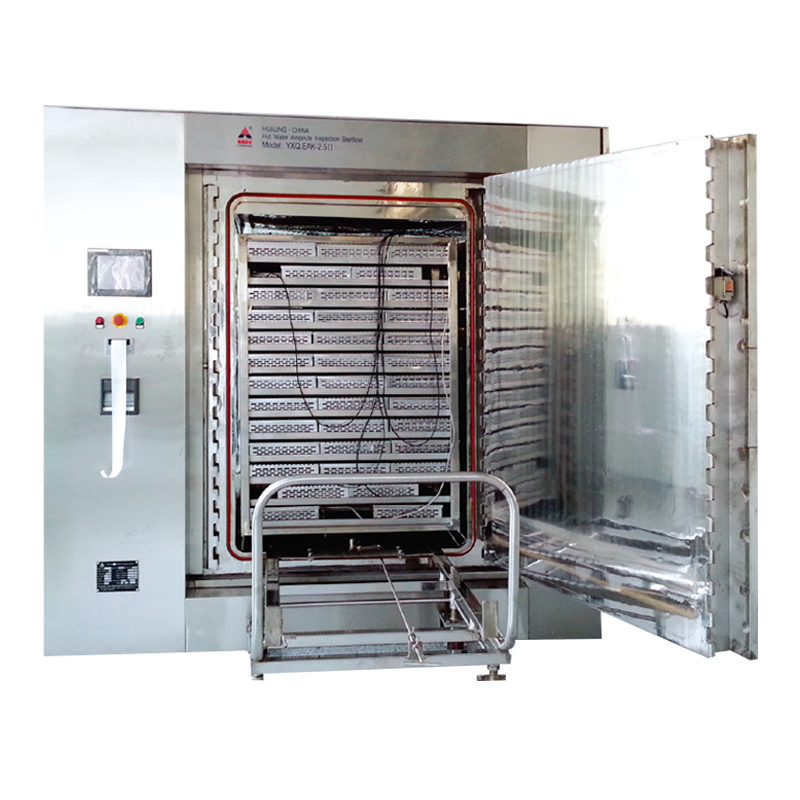
This sterilizer uses steam to sterilize, leak-detect, and clean for vials and ampoules.
See Details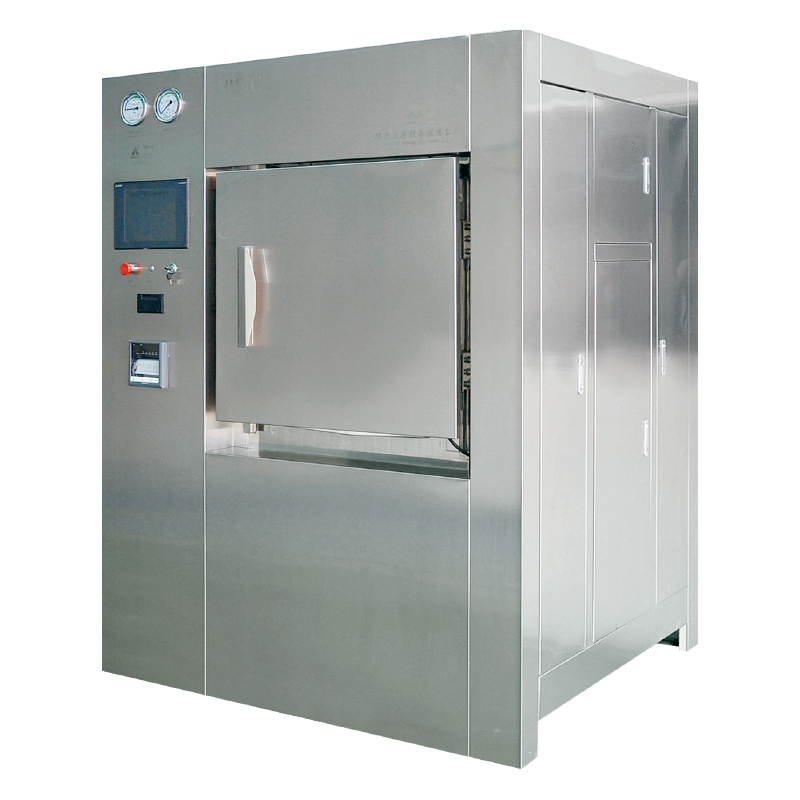
The sterilizer is to remove the impact of cold air on temperature using pulsation vacuum pumping wit...
See Details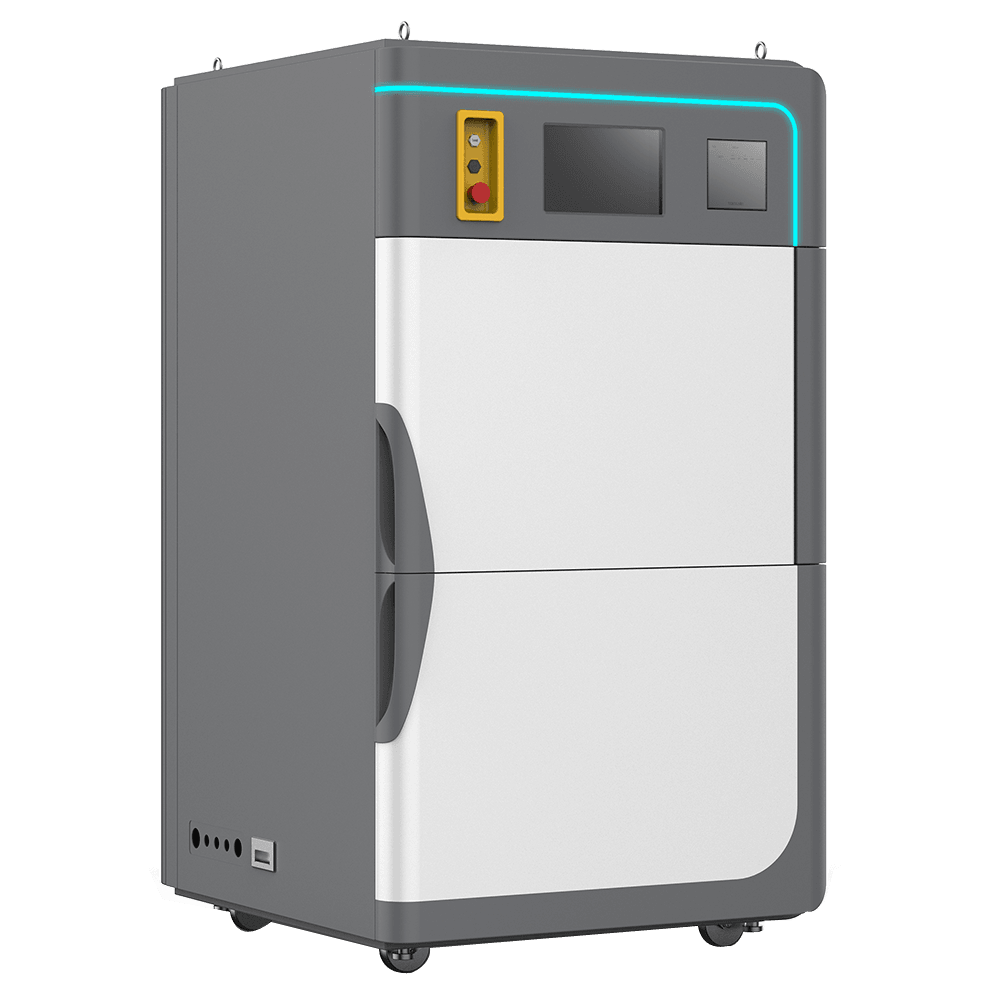
By the rapid penetration under vacuum conditions of a mixed gas of low-temperature (60℃ or 78℃) stea...
See Details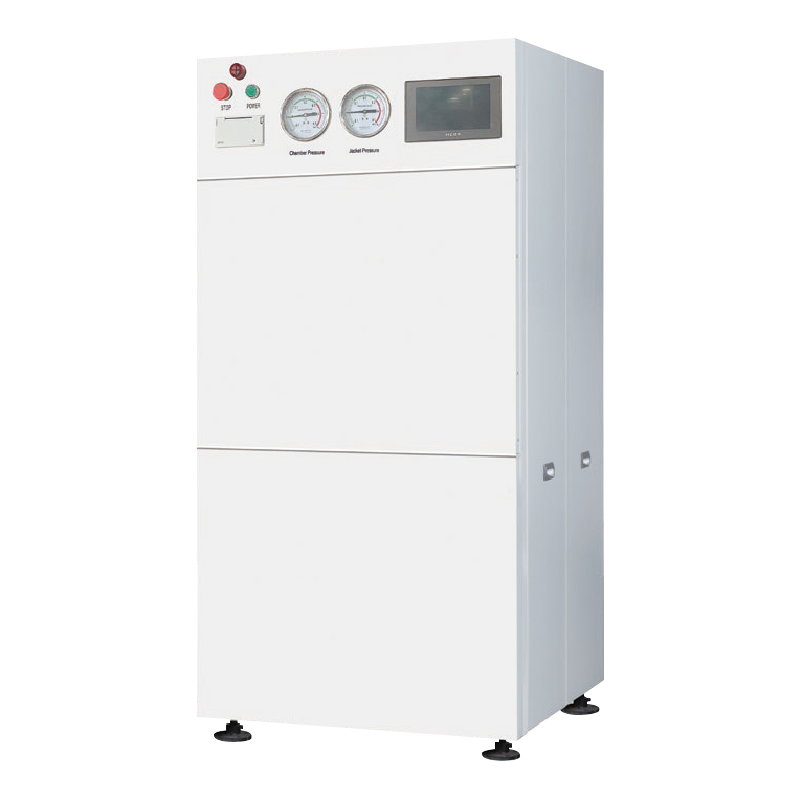
The Horizontal Steam Sterilizer utilizes saturated steam as the sterilizing medium, capitalizing on ...
See Details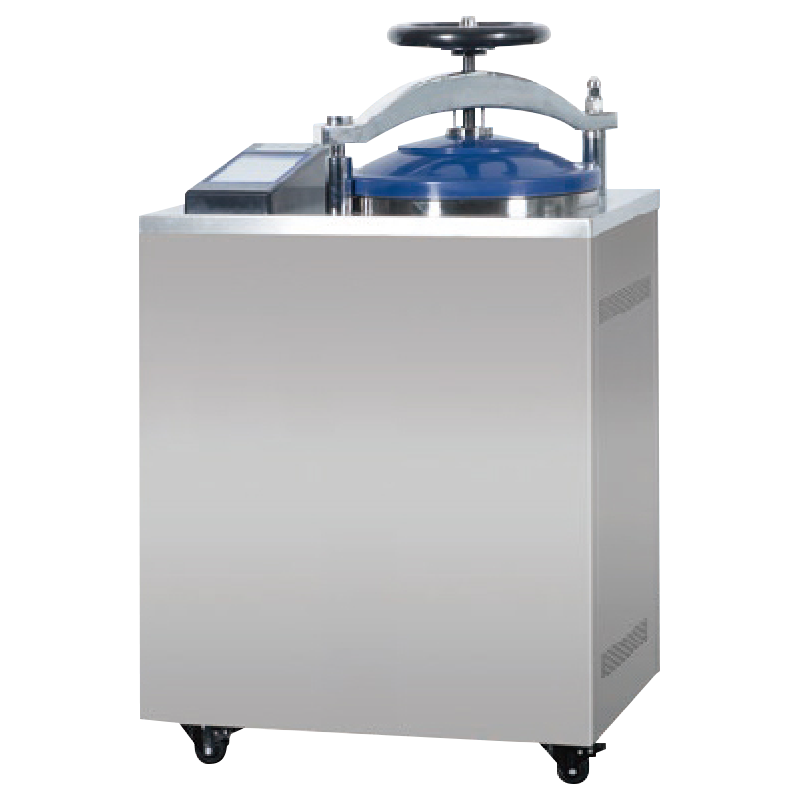
The Vertical Steam Sterilizer M Series (Pulsating Vacuum) is a safe and reliable sterilization solut...
See Details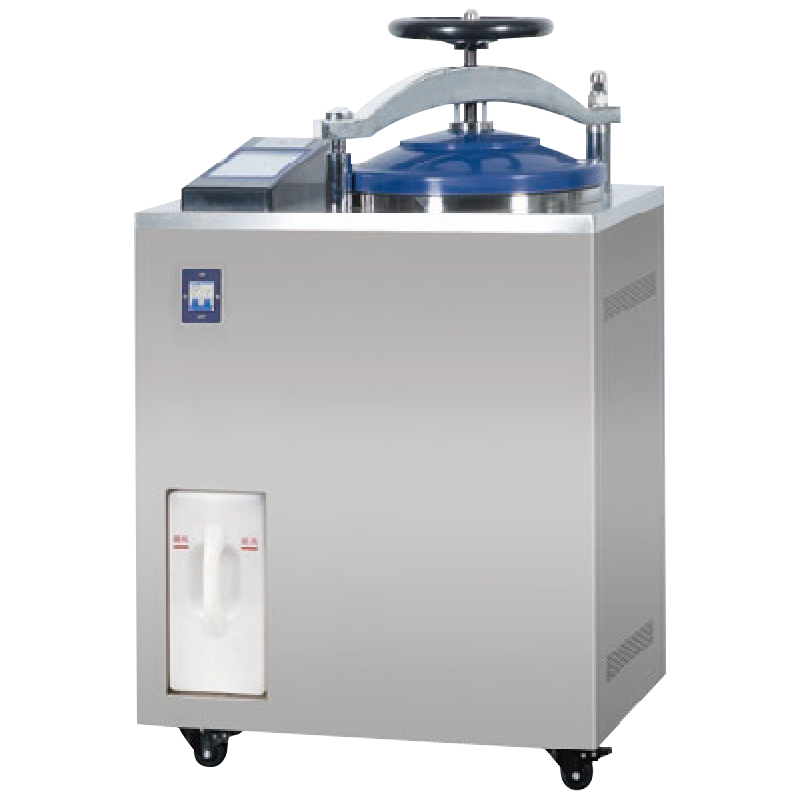
The Vertical Steam Sterilizer X Series (Multi-functional Laboratory Customized Model) offers a highl...
See Details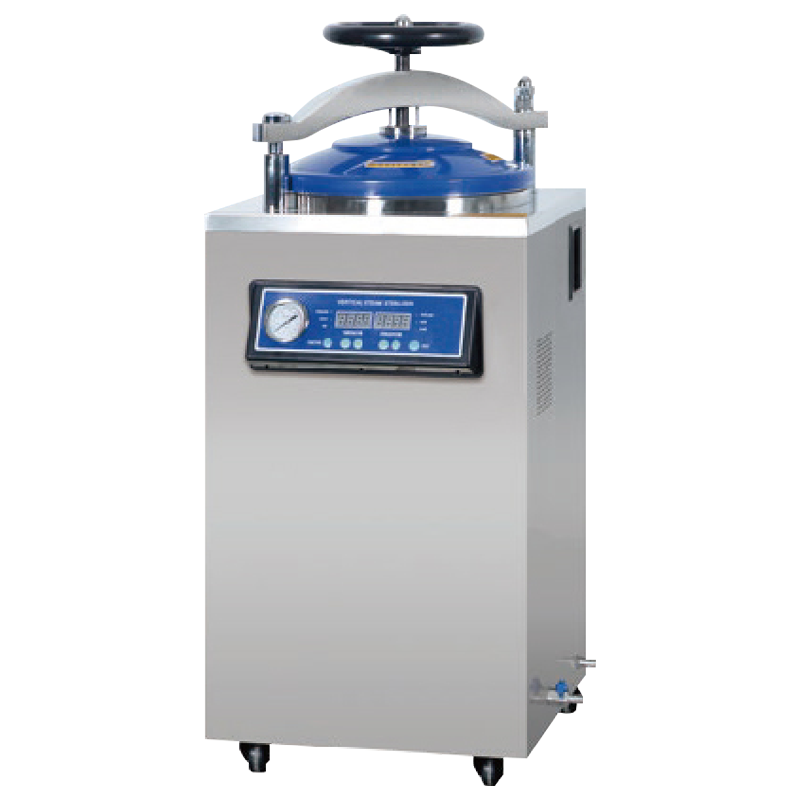
The Vertical Steam Sterilizer B Series offers a robust, automated solution for sterilizing a wide ra...
See Details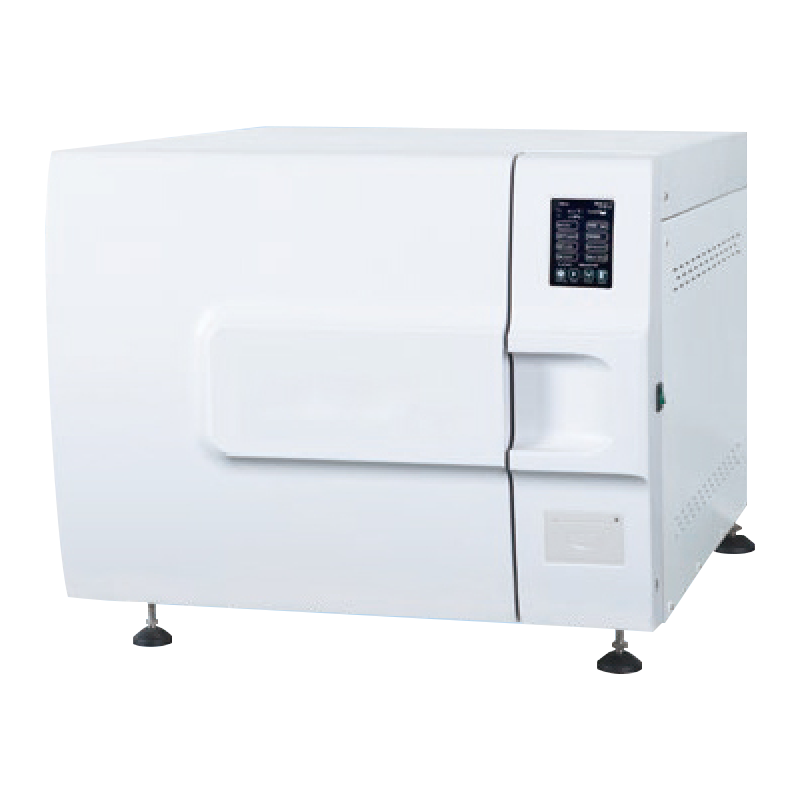
The Tabletop Steam Sterilizer Z Series is an efficient, user-friendly sterilization solution designe...
See Details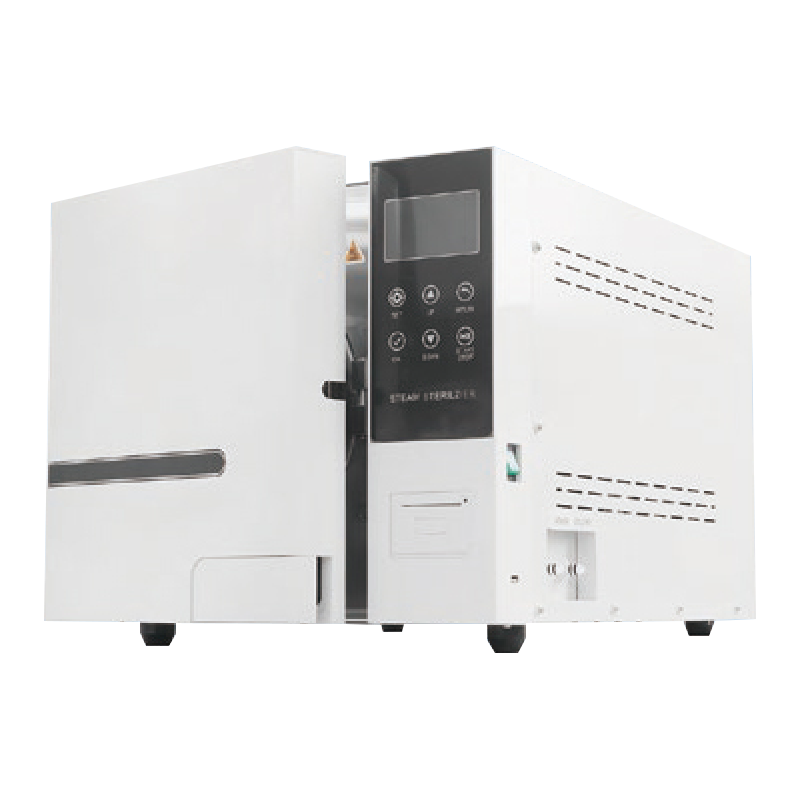
The Tabletop Steam Sterilizer YXQ.DX-X Series is a highly efficient and compact solution designed fo...
See Details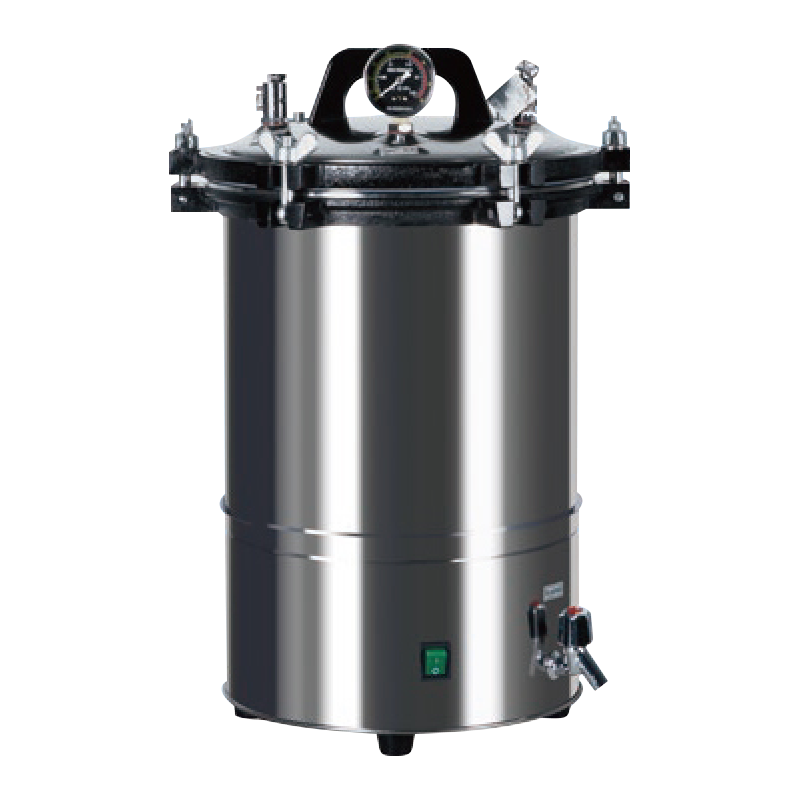
The Portable Pressure Steam Sterilizer Model YXQ.PPS-280A and A+ offers a compact and reliable solut...
See DetailsIntroduction to Sanitary Grade Sterilizer: Definition and Importance in Modern Sterilization Definit......
READ MOREIntroduction In today’s fast-paced world, ensuring the safety and sterility of products and material......
READ MOREIntroduction to Sterile Preparation Sterilizers What is Sterile Preparation? Sterile preparation ref......
READ MOREWhy Does Every Drug Require a Sterile Preparation Sterilizer? In modern medicine and pharmaceuticals......
READ MORE +(86) 18018151178
[email protected]
365 Nansha Sanjiali Road, Jingang Town, Zhangjiagang City, China
+(86) 18018151178
[email protected]
365 Nansha Sanjiali Road, Jingang Town, Zhangjiagang City, China
